









































Cycling Tires
-
 25% off
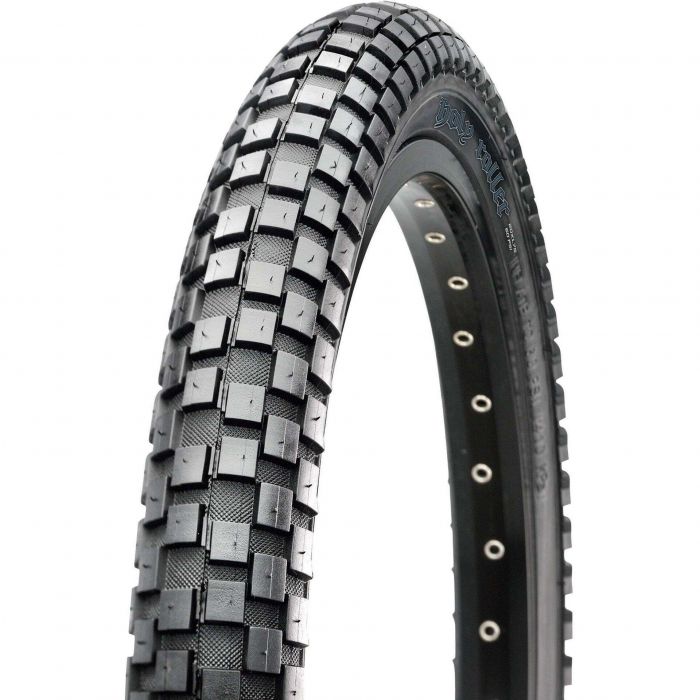
Maxxis Holy Roller Cycling Tire
$43.00 - $71.99$32.25 - $71.99 -
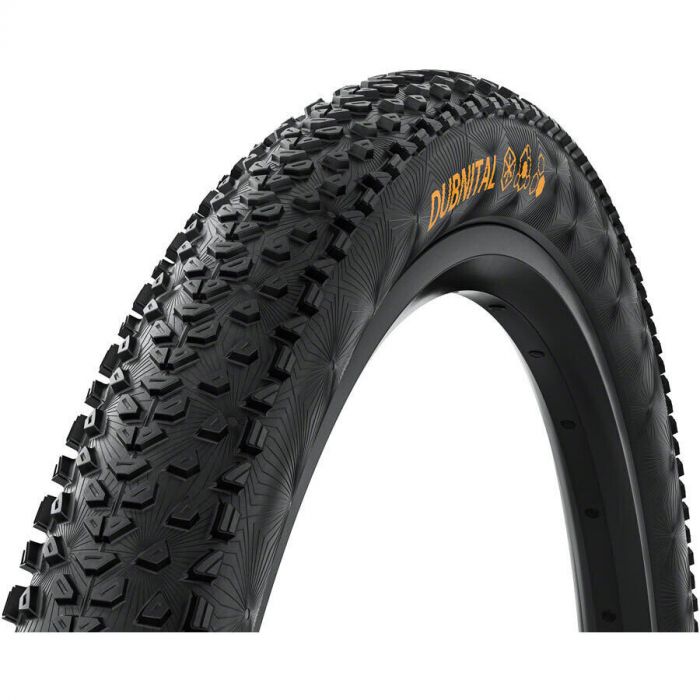

Continental Dubnital MTB Tire
$90.95 - $111.99 -

Continental Cross King Wire MTB Tire
$35.99 - $38.99 -


Continental Trinotal MTB Tire
$86.95 - $100.95 -
 25% off
Continental Contact Urban Cycling Tire
$55.99 - $75.99$45.99 - $75.99 -
 50% off
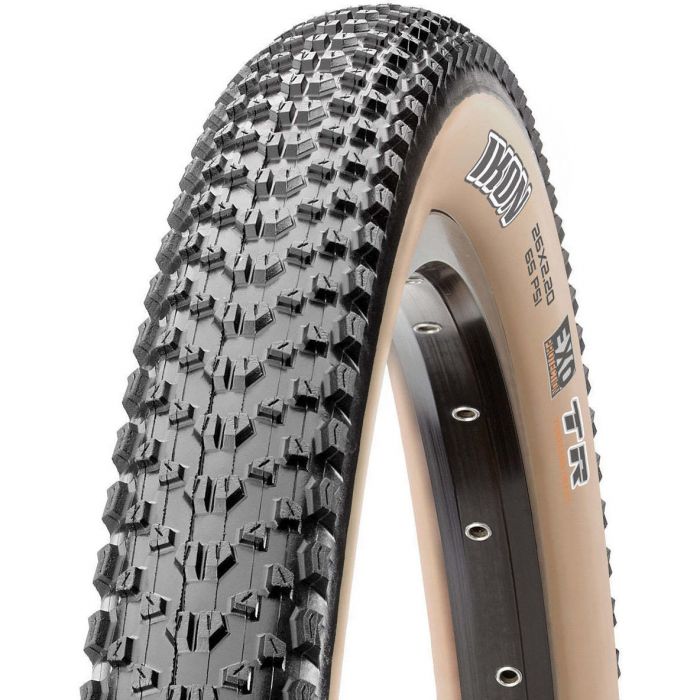
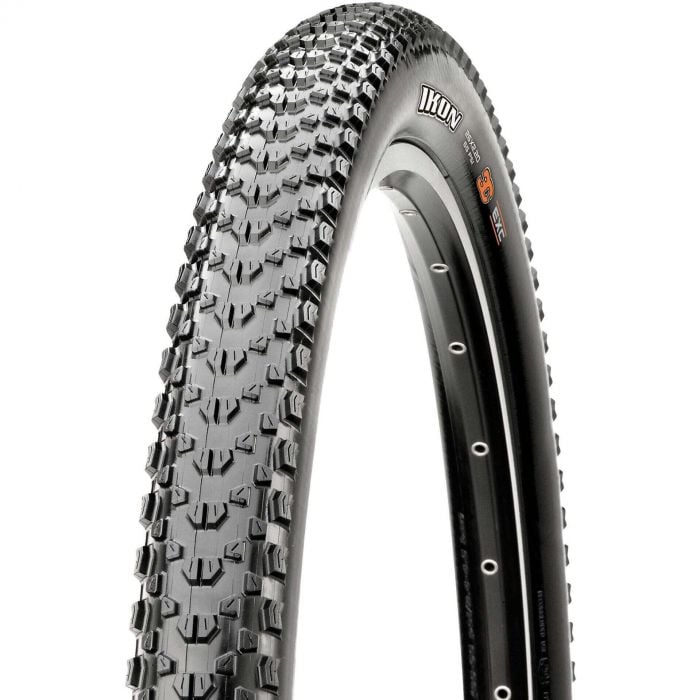
Maxxis Ikon 3C MaxxSpeed EXO MTB Tire
$100.00 - $128.99$62.99 - $128.99 -
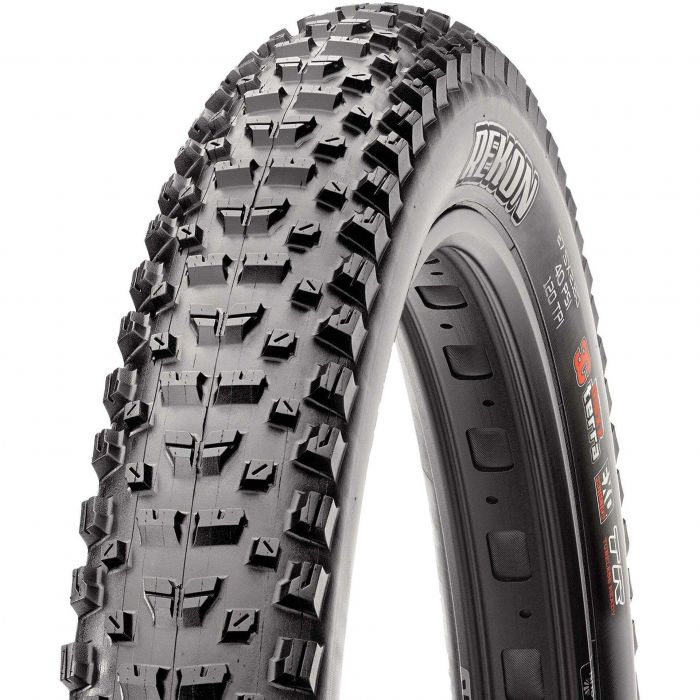
Maxxis Rekon MTB Tire
$55.00 - $59.99 -
 31% off
Maxxis Torch EXO Cycling Tire
$56.00 - $65.00$44.25 - $59.99 -

Continental Race King Shieldwall MTB Tire
$71.99 - $73.95 -
Continental Race King Wire MTB Tire
$48.99 - $49.95 -


Continental Race King Protection MTB Tire
$85.99 - $159.53 -
 28% off
Continental Pure Contact Cycling Tire
$73.99 - $104.99$73.99 - $89.99 -
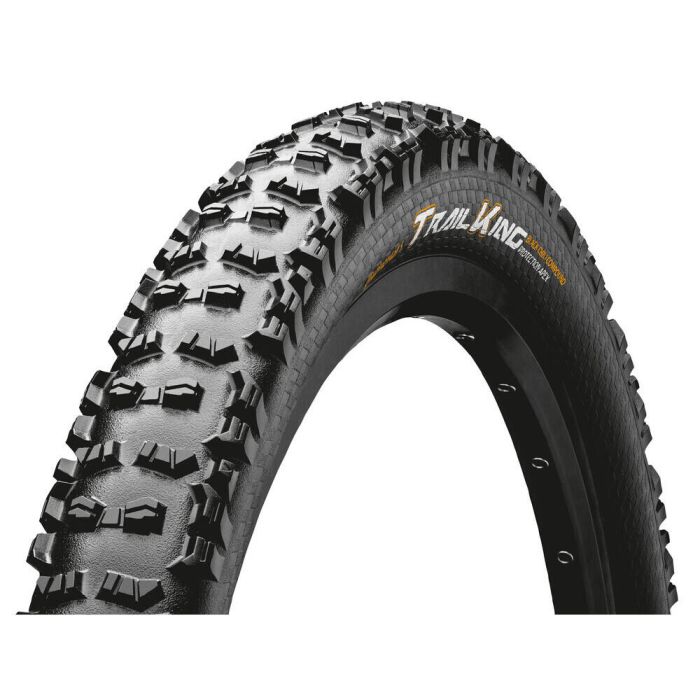
Continental Trail King Protection Apex MTB Tire
$75.99 - $89.99 -

Continental Trail King Shieldwall MTB Tire
$53.99 - $77.99 -
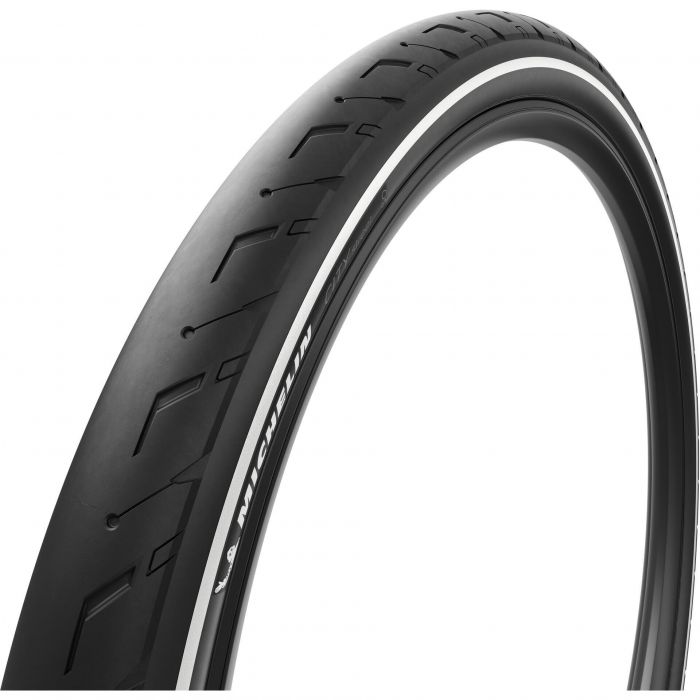
Michelin City Street Performance Line Cycling Tire
$69.99 -
Maxxis Ikon MTB Tire
$52.99 - $64.99 -
25% off
Maxxis Ikon EXO MTB Tire
$85.00 - $112.00$84.00 - $100.00 -
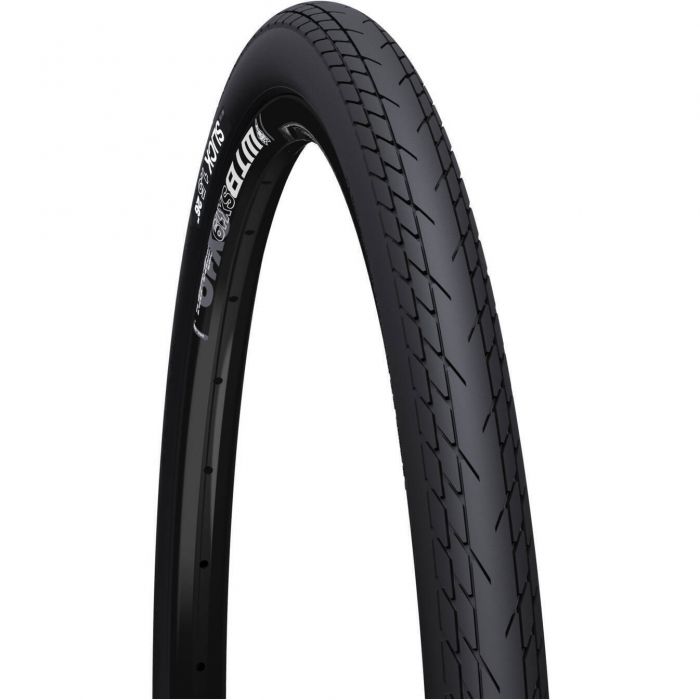
WTB Slick Comp Cycling Tire
$49.99 -
29% off
Continental Cross King Shieldwall MTB Tire
$73.95 - $79.99$55.99 - $79.99 -


Pirelli Scorpion XC M MTB Tire
$107.09 - $123.99 -
 30% off
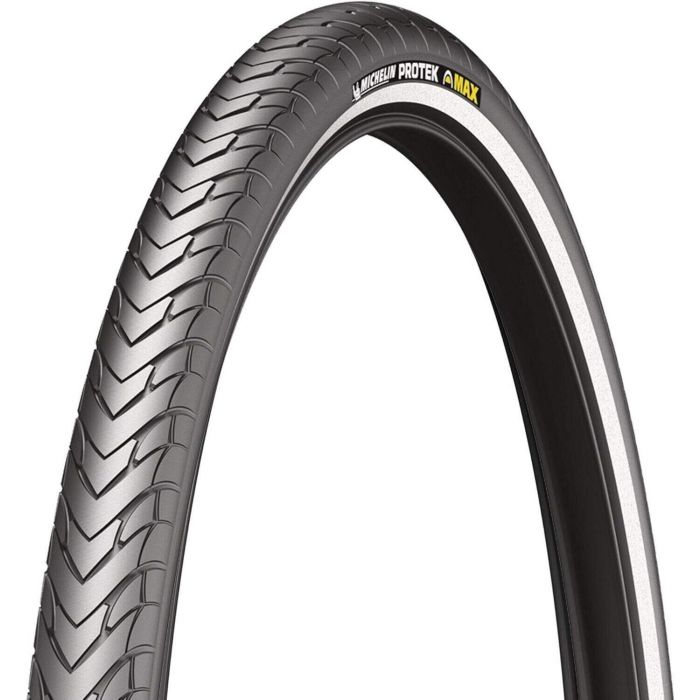
Michelin Protek Max Cycling Tire
$66.99 - $88.99$51.99 - $88.99 -


Pirelli Scorpion XC R MTB Tire
$107.09 - $114.99 -


Pirelli Scorpion XC RC MTB Tire
$107.09 - $141.99 -
 37% off
Continental Cross King Protection MTB Tire
$113.95 - $122.99$71.99 - $122.99 -


Pirelli Scorpion XC H MTB Tire
$107.09 - $107.99 -

Pirelli Scorpion XC S MTB Tire
$107.09 - $107.95 -
Maxxis Ikon MaxxSpeed EXO MTB Tire
$114.00 -

Michelin City Touring Performance Line Cycling Tire
$67.99 - $71.99 -

Pirelli Scorpion Sport XC M MTB Tire
$79.99 -

Pirelli Scorpion Sport XC H MTB Tire
$79.99 -
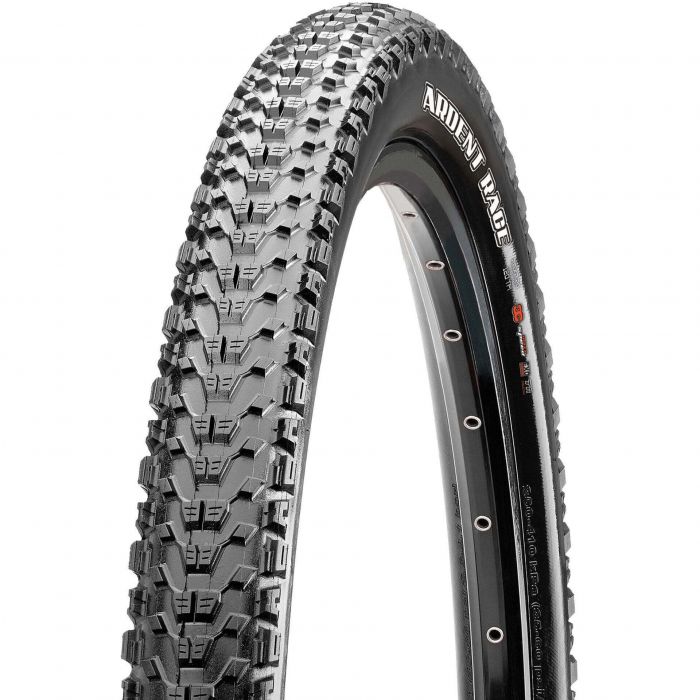
Maxxis Ardent Race MTB Tire
$50.99 - $58.99 -
64% off
Maxxis Ardent Race 3C MaxxSpeed EXO MTB Tire
$113.99 - $134.00$46.99 - $121.00 -

Continental Ride Cruiser Cycling Tire
$34.99 -
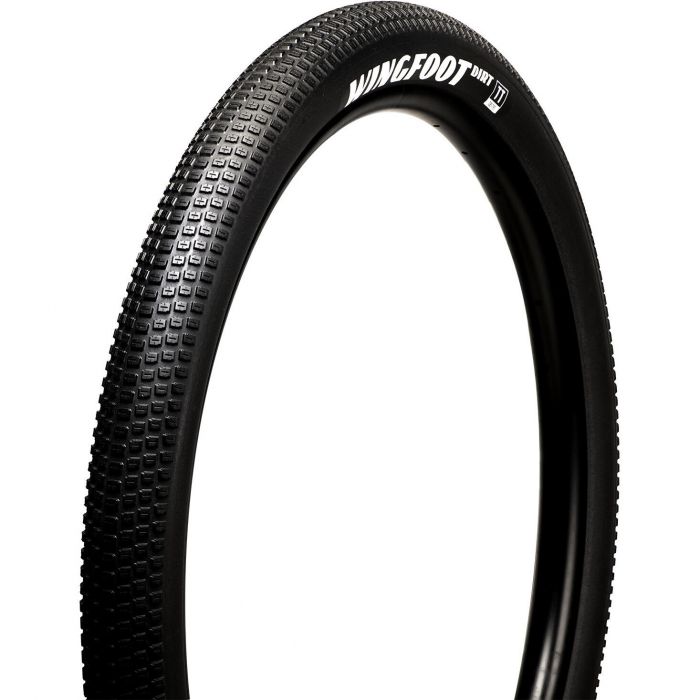
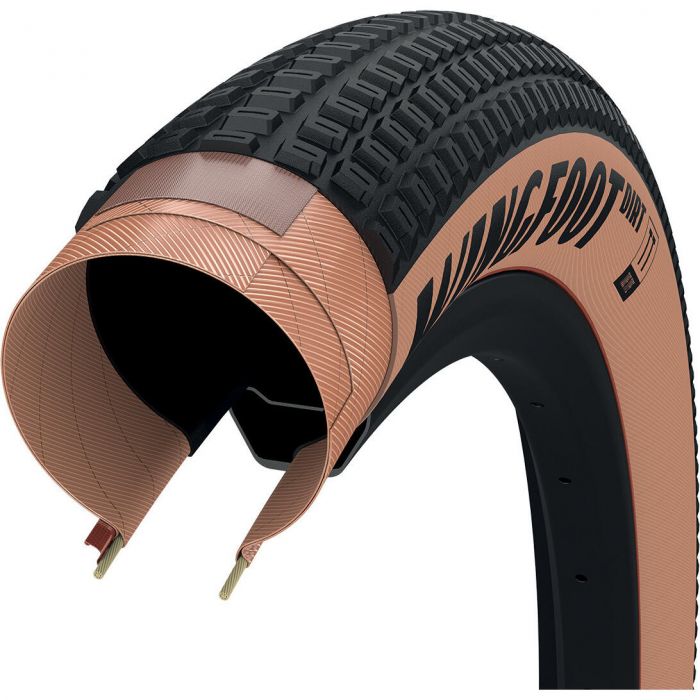
Goodyear Wingfoot Dirt MTB Tire
$101.99 -
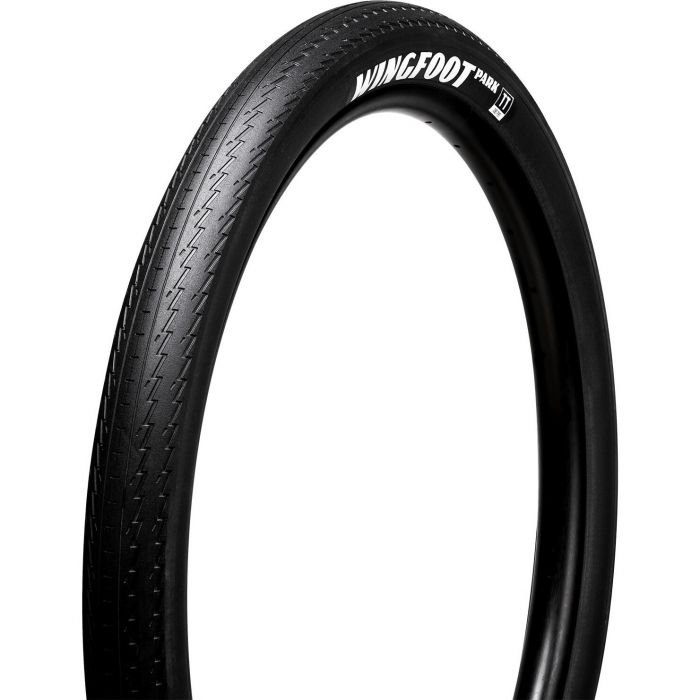
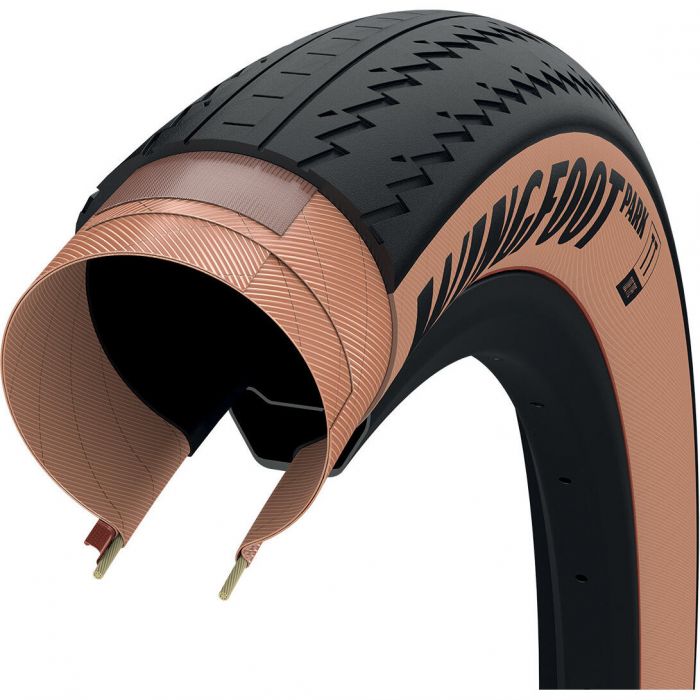
Goodyear Wingfoot Park MTB Tire
$101.99 -
 23% off
Continental Contact Plus City Cycling Tire
$63.99 - $84.99$63.99 - $76.99 -
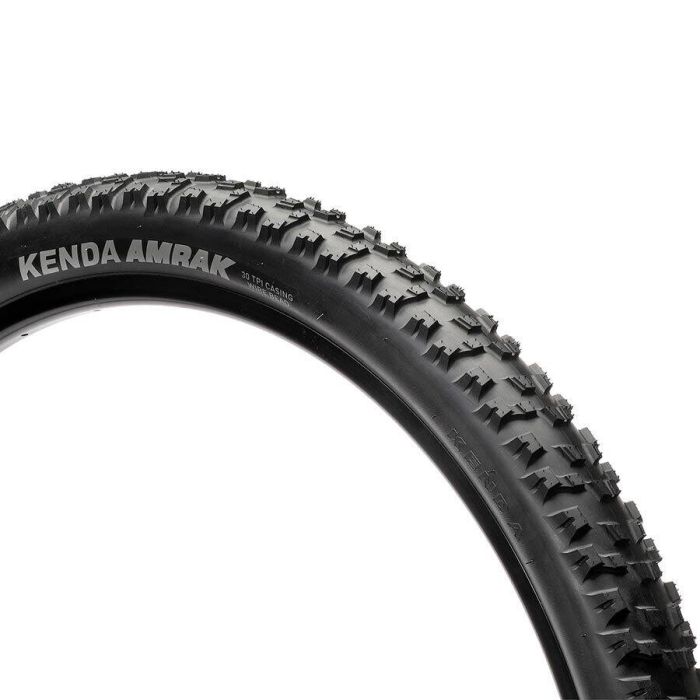
Kenda K1247 Amrak MTB Tire
$41.99 - $62.99 -

Kenda K1010 Nevegal X MTB Tire
$44.99 - $47.99 -
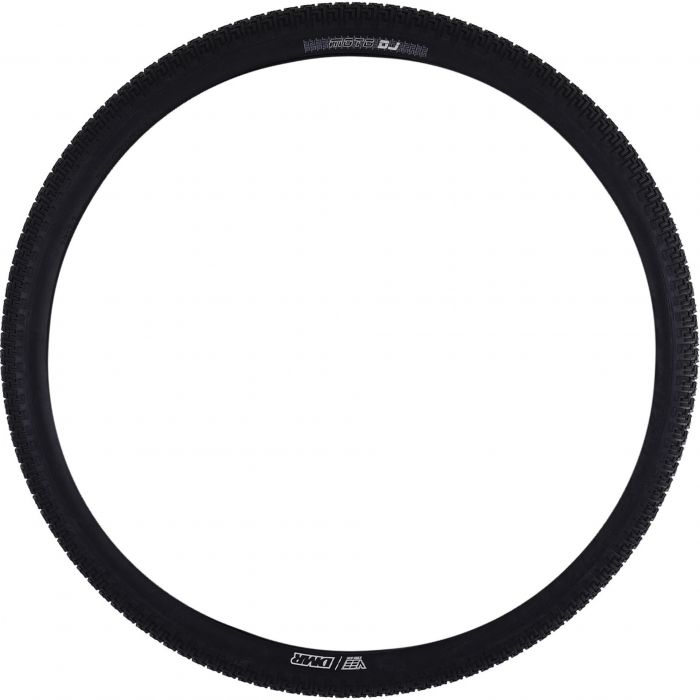
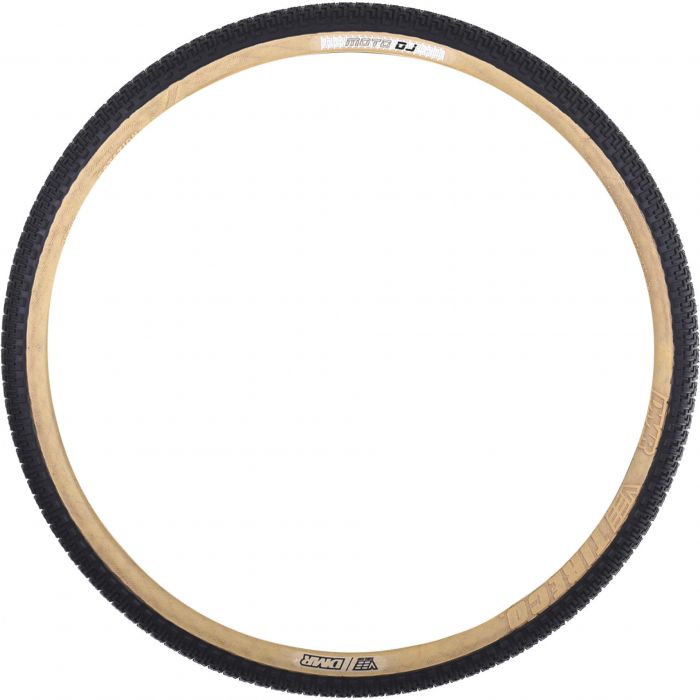
DMR Moto DJ MTB Tire
$69.99 - $83.99 -

Continental Speed King MTB Tire
$92.95
About Cycling Tires
Your frame decides what fits. Wheel diameter is locked to your rim, and width is capped by your frame and fork clearance. Check your bike’s spec sheet or max tire clearance before shopping.
How to Use the Tire Filter
Our filter uses two fields: Tire Height and Tire Width.
- Tire Height = Wheel Diameter. Numbers like 26, 27.5, and 29 (or 650B/700C) are wheel sizes, not sidewall height. Match this to your rim first.
- Tire Width = The actual tire width in inches. Narrow widths are fast and light. Wider ones grip harder.
Popular Tire Heights
- 29 – The modern standard for trail, XC, and enduro.
- 27.5 – Still common for aggressive trail and mullet setups.
- 26 – Older bikes and dirt jumpers.
Popular Tire Widths
Popular Combos
- 29 x 2.40, 29 x 2.50 – The default trail setup today.
- 27.5 x 2.40, 27.5 x 2.50, 27.5 x 2.60 – Aggressive and playful.
- 29 x 2.20, 29 x 2.25, 29 x 2.30 – Classic XC speed.
- 27.5 x 2.80, 27.5 x 3.00 – Plus bike territory.
- 26 x 2.10, 26 x 2.20, 26 x 2.30 – Old-school standard.
Advanced Cycling Tire Buyer’s Guide
Built for riders who already know their wheel size and want to stop guessing on tire width, tread, casing, and tubeless setup. Use this guide to choose cycling tires that match your terrain, your puncture risk, and how much maintenance you’re willing to take on.
1. Cycling Tire Types and When to Use Each
| Cycling Tires type | Typical terrain and demands | Cycling Tires attributes you’ll want (what matters most) |
|---|---|---|
| Road race and fast group rides | Smooth pavement, high speeds, hard cornering, short to medium rides | Lower rolling resistance, grippy compound, predictable casing support. Puncture protection is secondary. |
| Road endurance and commuting | Rough pavement, debris, wet days, long miles, zero tolerance for surprise flats | More puncture protection, longer wear compound, slightly wider casing for comfort, dependable wet grip. |
| Gravel and mixed surface | Pavement plus hardpack, loose over hard, occasional mud, long days far from help | Wider volume, tread that matches your loose surface, tougher sidewalls. Tubeless becomes a real advantage here. |
| XC and trail mountain bike | Roots, rocks, braking bumps, low pressures, repeated impacts | Strong sidewalls, reliable bead retention, tread with defined shoulder knobs, casing that resists pinch damage. |
| Enduro and downhill mountain bike | High speed hits, hard corner loads, square edge impacts, big consequences | Heavier casing and inserts if needed, maximum sidewall support, aggressive tread. Weight is cheaper than dental work. |
2. How to Avoid Punctures and Flats
Most flats come from cuts, pinch hits, or sidewall damage. Start with a tougher tire: a thicker casing, a real puncture belt, and reinforced sidewalls (heavier, but fewer walk-home moments). If you ride rocks, inserts help protect rims and help you run lower pressure without pinch damage, at the cost of weight and harder installs. Tubeless sealant helps with small holes, but only when it’s fresh and topped up. Pressure matters most: too high can cut easier, too low can pinch, burp, and chew sidewalls—so check it often. If you run tubes, thicker butyl reduces punctures (heavier) while TPU can roll lighter (pricier and more finicky).
3. Key Cycling Tire Features and Trade-Offs
| Feature | Benefit | Downside, and what to watch for |
|---|---|---|
| Width and volume | More comfort, more grip, lower rolling losses on rough surfaces | Too wide can rub the frame or fork, fit poorly on narrow rims, or feel vague at high speed. |
| Tread pattern | Traction where you need it (loose, wet, braking) | More tread usually means more drag and more noise. The wrong tread for your surface feels worse than slicks. |
| Rubber compound | Grip and confidence, especially in wet corners | Softer compounds wear faster and cut easier. Hard compounds last but slide earlier, especially in cold and wet. |
| Casing suppleness | Better comfort and grip from conforming to the ground | Often less cut resistance and faster sidewall wear. Great feel, higher risk. |
| Puncture protection belt | Fewer roadside tube changes, fewer ruined rides | Adds weight and stiffness. Can reduce comfort and corner feel. |
| Sidewall reinforcement | Better support at lower pressures, fewer cuts, fewer pinch issues | Heavier, sometimes harsher ride. Overbuilt sidewalls can feel dead on smooth roads. |
| Tubeless-ready construction | Lower puncture downtime, lower pressures without pinch flats | More setup work, mess, and maintenance. Sealant can fail at the worst time if neglected. |
| Bead fit and tolerance | Secure retention, easier seating, fewer burps | Too tight is a garage fight. Too loose is a safety problem, especially on hookless. |
| Tire inserts (mostly off road) | Rim protection, run lower pressure, limp home on damage | More rotational weight and harder installation. Heat buildup can be an issue on long descents. |
4. Comparing Core Cycling Tire Design Options
- Option A: Tubeless
- Ideal user: gravel riders, mountain bikers, commuters who hate fixing flats, and riders who want lower pressures for grip and comfort.
- Strengths: seals small punctures while you keep riding, allows lower pressures without pinch flats, and improves control on rough surfaces.
- Limitations: setup can be fiddly, sealant needs periodic refresh, and big cuts can still end your day.
- Option B: Tube type
- Ideal user: road riders who value simplicity, anyone who wants quick roadside repairs with minimal mess, and riders who change tires often.
- Strengths: easy mounting, predictable maintenance, and fast tube swaps almost anywhere.
- Limitations: pinch flats at low pressure, more puncture stops, and higher pressures needed for similar rim protection.
- Option C: Tubeless-ready tire with a tube
- Ideal user: riders who want tubeless later, or who want tubeless casing toughness with tube simplicity for now.
- Strengths: flexibility, often a stronger bead and casing, and a practical transition path.
- Limitations: tube-related flats still happen, and some rim types (notably hookless) have stricter tire requirements even when running tubes.
5. Cycling Tire Fit, Sizing, and Compatibility
- Match bead seat diameter first—always. The ISO and ETRTO numbers help you avoid the wrong “same inch” tire.
- Check real clearance, not catalogue promises. Frame, fork, and brake callipers can limit width. Leave margin for mud, wheel flex, and tires that measure wider than labeled.
- Rim internal width matters. Too narrow can balloon a tire and make it squirm. Too wide can flatten the profile and expose sidewalls.
- Hooked versus hookless isn’t cosmetic. If you have hookless rims, follow the rim maker’s compatibility list and pressure limits. Do not “just add 10 psi.”
- Tubeless setup is a system. You need tubeless-ready tires, correct rim tape, the correct valve, and enough airflow to seat the bead. One weak link means leaks.
- A correct fit should look and feel smooth. A fully seated bead, an even moulding line all the way around, no hops or wobbles when spun, and no sidewall bulges. If it seats unevenly, stop and fix it before riding.
- Load and speed change everything. Cargo bikes and e-bikes punish casings and sidewalls. Choose higher durability constructions and, where required, approved tires for your class of bike.
6. Cycling Tire Care, Maintenance, and Lifespan
- Replace based on condition, not optimism. Cuts that show casing threads, sidewall bubbles, or repeated punctures in the same spot mean the tire is done.
- Pressure checks prevent most tire drama. Underinflation kills sidewalls and invites pinch damage. Overinflation reduces grip and can exceed system limits on some rims.
- Tubeless sealant is consumable. Top up on a schedule that matches your climate and riding frequency. Dried sealant means your “self sealing” tire stops sealing.
- Rotate if wear is uneven. Rear tires usually square off first. Moving a healthier front to the rear can extend a set, but only if tread roles still match your terrain (some tires are dedicated front/rear).
- Clean after nasty rides. Grit hides cuts. Wipe sidewalls, inspect, then decide whether you’re riding tomorrow or patching tonight.
- Store away from heat and sun. UV and heat age rubber faster. Tires left in the hot sun get harder, then they get slippery, then they get replaced.
7. Common Cycling Tire Sizes and Typical Uses
| Discipline | Common wheel size(s) | Typical tire size range (ETRTO) | Typical labeled width range |
|---|---|---|---|
| Road (race and endurance) | 700C (622) | 25-622 to 32-622 | 25 mm to 32 mm |
| Gravel | 700C (622), 650B (584) | 35-622 to 50-622. 47-584 to 55-584 | 35 mm to 50 mm (700C). 47 mm to 55 mm (650B) |
| XC | 29 in (622), sometimes 27.5 in (584) | 50-622 to 58-622. 50-584 to 58-584 | 2.0 to 2.3 in |
| Trail and Enduro | 29 in (622), 27.5 in (584), mullet (front 29, rear 27.5) | 58-622 to 64-622. 58-584 to 64-584 | 2.3 to 2.6 in |
| Downhill | 29 in (622), 27.5 in (584) | 60-622 to 66-622. 60-584 to 66-584 | 2.4 to 2.6 in |
Notes to help avoid the wrong tire:
- 700C and 29 inch share the same bead seat diameter (622). They are not the same tire category, but they do fit the same rim diameter but usually not the same rim width.
- 650B and 27.5 inch share the same bead seat diameter (584).
- The exact width you can run is limited by frame and fork clearance and rim internal width, not the sticker on the tire.