









































Suspension
-
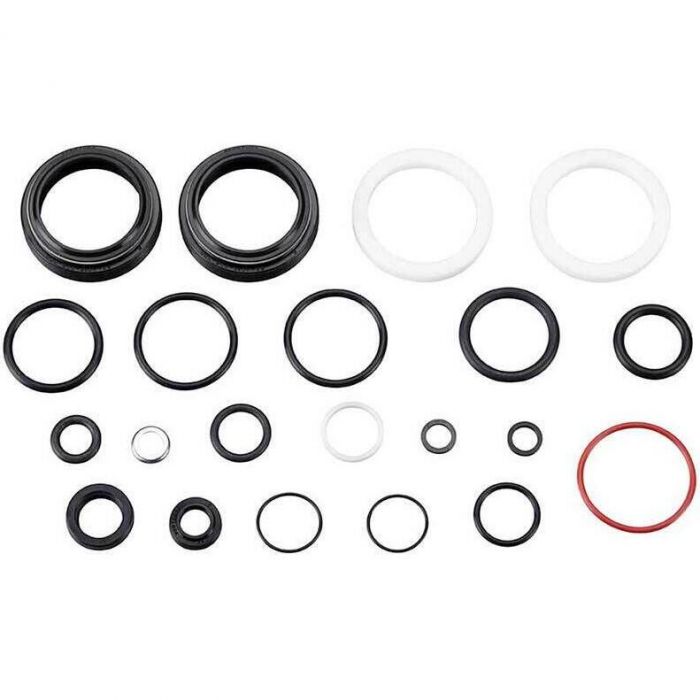
RockShox Front Fork 200 Hour Service Kit
$19.19 - $138.99 -

Ohlins TTX22M/TTX22M.2 18077 Series 67 mm MTB Spring
$167.99 - $212.99 -
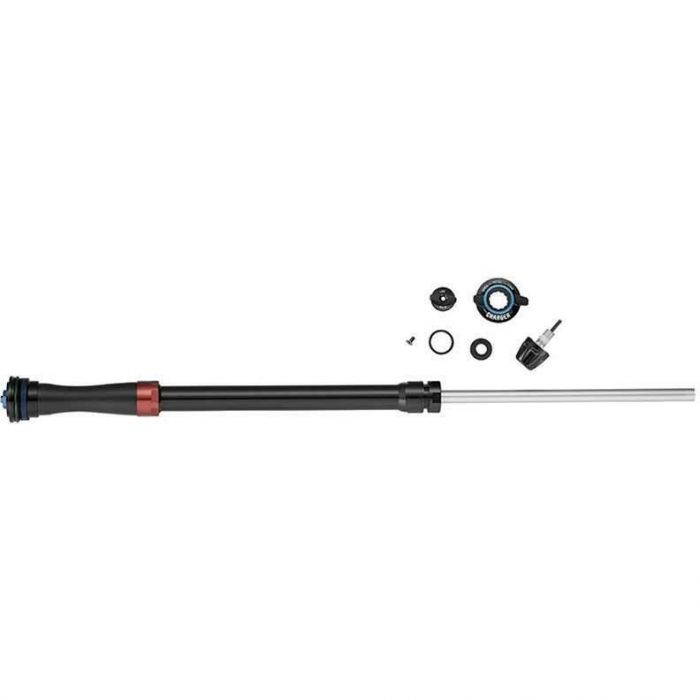
RockShox Charger 2.1 RC2 Damper Upgrade Kit
$433.99 - $539.99 -


Marzocchi Super Z Fork
$1,253.99 - $1,378.99 -


Marzocchi Bomber Z2 Fork
$639.00 -
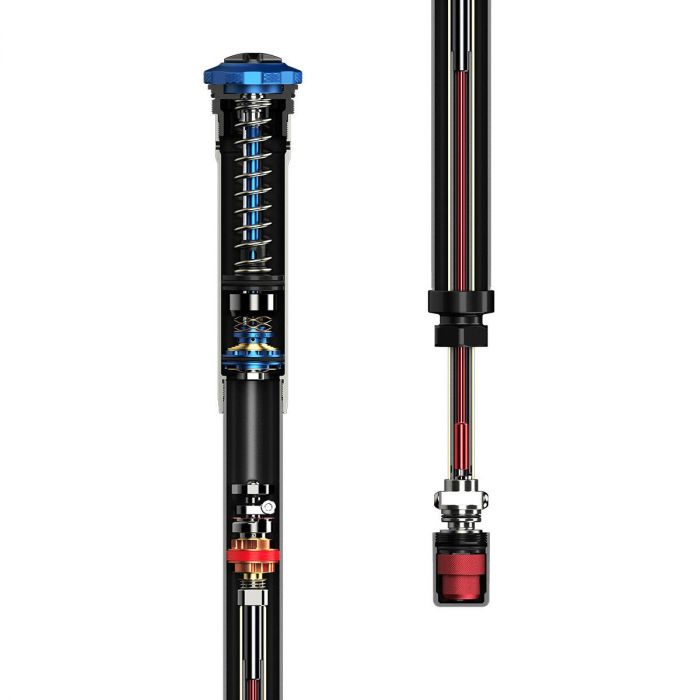
Fox GRIP X2 Damper Catridge
$499.00 - $599.00 -
 38% off
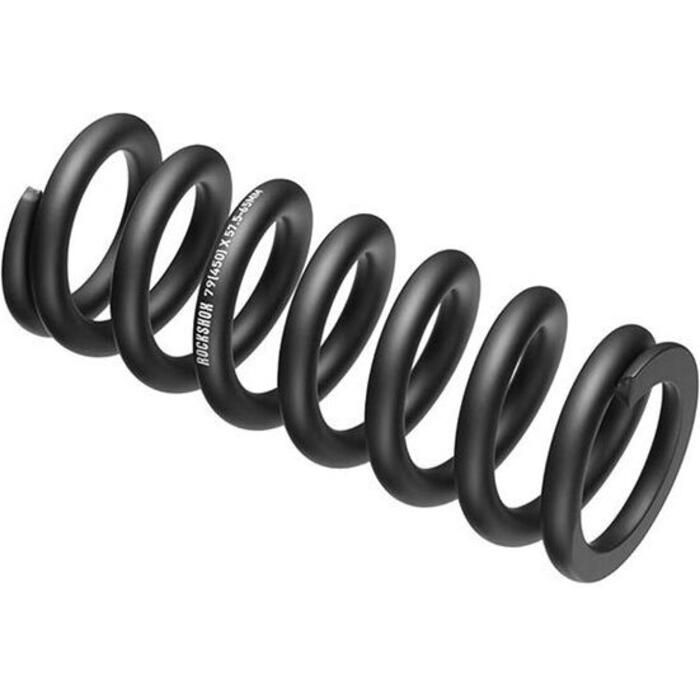
RockShox Metric Coil Rear Shock Spring
$41.99 - $56.99$34.99 - $42.99 -

Marzocchi Bomber 58 Fork
$1,399.00 -

Fox FLOAT DPS Performance Rear Shock
$439.00 -
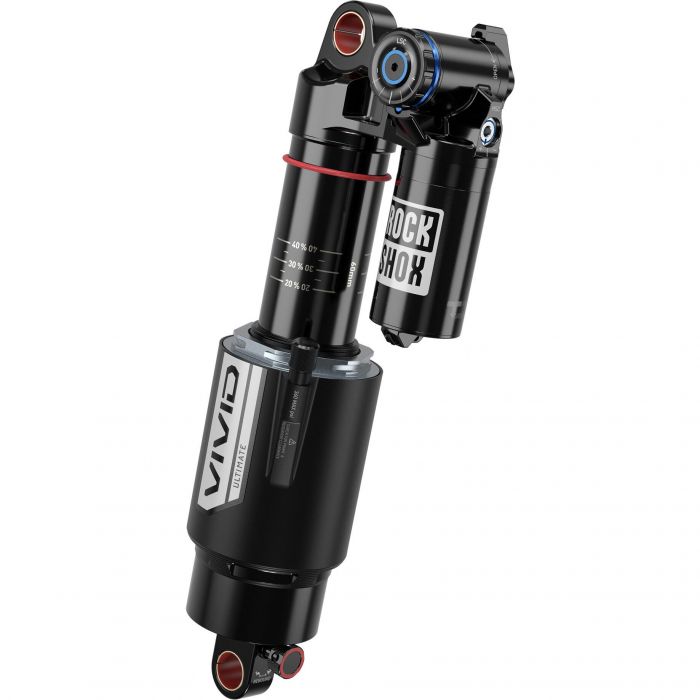
RockShox Vivid Ultimate C1 Rear Shock
$794.99 - $1,031.99 -

Marzocchi Bomber CR MTB Rear Shock
$399.00 -

Fox FLOAT Factory Rear Shock
$669.00 -

Cane Creek VALT Progressive Steel Coil Spring
$137.49 - $168.99 -
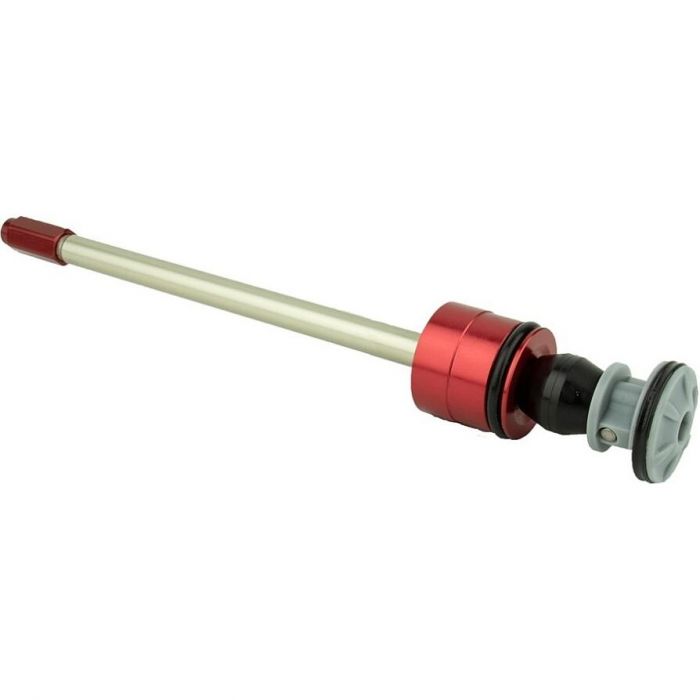
RockShox DebonAir C1 Air Spring
$58.99 - $70.99 -
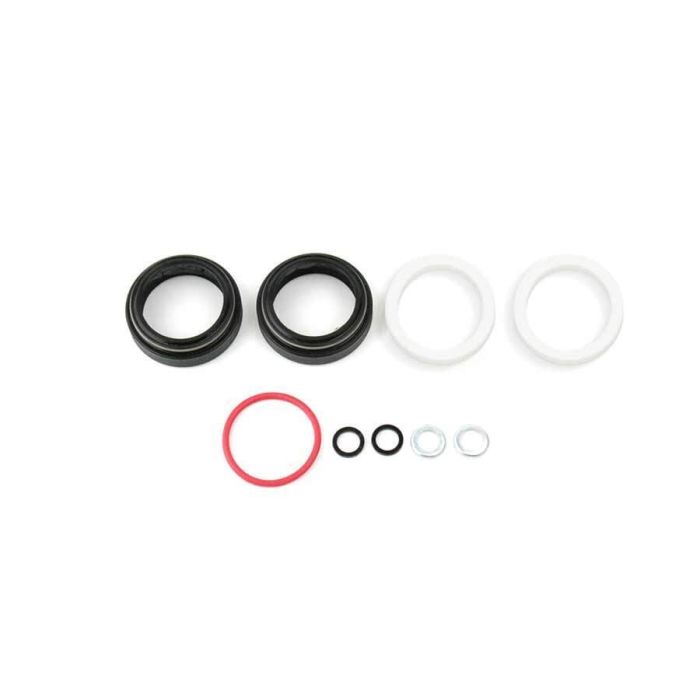
RockShox SKF Flangeless Dust Wiper Kit
$20.99 - $35.99 -

RockShox Charger 3 RC2 Upgrade Kit
$477.99 - $485.99 -
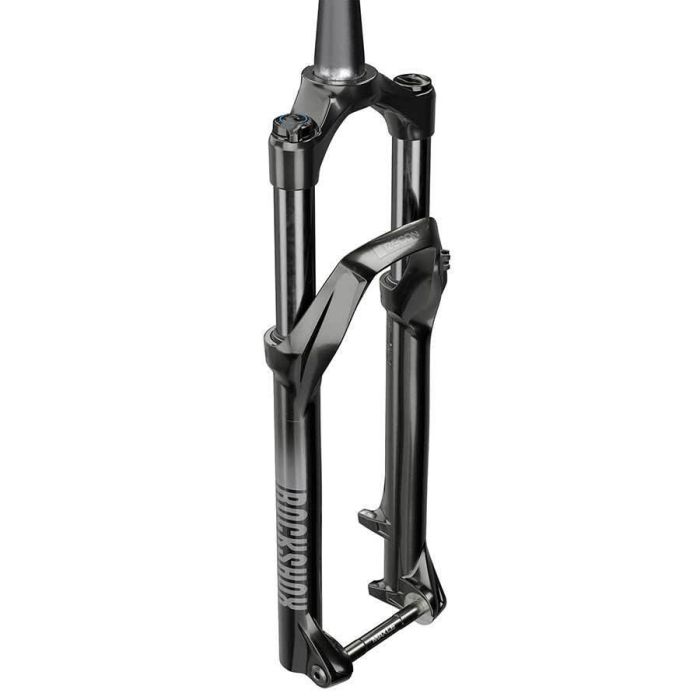
RockShox Recon Silver RL 27.5" D1 Fork
$378.99 - $532.99 -
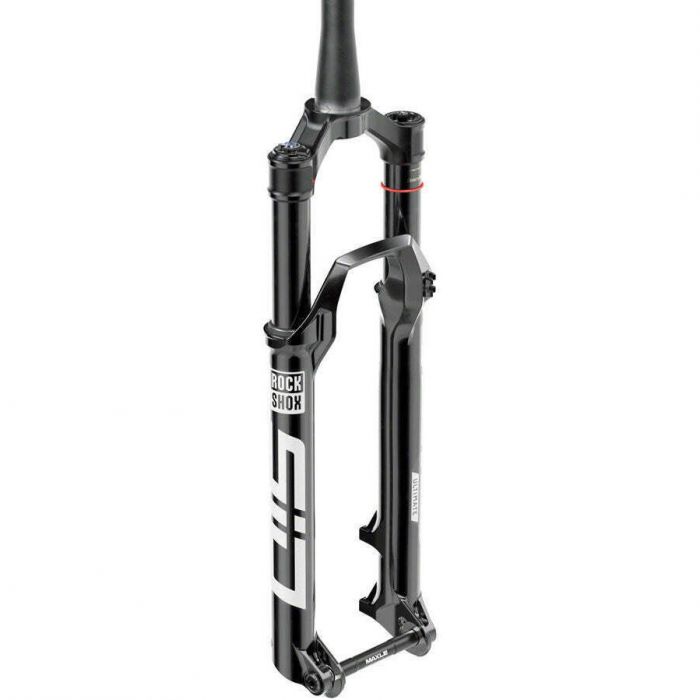
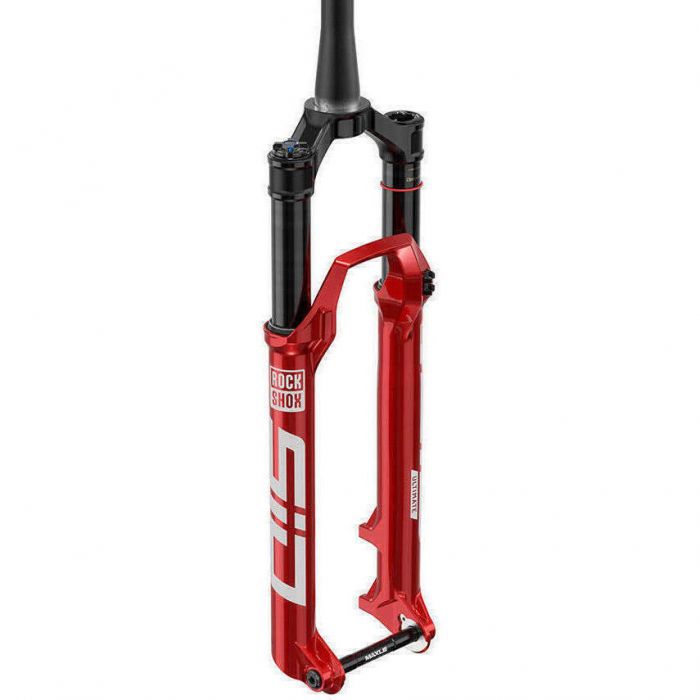
RockShox SID Ultimate 29" D1 Fork
$1,363.99 - $1,455.00 -
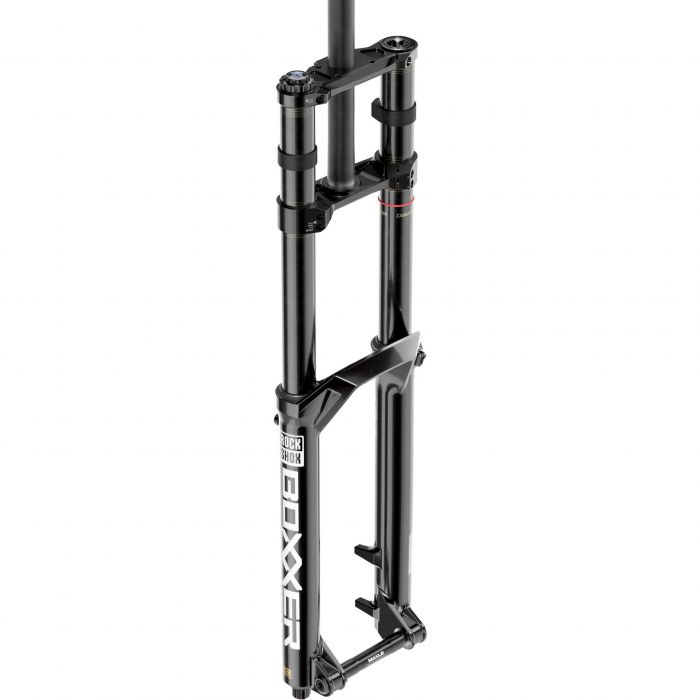
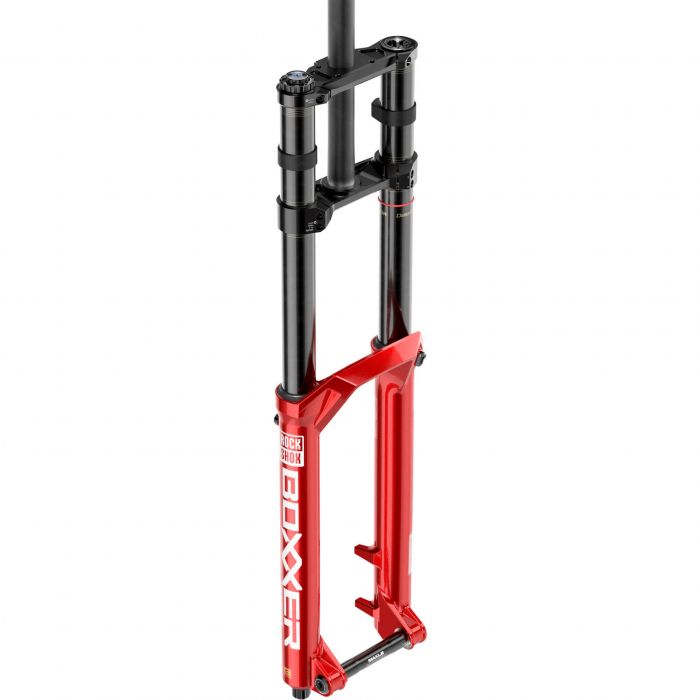
RockShox BoXXer Ultimate 29" D1 Fork
$2,304.99 -
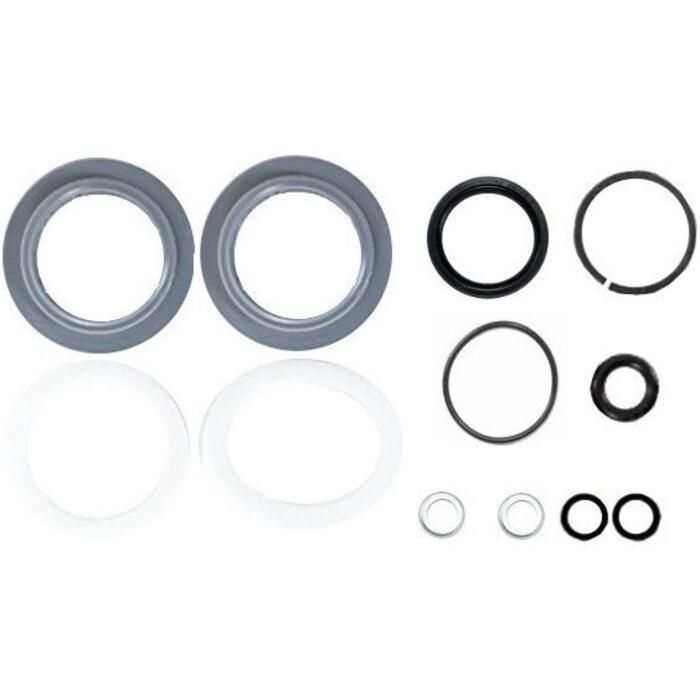
RockShox Front Fork Replacement Seal Kit
$17.39 - $66.99 -
 34% off
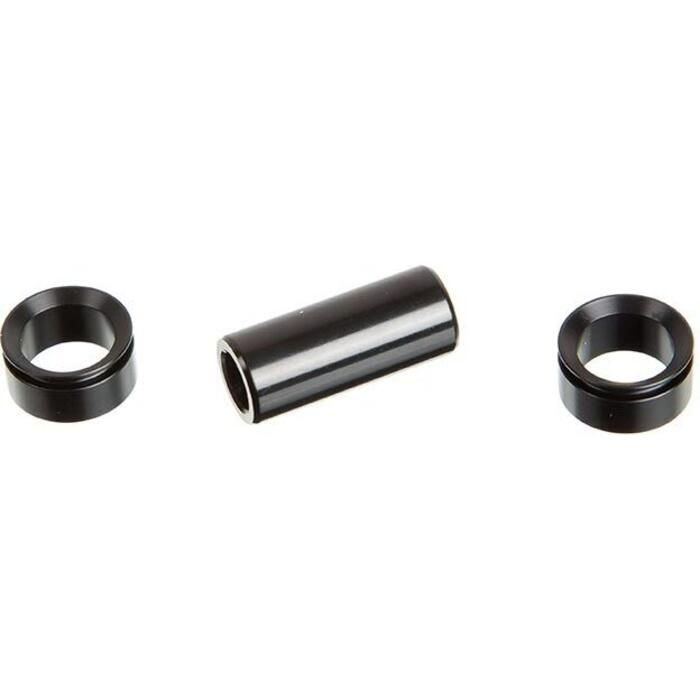
RockShox Rear Shock Mounting Hardware Kit
$14.16 - $25.99$13.01 - $25.99 -
 38% off
RockShox Metric Rear Shock Spring
$39.99 - $56.99$34.99 - $42.99 -
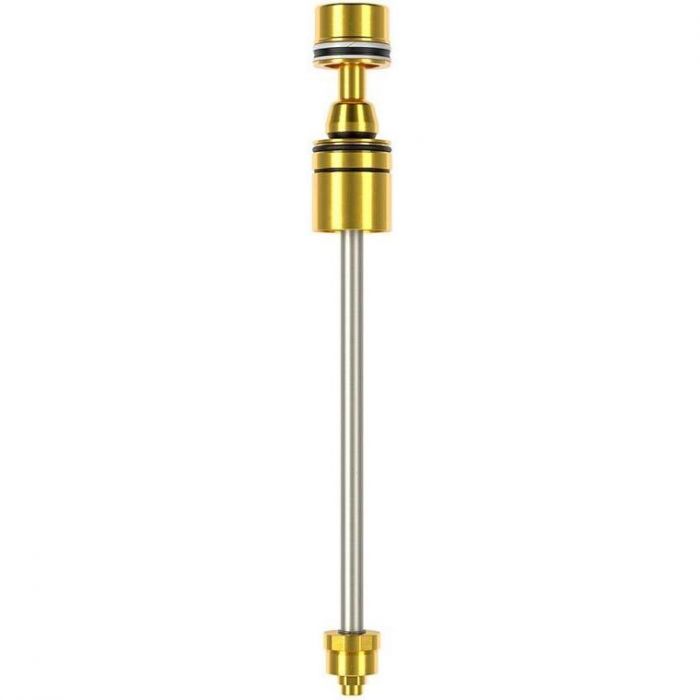
RockShox ZEB DebonAir+ Air Spring Upgrade Kit
$148.99 - $151.99 -

Fox Coil Spring
$50.00 -
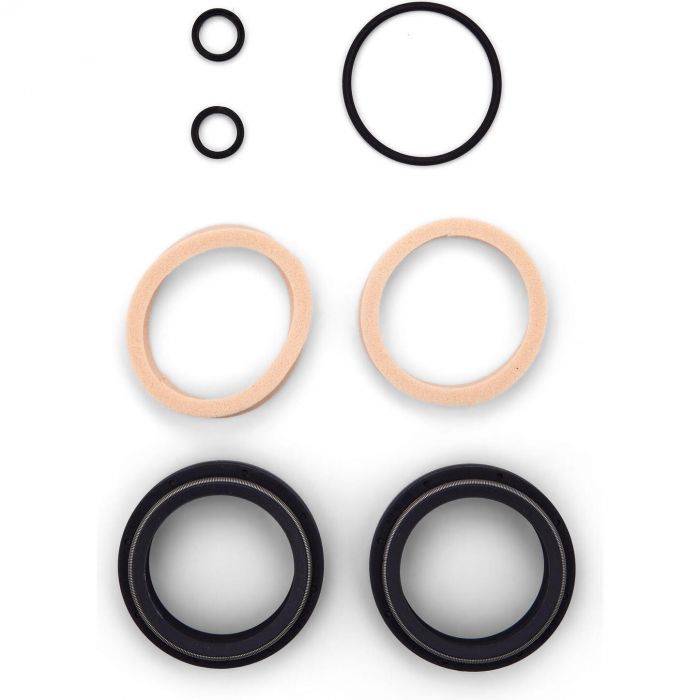
Fox MTB Fork Dust Wipers
$32.99 - $53.99 -
 39% off
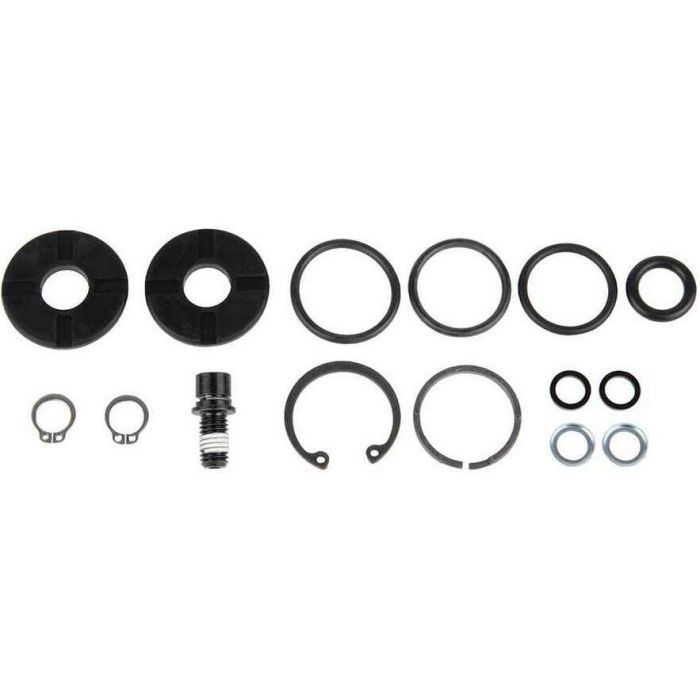
RockShox Front Fork Full Service Kit
$21.99 - $103.99$19.79 - $89.99 -
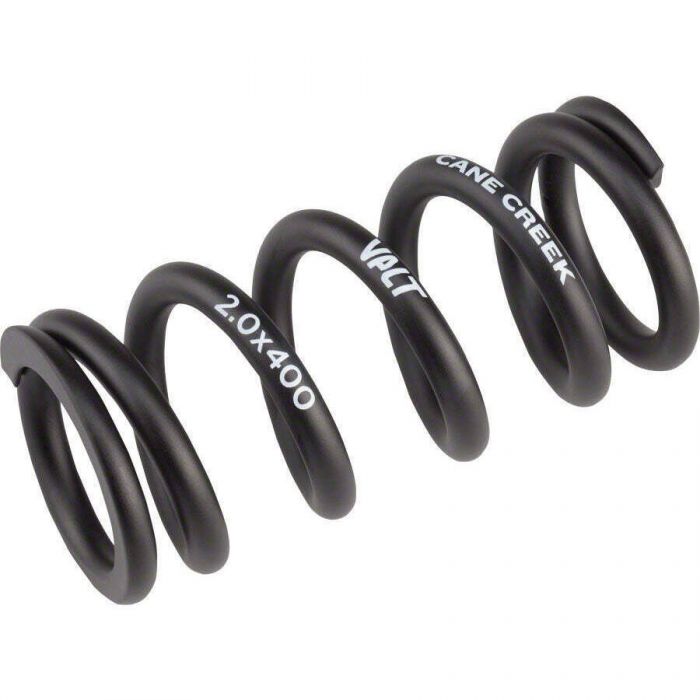
Cane Creek VALT Steel Coil Spring
$109.99 - $134.99 -
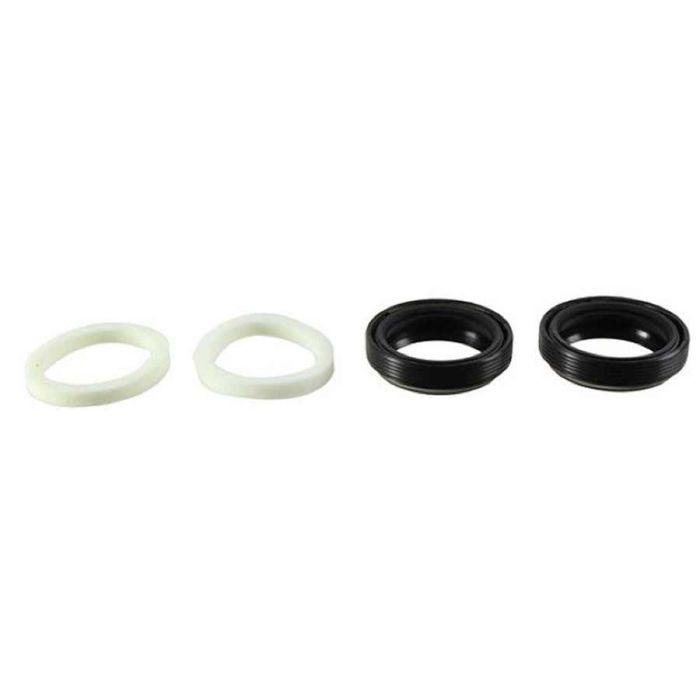
RockShox 35 mm Dust Seal/Foam Ring Kit - 11.4018.028.013
$22.99 -

RockShox Vivid Coil Ultimate C1 Rear Shock
$900.00 - $945.00 -
Ohlins TTX22M/TTX22M.2 18073 Series 75 mm MTB Spring
$167.99 - $197.99 -
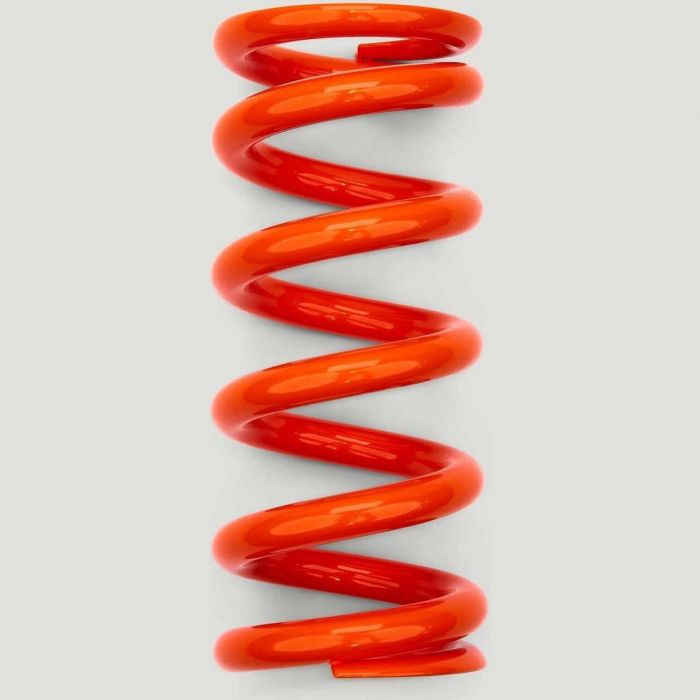
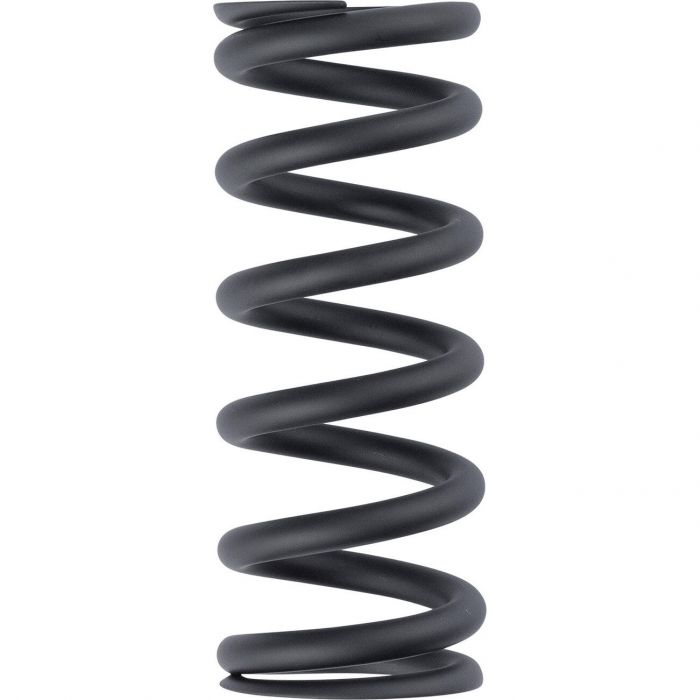
Fox SLS Coil Spring
$174.00 -
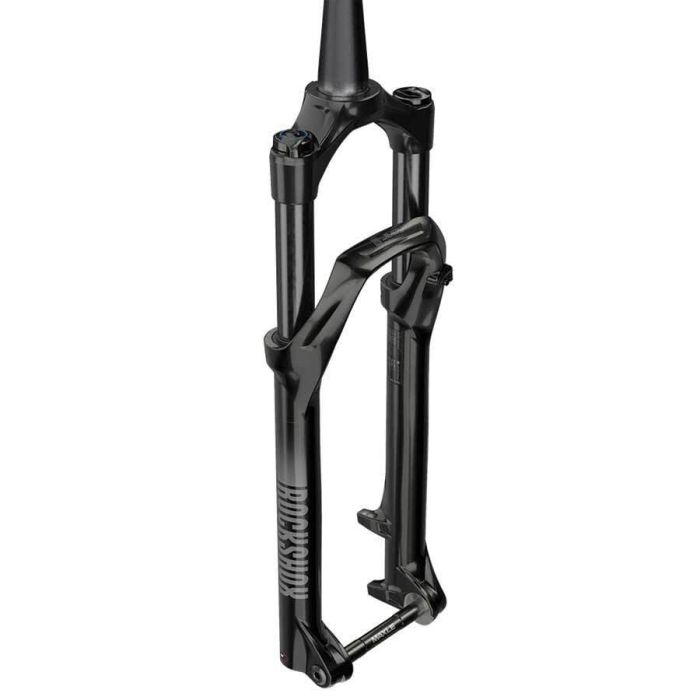
RockShox Judy Silver TK 29" A3 Fork
$320.99 - $451.99 -
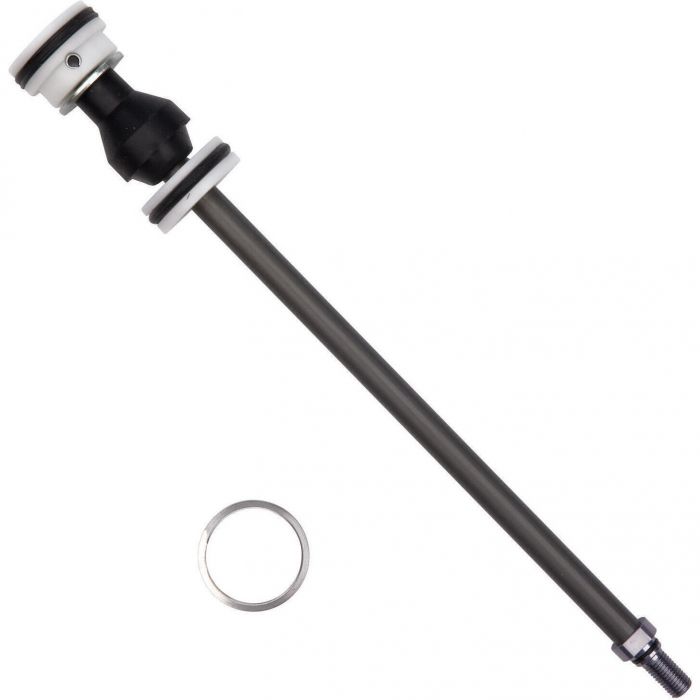
Fox Fork Air Shaft Assembly - 2021
$87.99 - $199.00 -

Ohlins RXF38 m.2 Air 29" Fork
$1,964.99 - $2,338.99 -


Marzocchi Bomber DJ Fork
$979.00 -
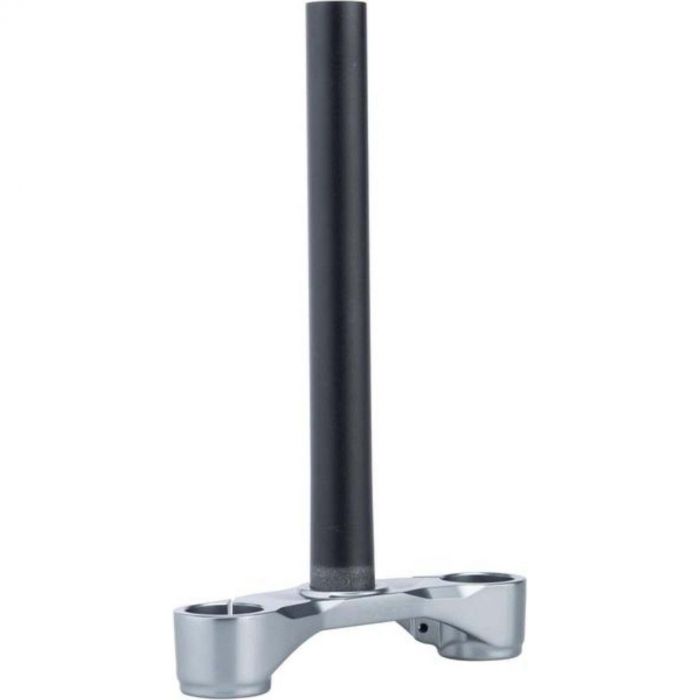
RockShox Front Fork Lower Crown/Steerer Assembly
$195.99 - $256.99 -
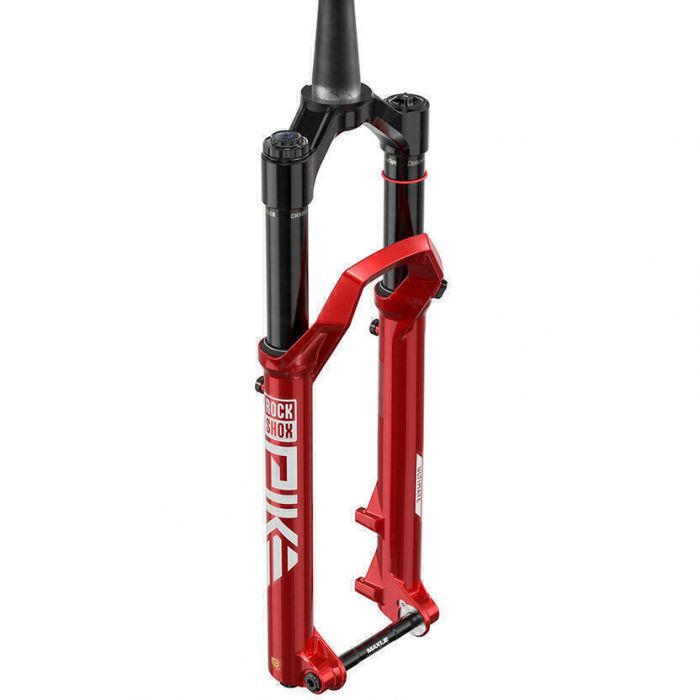
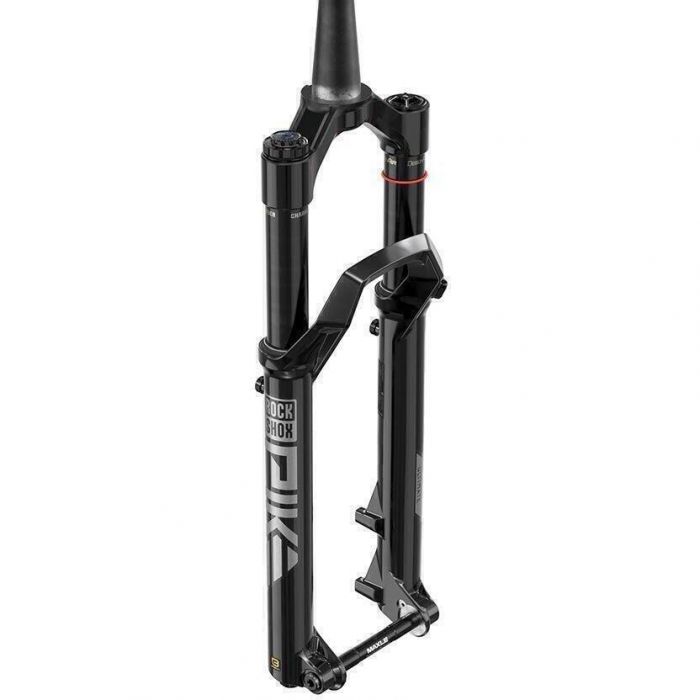
RockShox Pike Ultimate C2 29" Fork
$1,530.00 -
 34% off
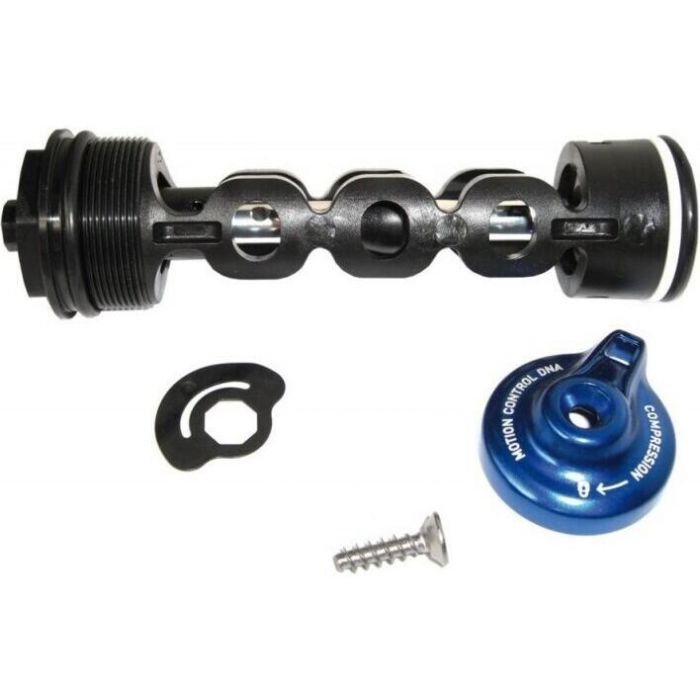
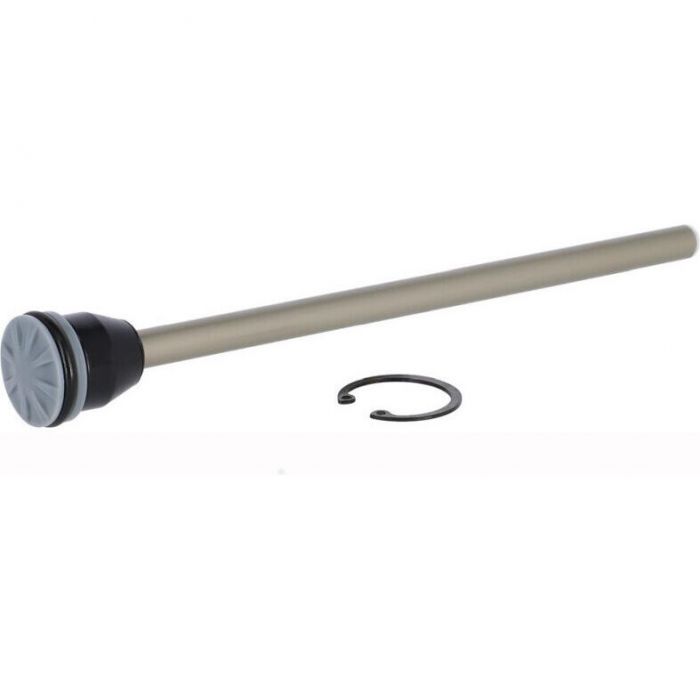
RockShox Front Fork Compression Damper
$48.99 - $156.99$31.99 - $156.99 -
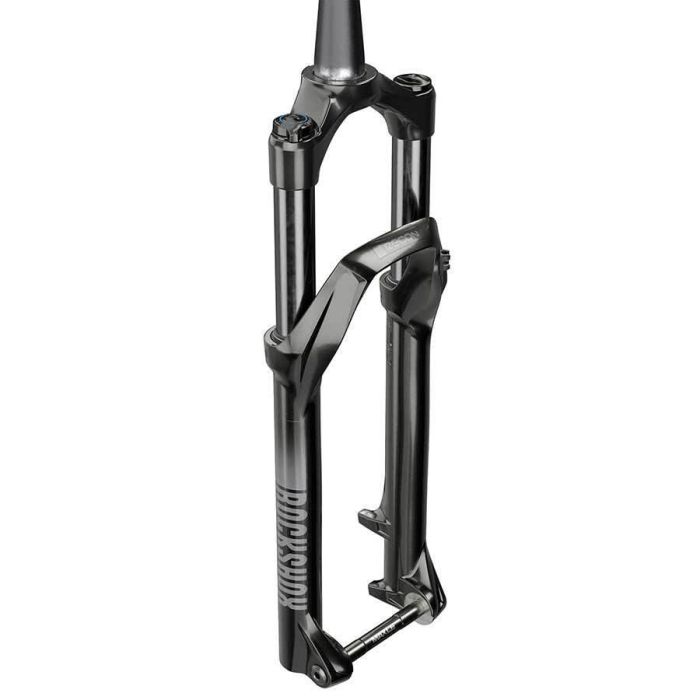
RockShox Recon Silver RL 29" D1 Fork
$378.99 - $532.99 -
 33% off
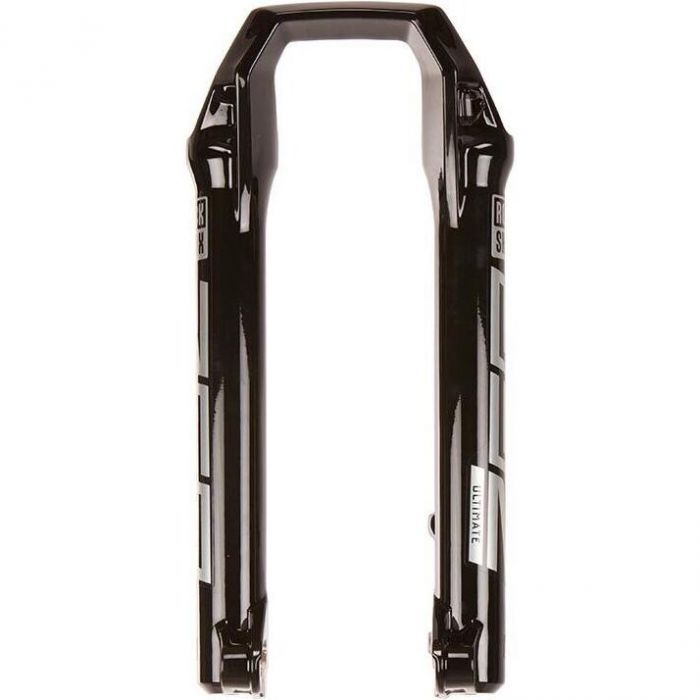
RockShox DebonAir Front Fork Air Shaft
$39.99 - $88.99$39.99 - $88.99 -
 51% off
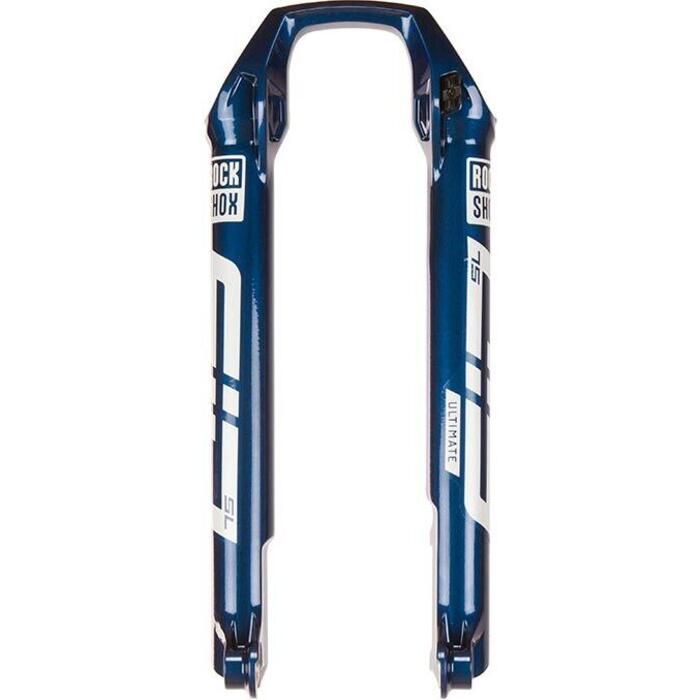
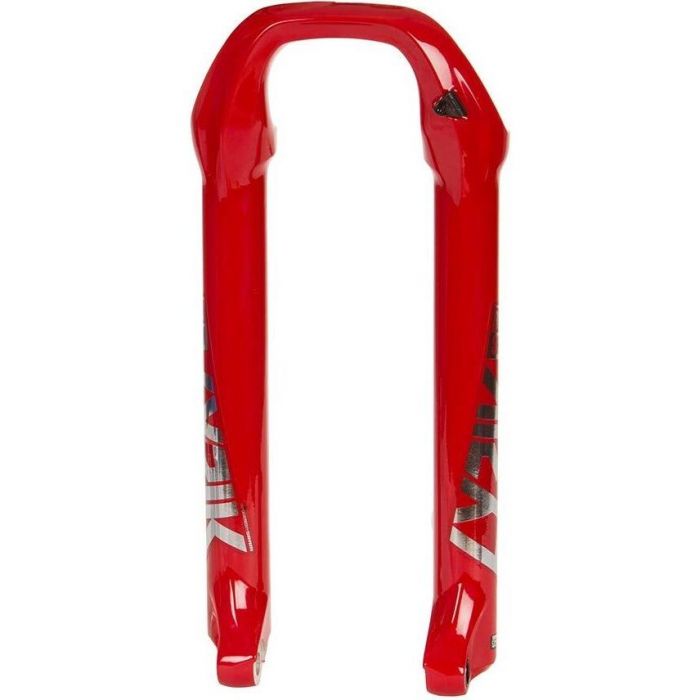
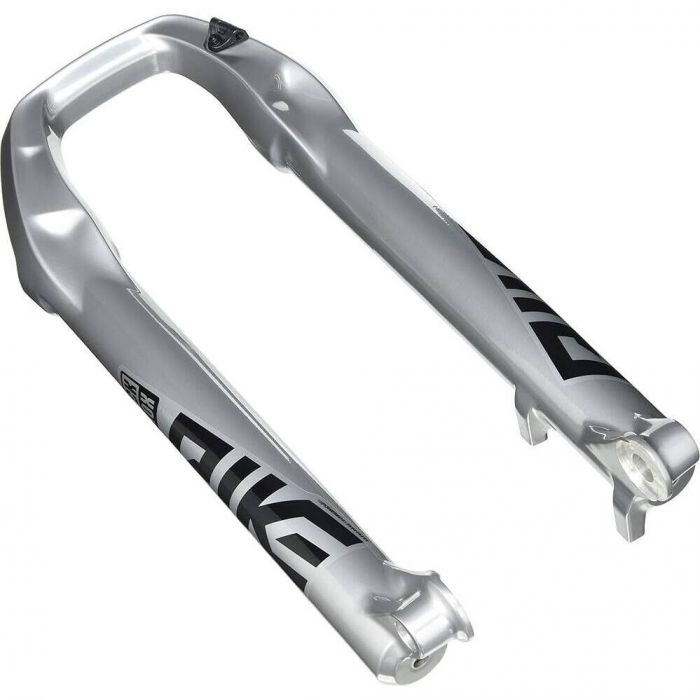
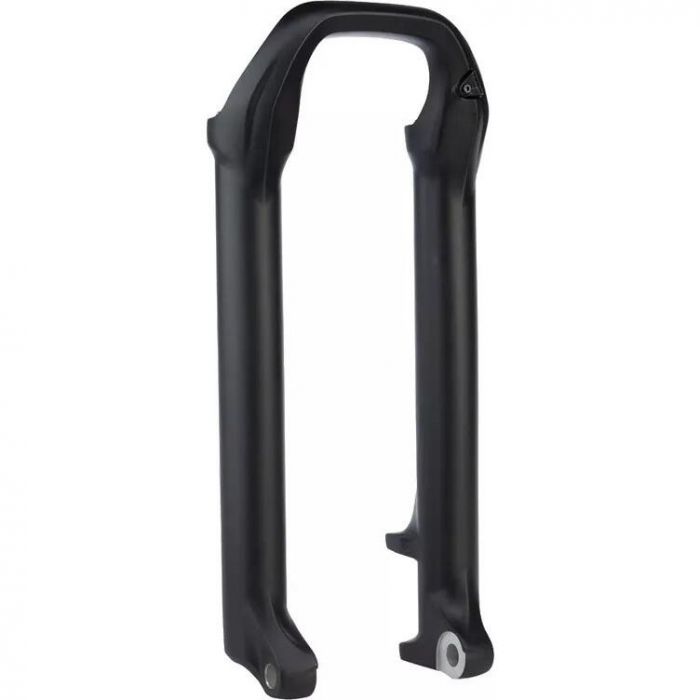
RockShox Front Fork Lower Leg
$186.99 - $553.99$186.99 - $553.99 -
 38% off
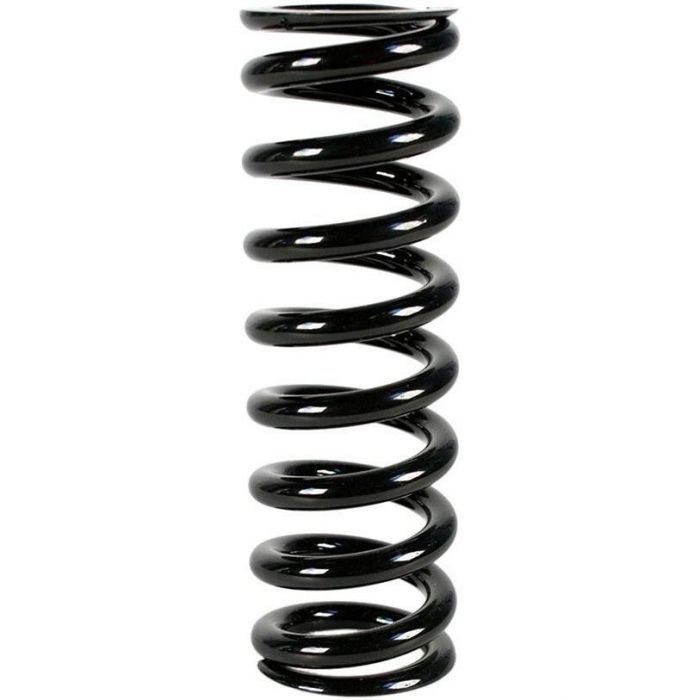
RockShox Vivid/Kage Rear Shock Coil Spring
$35.99 - $56.99$34.99 - $51.30 -

RockShox Bottomless Tokens
$15.75 - $43.99 -
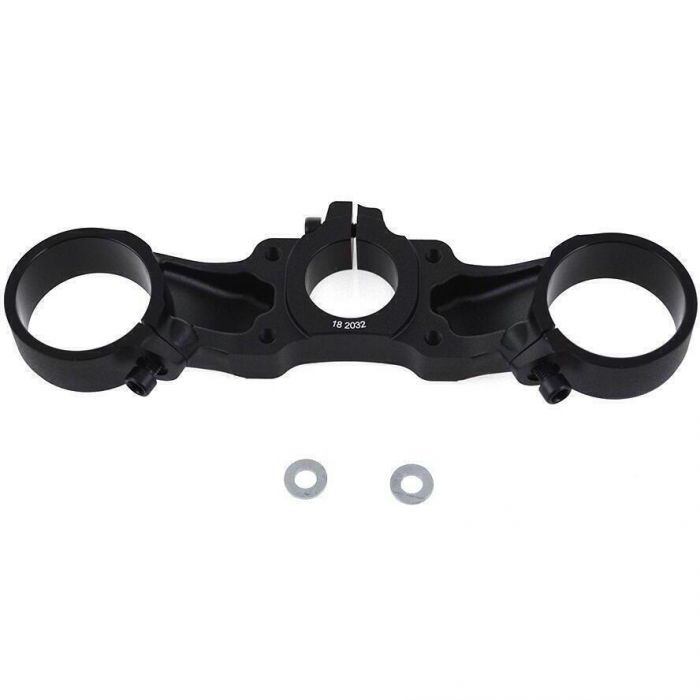
Fox 40 Upper Crown Fork
$241.00 -
 53% off
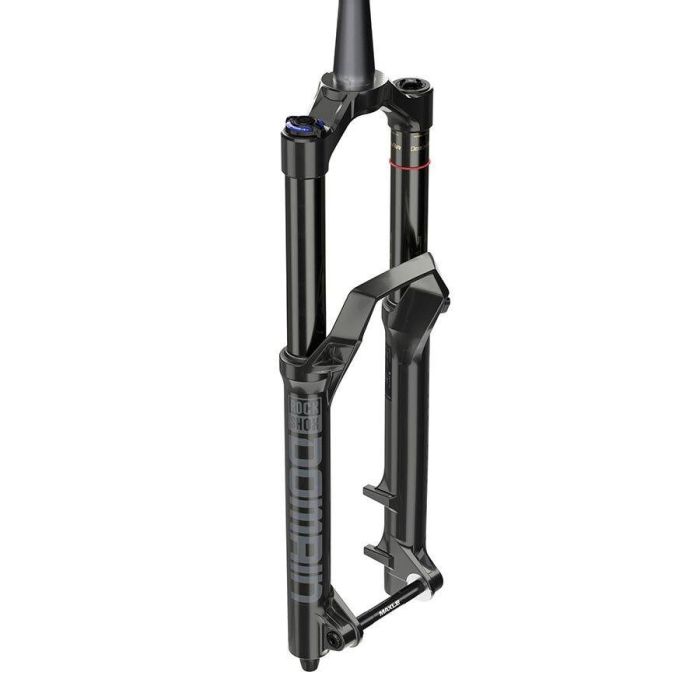
RockShox Domain RC 27.5" B1 Fork
$826.99$387.99 -
RockShox BoXXer Ultimate 27.5" D1 Fork
$2,304.99 - $2,340.99 -
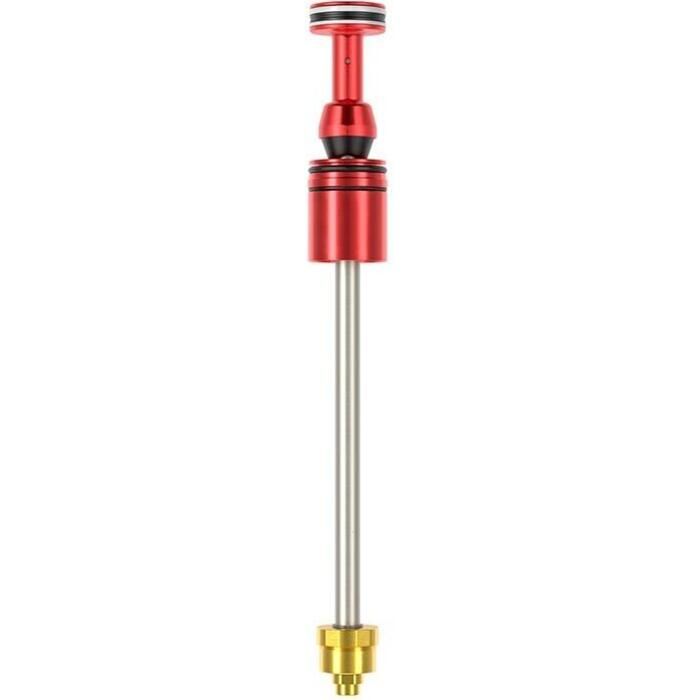
RockShox Lyrik DebonAir+ Air Spring Upgrade Kit
$148.99 - $151.99 -
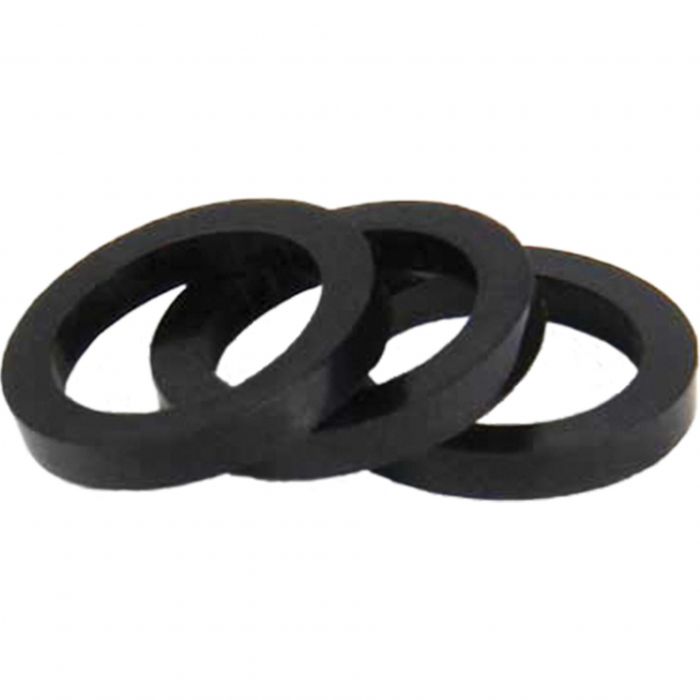
RockShox Crush Washer - 8 mm (50-pack) - 11.4015.259.000
$12.16
About Suspension
Choosing mountain bike suspension usually comes down to three categories: forks, rear suspension, and the seals that help keep both performing smoothly. Popular suspension brands include RockShox, Fox Factory, and Öhlins.
1. Riding Categories: How to Choose Fork & Rear Travel
| Riding type | What the trails look like | Fork travel that usually makes sense | Rear travel that usually makes sense | Why buying “more” can be worse |
|---|---|---|---|---|
| Cross country and downcountry | Long climbs, lots of pedaling, smaller hits you take at speed | About 100 to 120 mm | Often 0 to 120 mm (hardtail to short travel full suspension) | Extra travel dulls steering feel, adds weight, and wastes energy you need for climbs |
| Trail and all mountain | Mixed rides. You climb to earn descents. Roots, rocks, small drops, fast corners | About 120 to 150 mm | About 120 to 140 mm | Too much bike can feel vague, harder to pump, harder to place, and more tiring all day |
| Enduro | Steep and rough descents, harder impacts, still has to pedal back up | About 150 to 180 mm | Often 150 to 170 mm | Big travel without the skill, tuning, and brakes just turns speed into surprise |
| Downhill and bike park | Repeated big hits, braking bumps, hard landings, high speed | About 180 to 200 mm (typically dual crown territory) | About 160 to 200 mm depending on the rig | You do not buy efficiency here. You buy control and heat management, and you pay in weight |
- Too little suspension reduces control and comfort. Repeated bumps and drops can increase fatigue and make it harder to stay in control on harsh terrain.
- Too much suspension can reduce efficiency and trail feel. Extra travel can dull steering feel, add weight, and waste energy you need for climbs.
2. Safety Standards, Certifications & Testing for Bike Suspension
- ISO 4210 is a safety baseline, not a performance guarantee. ISO 4210 covers bicycle safety requirements, including frame and fork test methods. It is a minimum bar, not a promise of performance on your local rock garden.
- eMTB is a special case. More mass, more speed, more heat. If a fork or shock is offered in an eMTB rated build by the manufacturer, it is acknowledging higher loads.
- Common issues are gradual: performance fades as wear builds. Worn seals let grit in. Grit turns bushings into sandpaper. Sandpaper turns stanchions into scrap. Dried dirt can chafe and damage wiper seals, which then lets contamination enter.
3. Suspension Features & Trade-Offs (What to Prioritize)
| Decision point | Benefit | Downside |
|---|---|---|
| More fork travel | Bigger margin for error on steep and rough trails | Changes handling and geometry. Too much travel can make the bike less agile and can upset weight balance, especially climbing and cornering. |
| Stanchion diameter (fork stiffness) | More steering accuracy when things get violent | More weight, often more friction. |
| Air spring (fork or rear shock) | Easy tuning with a pump. You can adjust for rider weight, gear, and terrain in minutes | More seals, more sensitivity to neglected maintenance. If you never service it, it will still “work,” just badly, until it does not |
| Coil spring (fork or rear shock) | Consistent feel on long descents. Great small bump sensitivity. Less fade anxiety | Heavier. Spring rate swaps cost money. Preload adjustment is limited and cannot fix the wrong spring. |
| Damper adjustability (compression and rebound range) | Lets you control dive, support, and traction for your terrain | More knobs means more ways to get lost. Rebound and compression mistakes can make a bike harsh and sluggish. |
| Piggyback rear shock reservoir | Better heat management and more consistent damping on long descents | More weight and more clearance issues in tight frames. Sometimes it simply will not fit. |
| Remote lockout | Efficient climbing for cross country and marathon riding | Added cables, added failure points, and a habit of forgetting it is on when the trail stops being polite. |
| Seals and wipers (fork and shock) | Fresh seals reduce stiction, keep oil in, keep grit out, and make the suspension track small chatter again | Seals are wear items. Ignore them and you turn expensive sliding surfaces into consumables. |
| Aftermarket seal kits and dust wipers | Can restore smoothness and improve contamination control when stock parts are tired | Must match your exact model and service spec. Some kits include multiple components (dust wipers, oil seals, foam rings, crush washers), so installation quality matters. |
4. Core Suspension Designs: Air vs Coil vs Hybrid
- Air spring
- Ideal user: Most riders, especially anyone who changes gear, terrain, or seasons.
- Strengths: Fast tuning with a shock pump. Easy to hit target sag.
- Limitations: Seal health matters. Neglect turns “plush” into “sticky.”
- Coil spring
- Ideal user: Enduro and downhill riders who value traction and consistency on long, rough descents.
- Strengths: Smooth off the top, predictable through repeated hits, less sensitive to heat and long run fade.
- Limitations: Spring choice is make or break. Heavier. Limited preload correction.
- Hybrid tuning approach (air spring plus volume spacers, or coil plus damping support)
- Ideal user: Riders who like to fine tune mid stroke support and bottom out resistance without changing the whole system.
- Strengths: Lets you shape progression and reduce bottom outs. Canyon specifically describes volume spacers as a tool to increase progression if you bottom out even with sag set correctly.
- Limitations: Easy to overdo and end up with a harsh ride that only uses half its travel.
5. Fit, Compatibility & Comfort: Getting Suspension That Matches Your Bike
- Fork compatibility comes down to specs. Match wheel size, axle standard, hub spacing, brake mount, steerer type, and offset to your frame and wheel.
- Know your goal before adding travel. Adding travel changes geometry and can reduce agility and technical climbing performance. Depending on your riding style, this can be a deal breaker.
- Rear shock fit is exact. Eye to eye, stroke, mount type, and hardware dimensions must match the frame. Wrong stroke can cause frame contact at bottom out, which is the kind of problem you only discover once.
- Sag is about control and comfort, not just softness. We suggest a baseline sag range of roughly 20 to 35 percent depending on bike and riding style, with trail typically lower and enduro or downhill higher. Fork sag often ends up around the mid teens to low twenties percent range. Use manufacturer guides as a starting point, then tune.
- Seals can affect ride feel more than many upgrades. Stiction reduces traction, makes the bike deflect, and increases fatigue because your arms become the suspension.
6. Suspension Care, Maintenance & Lifespan
- Seals are consumables. Dirt can chafe wiper seals and let contamination into the fork or shock. That is the start of the expensive part.
- Clean smart, not aggressively. Avoid solvents, degreasers, high pressure washing, and spraying water directly at the seal and upper tube junction. If you pressure wash your seals, you are pressure washing your future wallet.
- Service intervals matter. Many manufacturers publish clear hour based intervals for forks and rear shocks (for example, frequent lower leg and air can services, with deeper services at higher hour marks depending on model). More frequent attention is recommended for extreme conditions like wet, muddy, winter, or downhill racing.
- Watch for subtle warning signs.
- Oil ring on stanchions, dry cracking wipers, gritty feel, increased breakaway force, or bushing play.
- Rear shock feels like it has two modes, stuck down or pogo stick. That is often air can and damper service time.