









































Helmets
-

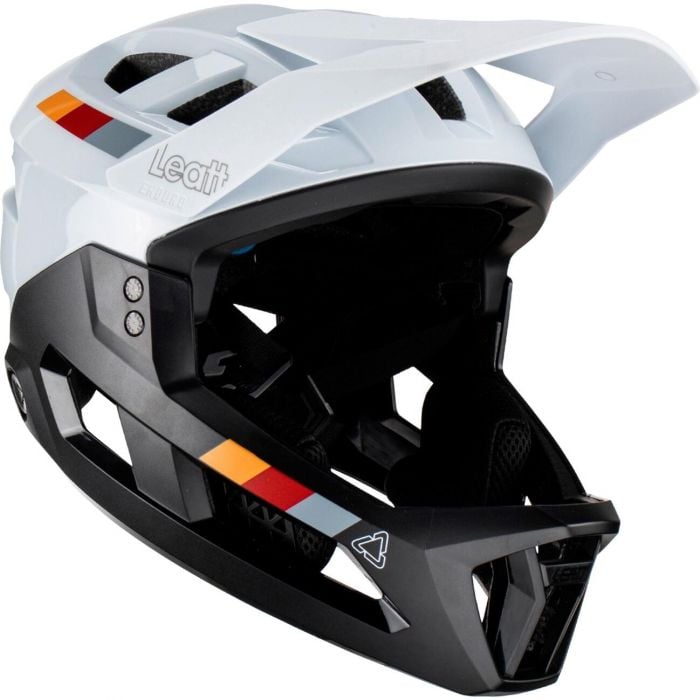
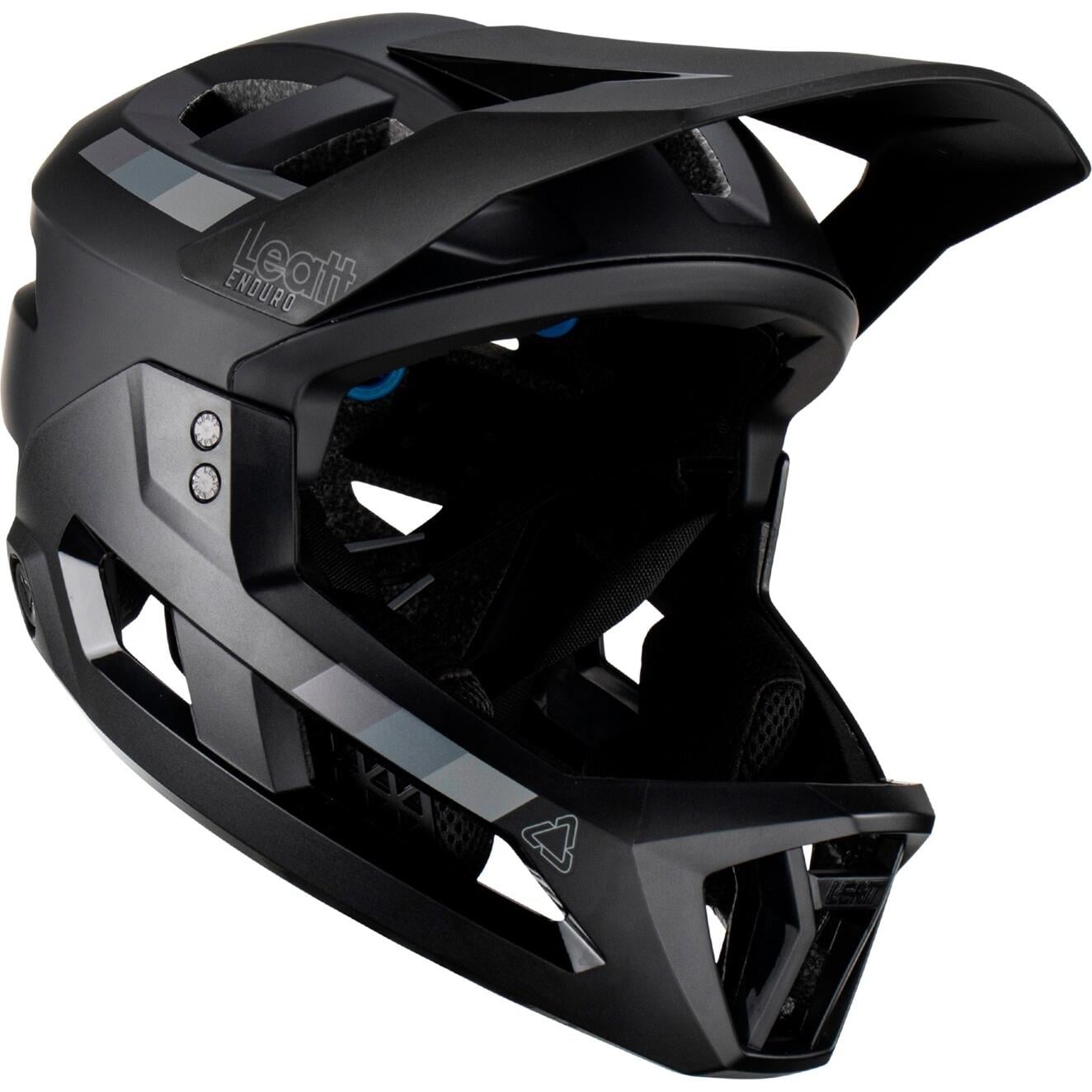
Leatt Enduro 2.0 MTB Helmet - 2023
$319.99 -

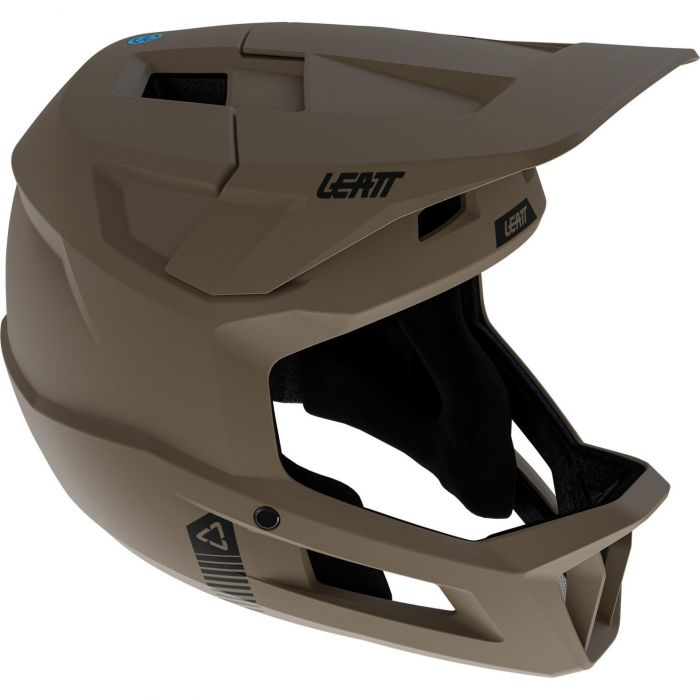

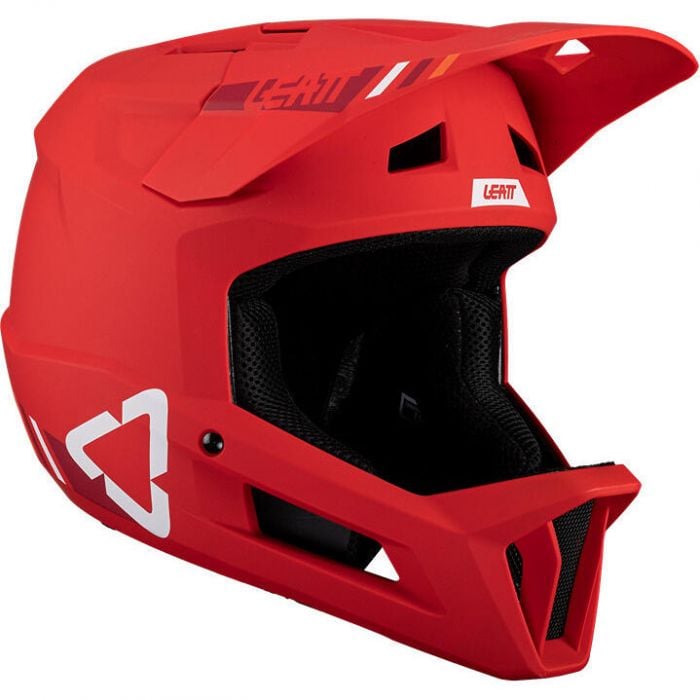
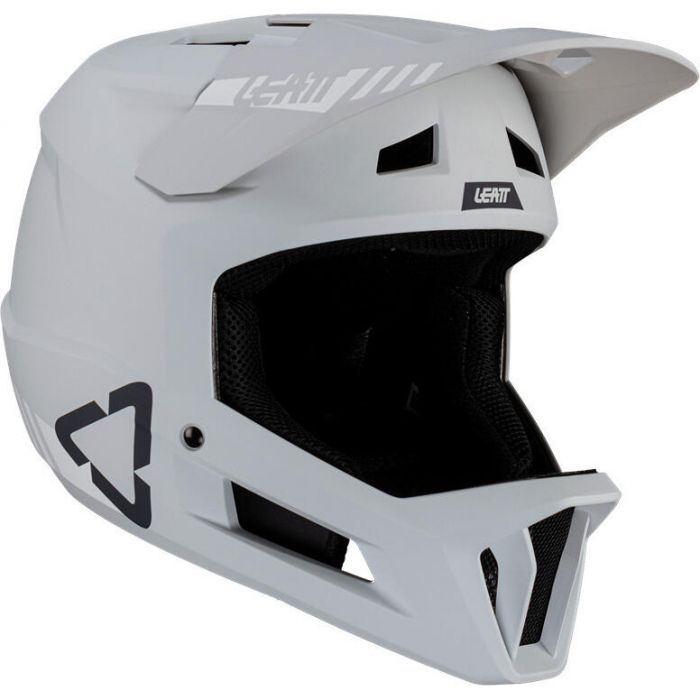
Leatt Gravity 1.0 MTB Helmet
$189.99 - $194.99 -


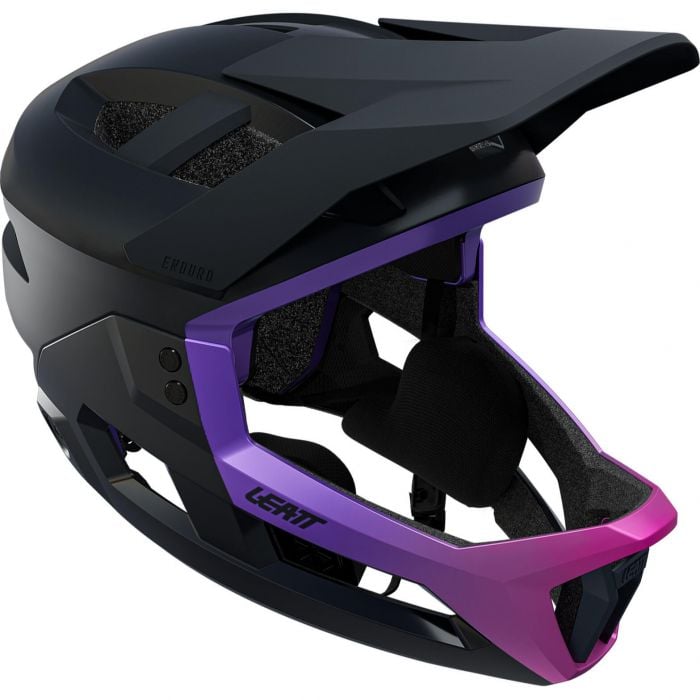
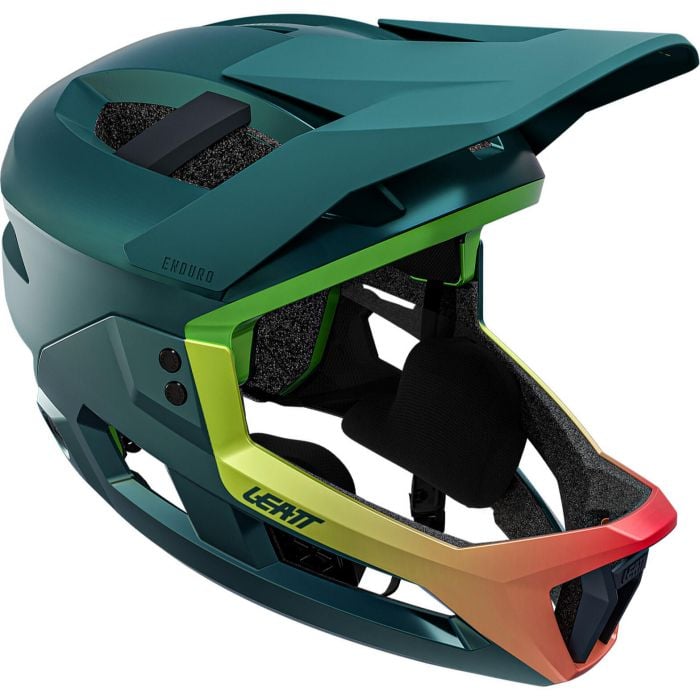
Leatt Enduro 3.0 MTB Helmet
$459.99 -
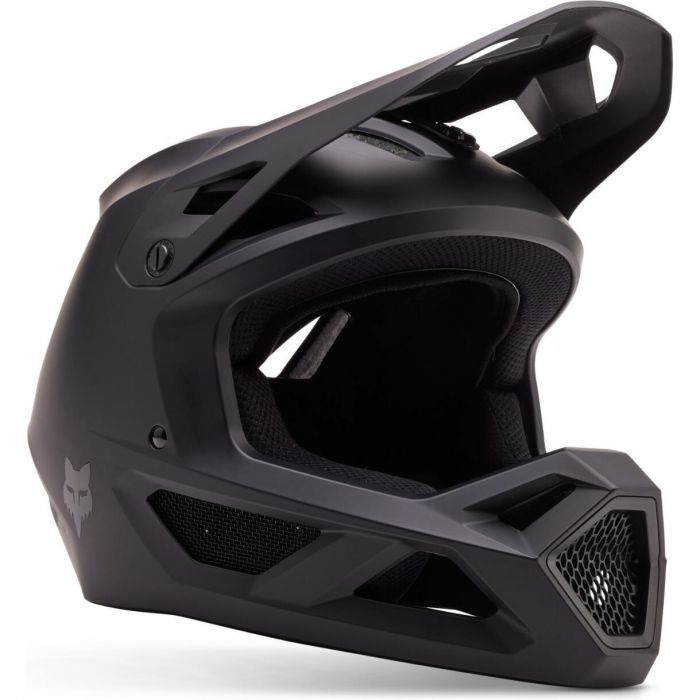
Fox Racing Rampage MIPS MTB Helmet
$309.95 -
 20% off
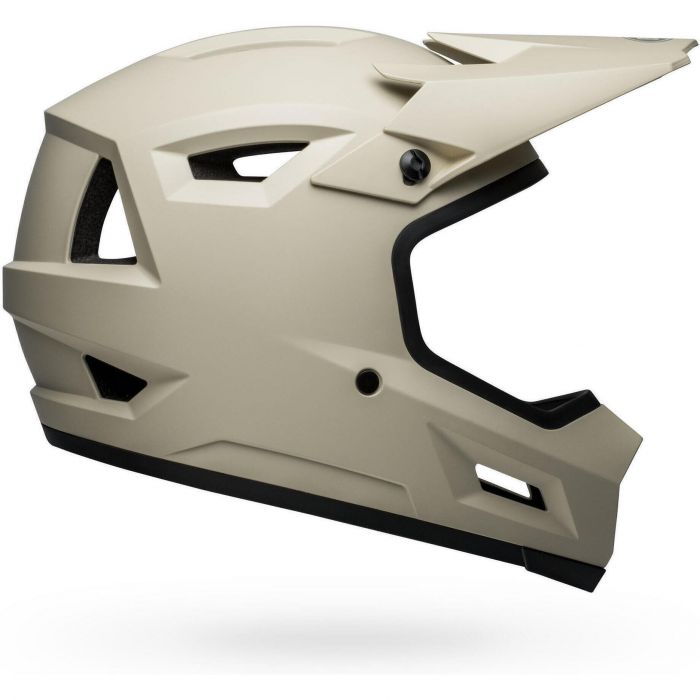

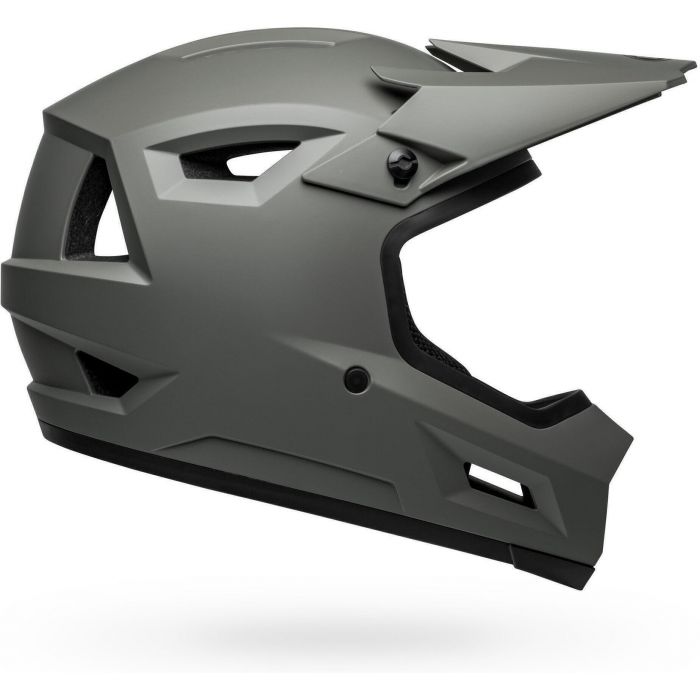
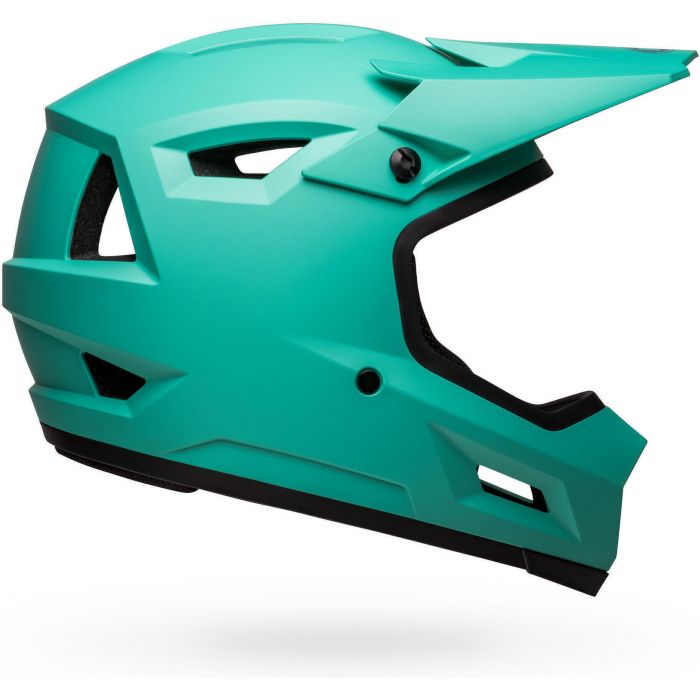
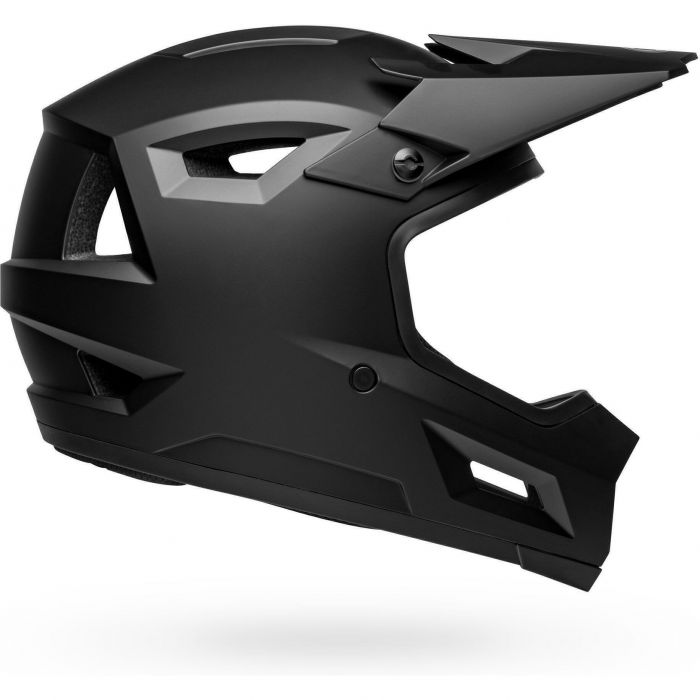
Bell Sanction 2 MTB Helmet
$199.99 - $209.99$167.99 - $199.99 -
 35% off
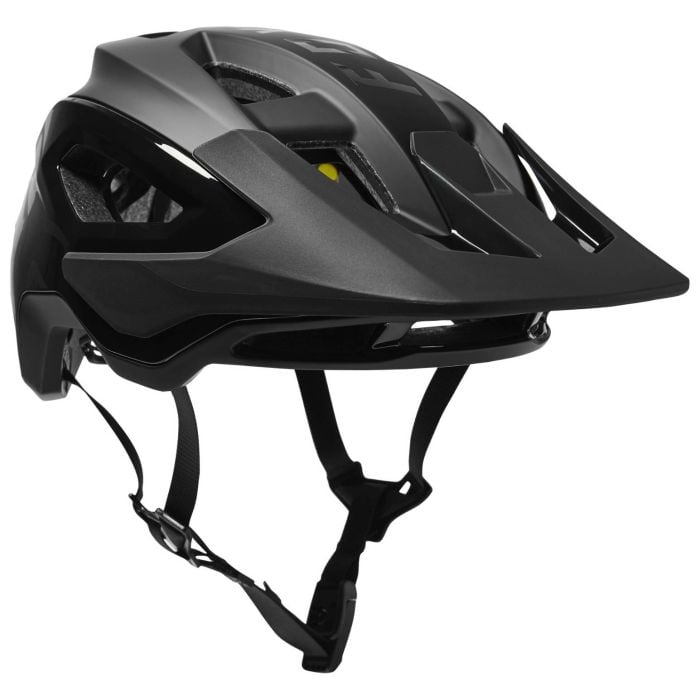
Fox Racing Speedframe Pro MIPS MTB Helmet
$244.95$158.95 -


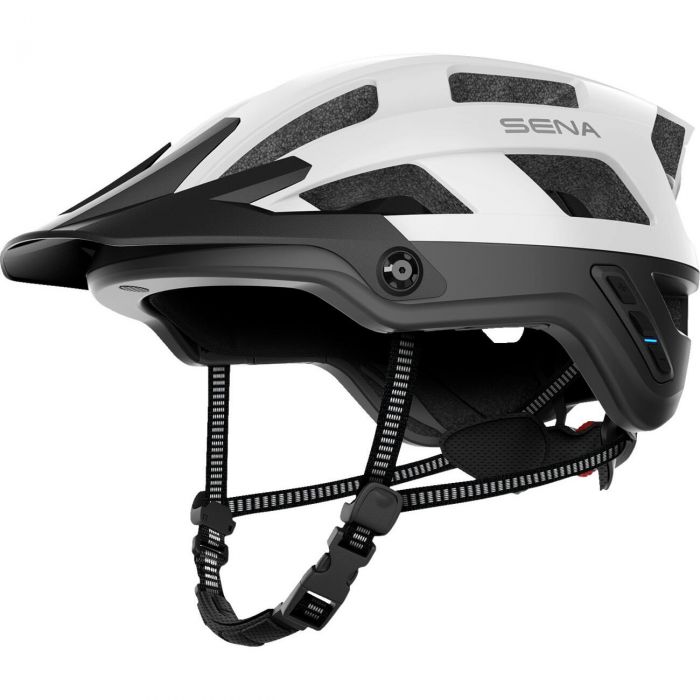
Sena M1 EVO Smart MTB Helmet
$269.99 - $278.60 -
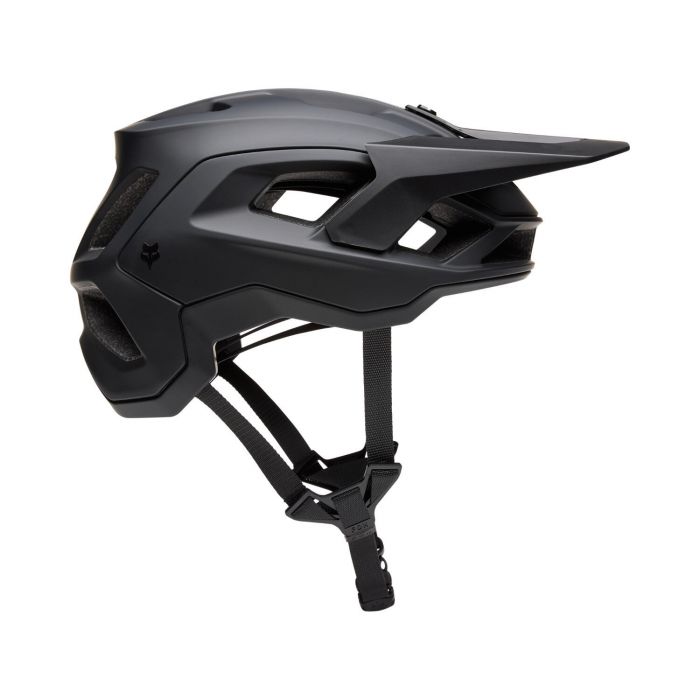
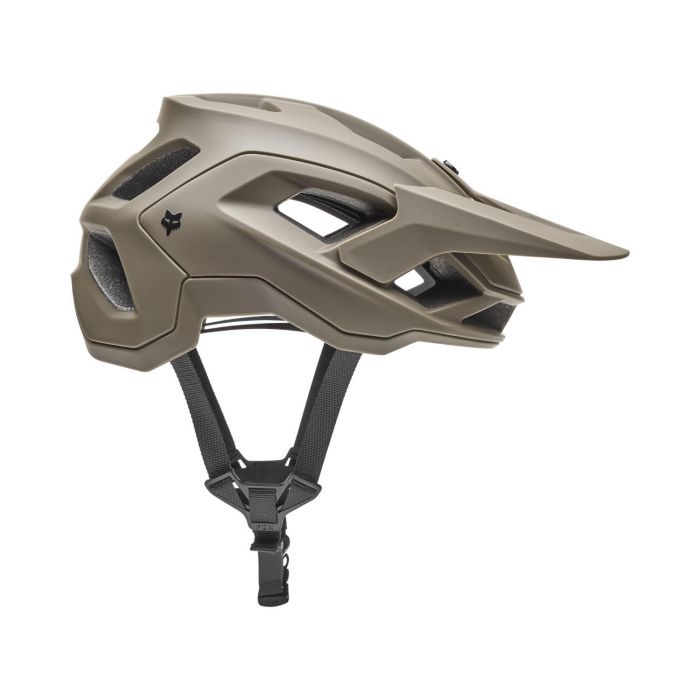
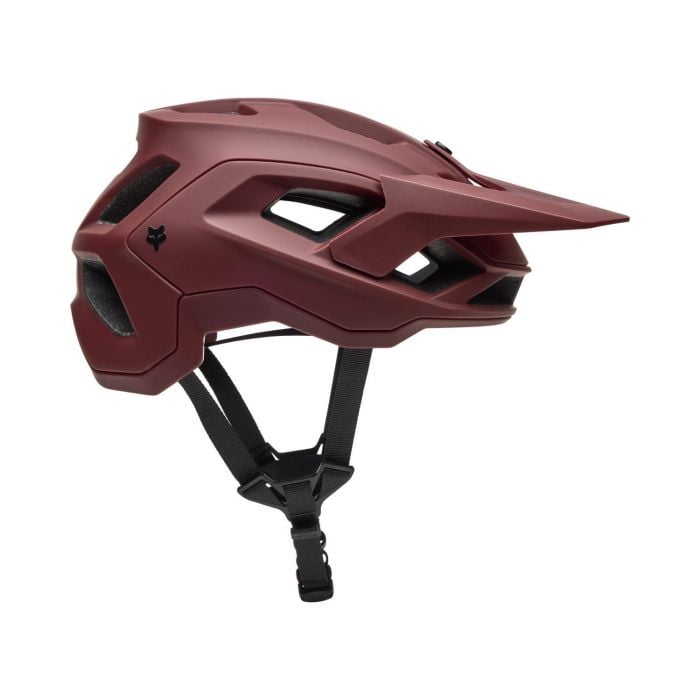
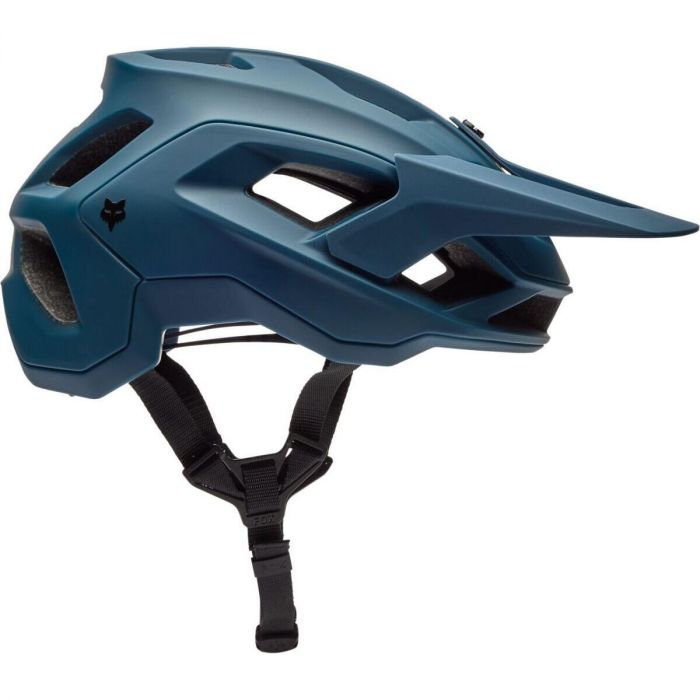
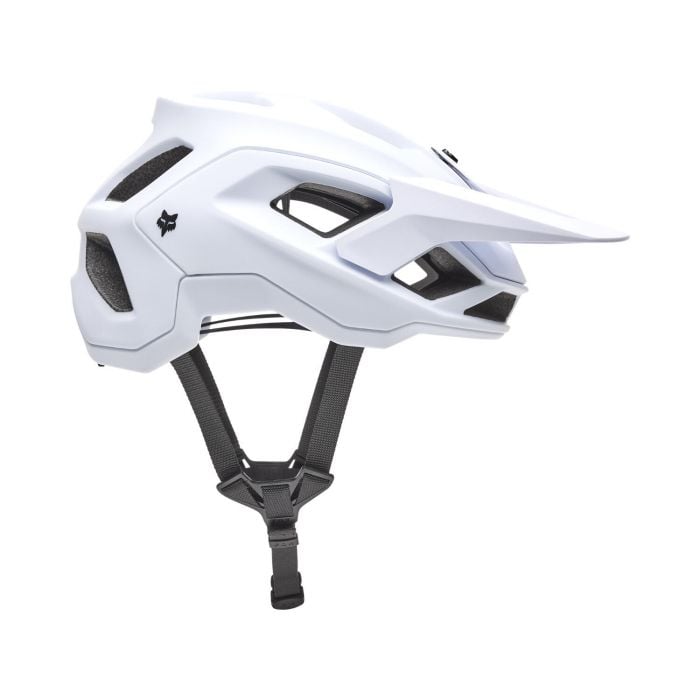
Fox Racing Speedframe MIPS MTB Helmet
$149.95 -

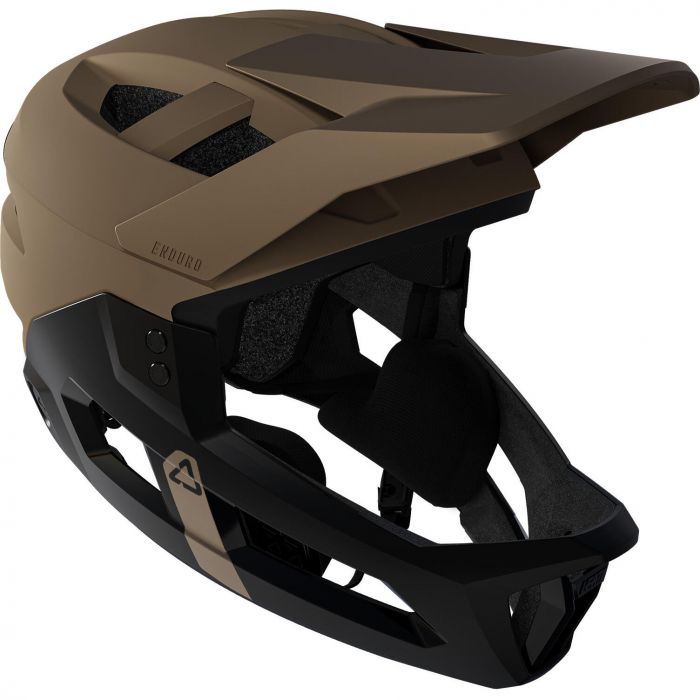
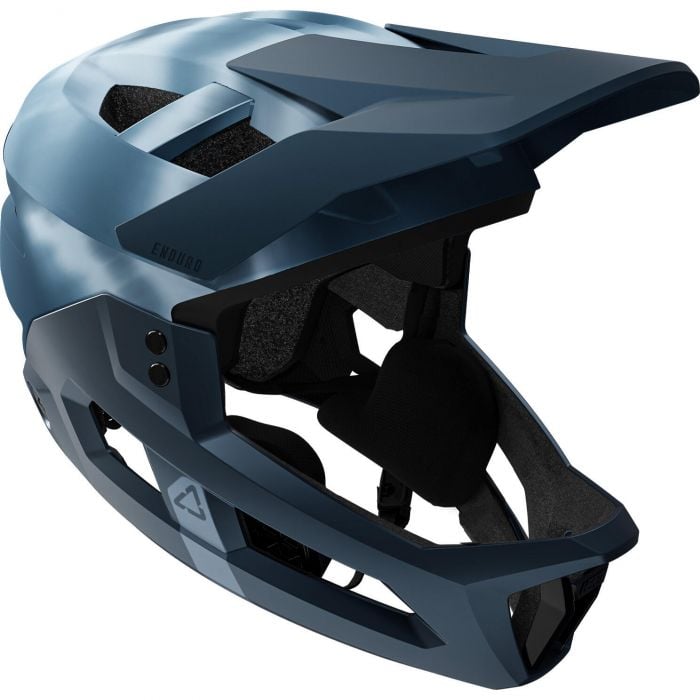
Leatt Enduro 2.0 MTB Helmet
$319.99 -

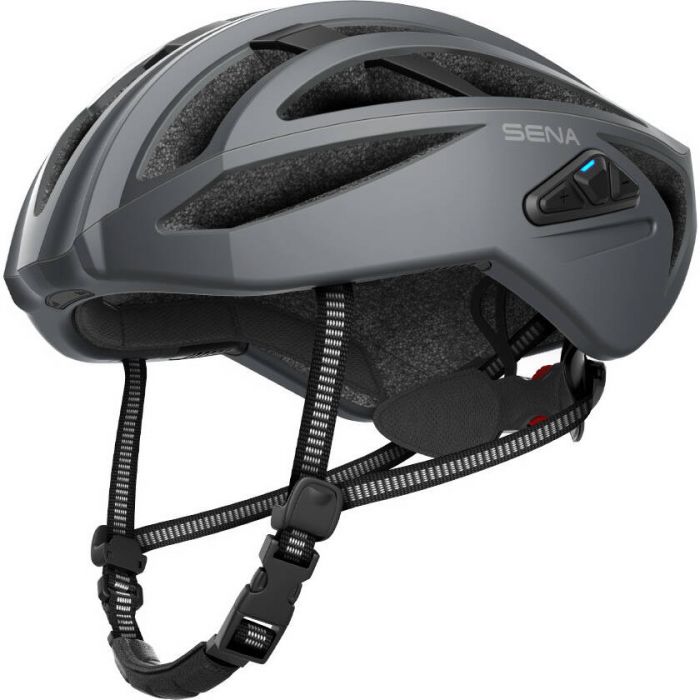

Sena R2 EVO Smart Cycling Helmet
$279.99 - $306.99 -
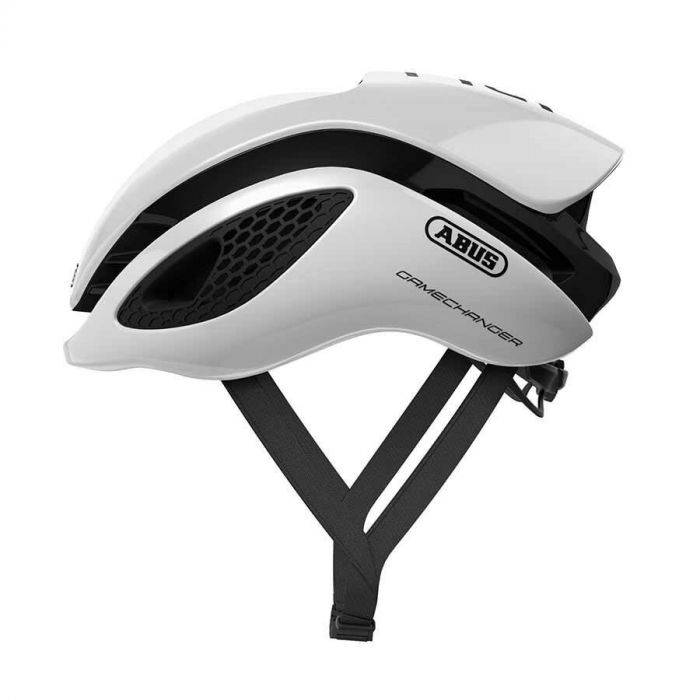

Abus GameChanger Cycling Helmet
$209.99 - $259.99 -
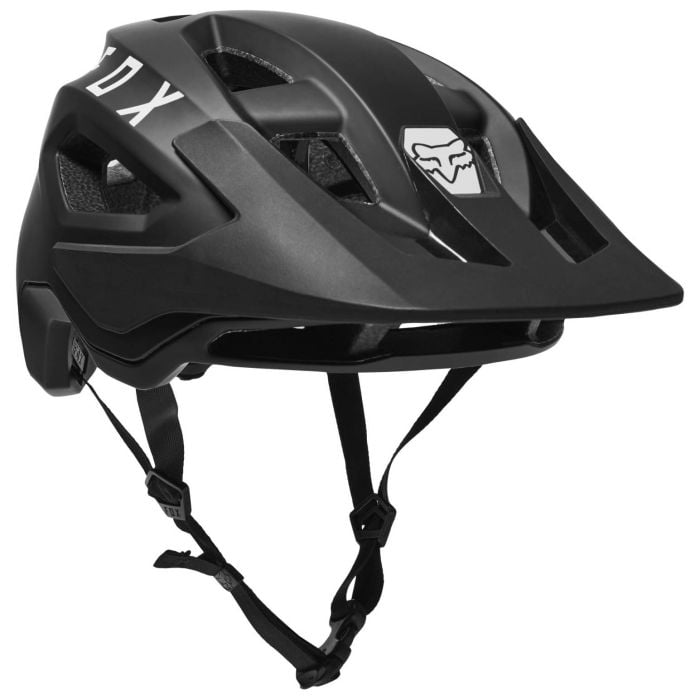 56% off
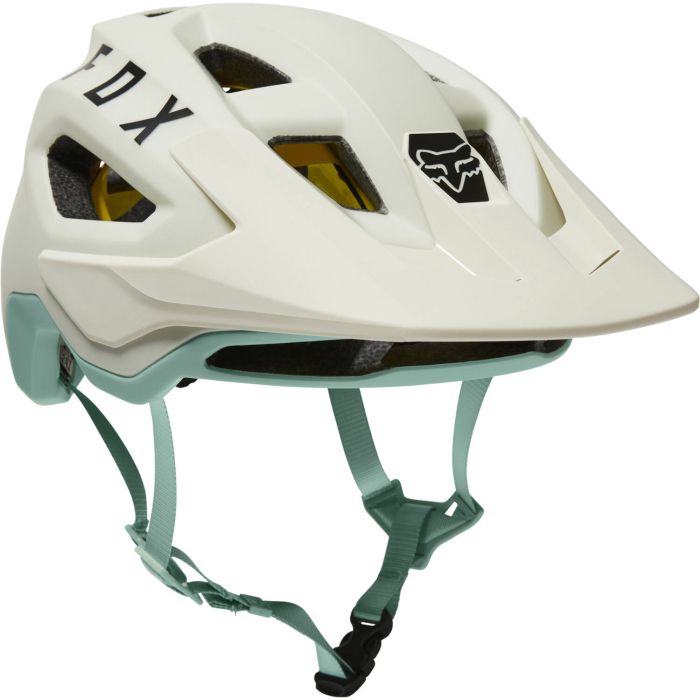
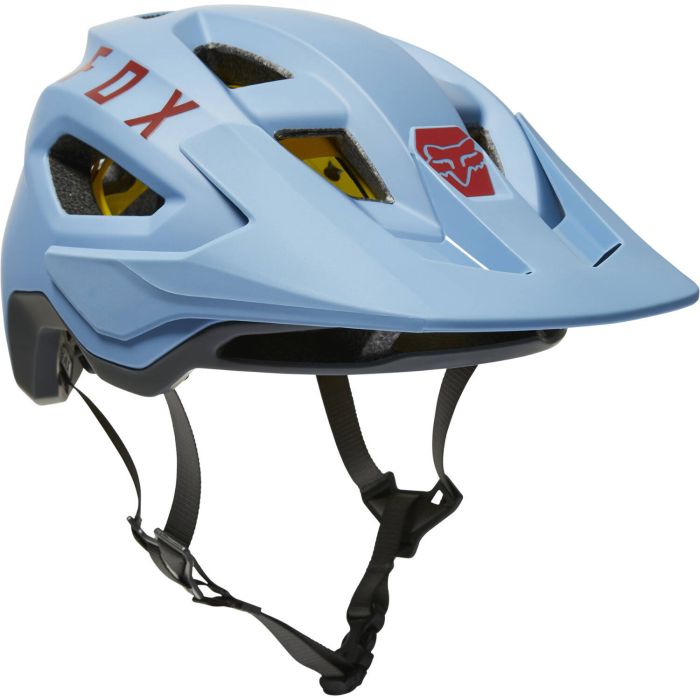
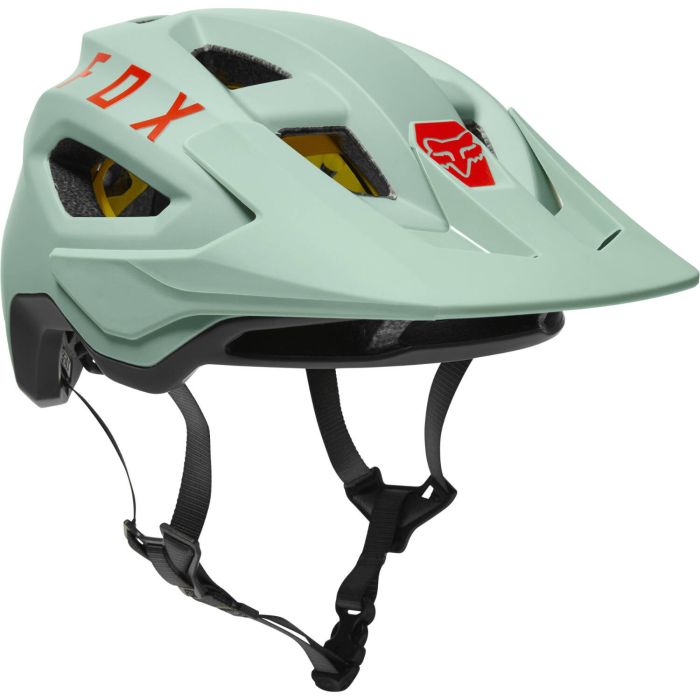
Fox Racing Speedframe MIPS MTB Helmet - 2020
$189.99$82.99 - $134.99 -

Troy Lee D4 Carbon Stealth MTB Helmet
$749.99 -
 40% off
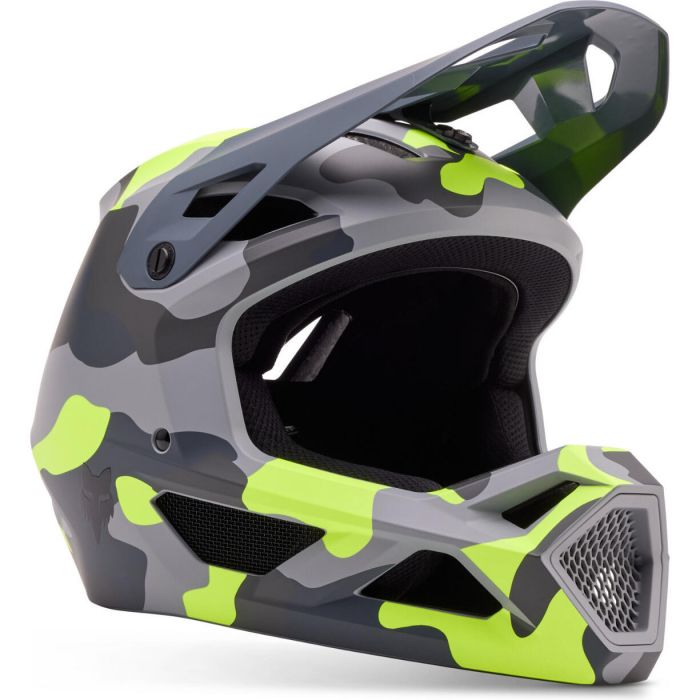
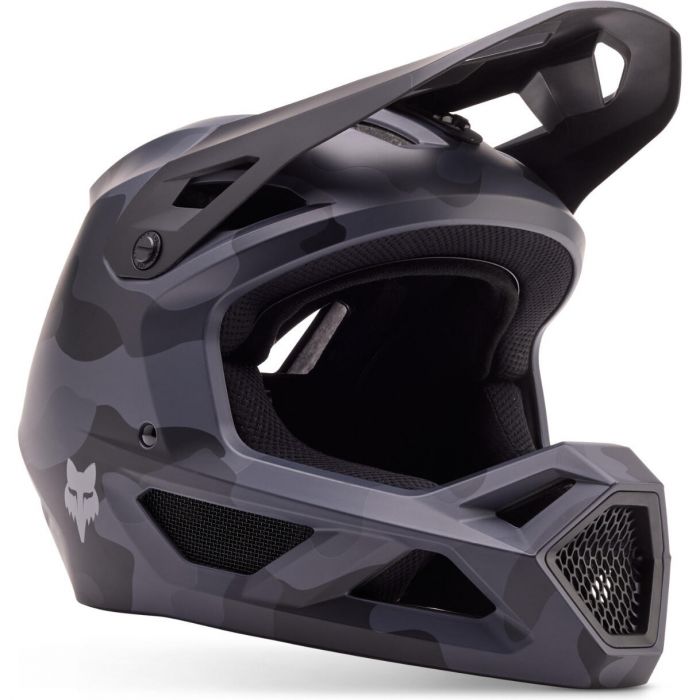
Fox Racing Rampage Camo MIPS MTB Helmet
$284.95 - $309.95$168.99 - $309.95 -
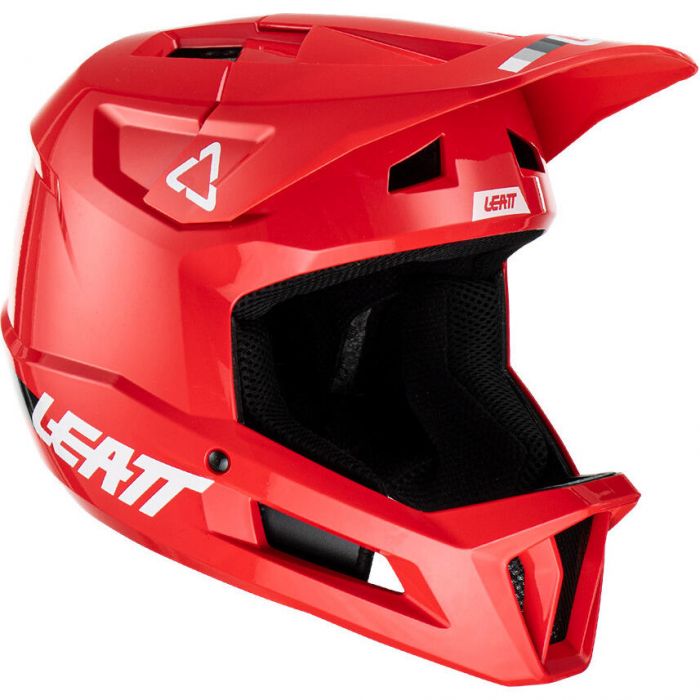

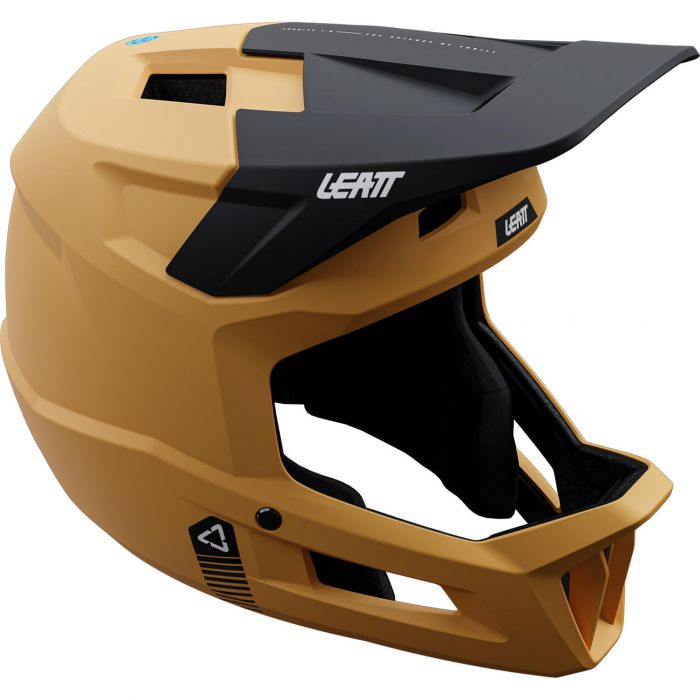
Leatt Youth Gravity 1.0 MTB Helmet
$179.99 -
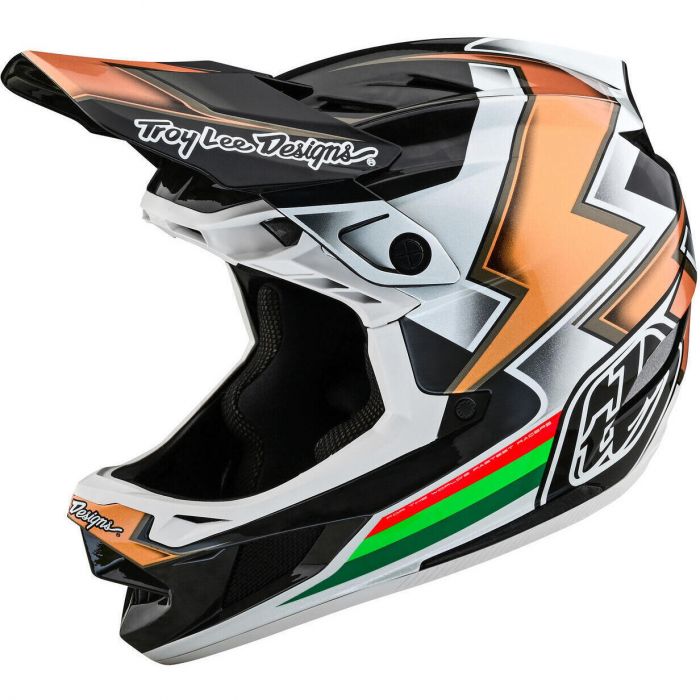 40% off
Troy Lee D4 Carbon Ever MIPS MTB Helmet
$749.99$449.99 -
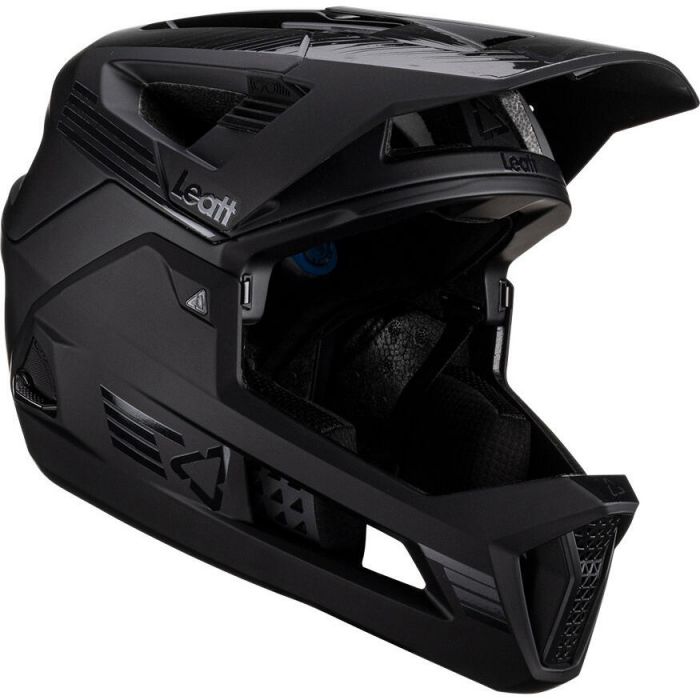
Leatt Enduro 4.0 MTB Helmet - 2023
$549.99 -
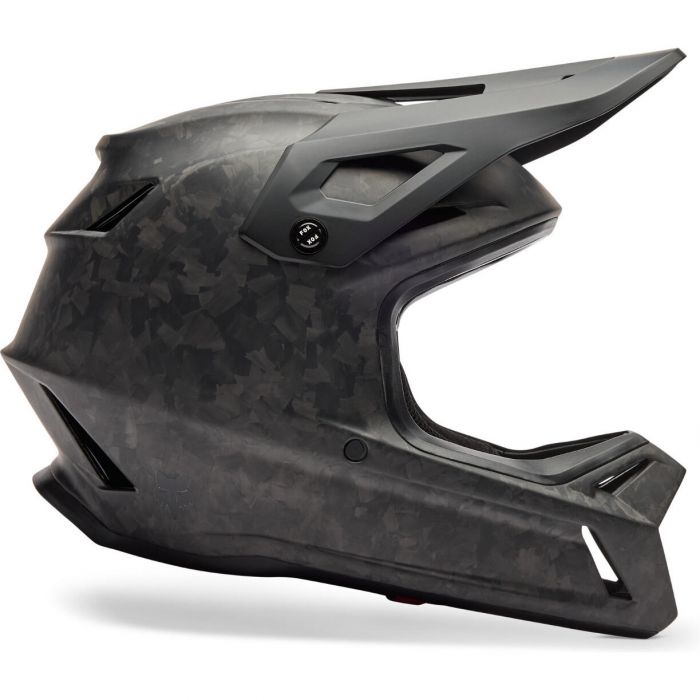
Fox Racing Rampage RS Matte MIPS MTB Helmet
$849.95 -
 18% off
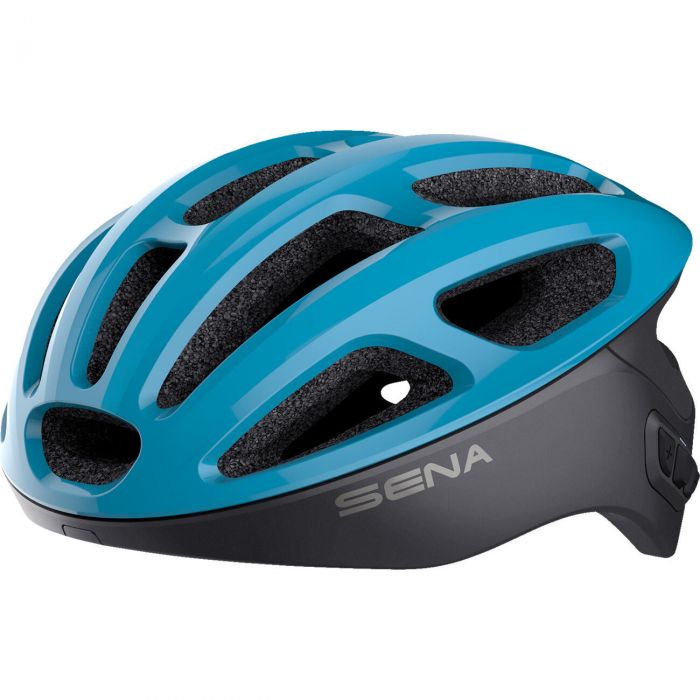
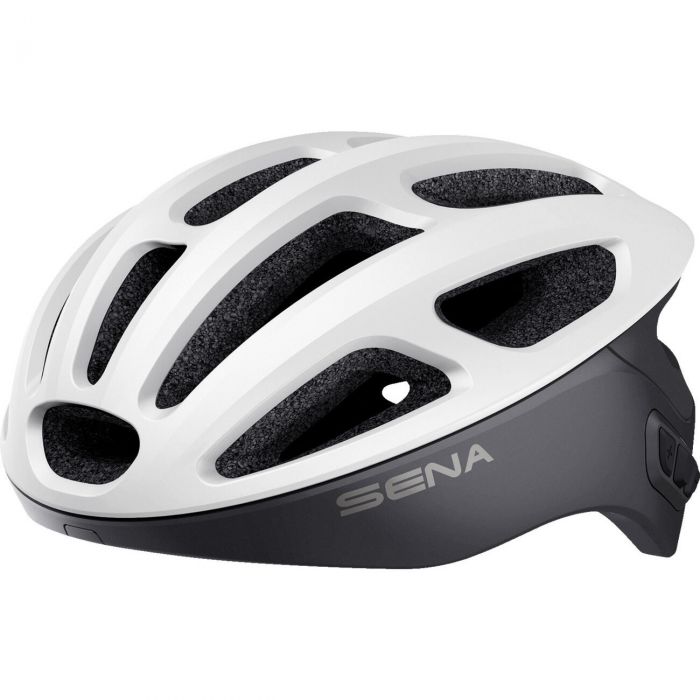
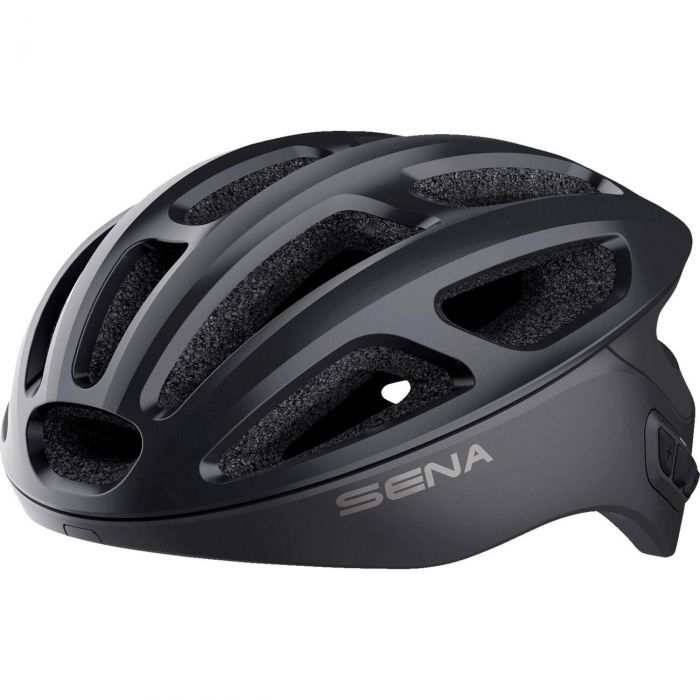
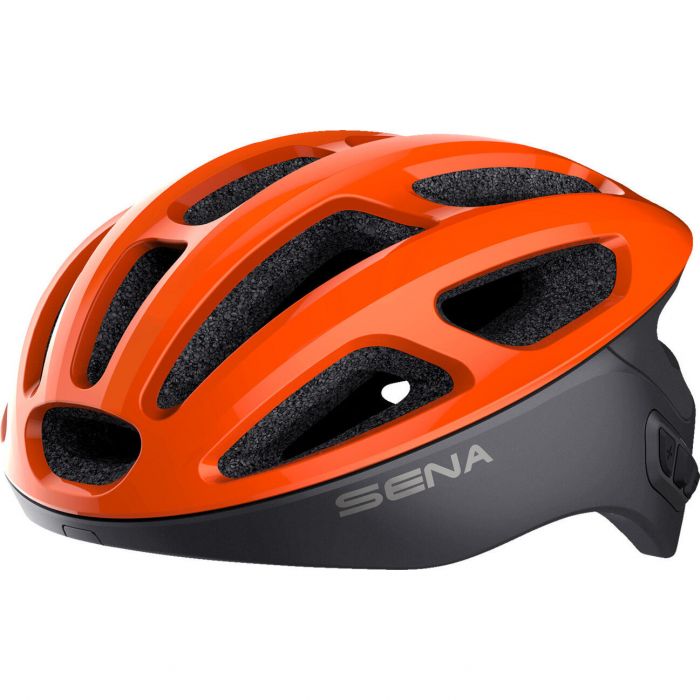
Sena R1 Smart Cycling Helmet
$222.95$180.60 - $189.51 -
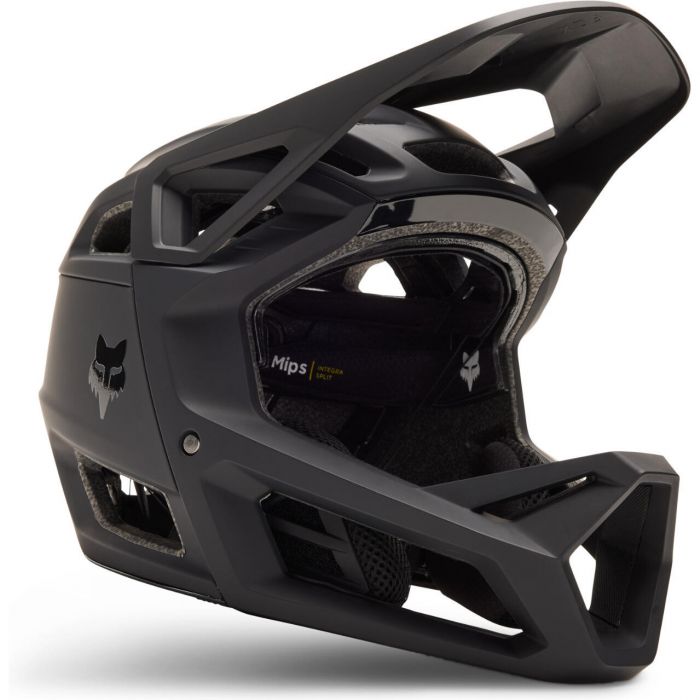
Fox Racing Proframe RS MIPS MTB Helmet
$524.95 -
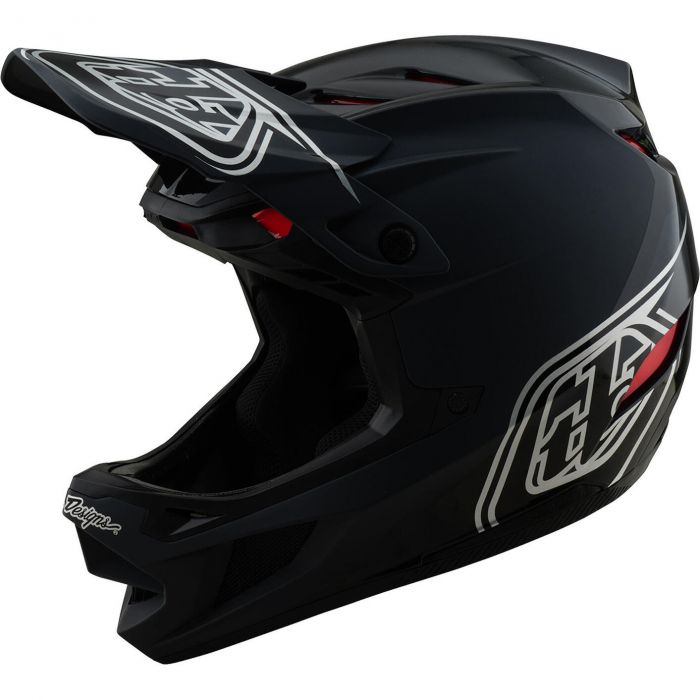
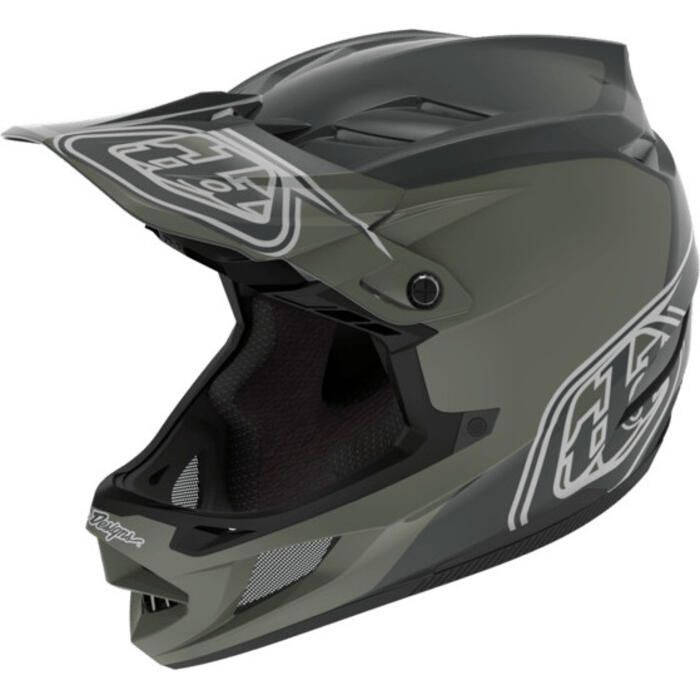
Troy Lee D4 Polyacrylite Shadow MIPS MTB Helmet
$369.99 - $390.00 -
Leatt Youth Enduro 2.0 MTB Helmet - 2023
$299.99 -
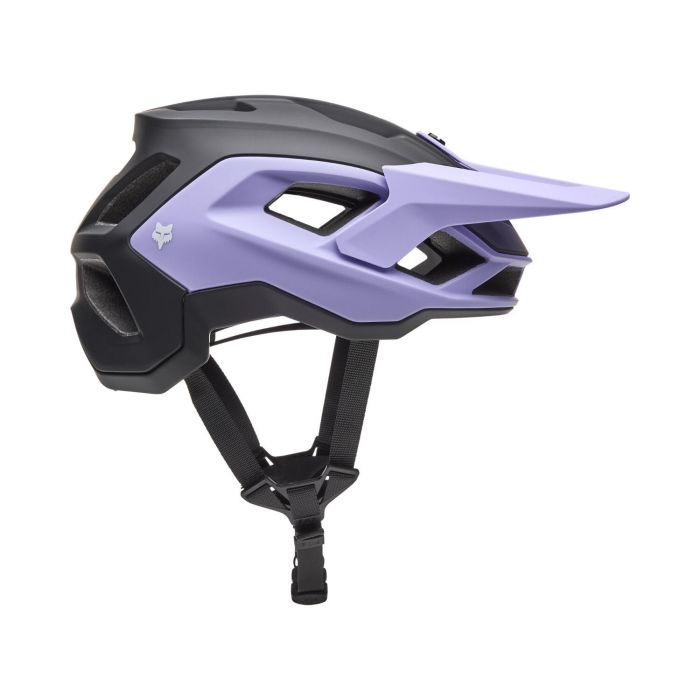 19% off


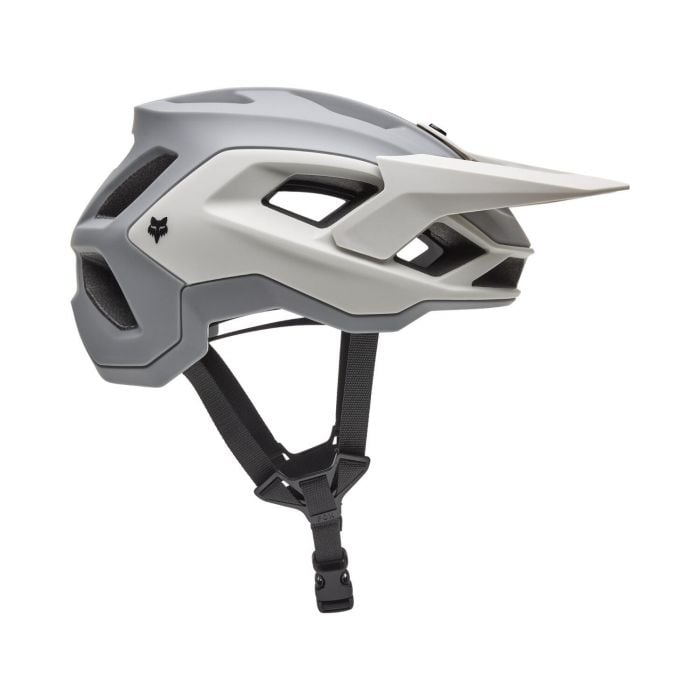
Fox Racing Speedframe 5050 MIPS MTB Helmet
$139.95 - $149.95$111.99 - $149.95 -
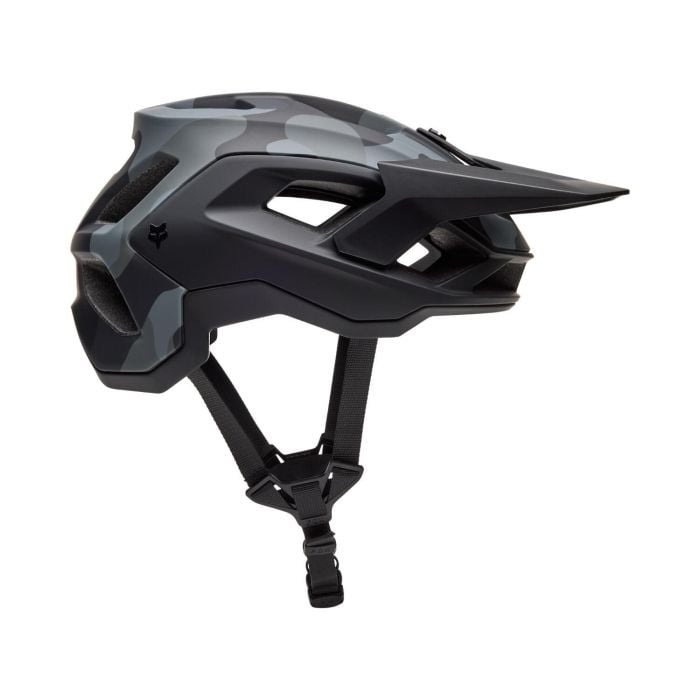
Fox Racing Speedframe Camo MIPS MTB Helmet
$149.95 -
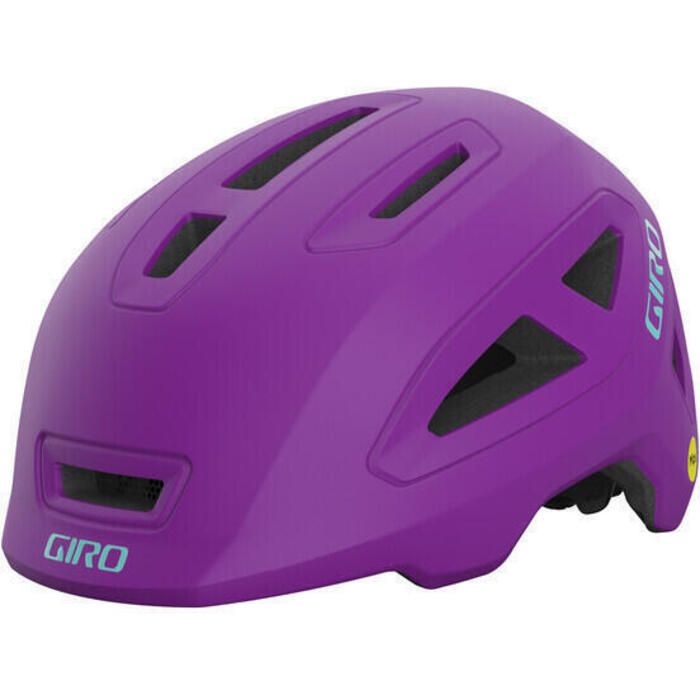
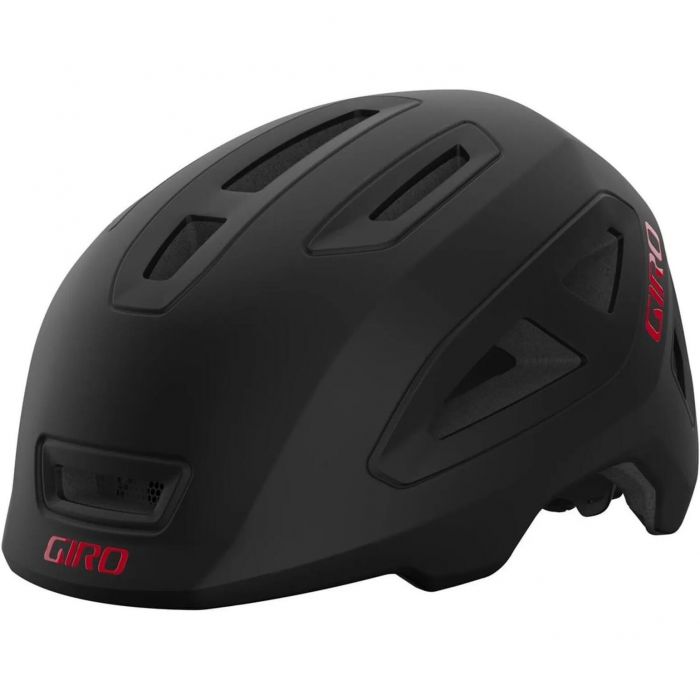

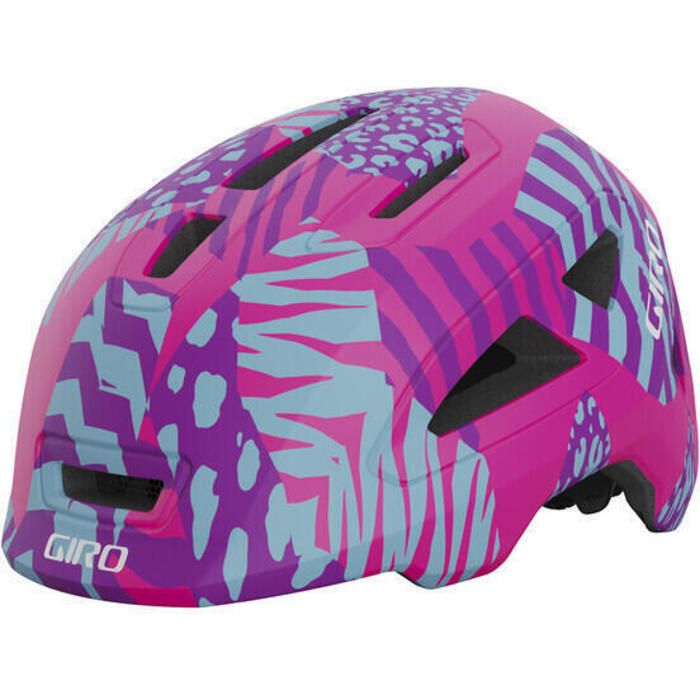
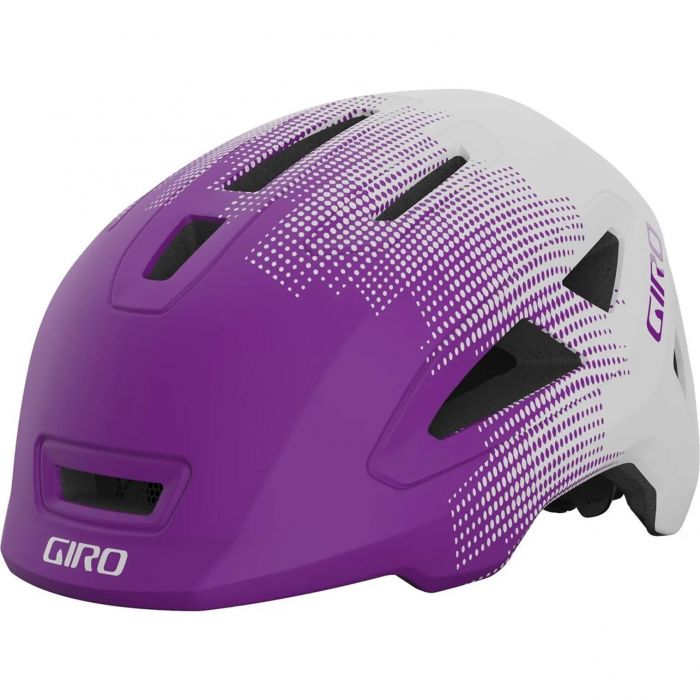
Giro Youth Scamp II Cycling Helmet
$89.99 - $99.99 -
 46% off
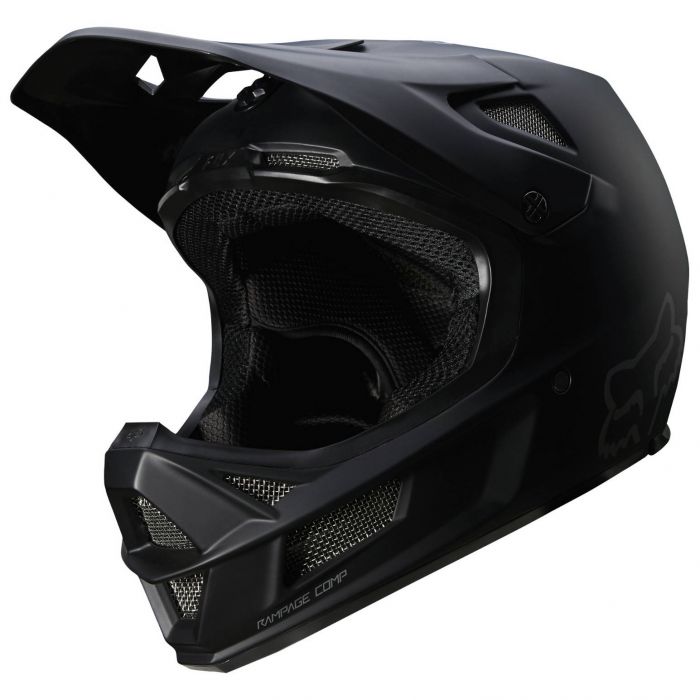
Fox Racing Rampage Comp MIPS MTB Helmet
$489.95$262.99 - $342.99 -
Sena M1 Smart MTB Helmet
$236.60 -
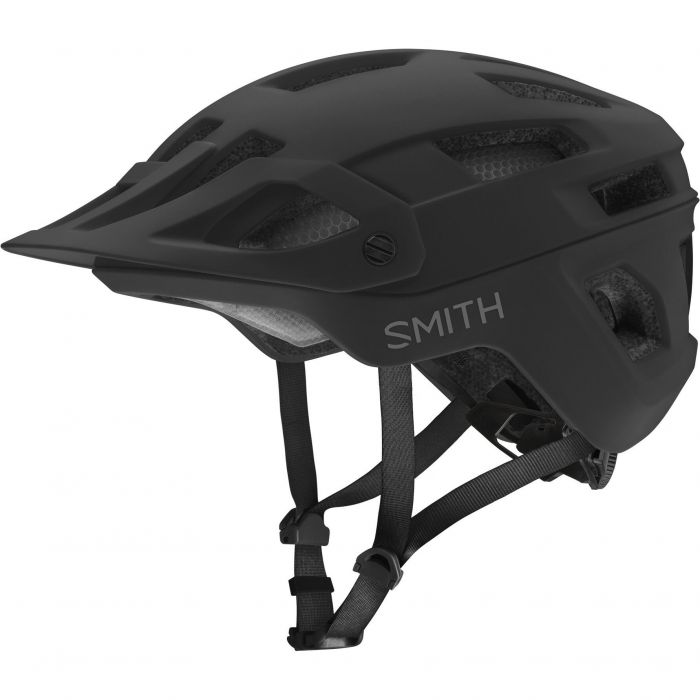
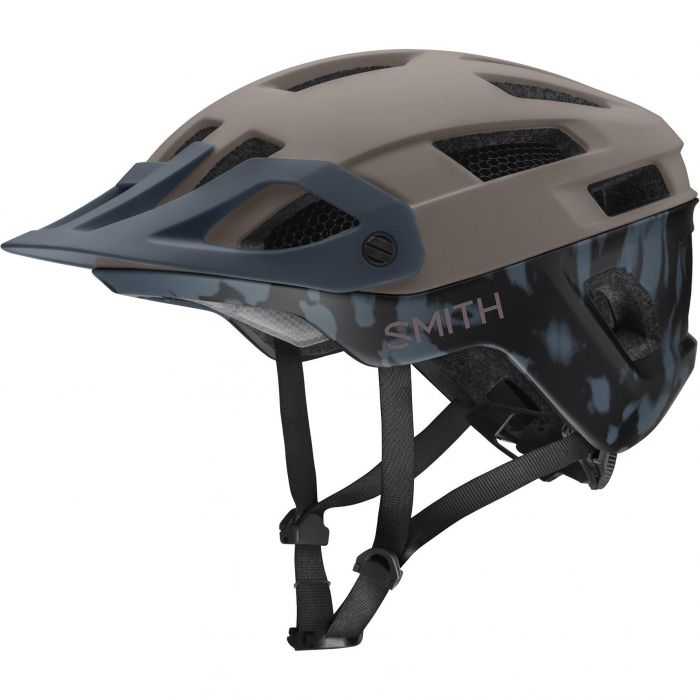
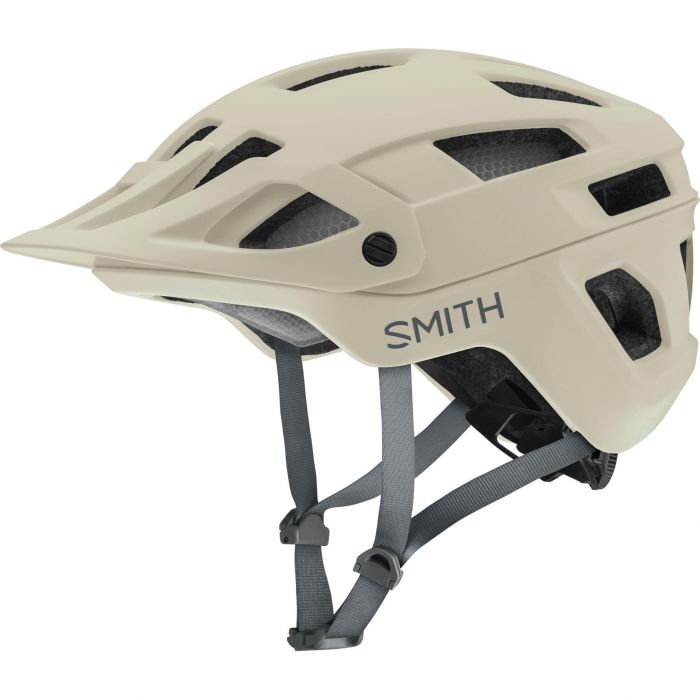
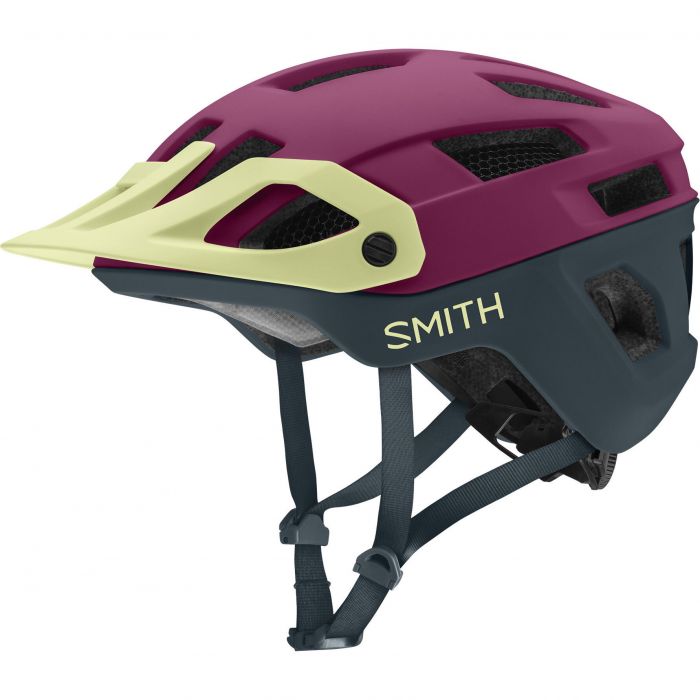
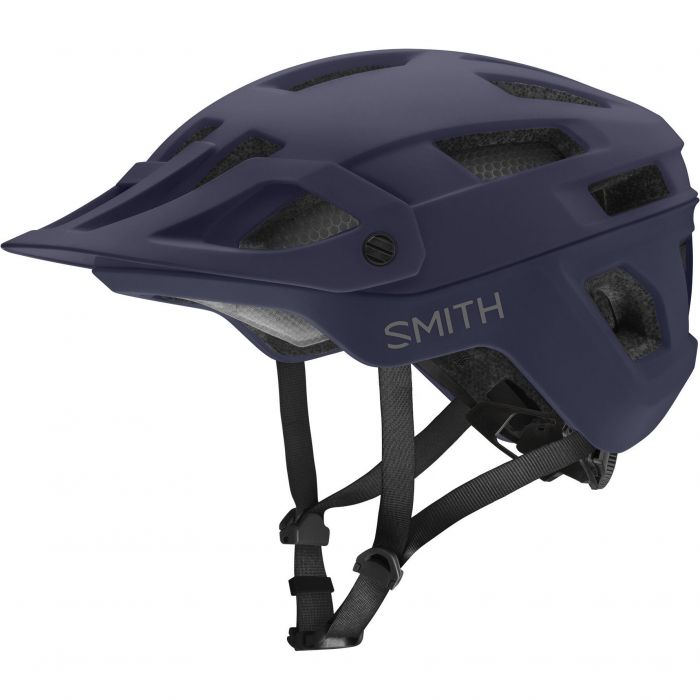
Smith Engage MIPS MTB Helmet
$170.00 -
 60% off


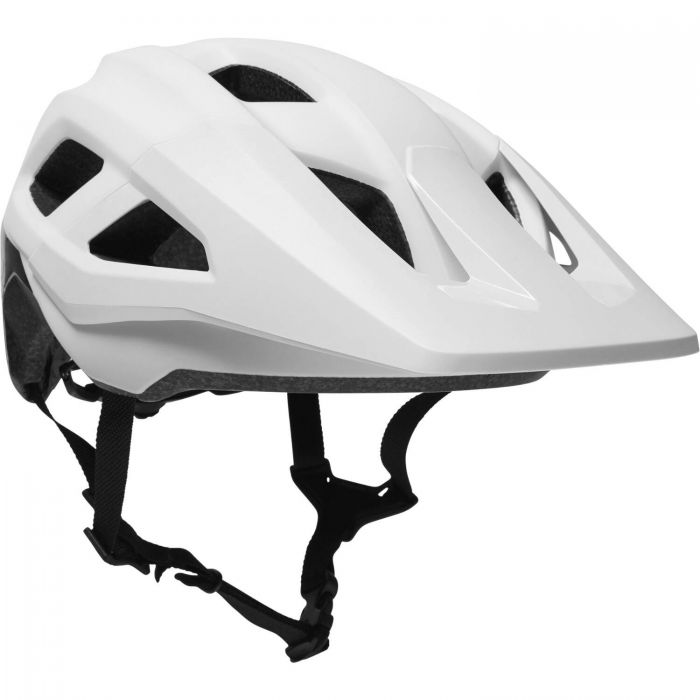
100 Percent Status MTB Helmet
$227.99 - $258.99$95.99 - $201.99 -
 54% off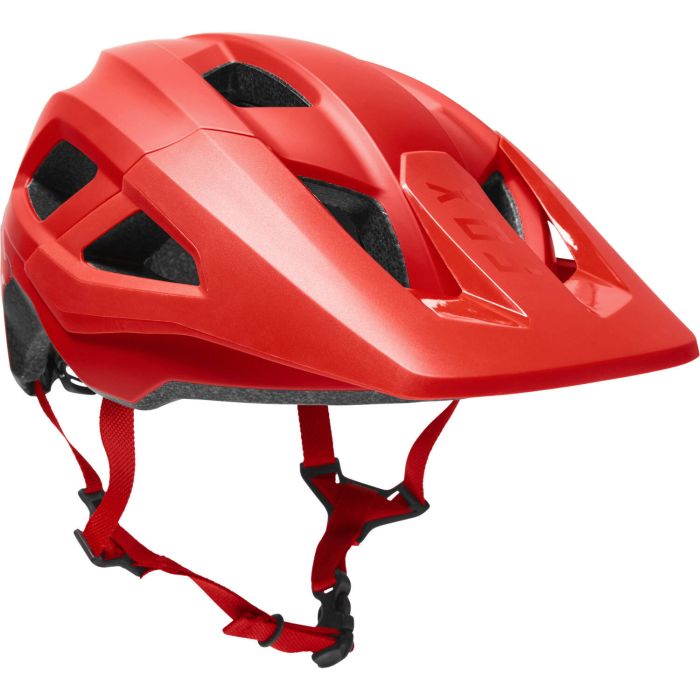
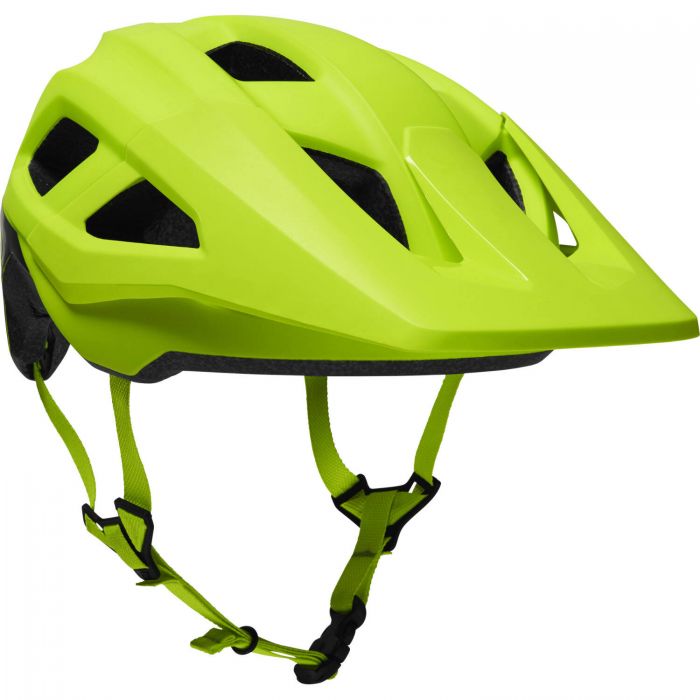
Fox Racing Mainframe MIPS MTB Helmet
$114.95$51.99 - $86.99 -
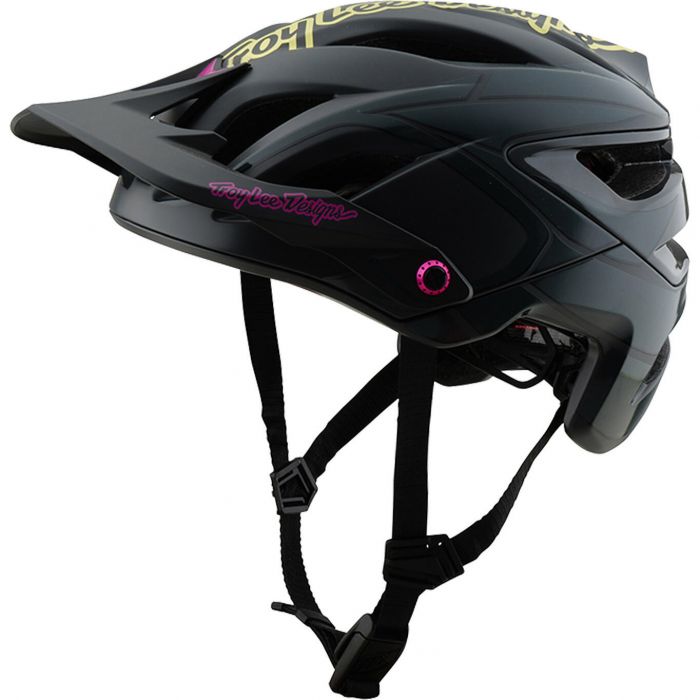
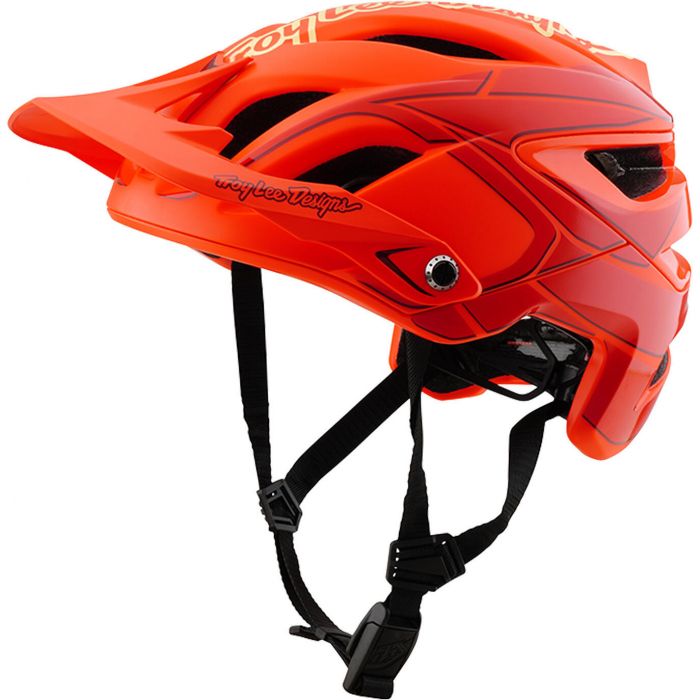
Troy Lee A3 Ghostwing MTB Helmet
$319.99 -
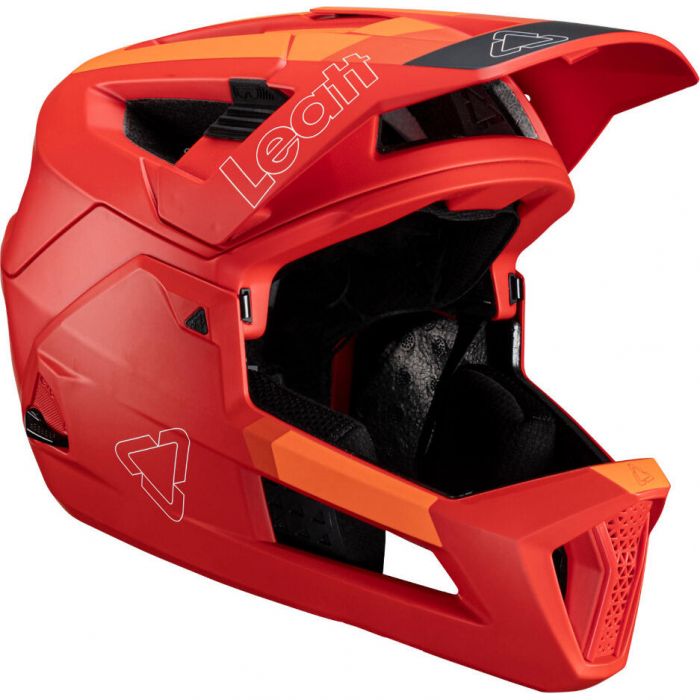 15% off


Leatt Enduro 4.0 MTB Helmet
$549.99$467.49 - $549.99 -
 40% off
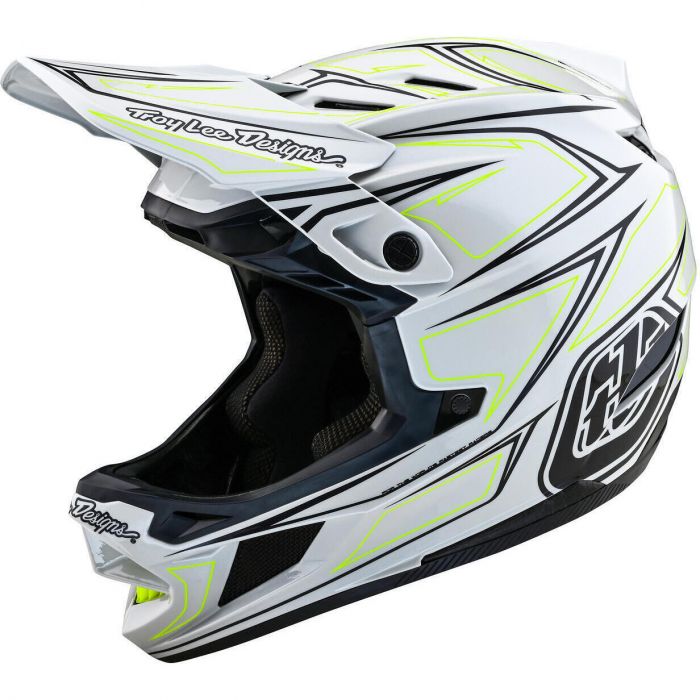
Troy Lee D4 Composite Pinned MIPS MTB Helmet
$519.99$311.99 -

Troy Lee Stage Trooper MTB Helmet
$399.99 -


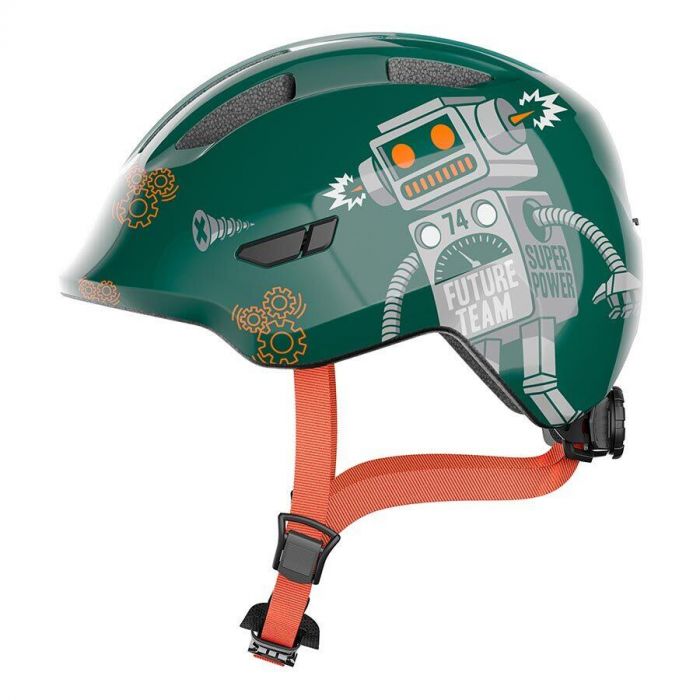
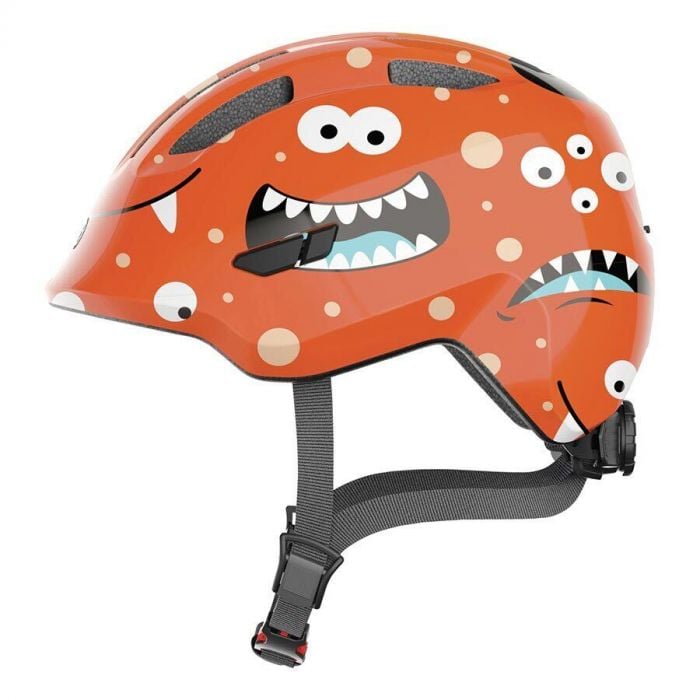
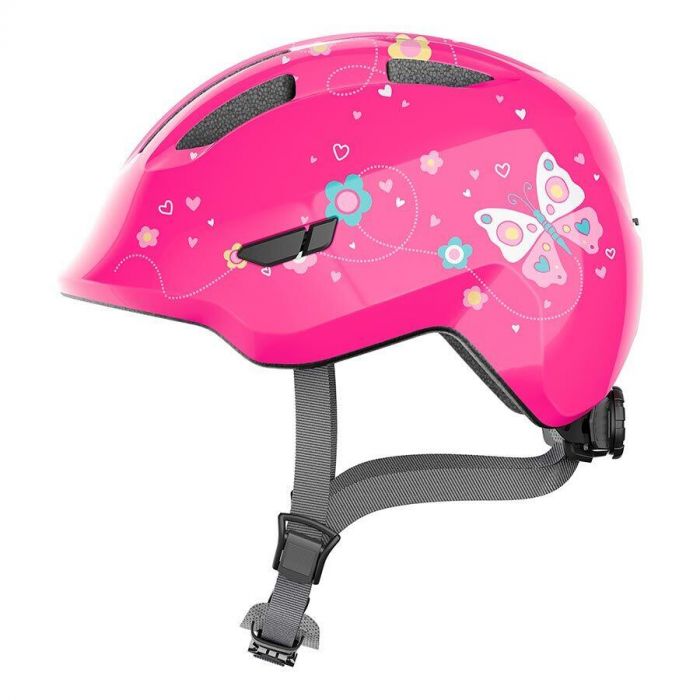

Abus Kids Smiley 3.0 Cycling Helmet
$59.99 -
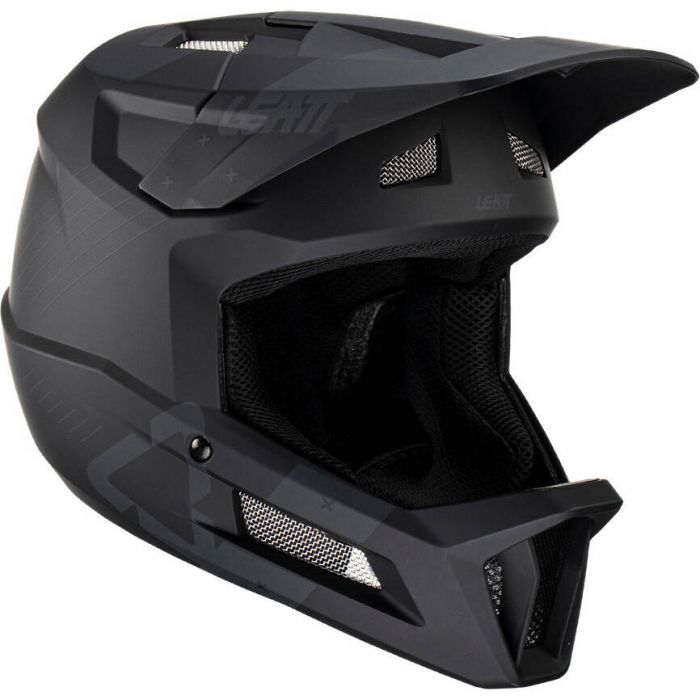
Leatt Gravity 2.0 MTB Helmet - 2023
$289.99 -
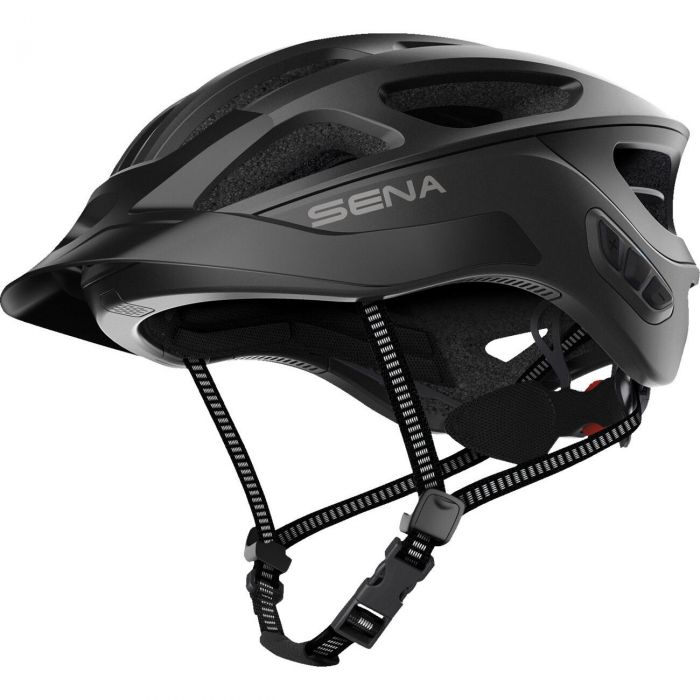 15% off

Sena R1 EVO Smart Cycling Helmet
$230.99 - $264.95$222.60 - $230.99 -
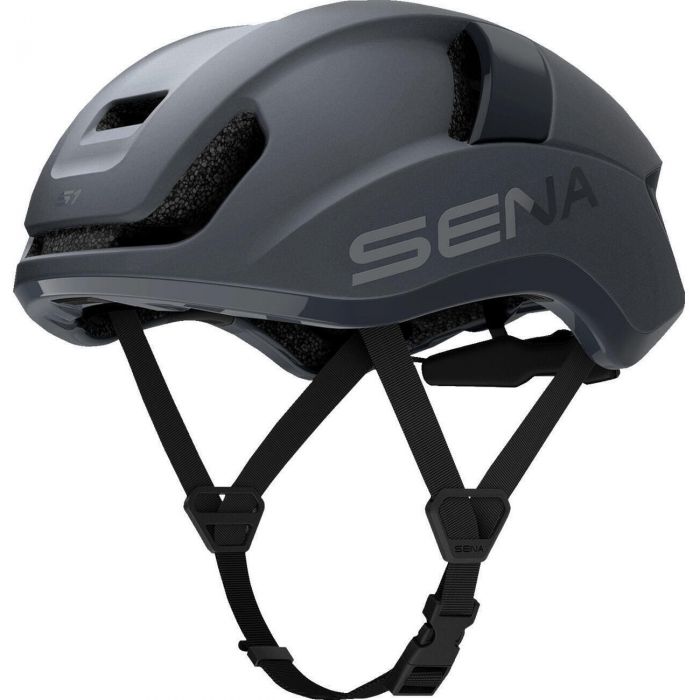
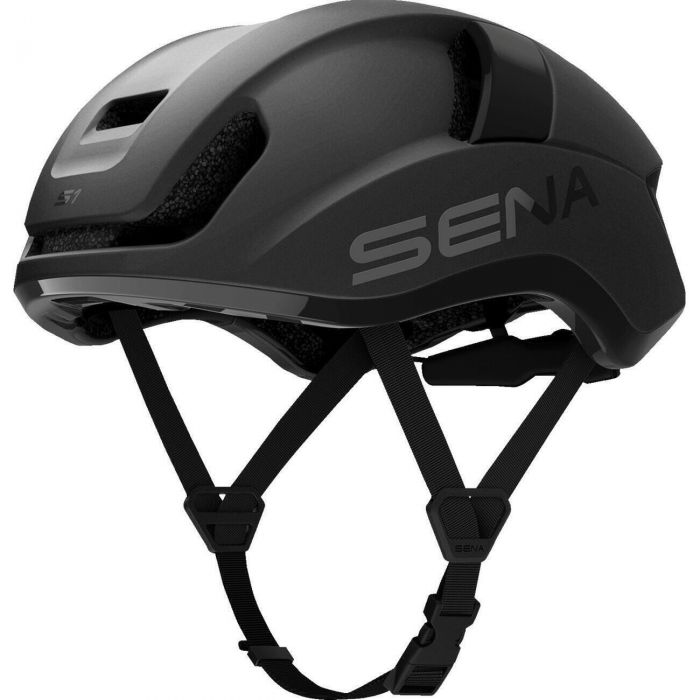
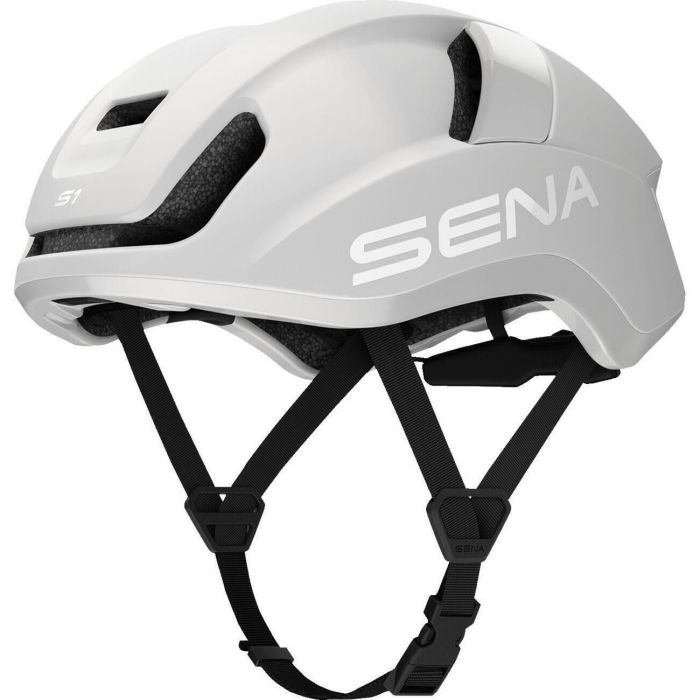
Sena S1 Mesh Smart Cycling Helmet
$320.60 -
 20% off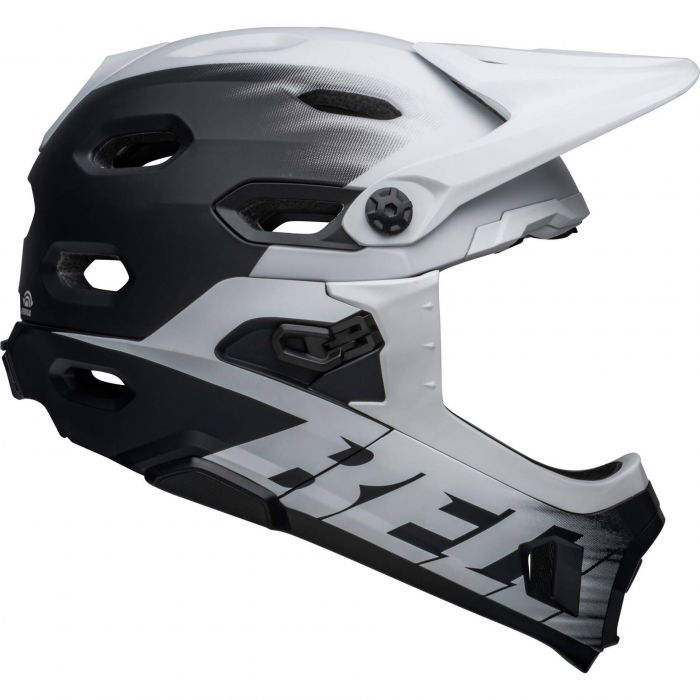
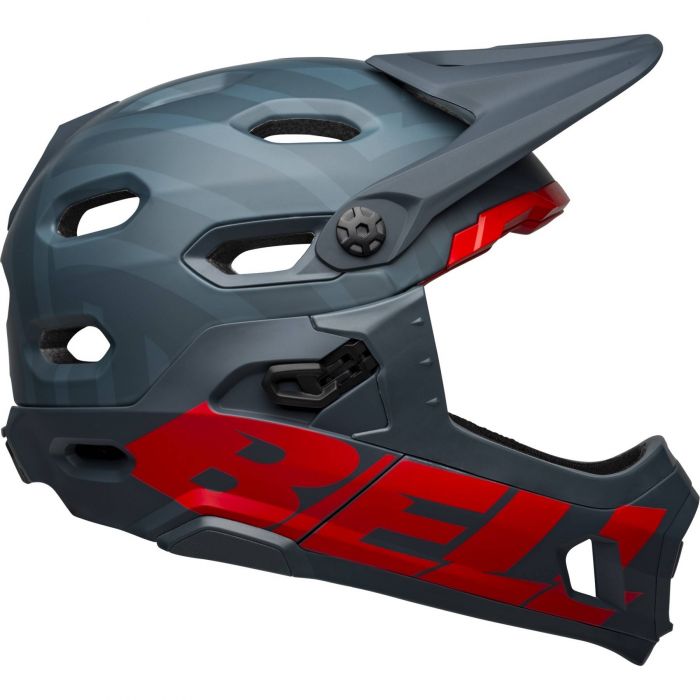
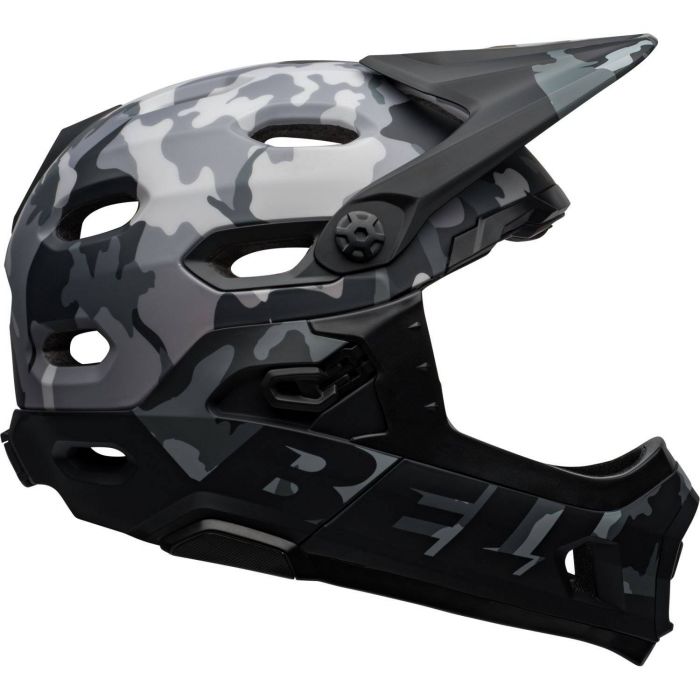

Bell Super DH Spherical MTB Helmet
$499.99$399.99 -

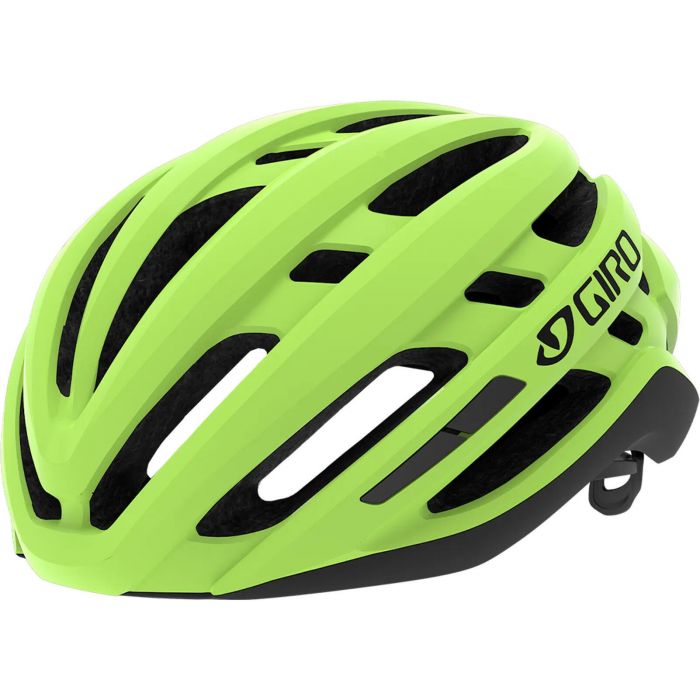
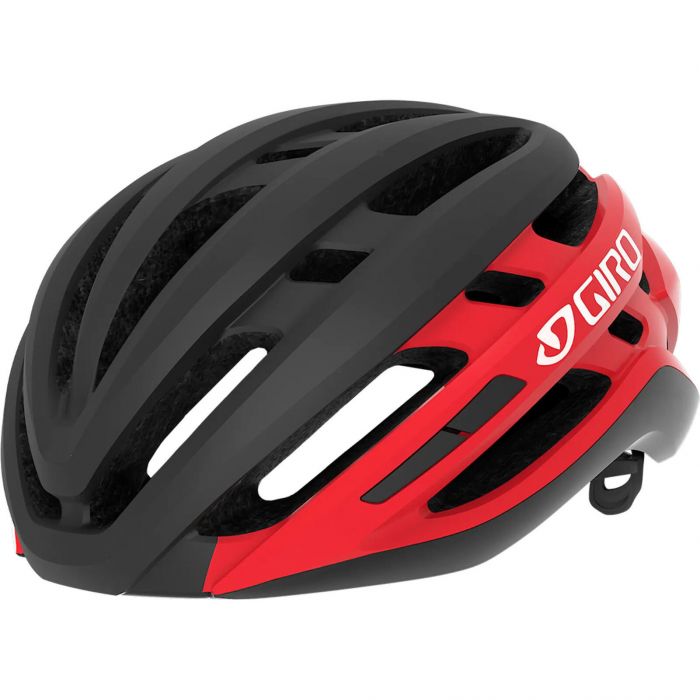
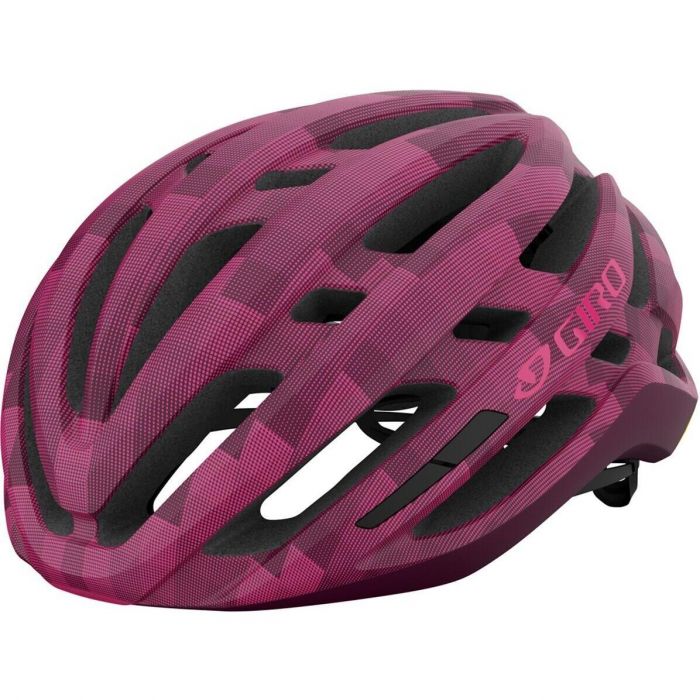

Giro Agilis MIPS Cycling Helmet
$164.99 -
 50% off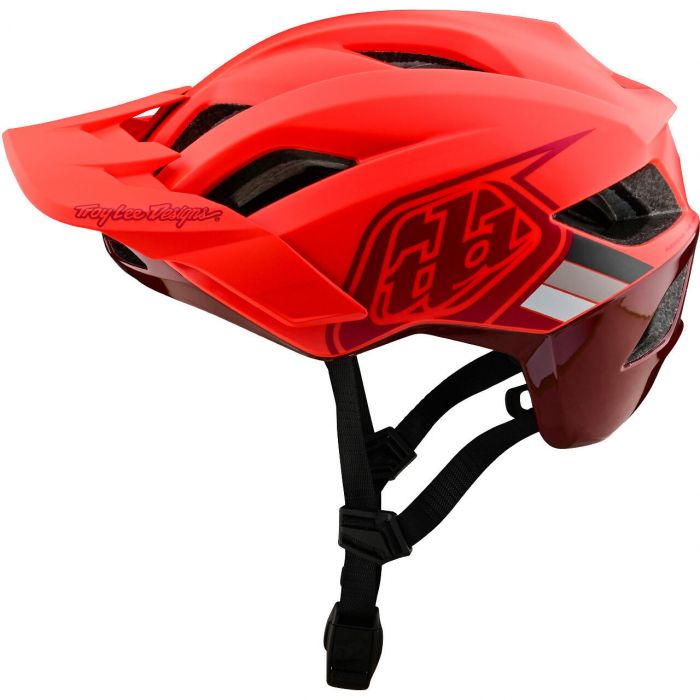

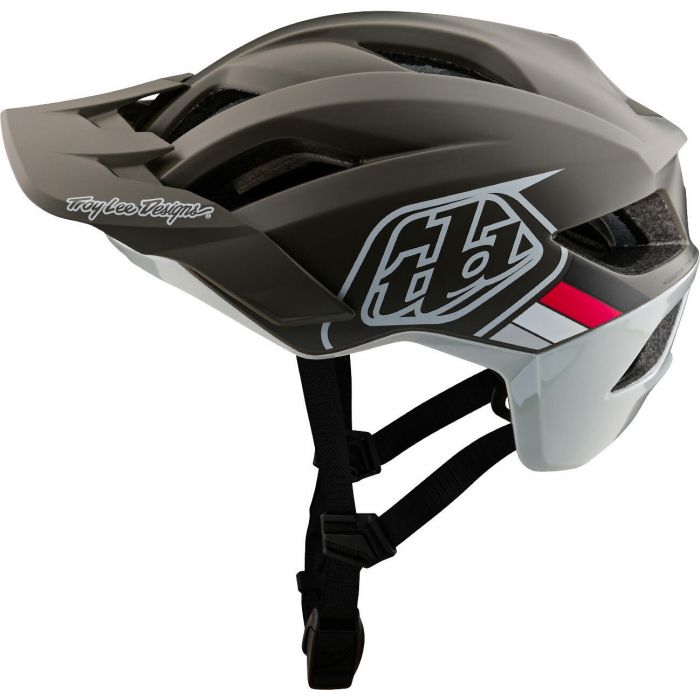
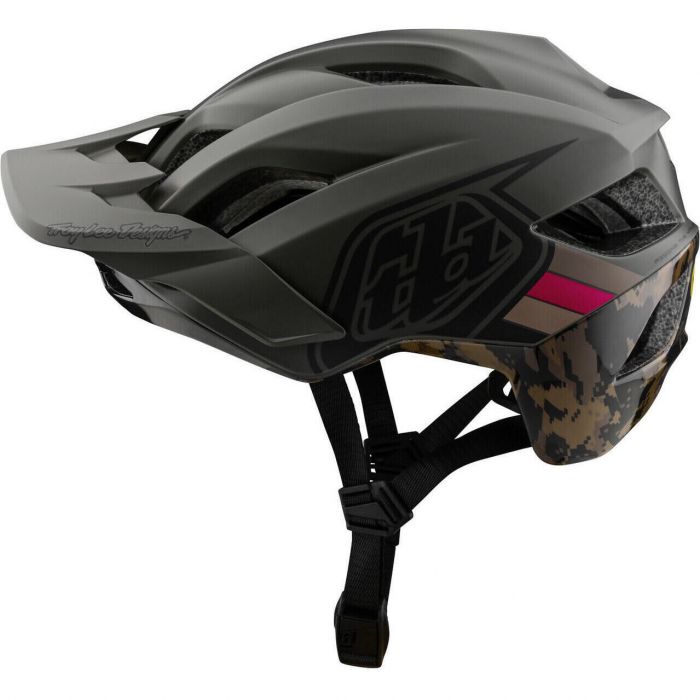
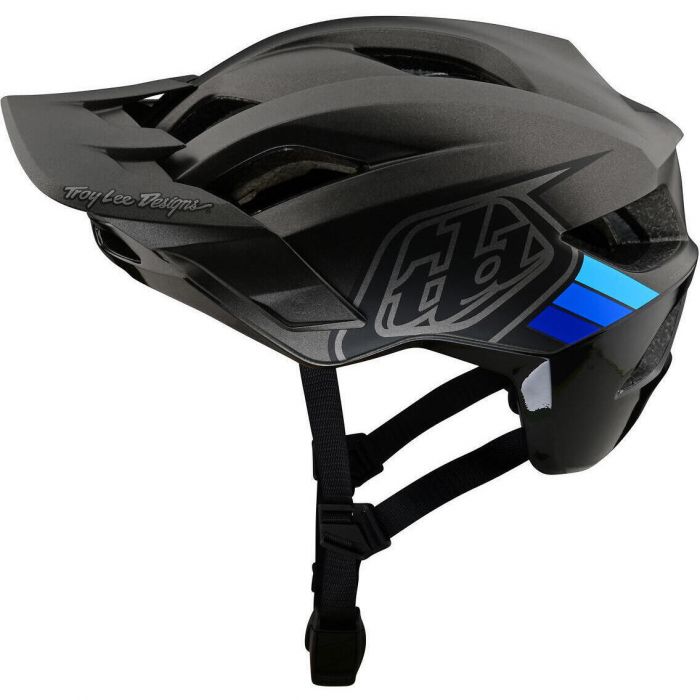
Troy Lee Flowline SE Badge MIPS MTB Helmet - 2024
$199.99$99.99 - $149.99 -
 22% off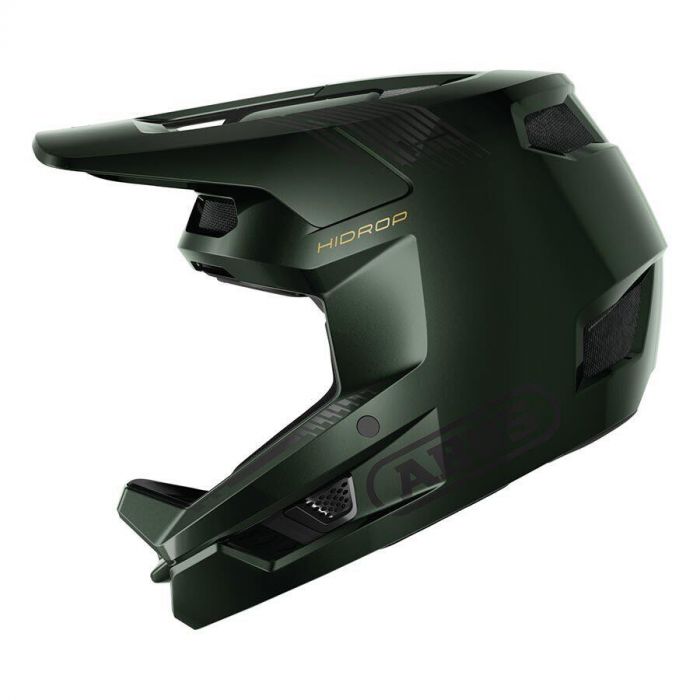
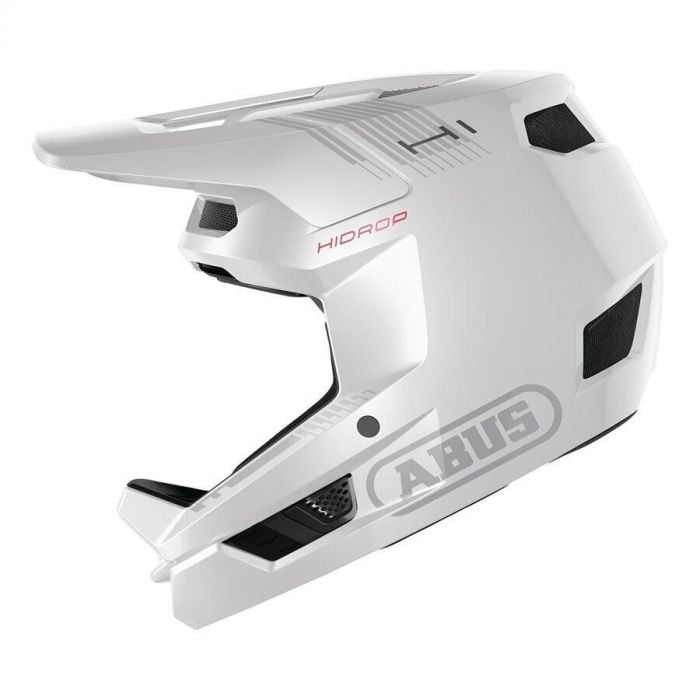
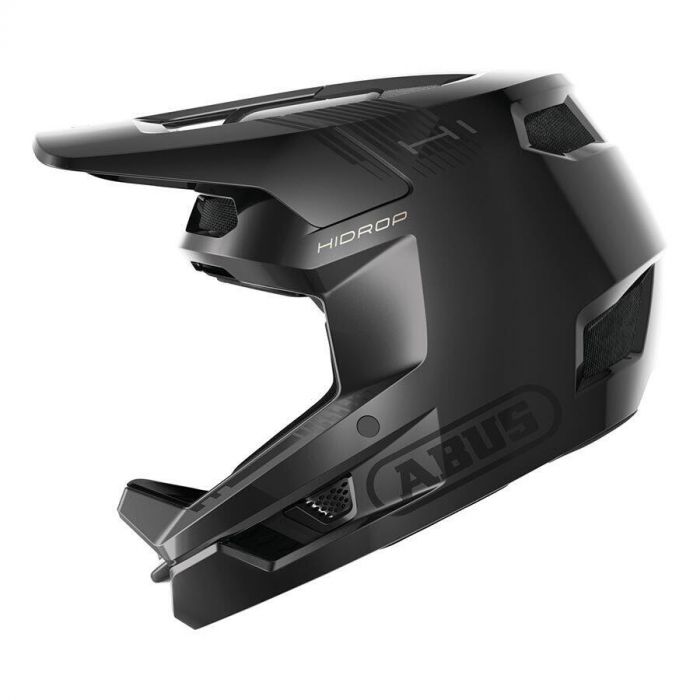
Abus HiDrop MTB Helmet
$339.99$264.99 - $292.99 -
 44% off
Troy Lee D4 Polyacrylite Block MIPS MTB Helmet
$369.99$205.99 - $277.49 -
 17% off
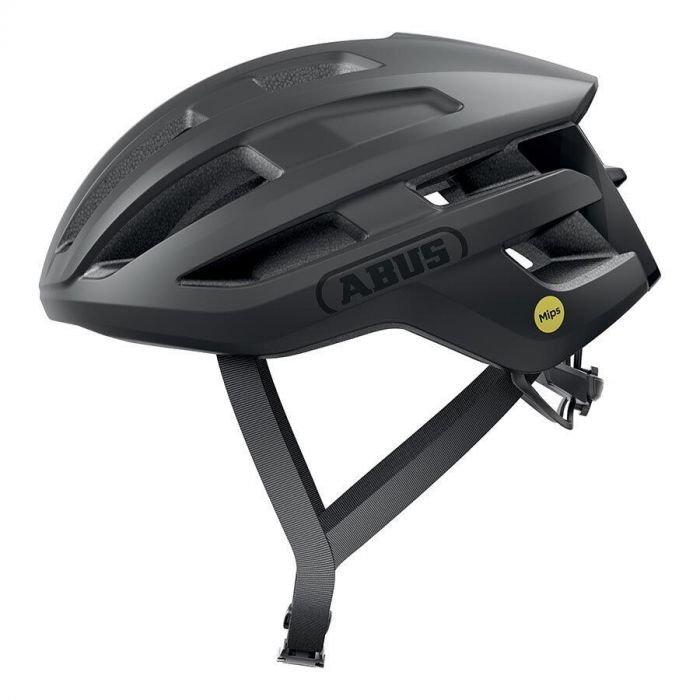
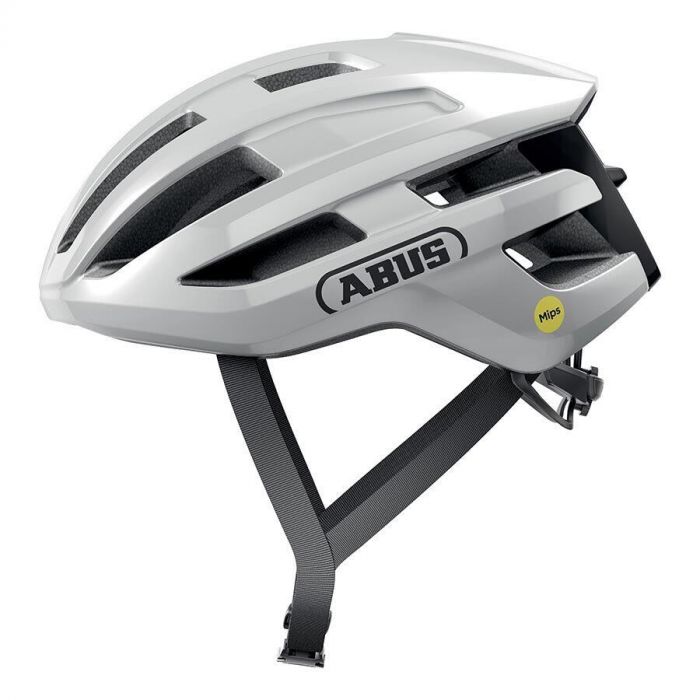
Abus PowerDome MIPS Cycling Helmet
$279.99$230.99 -
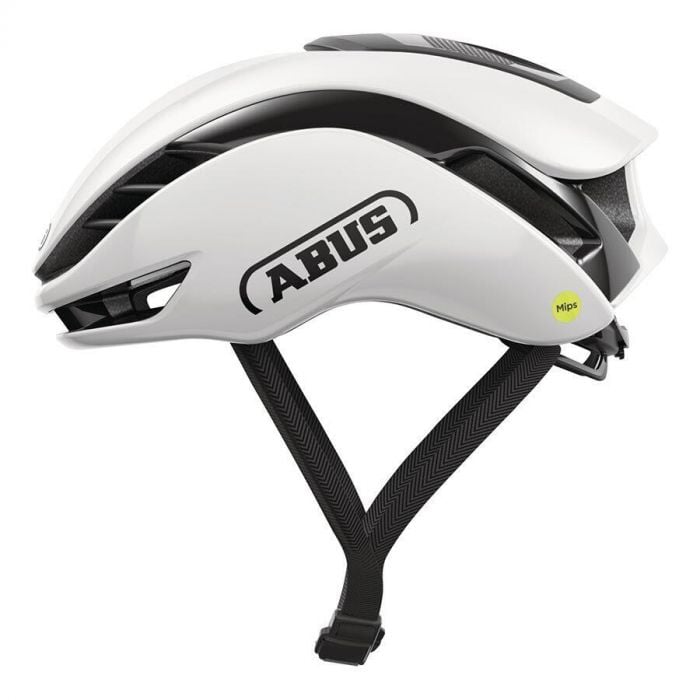
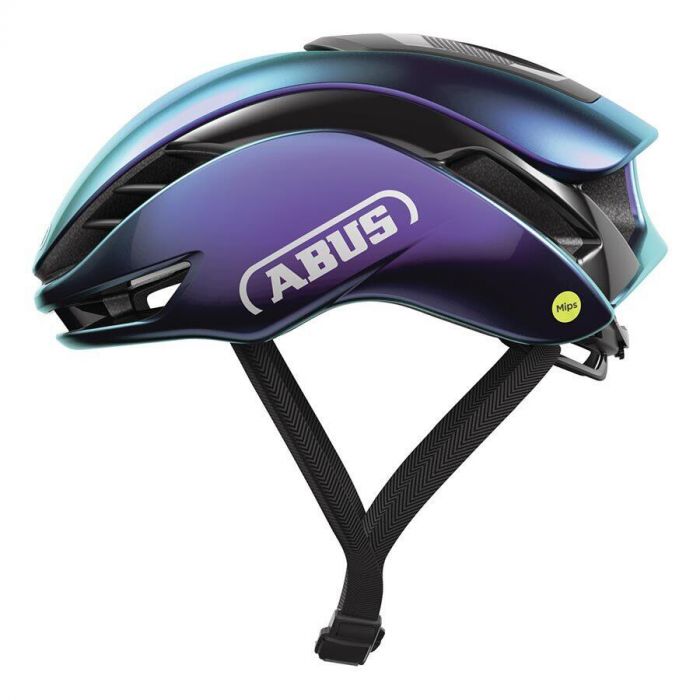
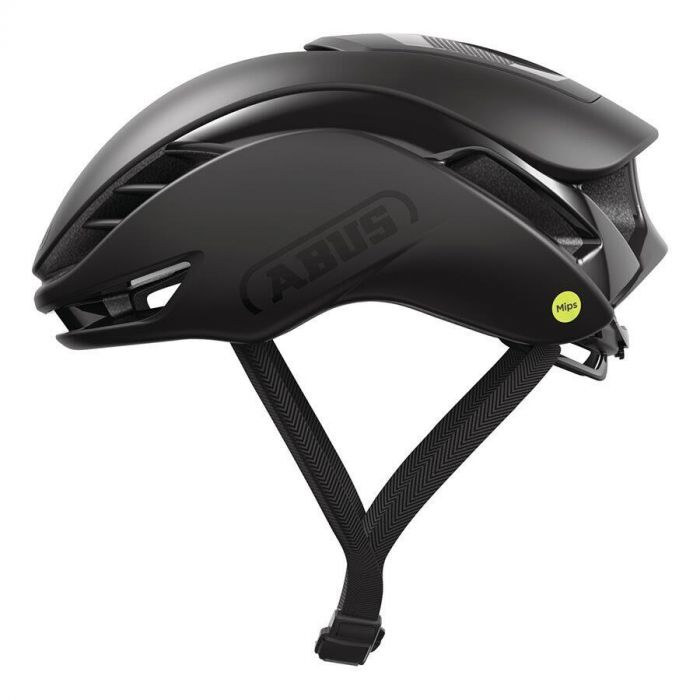
Abus GameChanger 2.0 MIPS Cycling Helmet
$450.99 -

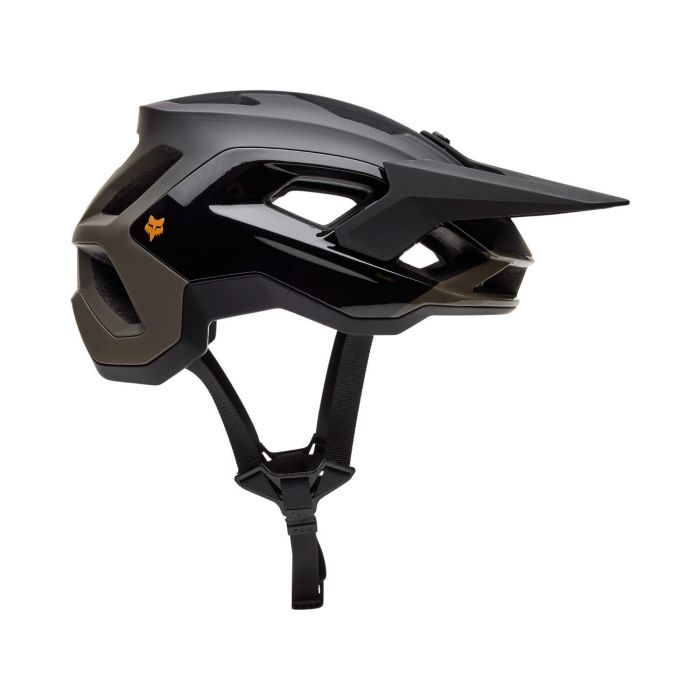
7iDP M1 MTB Helmet
$160.99 -
 19% off


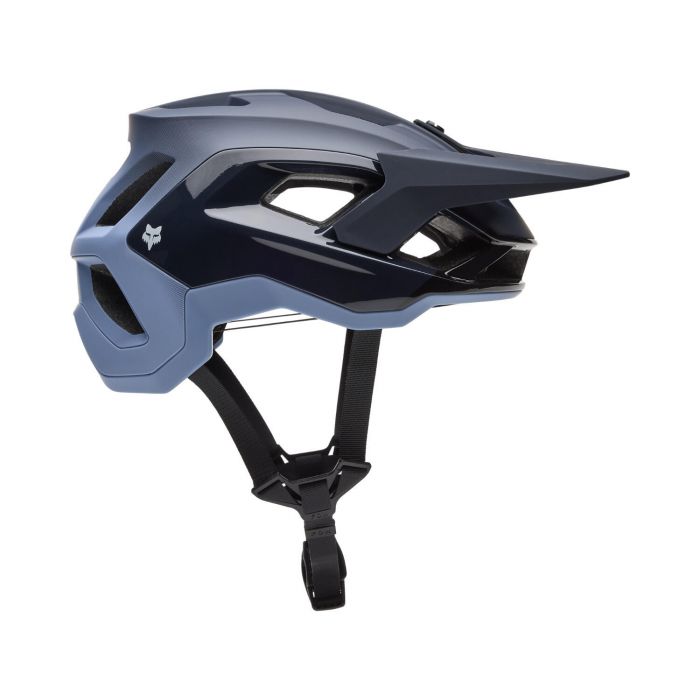

Fox Racing Speedframe Pro Backfade MIPS MTB Helmet
$244.95 - $279.95$195.99 - $279.95 -
 25% off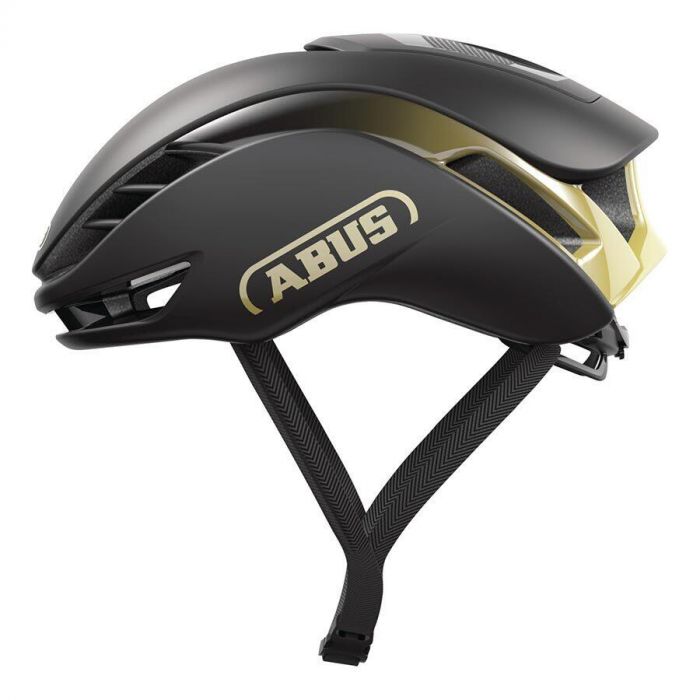
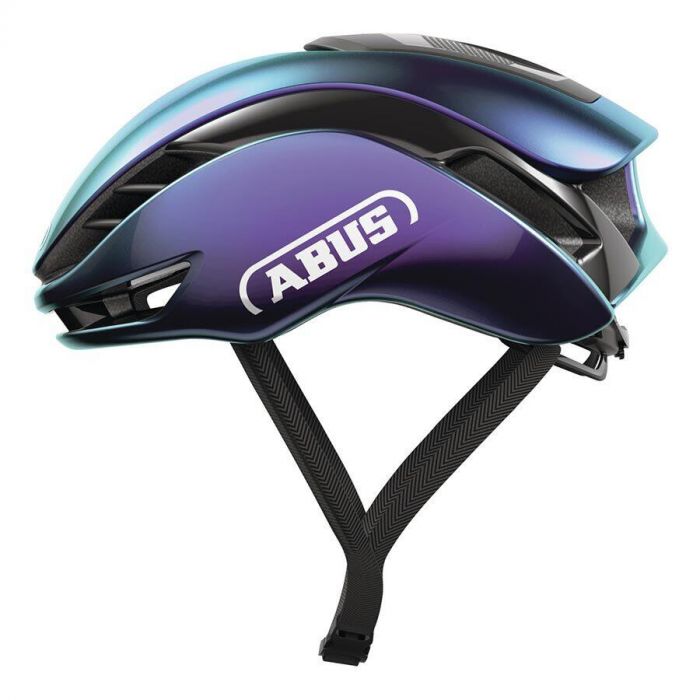


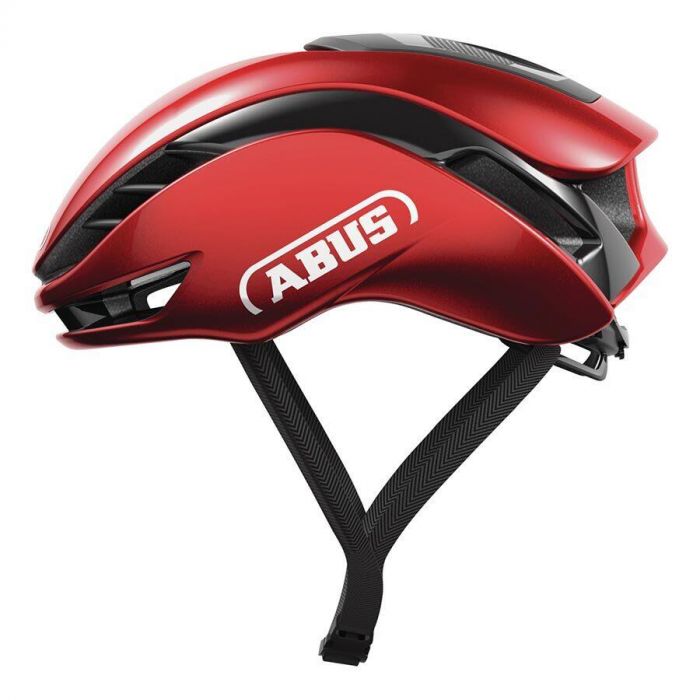
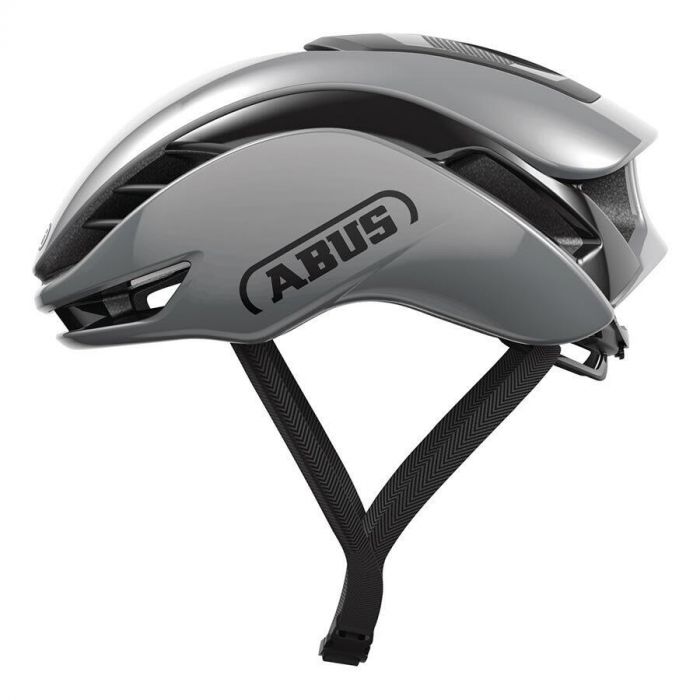
Abus GameChanger 2.0 Cycling Helmet
$399.99 - $414.99$310.99 - $384.99
About Helmets
Use this guide to choose a mountain bike helmet by real-world crash risk, not catalogue adjectives. Start by picking the right helmet category, then decide which safety features are worth the weight, heat, and cost for your riding.
1. Mountain Bike Helmet Types & When to Use Each
| Type | Best For | What You Are Actually Buying |
|---|---|---|
| Road | Pavement, steady speeds, long distance, minimal low branches | Big airflow at speed, low weight, usually very comfortable.Often less rear and temple coverage, usually no visor. |
| Cross Country | Long climbs, high pedalling time, smoother singletrack | Maximum ventilation and low weight. Coverage and impact management usually sit at the baseline end of the spectrum. |
| Trail | Mixed rides with real descents, roots, rocks, small drops | The practical middle ground. More rear and temple coverage, better fit systems, still breathable enough to climb. |
| Enduro | Aggressive descending with pedalling in between, race stages, rough terrain | More coverage and more structure. Often built to handle higher energy hits, at the cost of heat and grams. |
| Downhill | Park laps, shuttles, steep technical terrain, high speeds | Full face protection and thicker impact management. Ventilation exists, but it is not the priority when the ground is coming for your teeth. |
| Dirt Jump and Park | Repeated attempts, short runs, frequent bails | Durability and stable fit matter more than airflow. Often simpler shapes that stay put when you get rag-dolled. |
2. Helmet Safety Standards, Certifications & Testing to Know
- CPSC 16 CFR Part 1203 (United States). A common baseline. It defines minimum performance criteria and test methods for bicycle helmets sold in the US. Passing it means the helmet meets the floor, not the ceiling.
- EN 1078 (Europe and UK adoption). Another widely used baseline standard for pedal cyclists (also covers skateboard and roller skate use). Again, it is a minimum requirement, not a promise of “best.”
- Canada and provincial acceptance lists. Canada has its own cycling helmet standard (CAN/CSA D113.2). Some provinces also spell out which standards they accept. For example, British Columbia lists CSA, ASTM, and Snell options in regulation. Do not assume every province uses the same list, but it shows the “standards soup” you will see in the real world.
- ASTM F1952 (downhill mountain biking). This is the one that matters when you are shopping true DH lids. It is written for Downhill mountain bicycle riders and calls for greater impact protection, with criteria for chin bars on full face helmets.
- ASTM F1447 (recreational bicycling). Another performance standard you may see listed on helmet stickers, especially for general riding categories.
- Independent rankings (Virginia Tech Helmet Ratings). Certifications are pass or fail. Virginia Tech publishes comparative ratings that score how helmets manage a range of impacts, including rotational motion, and converts that into a star rating. This is one of the few ways to compare “good” vs “better” without trusting marketing.
- Ebike specific standards (NTA 8776). If you ride an e MTB at higher sustained speeds, you may see helmets certified to NTA 8776. It is associated with speed pedelec style use and has a published register of certified helmets. Expect more protection, and often more weight and heat.
- Minimum standard does not equal maximum protection. Standards mostly prevent dangerously bad helmets. They do not guarantee you picked the best helmet for higher speed trail impacts or repeated hard use. Comparative testing helps fill that gap.
3. MTB Helmet Safety Features & Real-World Trade-Offs
| Feature | Benefit in the real world | Downside you pay for |
|---|---|---|
| Deeper rear and temple coverage | More protection where MTB riders commonly hit (rear and sides are frequent contact points) | More heat, more weight, sometimes more neck fatigue on long rides |
| Rotational management layer (MIPS or equivalent) | Can reduce rotational acceleration in angled impacts (common in real crashes) | Added cost, sometimes slightly reduced airflow or extra “movement” sensation |
| Full face chin bar | Protects jaw, teeth, and face when you go over the front or into rocks | Heat, weight, reduced ease of drinking and talking. You will notice it on climbs |
| Convertible chin bar | Versatility. Climb open, descend full face | Complexity, more parts to break, usually heavier than a dedicated open face, sometimes less ventilated than either dedicated option |
| Breakaway or adjustable visor | Sun and branch management, goggle clearance, less snag risk if designed to release | More moving parts, some visors rattle, cheap ones break easily |
| High-quality retention and cradle adjustment | Keeps the helmet locked on the occipital area so it does not rotate off your forehead in a crash | More hardware, more failure points, can create pressure spots if poorly designed |
| Large vents and internal channelling | Cooling on climbs, less sweat fogging your eyewear | More openings can mean less structure in some designs. Dust and mud also get inside faster |
| Magnetic buckle or glove-friendly buckle | Easier on and off with cold hands, fewer fumbled straps | Bulk under the chin, can pinch if strap routing is sloppy |
| Washable liner and pad kits | Hygiene, better long-term comfort, easier to maintain fit as pads wear | Replacement pads cost money, thicker pads can reduce airflow |
4. Core MTB Helmet Designs: Road vs Open-Face vs Full-Face vs Convertible
Road helmet: Ideal user: Gravel, pavement transfers, XC-style riding where speeds stay higher and the climb is the main event.
- Strengths: Best airflow at speed, very light, usually the least neck fatigue over long rides.
- Limitations: Coverage is limited to the top of the head, prioritizing aerodynamics, weight, and venting over crash protection.
Open face
Ideal user: Trail riders, XC riders, anyone pedalling most of the day.
- Strengths: Light, breathable, and easy to live with, with better situational hearing.
- Limitations: Your jaw is unprotected, and your teeth aren’t covered by optimism either.
Full face: Ideal user: Downhill, park, lift days, aggressive Enduro riders who routinely exceed their talent. Strengths: Best facial protection, typically more robust impact management. Limitations: Hot and heavy. If you have to grind climbs in it, you will either suffer or stop wearing it.
Convertible (hybrid)
Ideal user: Riders who pedal up and still want chin protection for the descent.
Strengths: One helmet can cover more ride types.
Limitations: More joints and latches means more things to inspect, more weight to carry, and more chances for annoying noises when you are rattling down a rock garden.
5. MTB Helmet Fit, Compatibility & Comfort
- Fit is safety. If a helmet shifts easily, it can be out of position at impact. Even the best technology does nothing if the helmet has rotated onto your eyebrows.
- What correct fit should feel like. Snug everywhere, no hot spots after 10 minutes, and minimal movement when you shake your head side to side. The helmet should sit level, not tipped back like a baseball cap.
- Retention matters more off-road. MTB impacts are rarely clean and straight. You get side hits, glancing hits, and weird tumbles. A good cradle adjustment that locks onto the lower rear of the skull helps keep the helmet where it belongs.
- Goggles and visor compatibility. If you ride Enduro or DH, check that goggles sit flush on the face without being pushed down by the helmet brow, and that the visor has enough lift to park goggles when climbing.
- Neck brace compatibility. Downhill and park riders using a neck brace need a helmet shell shape that does not collide with the brace through full range of motion.
- Environmental reality check.
Heat: more vents and lighter helmets reduce fatigue on climbs.
Cold and wet: more coverage and better liners matter, but trapped sweat becomes chilled sweat.
Dust: big vents also inhale grit. Plan to clean pads more often. - Do not ruin your field of view. Baseline bicycle standards include peripheral vision considerations, and your setup should too. A low-sitting helmet, a huge visor, and oversized goggles can stack up into a blind spot problem.
6. Mountain Bike Helmet Care, Maintenance & Lifespan
- Replace after a real impact. Damage may not be visible, and even standards guidance warns that an impacted helmet may no longer protect and should be replaced.
- Replace when fit falls apart. If pads compress and the helmet gets loose, crash performance drops because the helmet can shift or roll off more easily.
- Sweat, UV, and heat shorten life. Trail helmets live a harder life than road helmets. Sun, grime, and repeated handling degrade materials over time. Treat it like consumable safety equipment, because it is.
- Cleaning. Use mild soap and water. Harsh cleaners can damage plastics and foam. That warning is not theoretical.
- Full face and convertible extra checks. Inspect chin bar mounts, latch mechanisms, screws, and strap anchors. Off-road vibration loosens things. Crashes loosen them faster.
- Storage. Do not cook it in a hot car or leave it baking in direct sun on the tailgate all summer. Heat cycling and UV exposure are slow violence.