









































Open Face Helmets
-


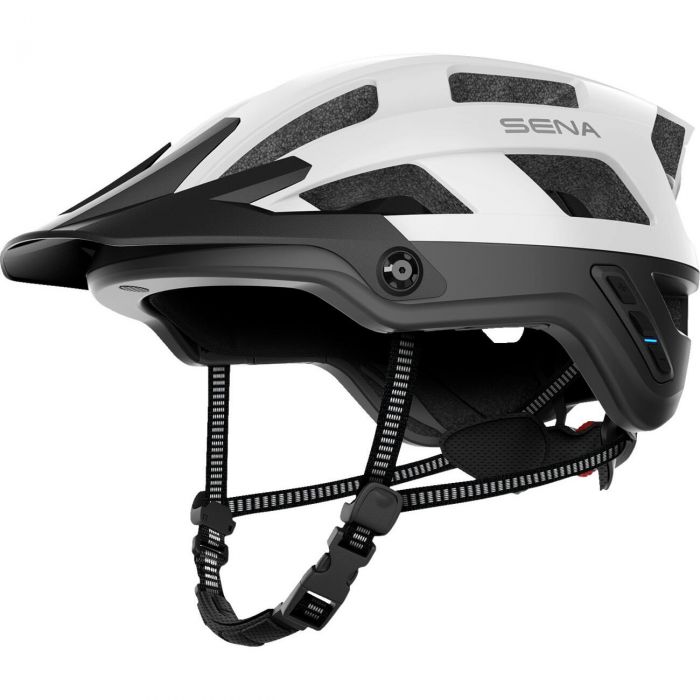
Sena M1 EVO Smart MTB Helmet
$269.99 - $278.60 -
 35% off
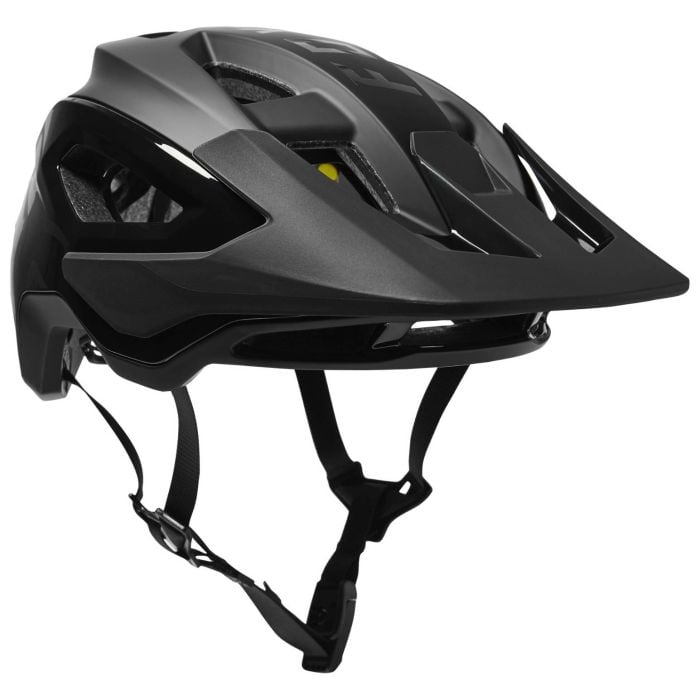
Fox Racing Speedframe Pro MIPS MTB Helmet
$244.95$158.95 -

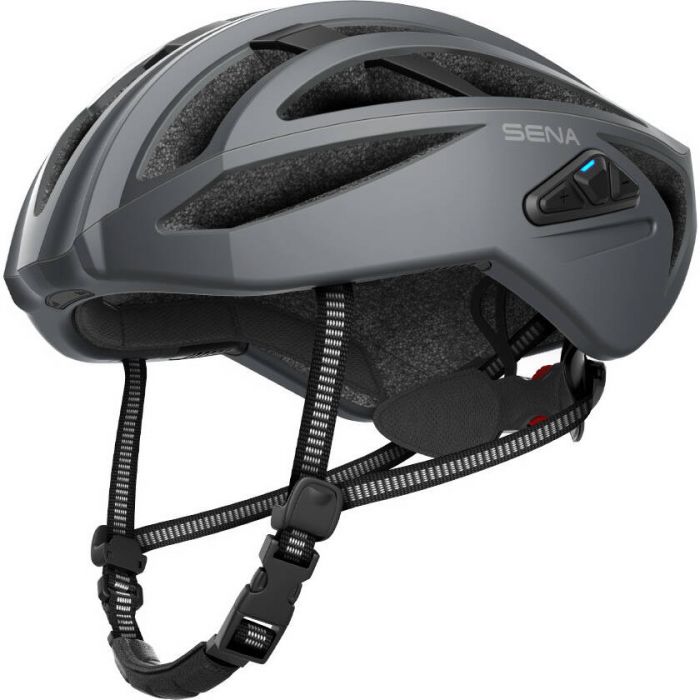

Sena R2 EVO Smart Cycling Helmet
$279.99 - $306.99 -
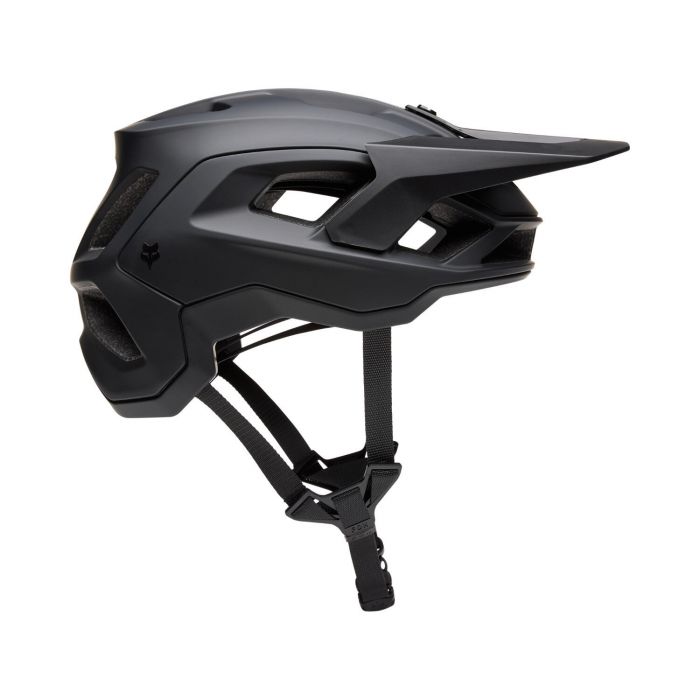
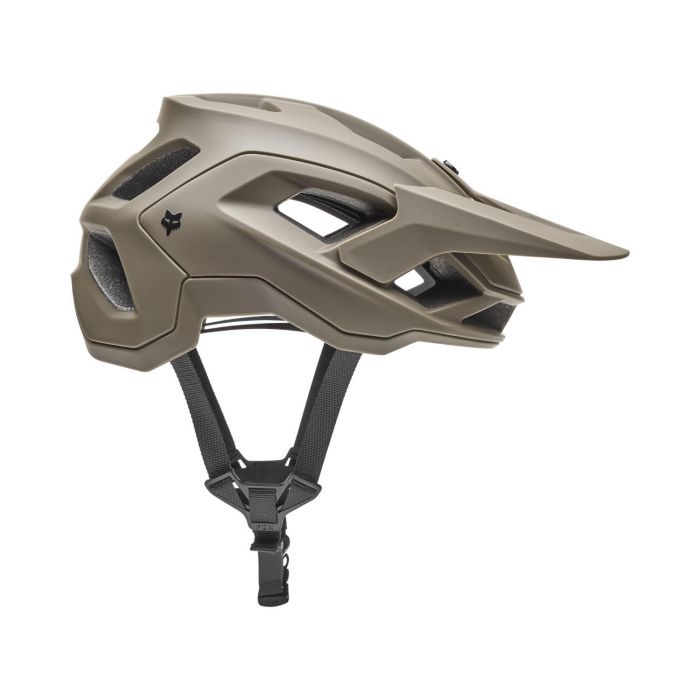
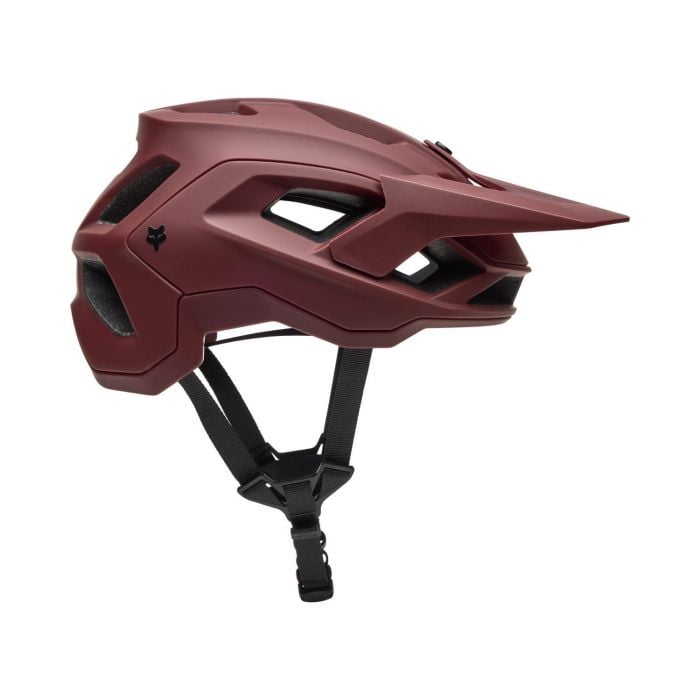
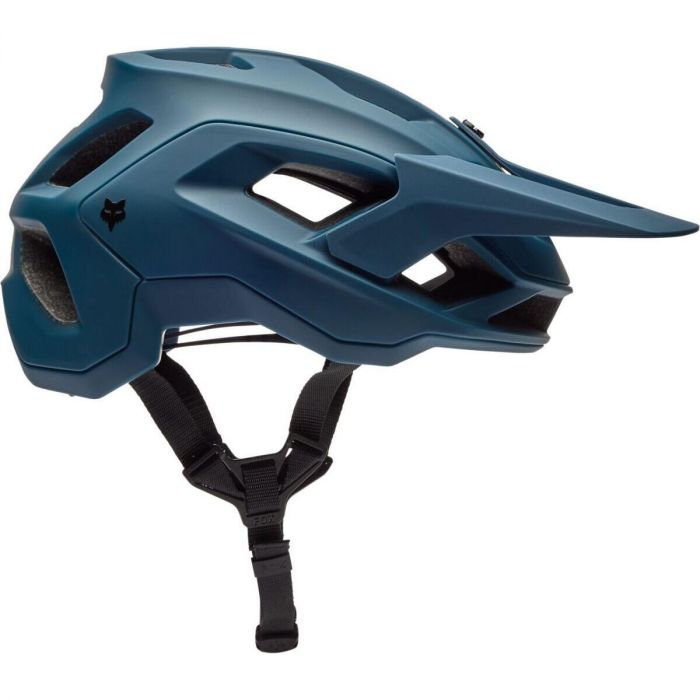
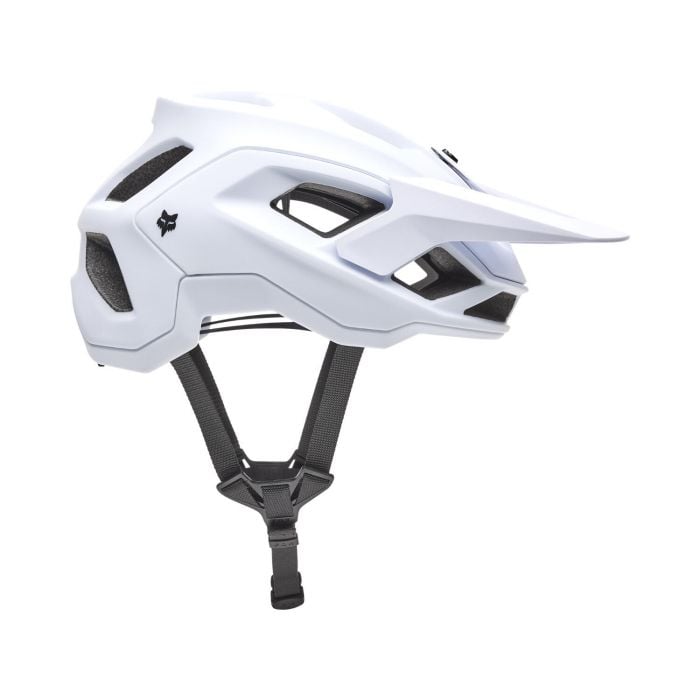
Fox Racing Speedframe MIPS MTB Helmet
$149.95 -
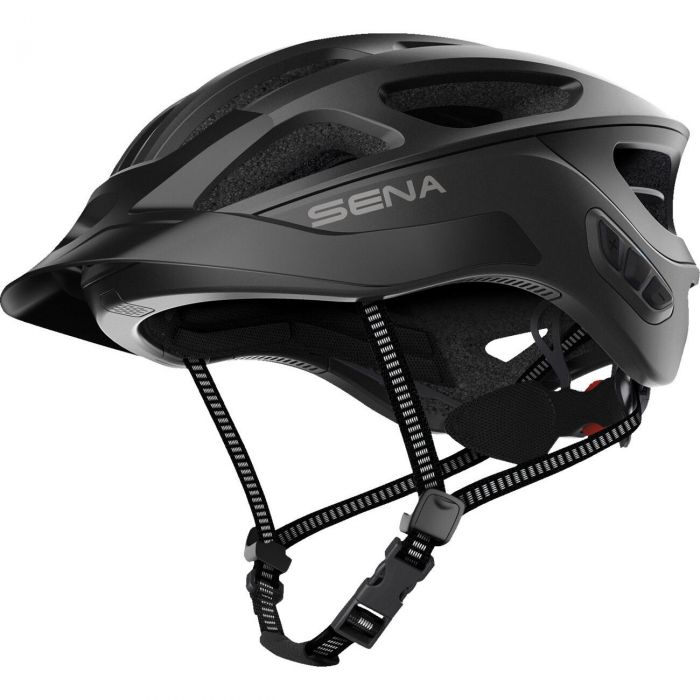 15% off

Sena R1 EVO Smart Cycling Helmet
$230.99 - $264.95$222.60 - $230.99 -
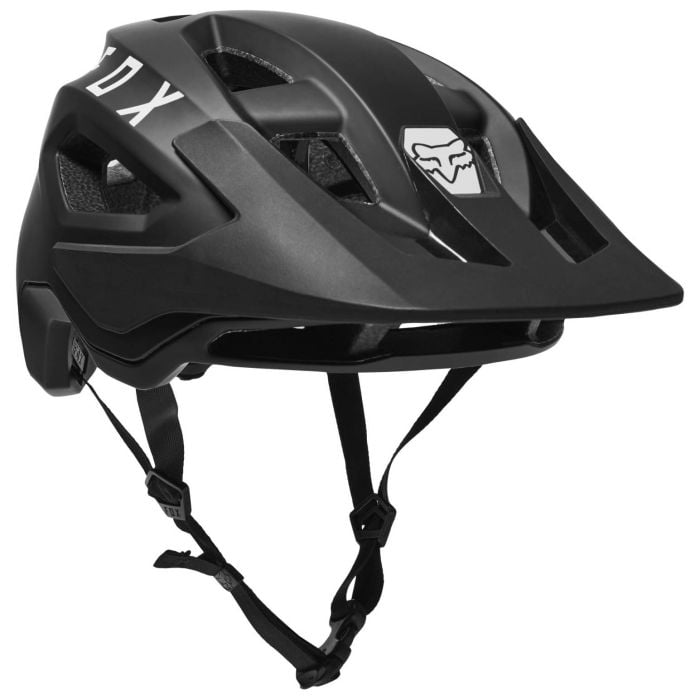 56% off
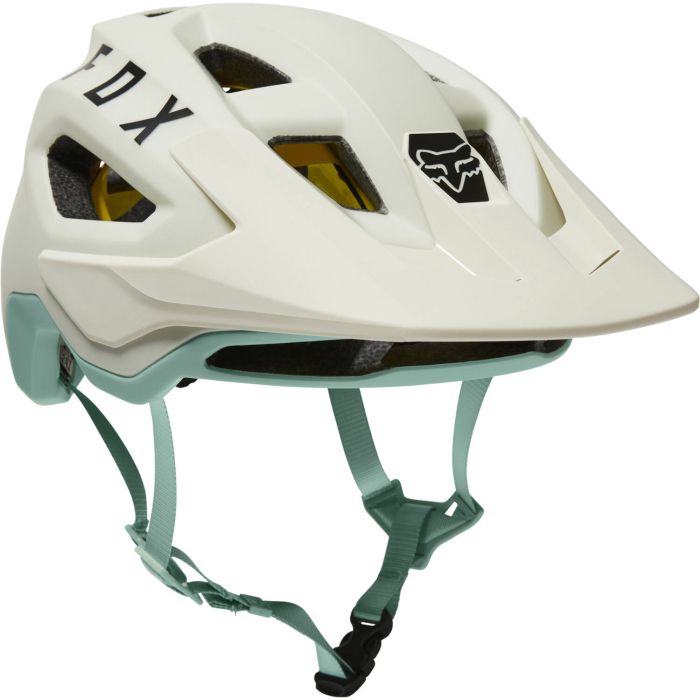
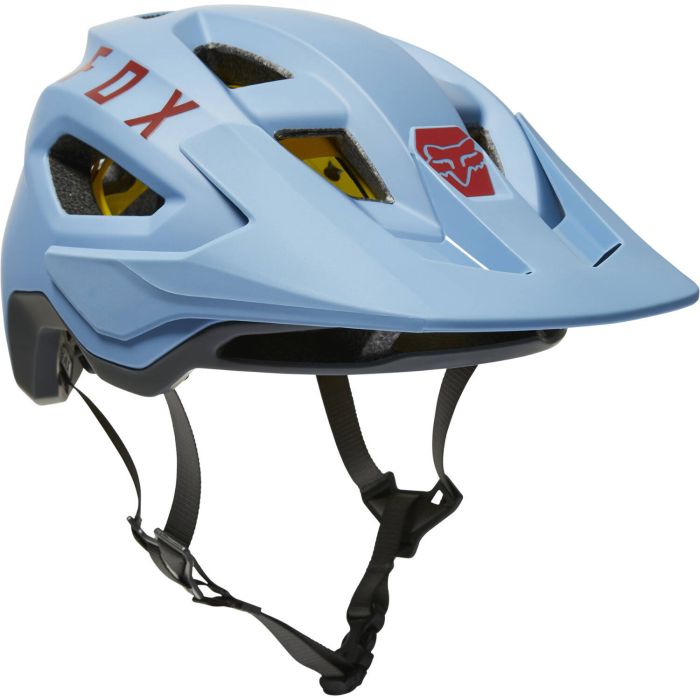
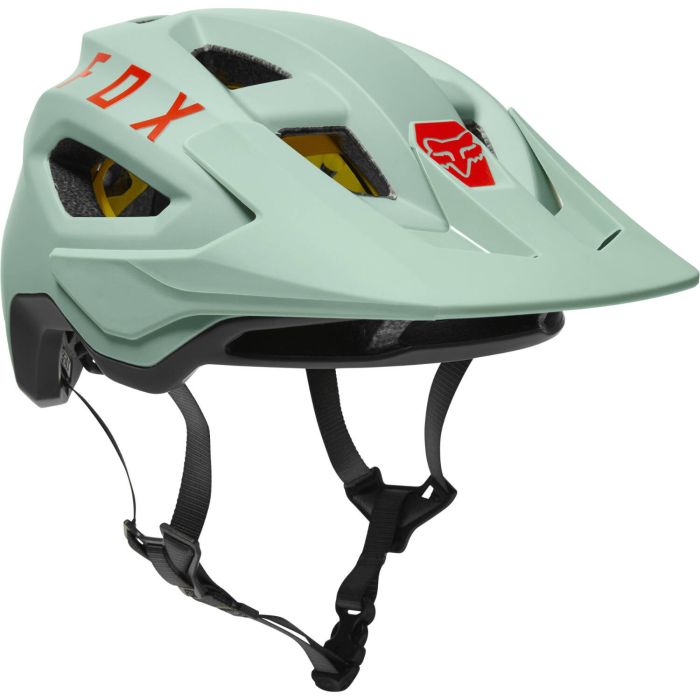
Fox Racing Speedframe MIPS MTB Helmet - 2020
$189.99$82.99 - $134.99 -
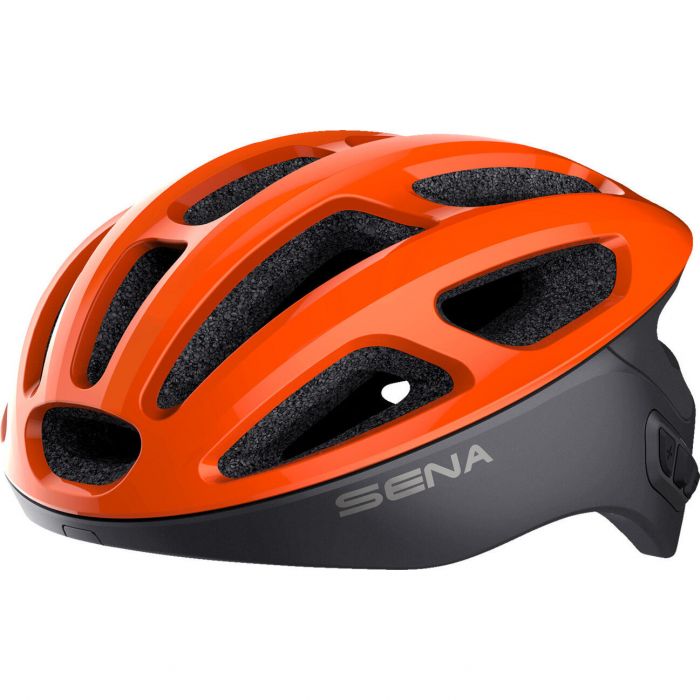 18% off
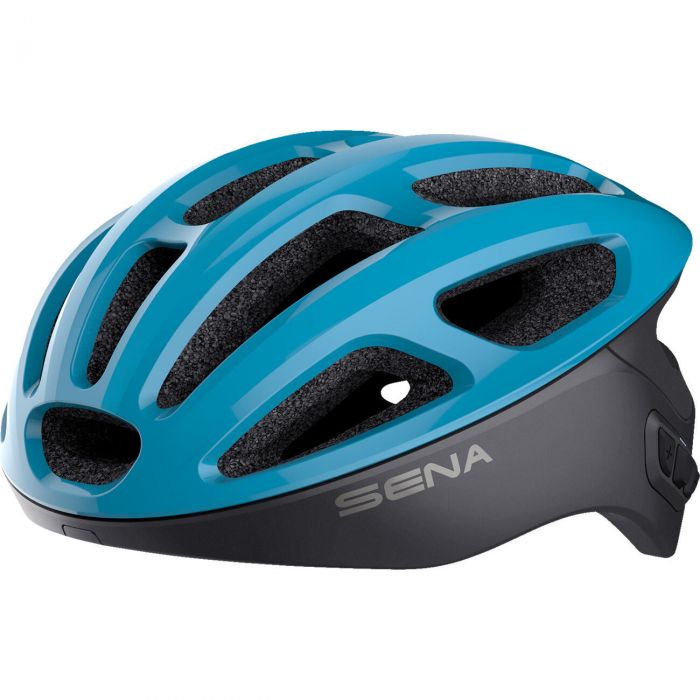
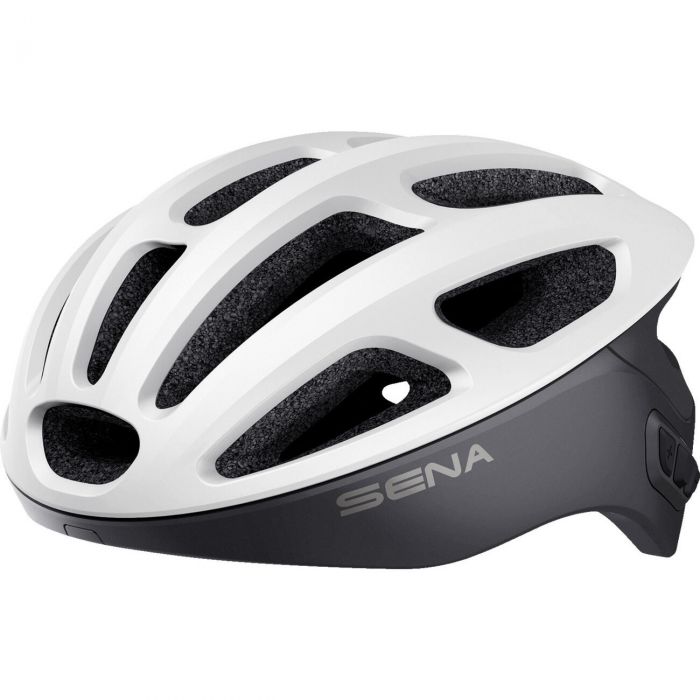
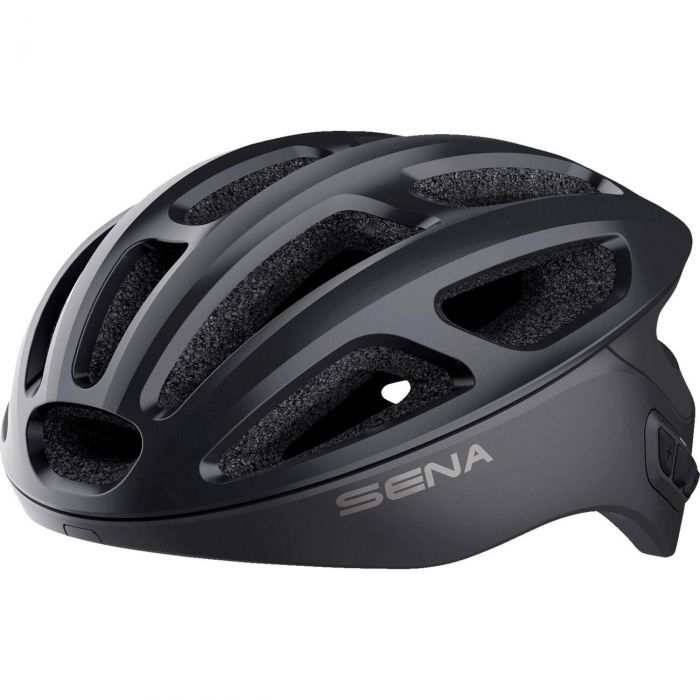
Sena R1 Smart Cycling Helmet
$222.95$180.60 - $189.51 -
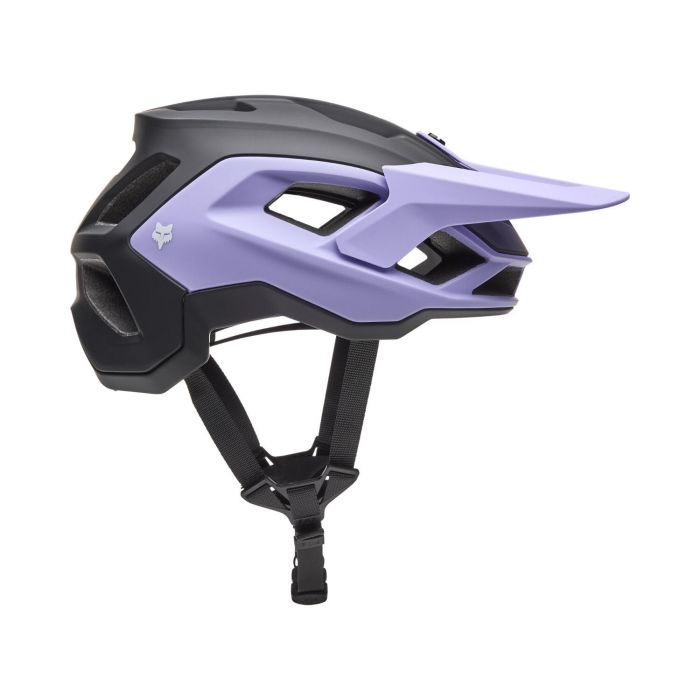 19% off


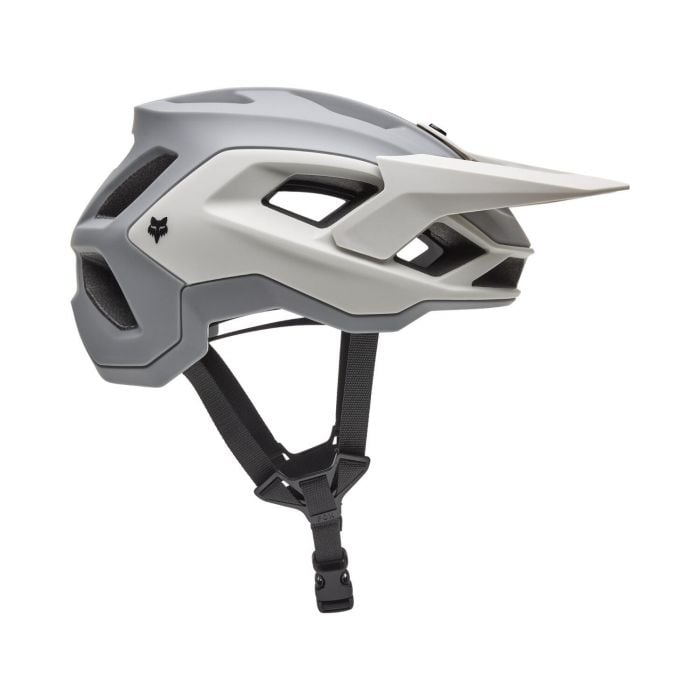
Fox Racing Speedframe 5050 MIPS MTB Helmet
$139.95 - $149.95$111.99 - $149.95 -
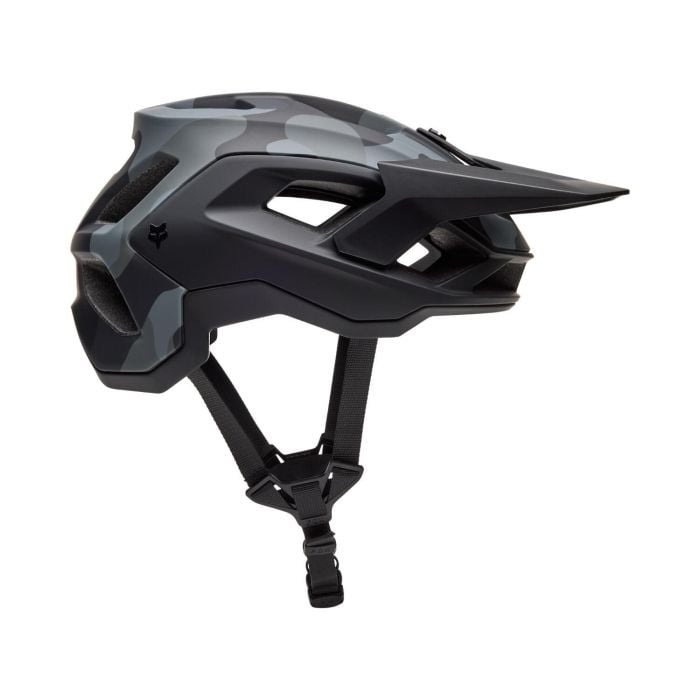
Fox Racing Speedframe Camo MIPS MTB Helmet
$149.95 -
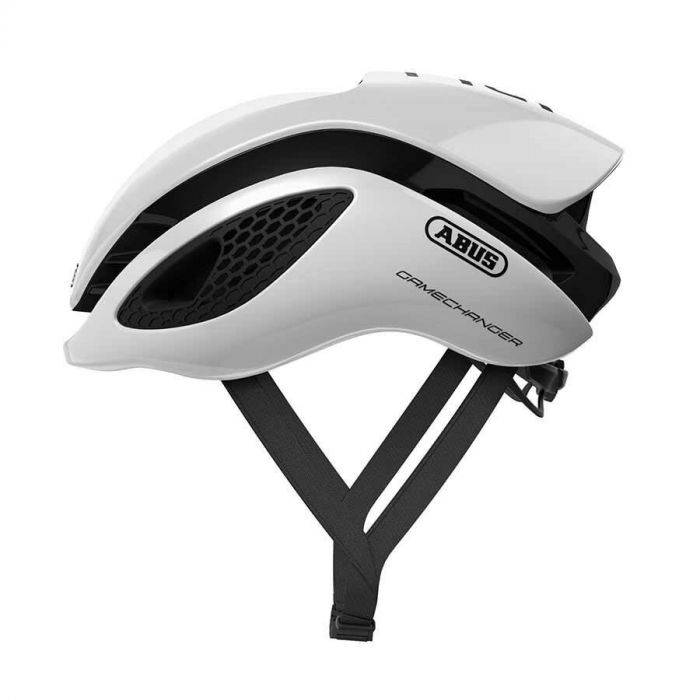

Abus GameChanger Cycling Helmet
$209.99 - $259.99 -
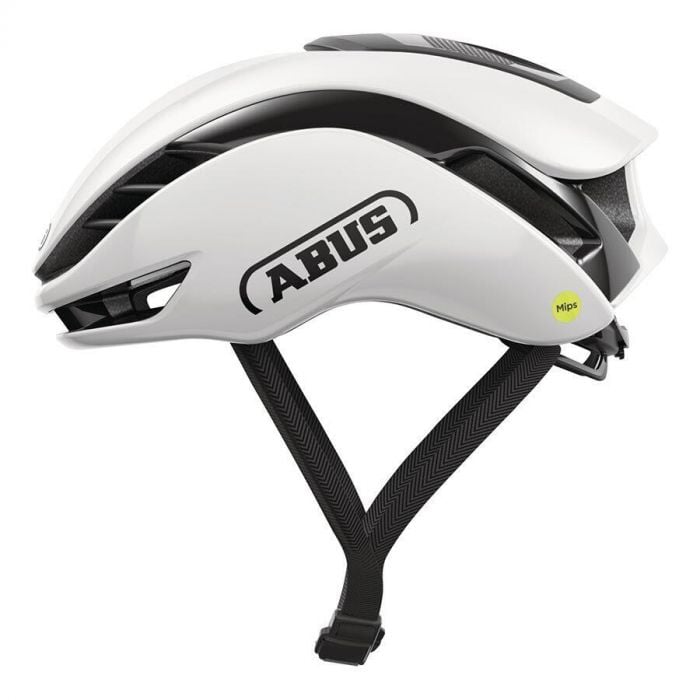
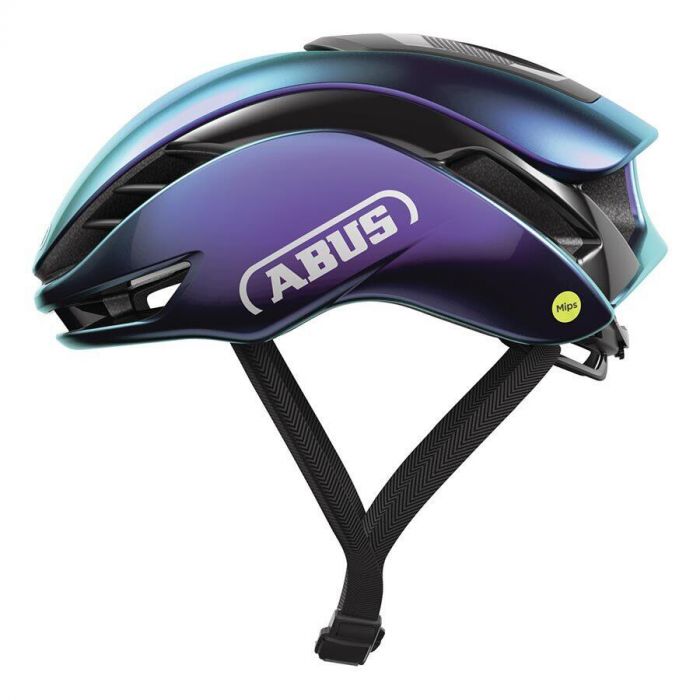
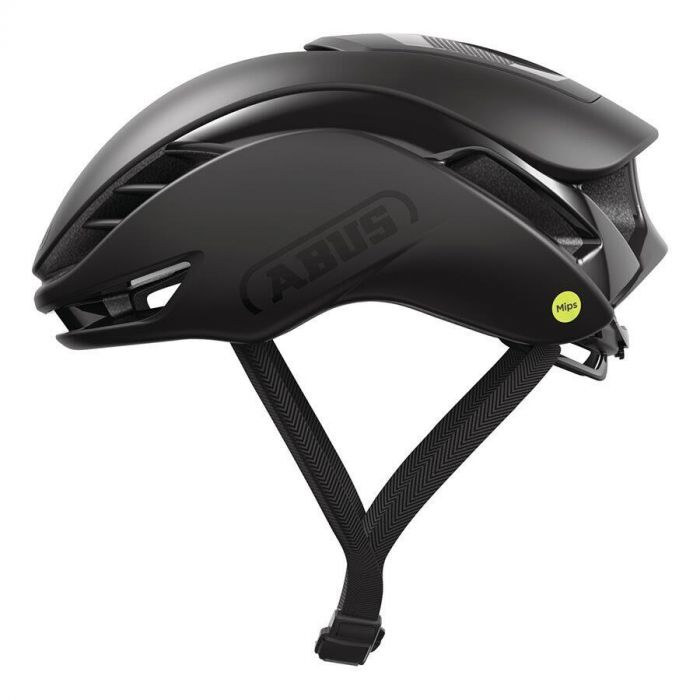
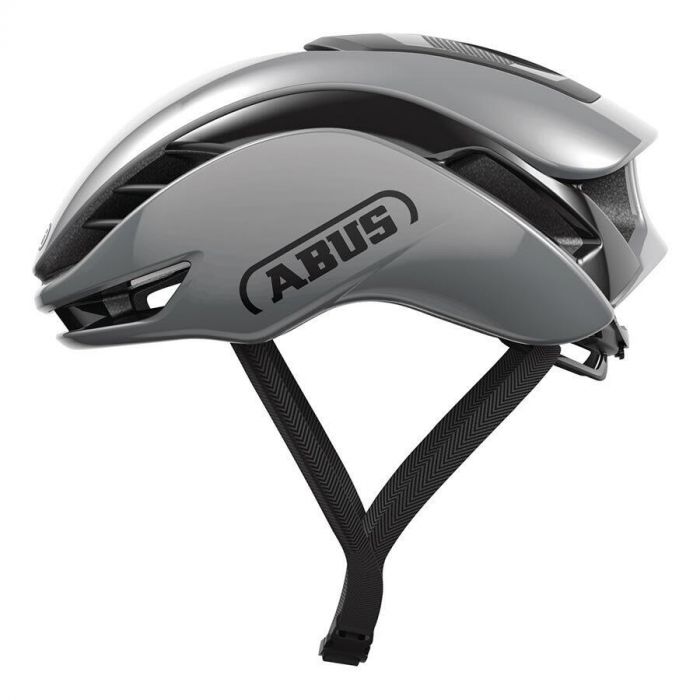
Abus GameChanger 2.0 MIPS Cycling Helmet
$450.99 -
Sena M1 Smart MTB Helmet
$236.60 -
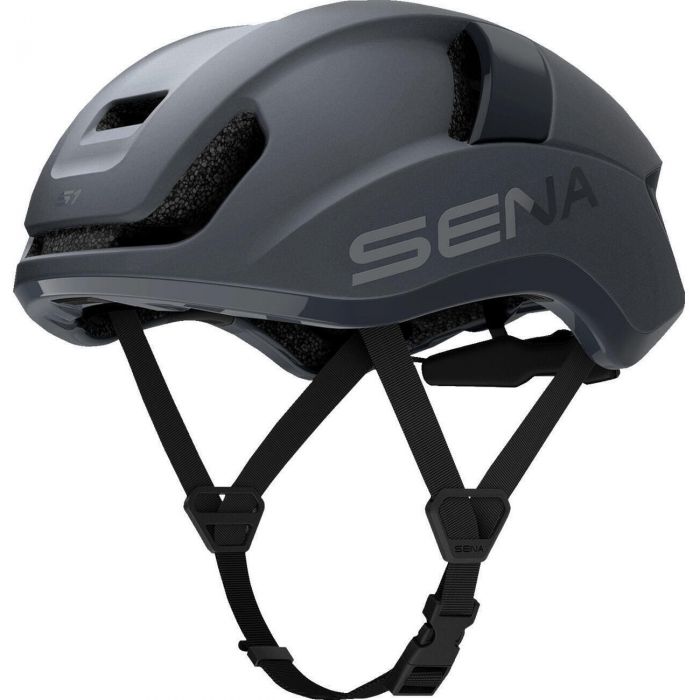
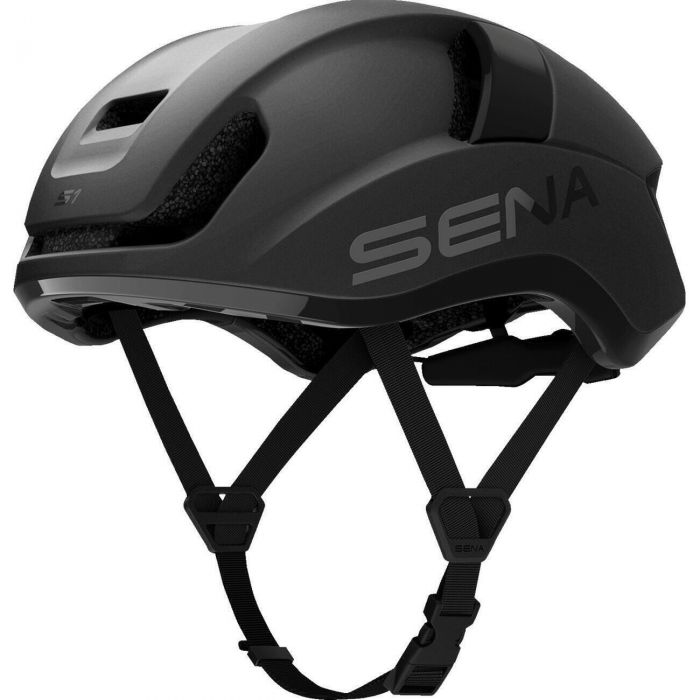
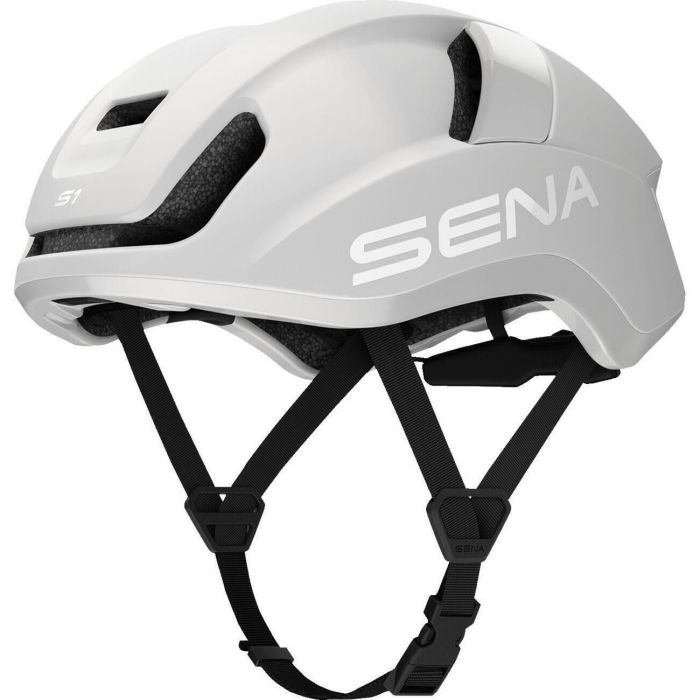
Sena S1 Mesh Smart Cycling Helmet
$320.60 -
 25% off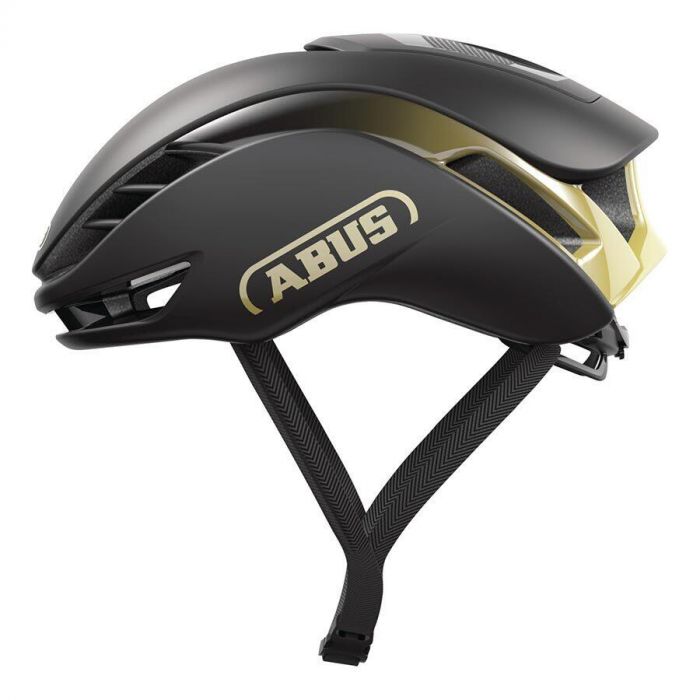
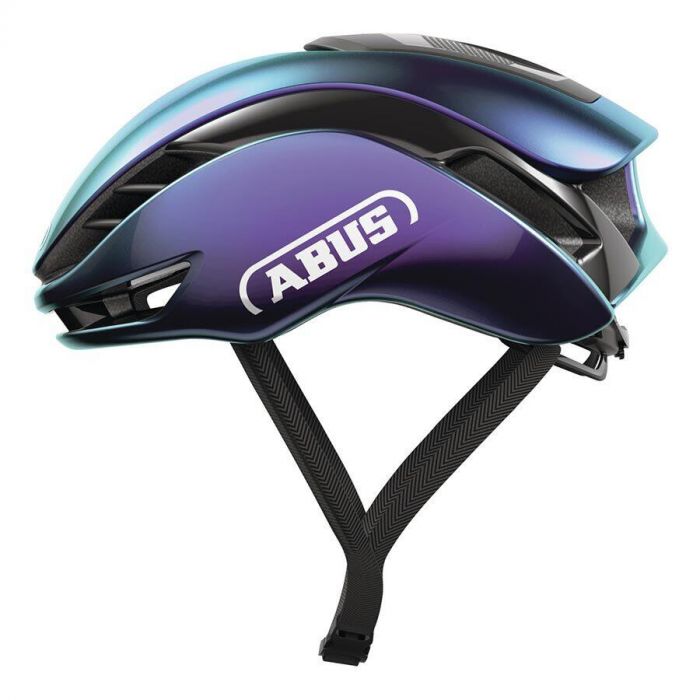


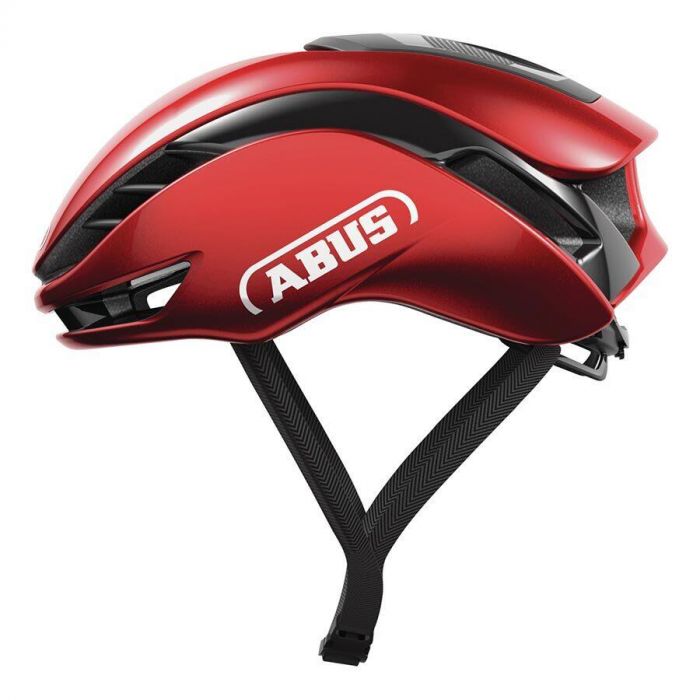
Abus GameChanger 2.0 Cycling Helmet
$399.99 - $414.99$310.99 - $384.99 -

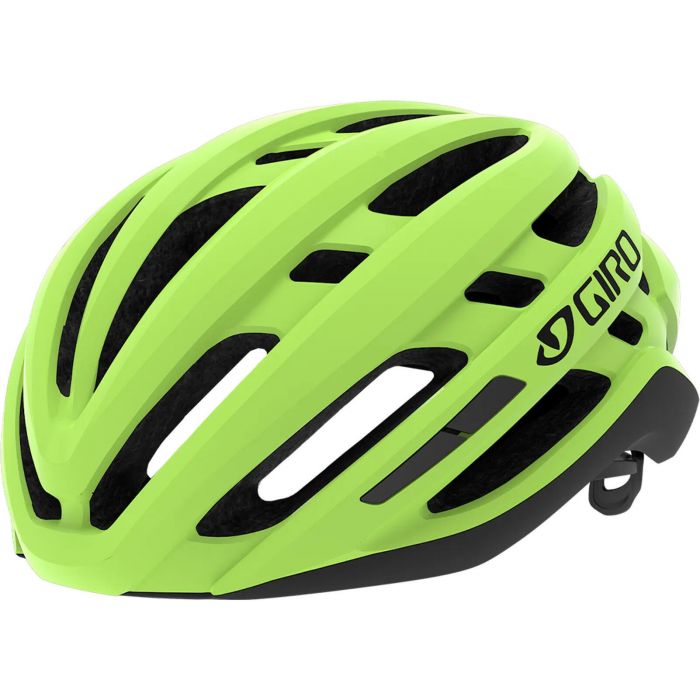
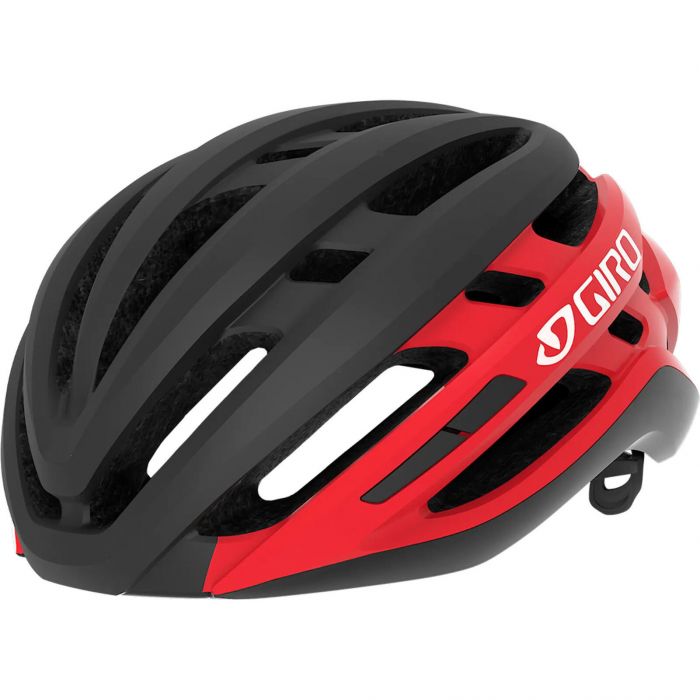
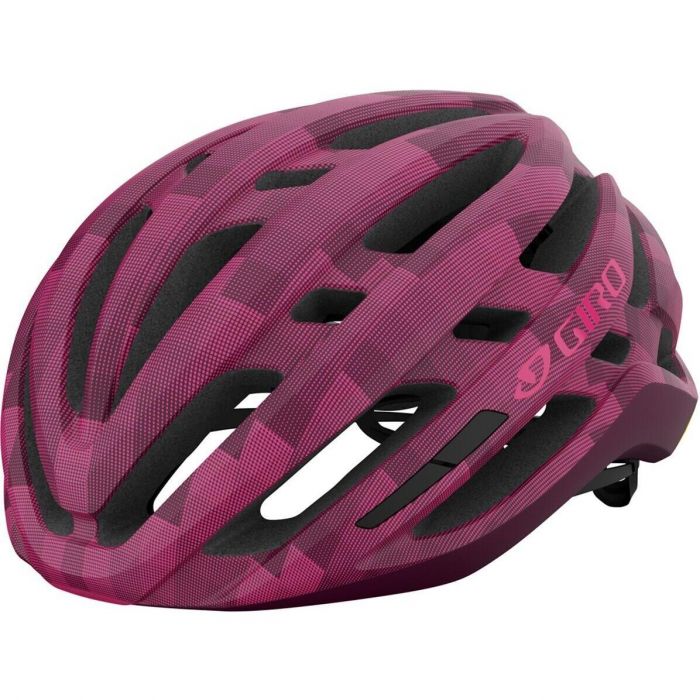

Giro Agilis MIPS Cycling Helmet
$164.99 -
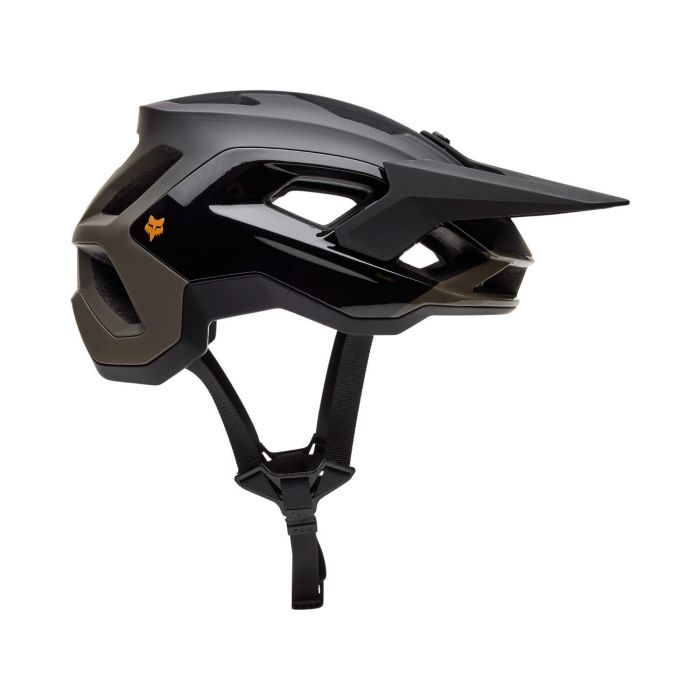 19% off


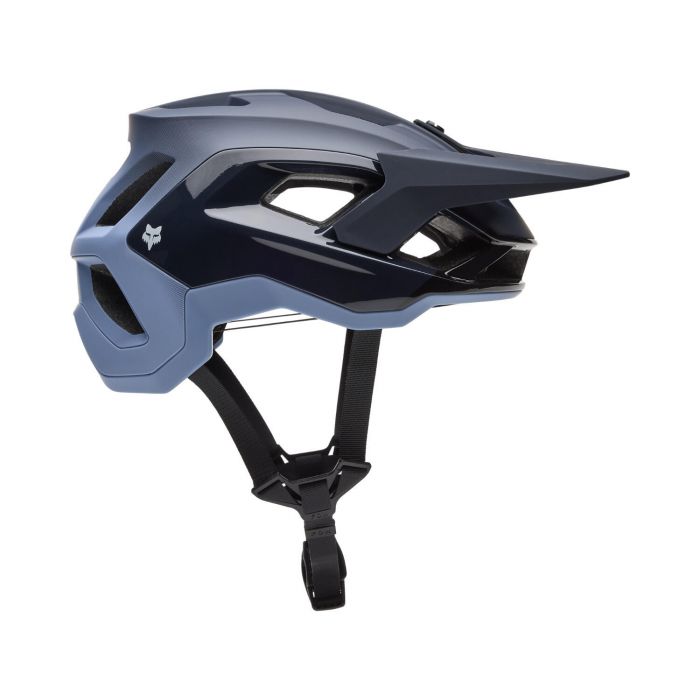

Fox Racing Speedframe Pro Backfade MIPS MTB Helmet
$244.95 - $279.95$195.99 - $279.95 -
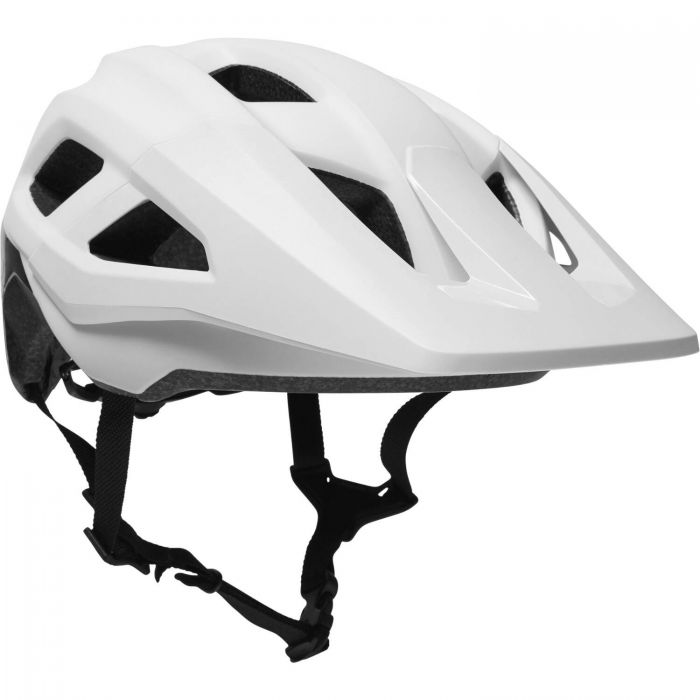 54% off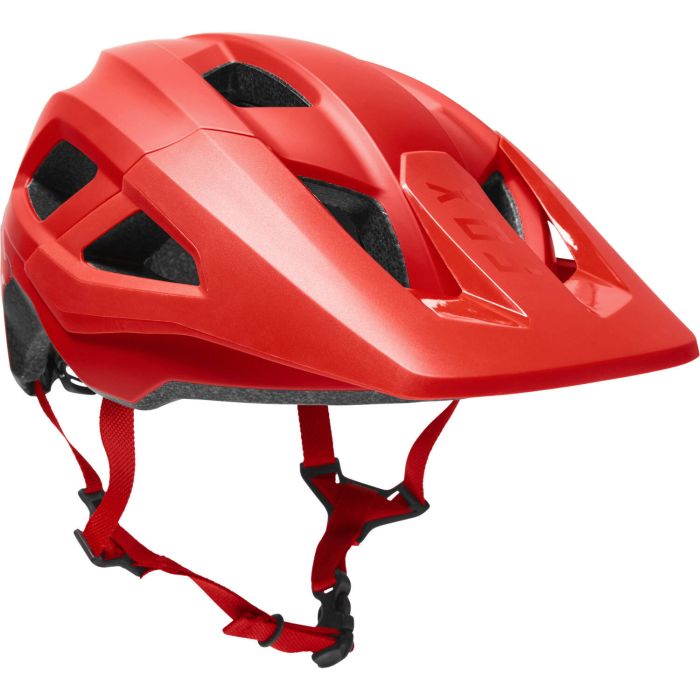
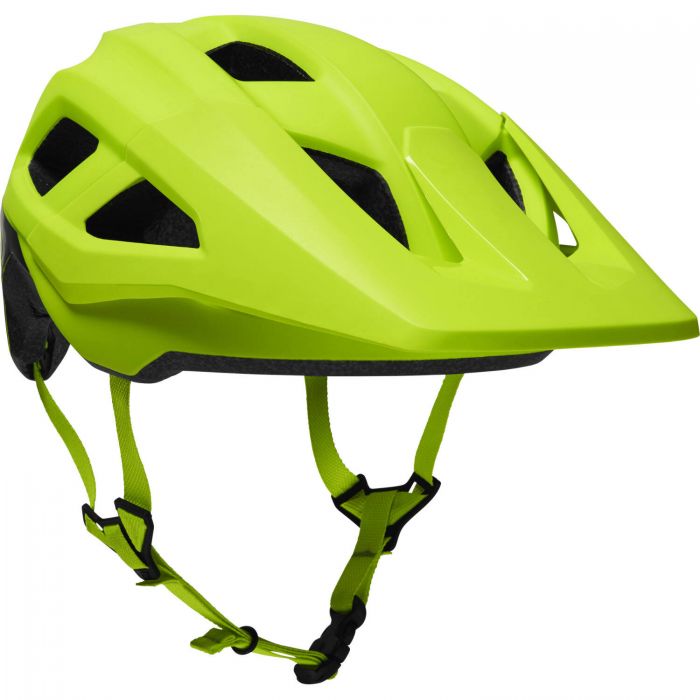
Fox Racing Mainframe MIPS MTB Helmet
$114.95$51.99 - $86.99 -
 40% off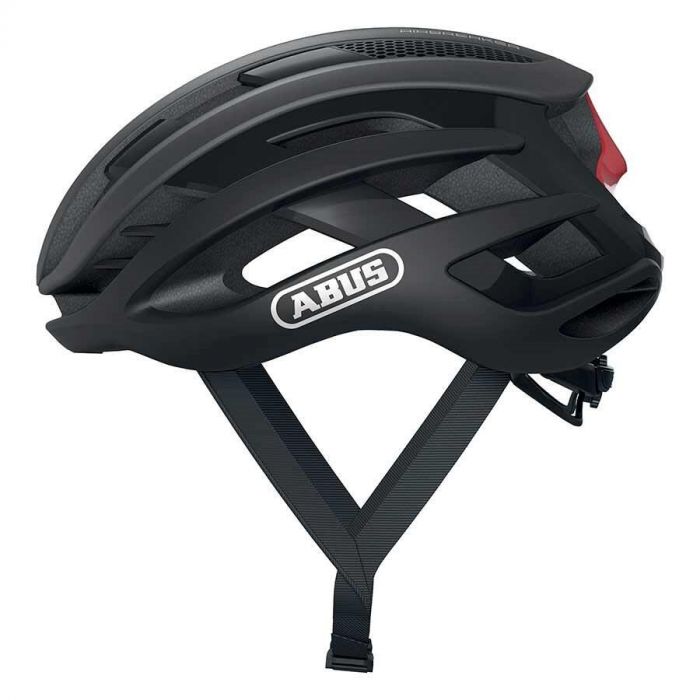
Abus AirBreaker Cycling Helmet
$374.99 - $389.99$232.99 - $348.99 -


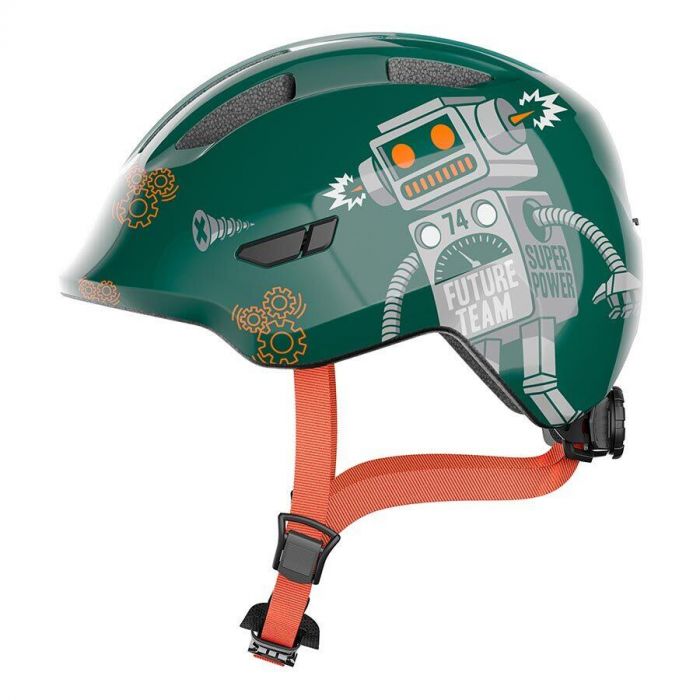
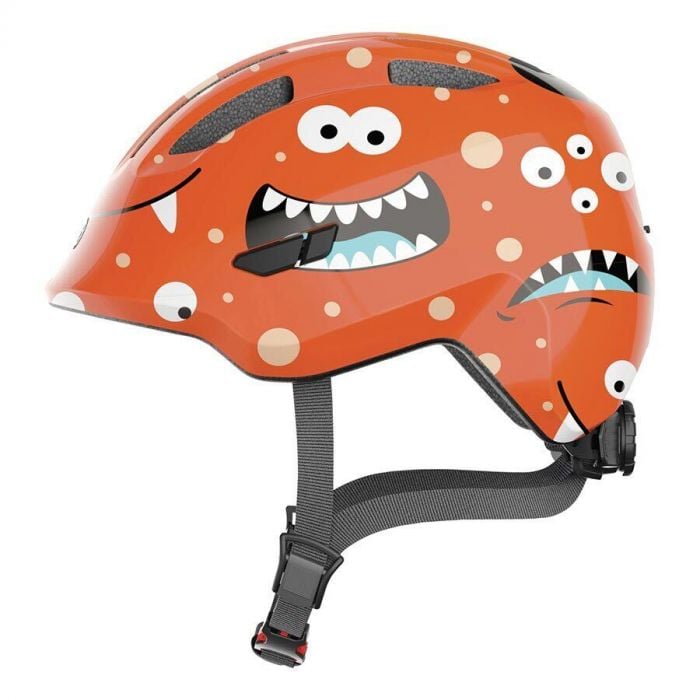
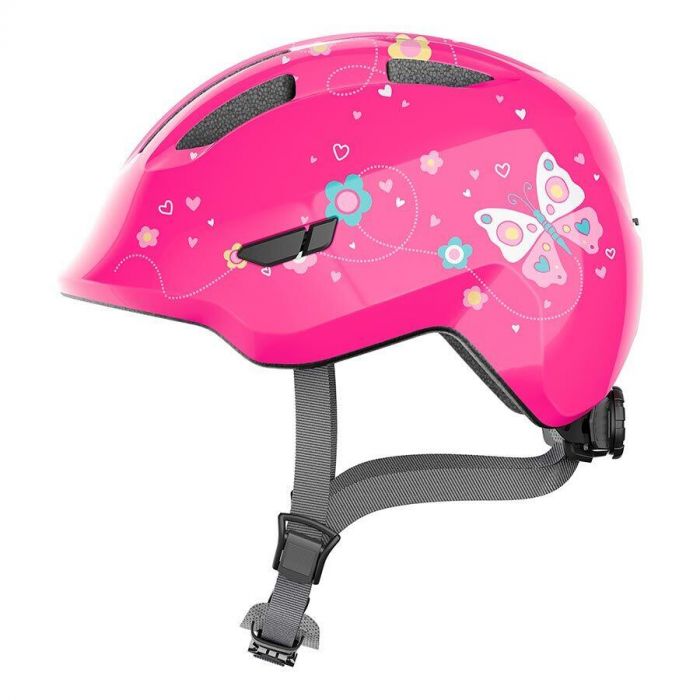

Abus Kids Smiley 3.0 Cycling Helmet
$59.99 -
 50% off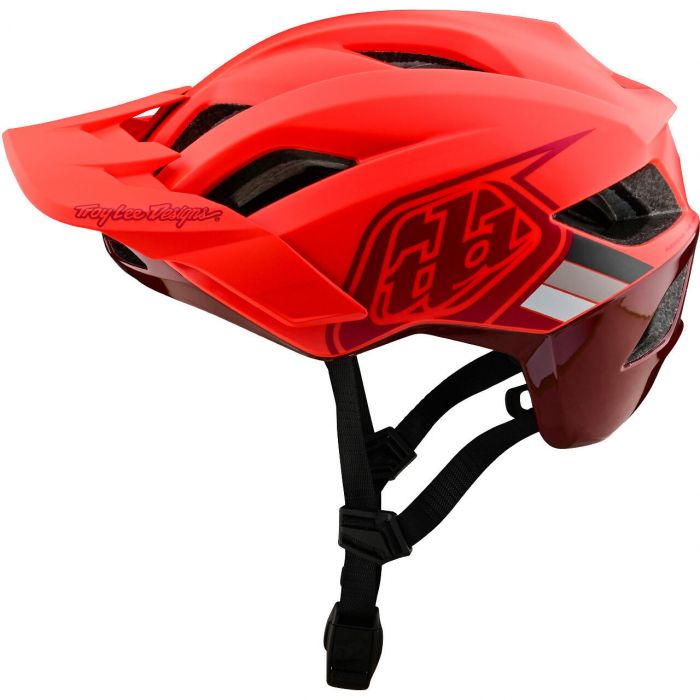

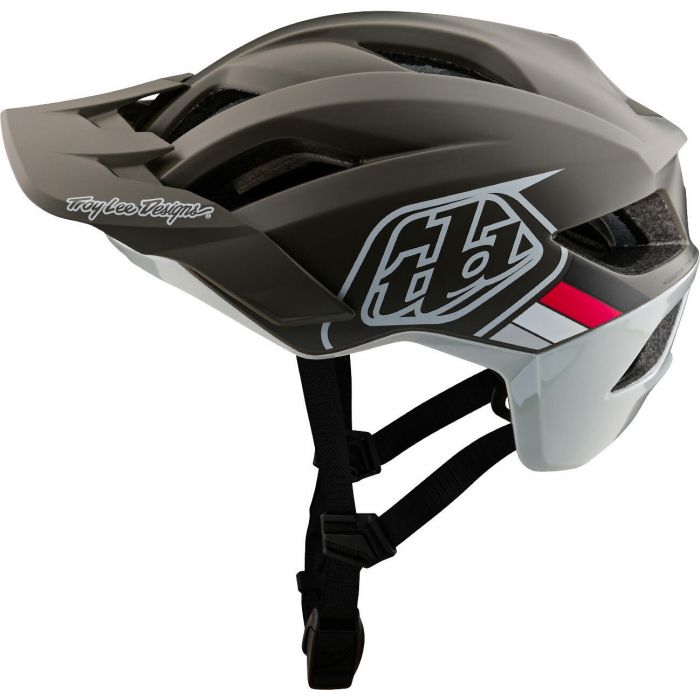
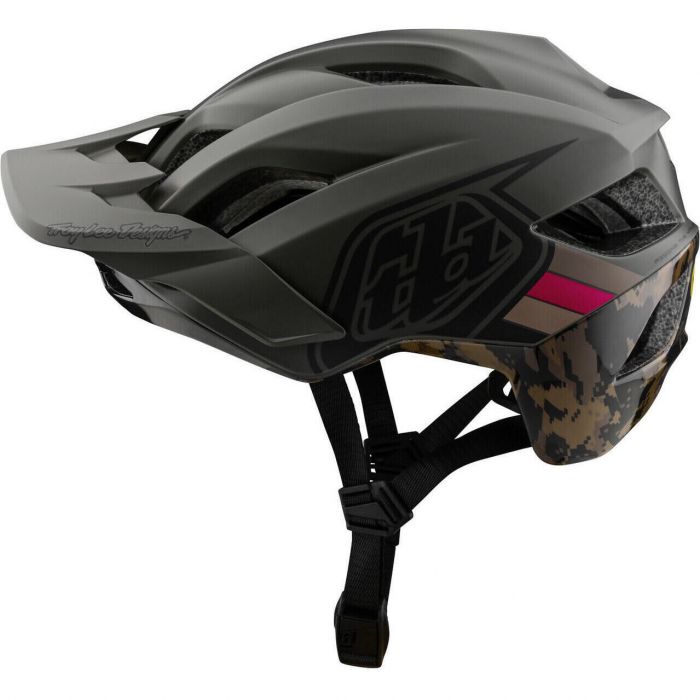
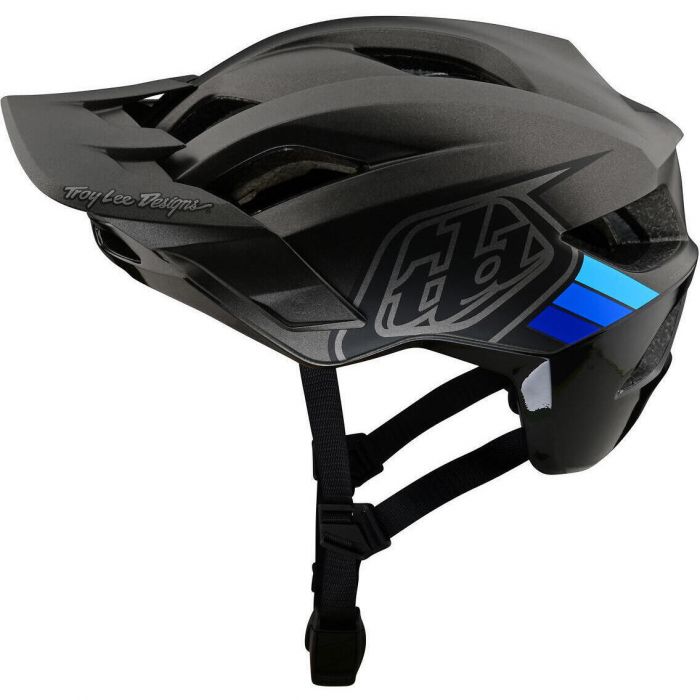
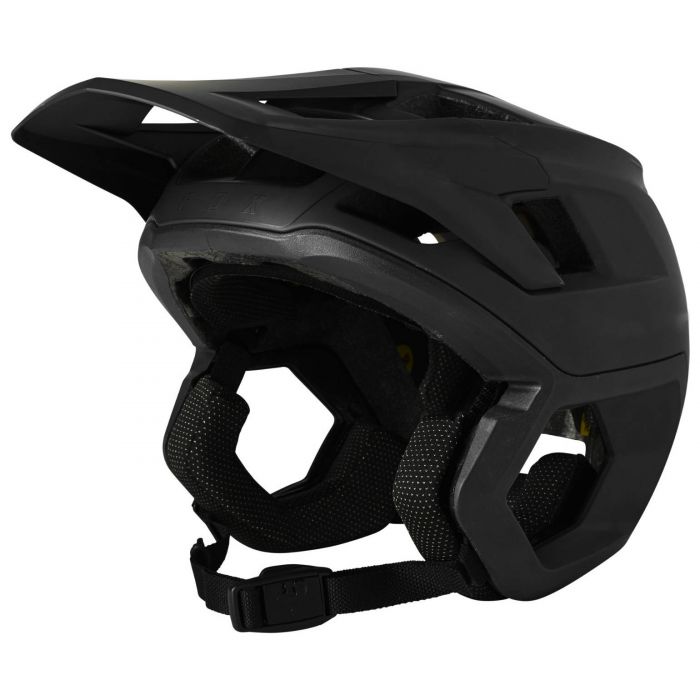
Troy Lee Flowline SE Badge MIPS MTB Helmet - 2024
$199.99$99.99 - $149.99 -
 59% off
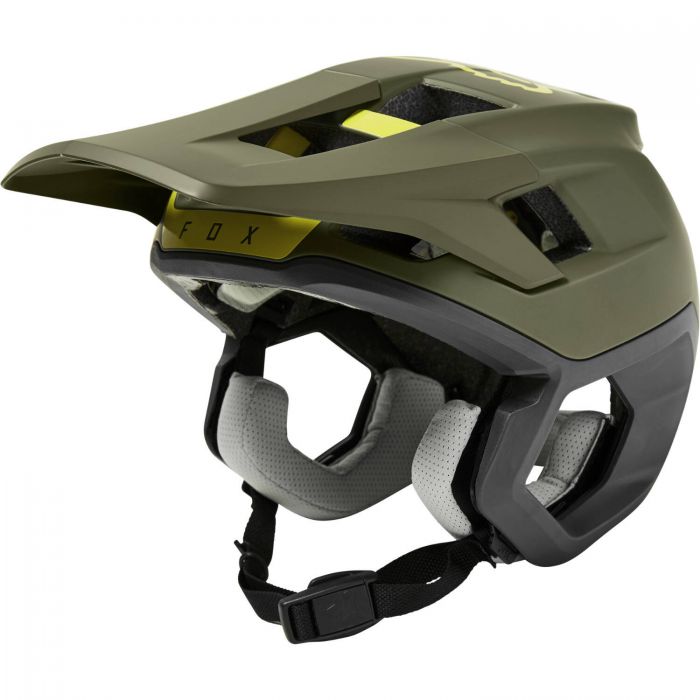
Fox Racing Dropframe Pro MIPS MTB Helmet - 2020
$299.99$122.99 - $149.99 -
 45% off
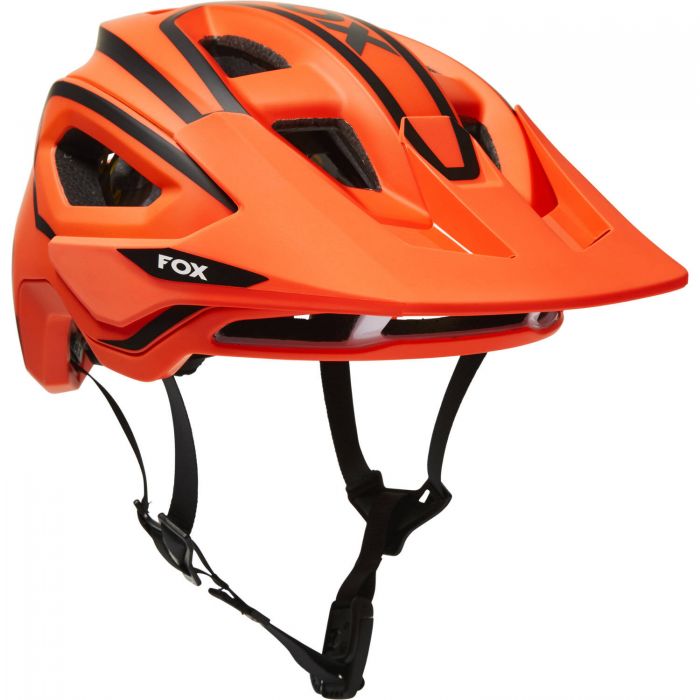
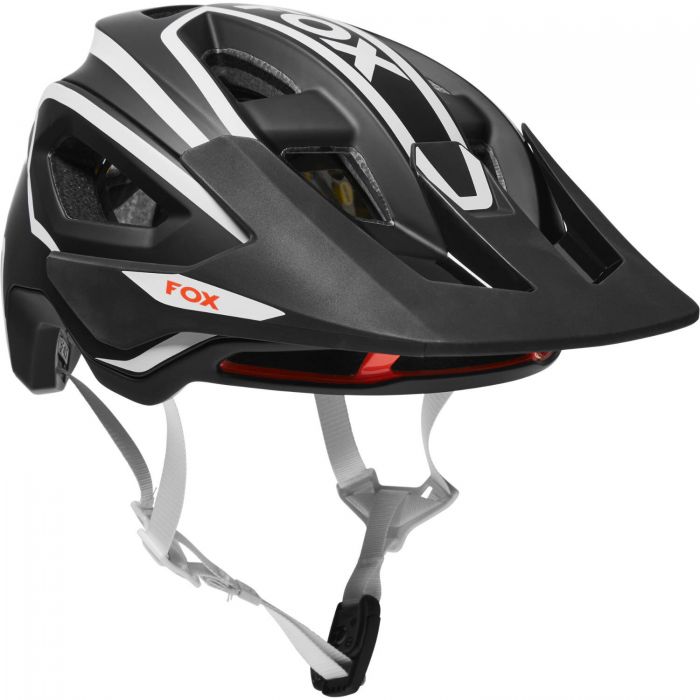
Fox Racing Speedframe Pro Dvide MIPS MTB Helmet
$244.99$134.74 -

Abus Hyp-E ACE Cycling Helmet
$384.99 - $414.99 -
 18% off
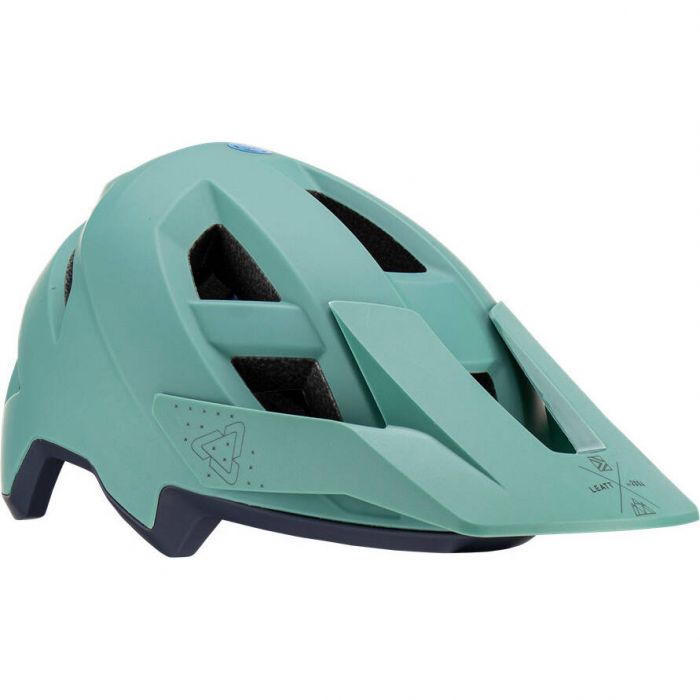
Leatt Womens AllMtn 2.0 MTB Helmet
$184.99$150.00 -
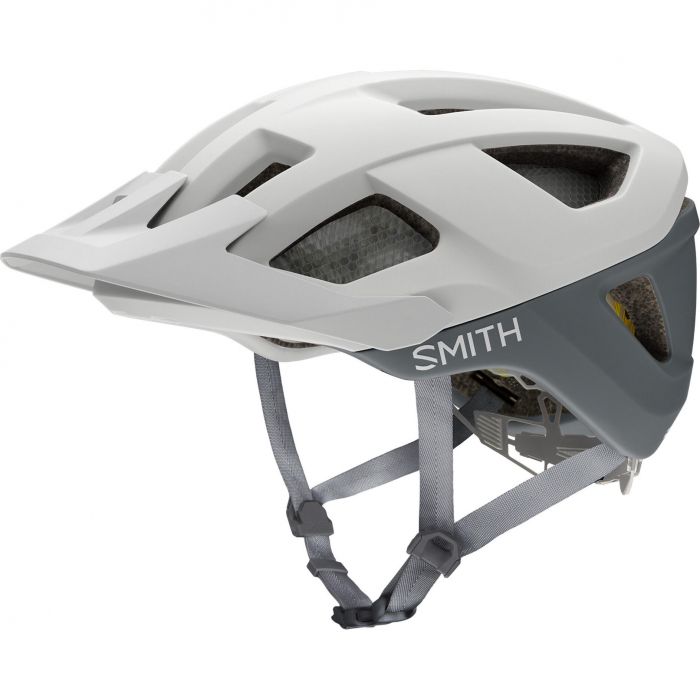
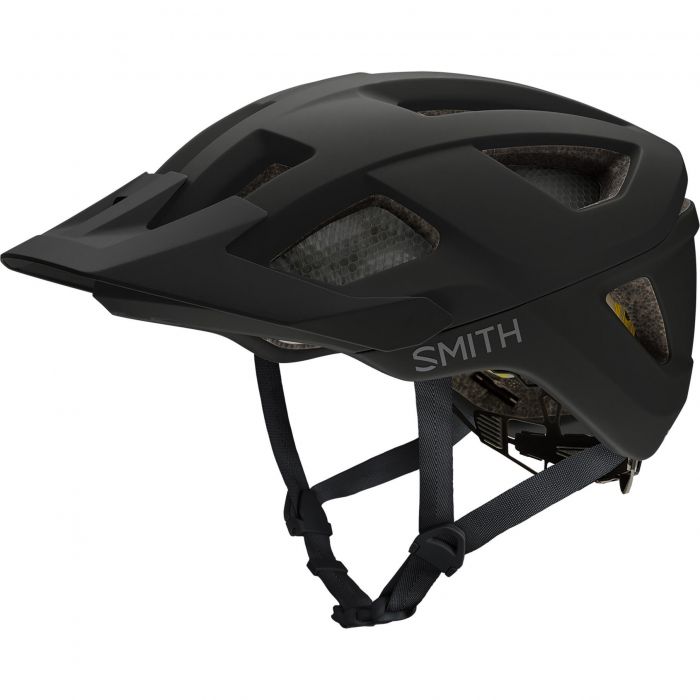
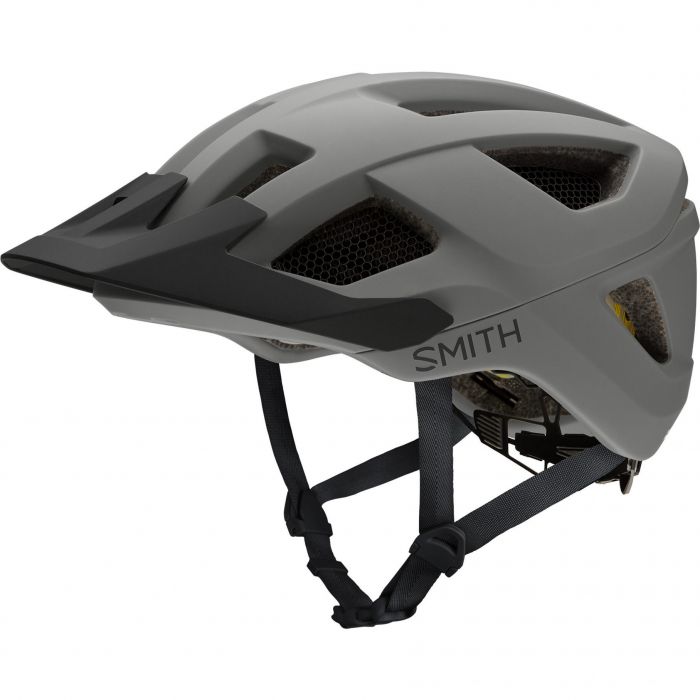
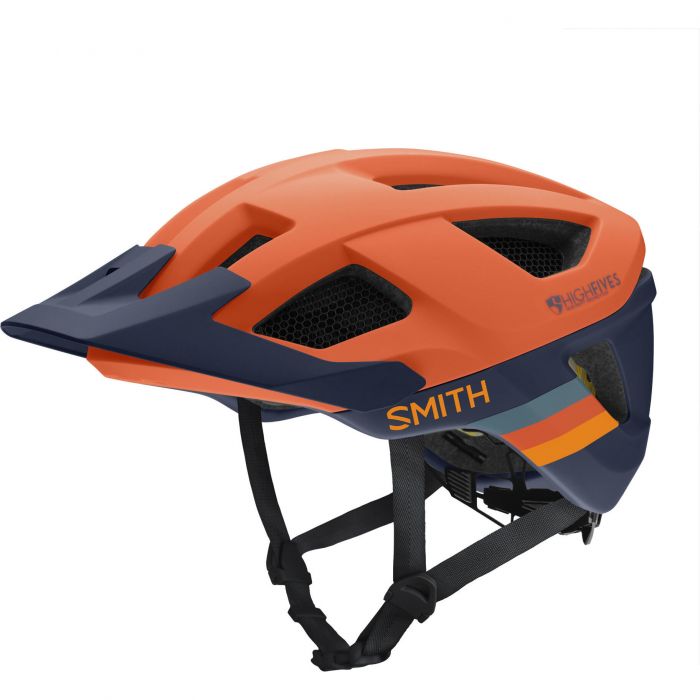
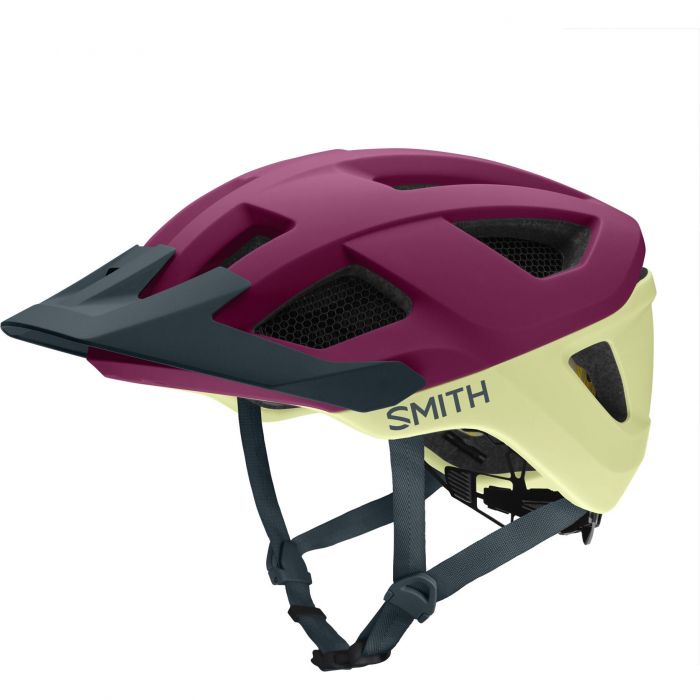
Smith Session MIPS MTB Helmet
$225.00 -
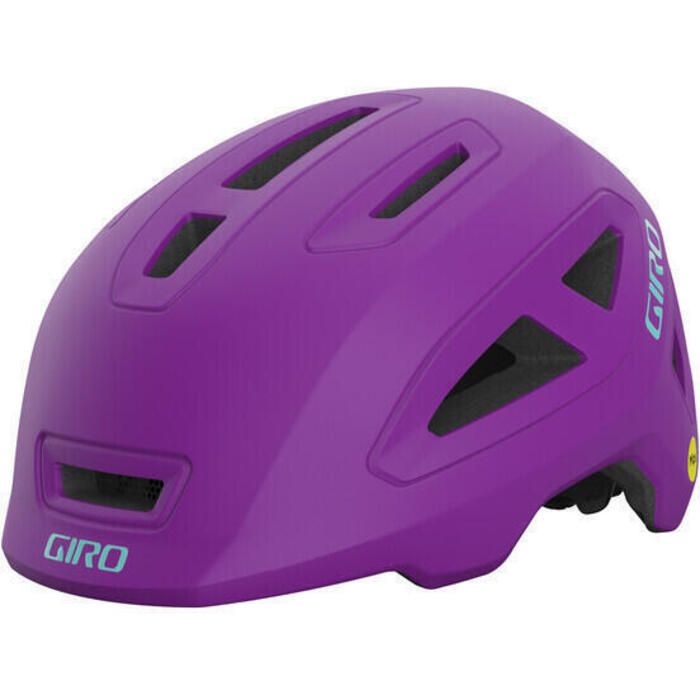
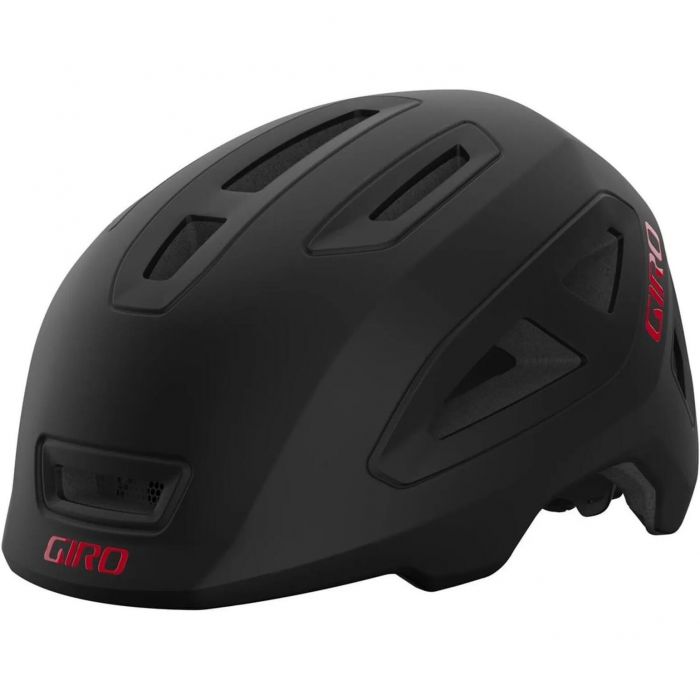

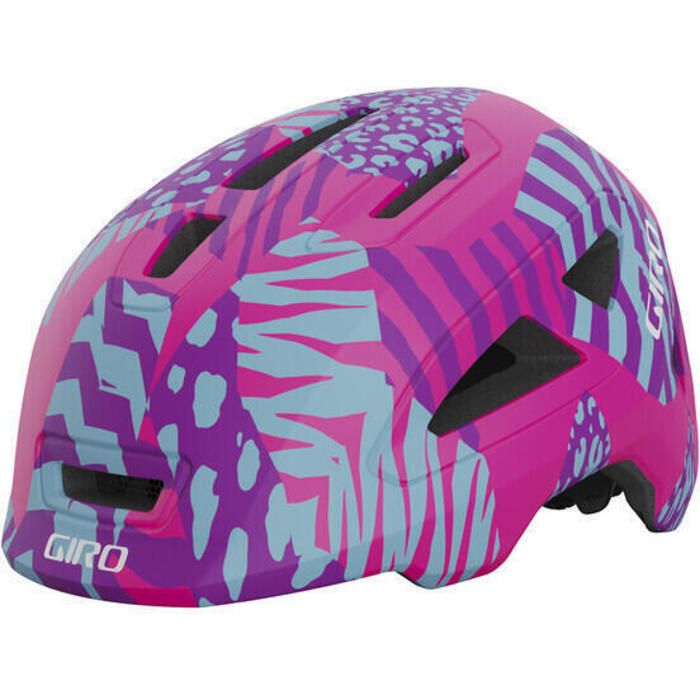
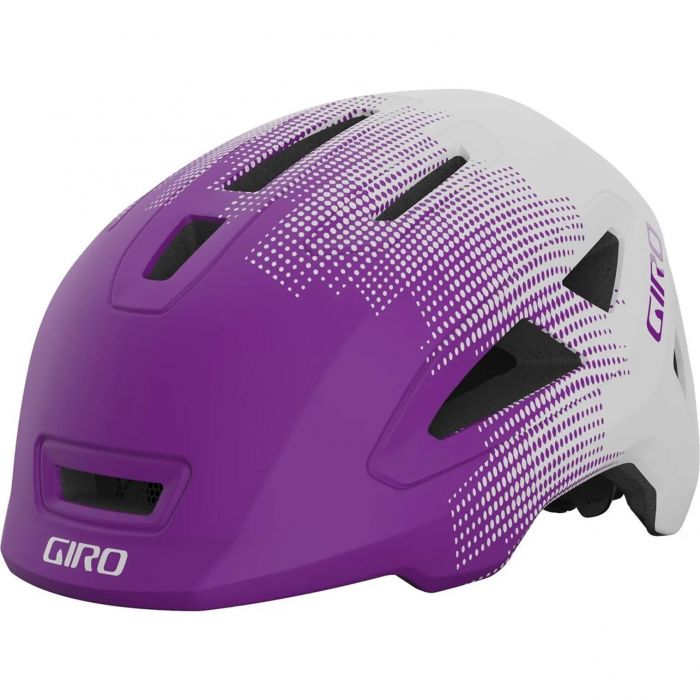
Giro Youth Scamp II Cycling Helmet
$89.99 - $99.99 -
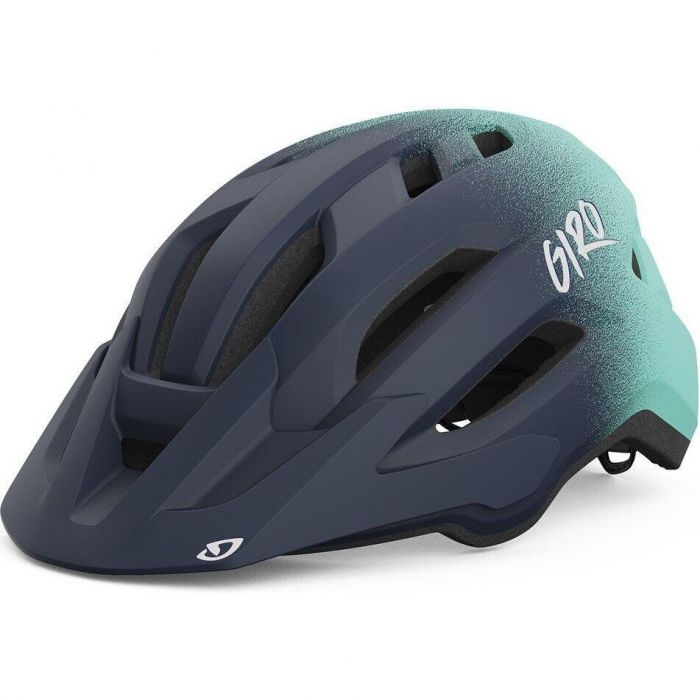
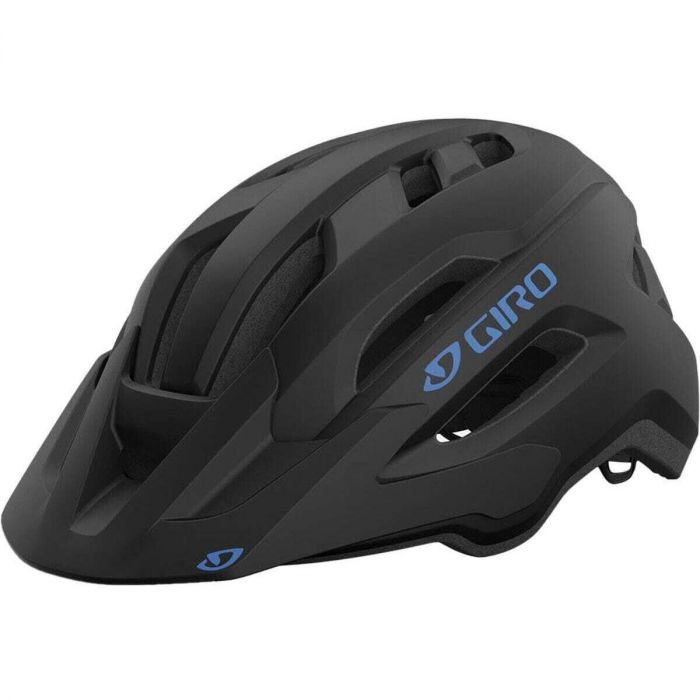
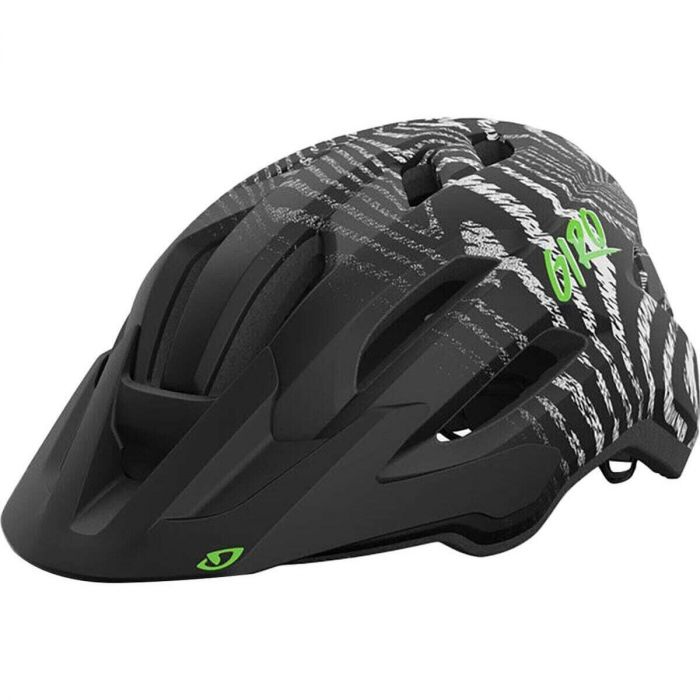
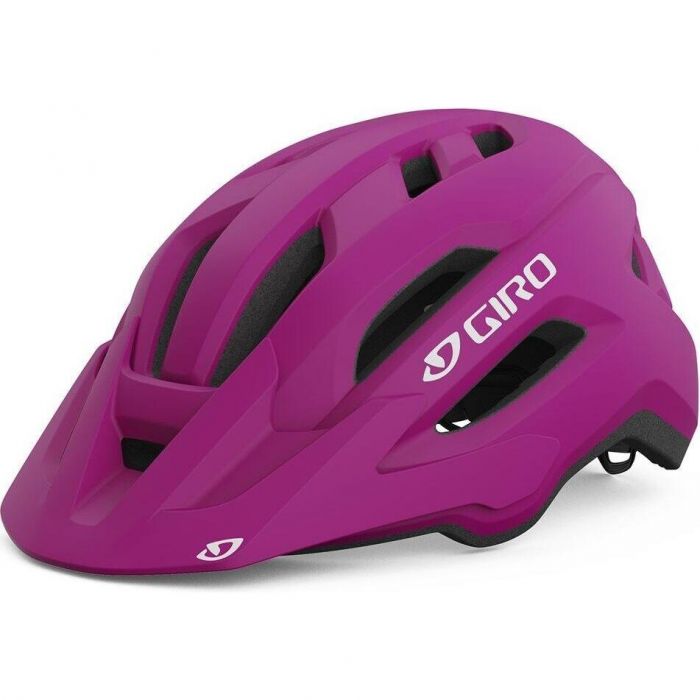

Giro Youth Fixture II MTB Helmet
$109.99 -
 40% off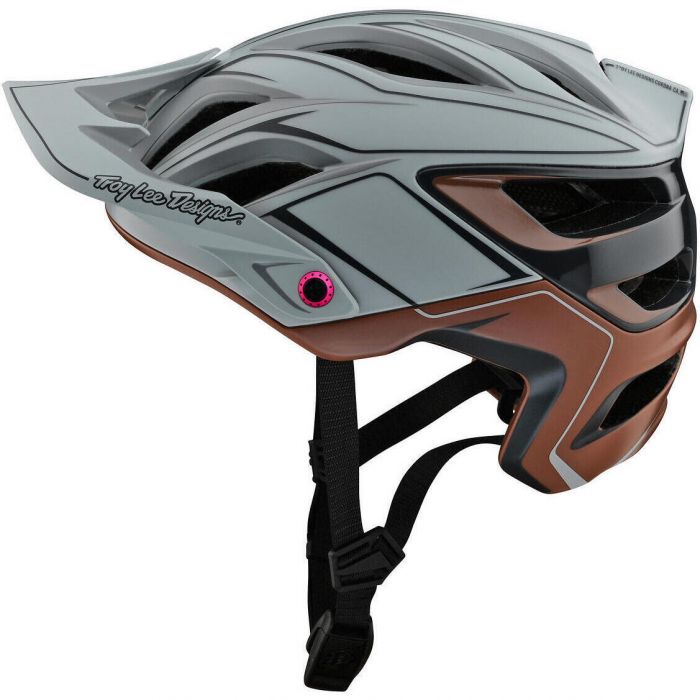
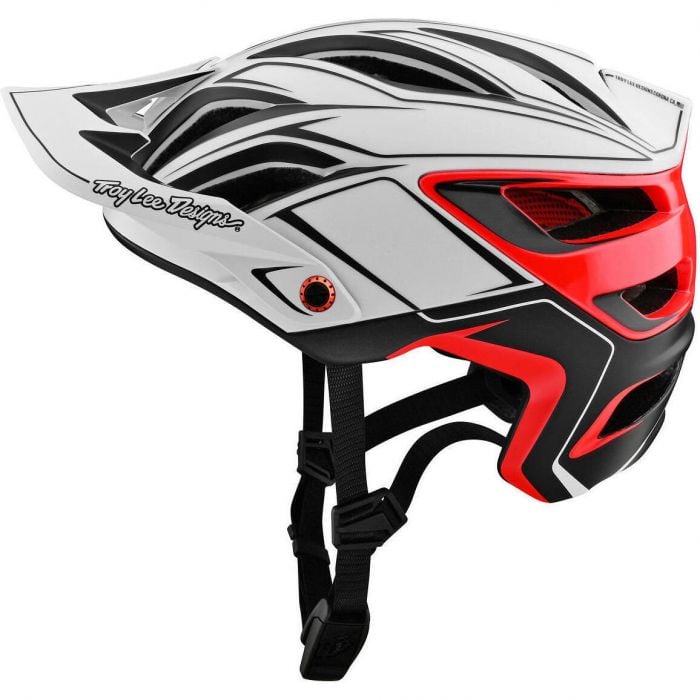
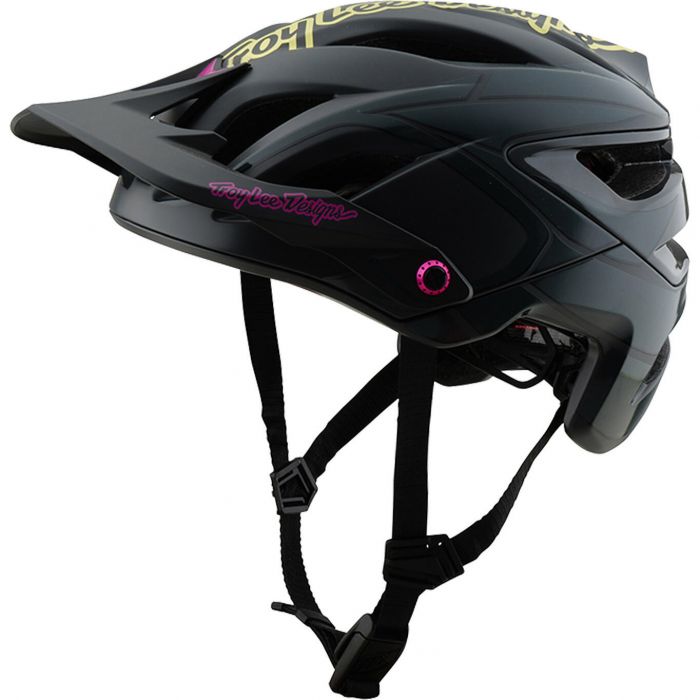
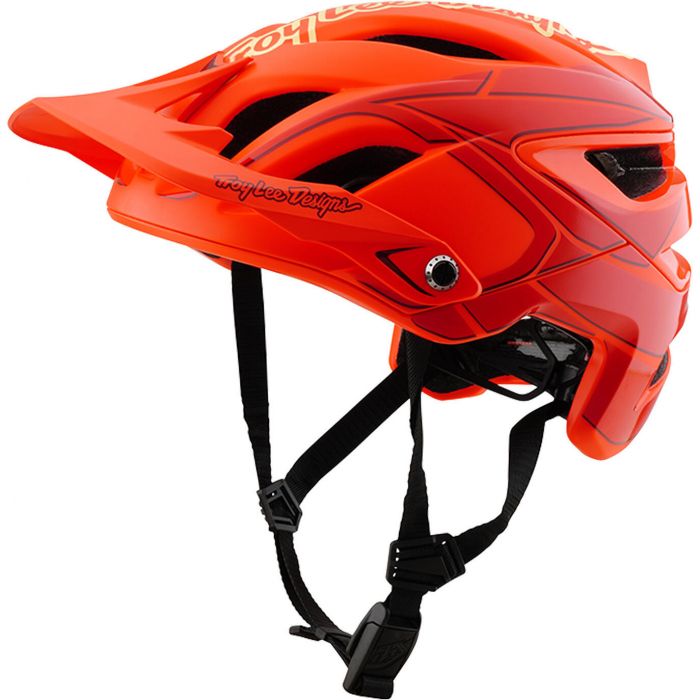
Troy Lee A3 Pin MIPS MTB Helmet
$319.99$191.99 -
Troy Lee A3 Ghostwing MTB Helmet
$319.99 -
 17% off
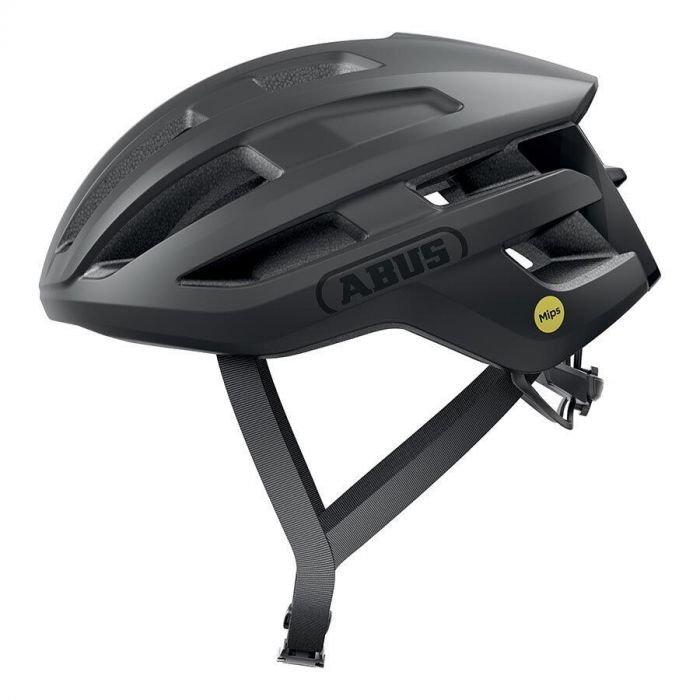
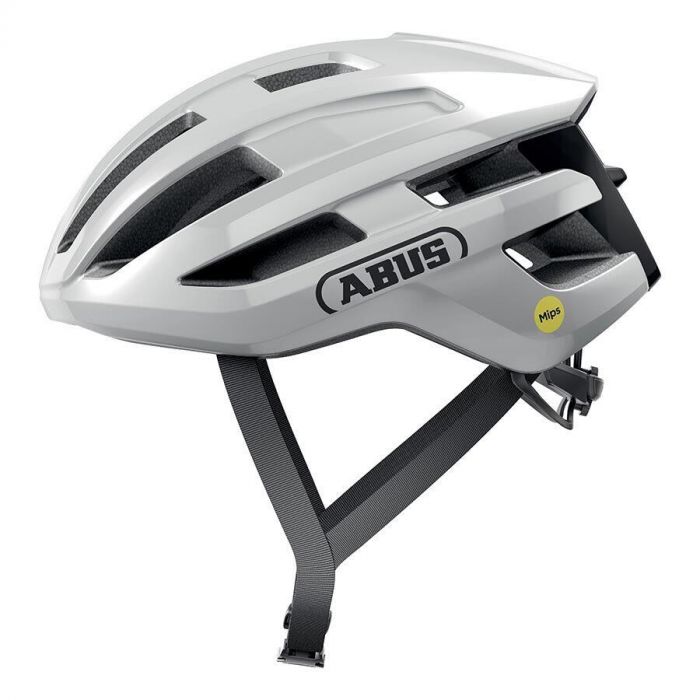
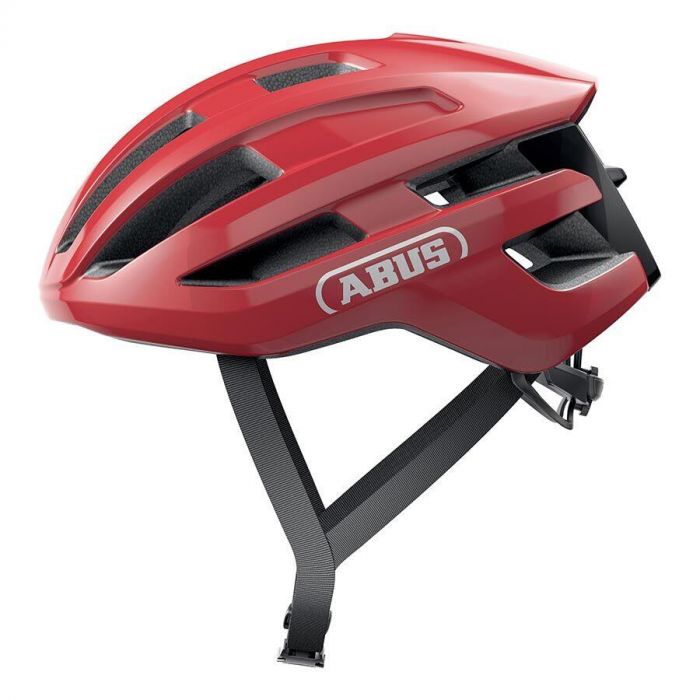
Abus PowerDome MIPS Cycling Helmet
$279.99$230.99 -

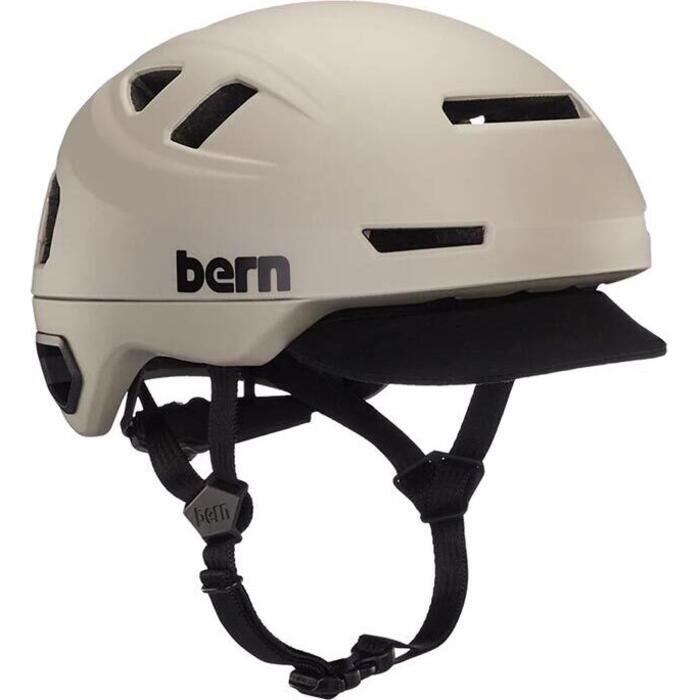

Bern Hudson MIPS Cycling Helmet
$209.99 -
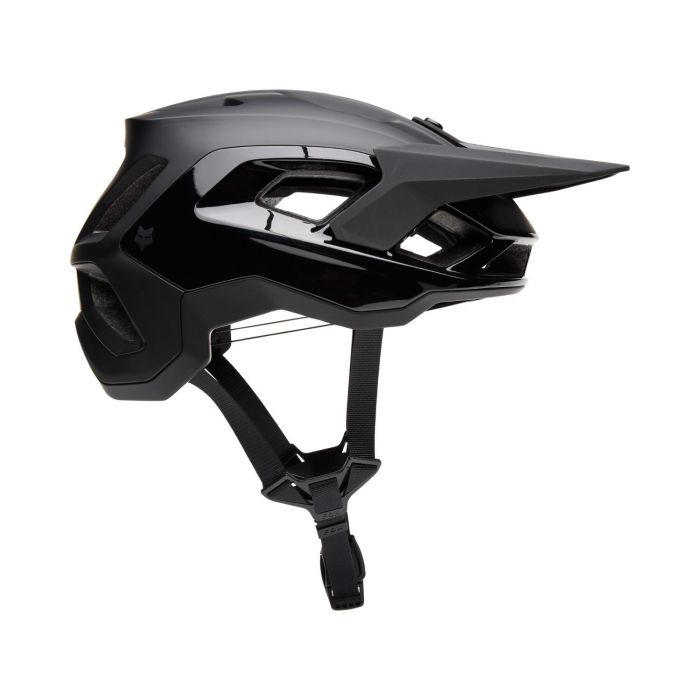
Fox Racing Speedframe Pro Matte MIPS MTB Helmet
$279.95 -
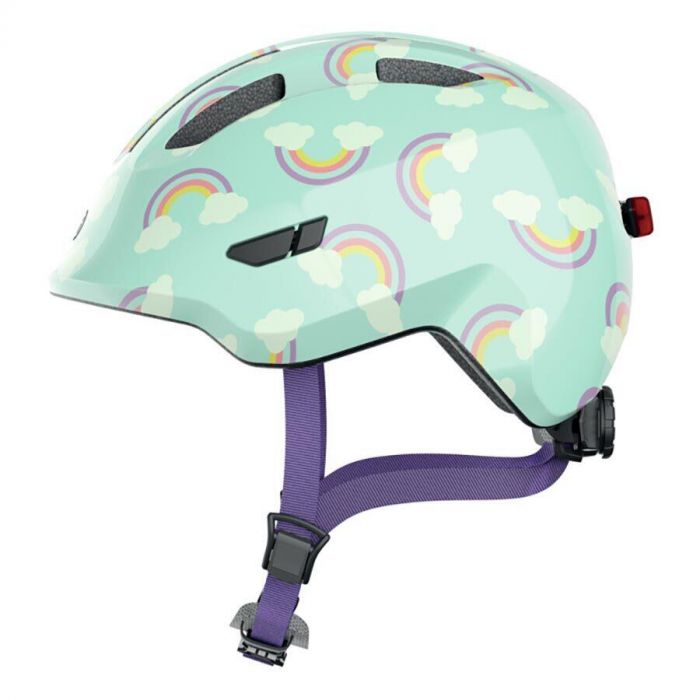
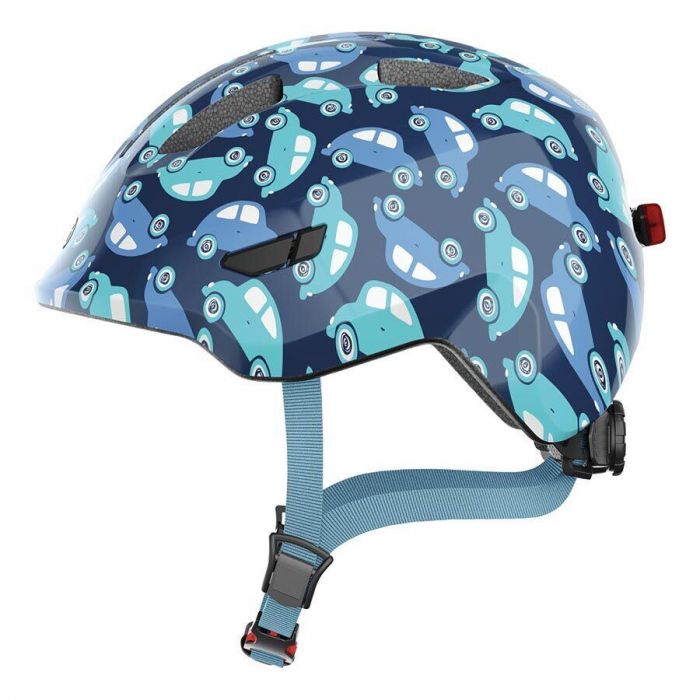
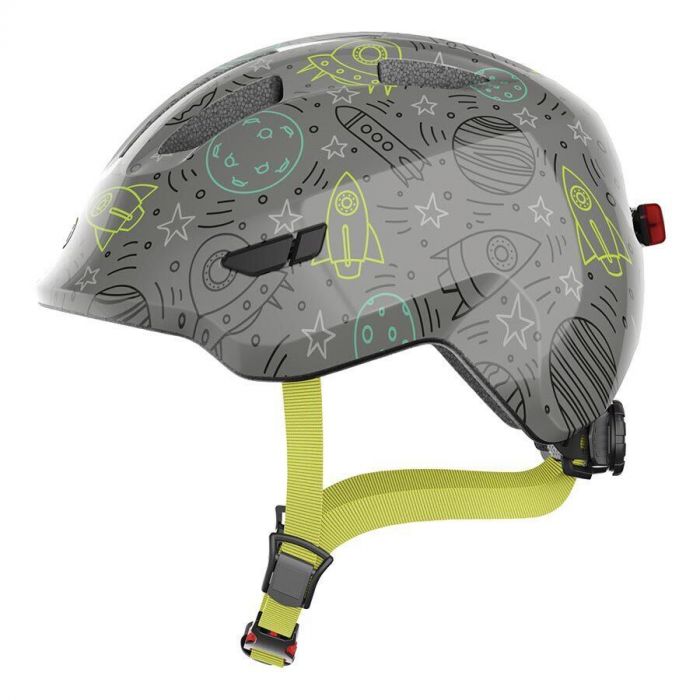
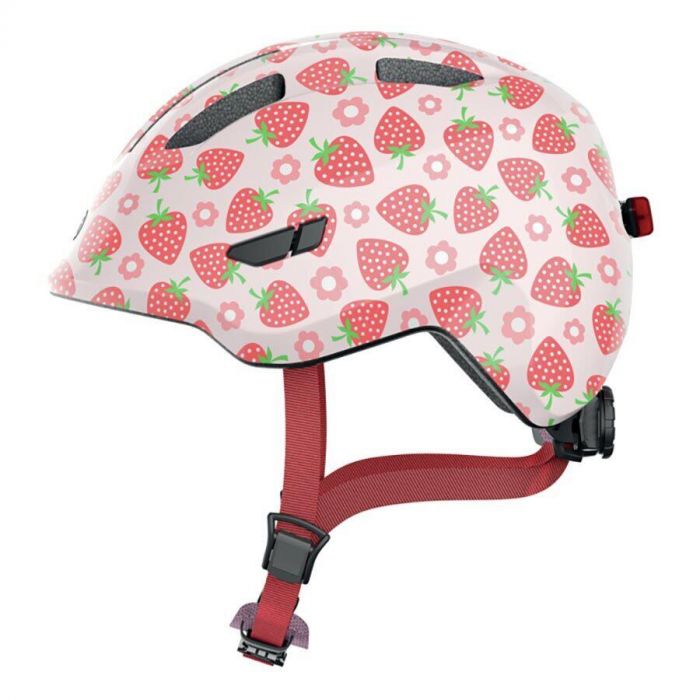
Abus Kids Smiley 3.0 LED Cycling Helmet
$74.99 -
 63% off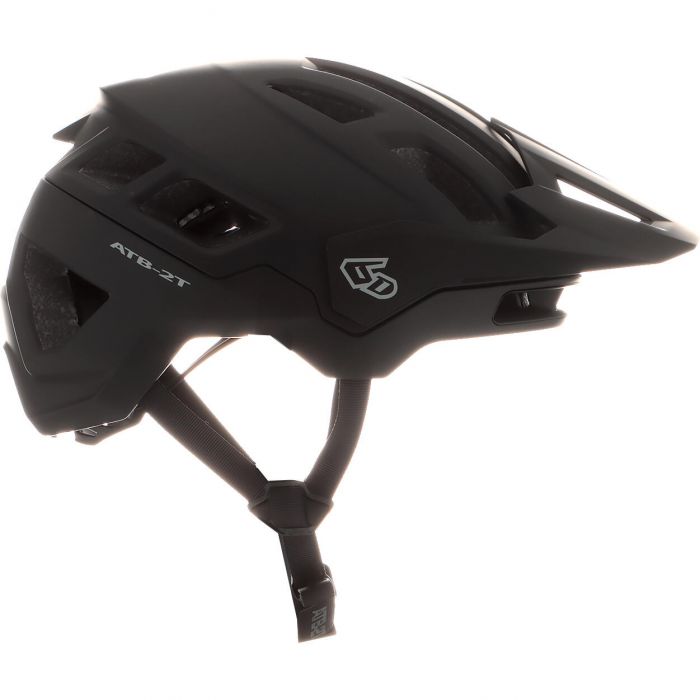
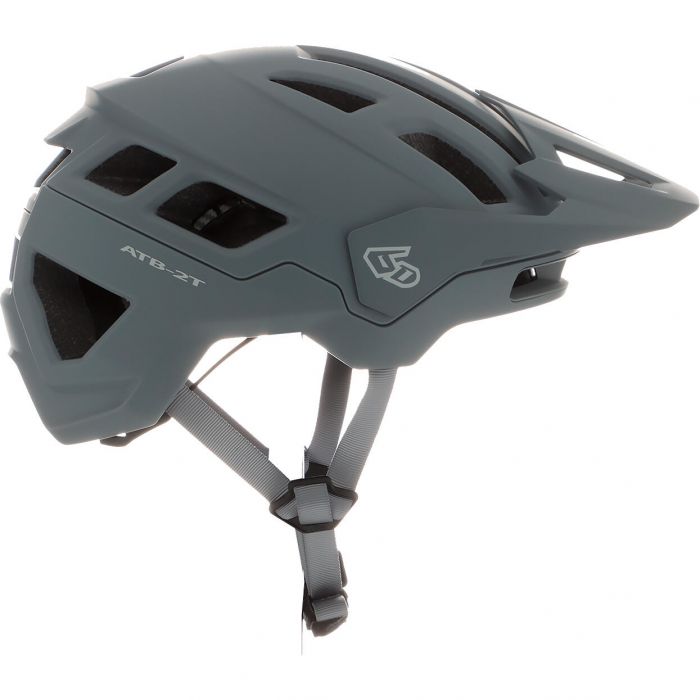
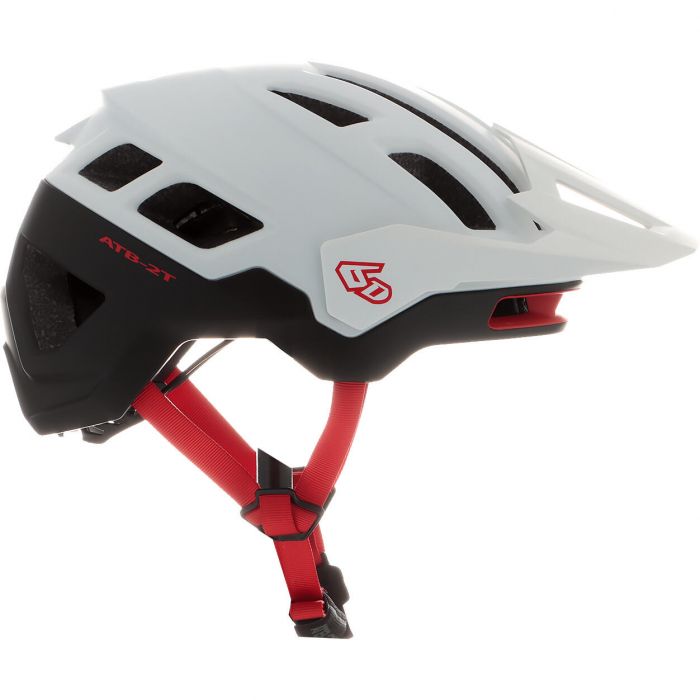
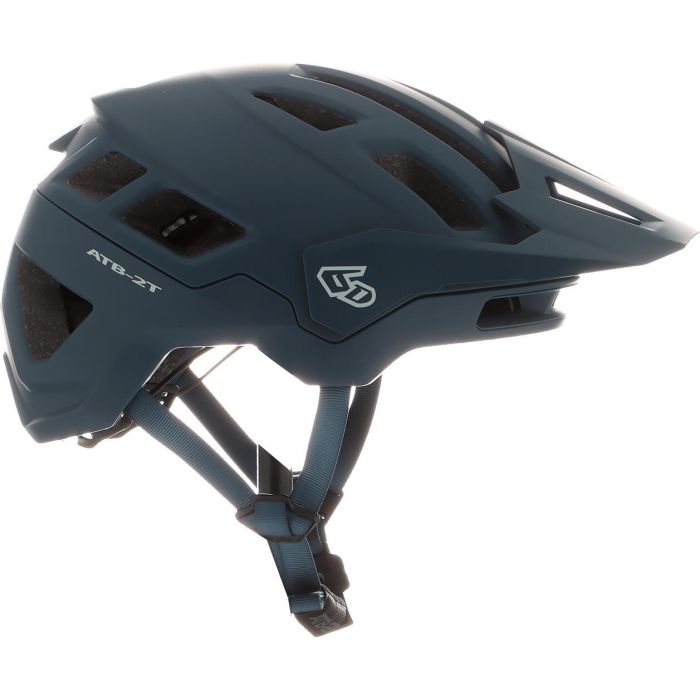
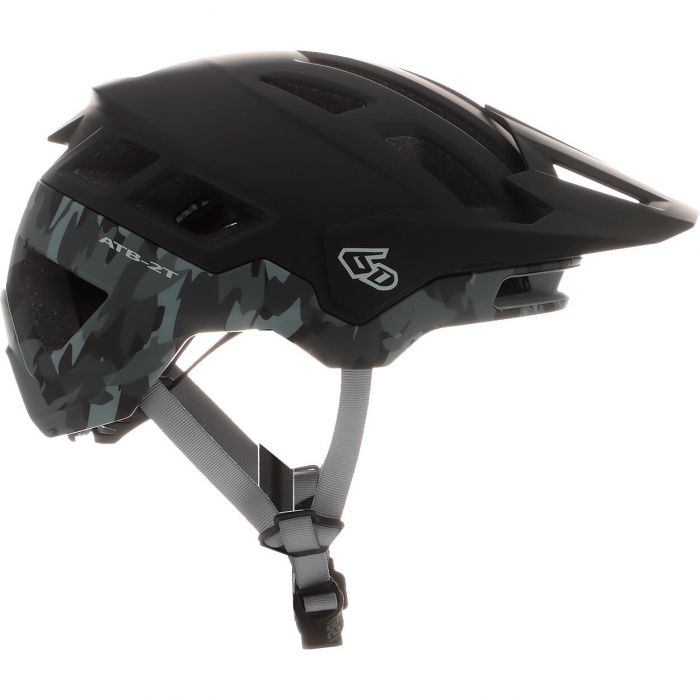
6D ATB-2T Ascent Trail MTB Helmet
$199.99 - $303.99$72.99 - $286.99 -
 54% off
Fox Racing Youth Mainframe MIPS MTB Helmet
$99.99$45.99 -
 27% off
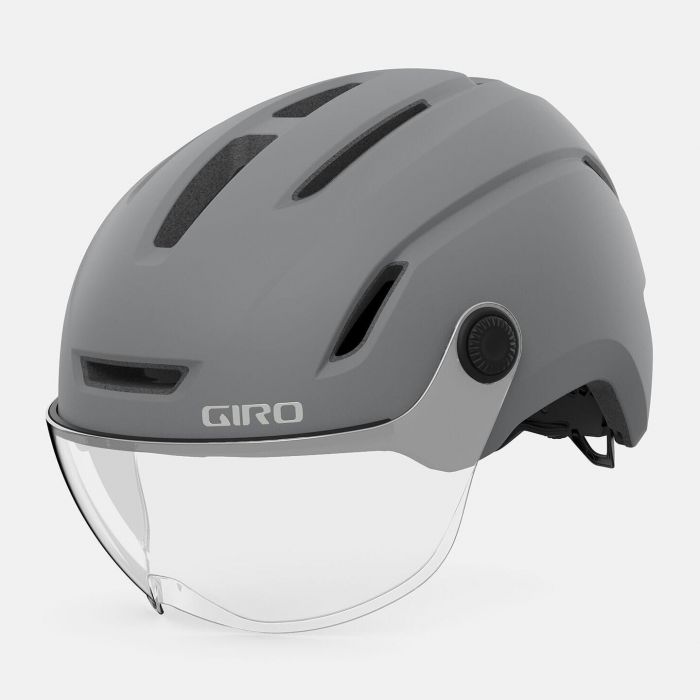
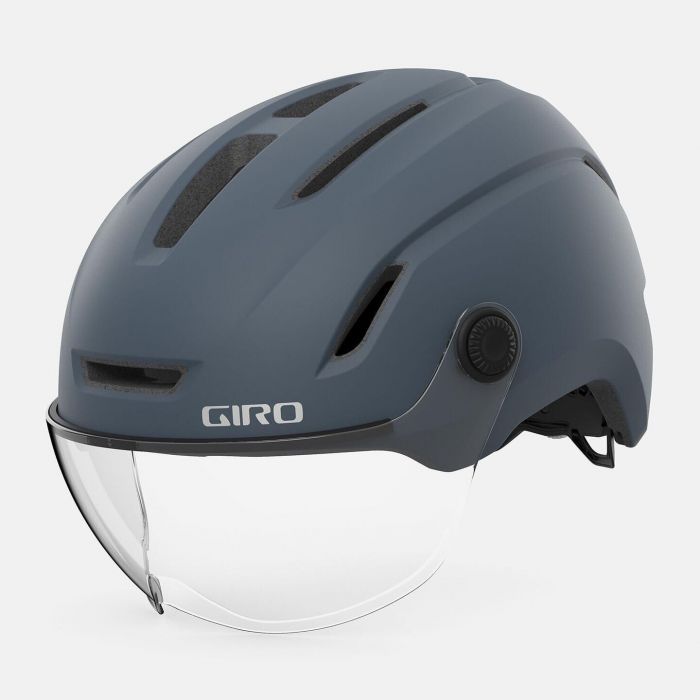
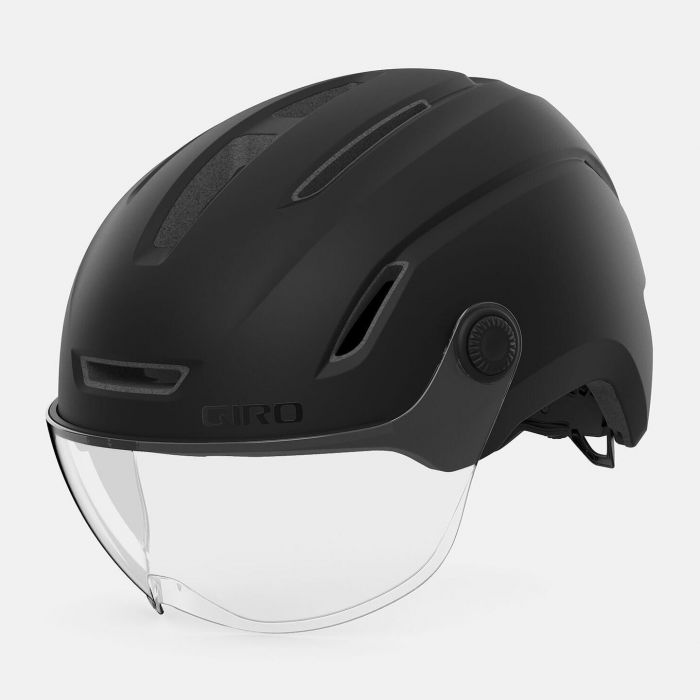
Giro Evoke MIPS Urban Cycling Helmet
$189.99 - $199.99$137.99 - $199.99 -
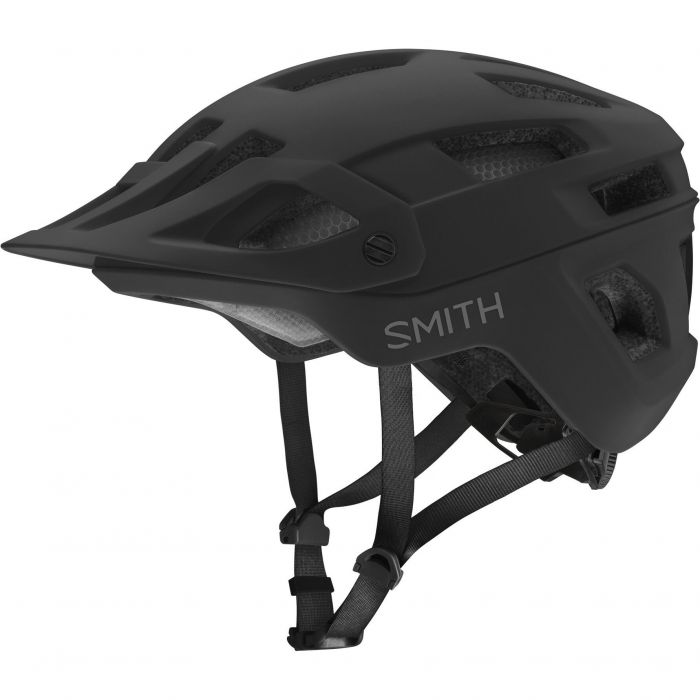
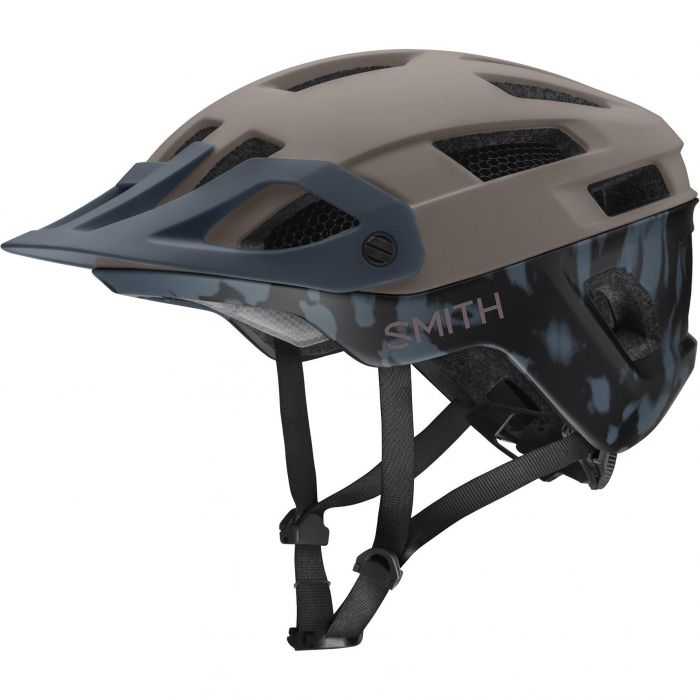
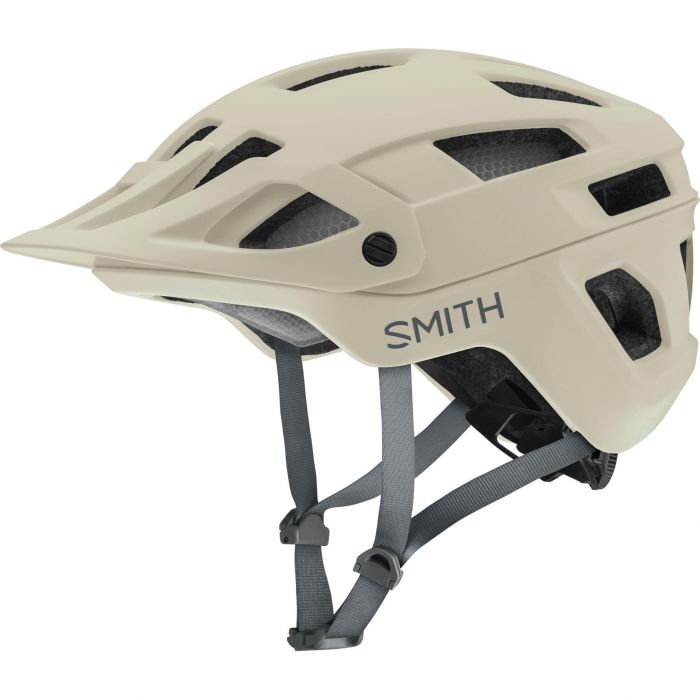
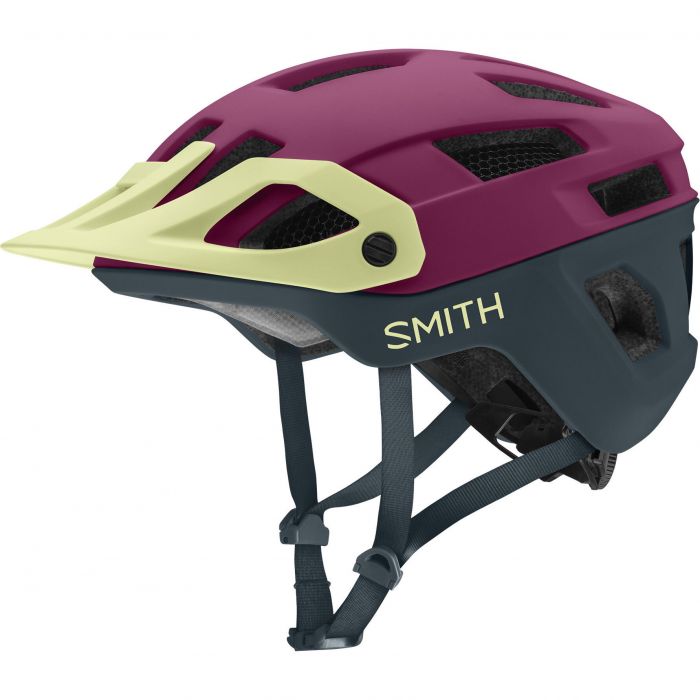
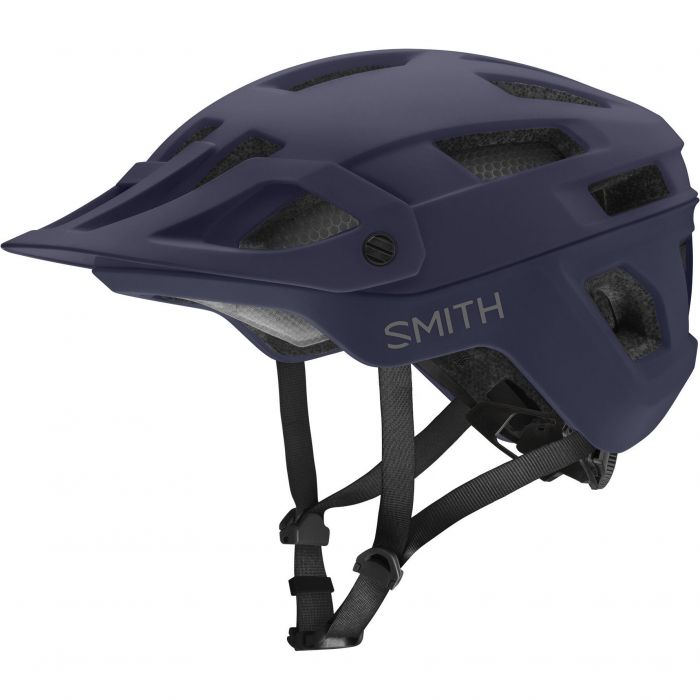
Smith Engage MIPS MTB Helmet
$170.00 -
Sena R2 Smart Cycling Helmet
$236.60 - $239.99 -
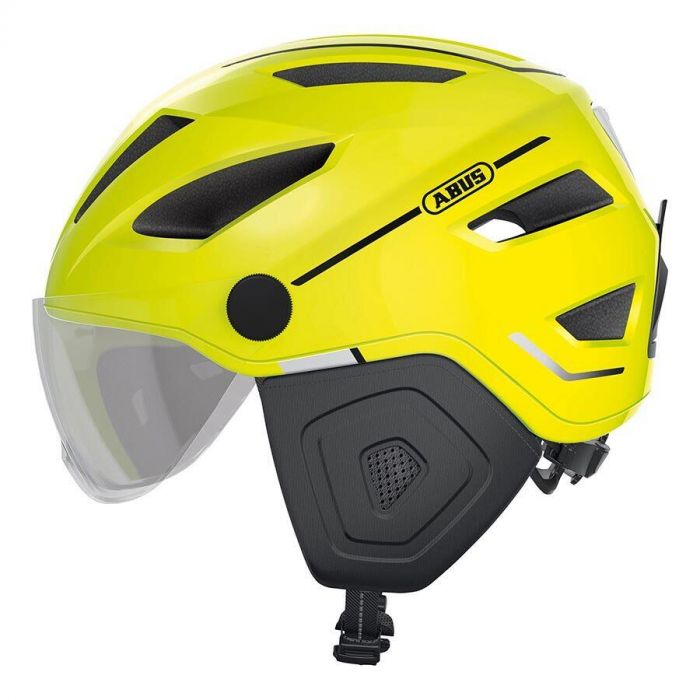
Abus Pedelec 2.0 Ace Cycling Helmet
$301.99 -
 19% off
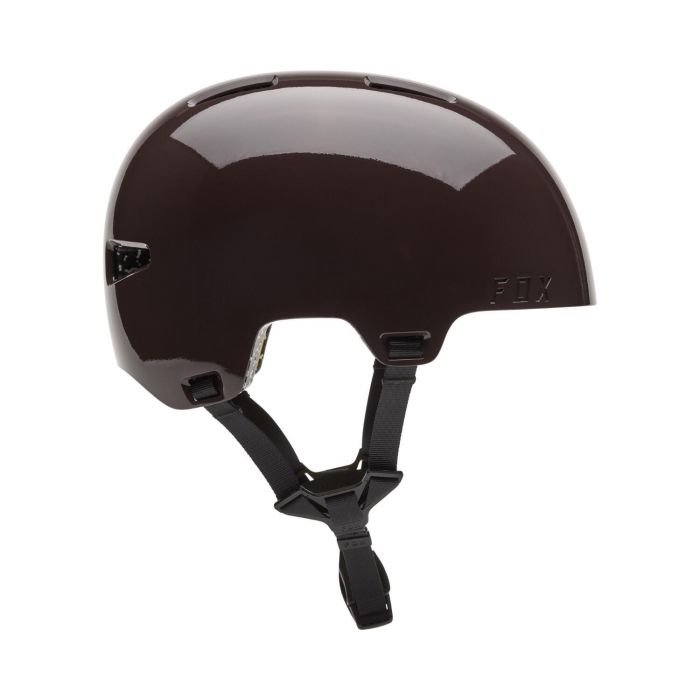
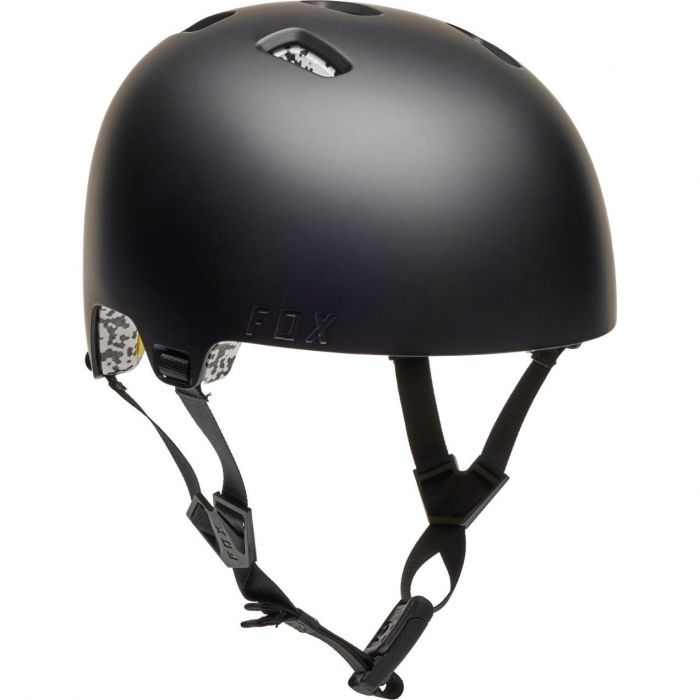
Fox Racing Flight Pro MIPS MTB Helmet
$129.95$103.99 -
 24% off
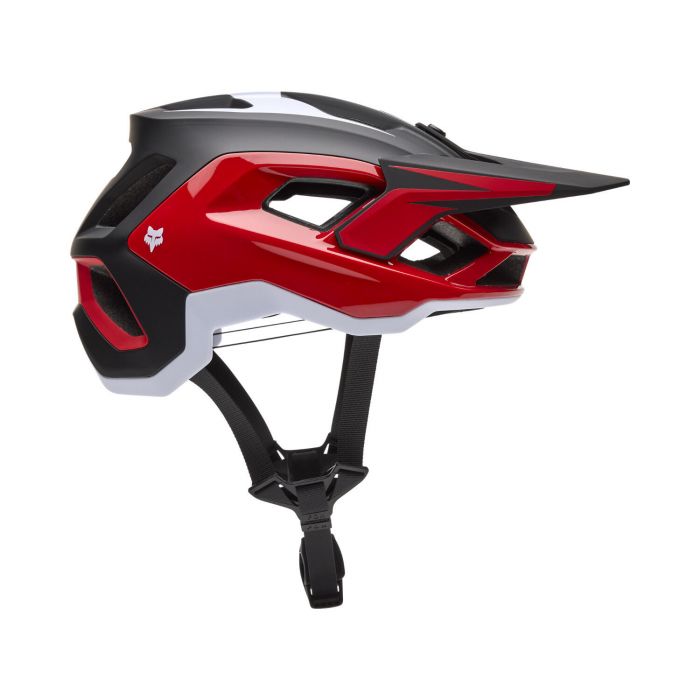


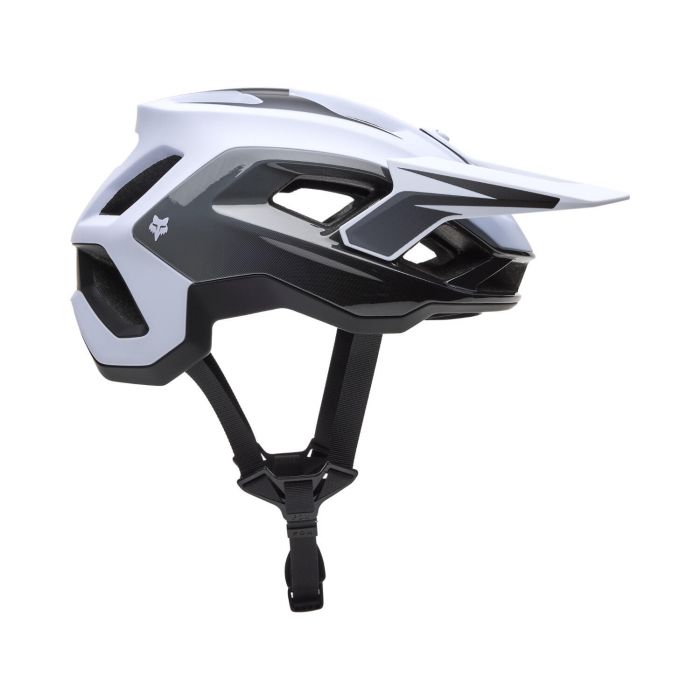
Fox Racing Speedframe Pro Defy MIPS MTB Helmet
$244.95 - $279.95$195.99 - $279.95 -
 53% off
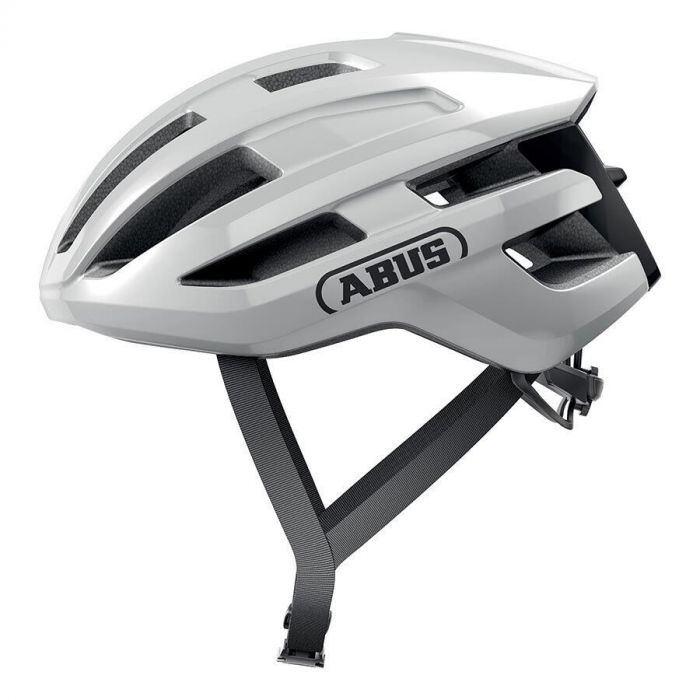
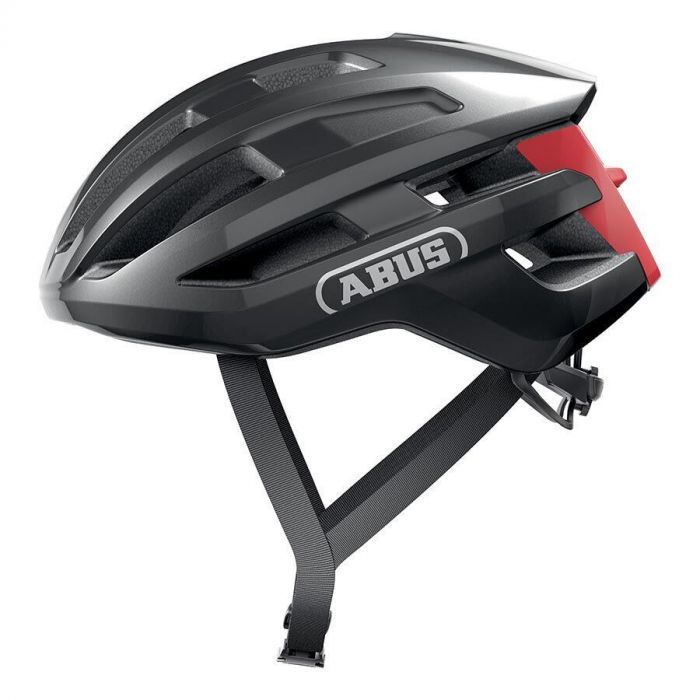
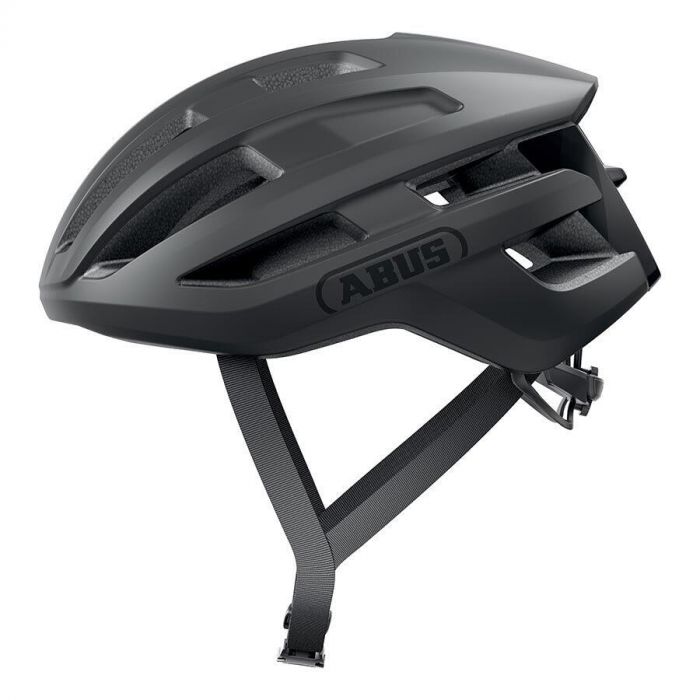
Abus PowerDome Cycling Helmet
$219.99$102.99 - $177.99 -
 59% off
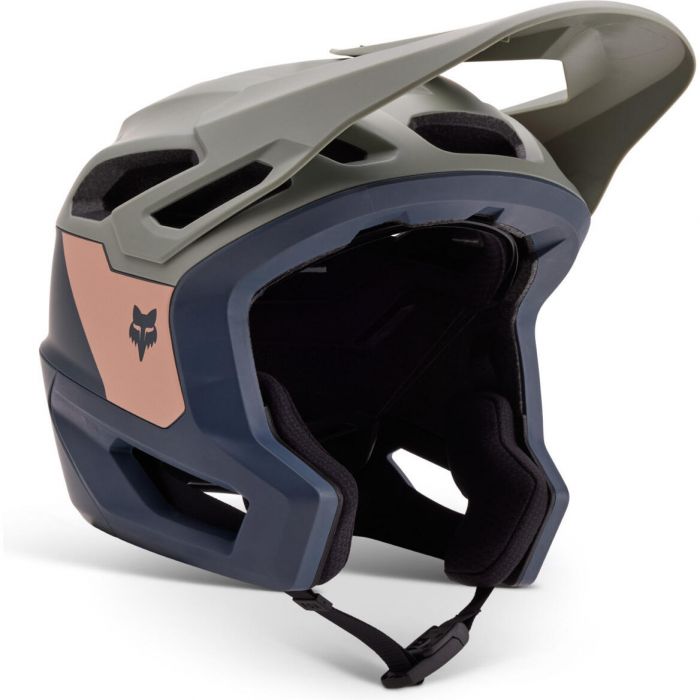
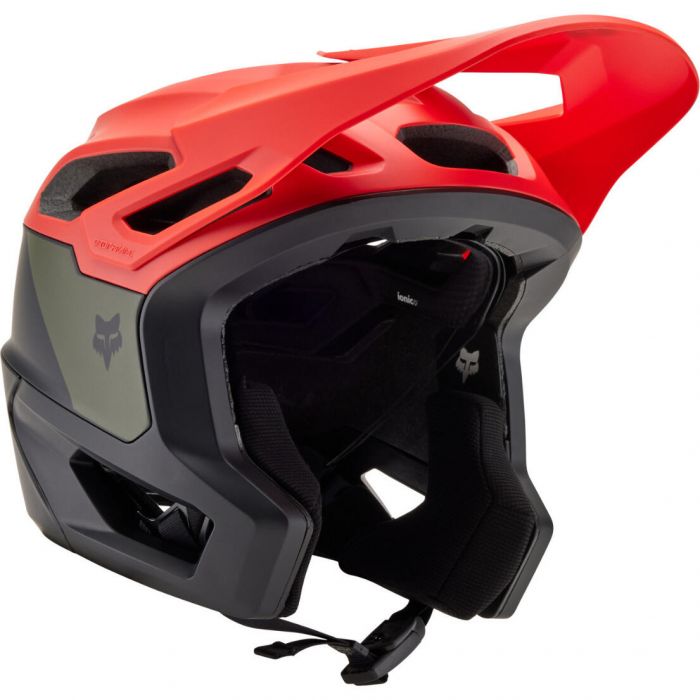
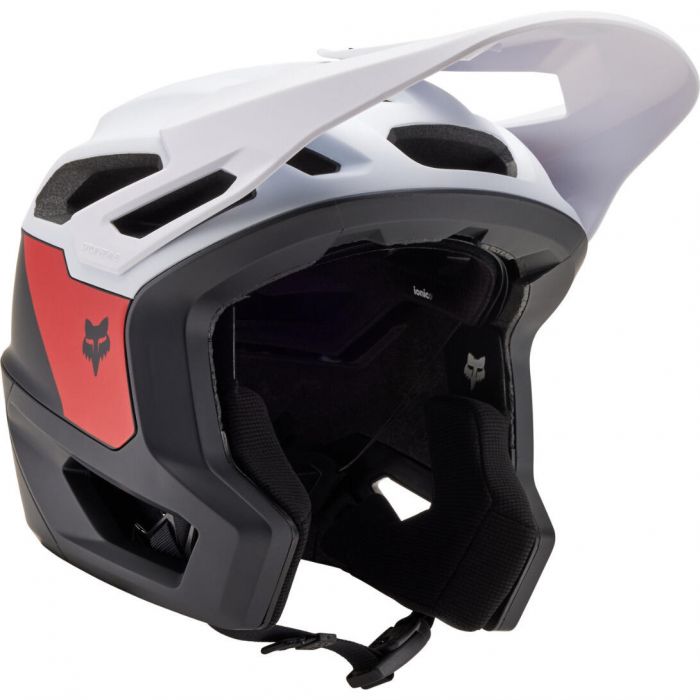
Fox Racing Dropframe Pro NYF MIPS MTB Helmet
$349.95$140.99 - $244.99 -
 40% off
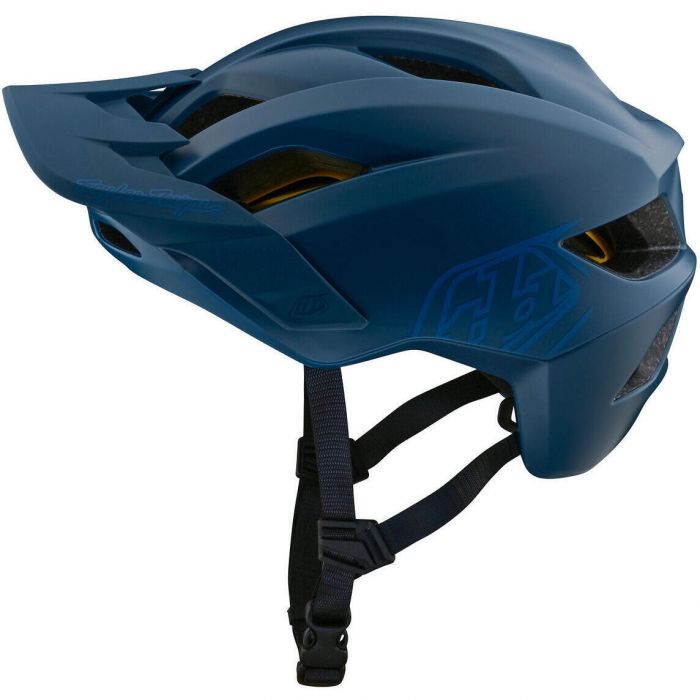
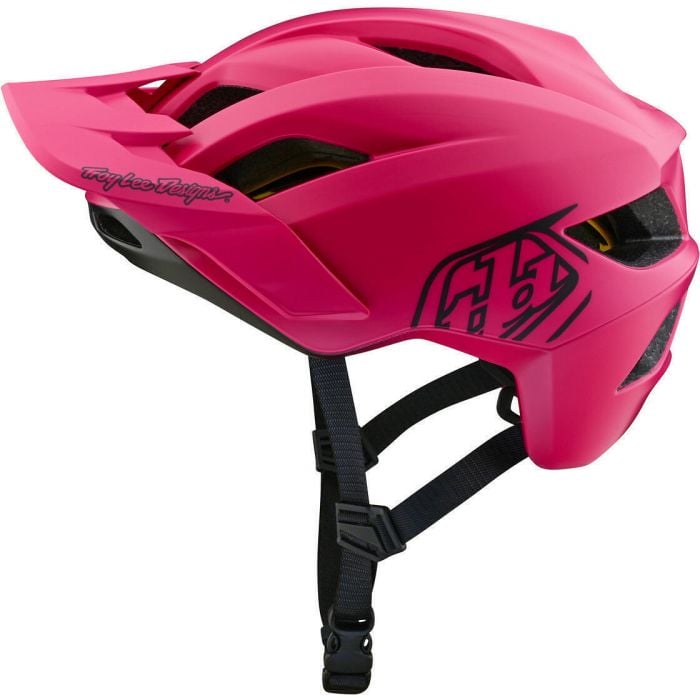

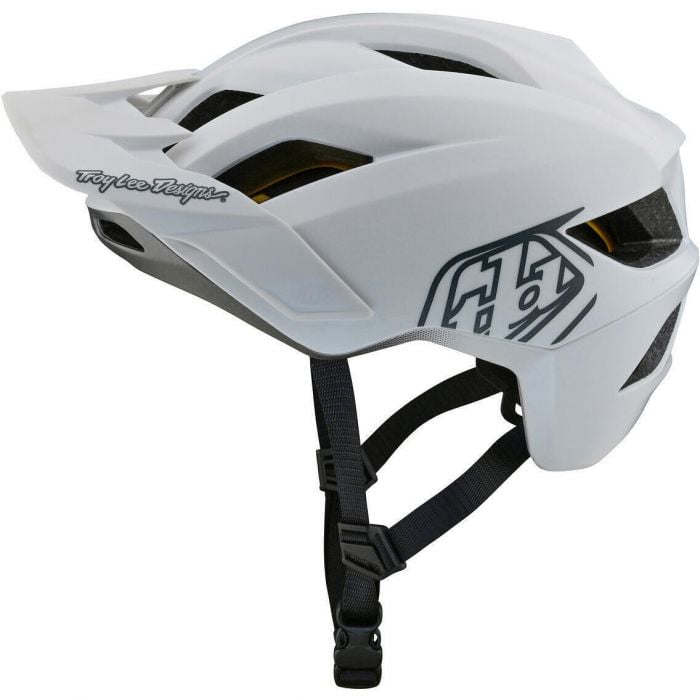
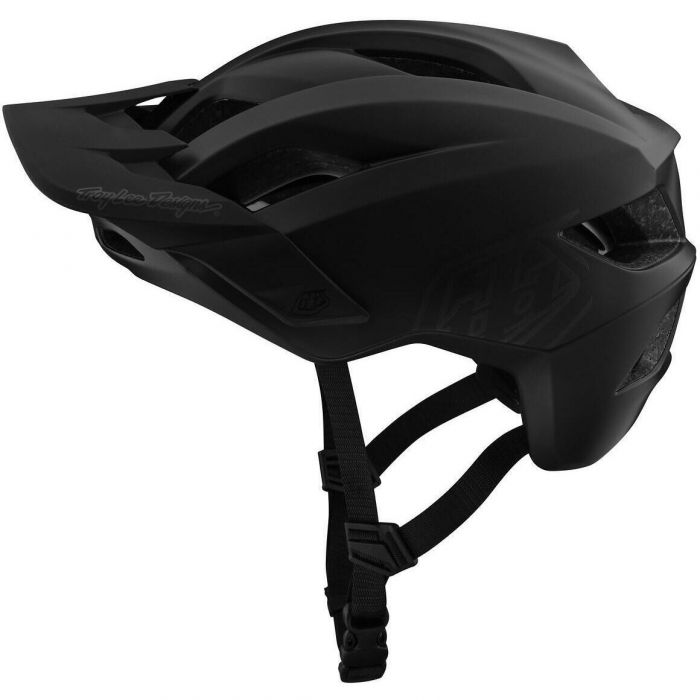
Troy Lee Flowline Point MIPS MTB Helmet - 2024
$149.99$89.99 - $99.99 -
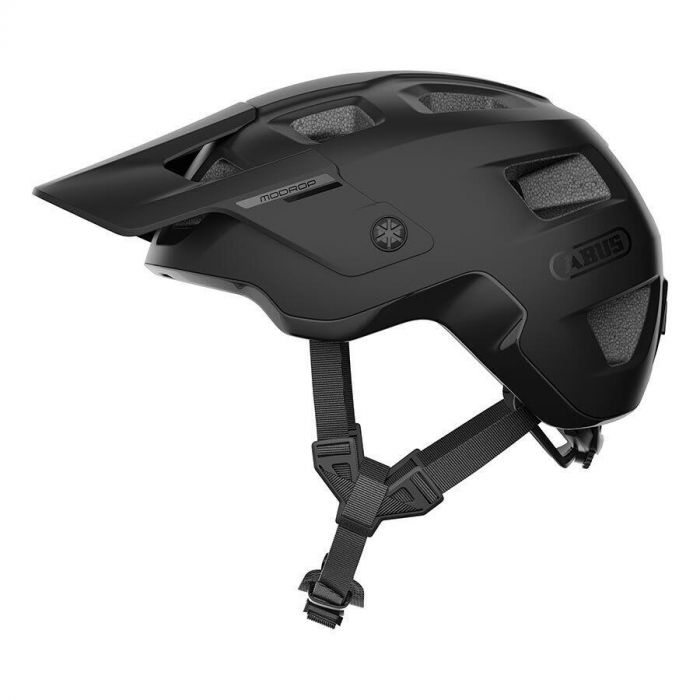
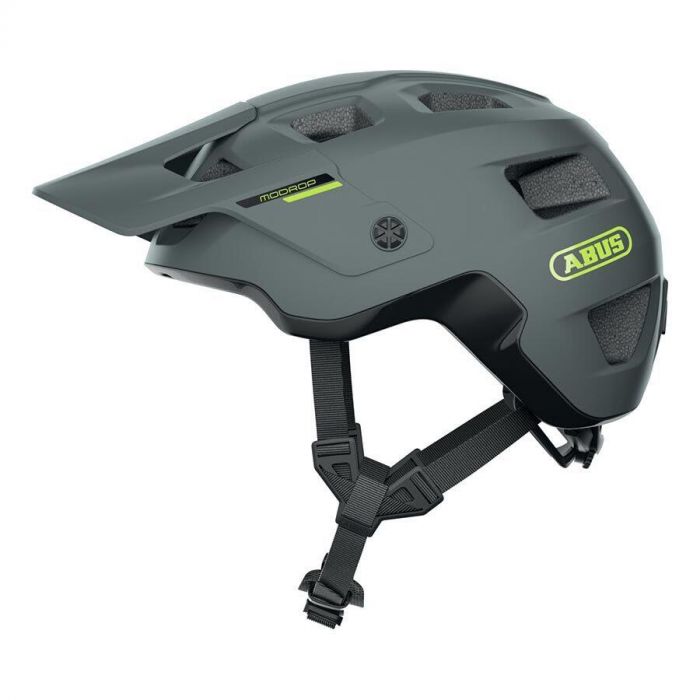
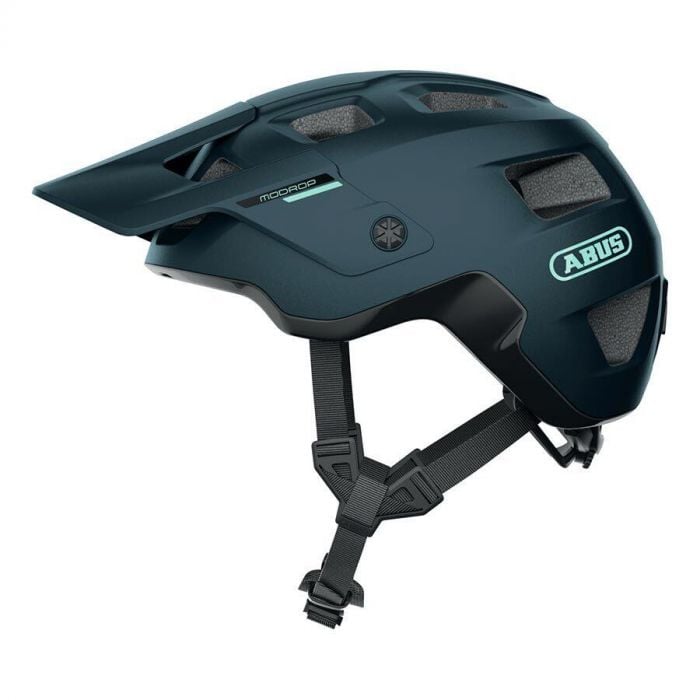
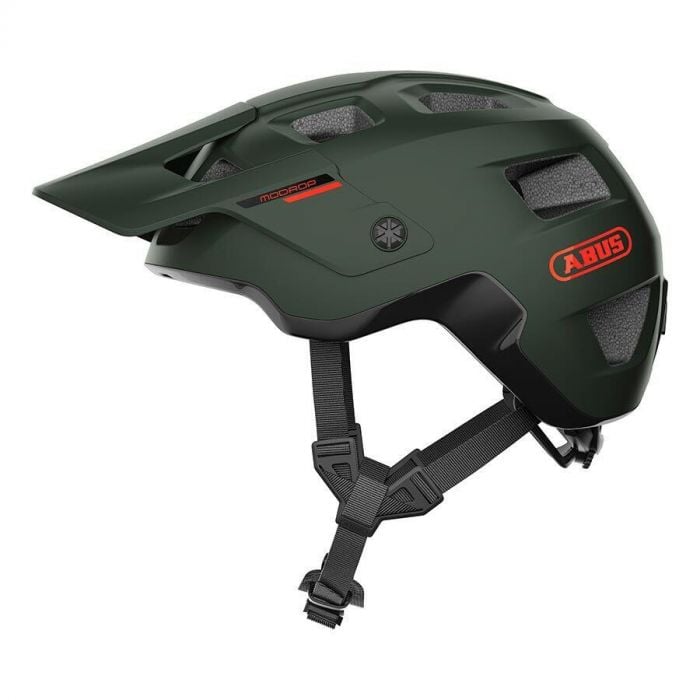
Abus MoDrop MTB Helmet
$120.99 - $147.99 -
 47% off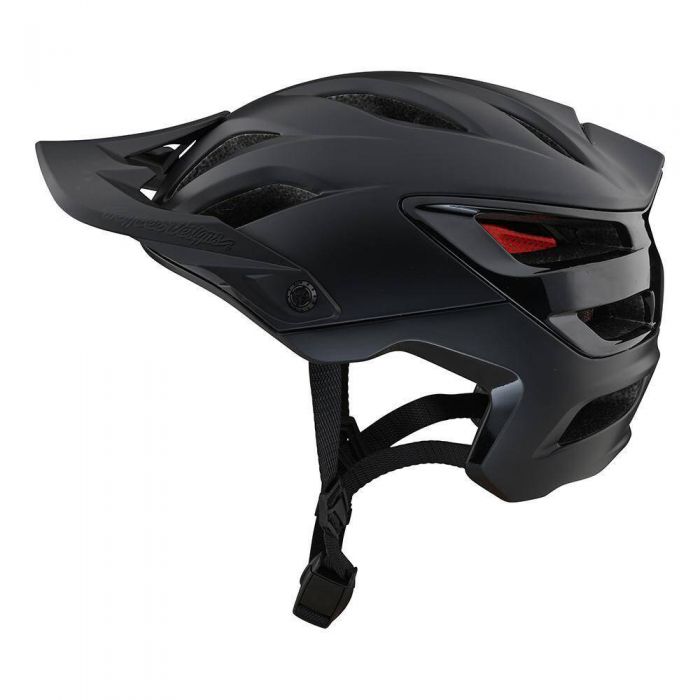


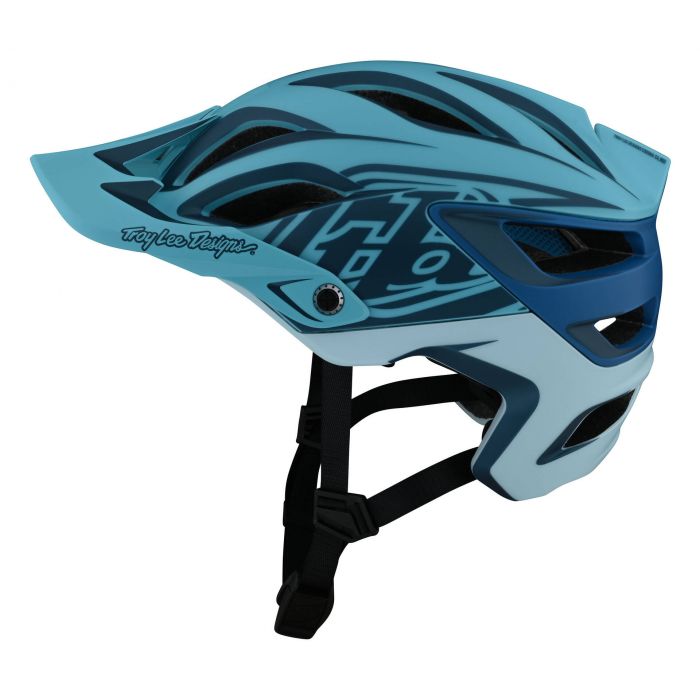
Troy Lee A3 Uno MIPS MTB Helmet - 2023
$319.99$166.99 - $319.99 -
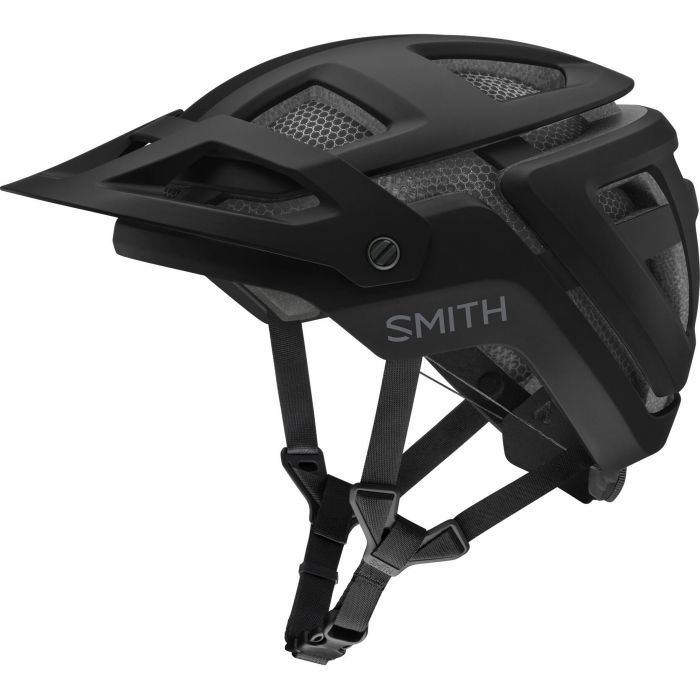
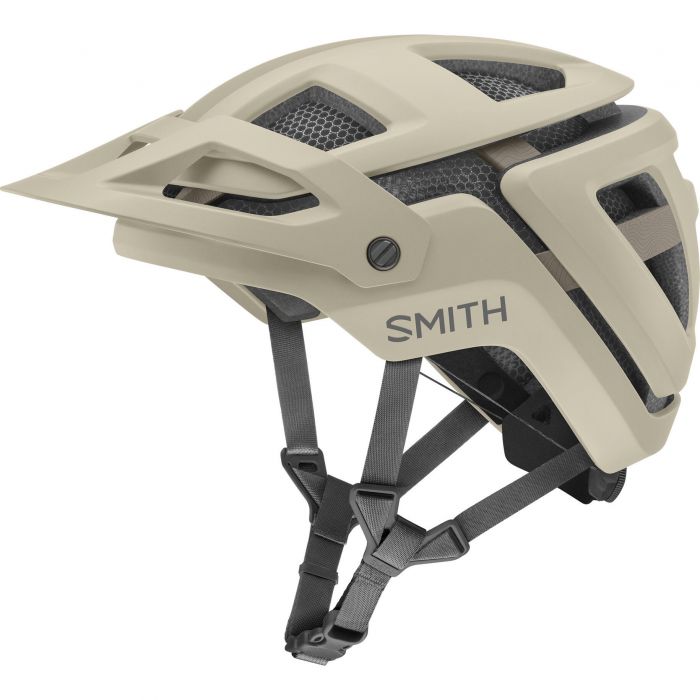
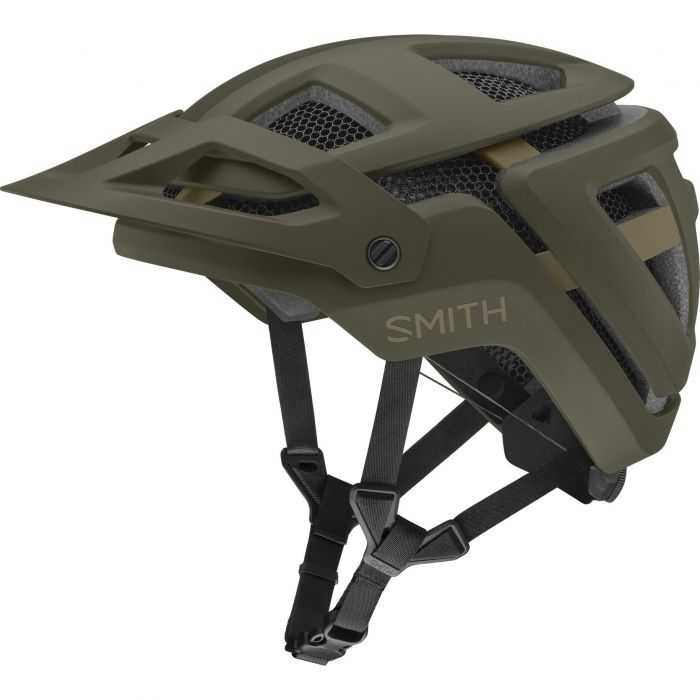
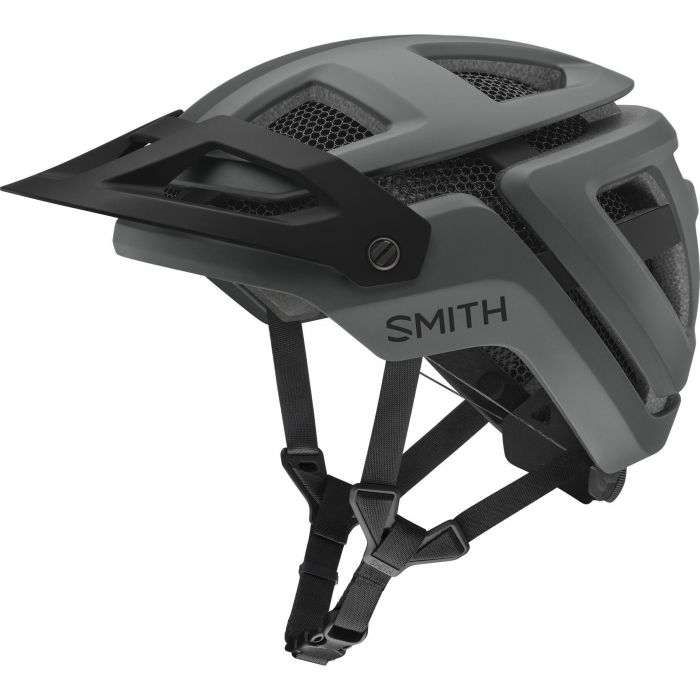

Smith Forefront 3 MIPS MTB Helmet
$320.00 -


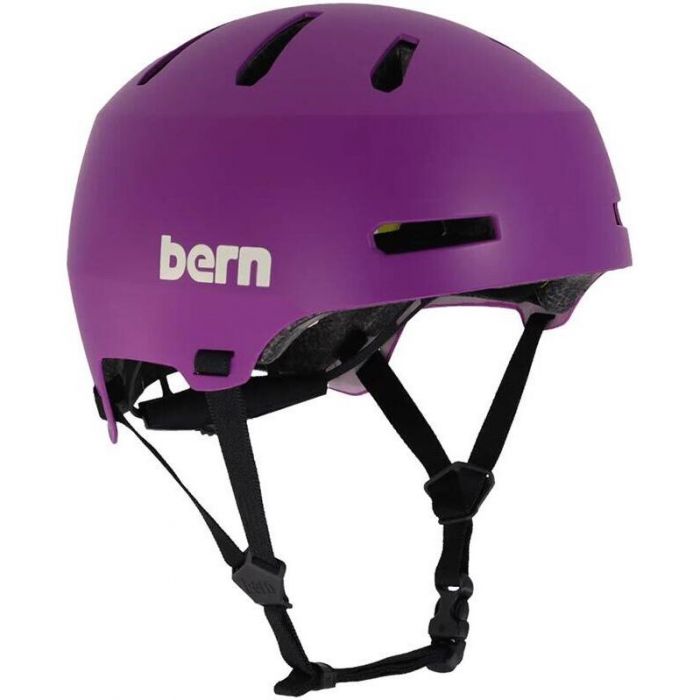

Bern Macon 2.0 MIPS Cycling Helmet
$134.99
About Open Face Helmets
Open-face MTB helmets are a compromise. This guide helps you choose the right one by matching coverage, cooling, and stability to how and where you ride (and how you tend to crash).
1. Open-Face MTB Helmet Types & When to Use Them
| Open face type | Typical terrain and demands | Helmet attributes you will want |
|---|---|---|
| Cross country and marathon | Long climbs, high heat, lots of hours, fewer high-consequence hits (ideally) | Low weight, aggressive ventilation, stable fit that does not pressure your forehead when you are breathing through your ears |
| Trail and all mountain | Mixed climbs and descents, roots, rocks, moderate speed, normal human riding | More rear and temple coverage than an XC lid, a visor that actually works, vents that still flow at low speed |
| Aggressive trail and Enduro | Steeper lines, higher speed, more chances to land on your head, but you refuse a chin bar | Deep coverage around the back and temples, excellent retention, rotational impact management, tougher shell coverage around the lower edge |
| Dirt jump, pump track, skate park | Repeated low-speed impacts, more contact with the ground and ramps, more helmet abuse | Harder outer shell durability, simpler venting (because you will trade airflow for fewer cracks and dents), snug fit that stays put when you ragdoll |
| Ebike and higher speed mixed-use | Heavier bike, sometimes higher average speed, more “commuter plus trail” reality | Extra coverage, strong retention, and if you are consistently riding faster, consider an ebike-oriented certification like NTA 8776 |
2. Safety Standards, Certifications & Testing for Bicycle Helmets
- CPSC 16 CFR Part 1203 (United States): Baseline legal safety standard for bicycle helmets sold in the US. It is pass fail, not “best in class.”
- CPSC “extended head coverage” labelling: Some helmets are labelled to the CPSC standard as “Age 1 and Older (Extended Head Coverage).” In plain terms, that usually means more coverage lower on the head, which is exactly what many trail helmets aim for.
- EN 1078 (Europe and UK aligned standards): Common standard for pedal cycle helmets in Europe. It is also pass fail, and it does not guarantee the helmet is great, only that it cleared the bar.
- Regulation (EU) 2016/425 (PPE framework in the EU): Helmets sold as PPE in the EU sit under this regulatory umbrella. Standards like EN 1078 are used to demonstrate compliance.
- AS/NZS 2063 (Australia and New Zealand): The relevant bicycle and wheeled recreation helmet standard in those markets. If you ride there, match the label to the local requirement instead of assuming CPSC or EN covers you.
- ASTM F1952 (downhill mountain bike racing): A more demanding standard intended for Downhill racing conditions, with greater impact protection expectations than basic bicycle standards. Most open-face trail lids will not meet it.
- NTA 8776 (speed pedelec and ebike oriented): Dutch certification scheme tied to NTA 8776, aimed at higher speed impacts and typically more coverage than a traditional bicycle helmet standard implies. Useful if your “mountain biking” includes high-speed mixed traffic or fast commuting segments.
- Independent testing (Virginia Tech Bicycle Helmet Ratings): Virginia Tech rates many bicycle helmets using their STAR system, considering both linear acceleration and rotational velocity across multiple impact scenarios. It is one of the few public tools that helps separate “passes the minimum” from “reduces risk better than average.”
- Why the minimum standard is not the finish line: Certification proves the helmet met a defined test, in a defined lab setup. Real crashes are messier, angled, and usually involve your body doing something dumb. Use standards as a gate, then choose features and fit like they matter, because they do.
3. Open-Face MTB Helmet Features & Trade-Offs
| Feature | Benefit | Trade off, what to watch for |
|---|---|---|
| Deeper rear and temple coverage | More protection where mountain bike crashes love to land you, especially when you go over the front and rotate | More heat, more weight, sometimes more neck interference with packs or jacket collars |
| Rotational impact management (slip layer systems) | Can reduce rotational forces in certain angled impacts, which is common in real falls | Adds cost and complexity, can change fit feel, and it is not a magic shield against bad decisions |
| Ventilation and internal channelling | Keeps you cooler on climbs and slow tech, helps sweat management | More vents can mean more noise, more entry points for mud and bees, and sometimes less structural robustness at the edges |
| Full wrap shell coverage around foam edges | Better durability against chips and trail abuse, helps the helmet survive being thrown in the truck | Can add weight and cost, sometimes reduces vent size or airflow |
| Visor (prefer adjustable and breakaway behaviour) | Sun and branch management, keeps rain and roost out, helps with goggle positioning | Can snag in a crash, can block upward vision on steep climbs if poorly positioned |
| Retention system quality (occipital support, stable cradle) | A helmet that stays put protects better. Period. Good retention also improves comfort because you do not over-tighten straps | More parts to break, can create pressure points if the cradle shape does not match your skull |
| Strap hardware and adjustment range | Proper strap geometry prevents roll back and keeps the helmet low and stable | Fiddly splitters and bulky buckles can rub your jaw or ears, especially with glasses |
| Eyewear and goggle storage | Useful if you climb with sunglasses then descend with goggles, or if you stash glasses in the front vents | Storage features can be gimmicky, and some designs press eyewear arms into your temples |
| Sweat management (brow pad design, sweat gutter) | Keeps sweat out of your eyes on climbs, reduces salt burn, improves comfort | Pads wear out, get gross, and if replacements are hard to find the helmet’s fit degrades over time |
| Accessory compatibility (lights, cameras) | Practical for dusk rides and visibility | Extra snag points, extra rotational mass, and plenty of mounts are not designed with crash behavior in mind |
4. Core Open-Face Helmet Designs Compared
- Option A: In-mould shell with EPS foam
- Ideal user: XC, trail, riders who care about weight and airflow.
- Strengths: Light, well-ventilated, usually more comfortable over long rides.
- Limitations: Less tolerant of daily abuse. Dents and edge chips happen, especially if the helmet lives loose in a gear bag.
- Option B: Hard shell (typically thicker outer shell)
- Ideal user: Dirt jump, pump track, skate park, anyone who treats helmets like disposable tools.
- Strengths: Better resistance to dings and scrapes from repeated contact and rough handling.
- Limitations: Heavier, warmer, often less ventilated. You notice it on long climbs.
- Hybrid: In-mould with reinforced lower shell coverage
- Ideal user: Trail riders who want the lighter feel but also destroy gear.
- Strengths: Better edge durability without going full hard shell.
- Limitations: More breathable, still not as abuse-proof as a true hard shell, and you can pay nearly the same weight penalty anyway.
5. Fit, Compatibility & Comfort for MTB Open-Face Helmets
- Fit is safety, not comfort fluff: If the helmet can rotate on your head, it can rotate off the part of your head that needs protection. A stable helmet is a safer helmet.
- Position check: Wear it level and low enough to protect the forehead. If it is perched high because “it feels airy,” you built a forehead target.
- Stability test: Buckle it, tighten the retention, then shake your head like you are disagreeing with a bad line choice. The helmet should move your scalp, not slide over it.
- Strap geometry matters: Straps should form a clean V around each ear, with no twists. Chin strap should be snug enough that opening your mouth pulls the helmet down slightly.
- Eyewear compatibility: Try it with your riding glasses. Some helmets create temple pressure that feels fine in the shop and turns into a migraine after an hour of chatter.
- Goggle reality: If you run goggles with an open face, check visor clearance and strap routing. Some helmets push goggles down your nose or lift the helmet at the rear, which wrecks both comfort and safety.
- Head shape is a silent deal breaker: Two helmets can be the same size and one will hot spot your forehead because the internal shape is wrong. If you feel a concentrated pressure point in the first minute, it will be unbearable in the first climb.
- Heat and sweat: More coverage usually means more heat. If you ride humid forests, prioritize vent layout and pad materials, not just vent count.
- Cold and wet: A thin skull cap can change fit. Try the helmet with the thickest thing you plan to wear under it so you do not accidentally size yourself into wobble season.
6. Open-Face MTB Helmet Care, Maintenance & Lifespan
- One real impact, one retirement: Replace any helmet that has been involved in a crash or shows damage. Damage to the energy-absorbing liner is not always visible.
- Post-ride inspection takes ten seconds: Look for shell cracks, compressed foam, loose retention hardware, and straps that are fraying or slipping. If the retention dial feels gritty or inconsistent, it is not “fine,” it is failing.
- Lifespan is not infinite: Even without a crash, UV exposure, sweat, and general abuse add up. A common rule of thumb is around five years for frequent use, sooner if the helmet lives in the sun or gets knocked around.
- Cleaning: Use mild soap and water. Rinse sweat out of pads, air dry, and do not cook it on a dashboard.
- Do not modify it: No drilling, no creative solvents, no mystery adhesives. The helmet was tested as built, not as your arts and crafts project.
- Pad replacement is not cosmetic: Worn pads change fit. Changed fit changes crash behaviour. If replacement pads are unavailable, that is an ownership cost you should factor in at purchase time.