









































Saddles
-
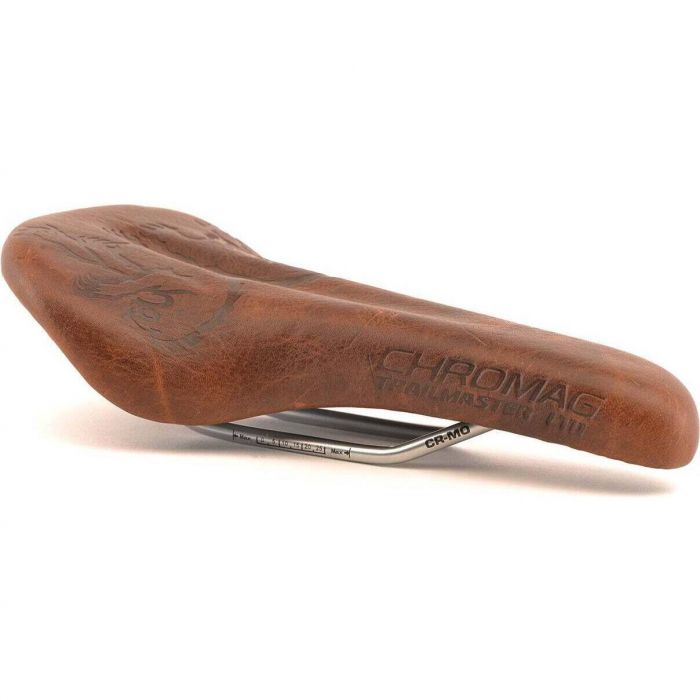
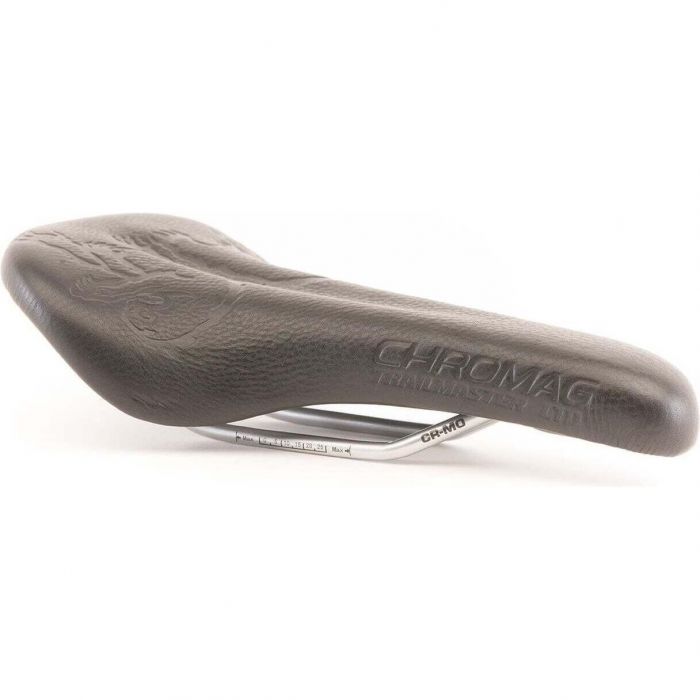
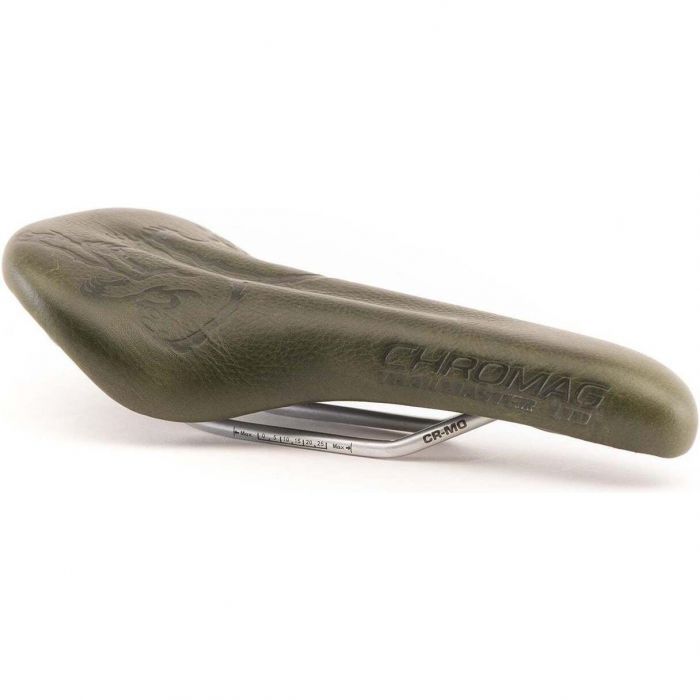
Chromag Trailmaster LTD Saddle
$156.99 -
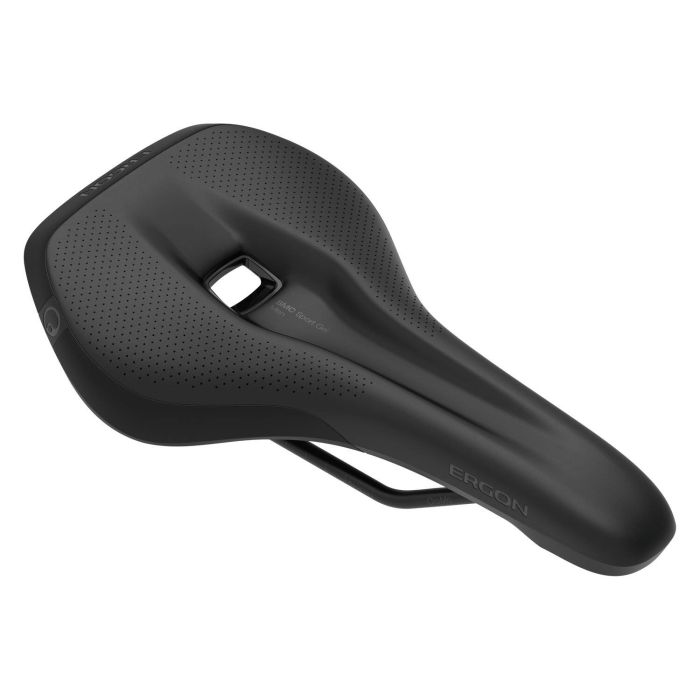
Ergon Mens SMC Sport Gel Saddle
$149.99 -

WTB Volt MTB Saddle
$63.99 - $151.99 -
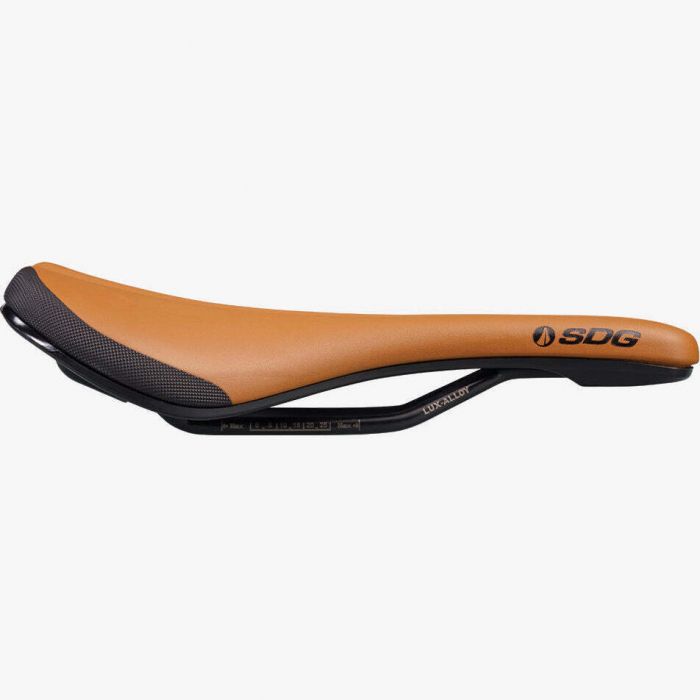

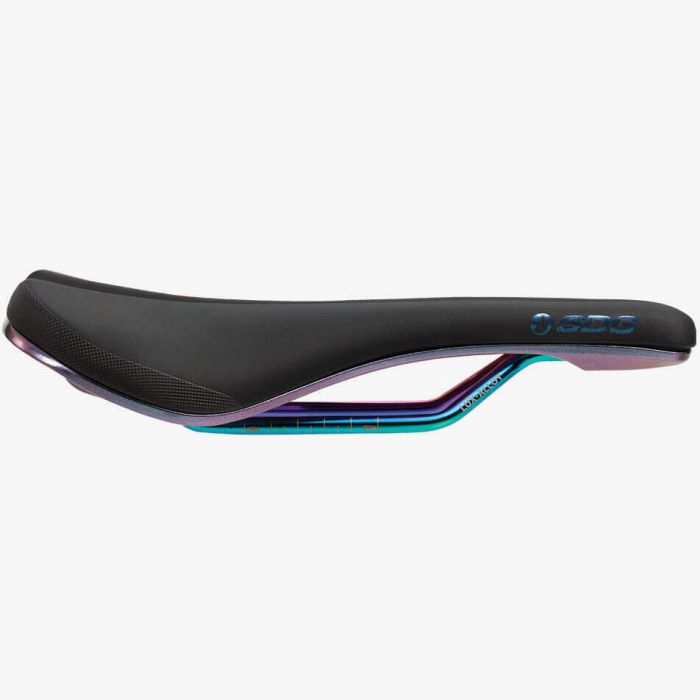
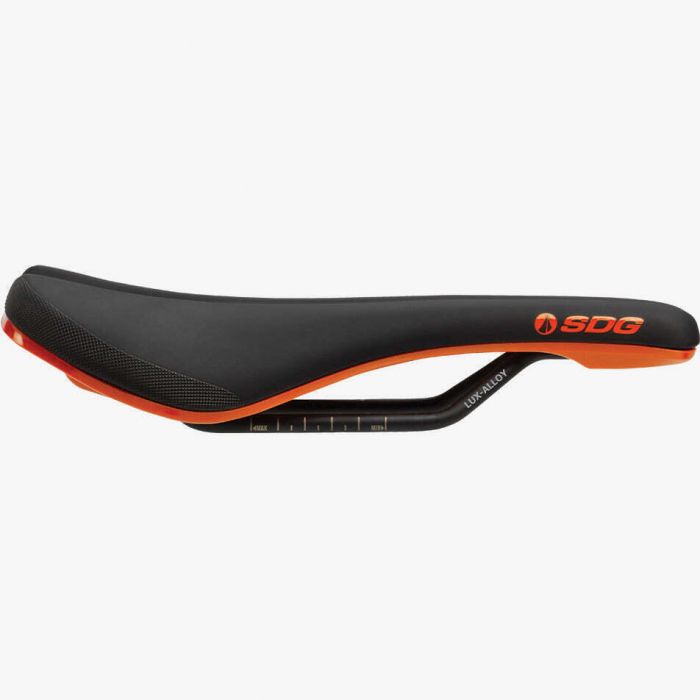
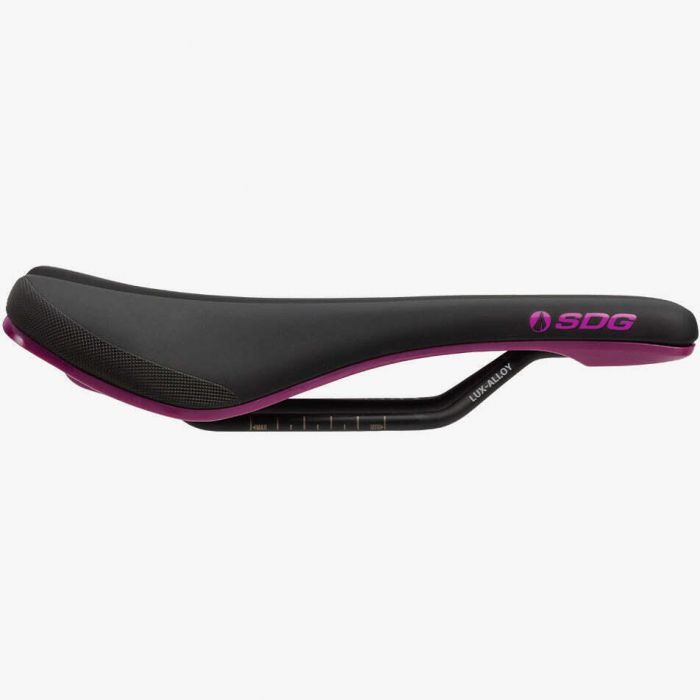
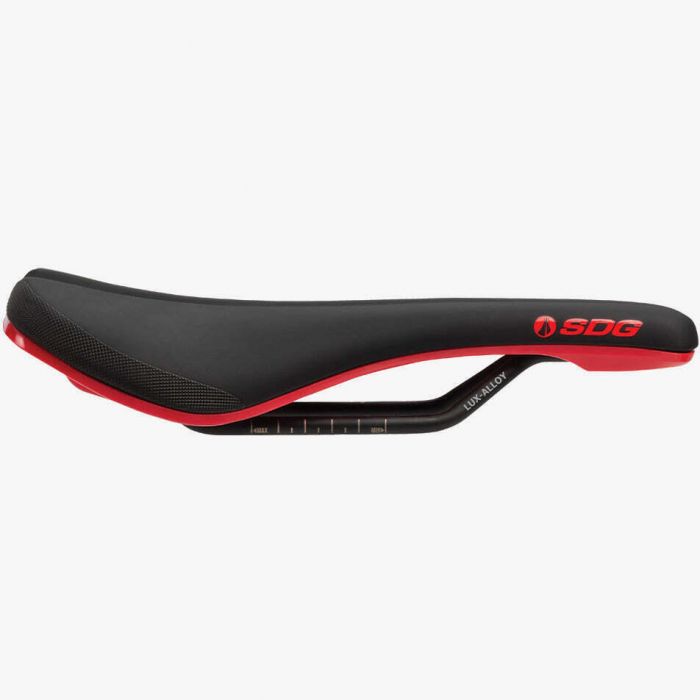
SDG Bel-Air V3 Seat
$93.99 - $139.99 -


Selle Italia SLR Boost Kit Carbonio Superflow Saddle
$476.99 - $479.99 -
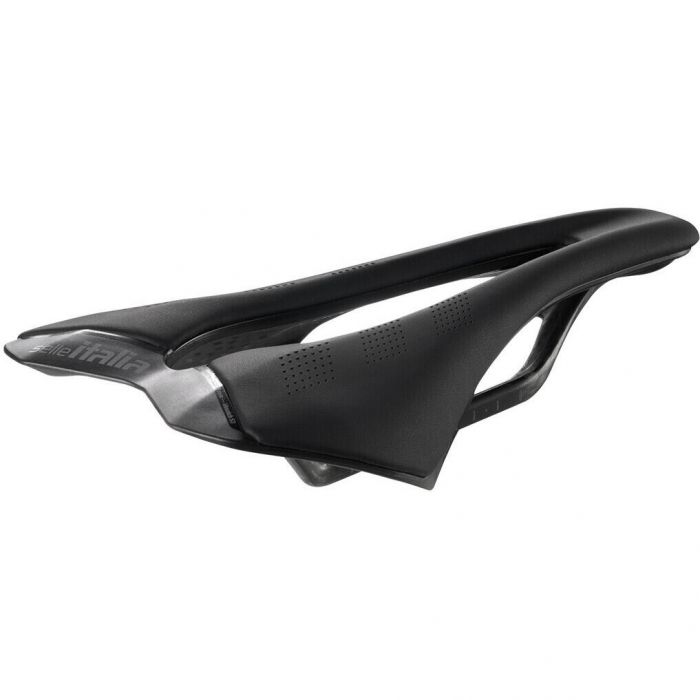
Selle Italia SLR Carbon Saddle
$474.99 -
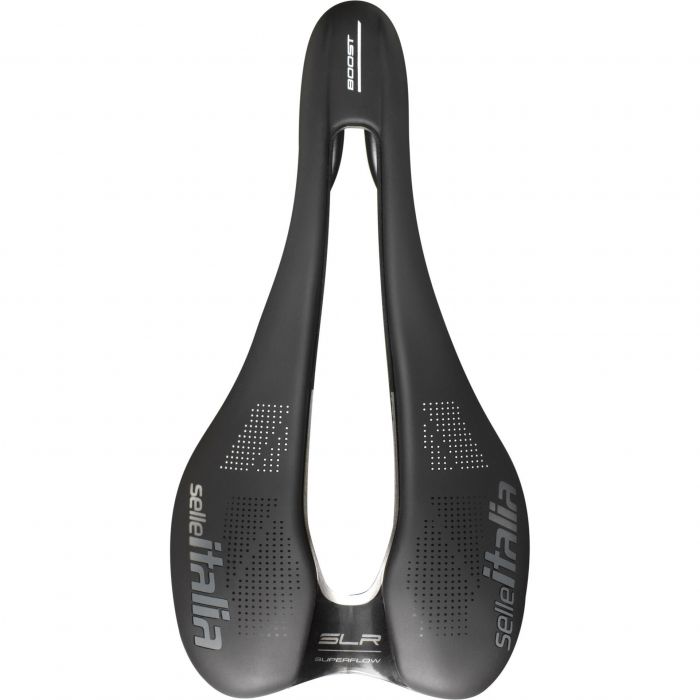
Selle Italia SLR Boost TM Superflow Saddle
$201.99 -
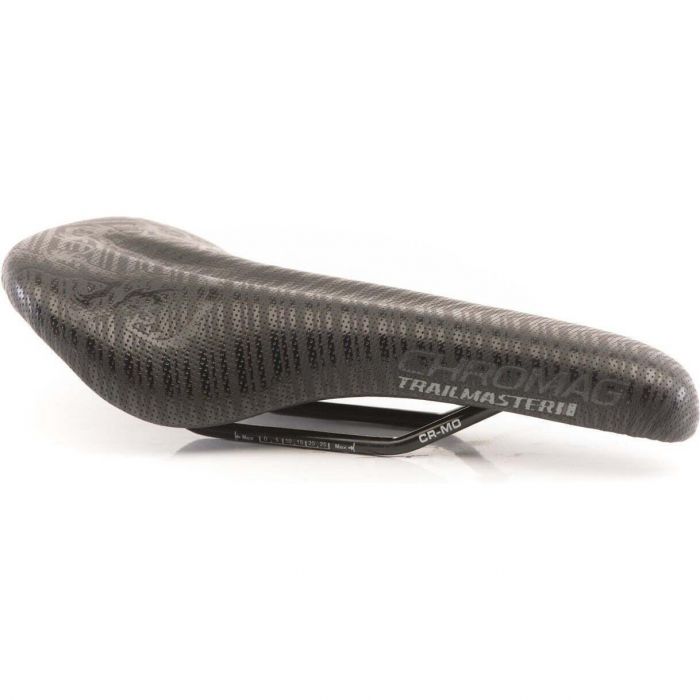
Chromag Trailmaster Saddle
$90.99 -
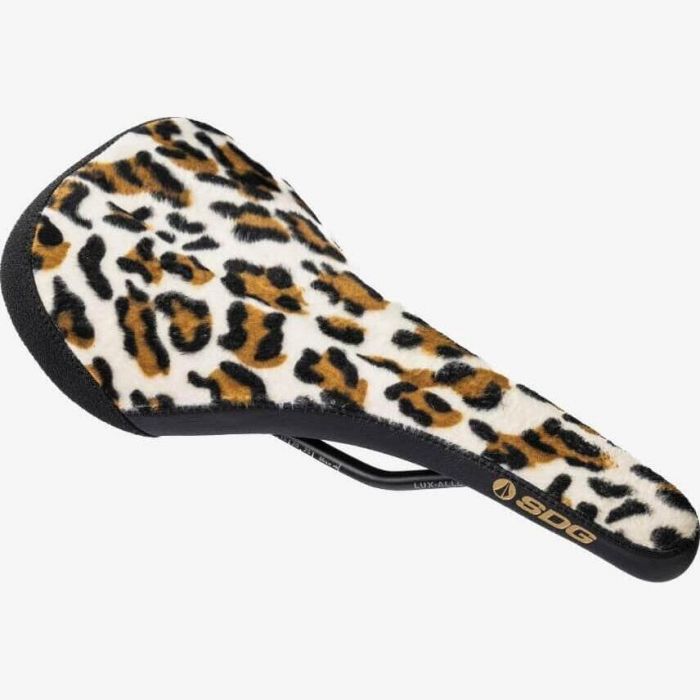


SDG Bel-Air V3 Animal Throwback Seat
$117.99 -
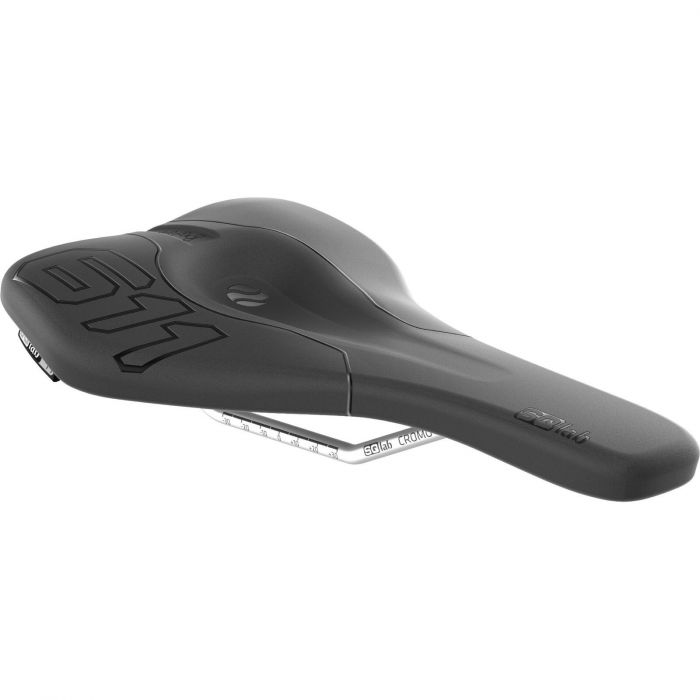
SQlab 611 Ergowave CrMo Saddle
$167.99 -
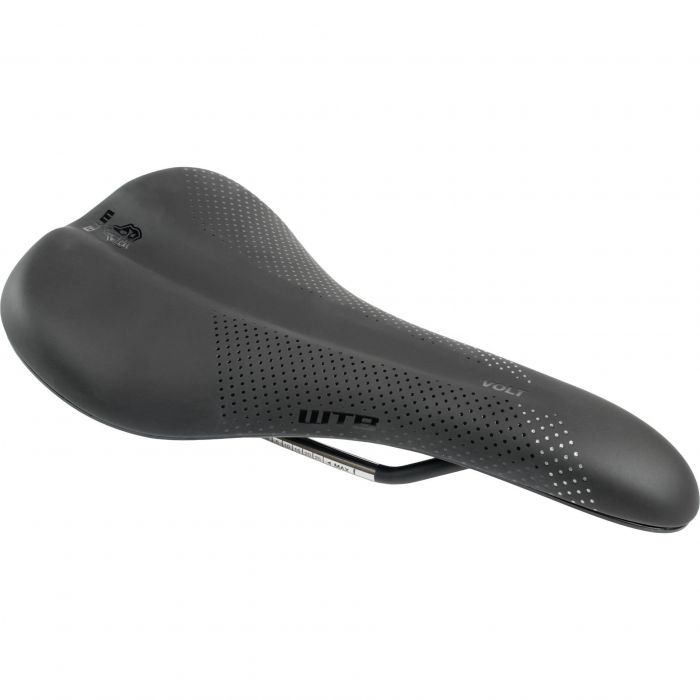
WTB Volt Fusion Form MTB Saddle
$152.99 - $312.99 -
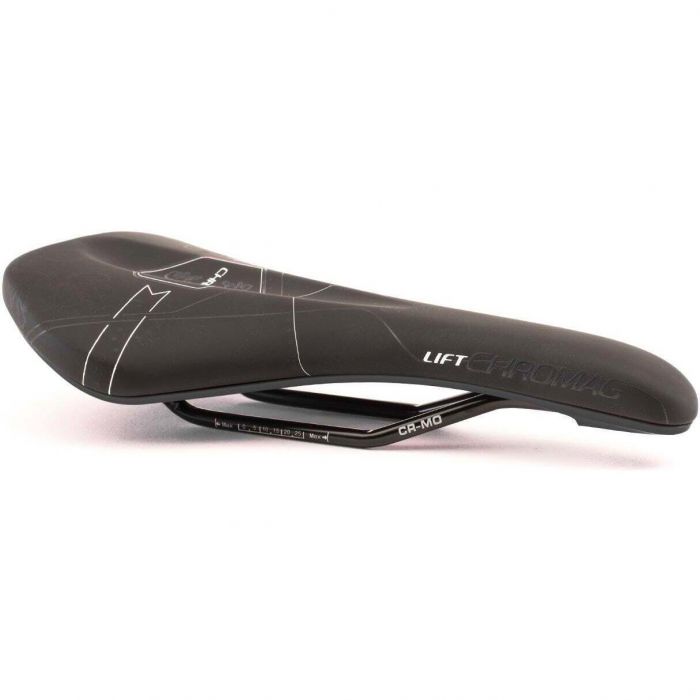
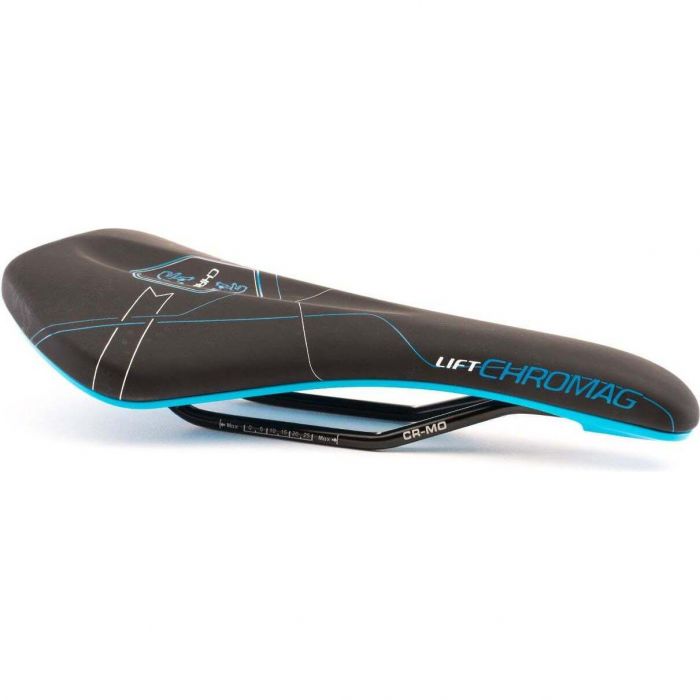
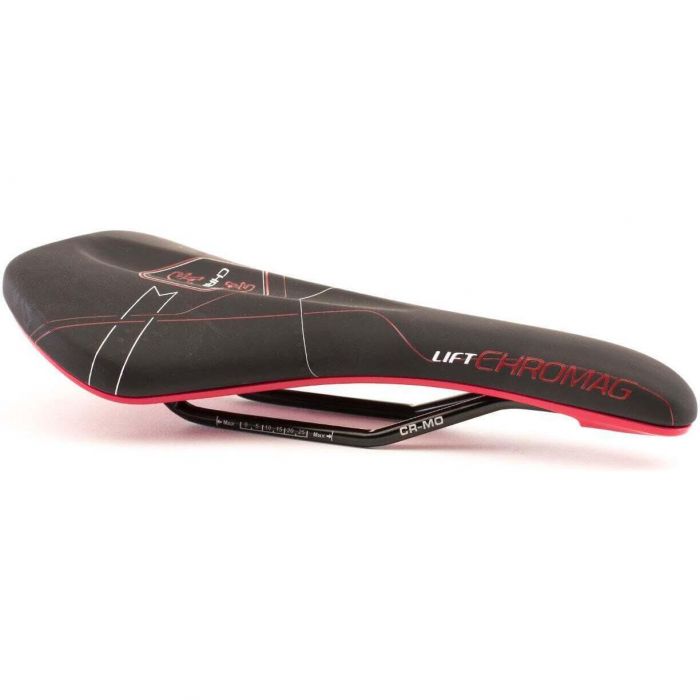
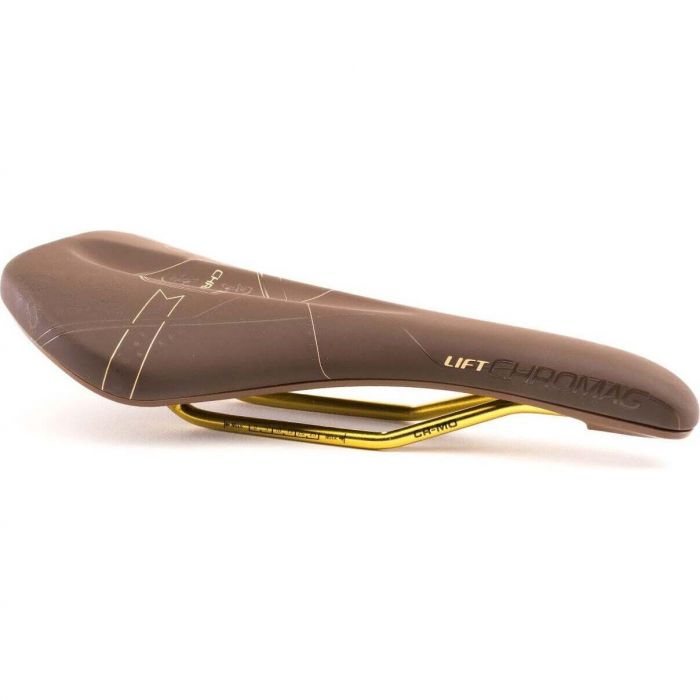
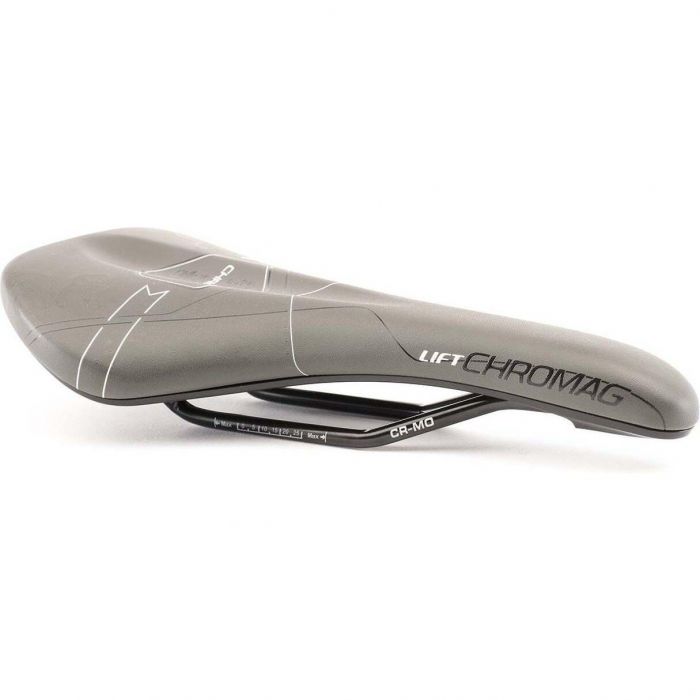
Chromag Lift Saddle
$90.99 - $115.99 -

Ergon Mens SM Pro MTB Saddle
$179.99 -
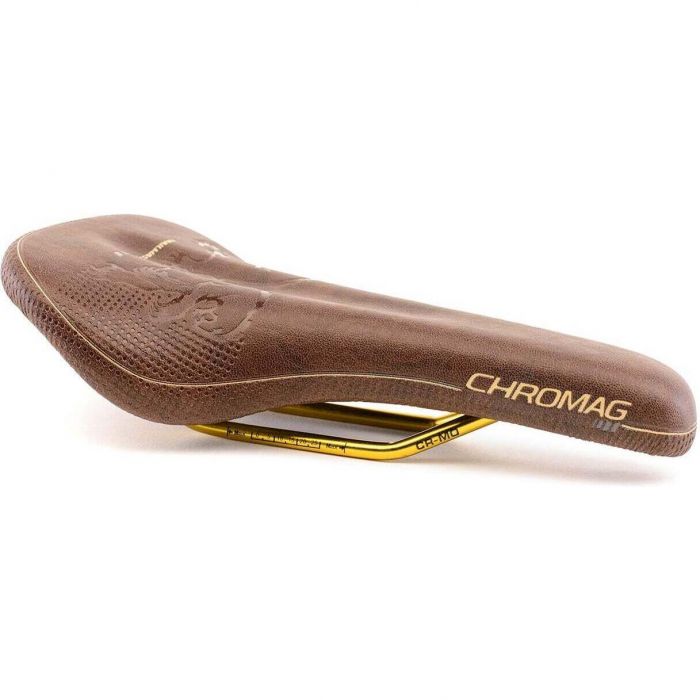

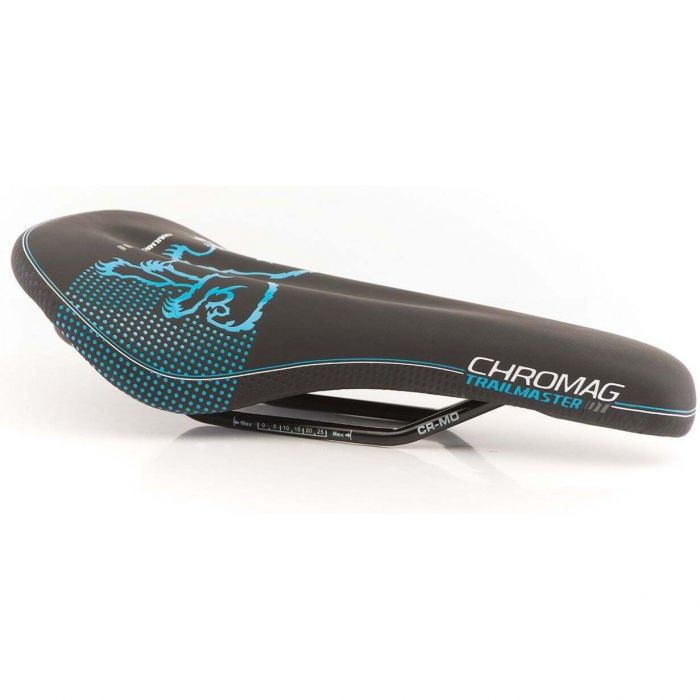
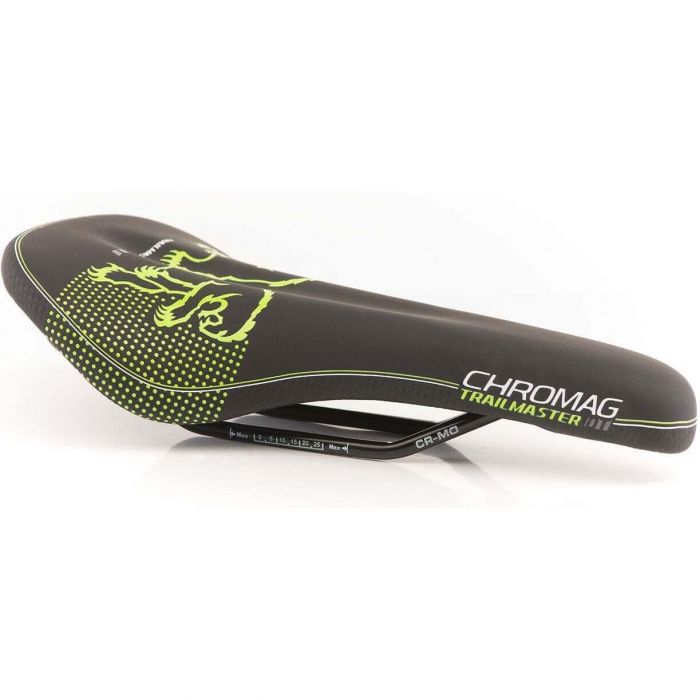
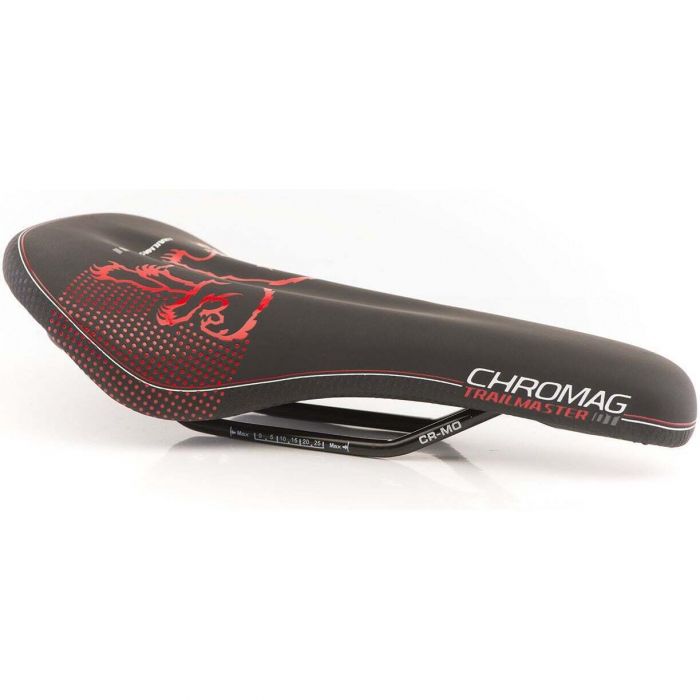
Chromag Trailmaster DT Saddle
$84.99 - $102.99 -

Selle Italia SLR Boost Gravel TI 316 Superflow Saddle
$392.99 - $405.99 -
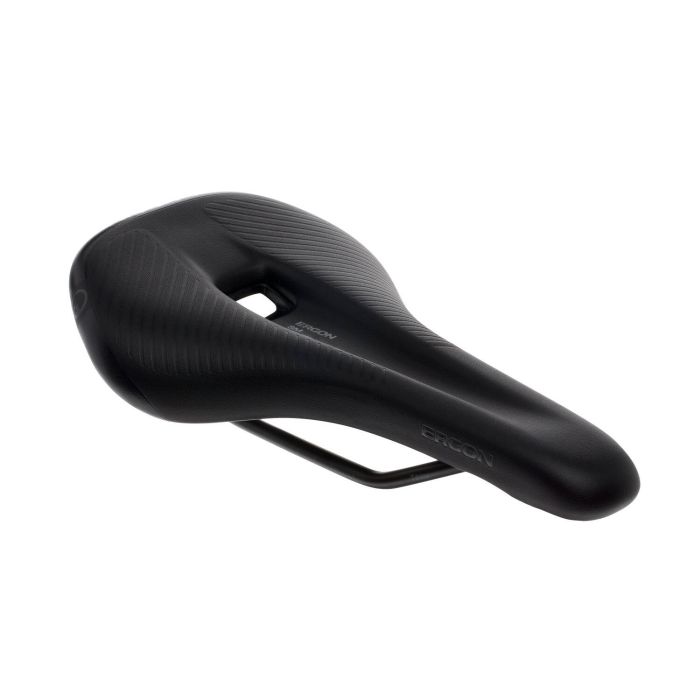
Ergon Mens SM Comp MTB Saddle
$149.99 -
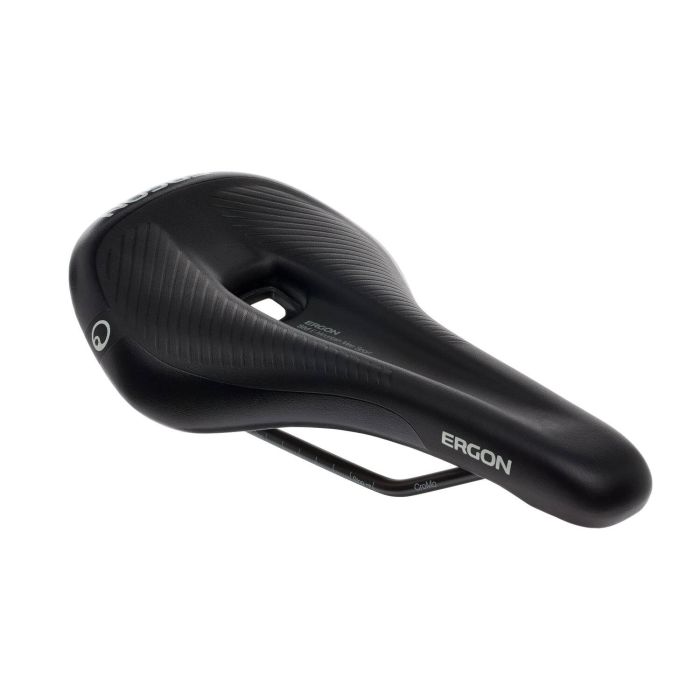
Ergon Mens SM E-Mountain Sport MTB Saddle
$149.99 -
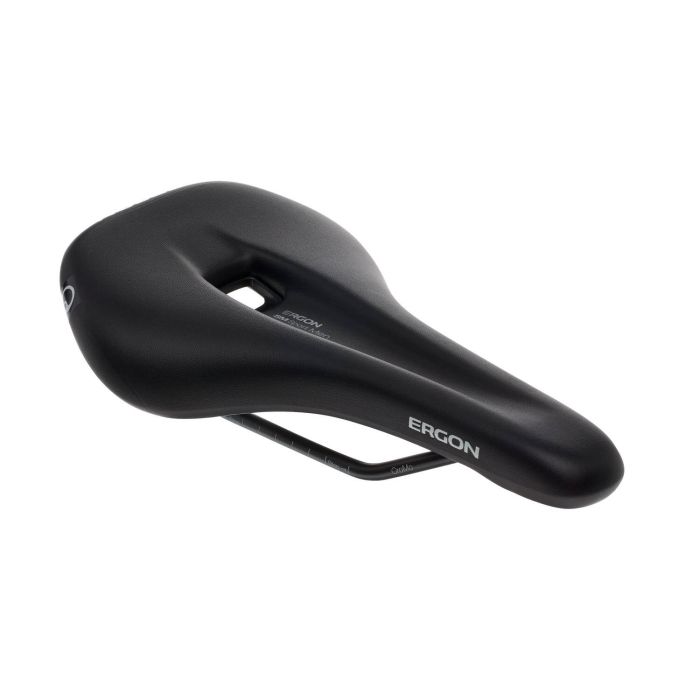
Ergon Mens SM Sport MTB Saddle
$119.99 -

Ergon Mens SR Allroad Core Pro Saddle
$239.99 -
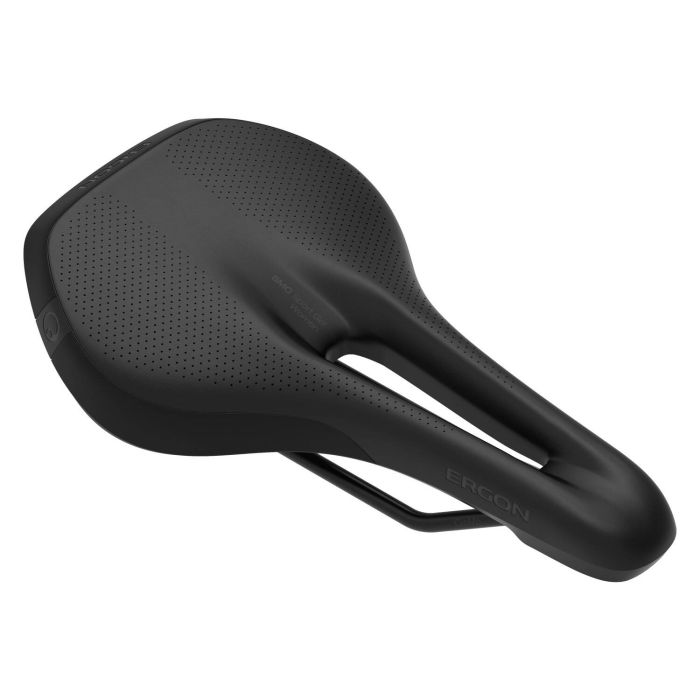
Ergon Womens SMC Sport Gel Saddle
$149.99 -
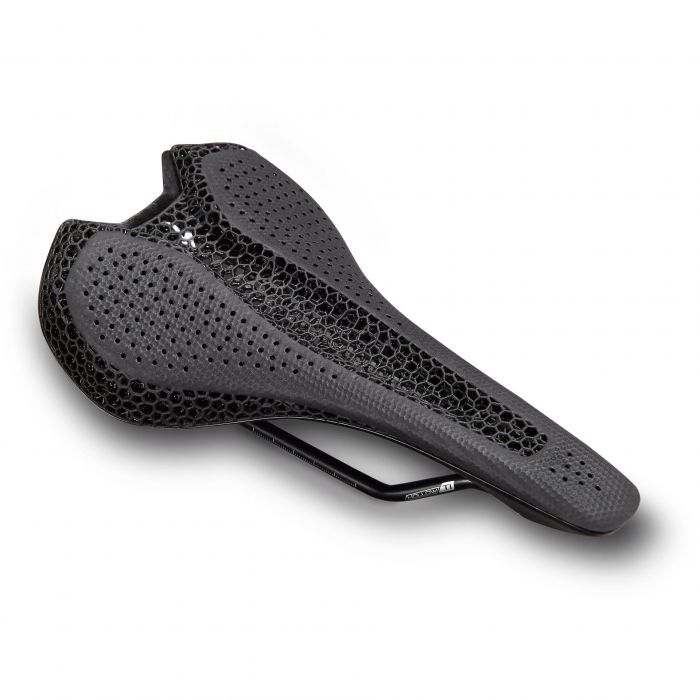
Specialized Romin EVO Pro Mirror Saddle
$449.99 -

Selle Italia WATT 3D Kit Carbonio Superflow Saddle
$529.99 -
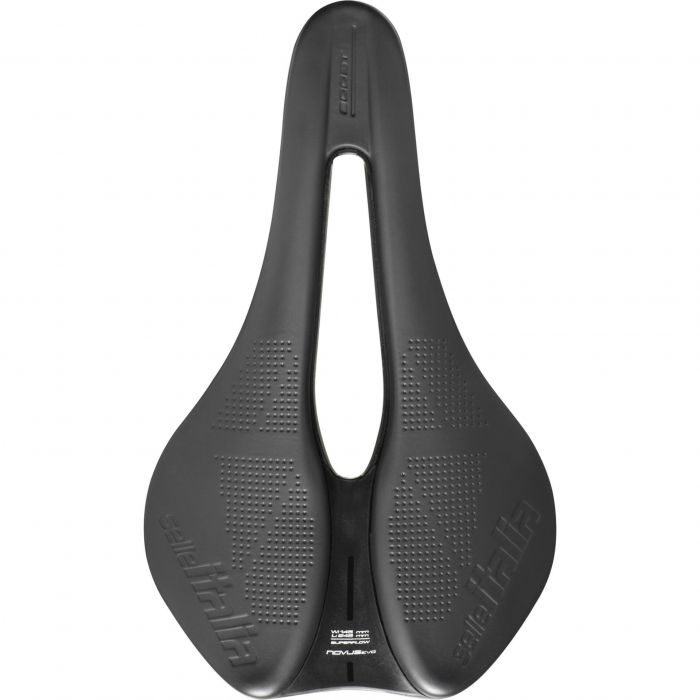
Selle Italia Novus Boost Evo Superflow Saddle - 080A920REC001
$102.99 -

WTB Silverado Fusion Form MTB Saddle
$81.99 - $312.99 -
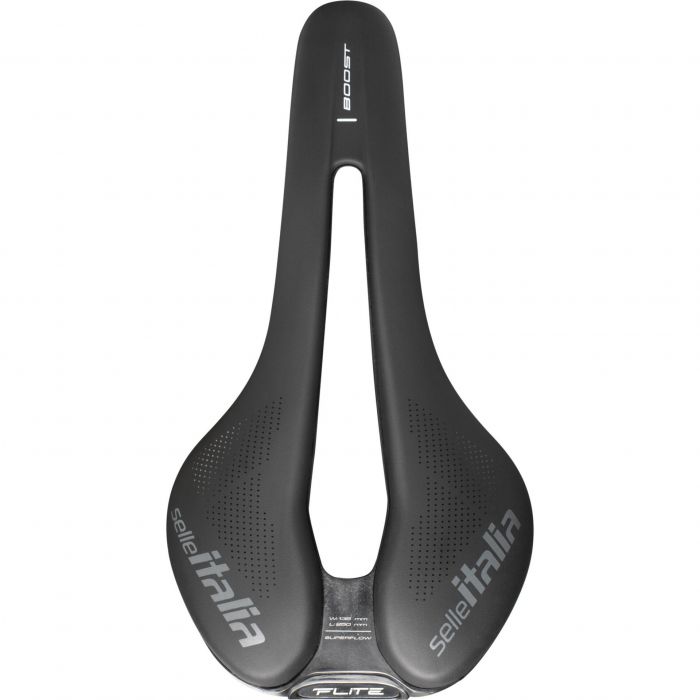
Selle Italia Flite Boost TM Superflow Saddle
$199.99 -

Ergon Mens SM Enduro Saddle
$119.99 -
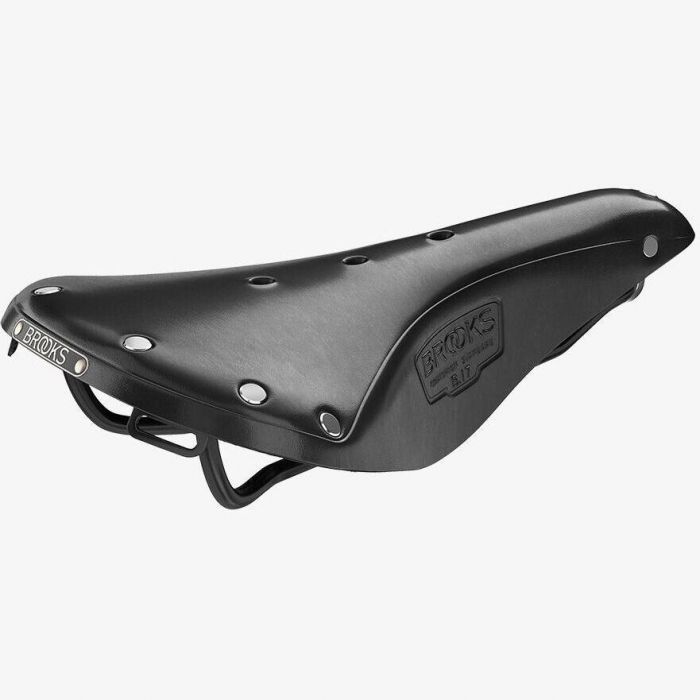

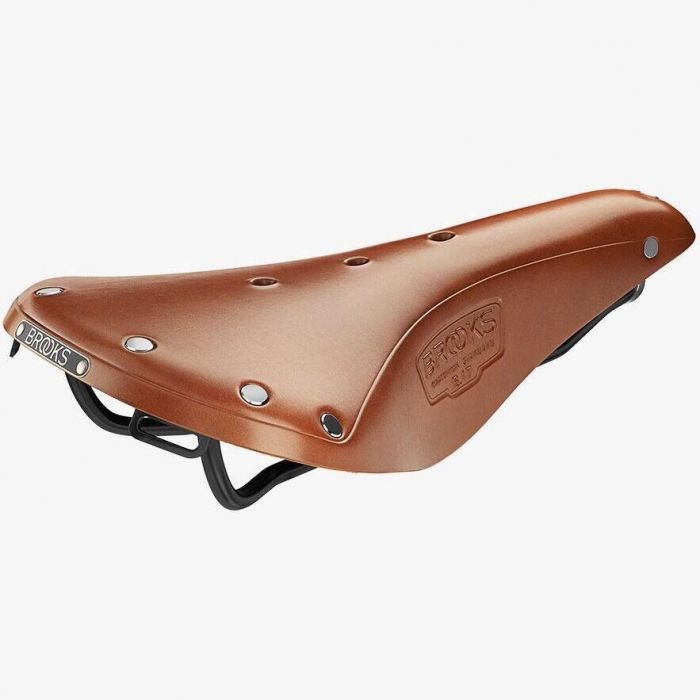
Brooks B17 Saddle
$229.99 -
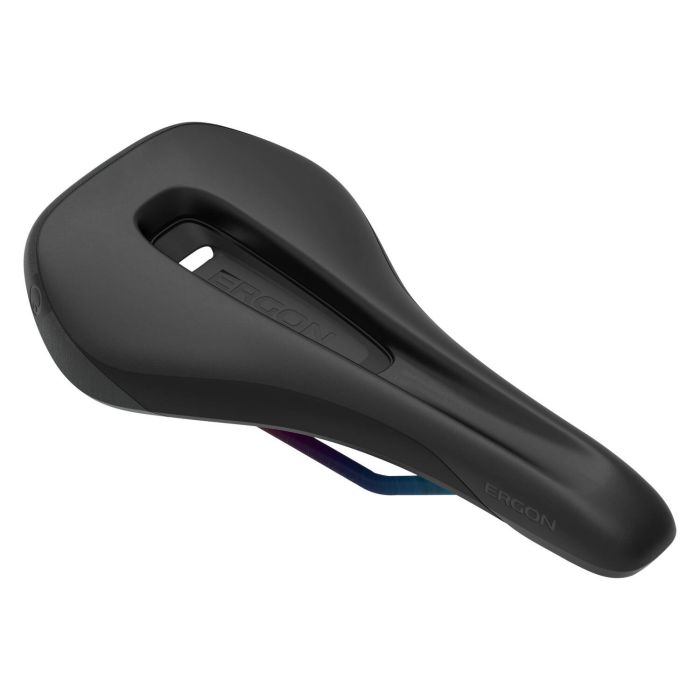
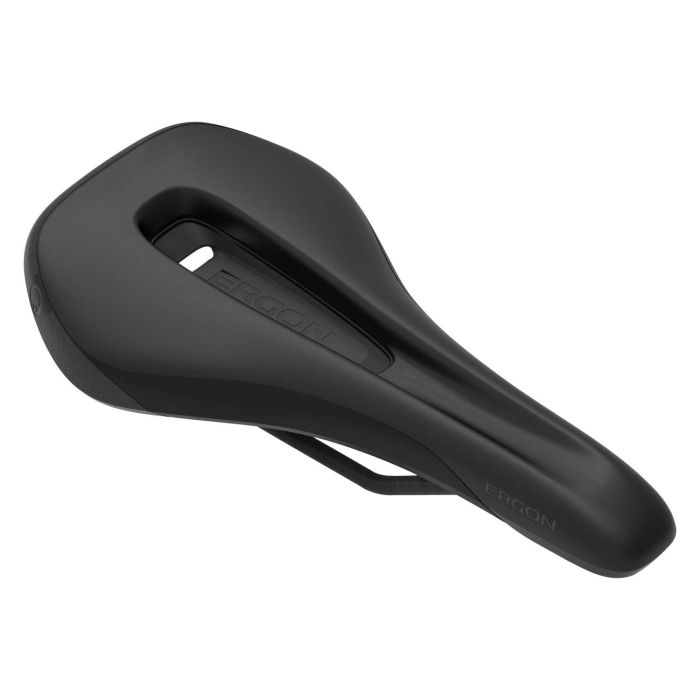
Ergon Mens SM Enduro Comp Saddle
$149.99 -
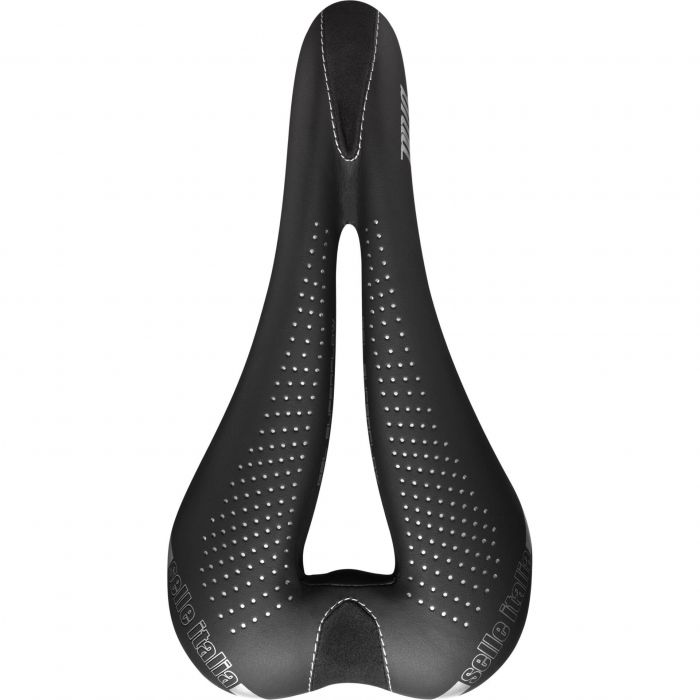
Selle Italia Diva Gel Superflow Saddle
$183.99 - $189.99 -
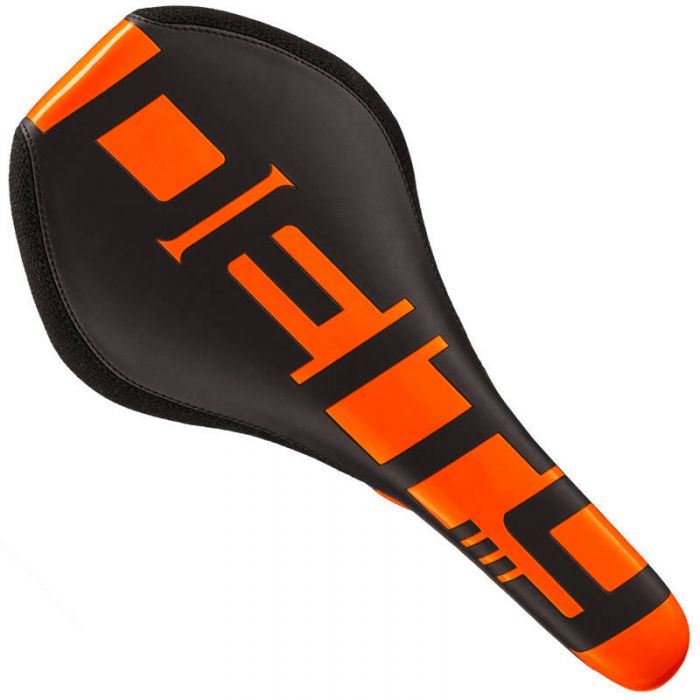
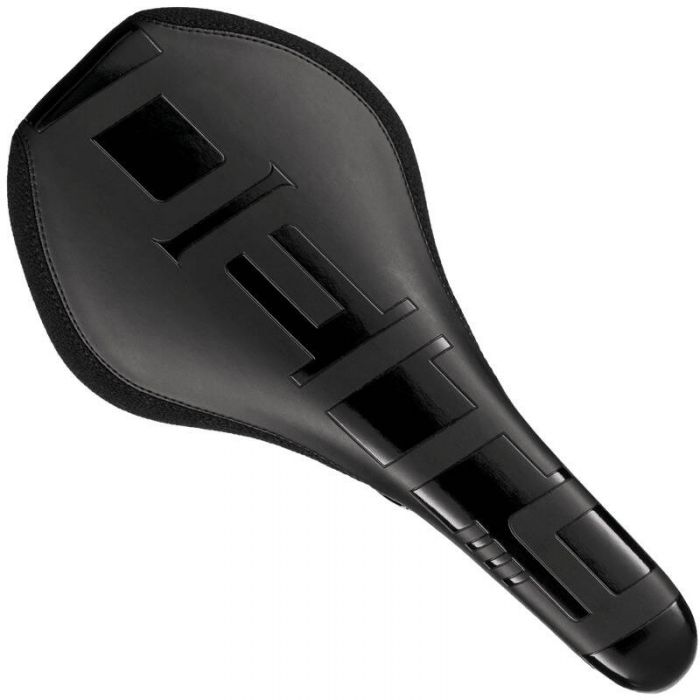
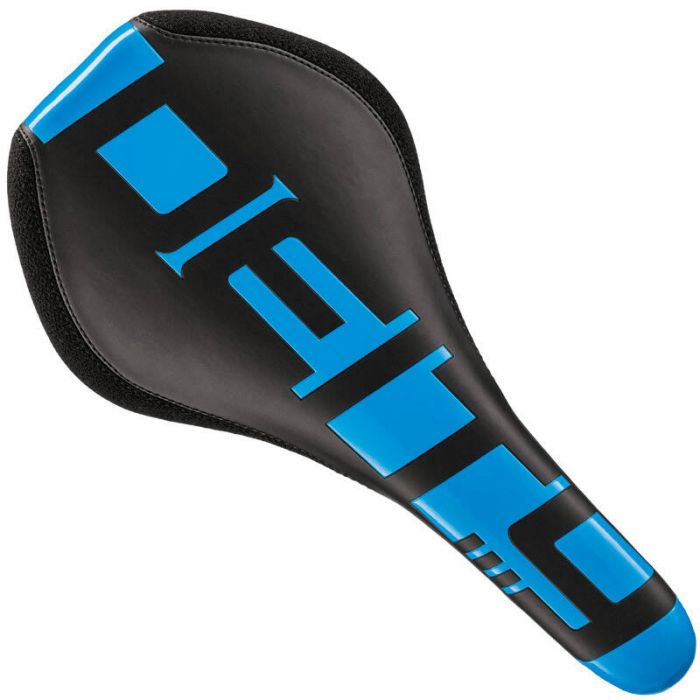

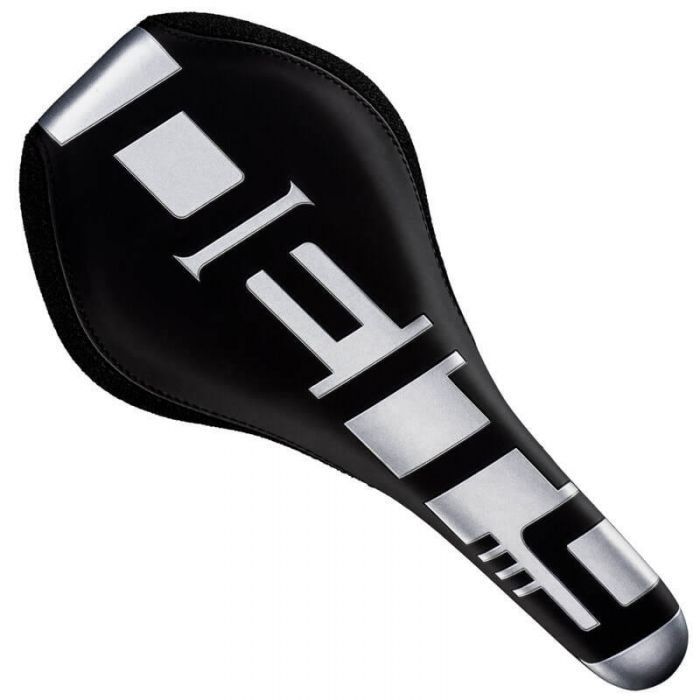
Deity Speedtrap Seat
$99.99 -

Selle Italia Novus Boost Evo 3D Kit Ti 316 Superflow Saddle
$355.99 -
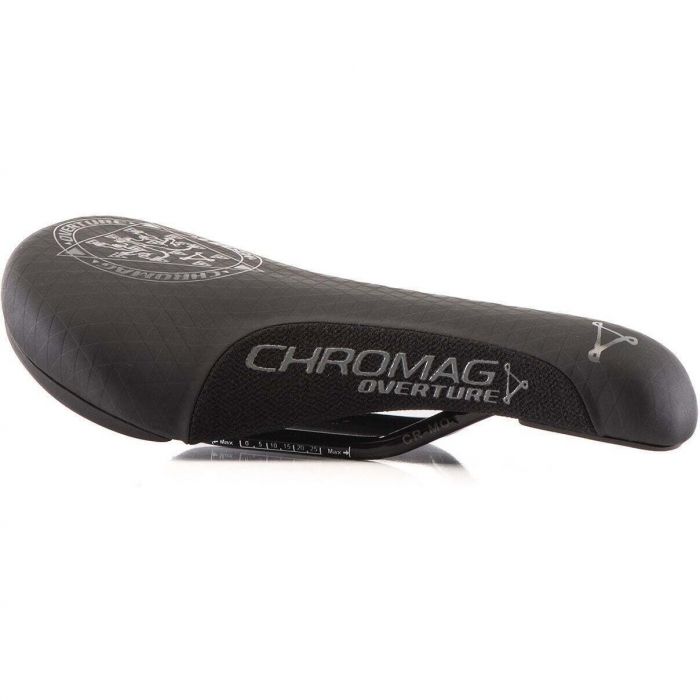

Chromag Overture LTD Saddle
$86.99 -
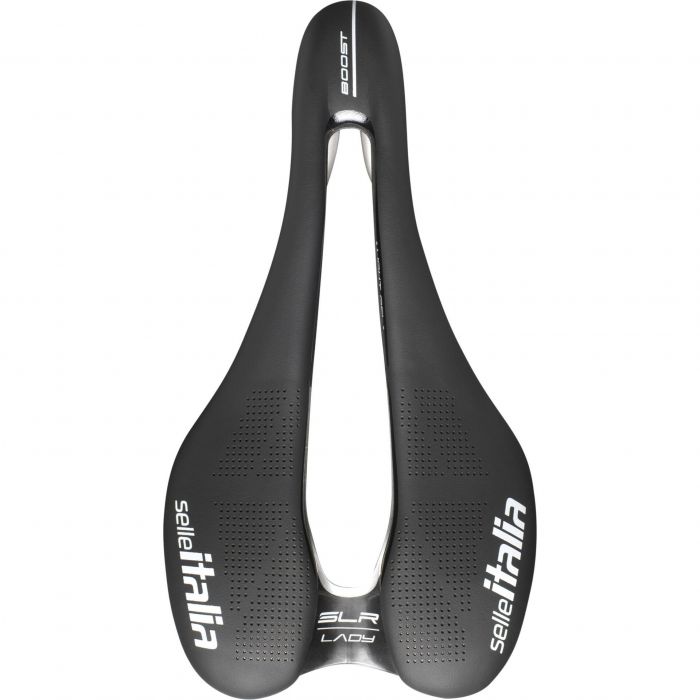
Selle Italia SLR Boost Lady TI 316 Superflow Saddle
$292.99 - $363.99 -

Selle Italia SLR Boost Endurance TI 316 Superflow Saddle
$405.99 -

SDG Bel-Air V3 MAX Steel Seat - 06355
$78.99 -
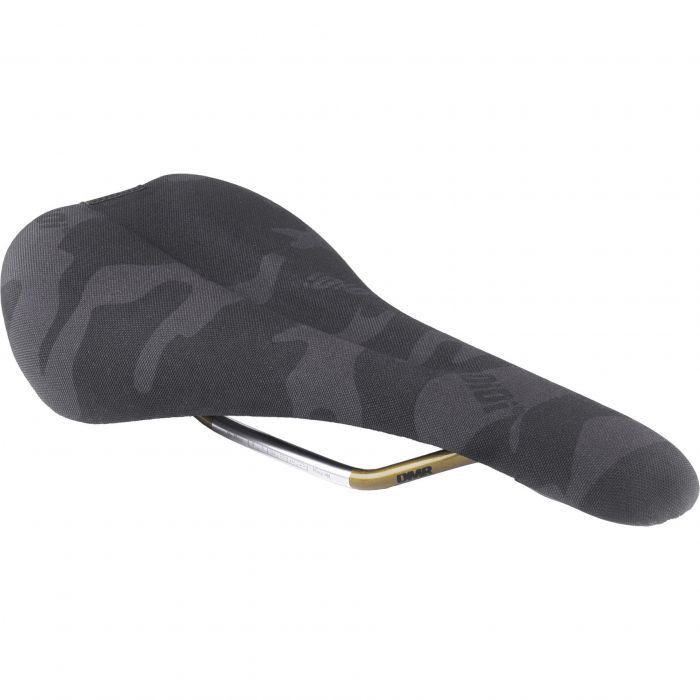
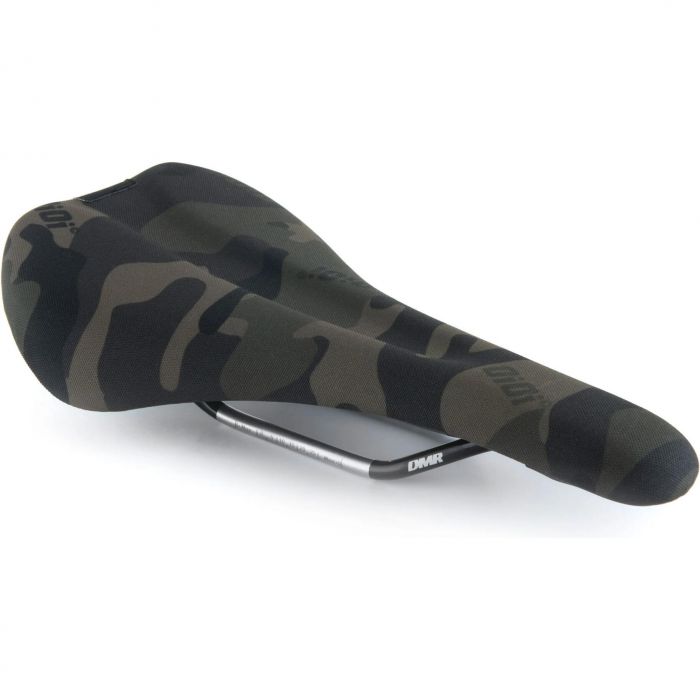
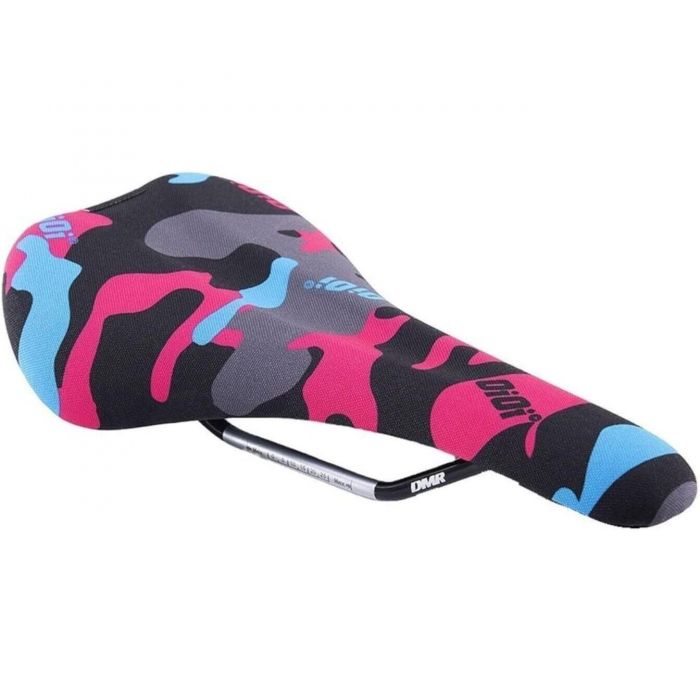
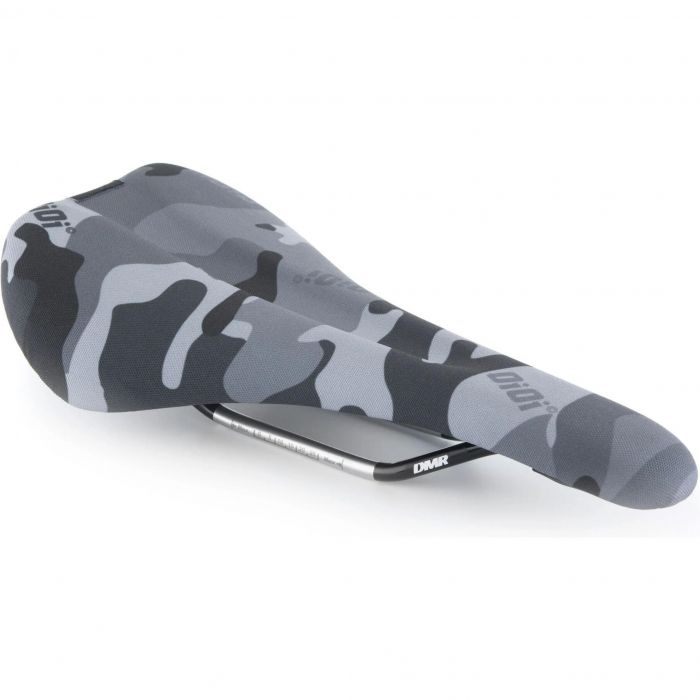
DMR OiOi Saddle
$63.99 -
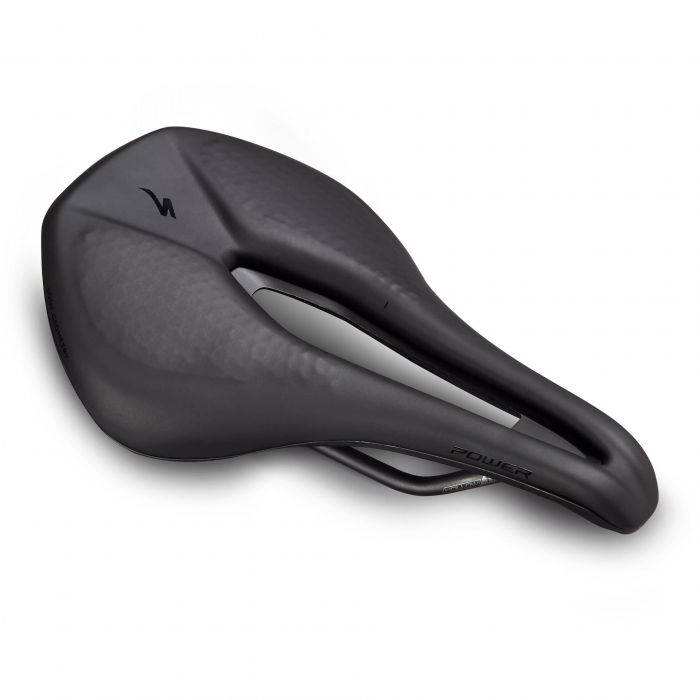
Specialized Power Expert Mirror Saddle
$249.99 -
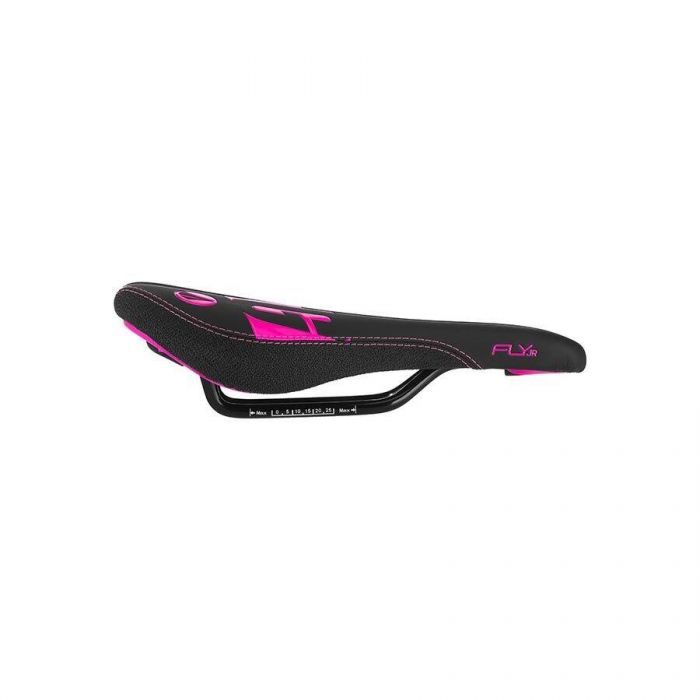

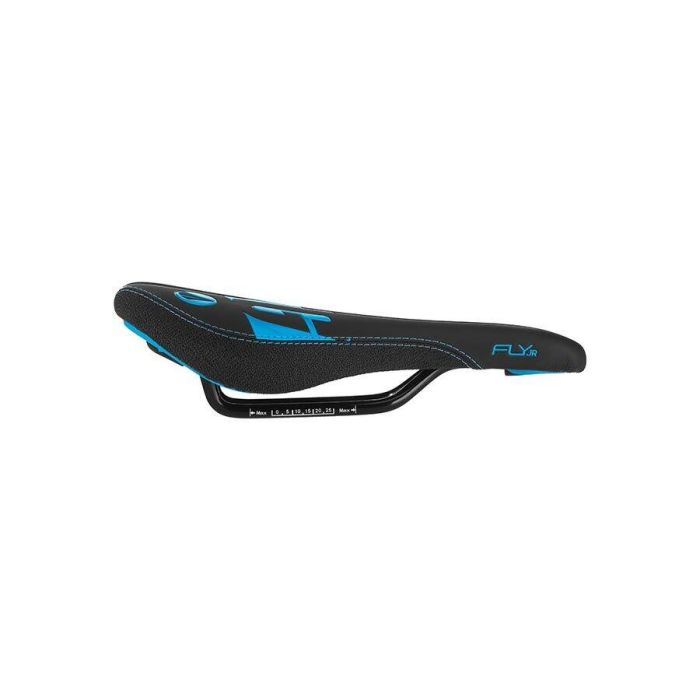
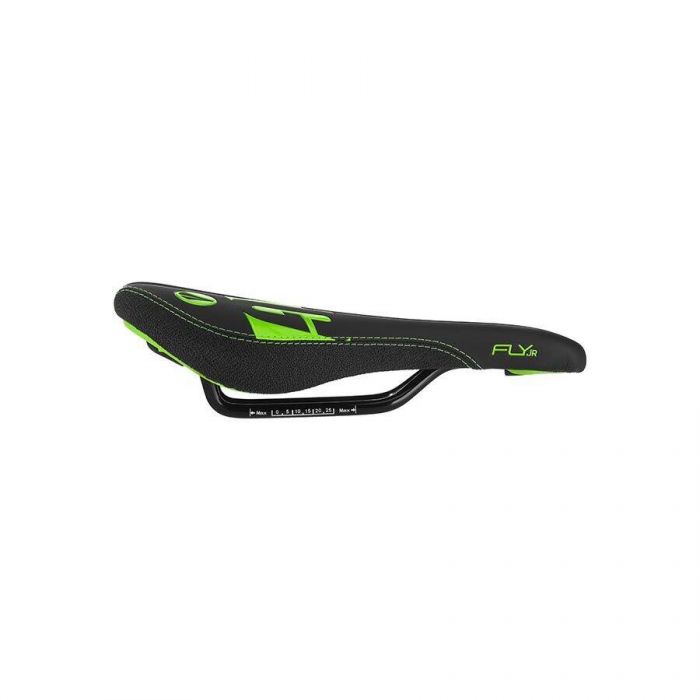

SDG Fly Junior Seat
$58.99 - $59.99 -
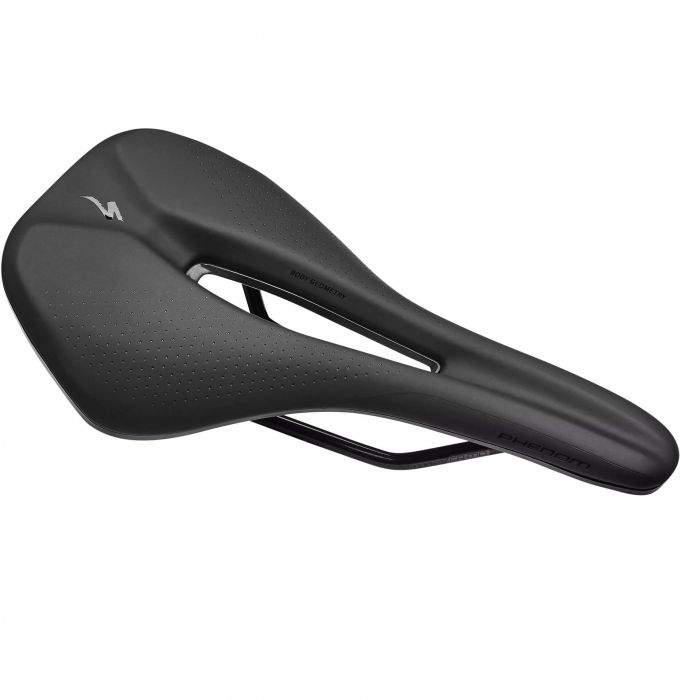
Specialized Phenom Comp Saddle
$139.99 -


Burgtec The Cloud Boost Saddle
$90.29 -

BikeYoke Sagma 3D Saddle
$242.99 - $366.99 -
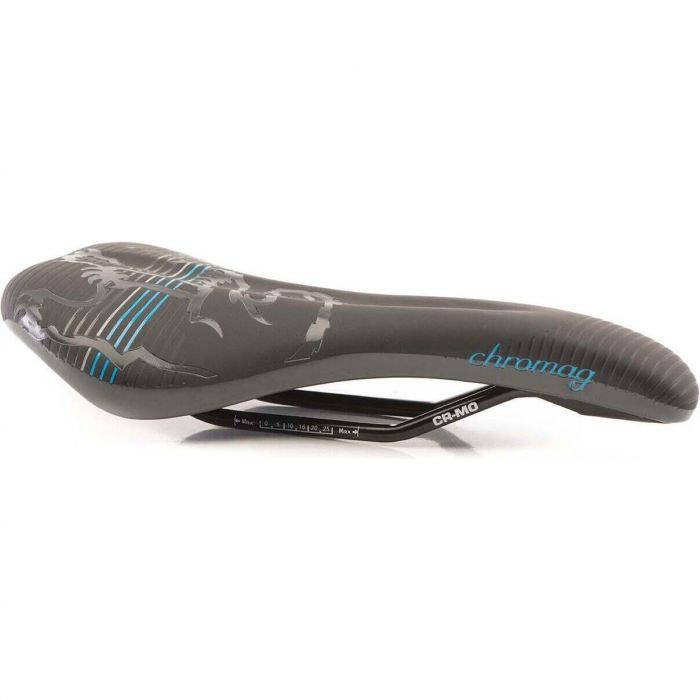
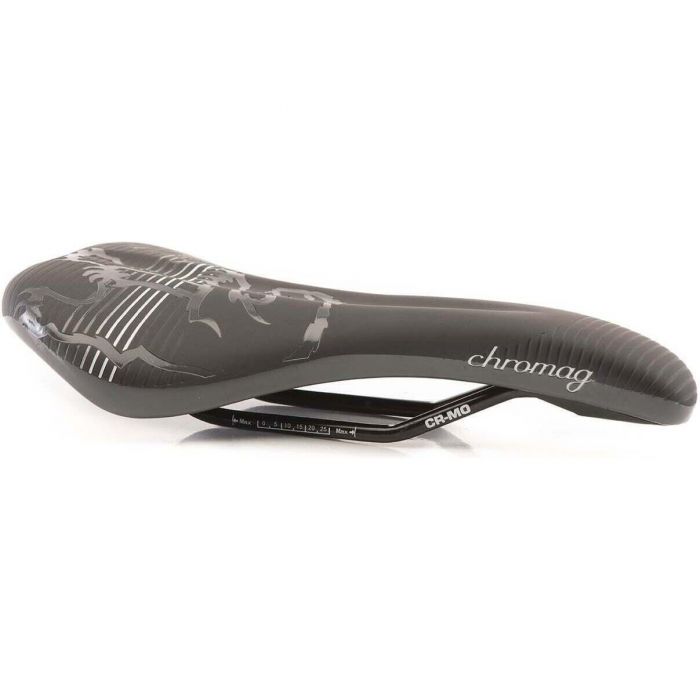
Chromag Womens Juniper Saddle
$77.99 - $90.99 -
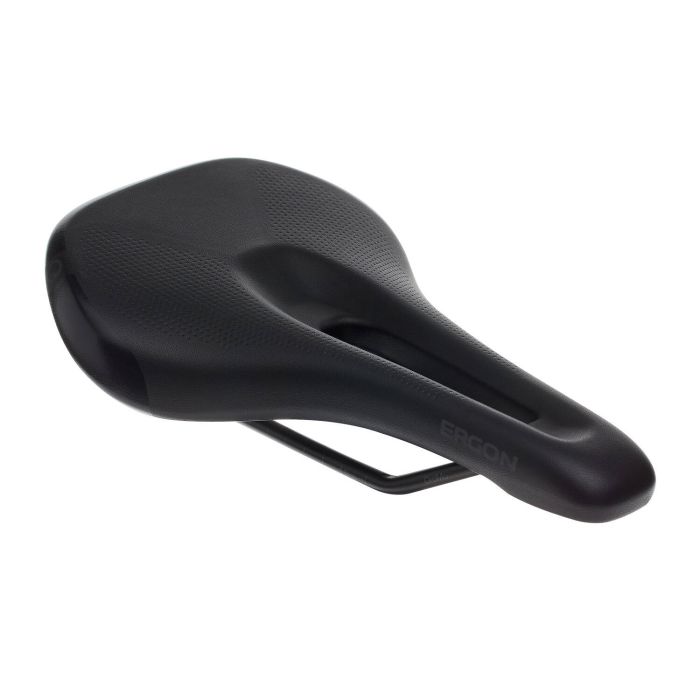
Ergon Womens SM Sport Gel MTB Saddle
$149.99 -

Selle Italia SLR TM Superflow Saddle
$201.99 - $205.99 -
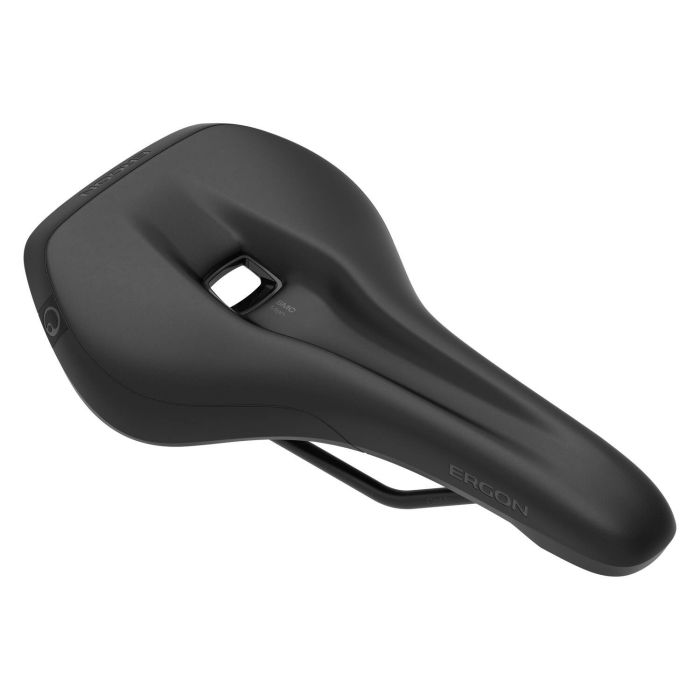
Ergon Mens SMC MTB Saddle
$119.99 -

Ergon Womens SR Sport Gel Saddle
$154.99 -
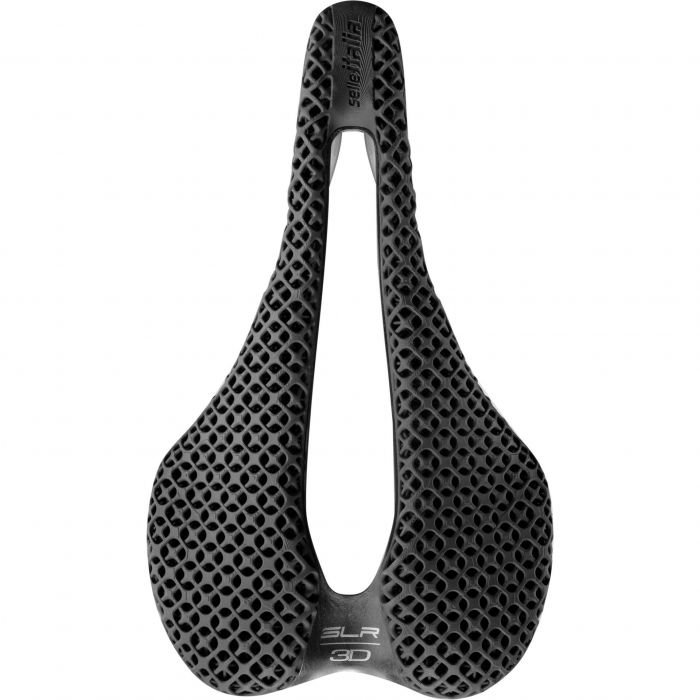
Selle Italia SLR Boost 3D TI 316 Superflow Saddle
$477.99 -
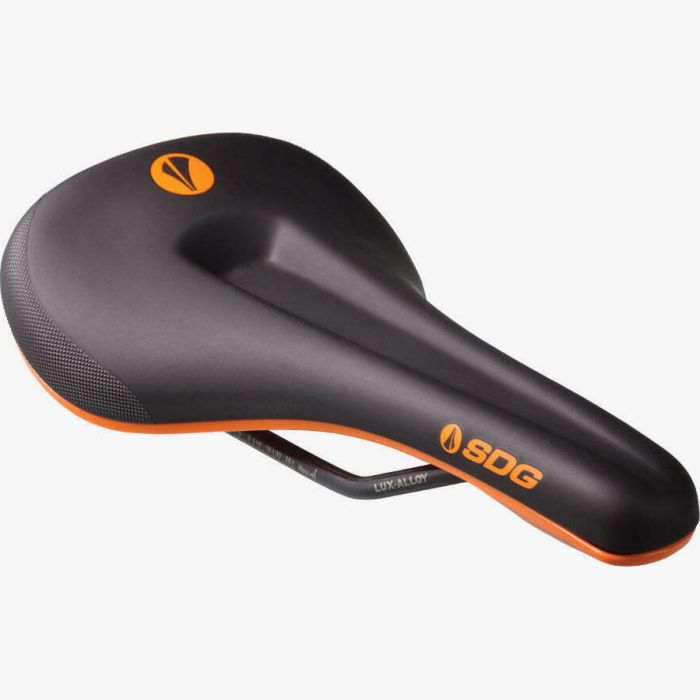
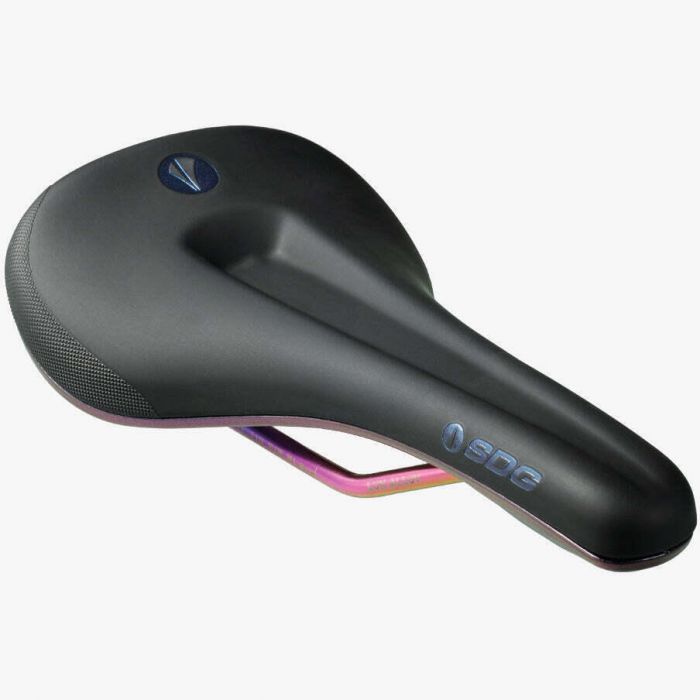
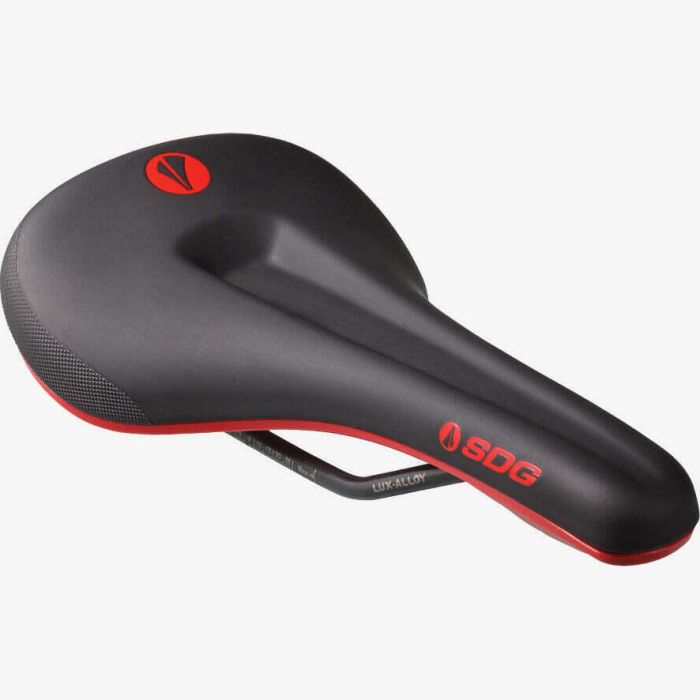
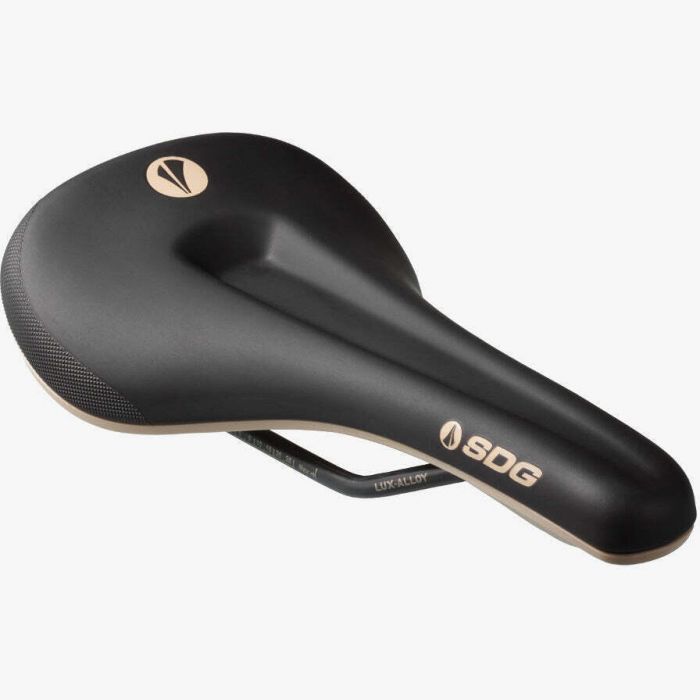
SDG Bel-Air V3 MAX Lux-Alloy Seat
$121.99 - $143.99
About Saddles
Choosing a mountain bike saddle isn’t just about “more comfort.” It’s about getting the right support in the right place for how you actually sit, pedal, and move on the bike. This guide helps you pick a saddle that can handle dirt and drops[a][b] on the trail, plus steep climbs and long miles on the road.
Our saddle category includes brands like Ergon, Fizik, Specialized, and more—so you can narrow in on the shape, width, and features that match your riding.
1. Saddle Categories & When to Use Each
| Type | Where you ride and how you sit | What usually works | What usually fails |
|---|---|---|---|
| XC and Marathon MTB | Long seated efforts, frequent position changes, high cadence | Medium firm foam, good sit bone platform, easy to move fore and aft | Big couch padding. It feels nice in the parking lot, then turns into friction and hot spots 90 minutes later |
| Trail and Enduro MTB with a dropper post | You pedal seated, then you get off the back of the bike on descents | Flatter rear profile, plenty of thigh clearance, durable cover that survives bailouts | Tall rear kick or sharp edges that catch shorts when you remount, or fight you when the saddle is dropped |
| Gravity and bike park | Repeated impacts, frequent crashes, lots of bike leaning and sliding around | Tough cover, reinforced sides, stronger rails, predictable shape you can find again mid chaos | Ultralight rails and delicate covers. Great until the first cartwheel |
| Road and Gravel endurance | Long hours seated, steadier power, more pelvic rotation as you get low | Shape first (T shape, V shape, or short nose). Then width. Then pressure relief | Picking by padding or price. The right shape wins every time[c] |
| Road race, TT, and aggressive positions | You sit “planted” forward, often with more soft tissue risk | Short nose designs or pressure relief solutions that reduce soft tissue load | Narrow, long saddles that force you onto the nose when you rotate forward |
2. Key Saddle Features & Real-World Trade-Offs
| Feature | Benefit in the real world | Downside you pay for |
|---|---|---|
| Saddle width matched to sit bones | Stops you from “falling off” the support and loading soft tissue | Too wide can cause inner thigh rub, pedaling interference, and that slow burn of chafing |
| Saddle shape (T shape, V shape, short nose) | Shape decides where you sit and how stable you feel | Locked in shapes can punish small fit mistakes. Great when dialed, awful when not |
| Pressure relief channel vs full cutout | Can reduce midline pressure and numbness for some riders | Some riders feel edges, instability, or irritation. More relief is not automatically better |
| Padding thickness and density | Helps with trail chatter and imperfect posture | More padding can increase movement and friction. Comfort becomes sores instead of support |
| Rear profile (flat vs kicked up) | Road riders often like a rear “stop” to push against. MTB riders often benefit from flatter shapes for dropper clearance and remounting | A big rear kick can fight you on MTB descents when you need to move. A very flat saddle can feel vague for steady seated road power |
| Cover material and side reinforcement | Reinforced sides resist abrasion when you lean the bike or crash. Textured zones can help control on steep descents | Extra texture can grab shorts. Extra reinforcement can add bulk that rubs in high cadence pedaling |
| Rails material (steel, chromoly, titanium, carbon) | Lighter rails reduce weight. Stronger rails survive crashes and clamp torque better | Carbon rails can require compatible clamps. Lightweight can mean less crash tolerance |
| Rail shape (7 mm round vs 7 by 9 oval carbon) | Oval rails can be stiffer and lighter | Some seatpost clamps are not designed for oval rails, and you can crush expensive parts if you force it |
| Shell flex vs stiffness | Flex can smooth road buzz and reduce hot spots | Too much flex feels vague under power. Too stiff can feel like sitting on a paint scraper |
3. Core Saddle Designs: What to Choose & Why
- Option A: Traditional length saddle
- Ideal user: Riders who move around a lot—especially XC riders and road riders who slide forward and back.
- Strengths: More usable real estate, easier to adjust position mid ride.
- Limitations: If your fit pushes you forward, you can still end up loading the nose and soft tissue. In that case, the extra length becomes extra pain.
- Option B: Short nose saddle
- Ideal user: Riders who sit planted, ride aggressively forward, or want more thigh clearance.
- Strengths: Stable sit bone platform. More pedaling freedom. Often helps riders who struggle with pressure when rotated forward.
- Limitations: A more “locked in” feel. If your height, reach, or tilt is off, it can punish you faster.
- Hybrid: Split nose or extreme pressure relief
- Ideal user: Time trial, triathlon, ultra distance, or riders with persistent soft tissue pressure issues.
- Strengths: Can reduce pressure in forward positions.
- Limitations: Fit sensitive and very personal. It can solve one problem and create two others if your position is not dialed.
4. Saddle Fit, Compatibility & Comfort Checklist
- Measure sit bone width. Then choose saddle width. Sit bone width is a crucial first step. In many cases, saddle width should exceed sit bone width by at least about 15 mm so your sit bones aren’t perched on the edges.
- MTB and road often need different saddle shapes. On MTB—especially with a dropper—you need a shape that lets you slide off the back and remount without getting hung up. Many MTB riders prefer a flatter saddle for this reason.
- Road positions rotate the pelvis forward. That changes what contacts the saddle. Bicycling’s fit guidance focuses on choosing the right saddle shape for how you ride, rather than chasing padding or price.
- Don’t assume more padding fixes numbness. Too much padding can increase friction rather than solve pressure issues.
- Match saddle rails to your seatpost clamp. Many posts are built for 7 mm round rails. Oval carbon rails (commonly 7 by 9) may require compatible clamps or adapters.
- What a good saddle fit should feel like: Your weight sits on your sit bones, not on soft tissue. Mild sit bone soreness during adaptation can happen, but numbness, sharp pain, or chafing that worsens over time should not.
5. Saddle Care, Maintenance & Expected Lifespan
- Use proper torque. Over tightening the clamp can damage rails, especially carbon. Under tightening can let the saddle slip. Use the seatpost manufacturer’s torque spec.
- Clean it regularly—especially off-road. Mud plus sweat plus grit turns covers into sandpaper and can wear down seams.
- Leather saddles need extra care. If you go that route, expect break in and maintenance. They can be excellent, but they are not “set and forget.” We recommend Brooks for some beautiful classic leather saddles.