









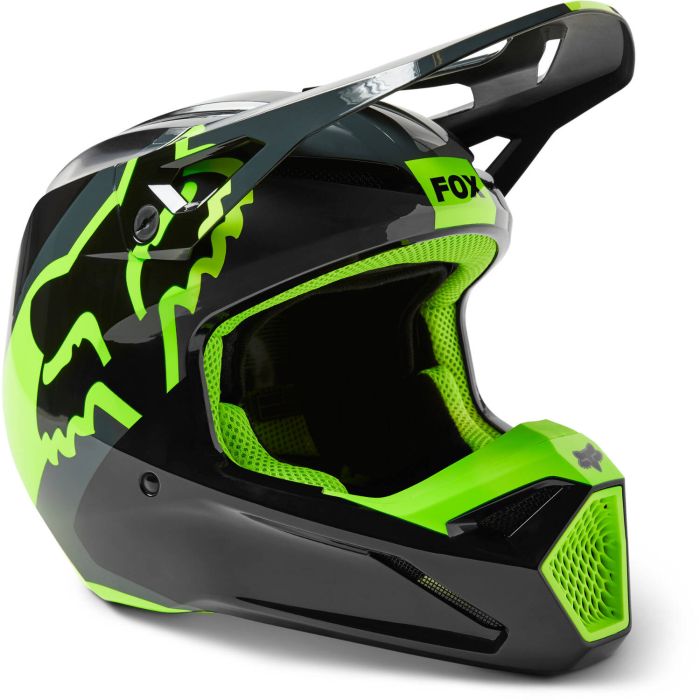
































Full Face MTB Helmets
-

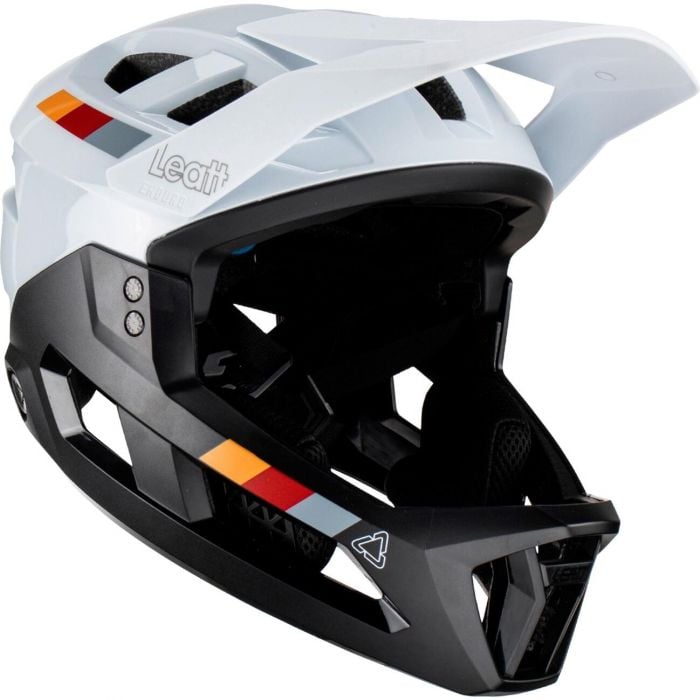
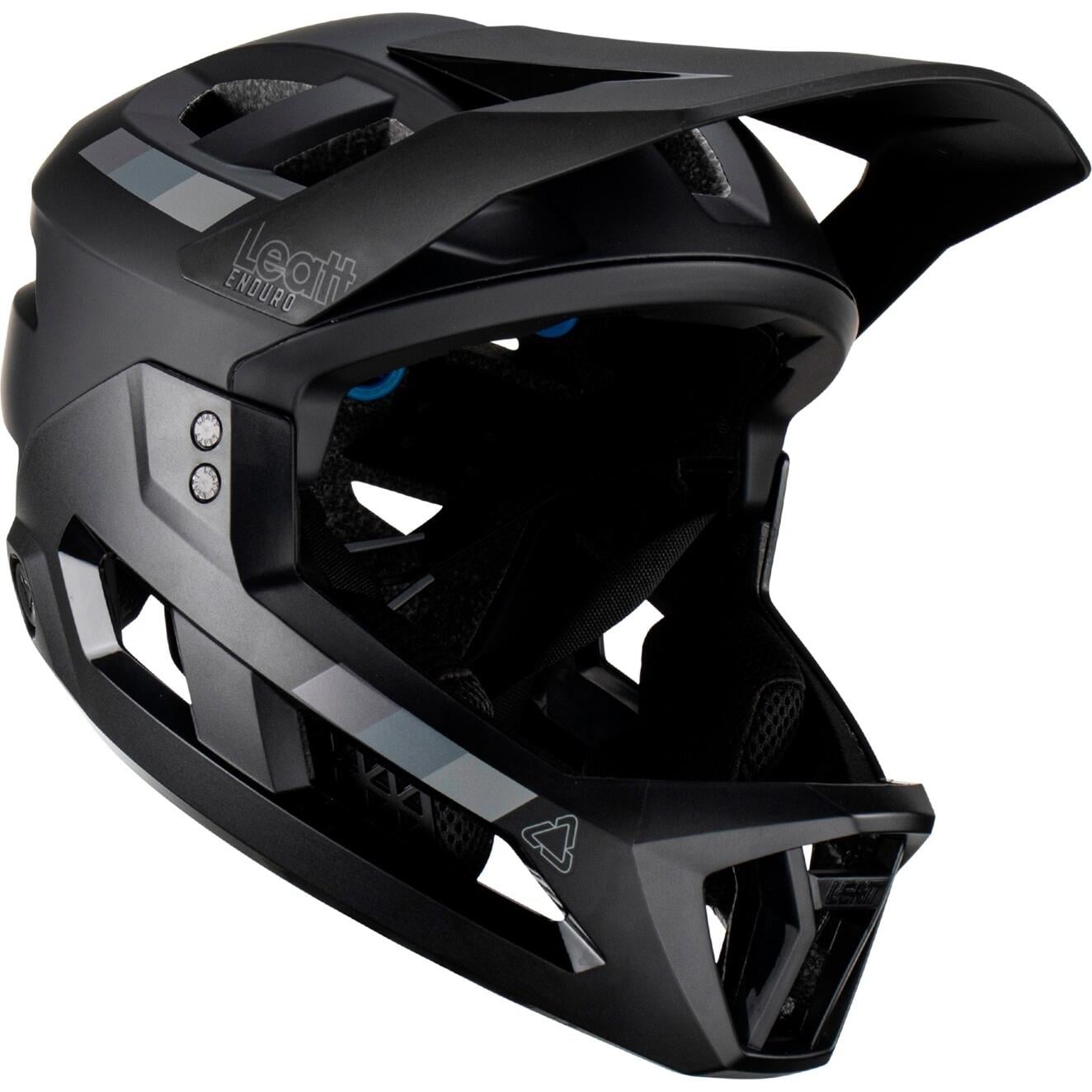
Leatt Enduro 2.0 MTB Helmet - 2023
$319.99 -
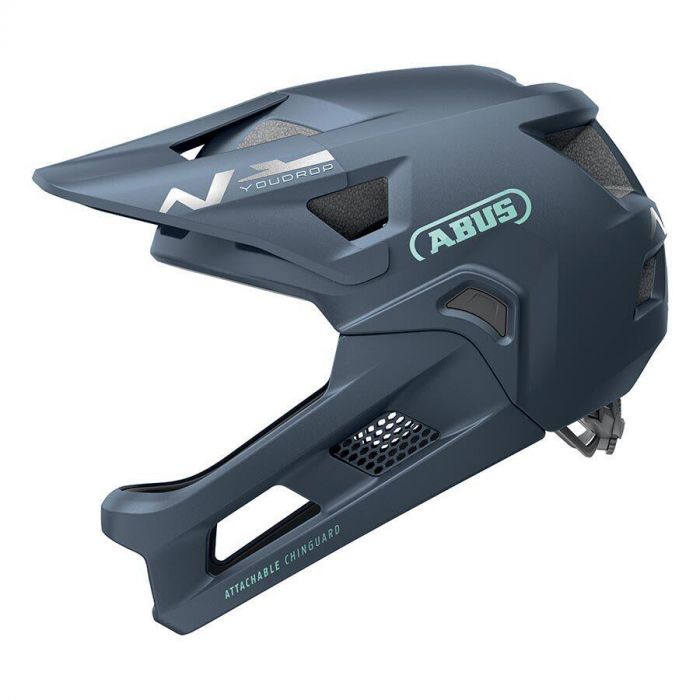
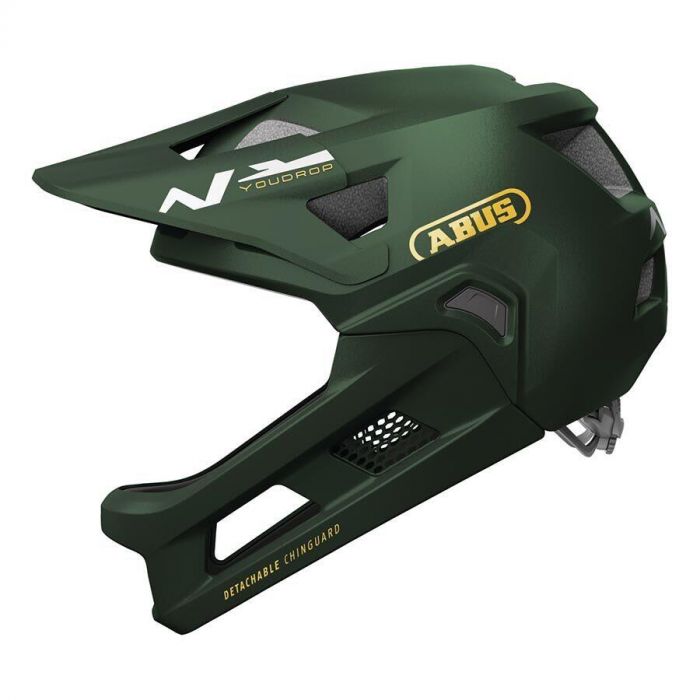
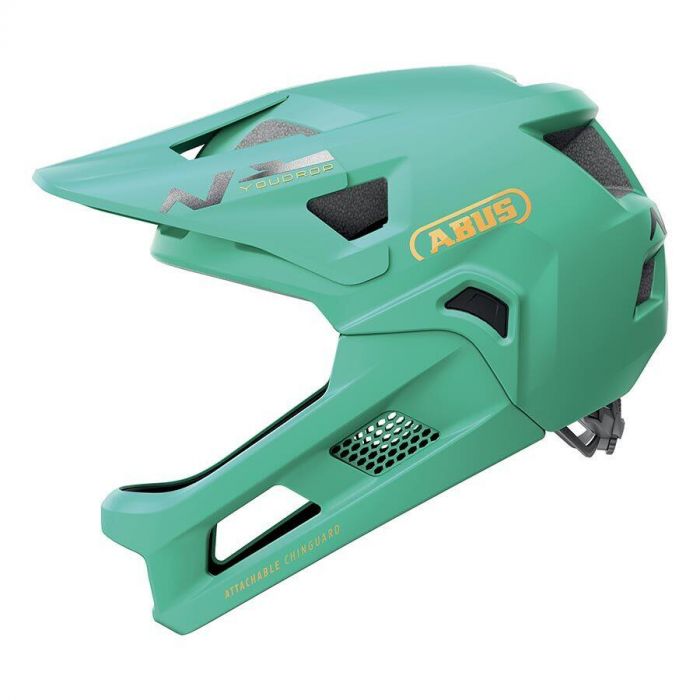
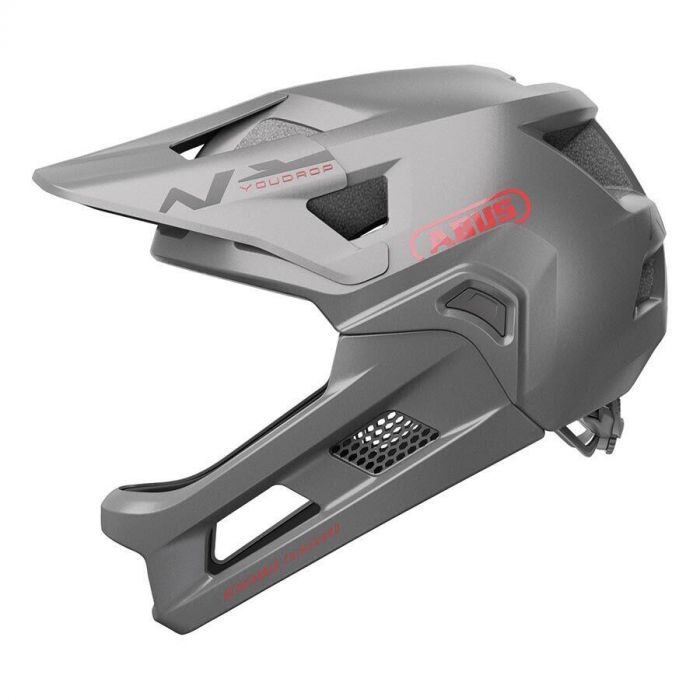
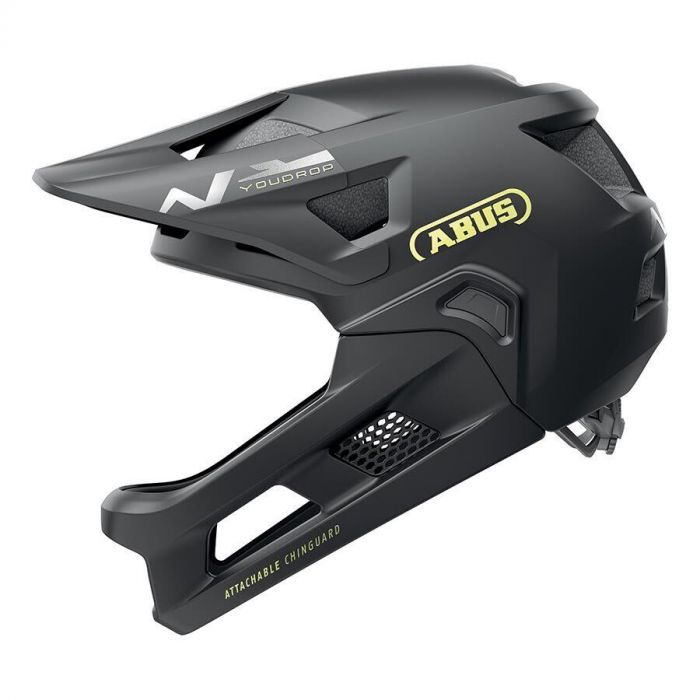
Abus Kids YouDrop FF MTB Helmet
$170.99 - $177.99 -
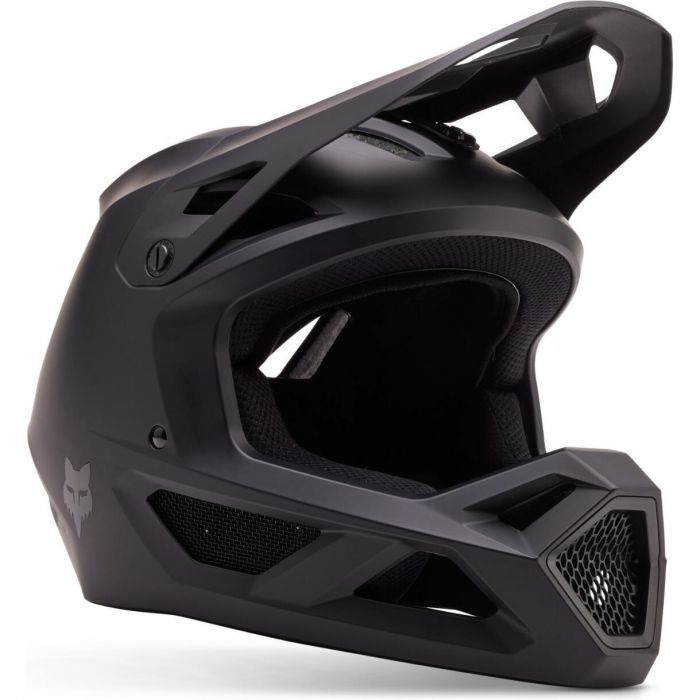
Fox Racing Rampage MIPS MTB Helmet
$309.95 -

Leatt Enduro 3.0 MTB Helmet - 2023
00 -

Leatt Gravity 1.0 MTB Helmet - 2023
00 -
 20% off
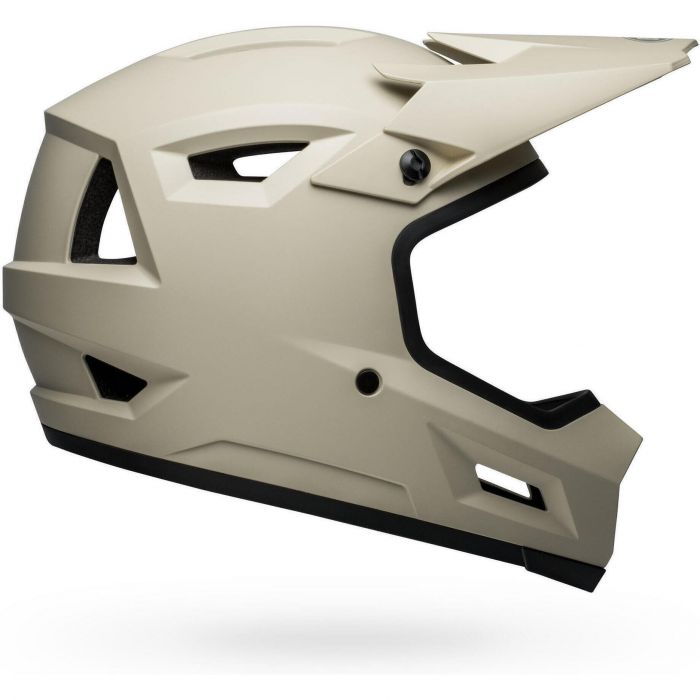

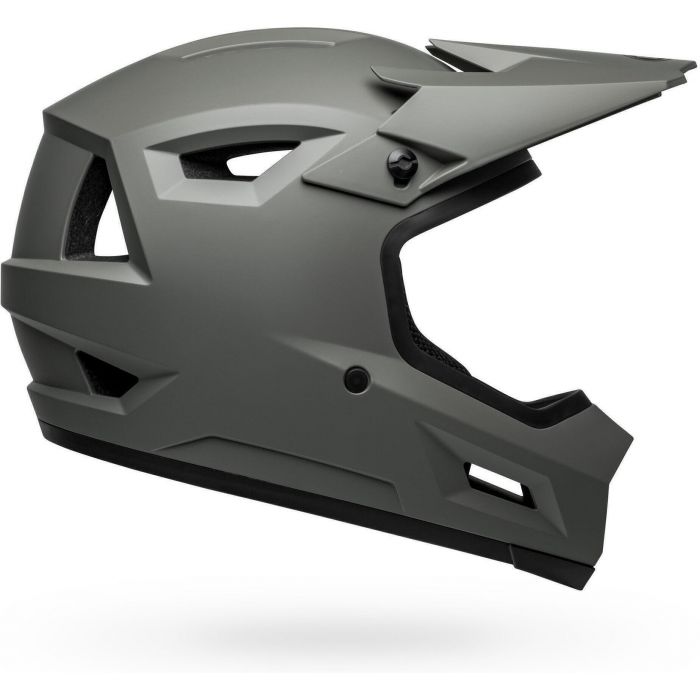
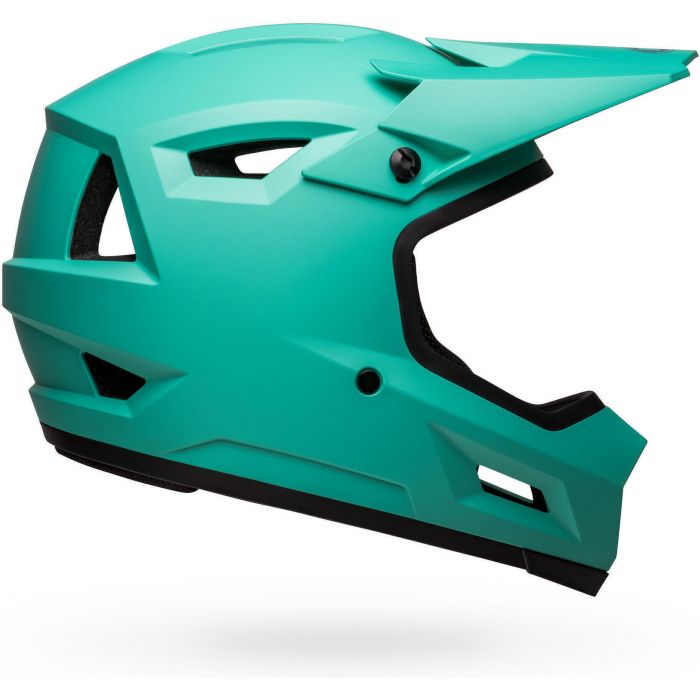
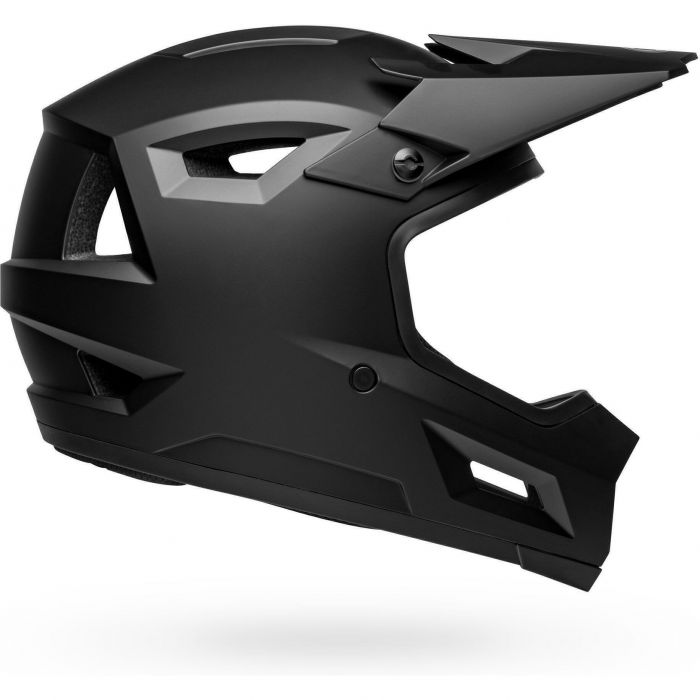
Bell Sanction 2 MTB Helmet
$199.99 - $209.99$167.99 - $199.99 -
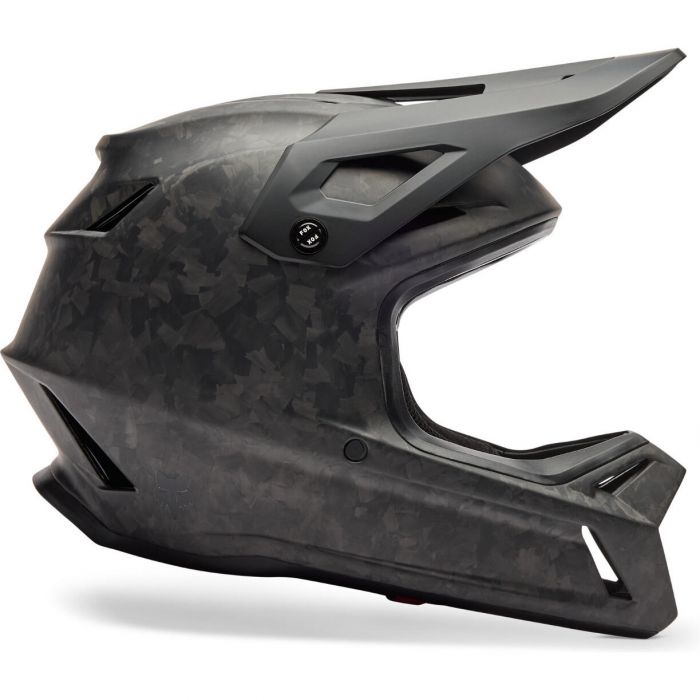
Fox Racing Rampage RS Matte MIPS MTB Helmet
$849.95 -
 40% off
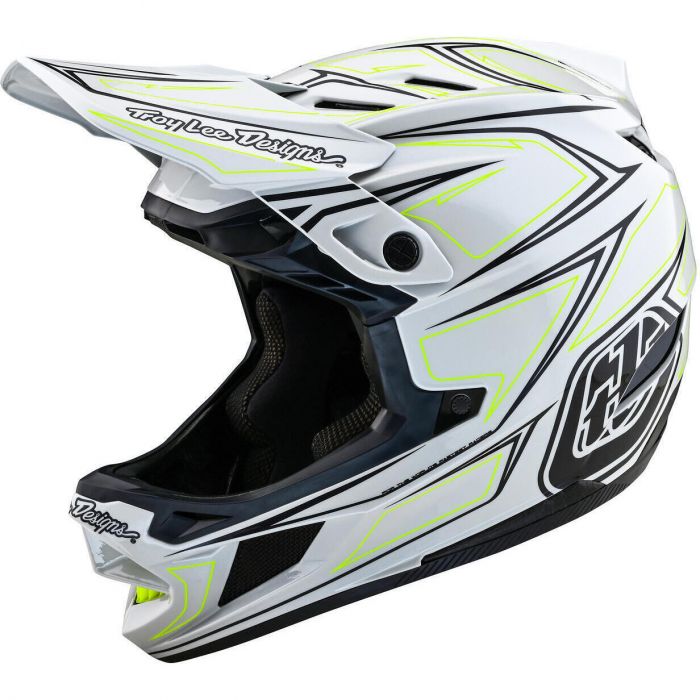
Troy Lee D4 Composite Pinned MIPS MTB Helmet
$519.99$311.99 -
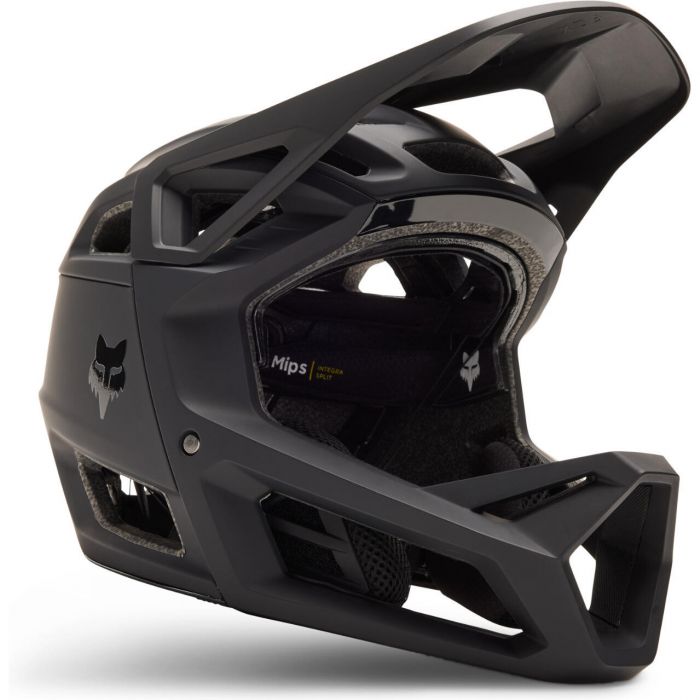
Fox Racing Proframe RS MIPS MTB Helmet
$524.95 -
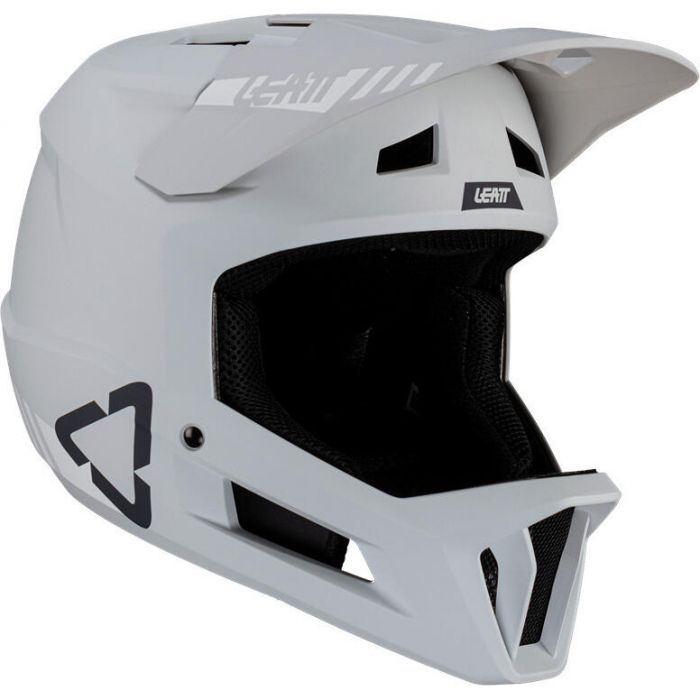
Leatt Gravity 1.0 MTB Helmet - 2024
00 -
 40% off
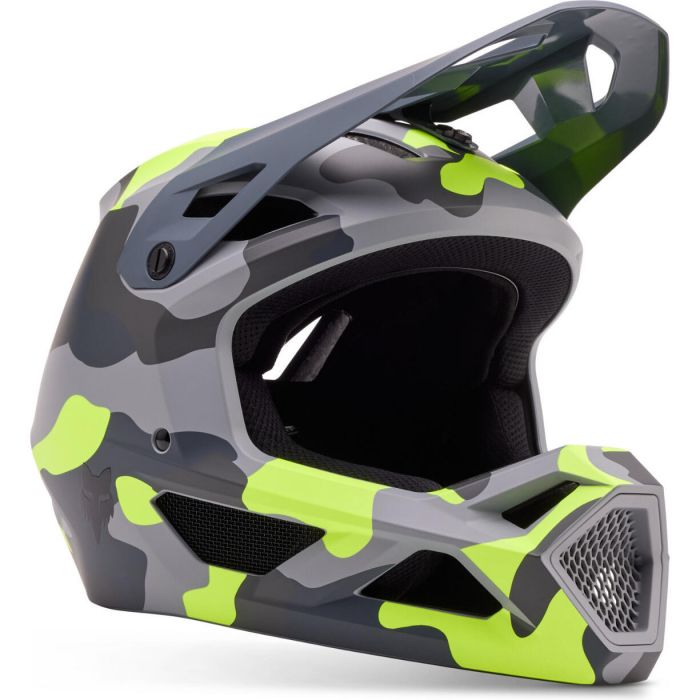
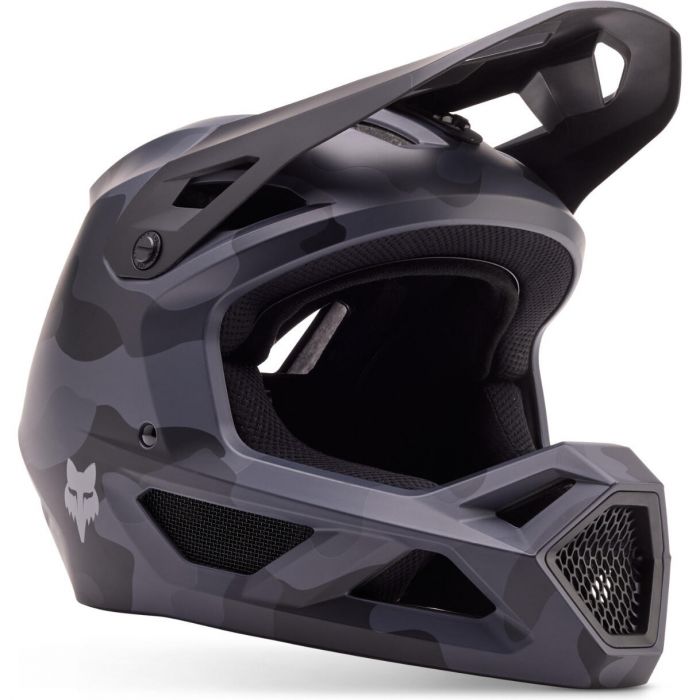
Fox Racing Rampage Camo MIPS MTB Helmet
$284.95 - $309.95$168.99 - $309.95 -
 40% off
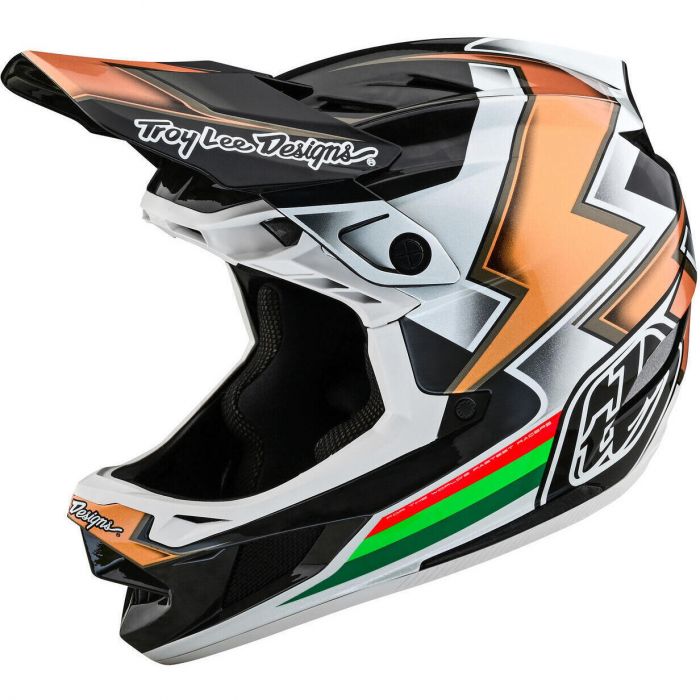
Troy Lee D4 Carbon Ever MIPS MTB Helmet
$749.99$449.99 -
 60% off


100 Percent Status MTB Helmet
$227.99 - $258.99$95.99 - $201.99 -
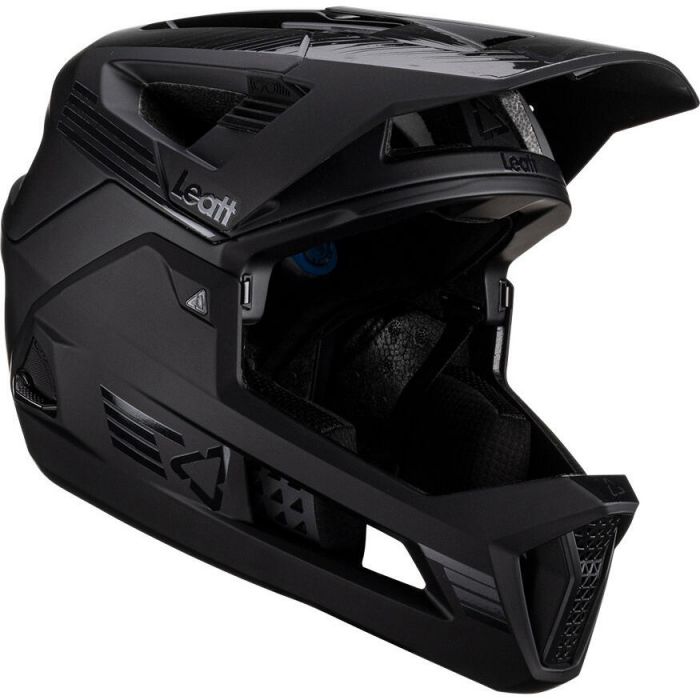
Leatt Enduro 4.0 MTB Helmet - 2023
$549.99 -
 46% off
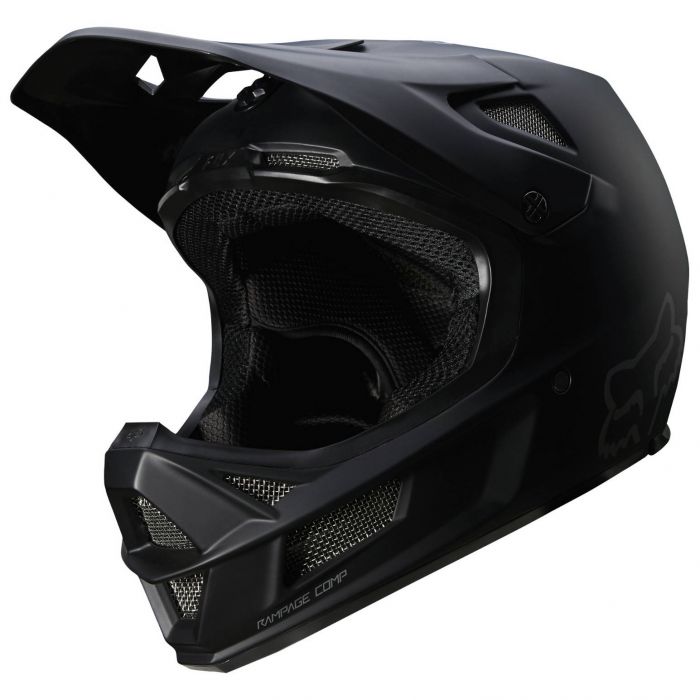
Fox Racing Rampage Comp MIPS MTB Helmet
$489.95$262.99 - $342.99 -
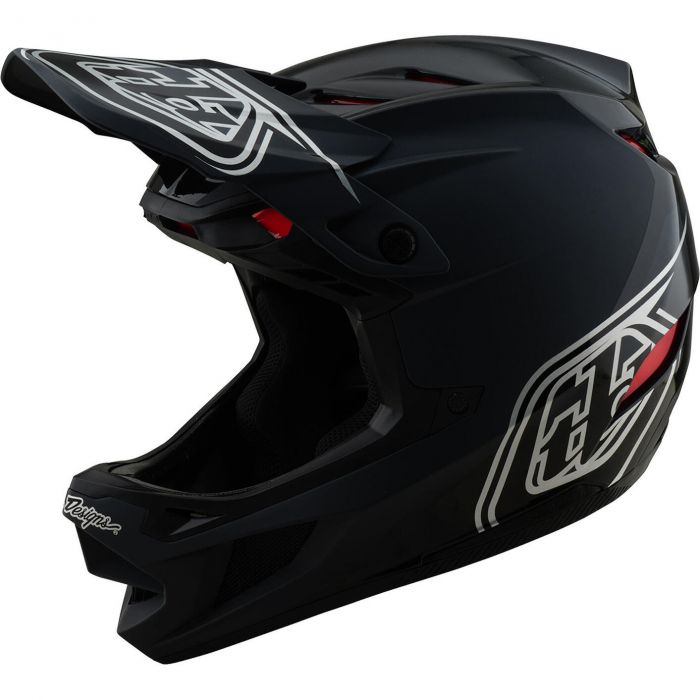
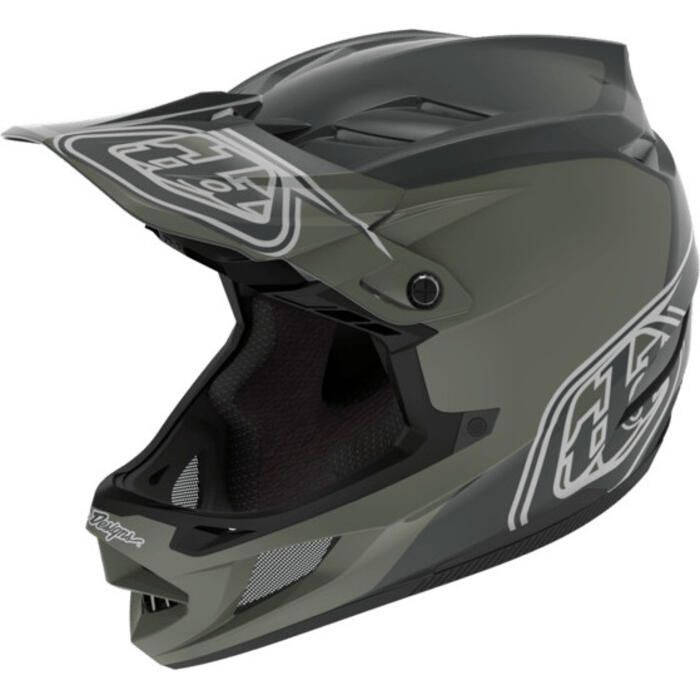
Troy Lee D4 Polyacrylite Shadow MIPS MTB Helmet
$369.99 - $390.00 -
Leatt Youth Enduro 2.0 MTB Helmet - 2023
$299.99 -
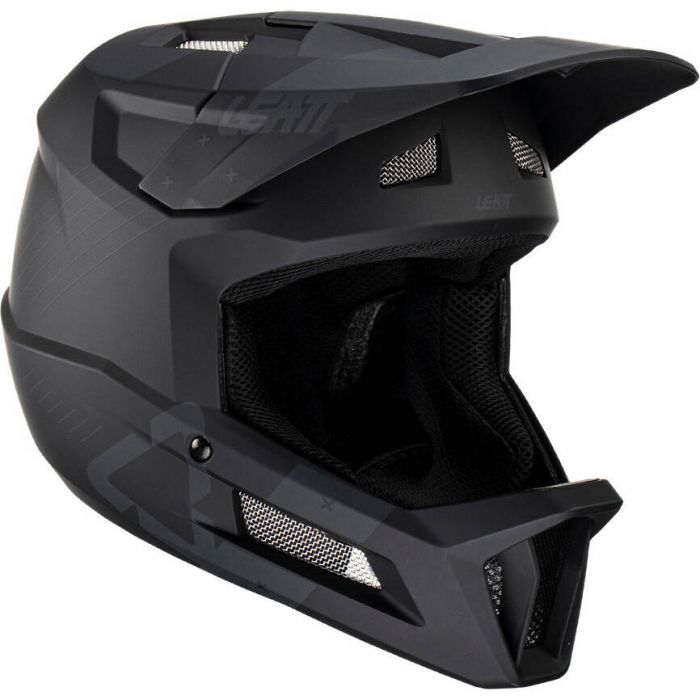
Leatt Gravity 2.0 MTB Helmet - 2023
$289.99 -
 62% off
100 Percent Aircraft Composite MTB Helmet
$399.99$149.99 - $156.99 -


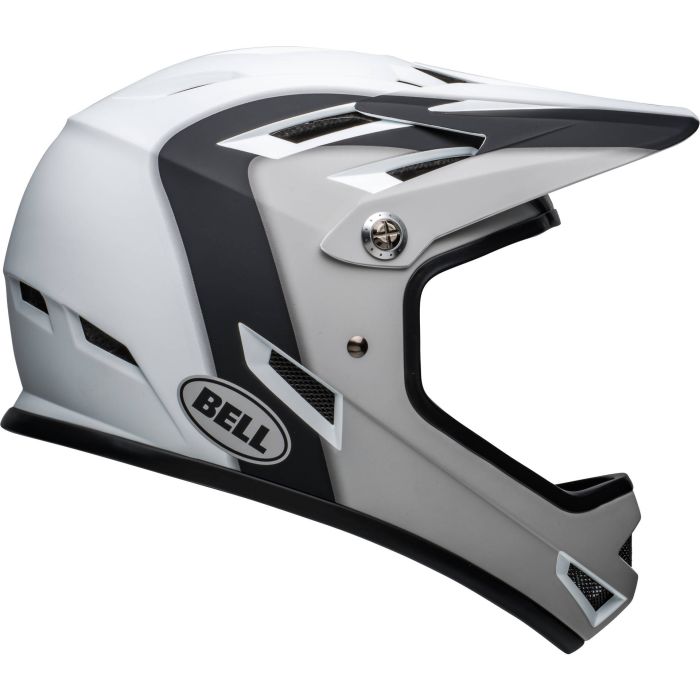
Bell Sanction Presences MTB Helmet
$159.99 -
 20% off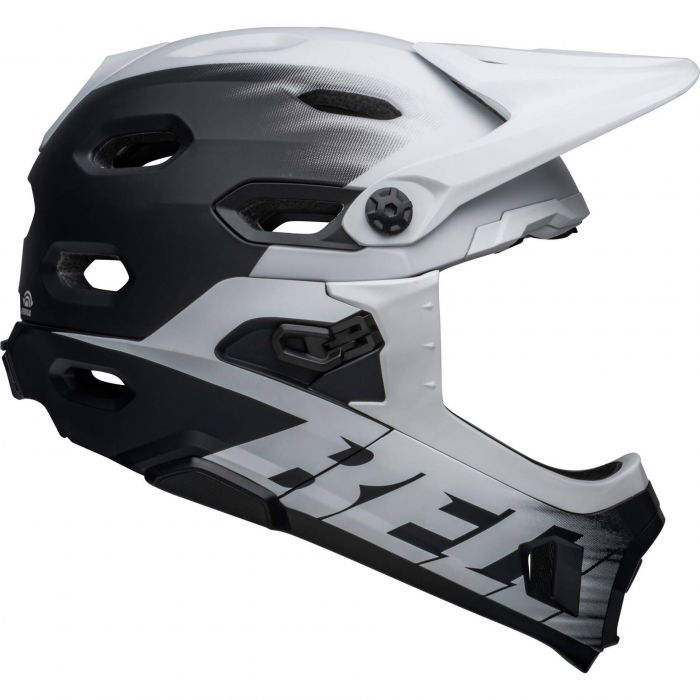
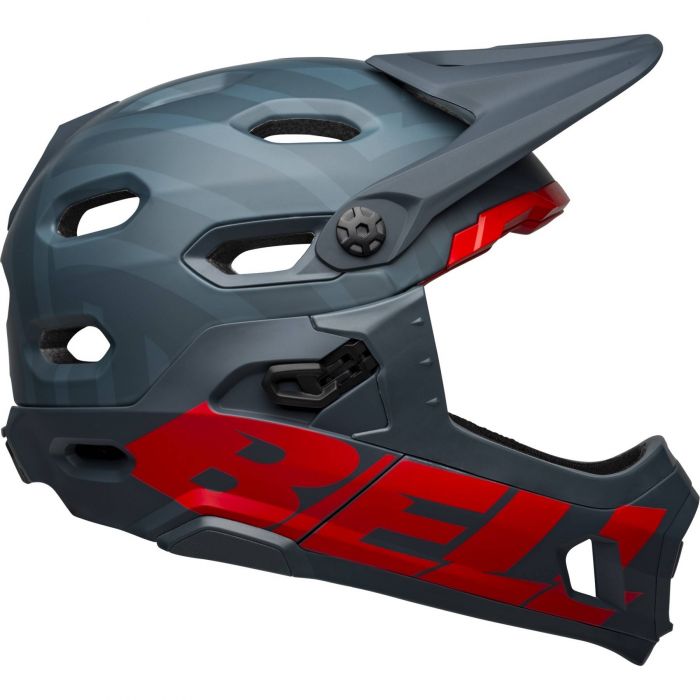
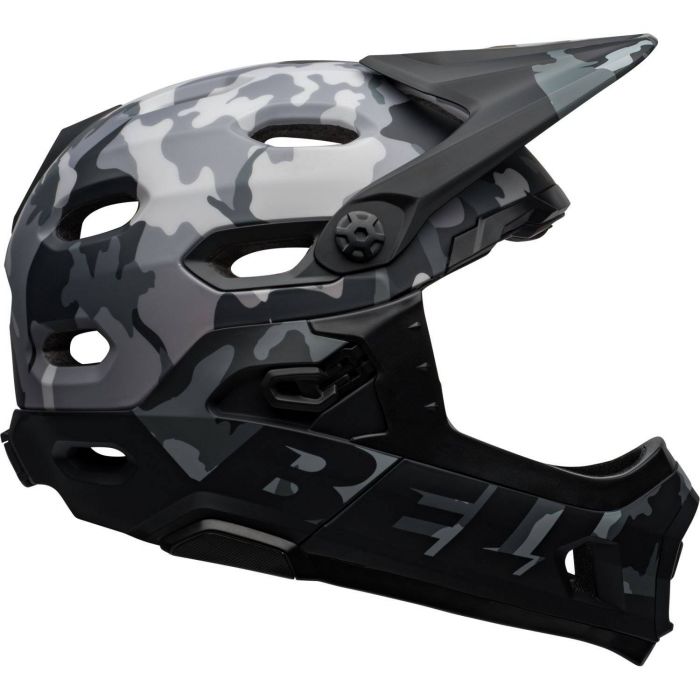

Bell Super DH Spherical MTB Helmet
$499.99$399.99 -
 20% off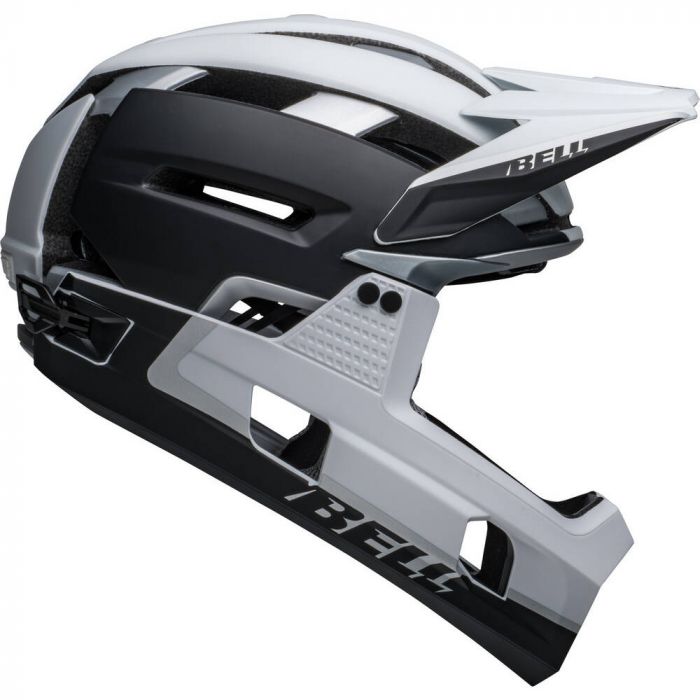
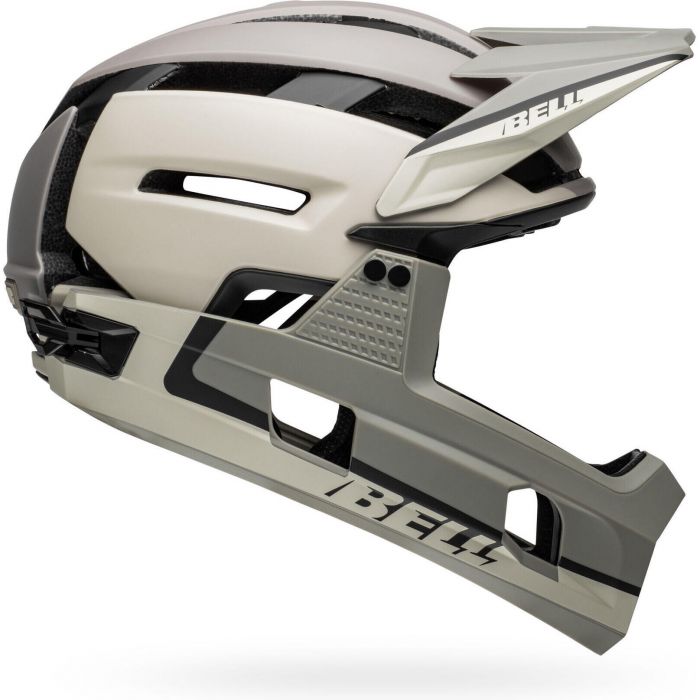

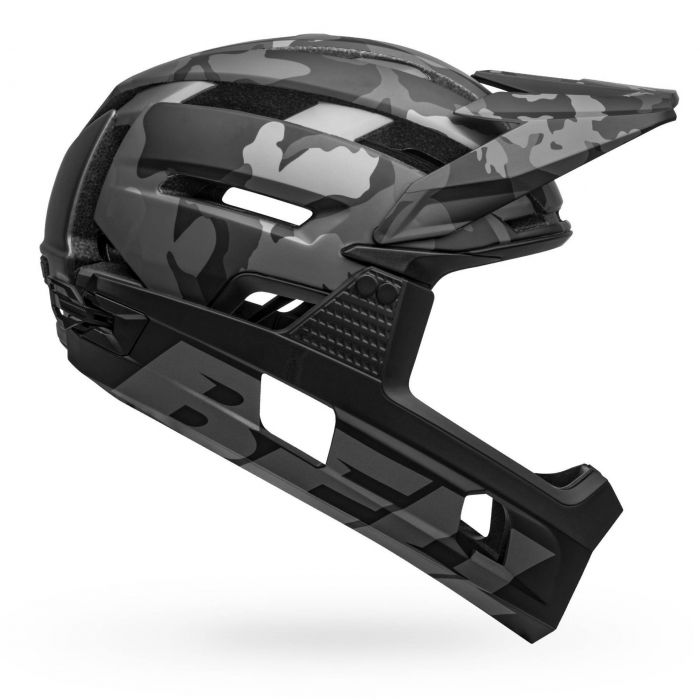

Bell Super Air R Spherical MTB Helmet
$429.99 - $479.99$356.99 - $479.99 -

Troy Lee D4 Carbon Stealth MTB Helmet
$749.99 -

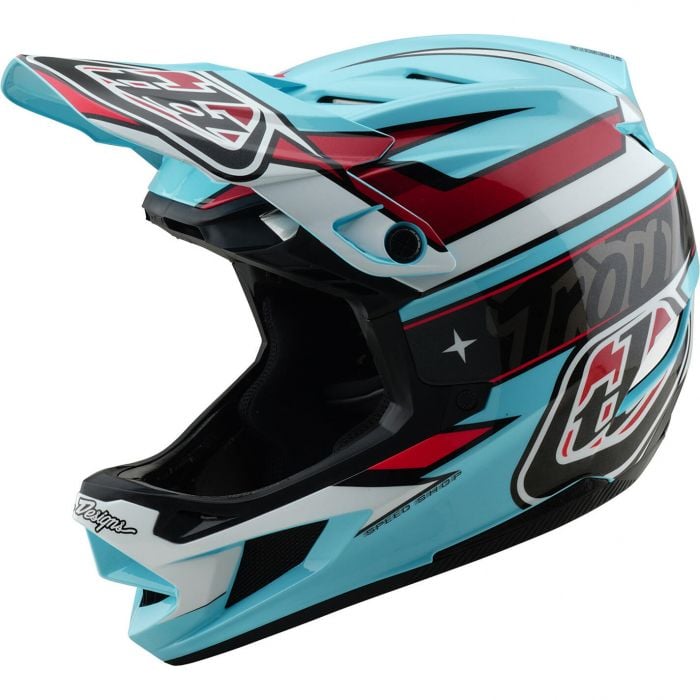
Troy Lee D4 Polyacrylite Linear MTB Helmet
$369.99 -
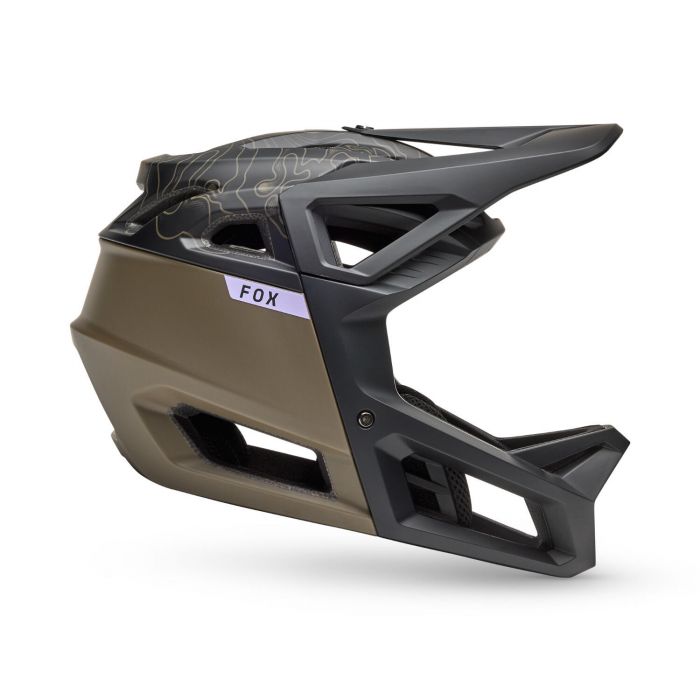
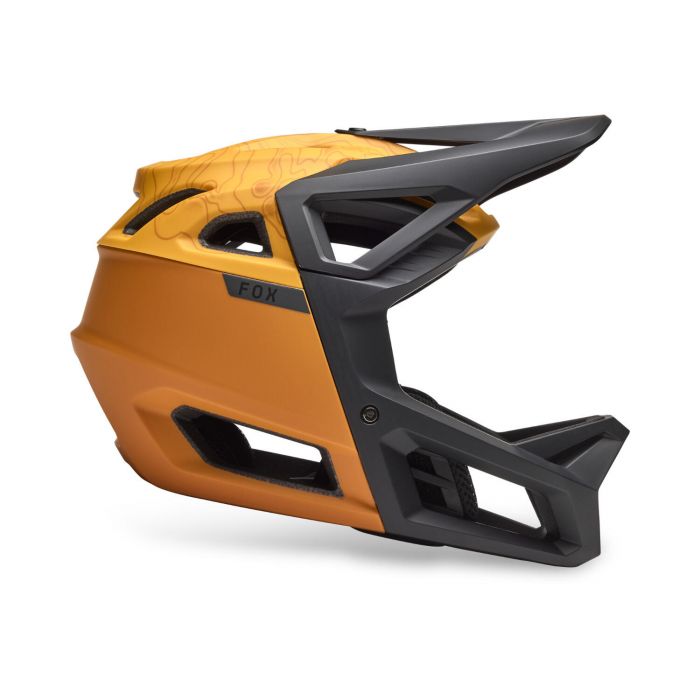
Fox Racing Proframe Frequency MIPS MTB Helmet
$399.95 -
 20% off
Troy Lee Stage Solid MIPS MTB Helmet
$399.99$319.99 - $399.99 -
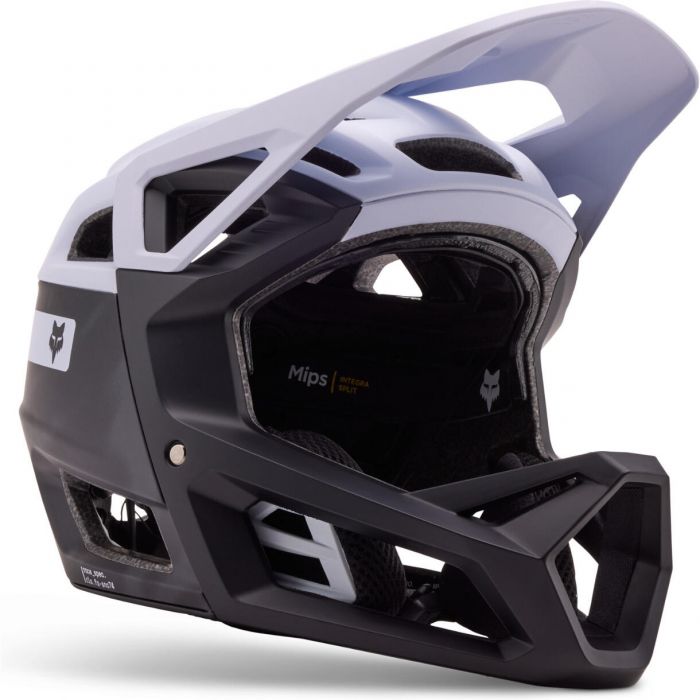
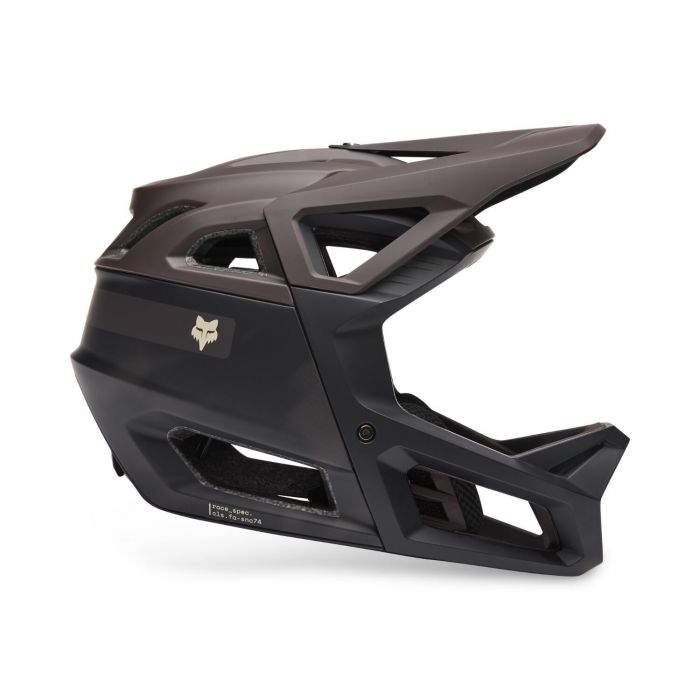
Fox Racing Proframe RS Taunt MIPS MTB Helmet
$524.95 -
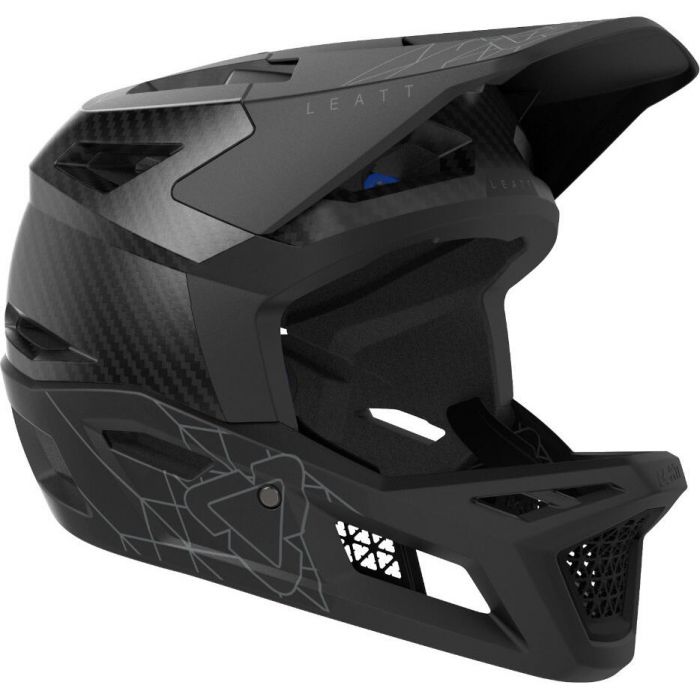
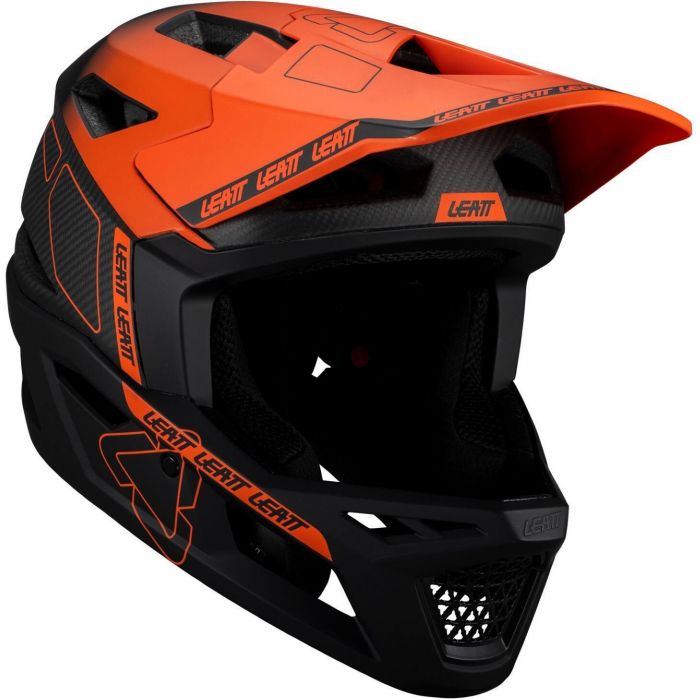
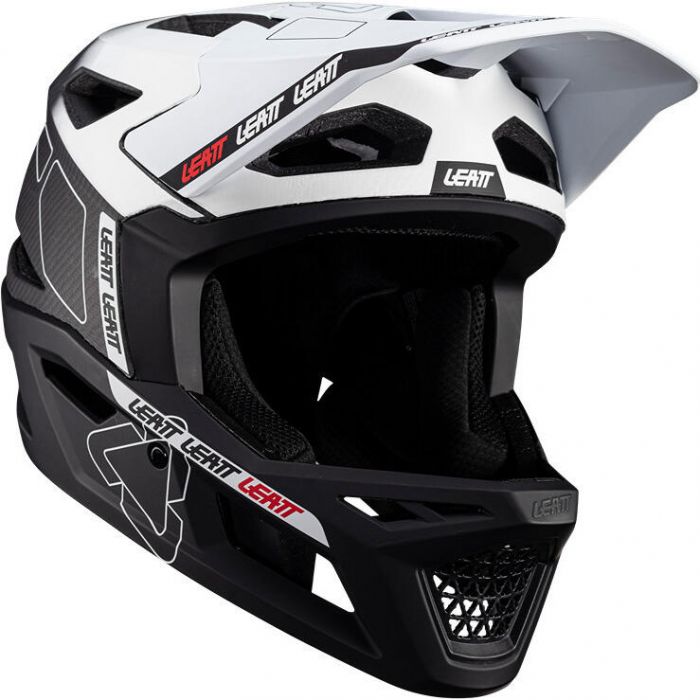
Leatt Gravity 6.0 Carbon MTB Helmet
$639.99 -

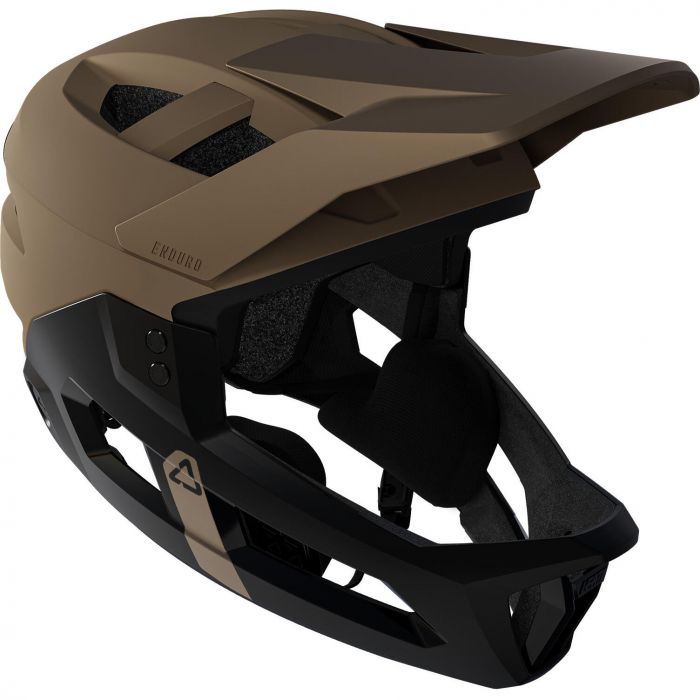
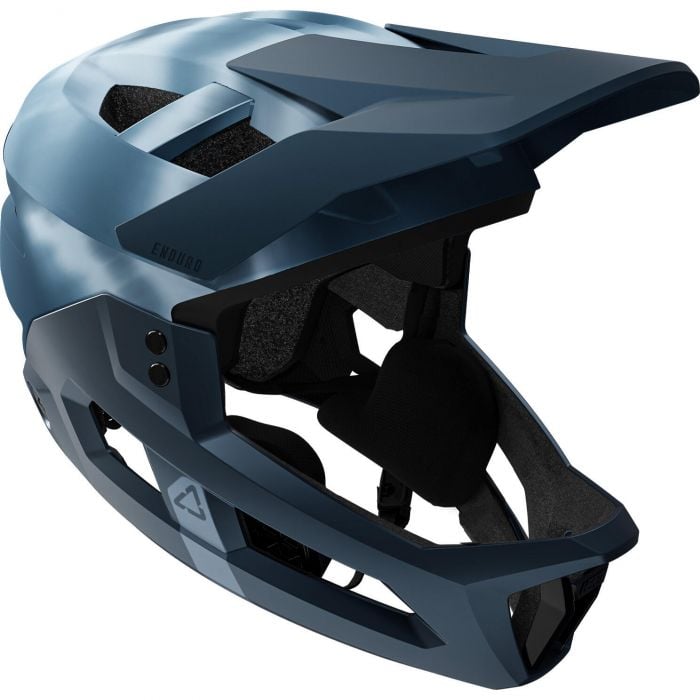
Leatt Enduro 2.0 MTB Helmet
$319.99 -
 44% off
Troy Lee D4 Polyacrylite Block MIPS MTB Helmet
$369.99$205.99 - $277.49 -
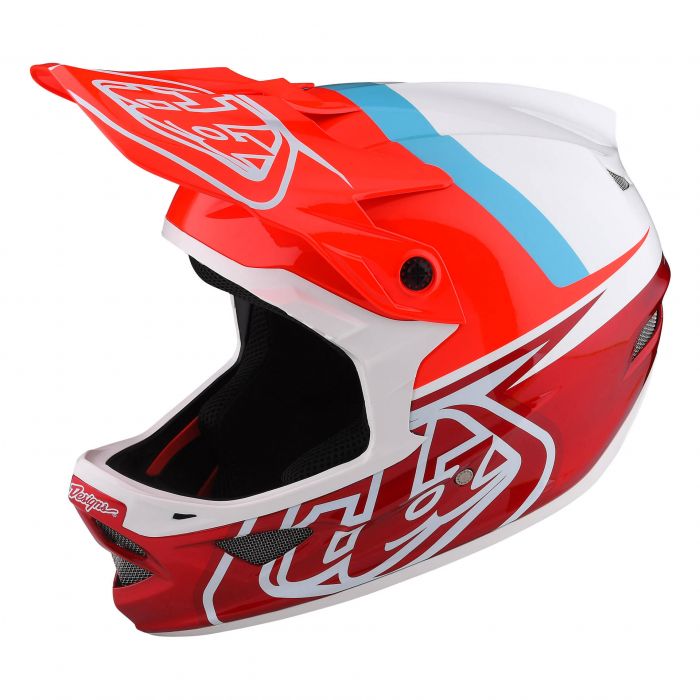 39% off
Troy Lee D3 Fiberlite Slant MTB Helmet - 2022
$339.99$204.99 -
Leatt Youth Gravity 1.0 MTB Helmet - 2023
00 -
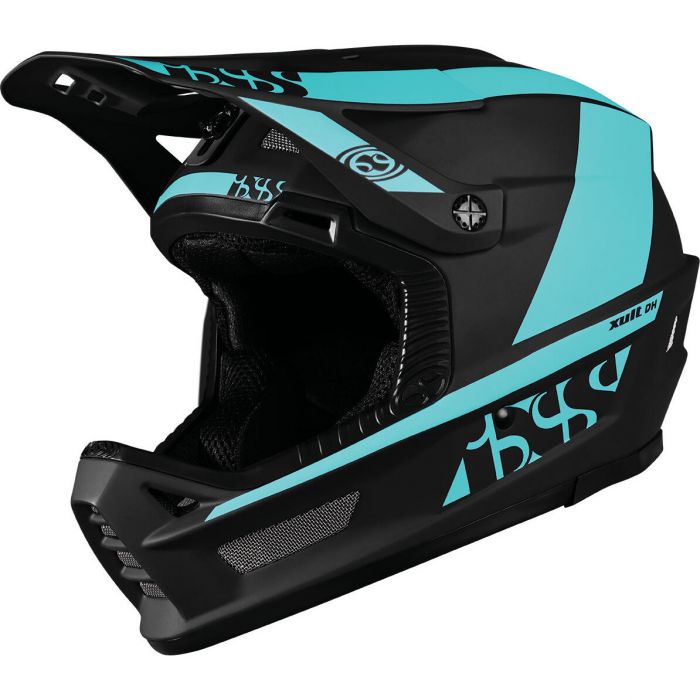
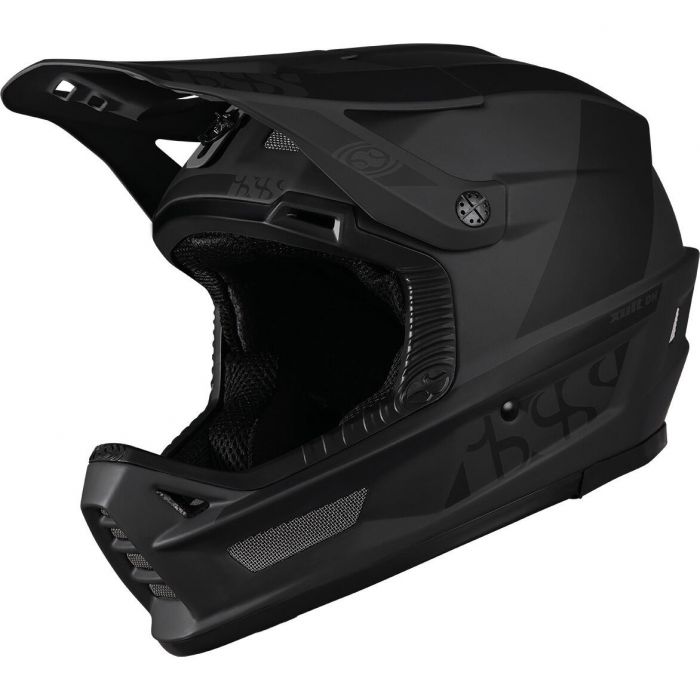

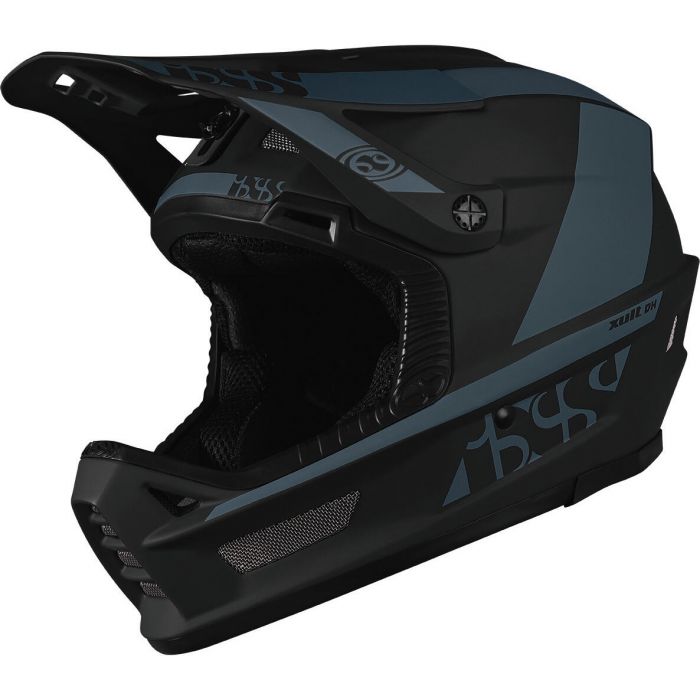
iXS Xult DH MTB Helmet
$273.99 -
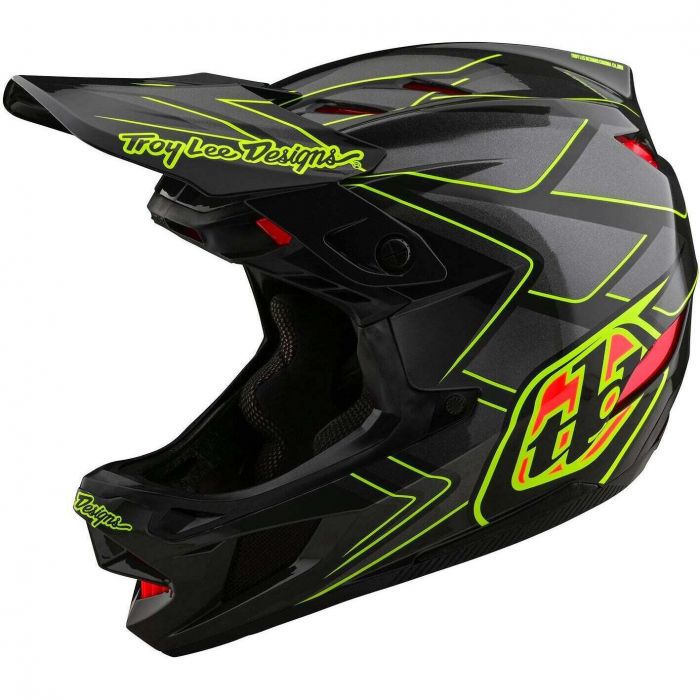 30% off
Troy Lee D4 Composite Ghostwing MIPS MTB Helmet
$529.99$370.99 -

Leatt Youth Gravity 1.0 MTB Helmet - 2025
00 -

7iDP M1 MTB Helmet
$160.99 -


iXS Trigger FF MIPS MTB Helmet
$306.99 - $359.99 -
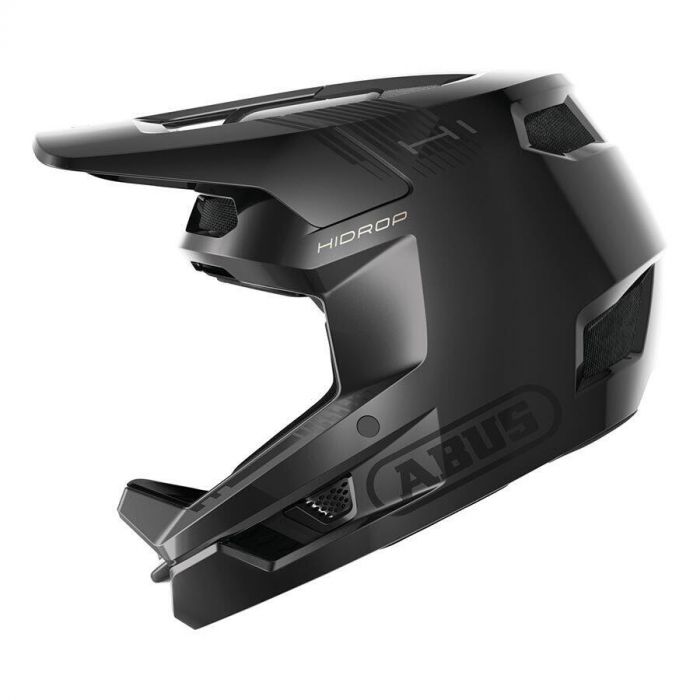 22% off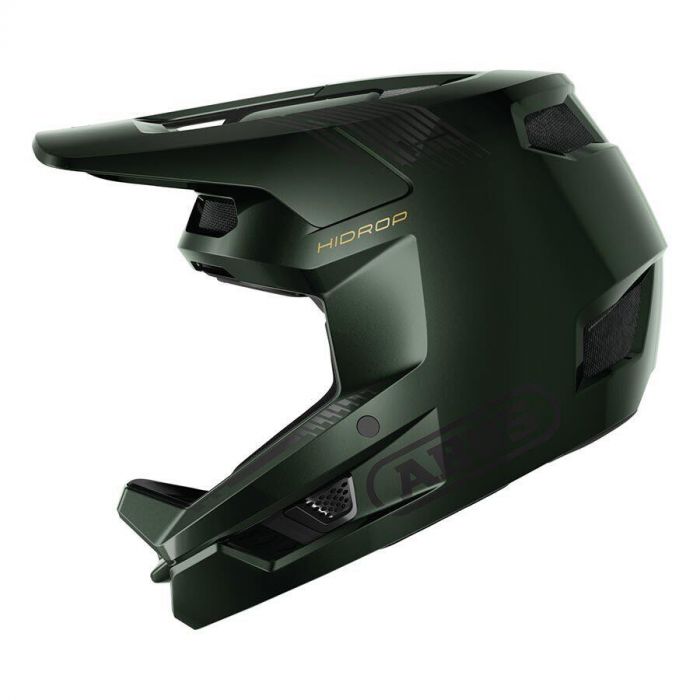
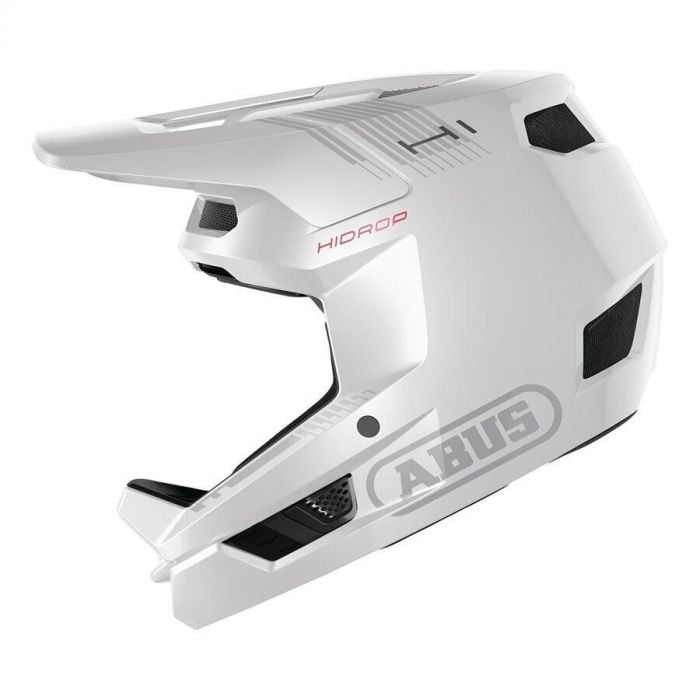
Abus HiDrop MTB Helmet
$339.99$264.99 - $292.99 -


Troy Lee Stage Neauwave MTB Helmet
$399.99 -
 37% off
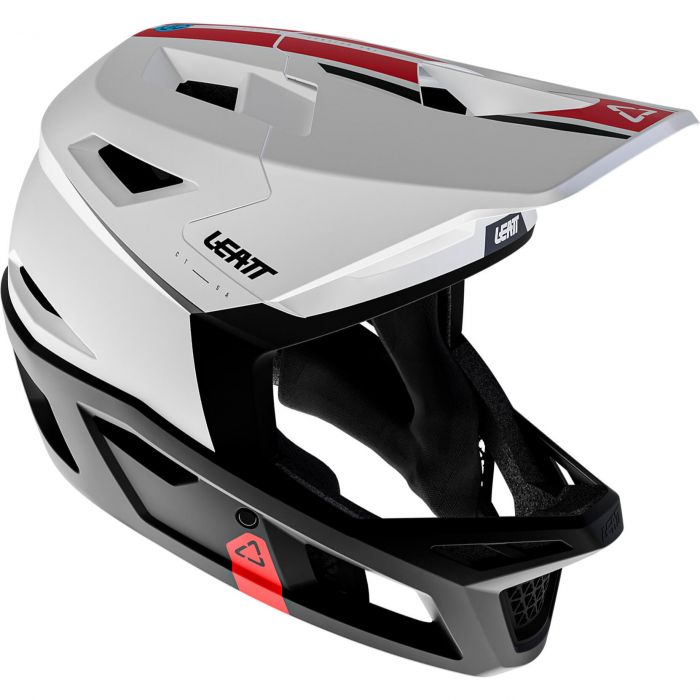

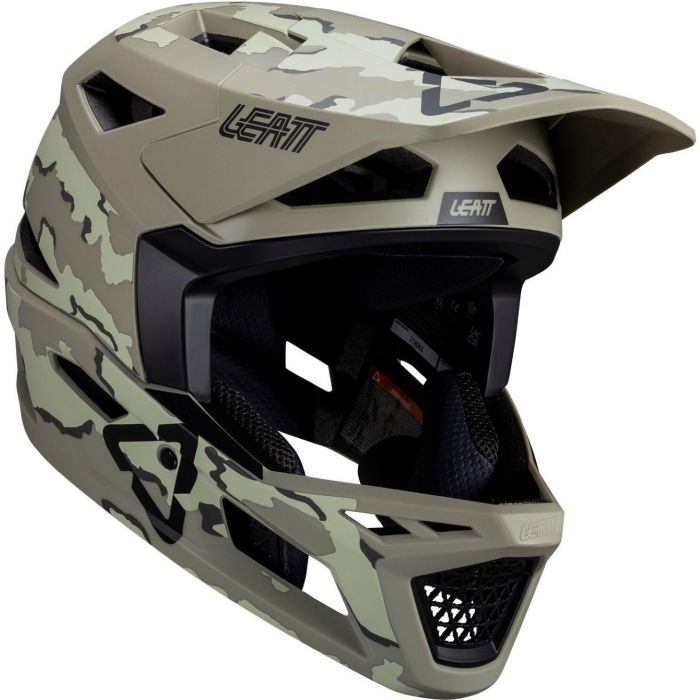

Leatt Gravity 4.0 MTB Helmet
$449.99 - $469.99$293.99 - $449.99 -

Fox Racing Proframe Matte MIPS MTB Helmet
$399.95 -
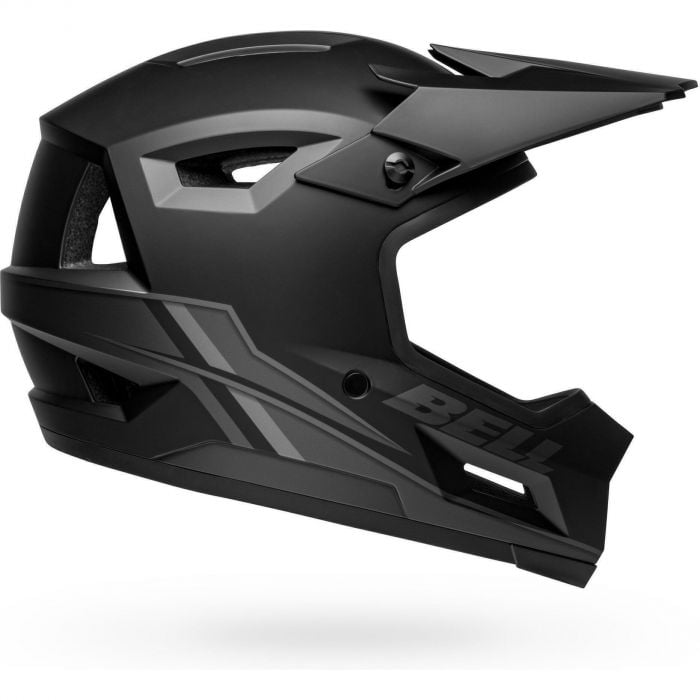 20% off
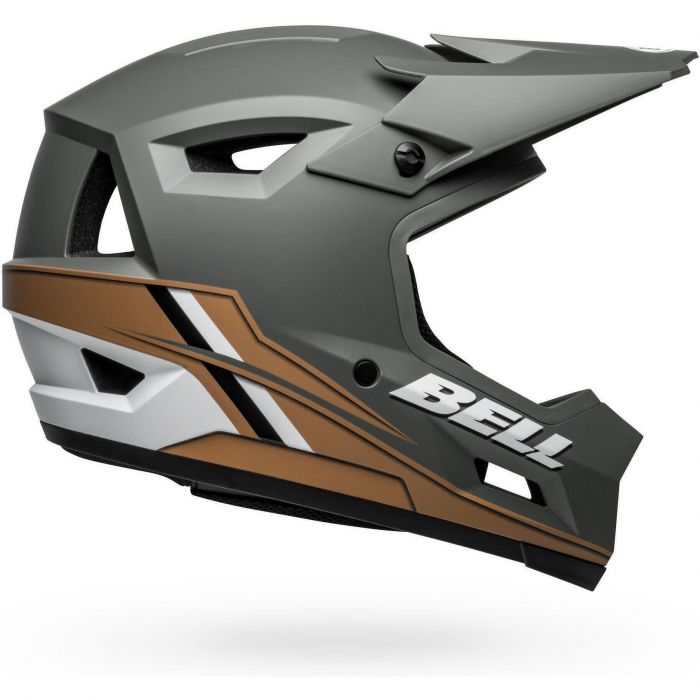
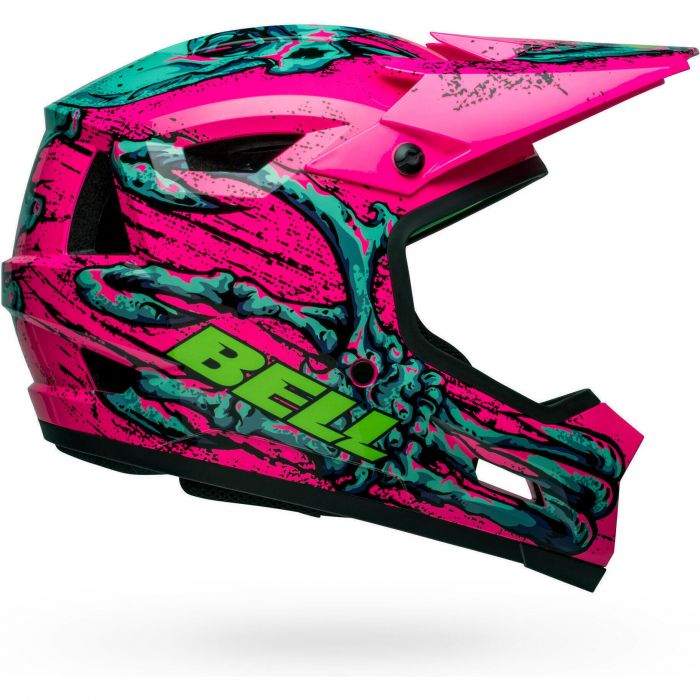

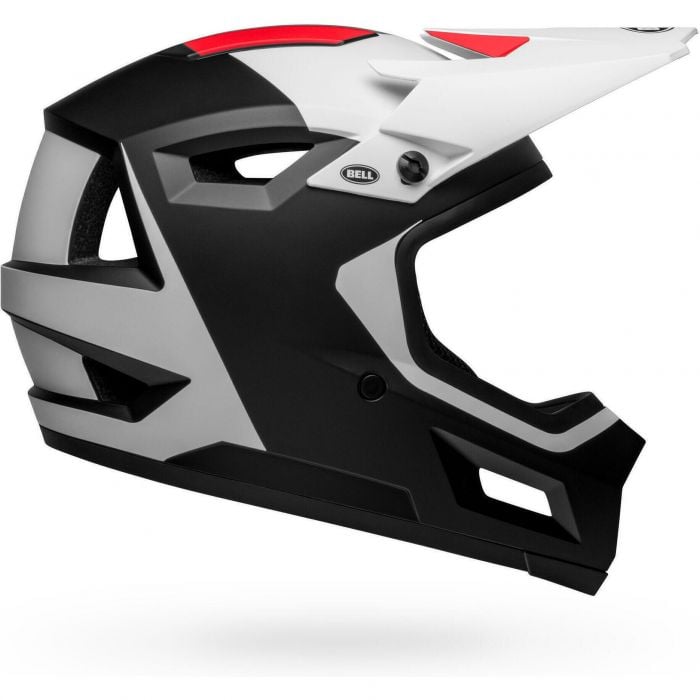
Bell Sanction 2 DLX MIPS MTB Helmet
$299.99 - $309.99$239.99 - $299.99 -
 40% off
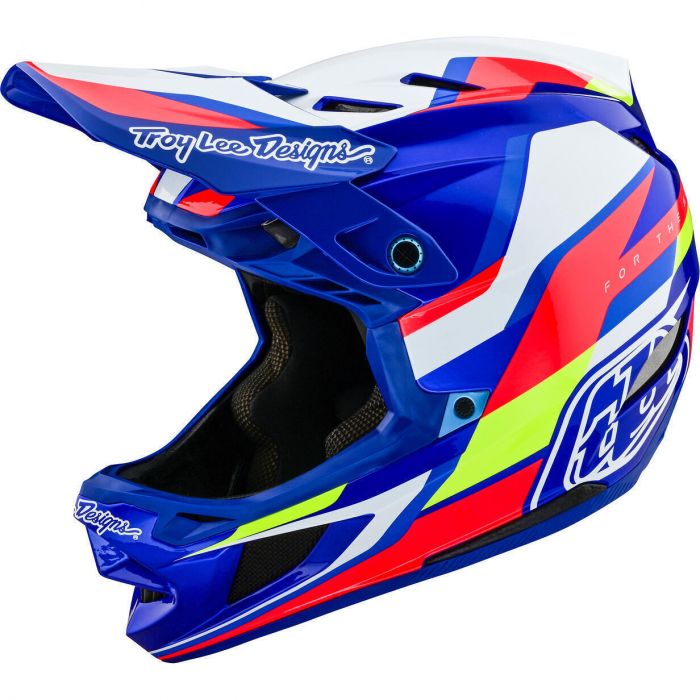
Troy Lee D4 Composite Omega MIPS MTB Helmet
$519.99$311.99 -
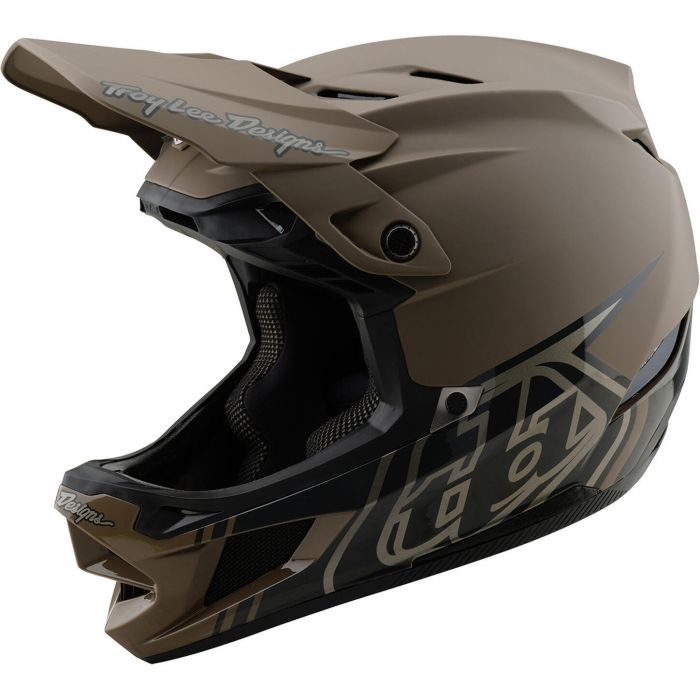
Troy Lee D4 Composite Stealth MTB Helmet
$519.99 -
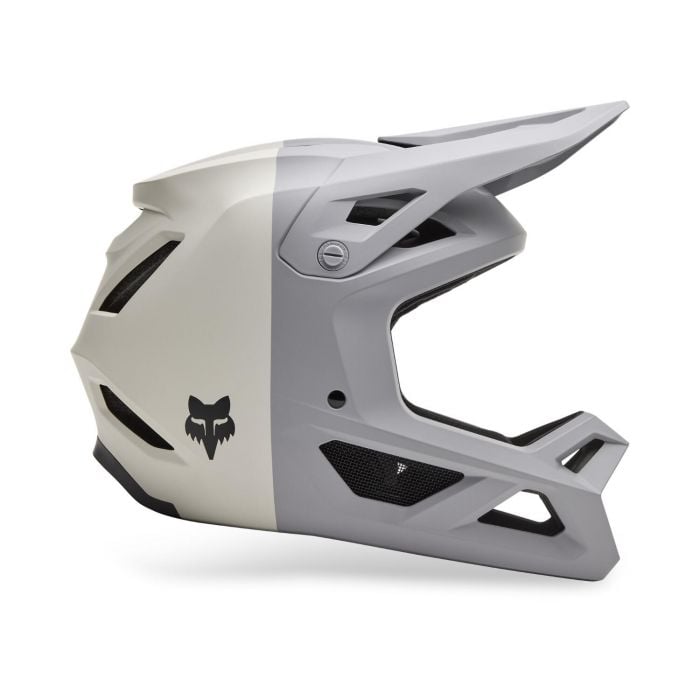
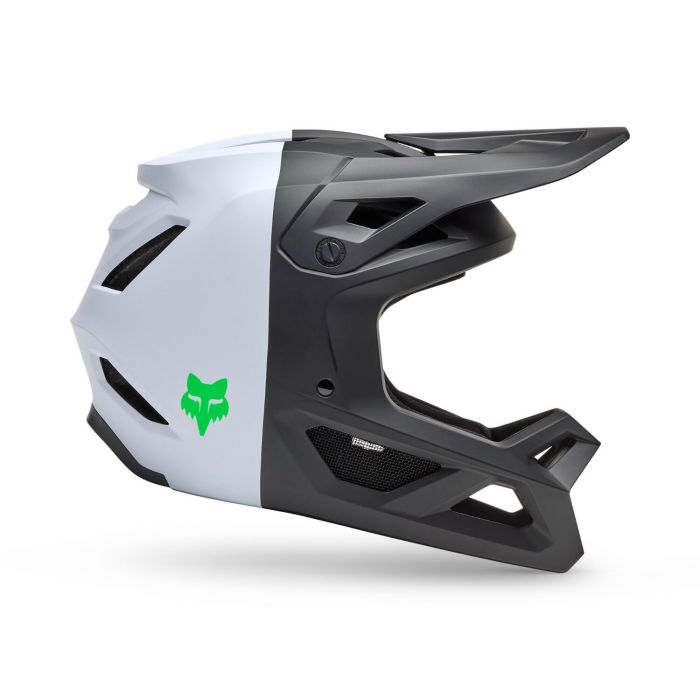

Fox Racing Rampage 5050 MIPS MTB Helmet
$309.95 -
 18% off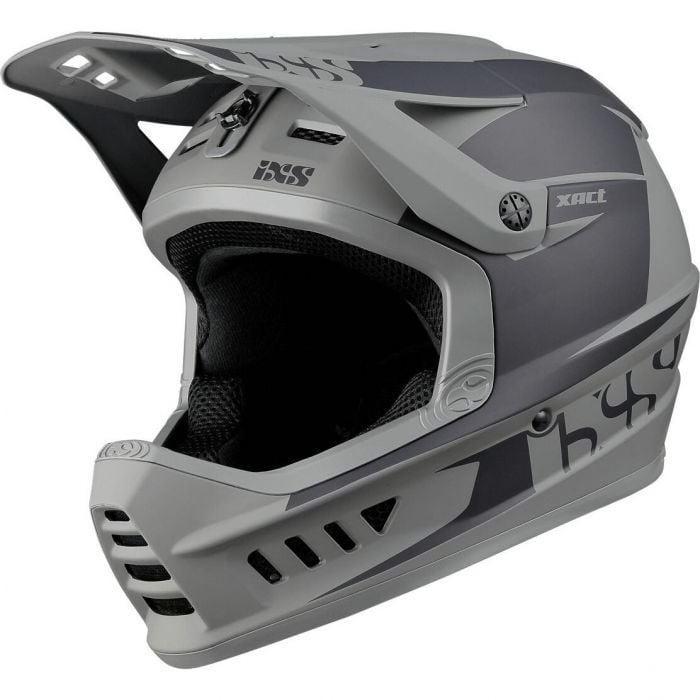
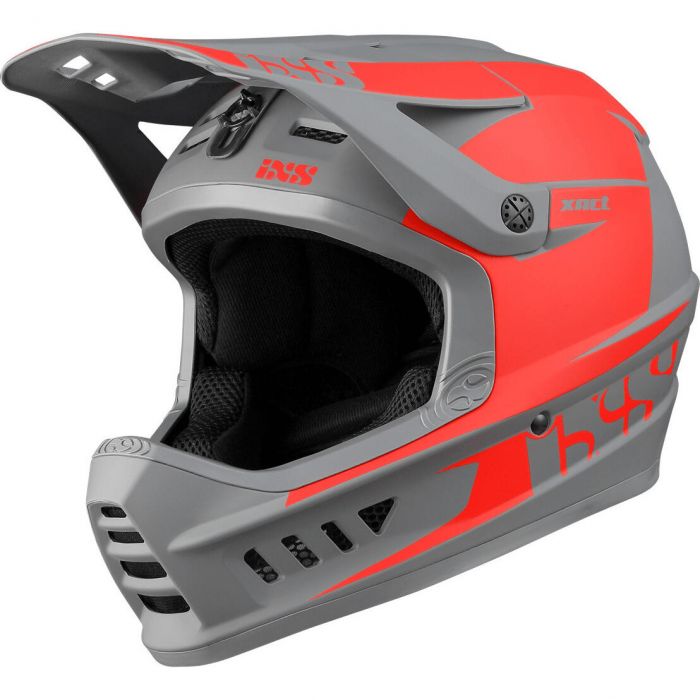
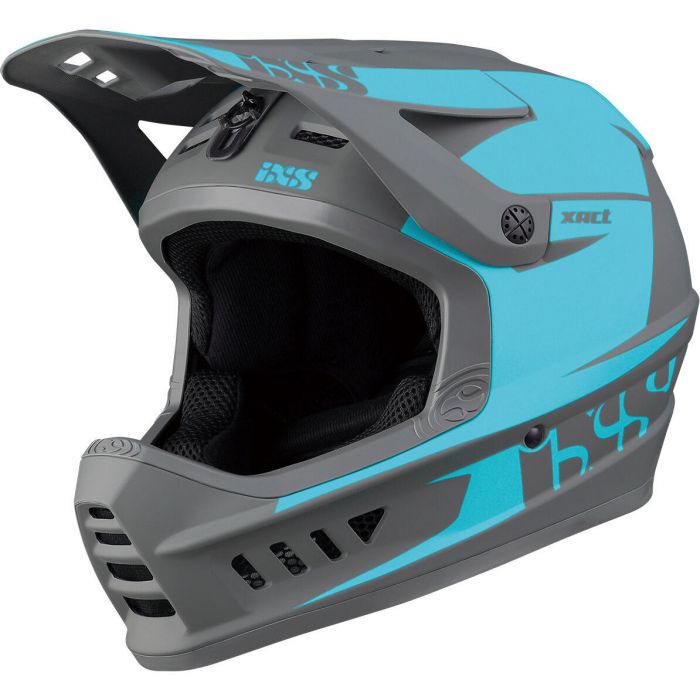
iXS Xact EVO MTB Helmet
$174.99$141.99 -

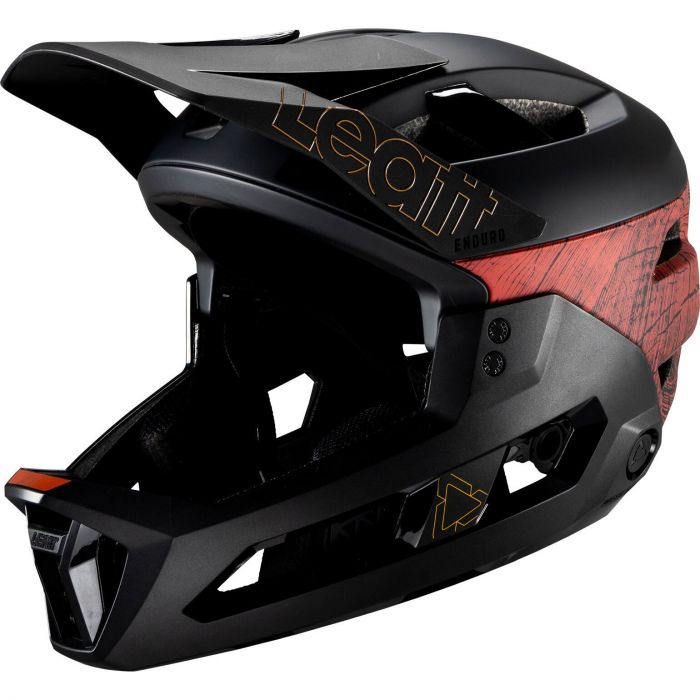
Leatt Enduro 3.0 MTB Helmet - 2025
$459.99 - $469.99 -
 40% off
Troy Lee Stage Stealth MIPS MTB Helmet
$399.99$239.99
About Full Face MTB Helmets
Buying a full face mountain bike helmet usually means you’re riding where protection matters most. Use this guide to compare full face helmet styles, focus on practical safety, and avoid options that feel good in the shop but fall short on the trail.
1. Full Face MTB Helmet Types & When to Use Them
| Full Face type | Typical terrain and demands | Helmet attributes you will want | |
|---|---|---|---|
| Pedal-friendly Enduro | Technical descents, plus you still have to climb (or at least pretend you do) | Serious ventilation, low neck fatigue, stable fit while sweating, usable on slow climbs without feeling like a sauna | |
| Bike park and shuttle | Lift laps, shuttle runs, repeated hits, more speed, more consequences | More coverage, more shell and liner mass, durable hardware, goggle-friendly opening, less obsession with airflow | |
| Downhill race-oriented | Timed stages, maximum speed, rocks, roots, and the kind of impacts that rewrite your plans for the week | Look for Downhill-specific certification first, then fit, then everything else. Chin bar strength and stability matter more than vents | |
| Convertible chin bar | One helmet to do climbs and descents, stage racing, travel, uncertain terrain | Easy conversion you will actually use, solid latch feel, minimal wobble at the chin, acceptable weight penalty, and parts you can service |
2. Helmet Safety Standards, Certifications & Testing
- Baseline bicycle standards are the floor, not the ceiling. In the US, the common baseline is CPSC bicycle helmet regulation (16 CFR Part 1203). In much of Europe, EN 1078 is the common baseline. These set minimum impact and retention requirements for bicycle helmets, not “this will feel awesome at 50 km/h into a boulder.”
- For Downhill, look for ASTM F1952 when you can get it. ASTM F1952 is written for downhill mountain biking, and it is intended to require greater protection than typical bicycle standards. It also includes performance criteria for chin bars on full face helmets, but it does not require a helmet to be full face to meet the standard. That last part matters because it means you still need to evaluate the helmet design, not just the sticker.
- If you cross into BMX and jump lines, ASTM F2032 is relevant. ASTM F2032 covers BMX helmets and calls out the higher head and face risk in that use, including criteria for helmets equipped with chin bars. It is not a Downhill MTB standard, but it is a useful signal for park and jump heavy riding.
- Ebike standards exist, but they are not a Downhill cheat code. NTA 8776 is a standard created for ebike and speed pedelec use, aiming at higher speed impacts and increased coverage requirements versus traditional bicycle standards. Helpful if your “mountain bike” is doing commuter speeds between trails. Not a substitute for Downhill-oriented testing.
- Independent ratings can cut through marketing. Virginia Tech’s bicycle helmet ratings use their STAR test method to evaluate helmets for reductions in linear acceleration and rotational velocity across multiple impact scenarios. More stars generally indicate lower brain injury risk in their test set. It is not a guarantee for every crash, but it is real comparative data.
- Meeting the minimum standard does not mean “maximum safety.” Standards are pass-fail, and they test a limited set of impact conditions. Full face adds facial protection, but only if the helmet stays planted and the chin bar is actually doing its job when it gets hit.
3. Key Full Face Helmet Features & Trade-Offs
| Feature | Benefit in the real world | Trade off, downside, or gotcha | ||
|---|---|---|---|---|
| Downhill-specific certification | Better odds the helmet is designed and tested for higher severity riding, plus chin bar criteria when a chin bar exists | Can add weight and heat. Also, certification does not magically fix poor fit or a wobbly helmet | ||
| Chin bar stiffness and coverage | This is the part that saves your jaw, teeth, and sinus cavities when you go over the bars | More material can mean more weight and less airflow. Some designs have flex that feels fine until impact day | ||
| Ventilation and internal channelling | Lets you actually pedal in a full face without cooking your brain on the climb | More openings can mean more noise, more dust and mud ingress, and sometimes less warmth in cold seasons | ||
| Weight savings and balance | Lower neck fatigue, better head control, less "bobblehead" feeling in rough terrain | Chasing lightweight can reduce robustness. Ultra-light often costs more, and can be less durable to day-to-day abuse | ||
| Retention system stability (occipital grip, adjusters) | A full face that shifts in a crash is a full face that misses the point | More mechanisms can mean more breakable parts, more squeaks, and more fiddling with gloves on | ||
| Cheek pad fit, plus emergency removal | Secure cheeks reduce rotation and lift. Emergency removal features can help responders remove the helmet with less neck disturbance | Too tight feels miserable and can distract you. Too loose lets the helmet yaw and makes the chin bar wander | ||
| Visor and goggle interface | Sun and roost control, plus a place to park goggles and manage strap routing | Big visors can snag in branches and crashes. Poor adjustment can block upward vision on steep roll-ins | ||
| Buckle type (D ring, magnetic, quick release) | D-ring is simple and secure. Magnetic and quick-release are fast and glove-friendly | D-ring is slower and annoying mid-ride. Magnetic and quick-release can clog with mud, ice, or grit if the design is fussy | ||
| Neck brace compatibility | If you ride high-consequence terrain, a brace can reduce certain neck injury mechanisms in specific crash types | Not every helmet shape plays nicely. A mismatch can push the helmet forward, change your sight line, or create pressure points |
4. Comparing Core Full Face Helmet Designs
- Ideal user: Lift laps, shuttle days, Downhill racing, and anyone who regularly sees double-digit minutes of descending per hour.
- Strengths: Best coverage and impact intent, most likely to chase Downhill-specific certification and robust chin bar performance.
- Limitations: Hotter and heavier. If you are pedalling long climbs, you will feel it in your lungs and your neck.
- Ideal user: Enduro style riding where you climb under your own power and still want chin protection for the way down.
- Strengths: Reasonable ventilation and weight, easier to wear all ride instead of strapping it to the bars.
- Limitations: Some prioritize breathability over outright coverage and mass. You need to be stricter about fit and stability because lighter helmets can shift more if the fit is not perfect.
- Ideal user: One helmet solution for mixed days, travel, stage racing, or riders who refuse to own two helmets on principle.
- Strengths: You can climb without the full face heat penalty, then add face protection for descents.
- Limitations: More moving parts, more weight than an equivalent fixed design, and more failure points.
5. Full Face Helmet Fit, Compatibility & Comfort
- Fit is not comfort. Fit is function. A full face should feel evenly snug around the crown and very present at the cheeks. It should not roll forward into your eyes when you push up on the chin bar.
- Do the shake test. Strap it, tighten it, then shake your head like you are saying “no” to a bad line choice. If the helmet rotates independently of your skull, it will do the same thing in a crash.
- Cheek pads should stabilize, not crush. Light pressure is good. Numbness, jaw ache, or biting your cheeks while breathing is not.
- Chin bar clearance matters. You want space between the chin and bar. Not a cavern, just enough that a small hit does not turn into a self-inflicted uppercut.
- Goggles are part of the system. Check that the eye port does not force the goggles to buckle, that the strap sits flat, and that the visor does not collide with the goggle frame when adjusted.
- If you wear glasses, test them with the helmet on. Some full face cheek geometry pinches arms hard enough to create a headache by the second descent.
- Consider neck braces and body armour early. The rear profile of some full face helmets contacts a brace sooner, changing the helmet angle and sight line. That can be unsafe if it forces you to ride “chin up” just to see the trail.
- Heat management is a safety issue. Overheating makes you sloppy. If your riding includes long climbs, prioritize ventilation and sweat management, even if you are buying a more protective style.
6. Full Face Helmet Care, Maintenance & Lifespan
- Replace after a real impact. Most bicycle helmet liners are designed to manage impact by deforming. If you had a meaningful crash, replace it even if the shell looks fine.
- Full face adds more parts to inspect. Check visor screws, anchors, strap stitching, and any chin bar hardware regularly. If anything loosens, tighten it on the trail.
- If it is convertible, treat the latch like a critical component. Clean it, inspect it, and do not ignore play or rattles. Dirt and wear live there.
- Wash pads, do not marinate them. Liners should be washed gently and dried fully. Sweat and grime break down foam and turn fit into slop over time.
- Avoid heat and UV abuse. Do not bake it in a hot car. Heat and UV accelerate material aging and can weaken liners and adhesives.
- Retire helmets on time, not just after crashes. If the padding is packed out, the straps are frayed, or the retention hardware is worn, the helmet will shift more, and shifting is how protection fails in the real world.