













































Universal Fitment
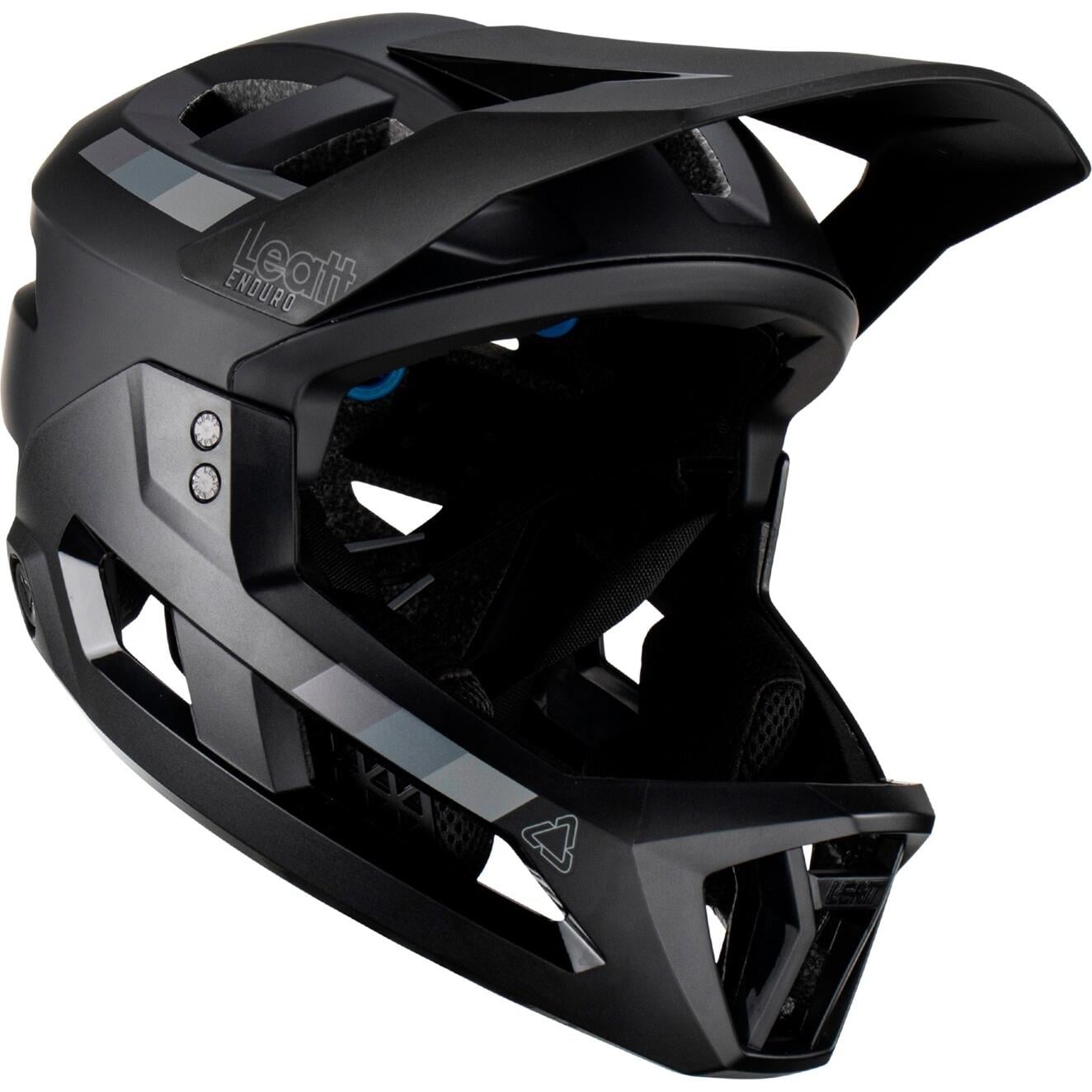
That means it will fit on almost anything: Full faces, half helmets, and everything in between. There are two caveats to that statement. 1.) Half helmets will work much better with devices that are specifically designed for half helmets. 2.) Nolans, Schuberths, SHOEIs and the Bell Mag-9 will work much better with their helmet specific devices . If you do buy a universal fitment device, there is one distinct benefit: if you ever change helmets, your comm device will be able to transfer over.
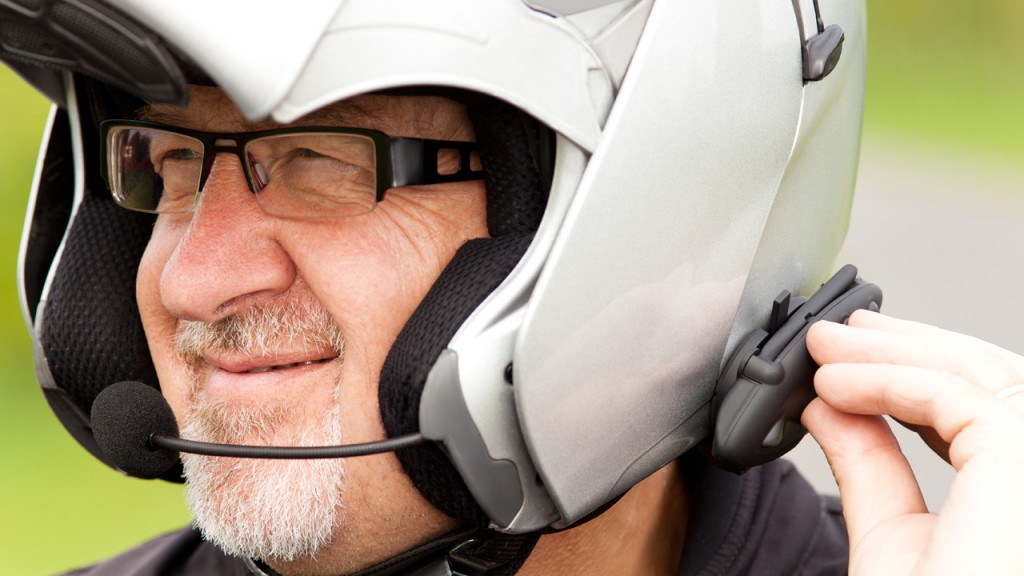
For universal fitment, installation normally goes something like this: First, the body is clamped or stuck onto the lower left side of the helmet.
From here, two speakers must be run into the helmet and stuck over each ear. In some helmets, the stock ear flaps will have pouches for speakers. Other times, there are recessed spaces in the EPS foam for fixing speakers. You’ll have to remove the helmet’s liner to check. If not, you might consider cutting into the fabric padding to sink in the speakers.
Finally, the boom microphone must be positioned in front of the mouth. Normally, it is already attached to the body, and simply needs to be bent into shape. For full faces, this means curling it under and into the helmet.
There are a few exceptions when it comes to installation. The Uclear HBC200, for instance, is a device for helmets in general. However, there is no boom on the microphone. Instead, the mics are attached to the speakers, and they pick up the rider’s voice from there.
For all these steps, you can expect to use adhesive, Velcro, clamps and a bit of improvisation. Sometimes, you have to fiddle with the helmet’s liner, or use some tape of your own to secure the wiring.
Half Helmet Fitment
Certain headsets are specifically designed for half helmets. In these cases, they normally come built into ear flaps. On each flap, there is a Velcro tab. Installation involves shoving the tab upwards, in between the helmet’s shell and lining. Once this is done, installation is essentially complete.
Before you buy one of these products, have a look at your helmet. Will you be able to insert the tab between the shell and the padding? Is the neck strap wide enough to straddle the new ear flaps?
As always, there are exceptions when it comes to installation. The Uclear HBC200HD , for instance, does not use a boom microphone. Instead, there are vibration mics that sit inside the lining of your helmet. This greatly reduces the problem of wind noise, which is a particular nuisance for half helmet users. Also, the HBC200HD does not come with ear flaps. Rather, it clamps onto the shell of the helmet, and the speakers must be installed into the existing flaps. If you don’t have any, the device comes with earbud-style headphones as well.

Helmet-Specific Fitment
Some devices are designed to work with particular model(s) of helmets only. The device and the helmet are normally designed together, so you’ll get that seamless OEM compatibility. This makes installation very simple, as the helmet will have special spaces and channels for the comm and its wiring.
However, you aren’t going to have much selection. Very few helmets have helmet-specific devices to match. And if they do, there’s probably only one or two of them. Nolan and Schuberth helmets are known for having helmet-specific communication devices to match. The Bell Mag-9 is paired with a special version of Sena’s SMH-10. And finally, most SHOEI helmets are particularly suited to Cardo’s SHO-1 Bluetooth device.
Coincidentally (or not-so-coincidentally), these helmets do not work well with universal comm systems. So, you’re basically forced to use the matching helmet-specific device. Of course, you’d want to anyway. Helmet-specific comms are easy to install and less intrusive when it comes to wind noise, style, and fit. If you have a Schuberth, Nolan, Bell Mag-9 or SHOEI helmet, find the helmet-specific device to match your particular model, and go with it.