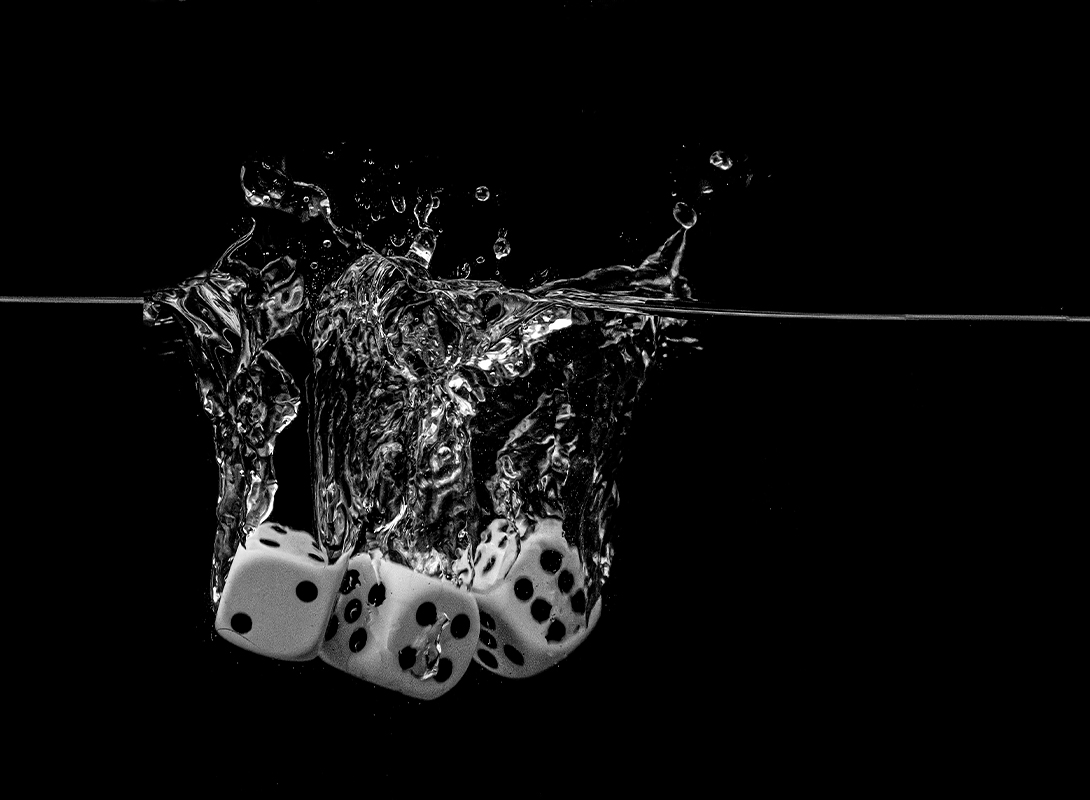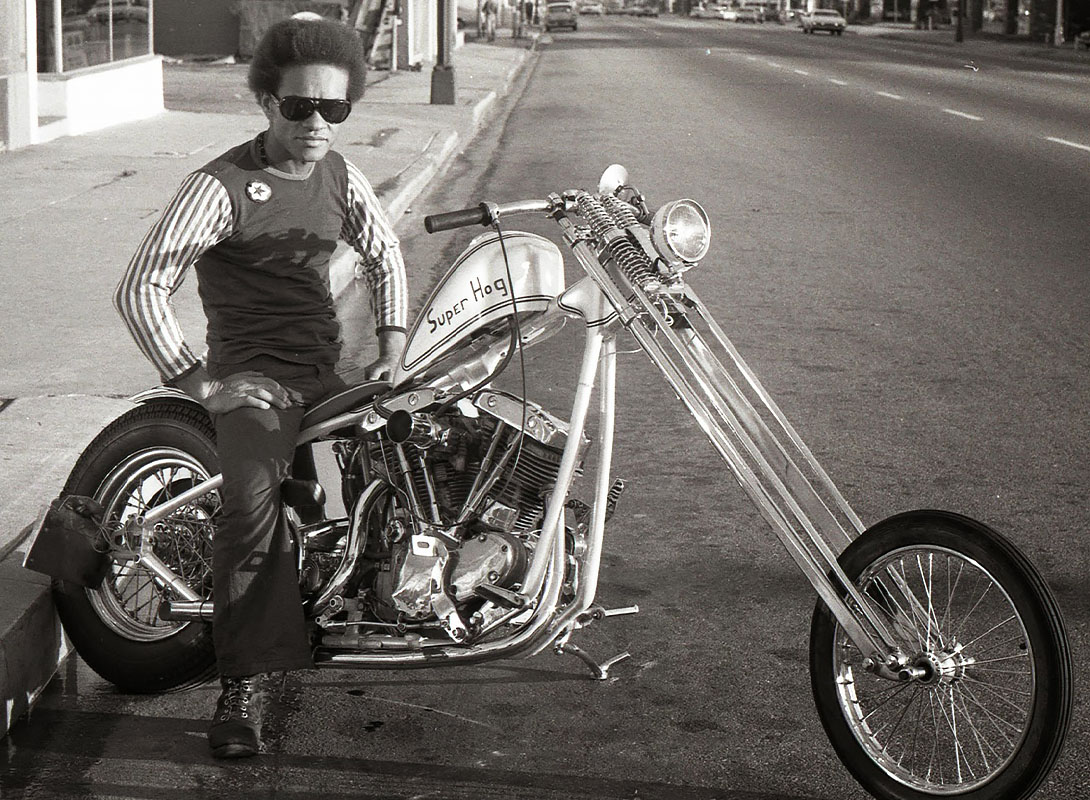





DanF9 | Nov 17, 2025 — Game theory has an oddly soothing idea at its core: the Nash Equilibrium. You might remember it being explained in A Beautiful Mind, but I'll quickly run through it here as well. It's a steady state where, given everyone else’s choices, no one can do better by deviating from their original strategy.

Some games are fights; others weave and meander, taking their time to end, like a tango. I kind of see merging like more of a dance than a duel. There are 2 lanes, or "streams," one lane to move toward, and limited time. Here, the best outcome occurs under legible, visible, and predictable conditions. In game theory terms, a winning merge is one where the driver's best response is to cooperate.

The Other Side of the Coin

The alternative is familiar and exhausting. We lunge, they brake; they surge, we flinch. The merge becomes a game of chicken, and even when you "win," you seed future losses. Coordination collapses, and with it goes the spare attention you actually need for the next decision.

To better understand why, I ask myself: What are the situations in which the driver's response would be winning if they didn't cooperate? Well, we see this quite often, but here are a few examples:

  • The rider fails to signal and merges suddenly and without warning into a lane with little space, forcing the driver into an ego battle in which he often "concedes" or "reinforces" his presence in the lane. Needless to say, the latter response isn't so desirable, and I often see people ride as if the concede button was the only play the driver had. Except, reality tells a different tale, and drivers most definitely go for the crazier option more often than you think. Insane? Yes. Improbable? No.

  • Any situation where the driver has the "right of way" and the rider infringes upon this most sacred status (roundabouts, intersections, etc.).

  • The rider zooms by traffic, splitting the lane instead of merging, and the driver ahead sees this as unfair. One monkey has a banana, the other is pissed that he doesn't. I don't agree with the mindset, but I can see why some drivers might feel entitled enough to "block" the middle lane. They see themselves as losers and the winner is just cruising by, as if the reality of traffic didn't exist.

A Balanced Strategy

I live in an imperfect world. In this world, drivers carry grudges, they are often distracted, and even if lane splitting was legal, they wouldn't be looking out for the poor soul zooming past the middle lane, before attempting to a merge of their own. So, all this to say: merging is a coordination game that has better chances of being successful when predictable strategies are chosen. If I broadcast a clear maneuver early, the car beside me can "read" it and choose the complementary move without flinching. That’s the equilibrium: we each do the thing that makes sense given the other’s position, without needing to deviate or "bluff."

What I like about the game-theory lens is that it gives a concrete, teachable point: predictability changes the other player’s payoff. By being clear, early, and steady, you redesign the situation so cooperation is the best possible outcome, and one that benefits not only yourself, but the other driver as well. It might not be the realization of the century, but it's a mindful strategy in service of safety.

Your Turn, Player 1

If you want one cue for tomorrow's commute, try deciding on your merge a bit earlier than usual. Signal, move to position in your own lane, match pace and execute (without changing your mind). You should have more time and distance to allow the perfect gap to open as if it were manifest destiny. That could be equilibrium asserting itself. And you, somehow, arrive in the next lane calmer.

—

Have your strategy to share? Join the Discussion.

Want more tips like these to improve your rider's mindset? Subscribe to The Break-In, FortNine's weekly newsletter!

Related Articles

Blank

Why Cruisers Make Better Riders, Not Lazy Ones

Most underestimate what it really takes to get a handle on a cruiser.

Blank
Stop Leaning on the Lever: The Front Brake Is Not a Crutch

Because not every situation calls for a handful of front brake.

Blank
Motorcycle Crash Recovery: How to Ride Again Post-Injury

You don’t need a grand comeback; you need a plan and a calmer throttle hand.