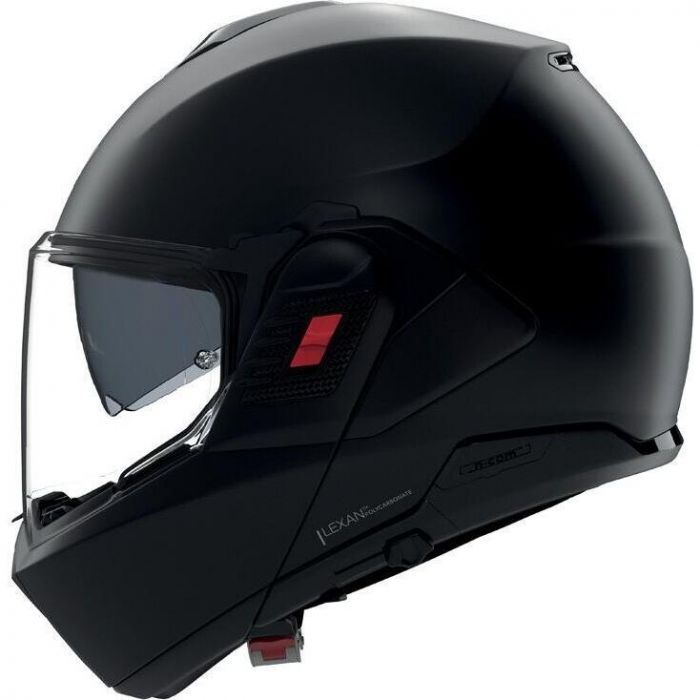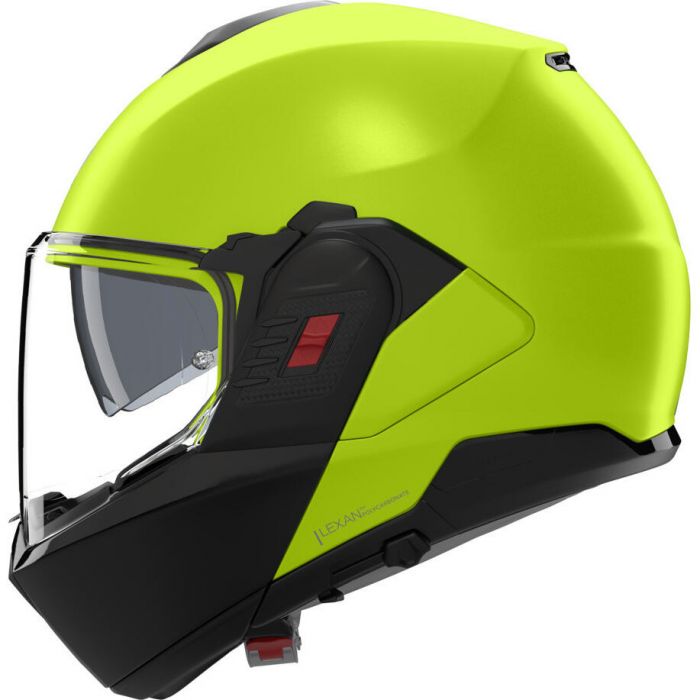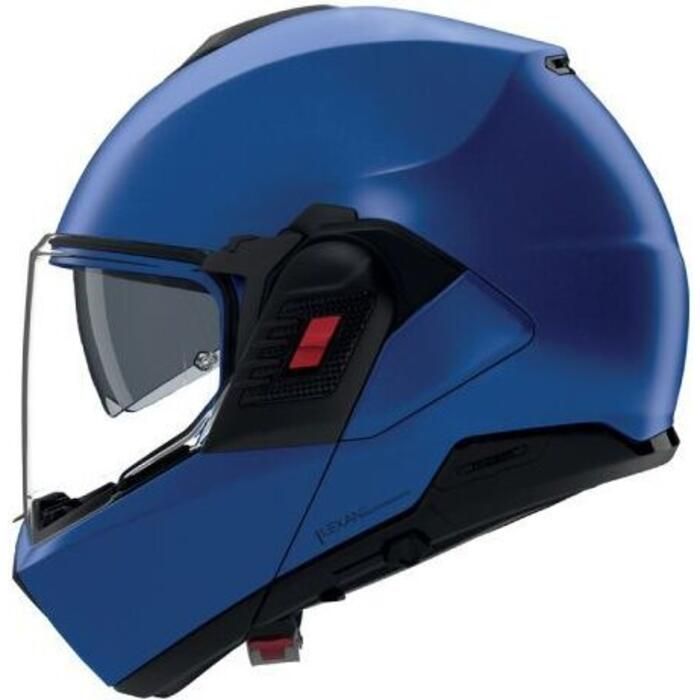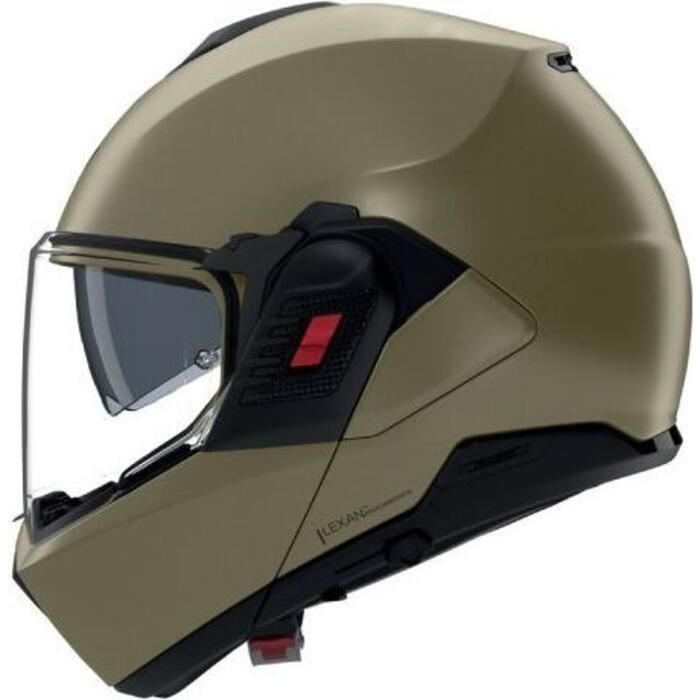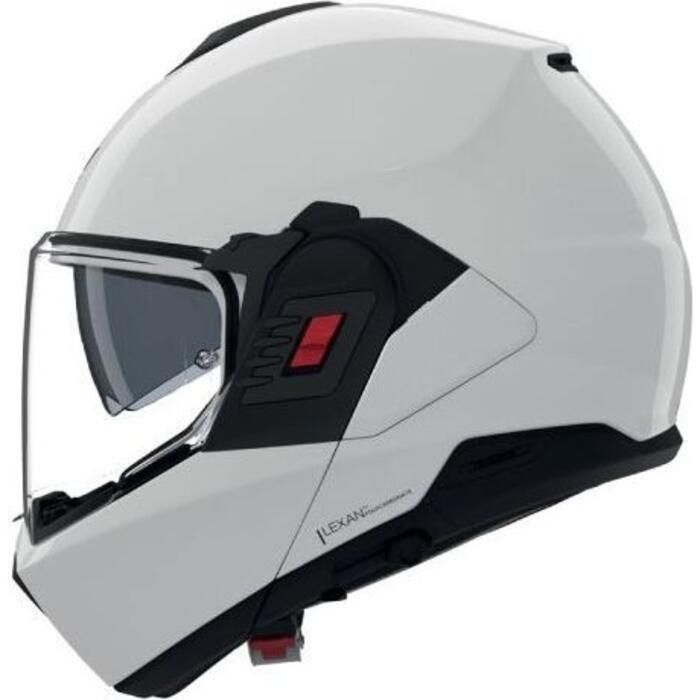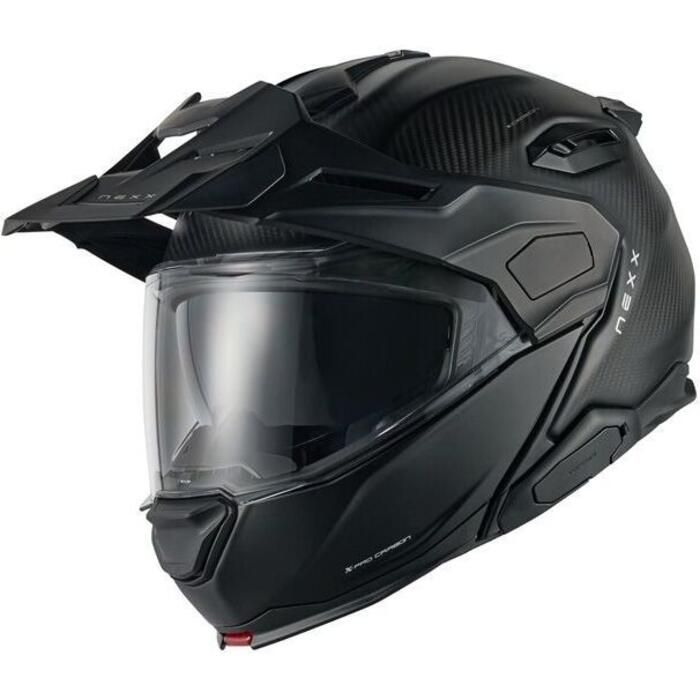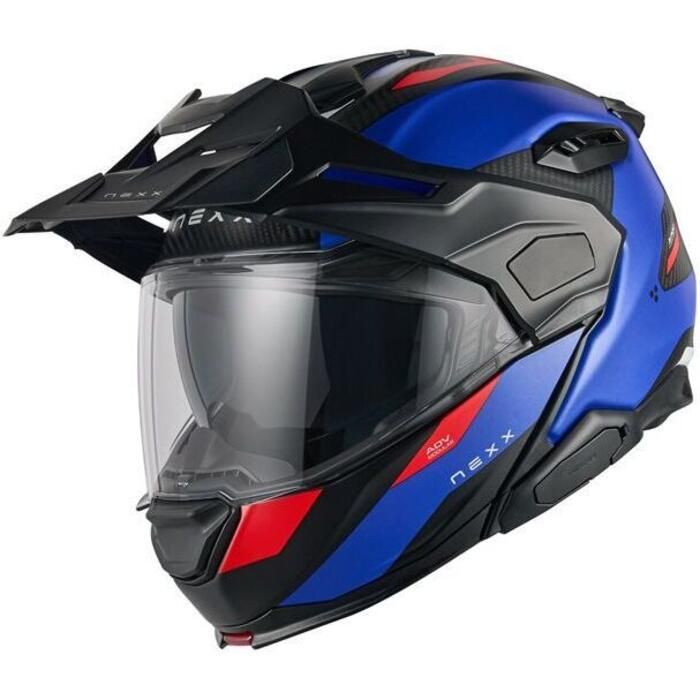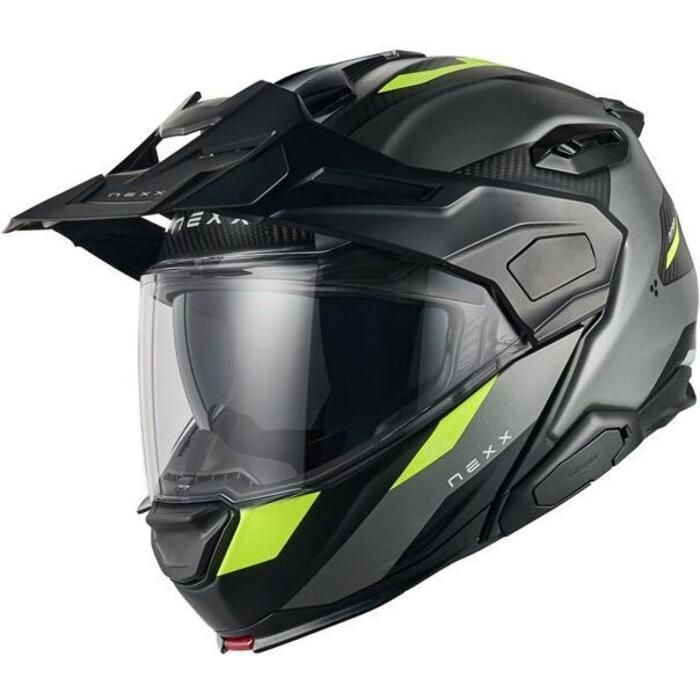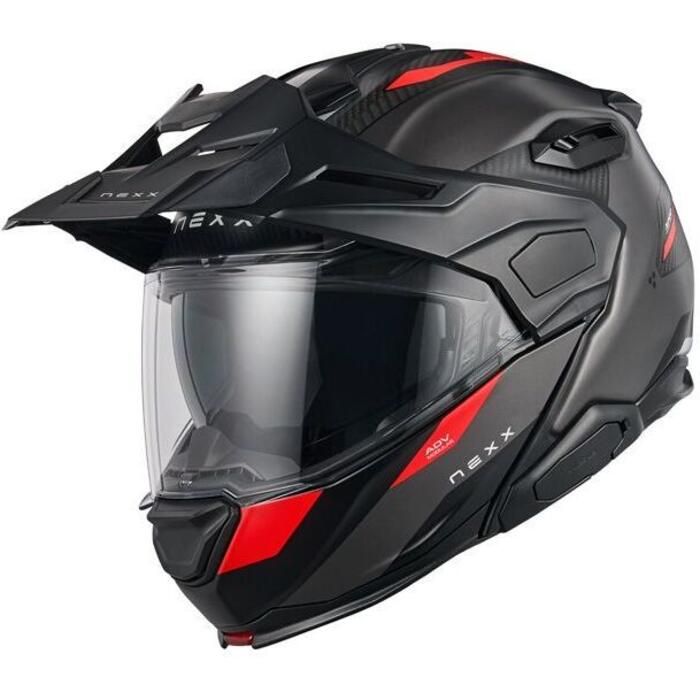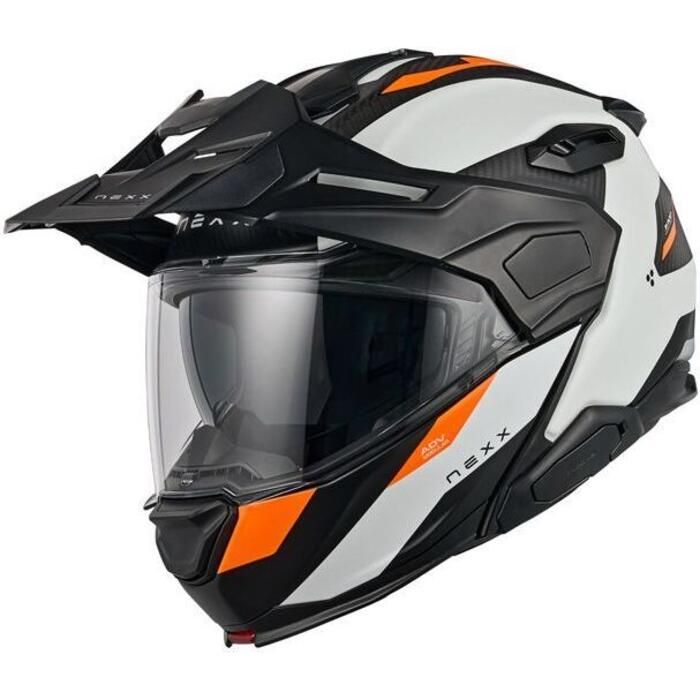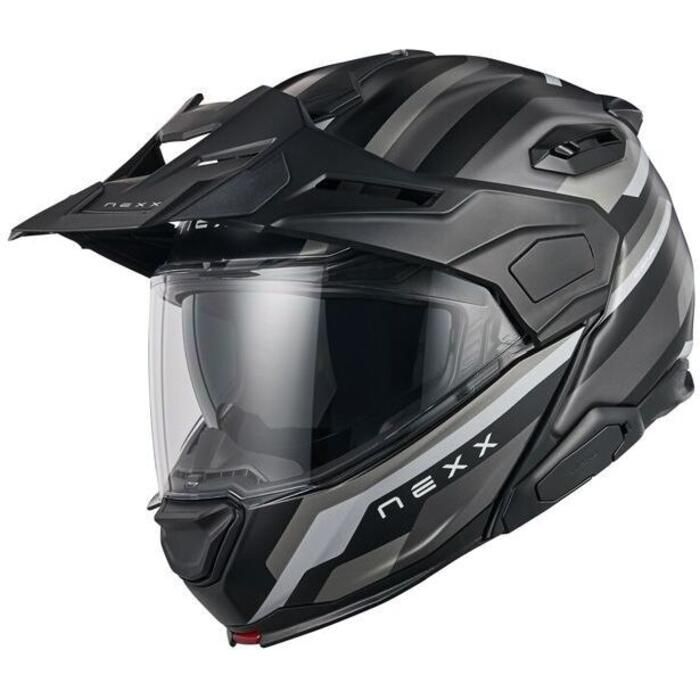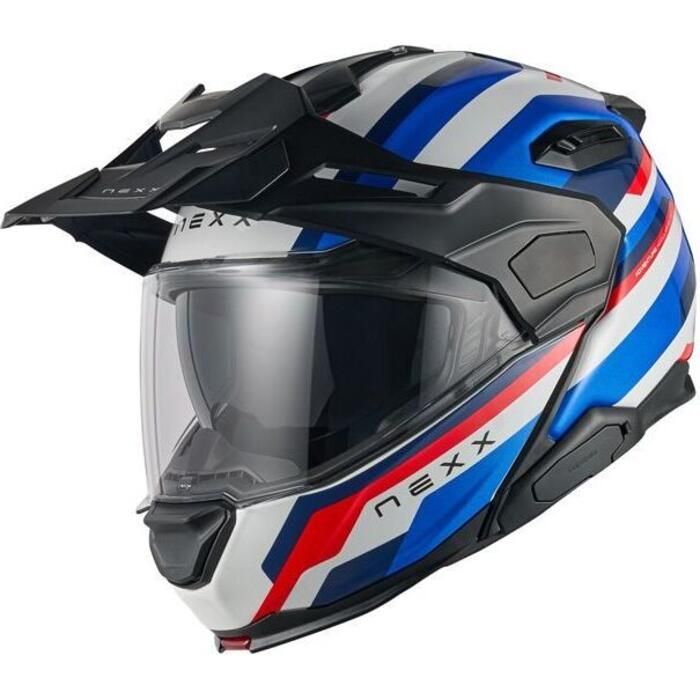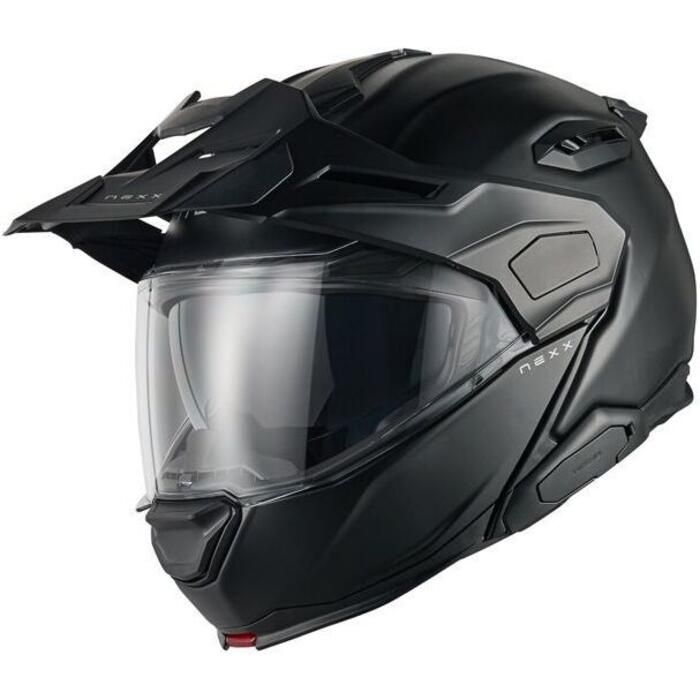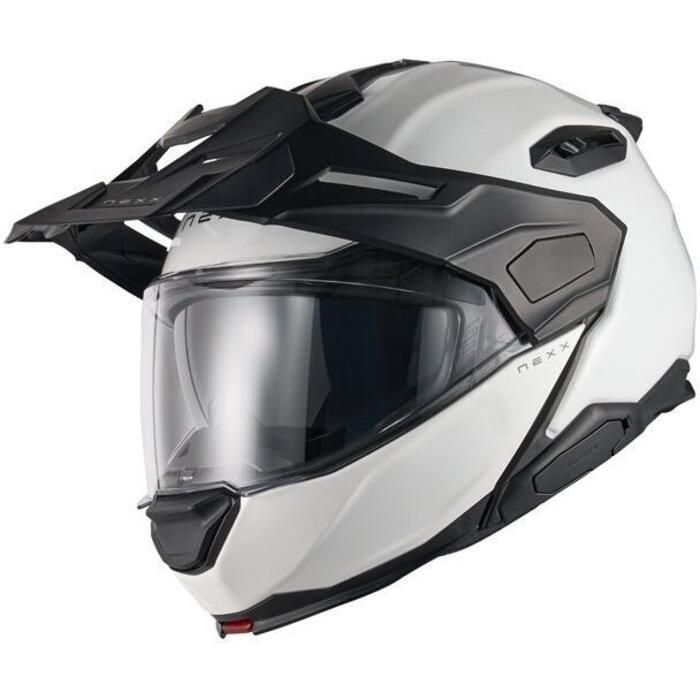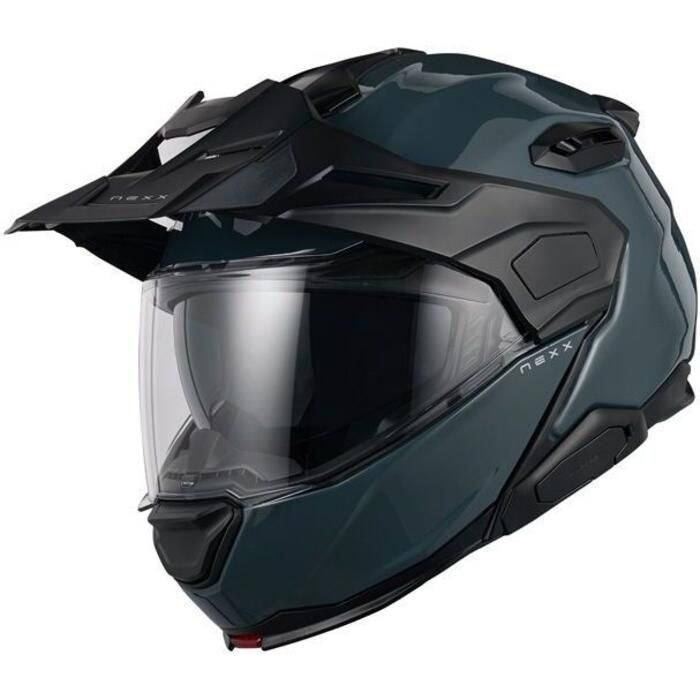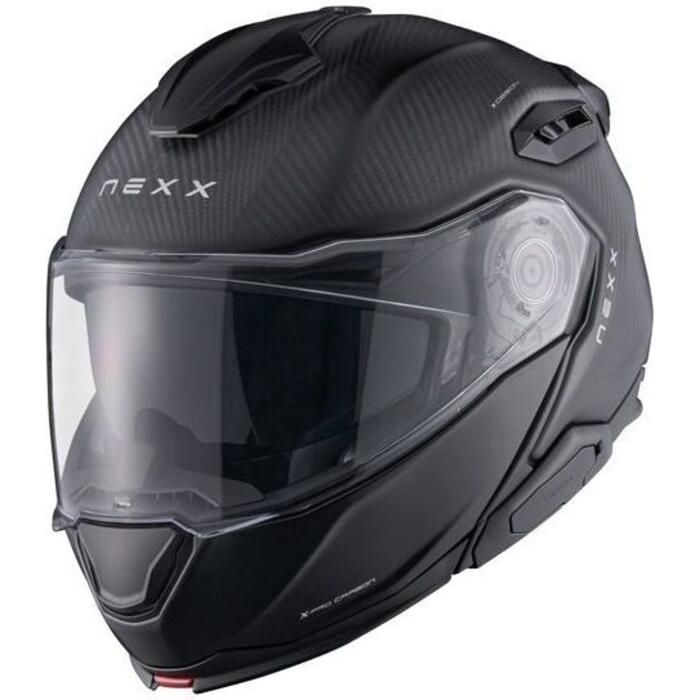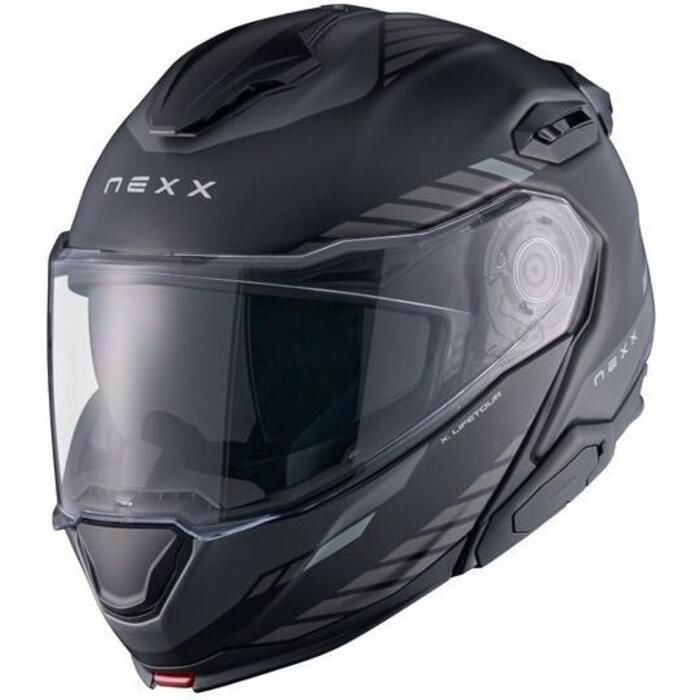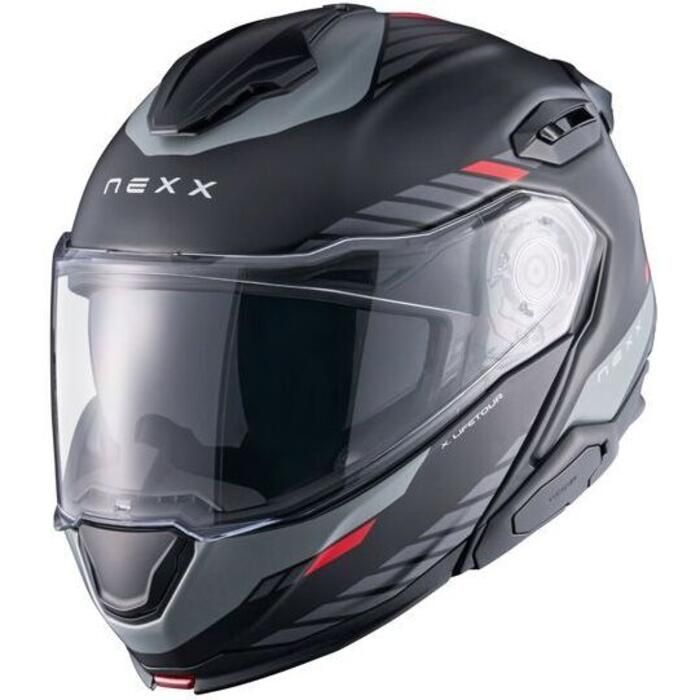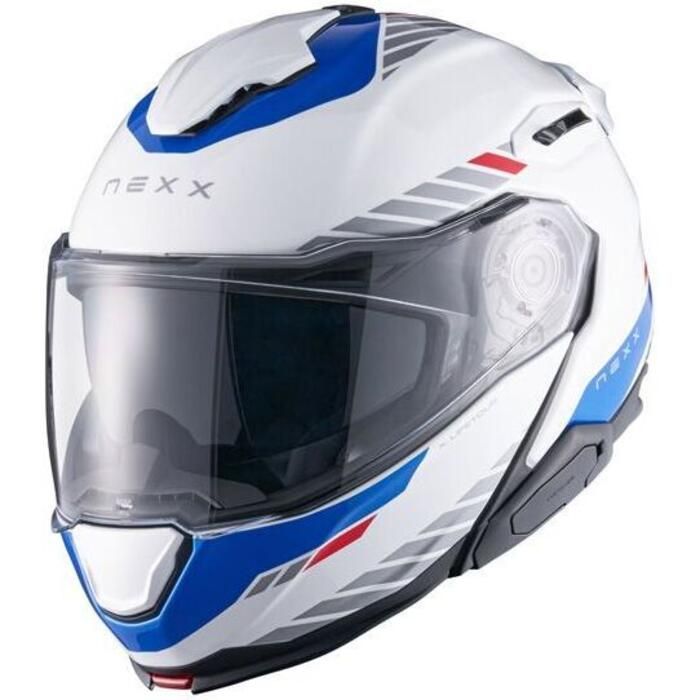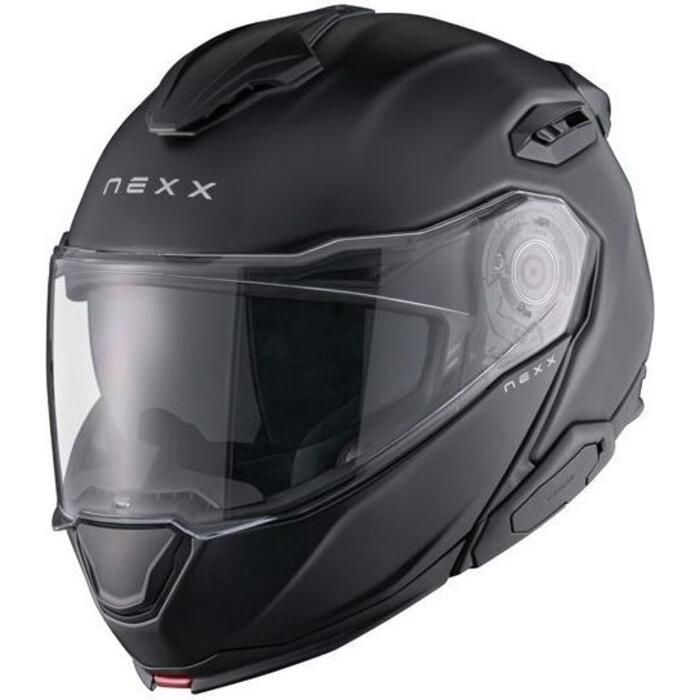




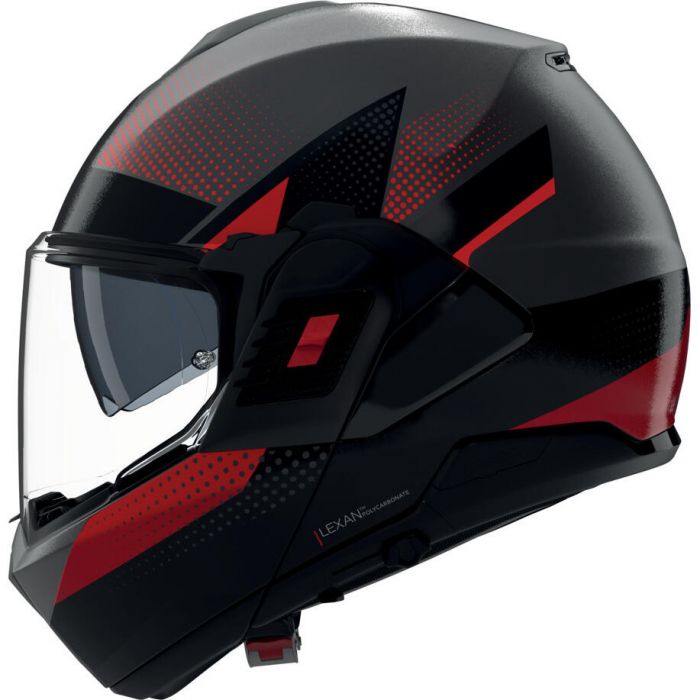
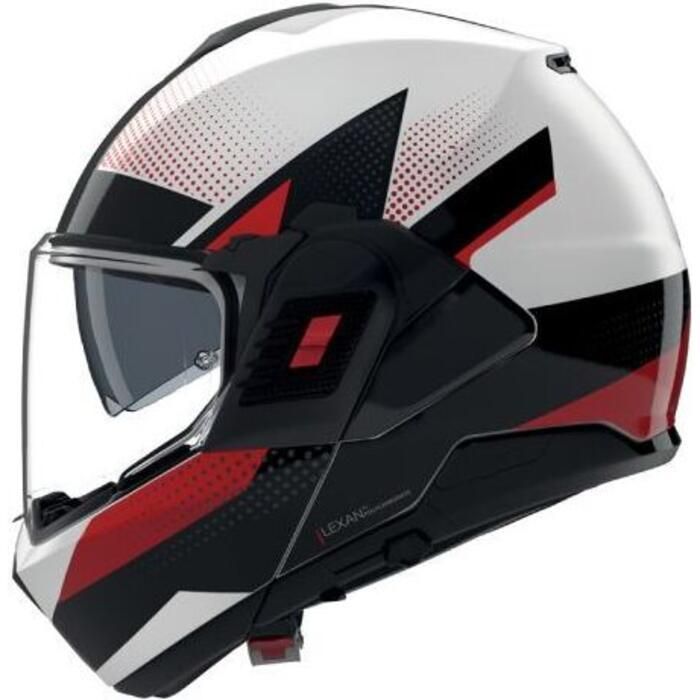
Modular / Flip-Up

About Modular / Flip-Up

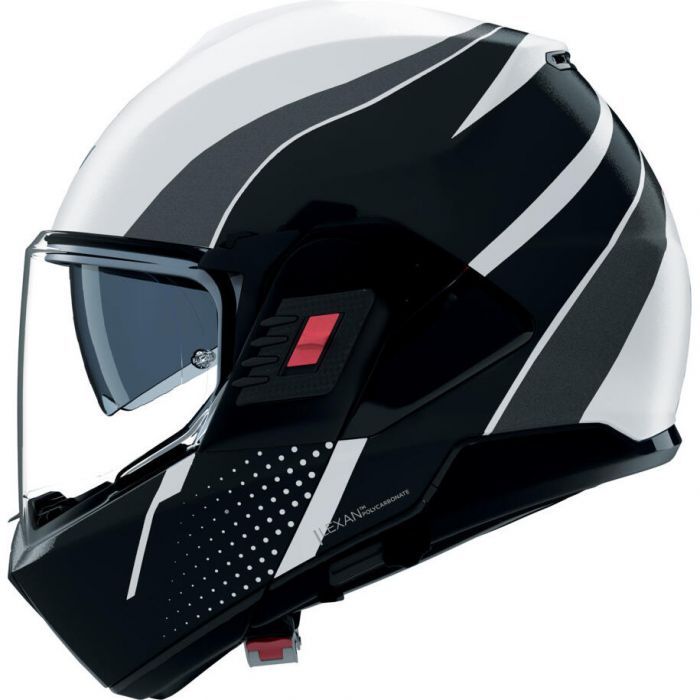
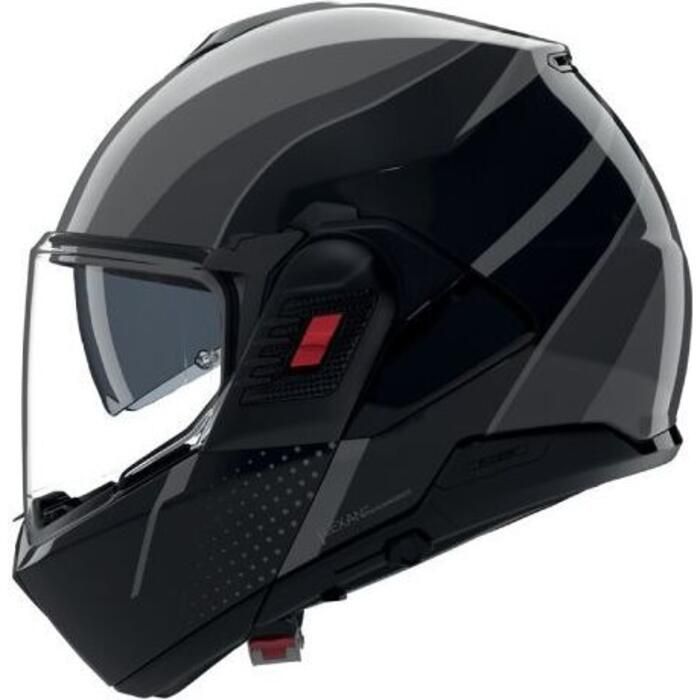
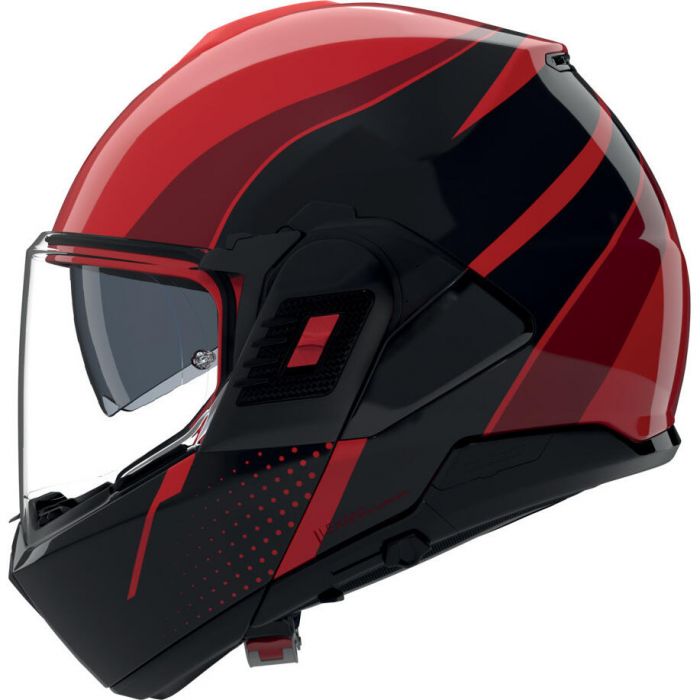
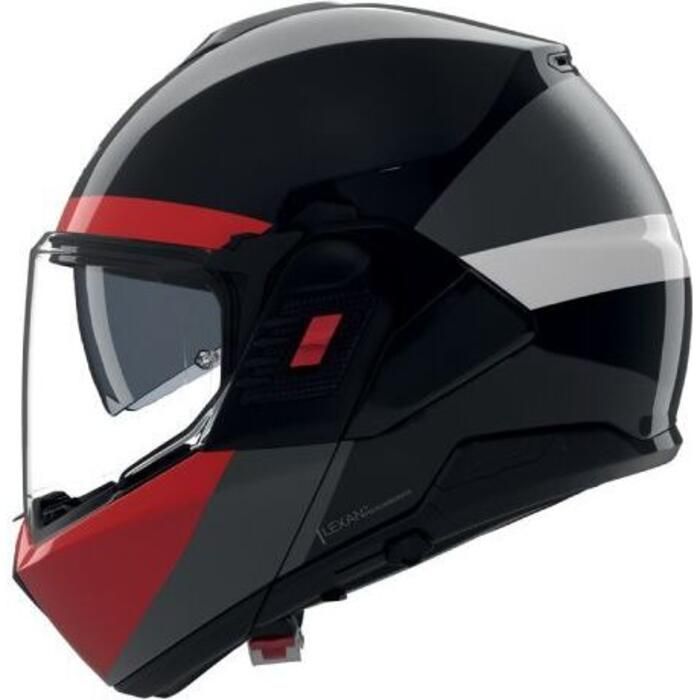
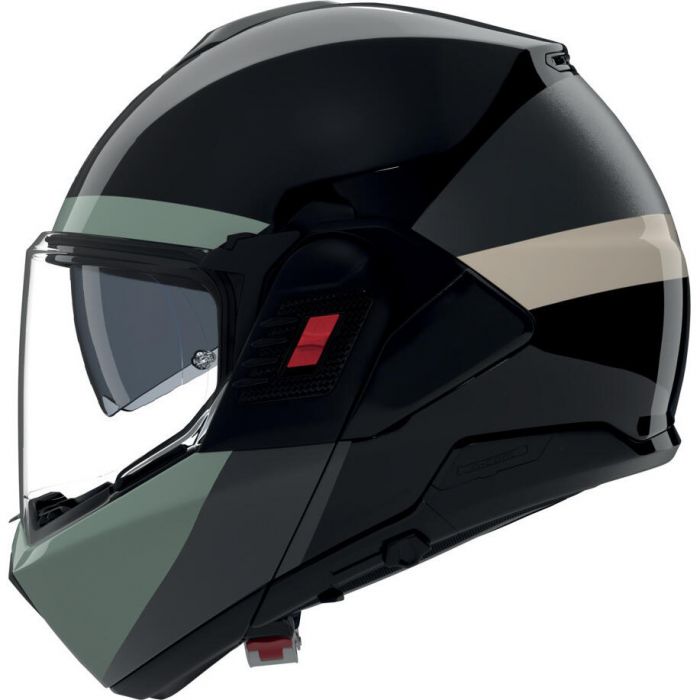
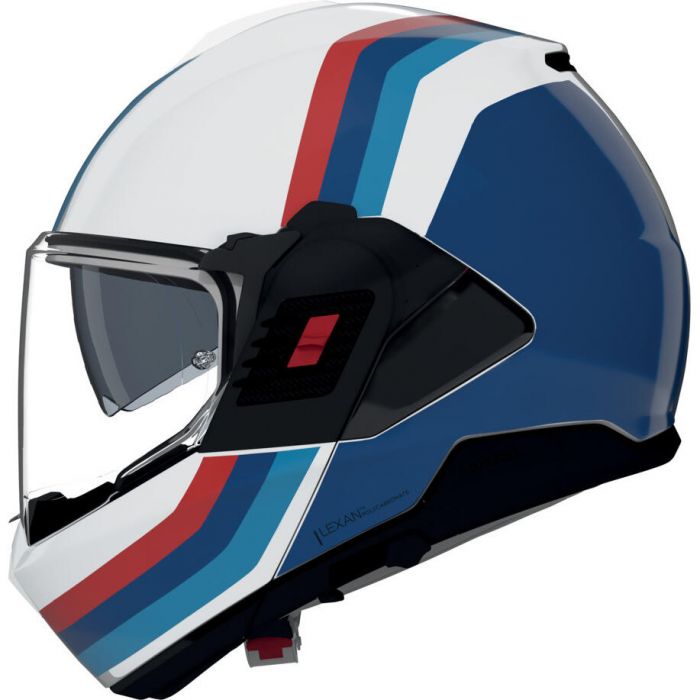
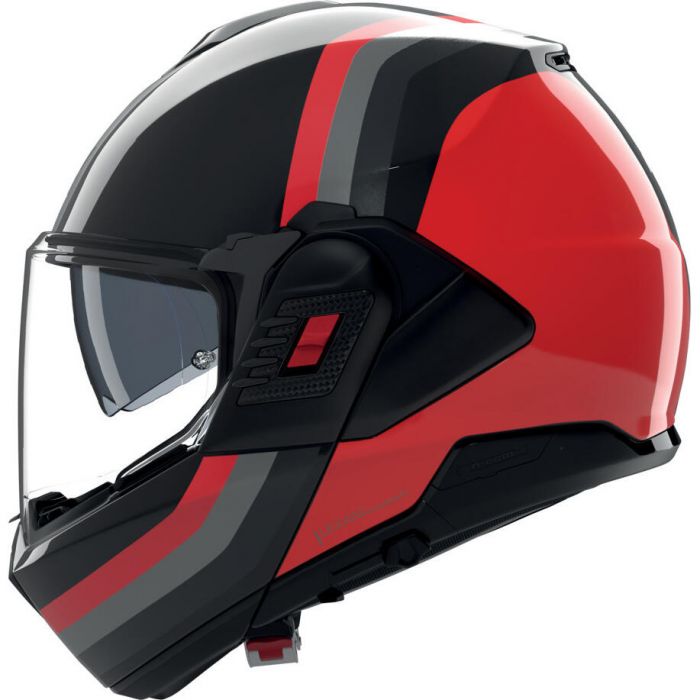
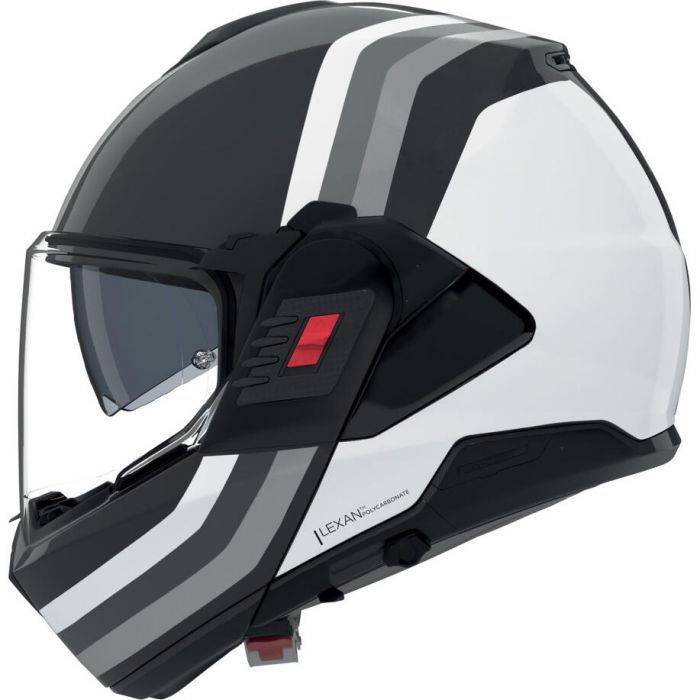
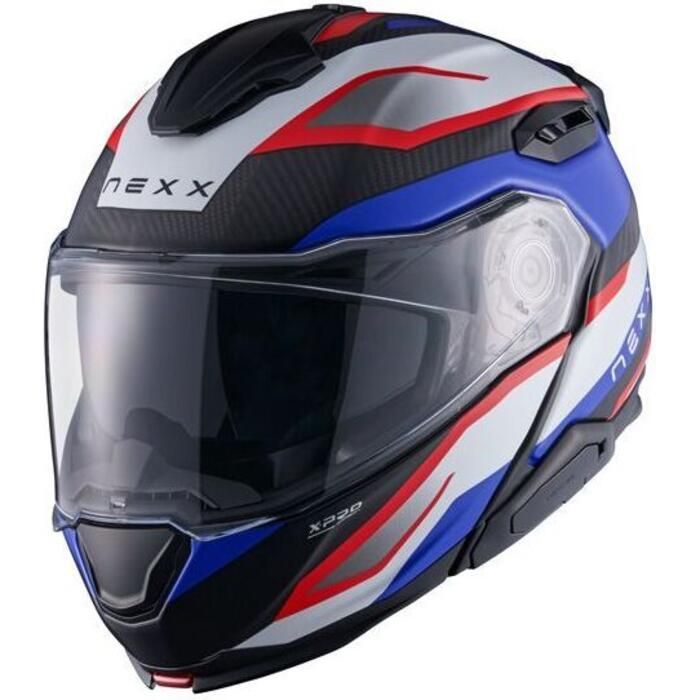
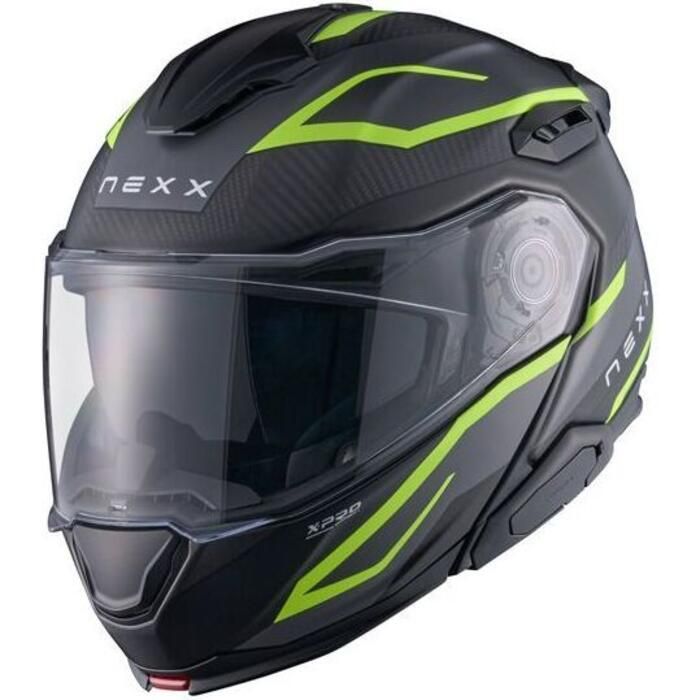
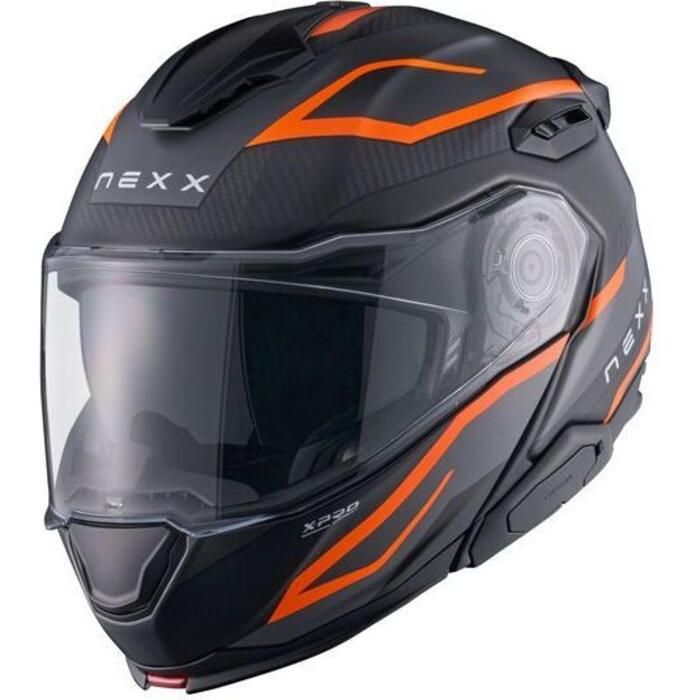
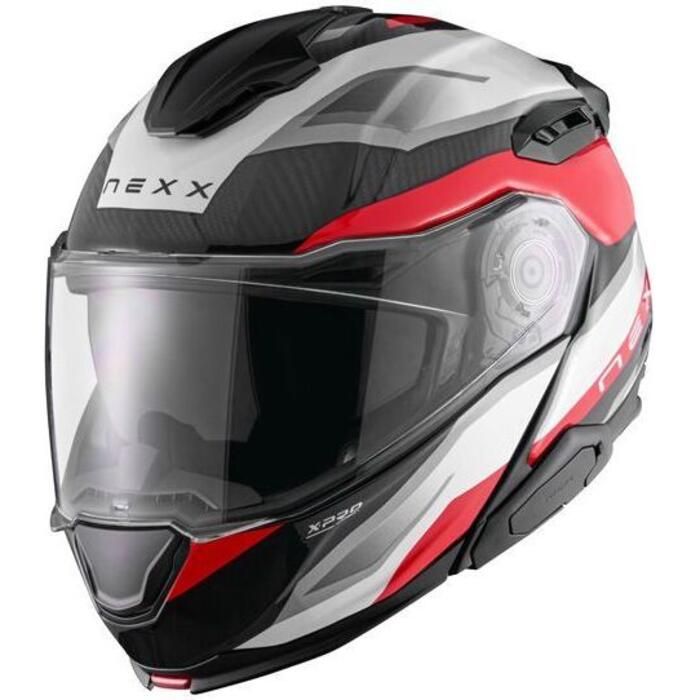
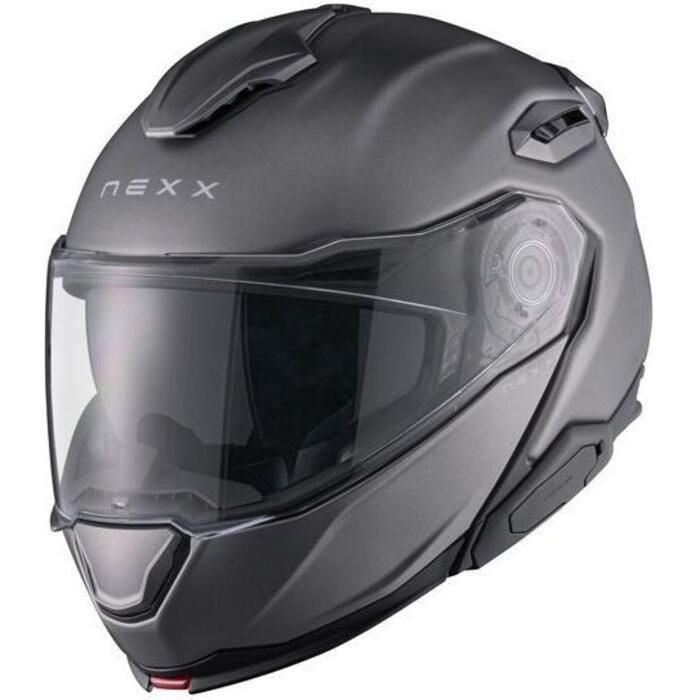
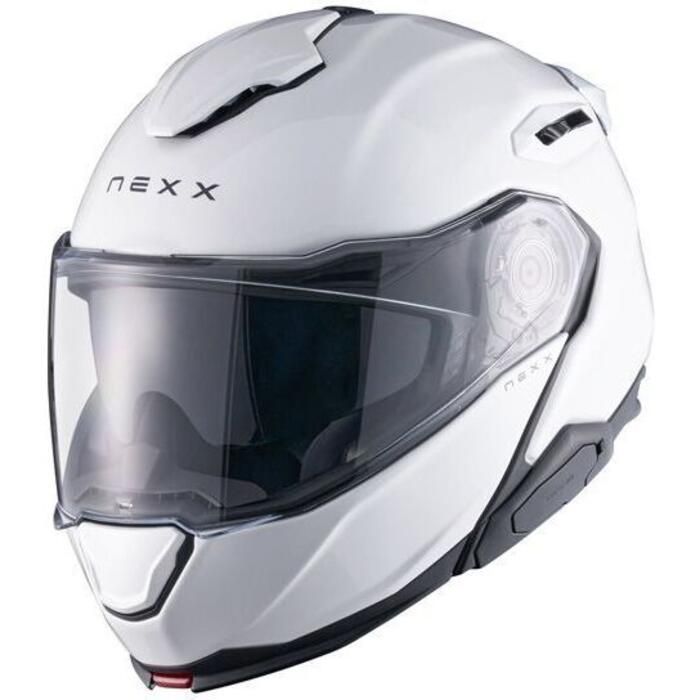
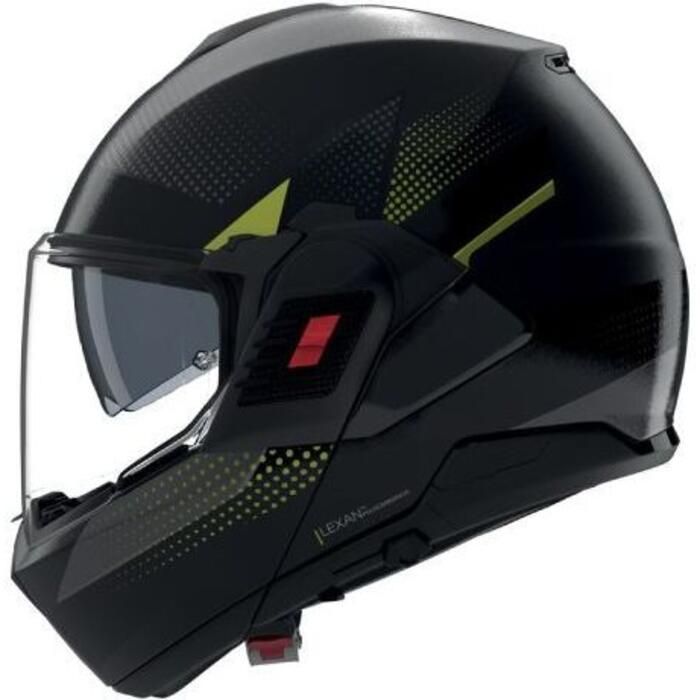
Modular or flip-up motorcycle helmets combine full-face protection with the convenience of an opening chin bar. They are ideal for touring, commuting, and riders who want easy communication or airflow without removing their helmet. Modern designs include features like internal sun visors, Pinlock-ready shields, and Bluetooth compatibility. FortNine offers a wide selection with fast Canadian shipping, so you can find the right balance of comfort, safety, and convenience.

Modular / Flip-Up Motorcycle Helmets FAQ

Answers to common questions about modular / flip-up motorcycle helmets, including fit, protection, and choosing the right type.

Are modular helmets as safe as full-face helmets?

Almost, but not quite. Modular helmets can meet the same DOT or ECE 22.06 standards, but the hinge and chin bar introduce a potential weak point. If you prioritize maximum protection, choose a full-face; modular trades a bit of safety for convenience.

What does dual homologation mean on a modular helmet?

Dual homologation means the helmet is certified for both open-face and closed positions, usually marked as P/J under ECE standards. This ensures the chin bar locks securely when riding open. If you plan to ride with the front flipped up, choose P/J rated; the trade-off is slightly higher cost.

Are modular helmets good for long-distance touring?

Yes, they are one of the best choices for touring thanks to comfort and versatility. Features like internal sun visors, Pinlock inserts, and communication system compatibility make long rides easier. If you tour frequently, choose a premium modular; the trade-off is more weight than a full-face.

Why are modular helmets heavier?

They are heavier because of the hinge mechanism and reinforced chin bar needed for structural integrity. This adds components compared to a one-piece shell. If you ride long distances, look for lightweight composite shells; the trade-off is higher price.

Can you ride with a modular helmet open?

Only if it is dual homologated (P/J rated). Otherwise, riding with the chin bar up is not considered safe or legal in some regions. If you want airflow at low speeds, choose a P/J helmet; the trade-off is increased noise and drag.

Are modular helmets noisier than full-face helmets?

Yes, they are typically noisier due to seams around the chin bar and visor. Even with good sealing, more air can enter compared to a fixed shell. If you ride at highway speeds, consider earplugs or a premium model; the trade-off is cost for better acoustics.

What features should I look for in a modular helmet?

Look for ECE 22.06 certification, a secure metal latch system, Pinlock-ready visor, and an internal sun shield. Many also support integrated Bluetooth systems. If you commute daily, prioritize convenience features; the trade-off is slightly more complexity and weight.

How should a modular helmet fit?

It should fit snug with even pressure and no hot spots, just like a full-face helmet. The chin bar should close securely without shifting the helmet. If you feel movement when opening or closing, size down or try another model; loose fit reduces protection.