









































MTB Gloves
-
 71% off
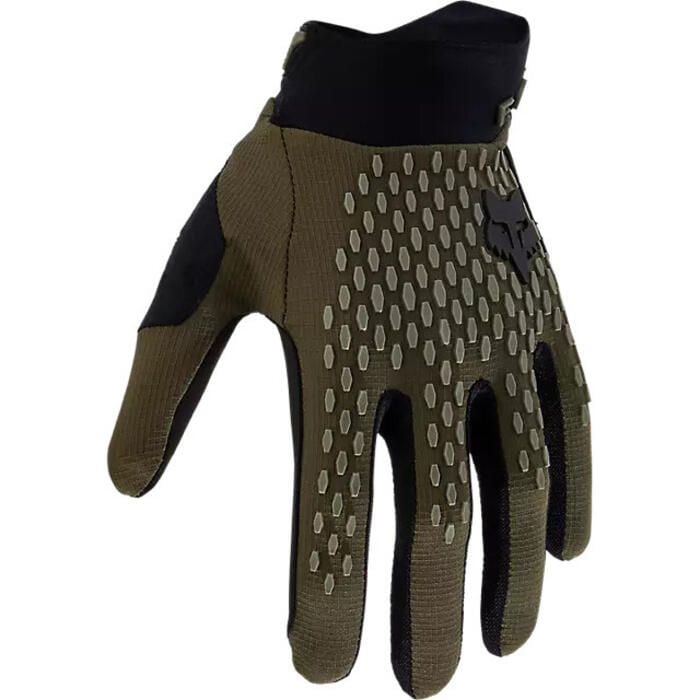
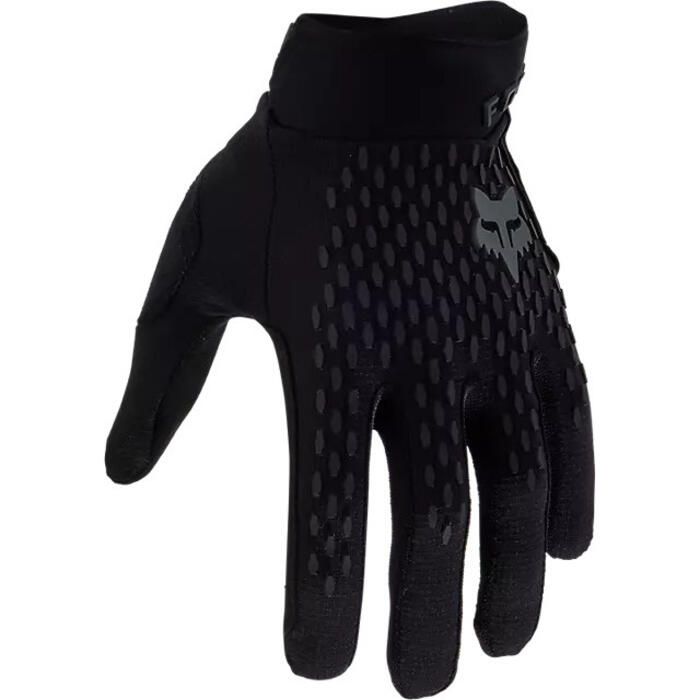
Fox Racing Defend MTB Gloves - 2024
$69.95$19.99 - $48.99 -
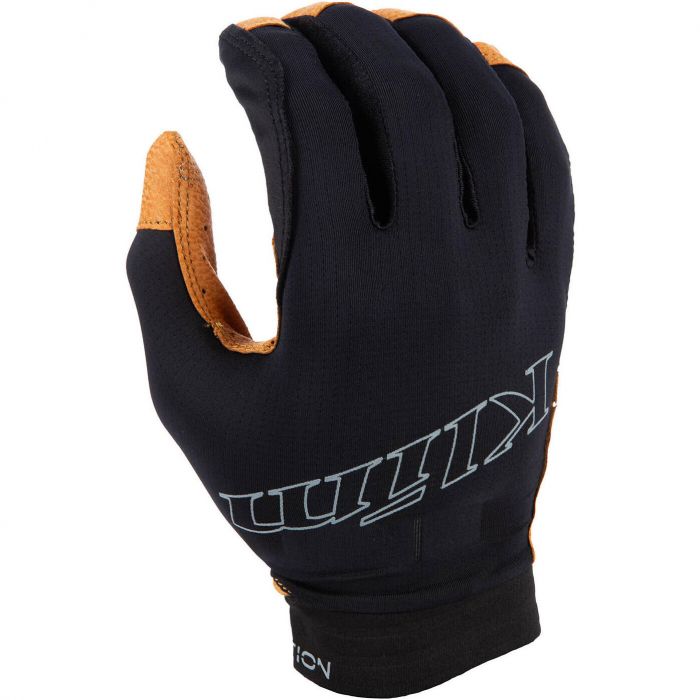
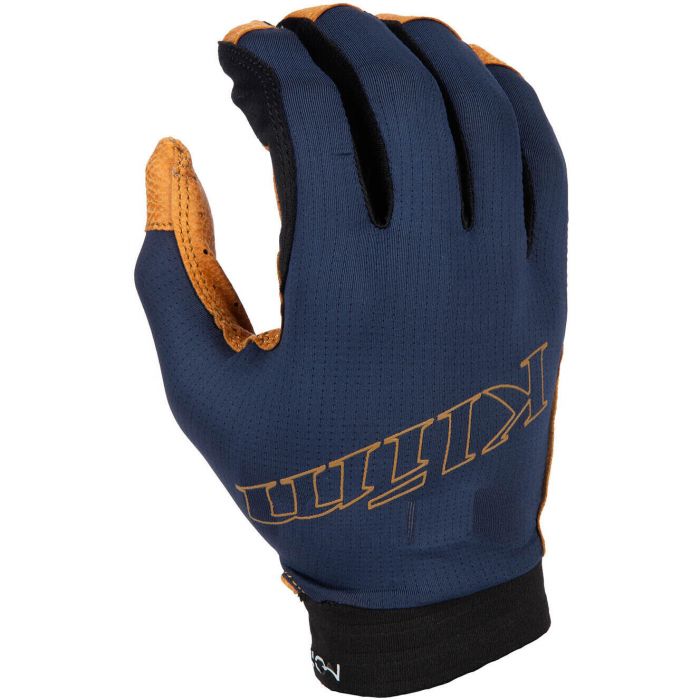
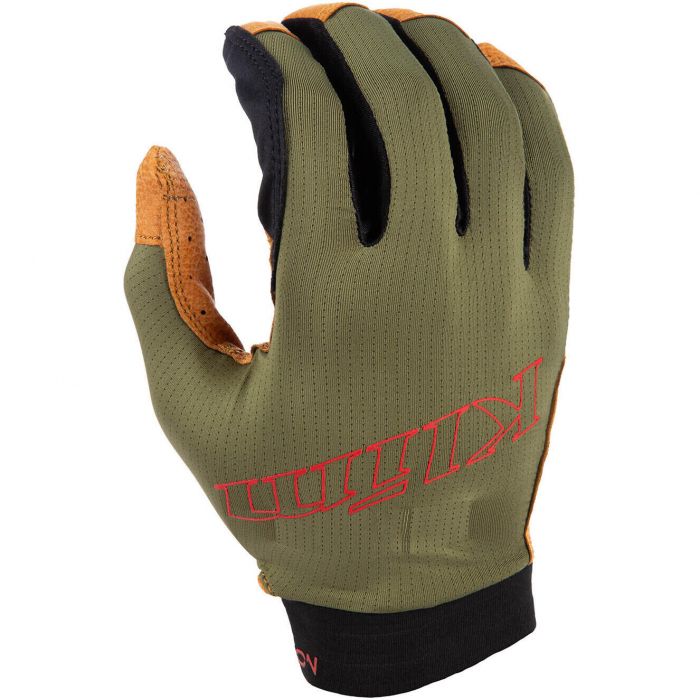
Klim Revolution MTB Gloves
$54.95 -
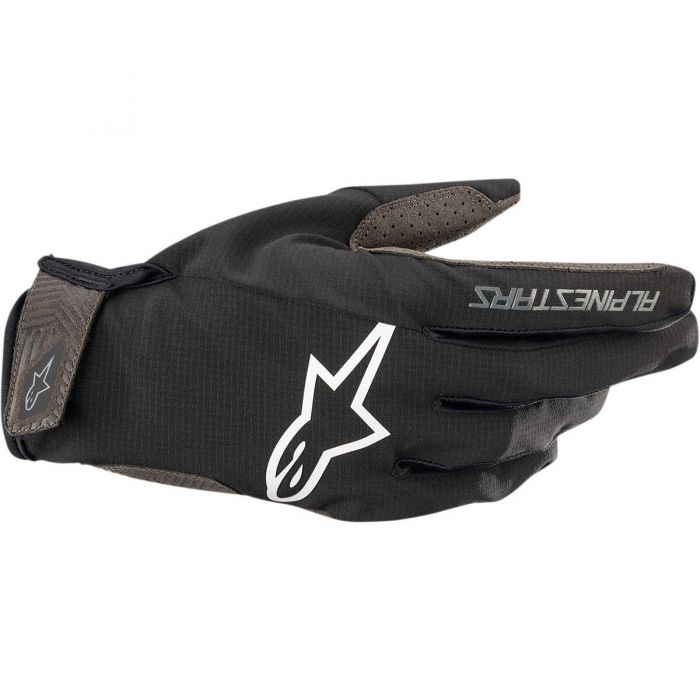
Alpinestars Drop 6.0 MTB Gloves
$63.99 - $65.99 -
 64% off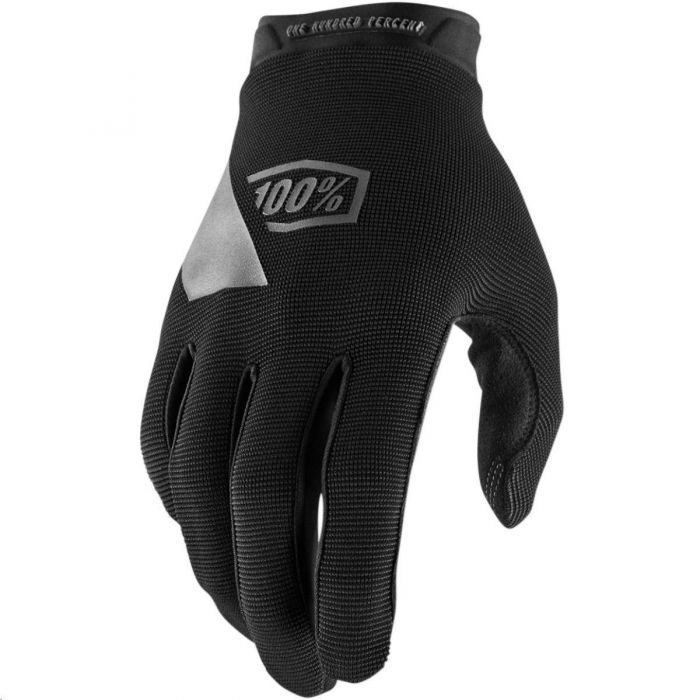
100 Percent Youth Ridecamp Gloves
$39.99 - $46.99$14.08 - $36.99 -
 60% off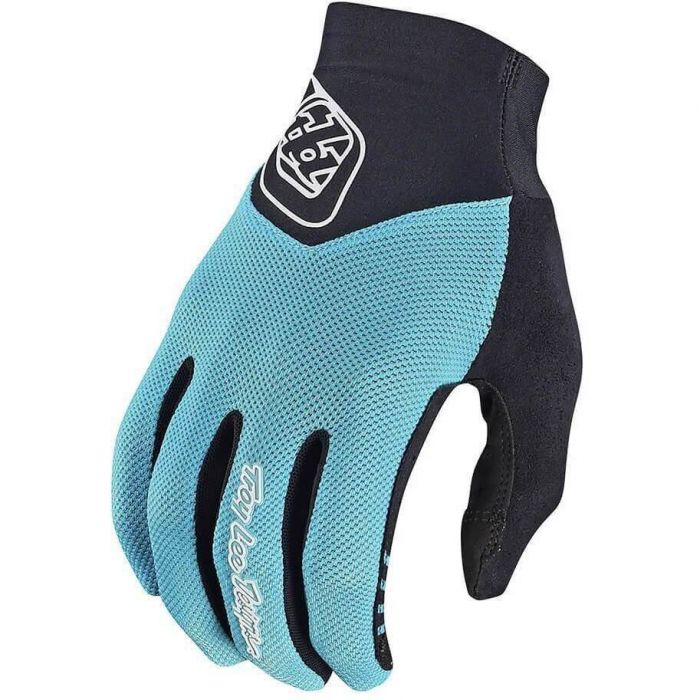
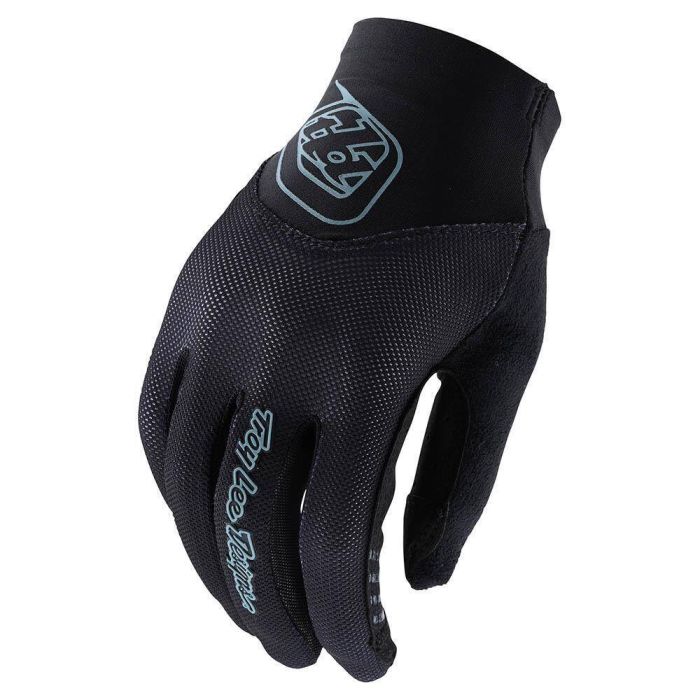
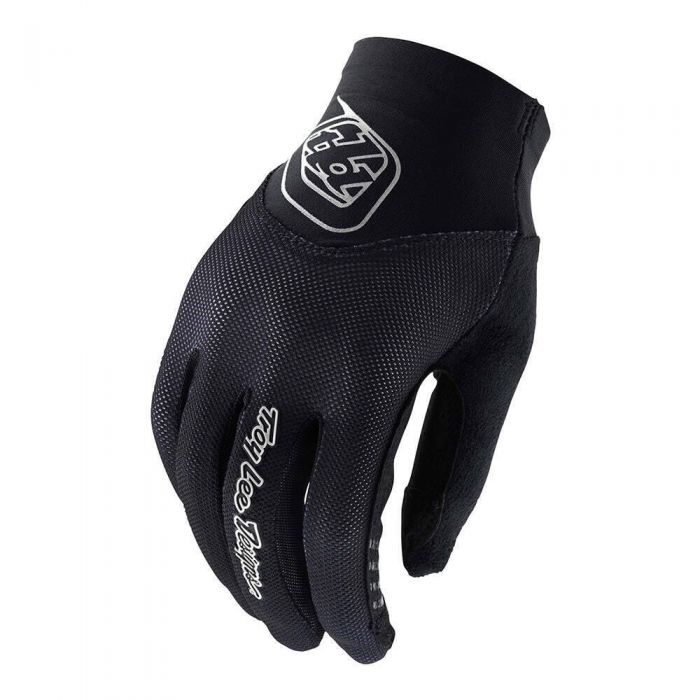
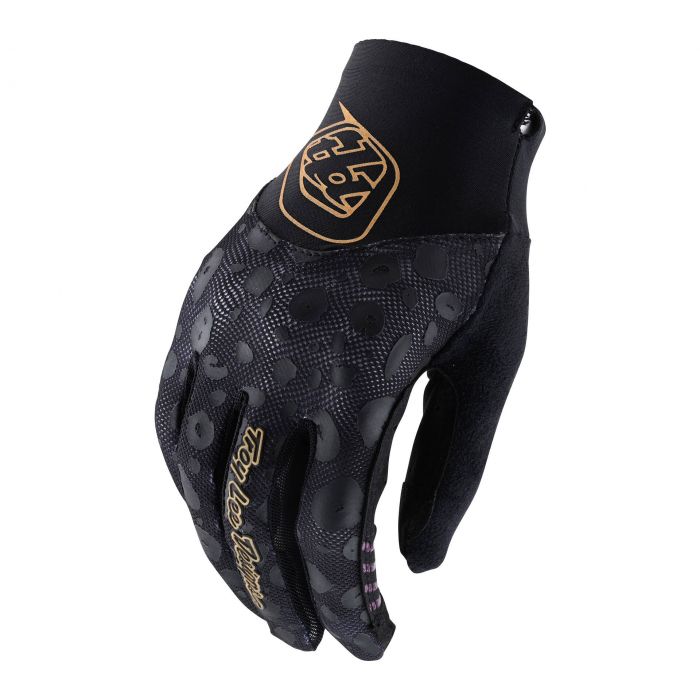
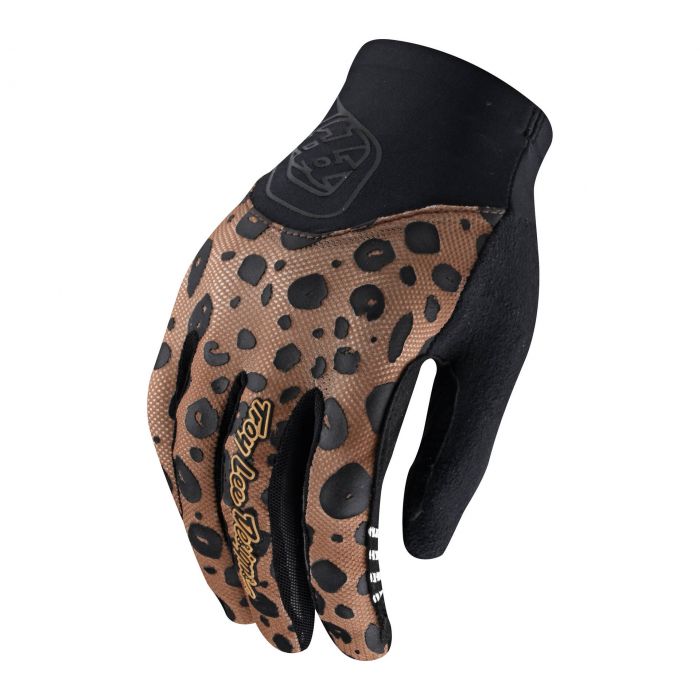
Troy Lee Womens Ace Solid MTB Gloves - 2022
$48.99 - $49.99$19.17 - $49.99 -
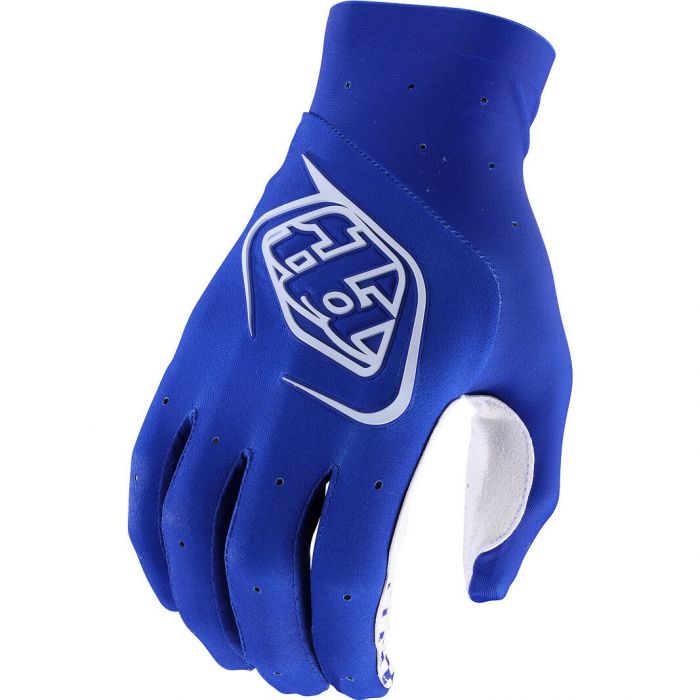
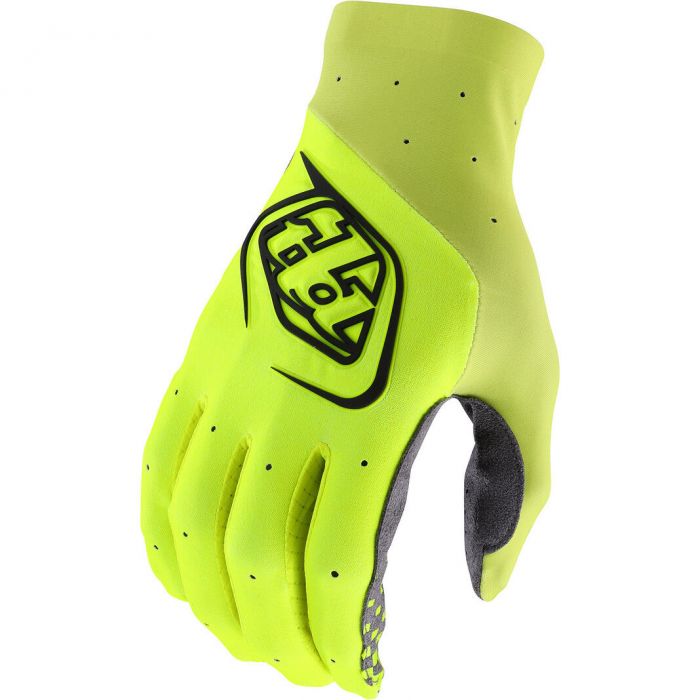
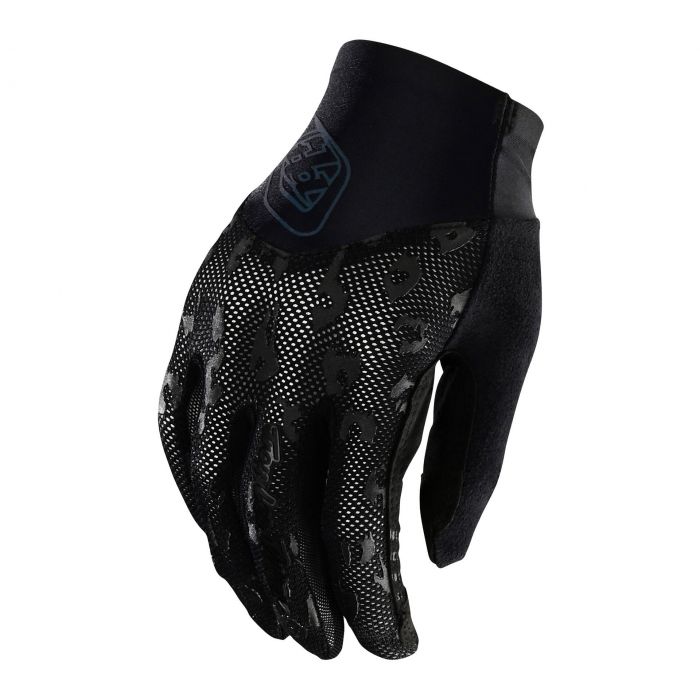
Troy Lee SE Ultra Gloves
$54.99 -
 71% off
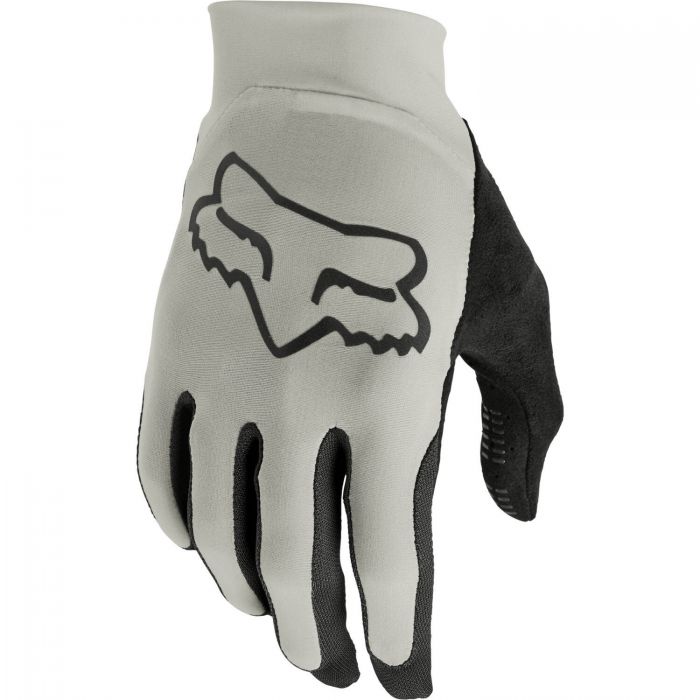
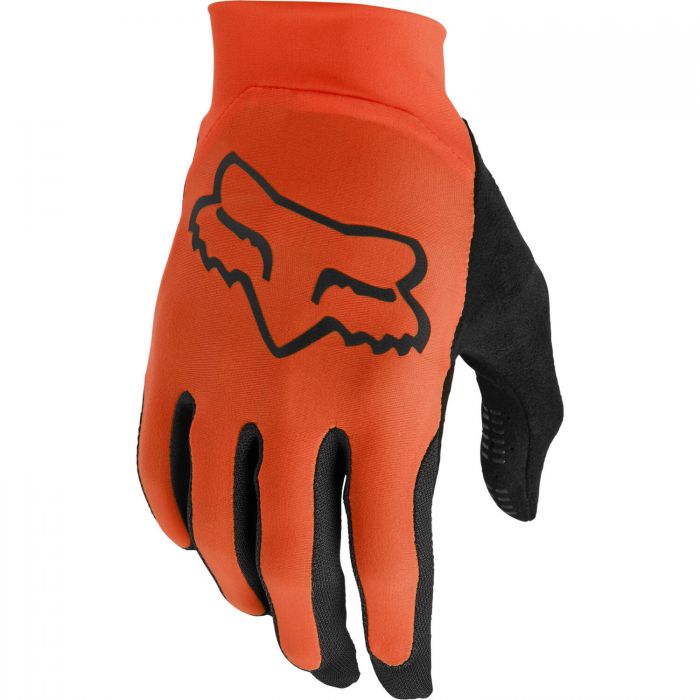

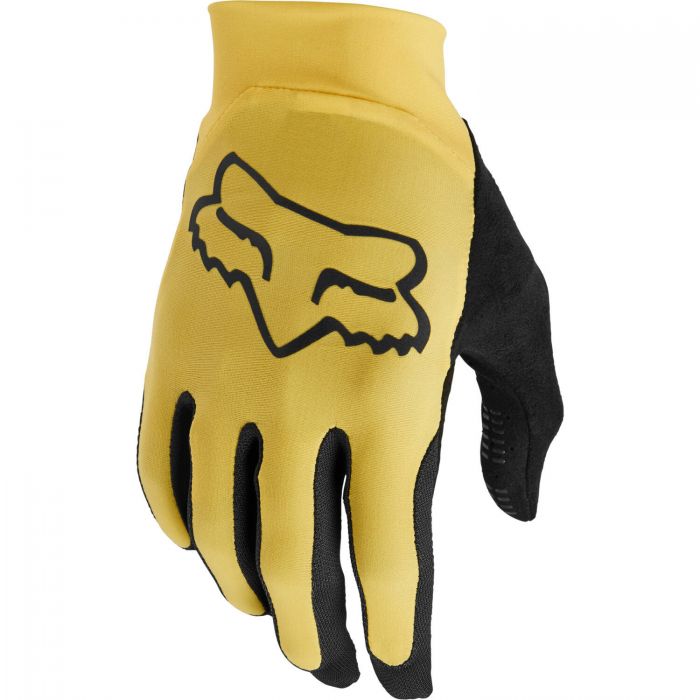
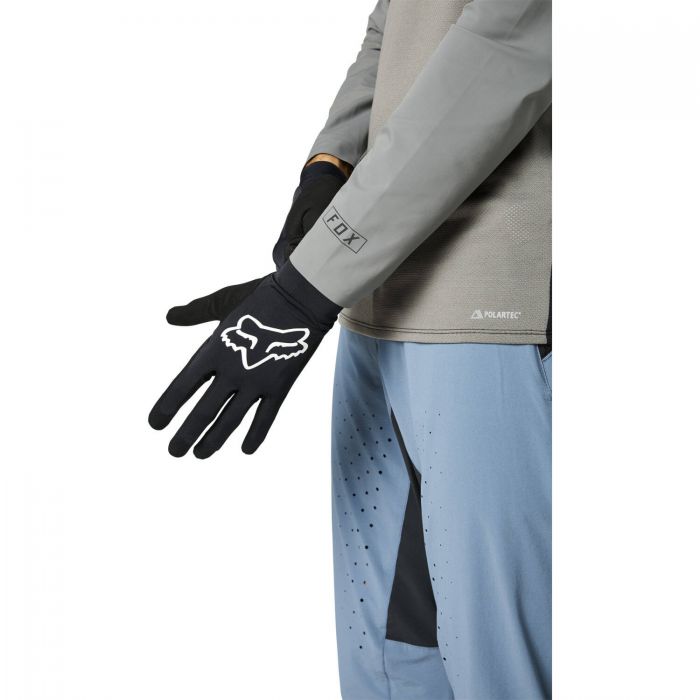
Fox Racing Flexair MTB Gloves - 2022
$59.99$17.19 - $33.99 -
 21% off
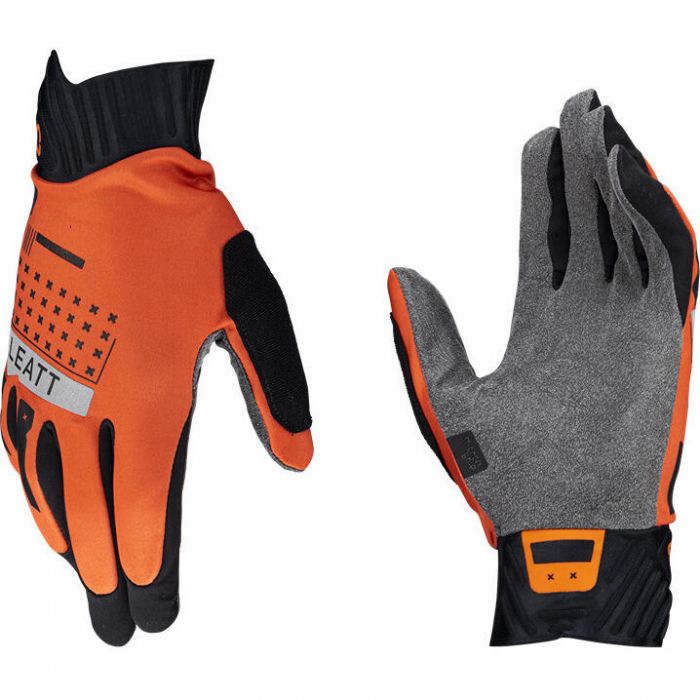
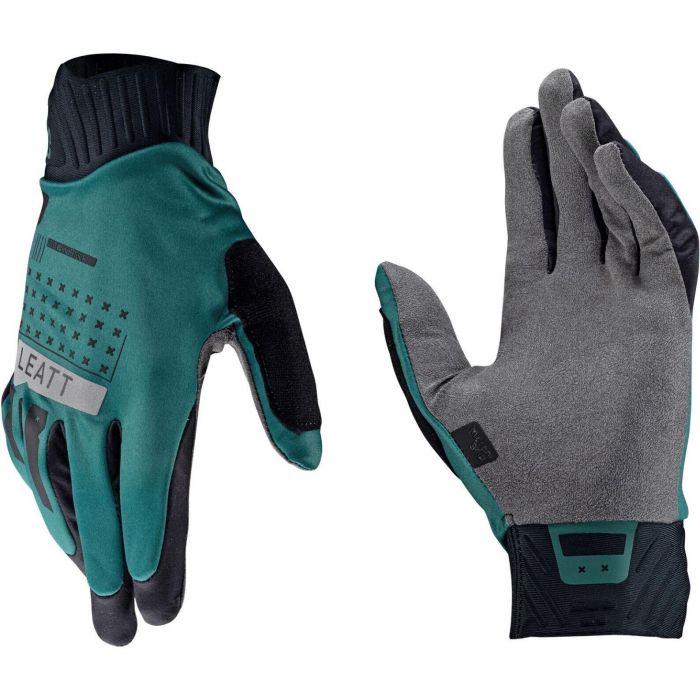
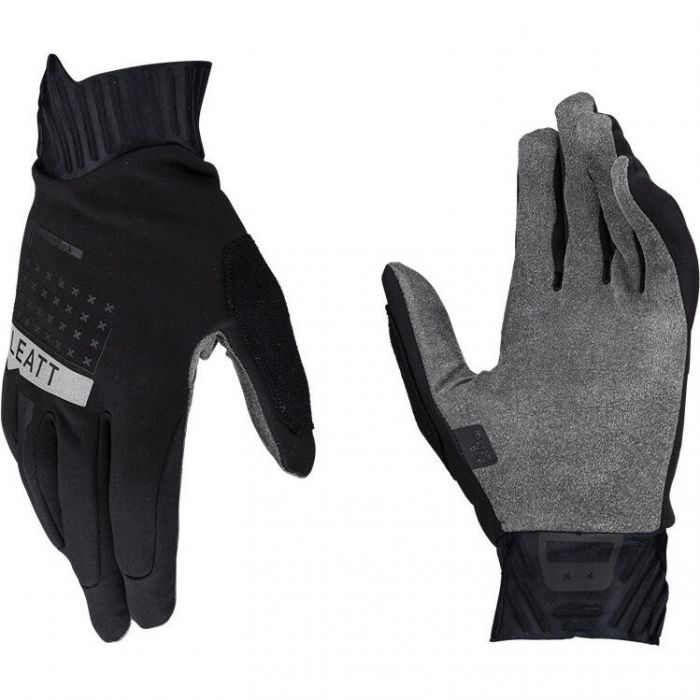
Leatt 2.0 WindBlock MTB Gloves
$81.99 - $84.99$63.99 - $84.99 -
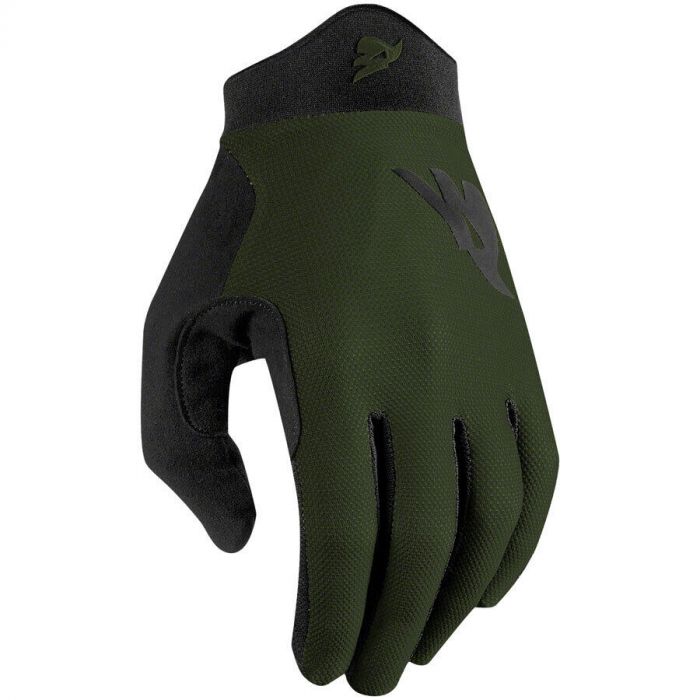
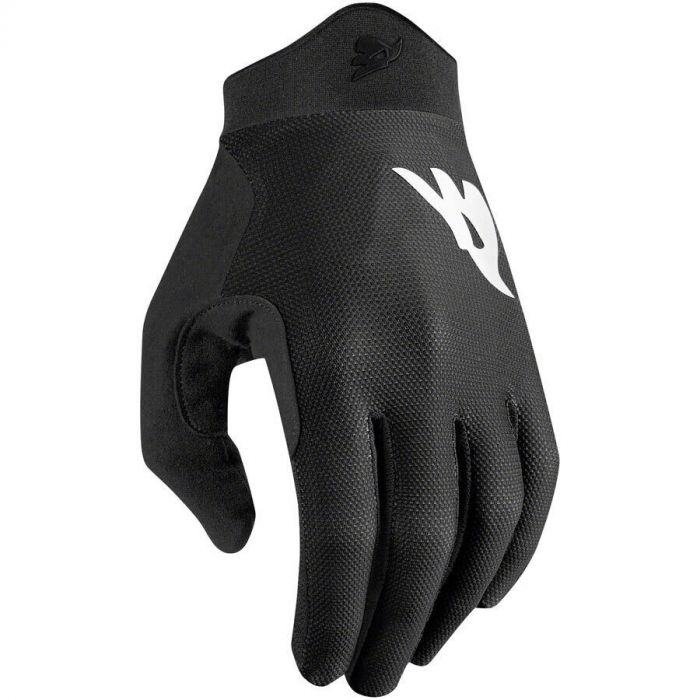
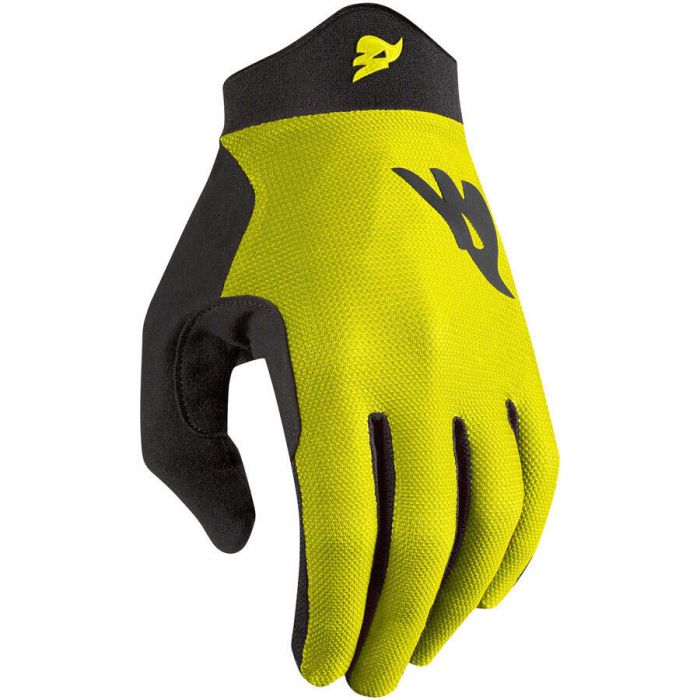
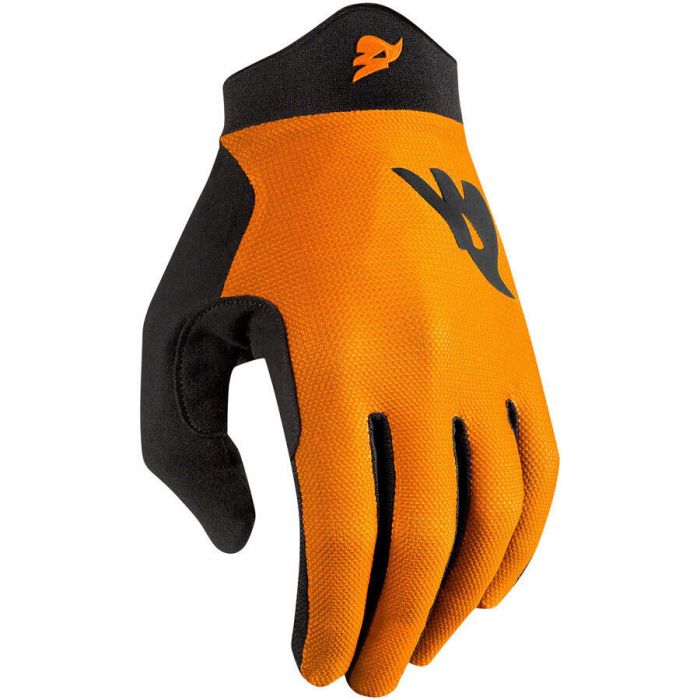
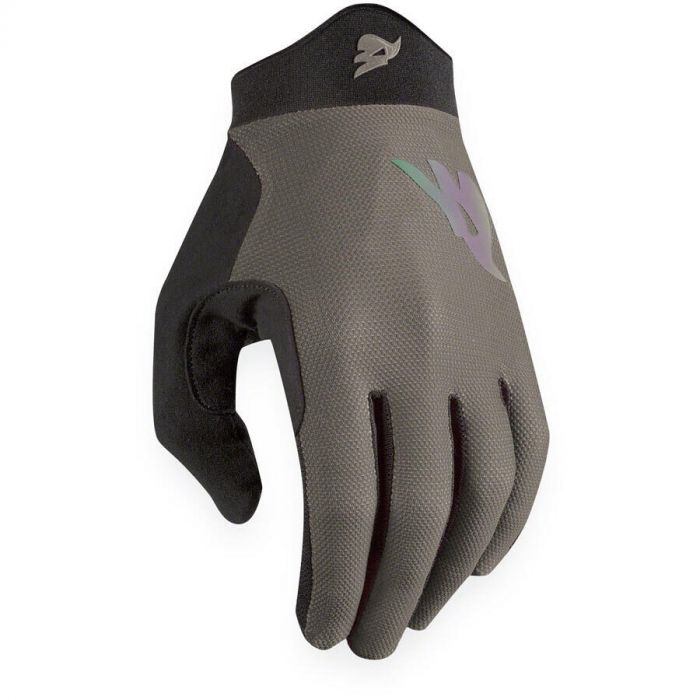
Bluegrass Union MTB Gloves
$35.00 -
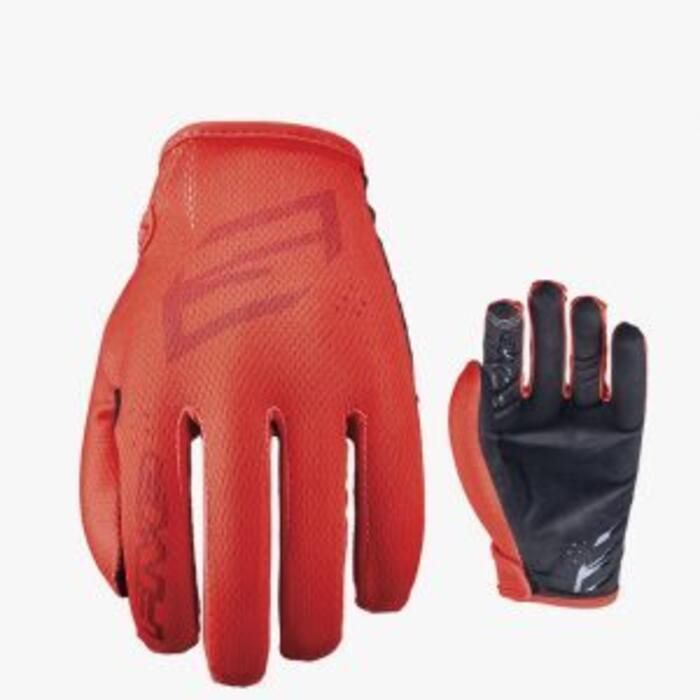
Five Youth XR-Ride MTB Gloves
$37.99 -
 18% off
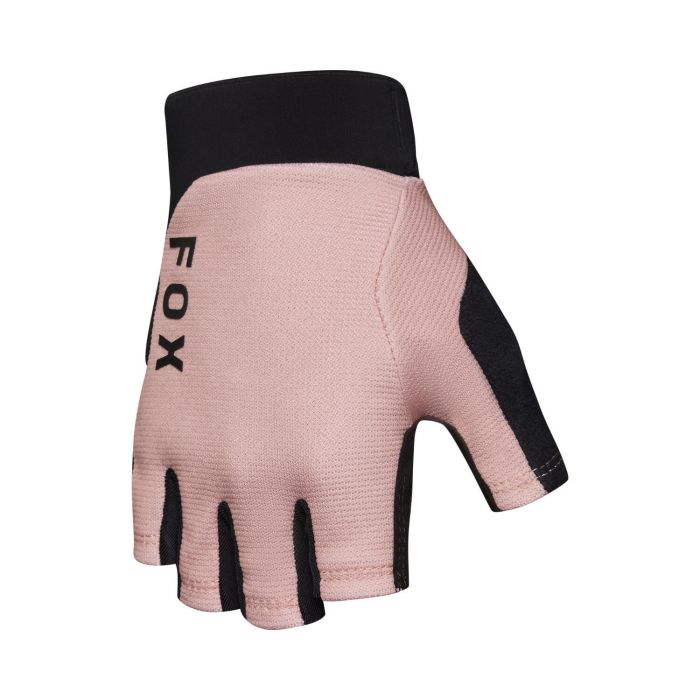
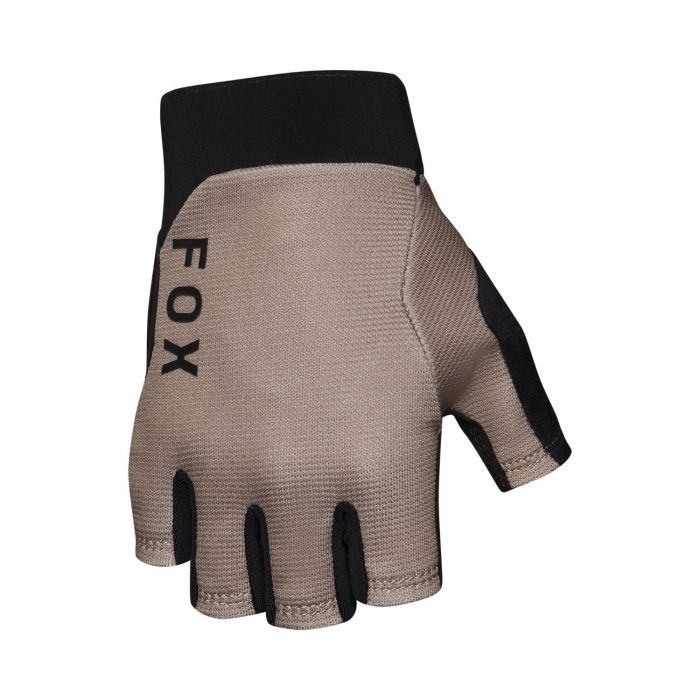
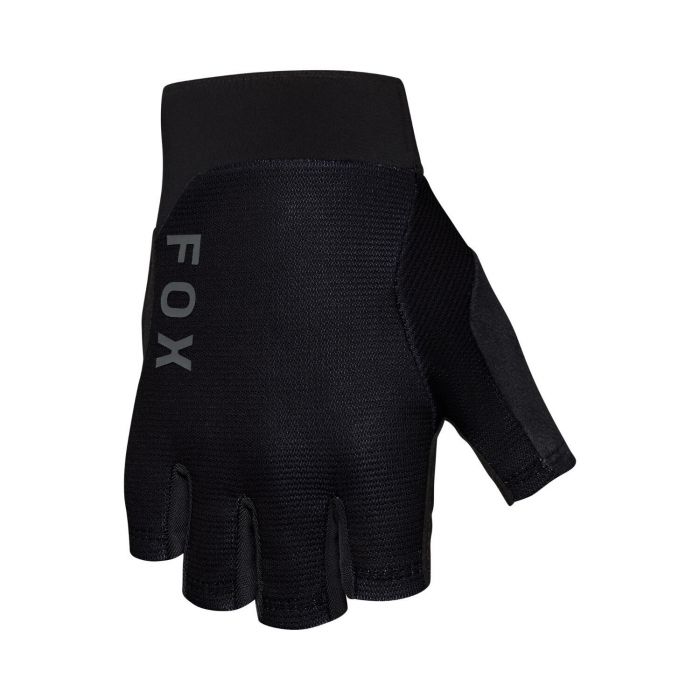
Fox Racing Ranger MTB Short Finger Gel Gloves
$47.95 - $54.95$38.99 - $54.95 -
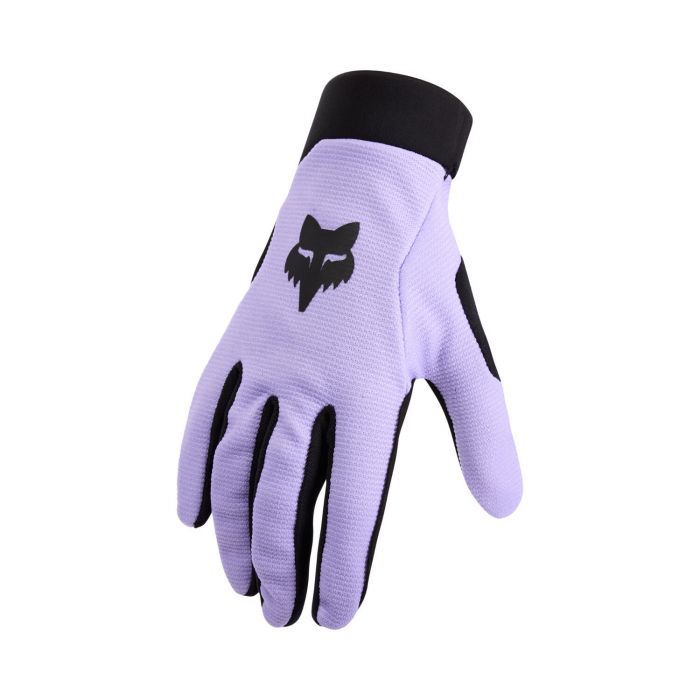
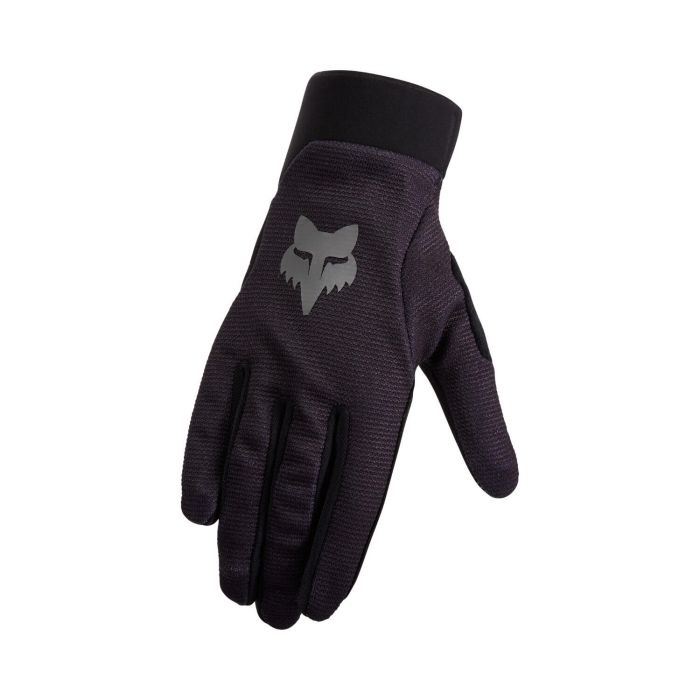
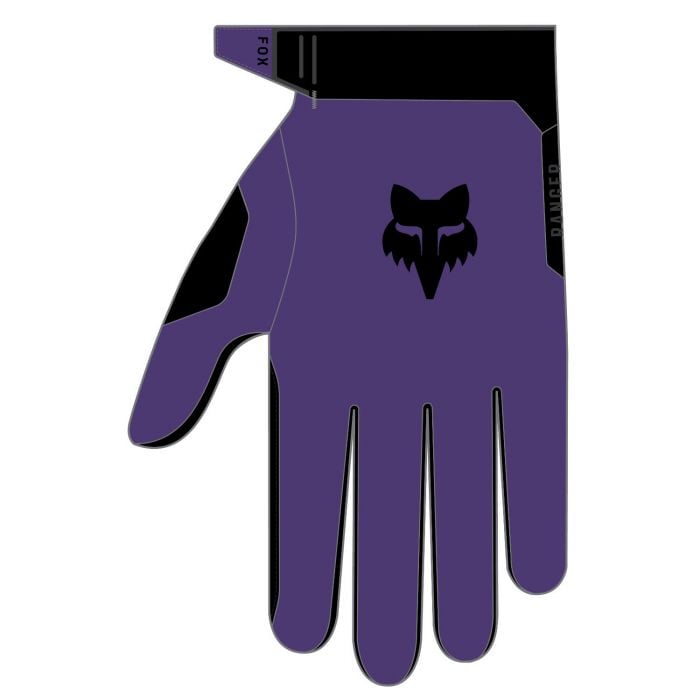
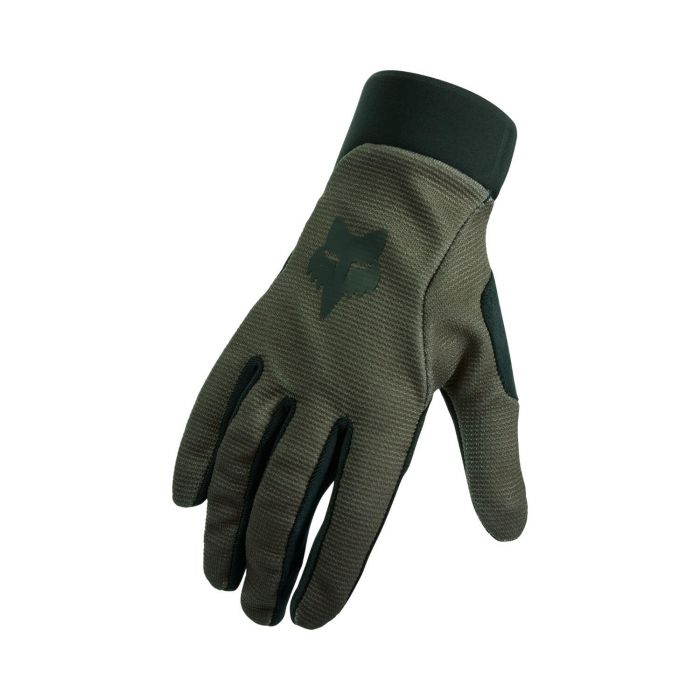
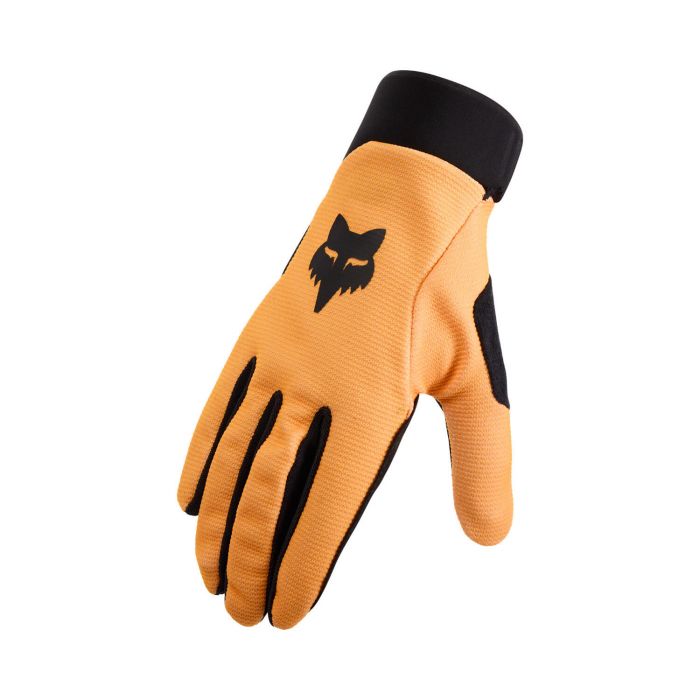
Fox Racing Youth Ranger MTB Gloves
$43.95 - $49.95 -
 43% off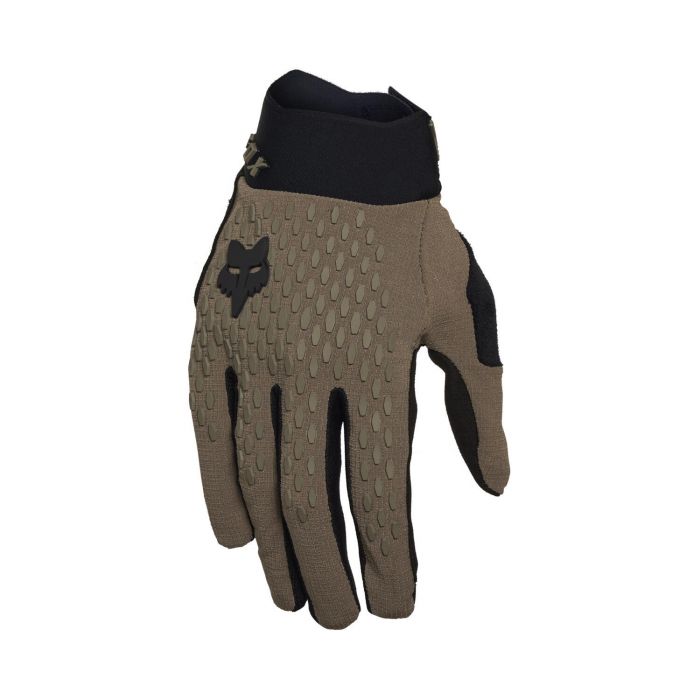
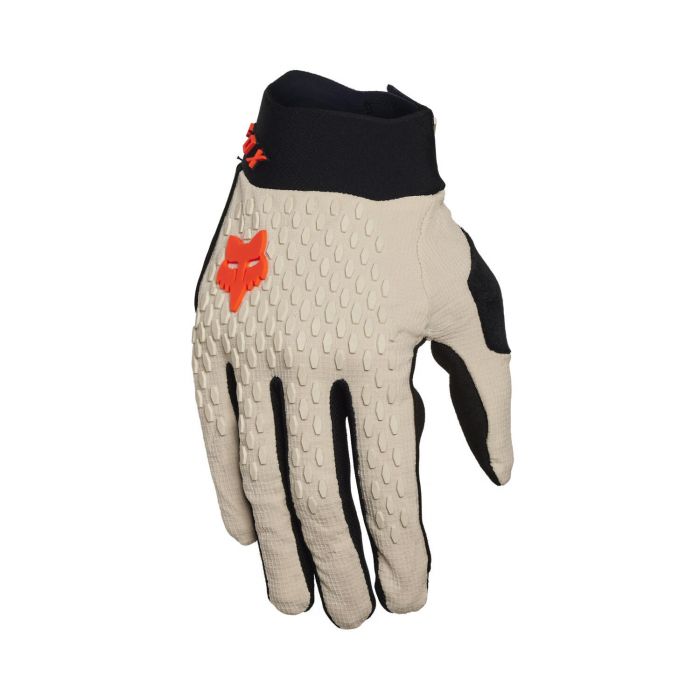
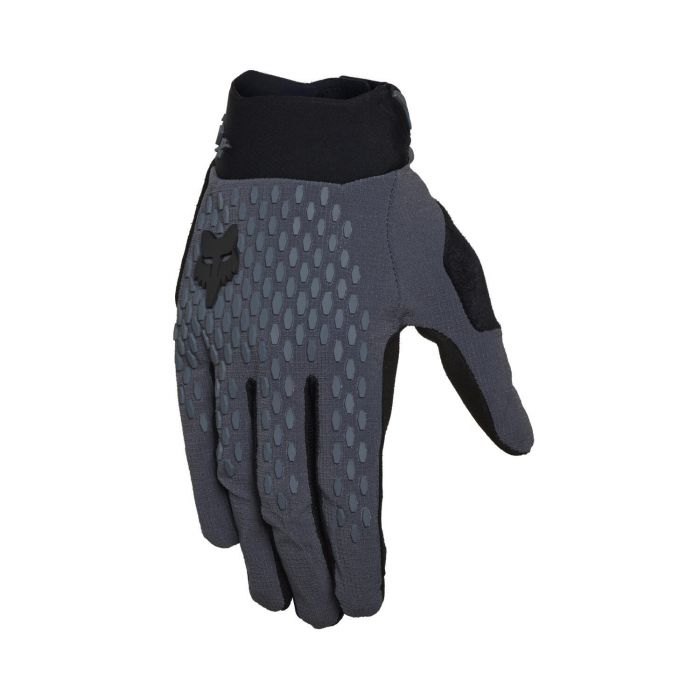
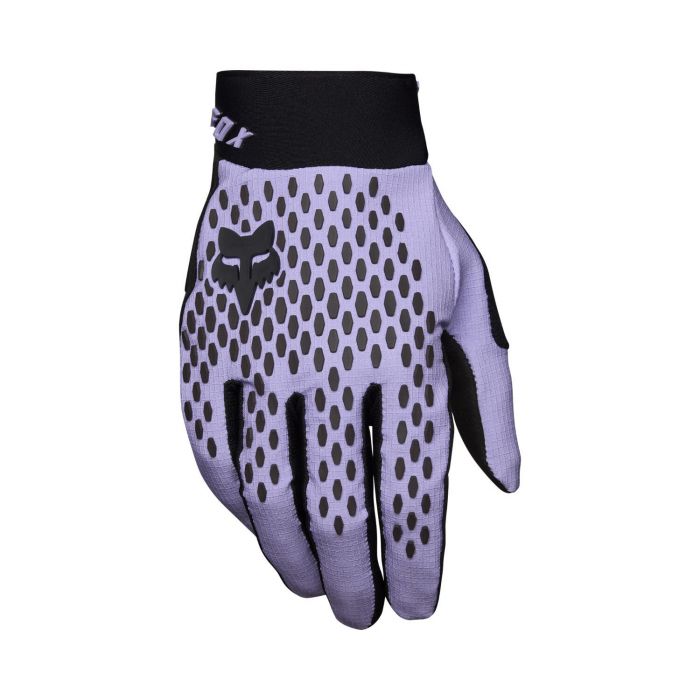
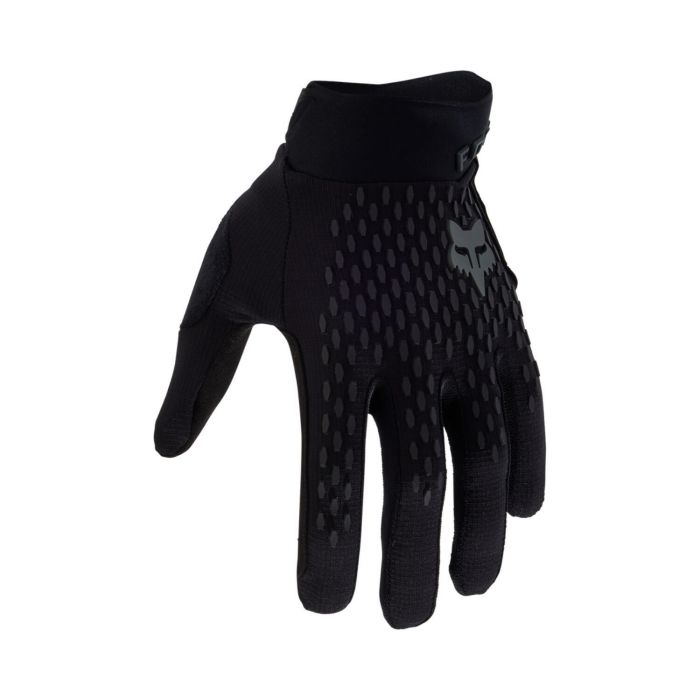
Fox Racing Defend MTB Gloves
$64.95 - $69.95$36.99 - $69.95 -
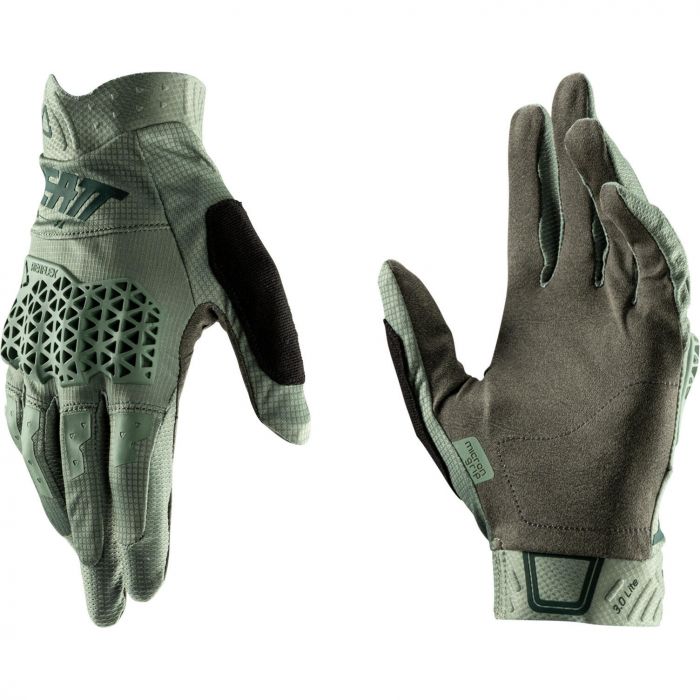
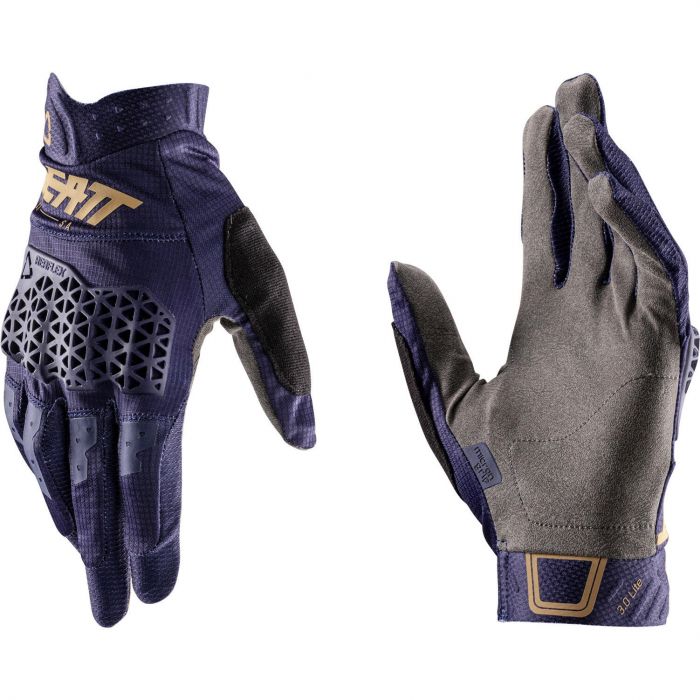
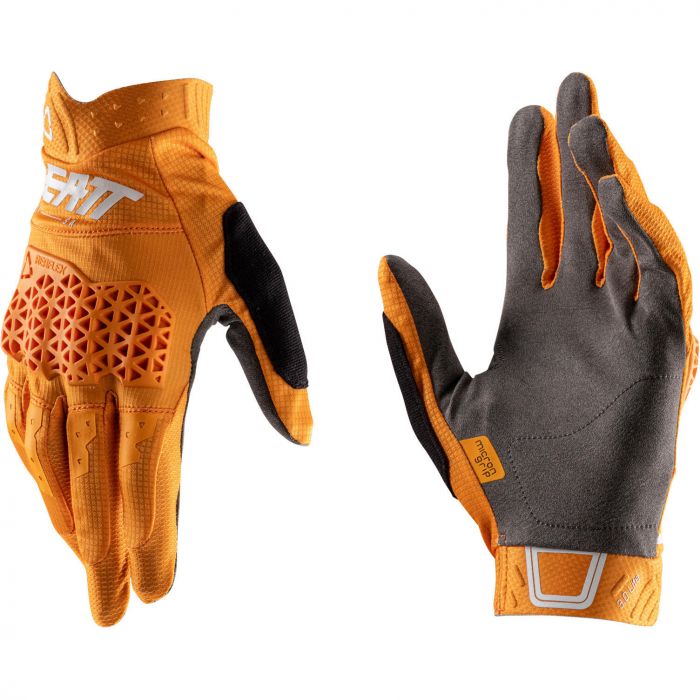
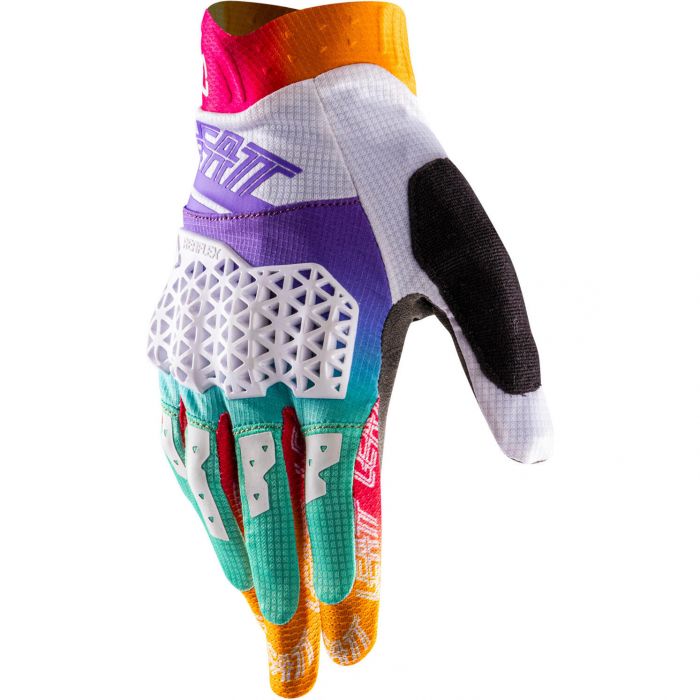
Leatt Lite 3.0 MTB Gloves
$89.99 -
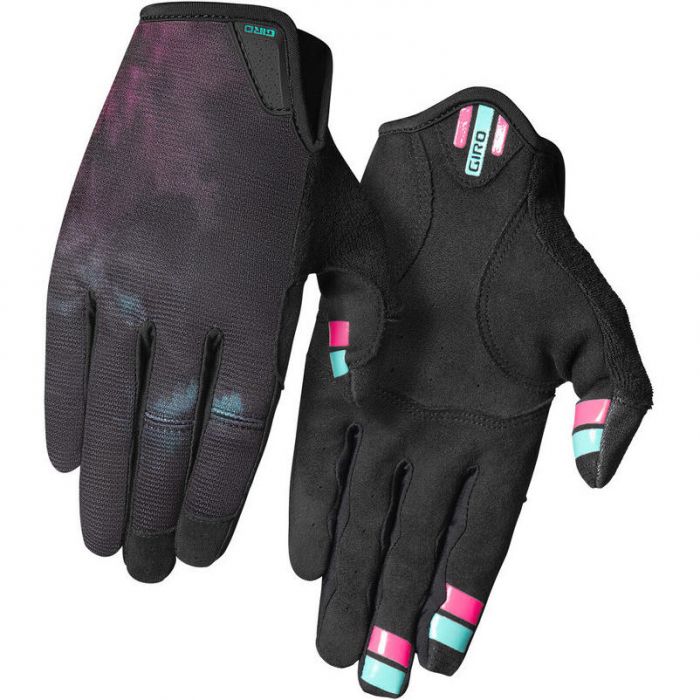
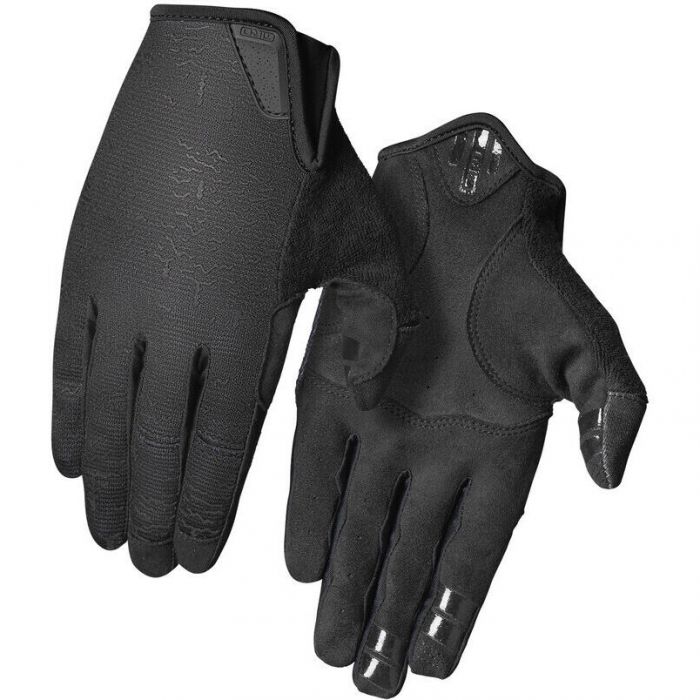
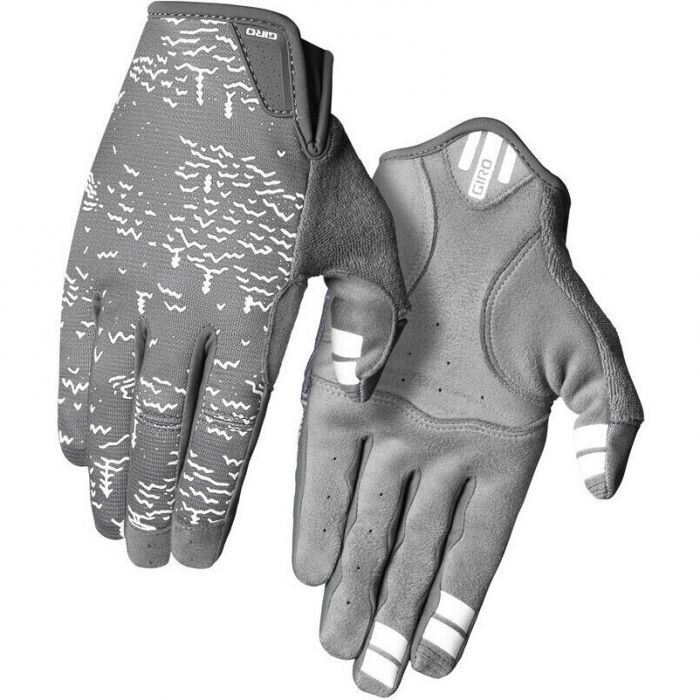
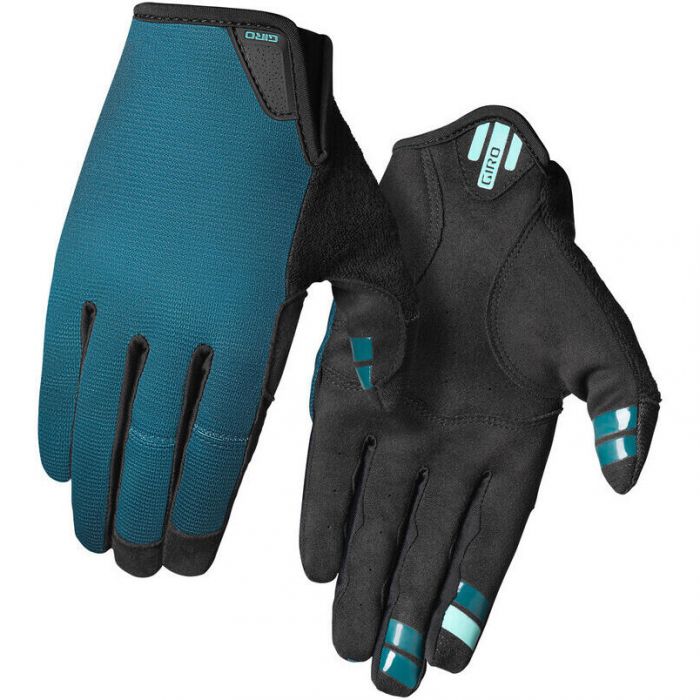
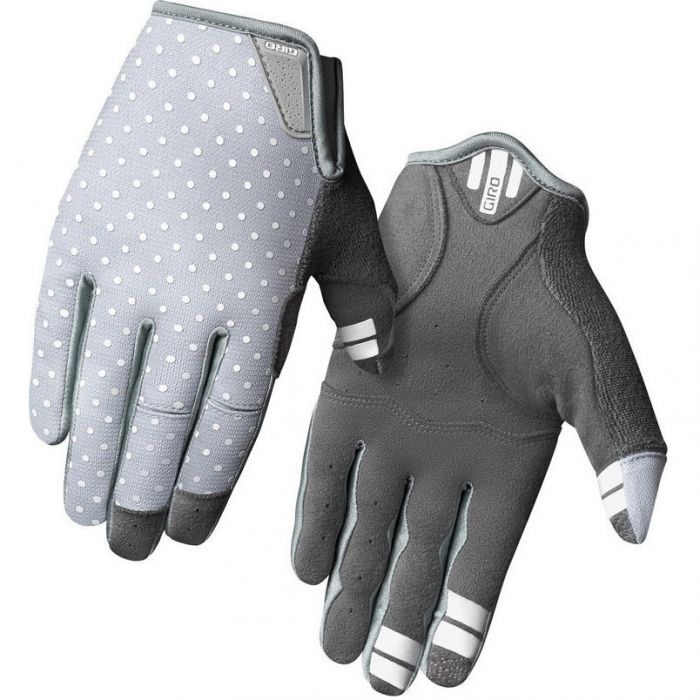
Giro Womens La DND MTB Gloves
$49.99 -
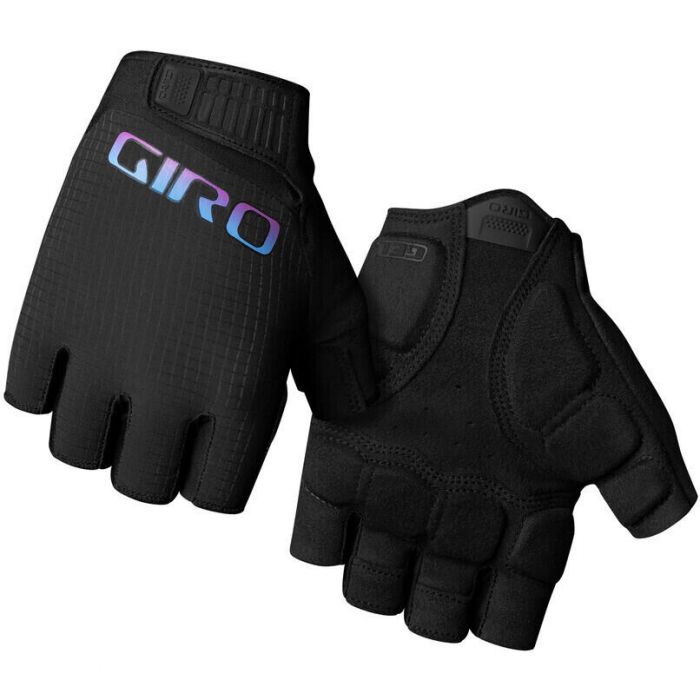
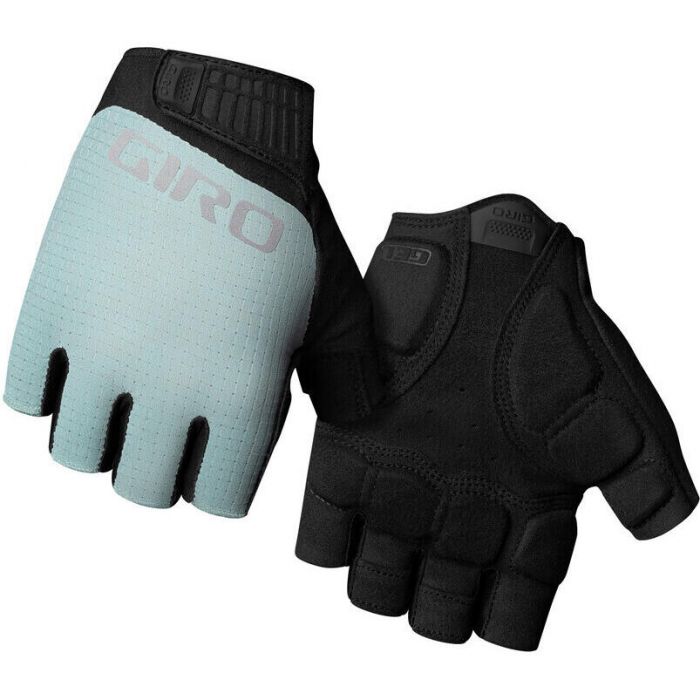
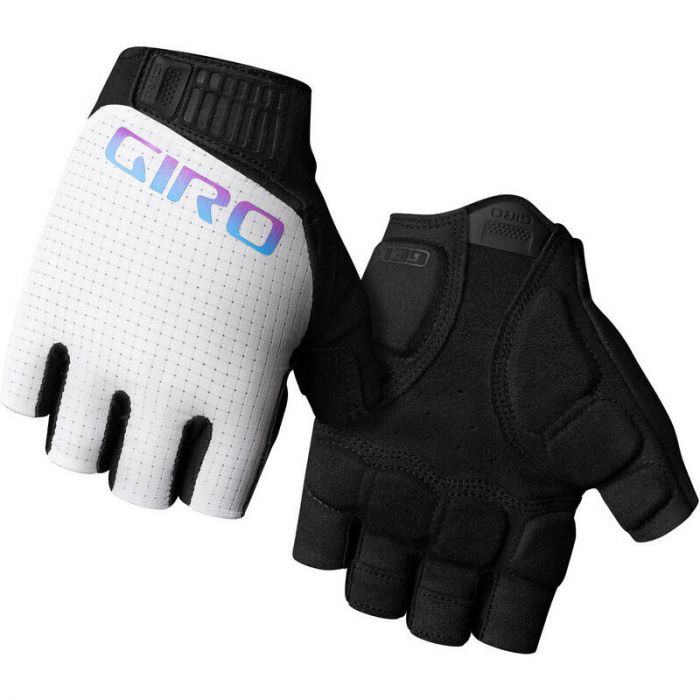
Giro Womens Tessa II Gel Cycling Gloves
$51.99 -
 71% off

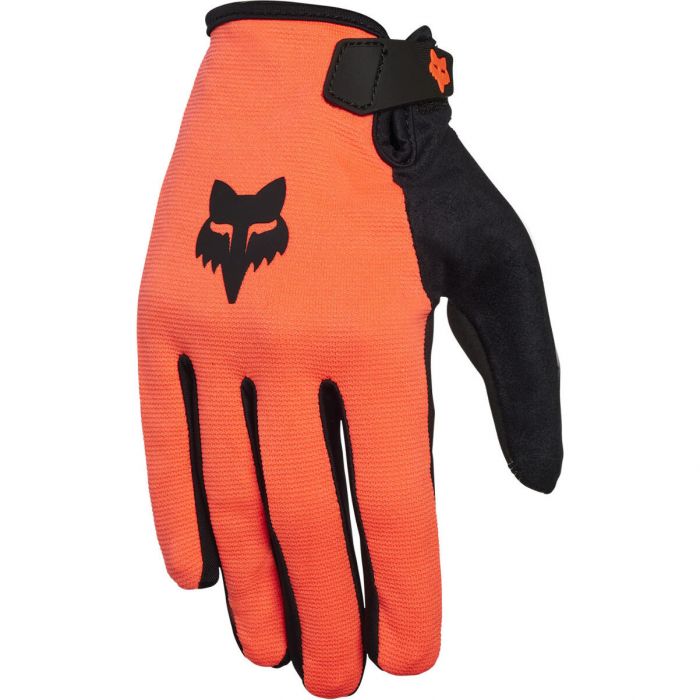

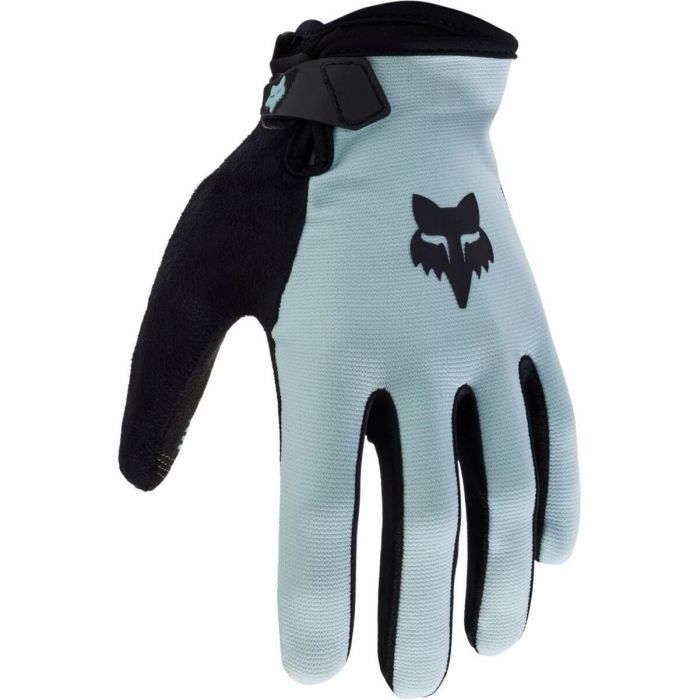
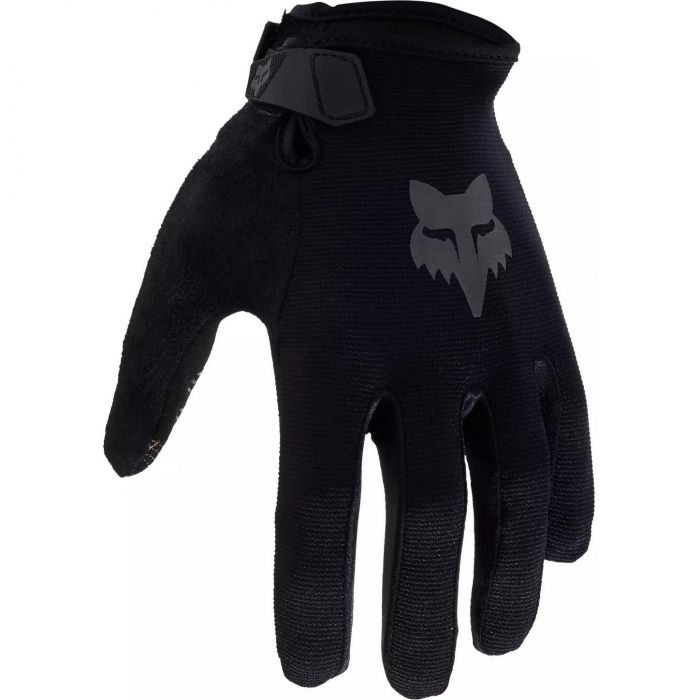
Fox Racing Ranger MTB Gloves - 2024
$47.95$13.79 - $33.99 -
 40% off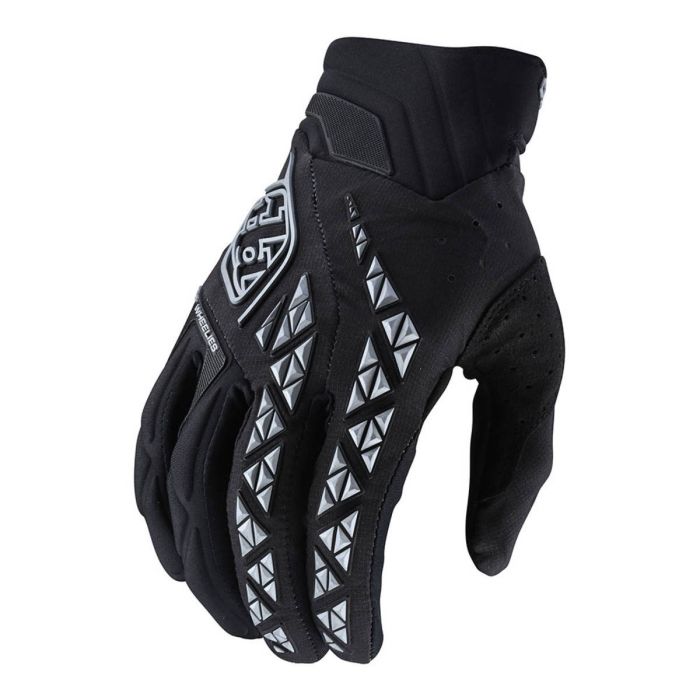
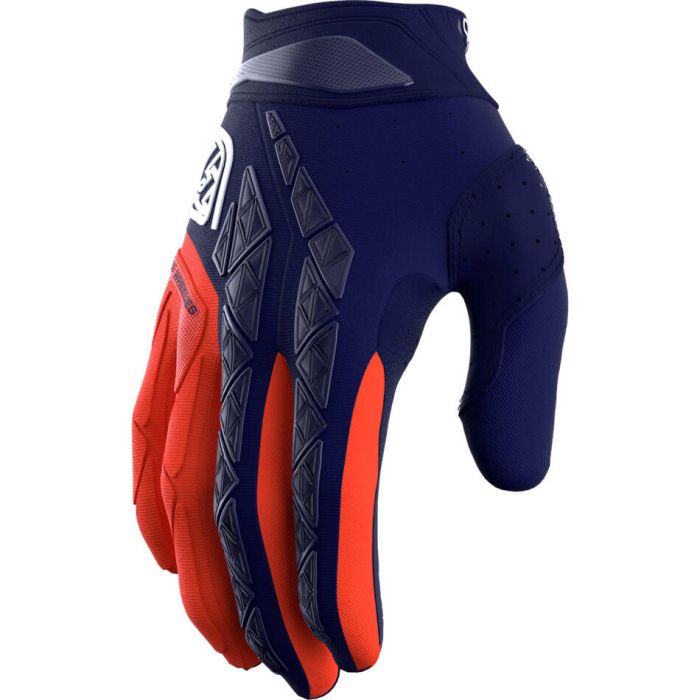
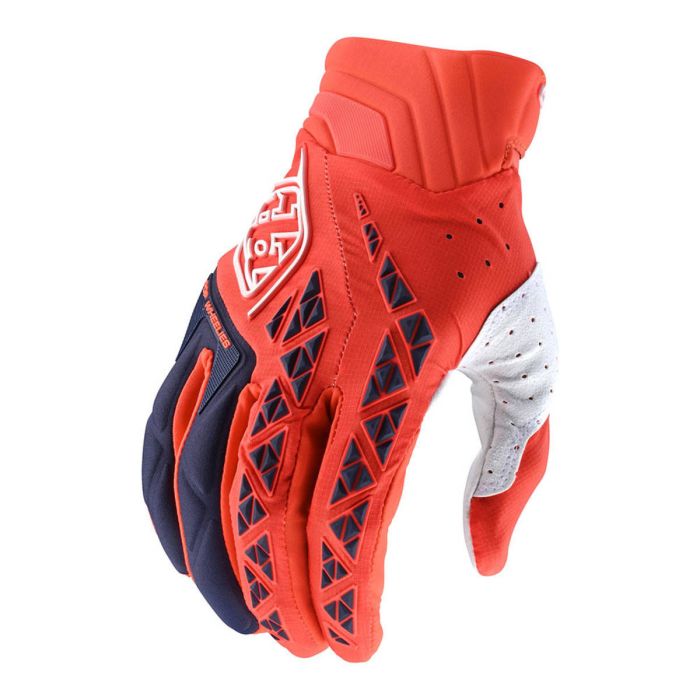
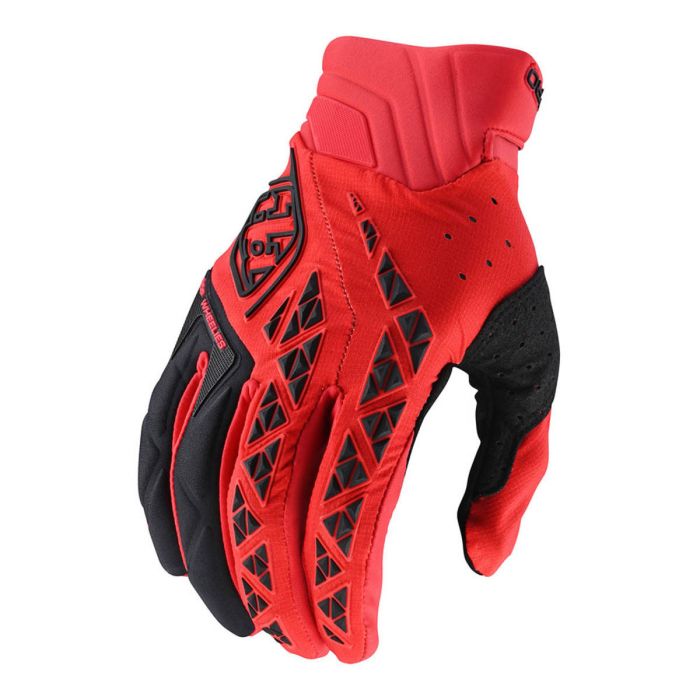
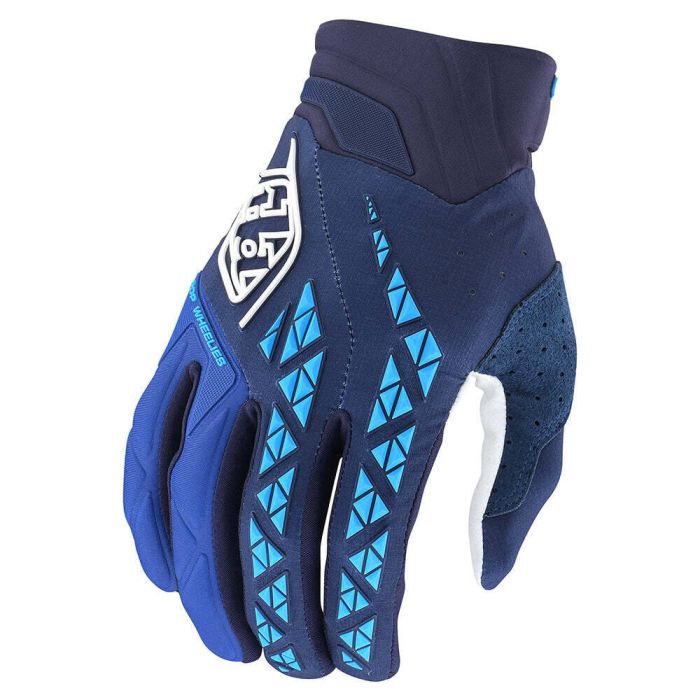
Troy Lee SE Pro Gloves - 2022
$49.99$29.99 -
 71% off

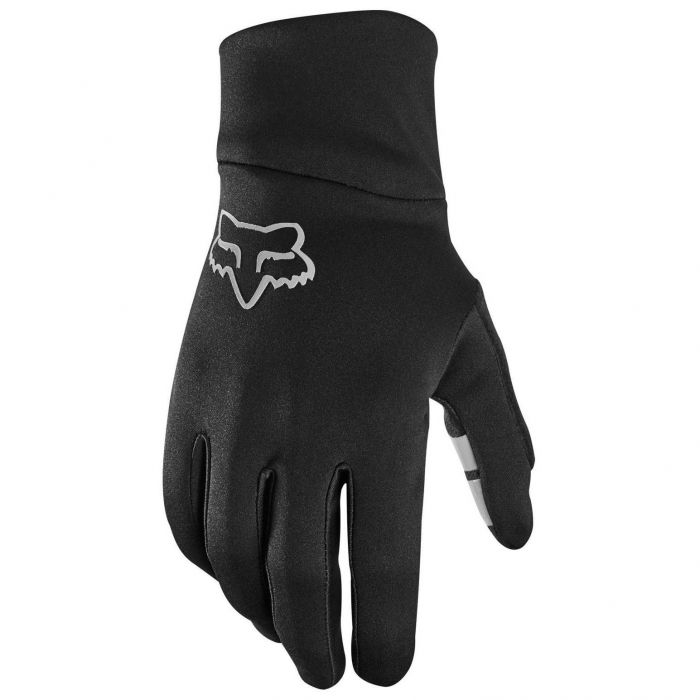
Fox Racing Womens Ranger Fire MTB Gloves - 2021
$64.99$18.62 - $24.99 -
 50% off
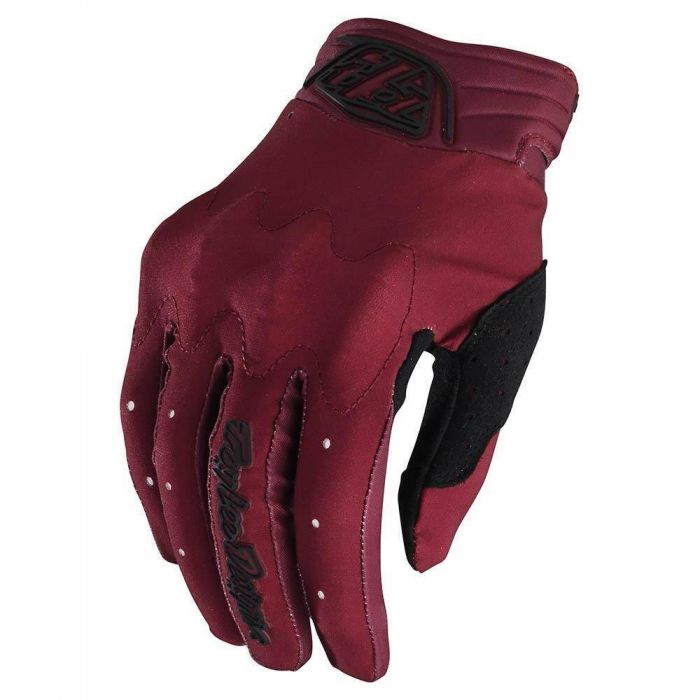
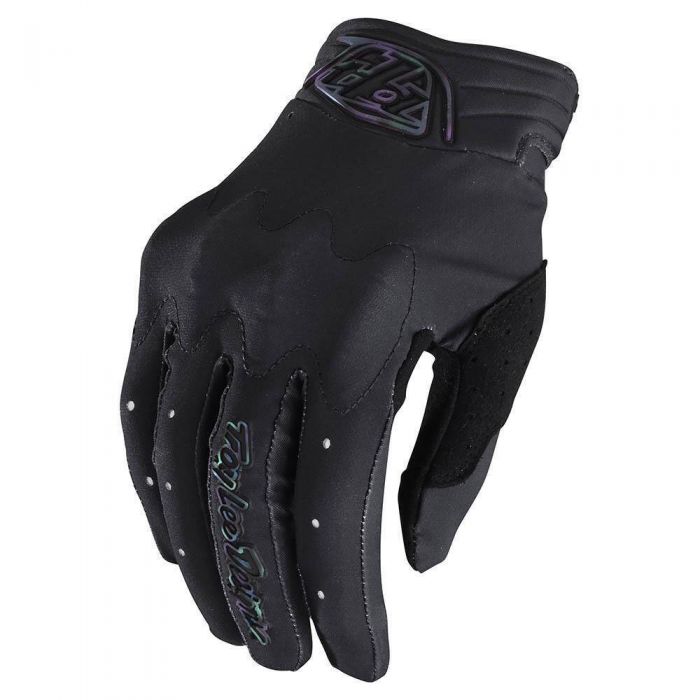
Troy Lee Womens Gambit Solid Gloves
$58.99 - $59.99$28.99 - $59.99 -
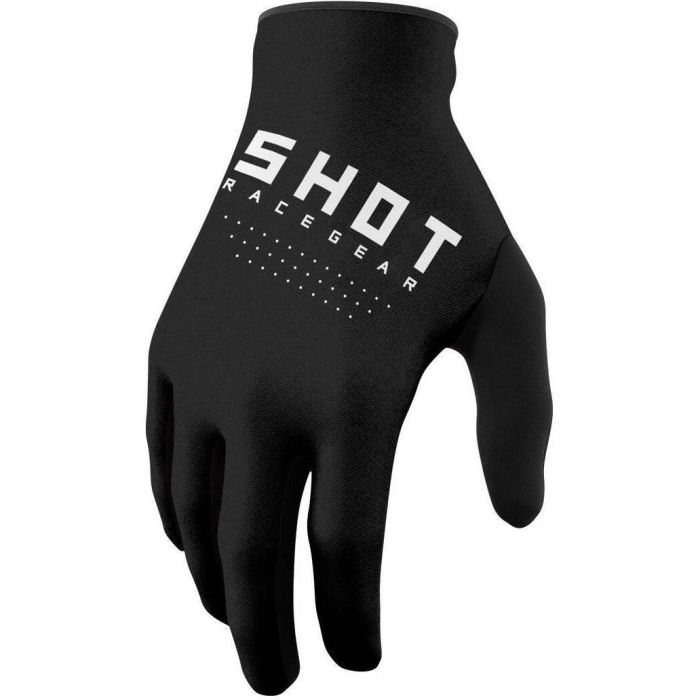
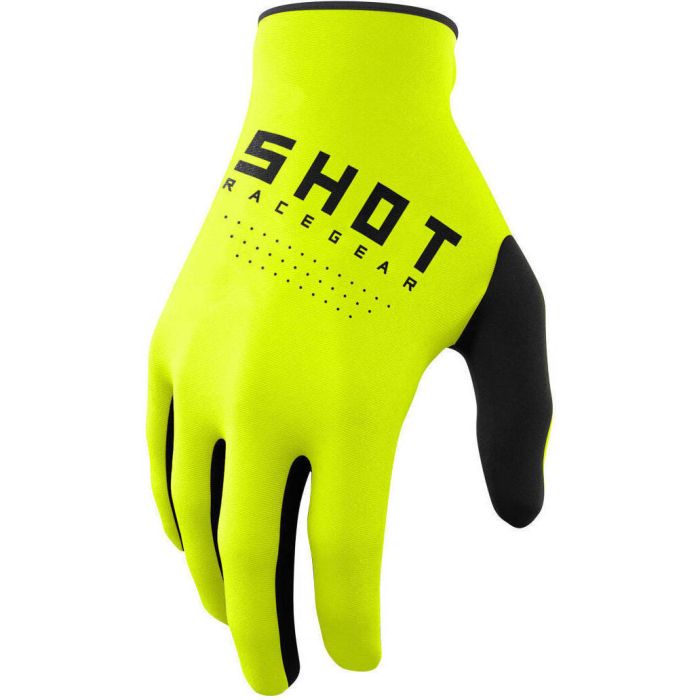
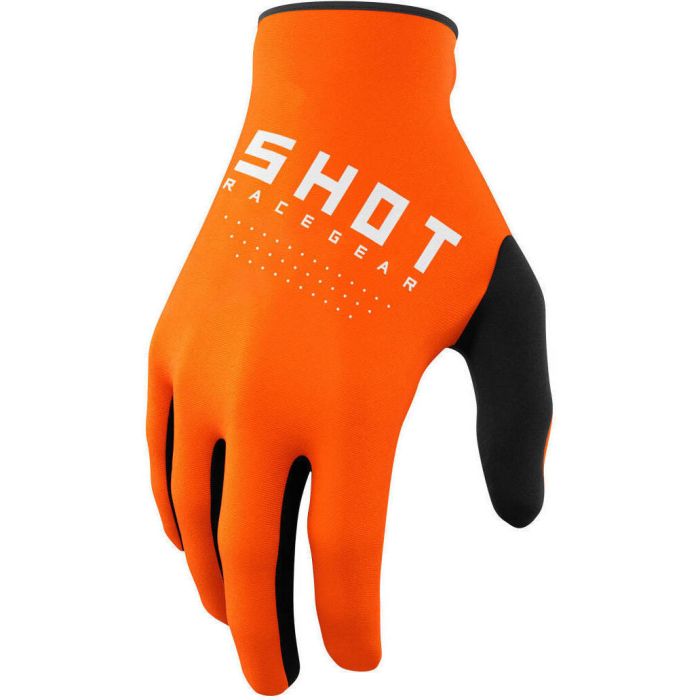
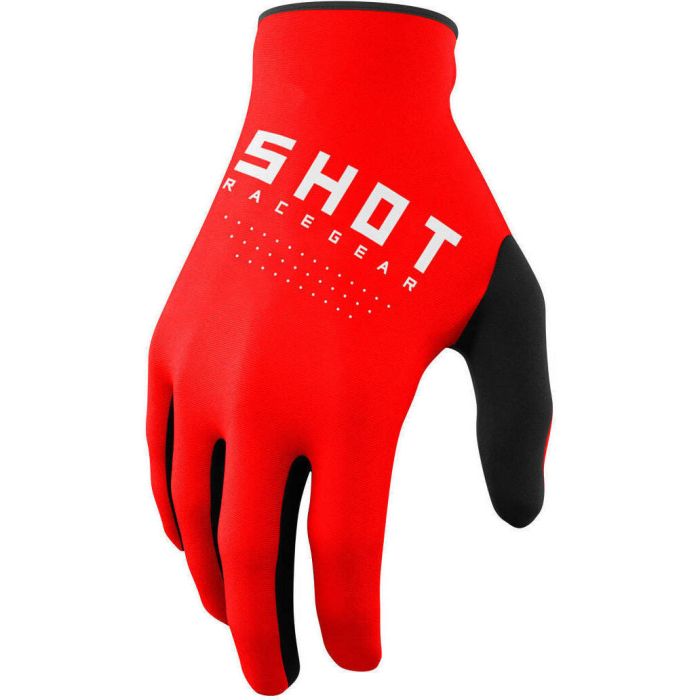
Shot Raw Burst Gloves
$34.99 -
 43% off
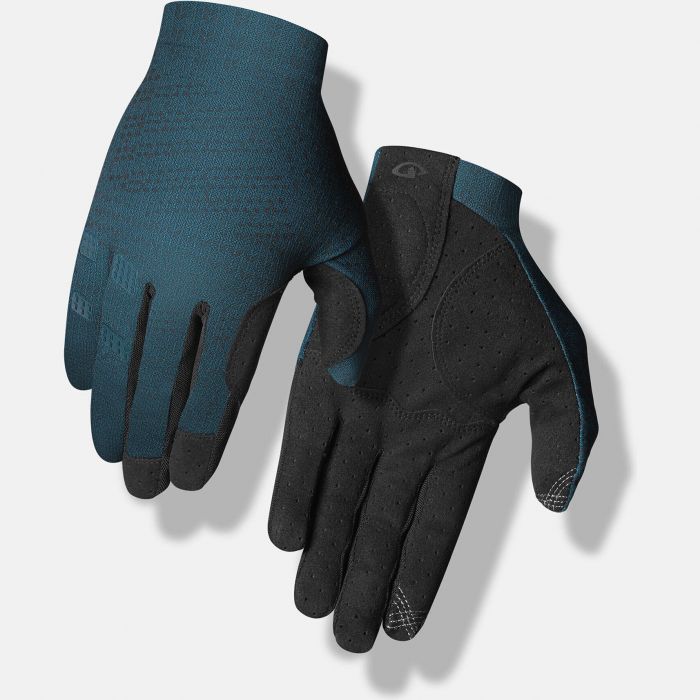
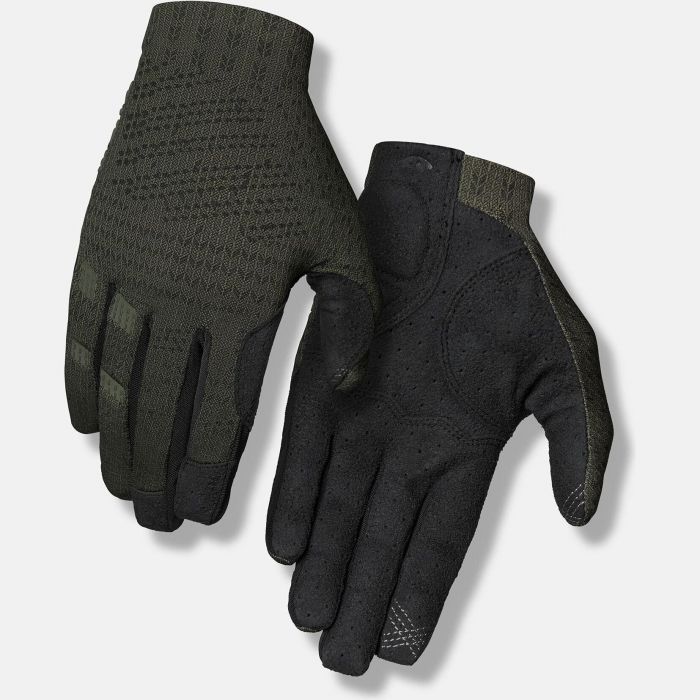
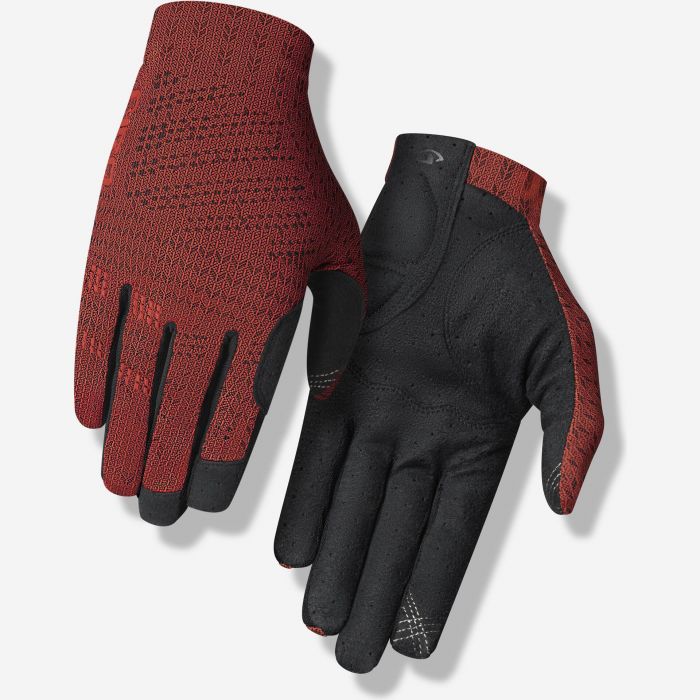
Giro Xnetic Trail MTB Gloves
$64.99 - $76.99$36.99 - $76.99 -
 41% off

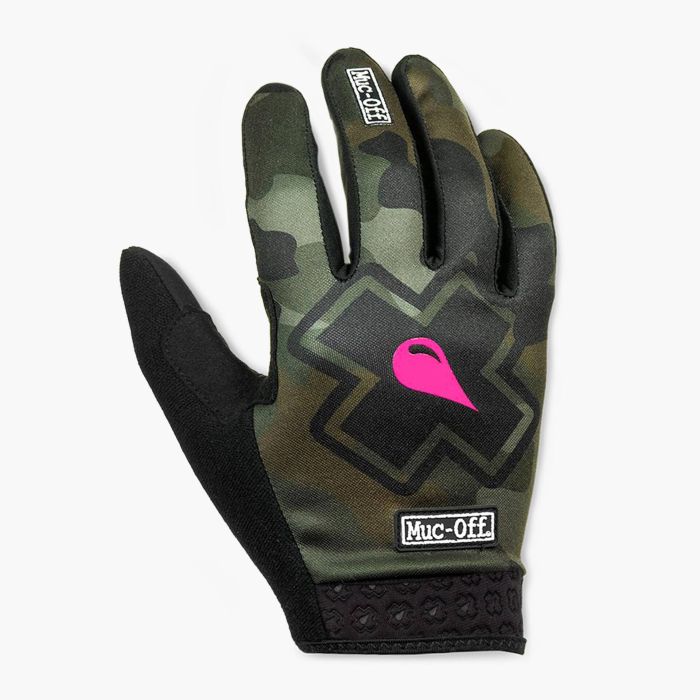

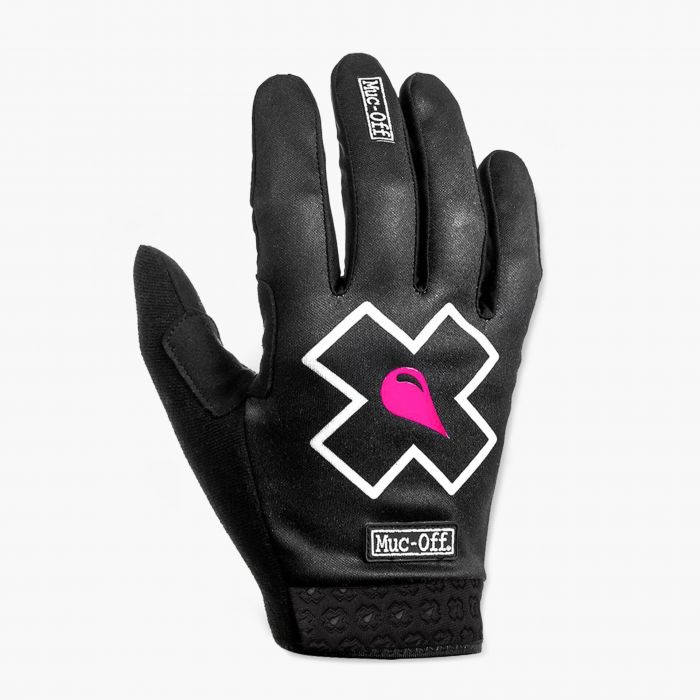
Muc-Off Rider MTB Gloves
$37.99 - $59.99$34.99 - $58.99 -
 52% off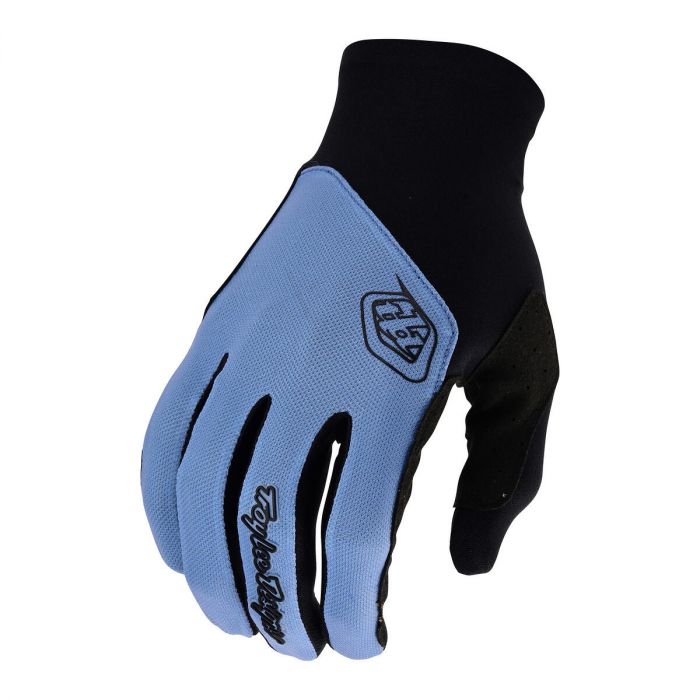
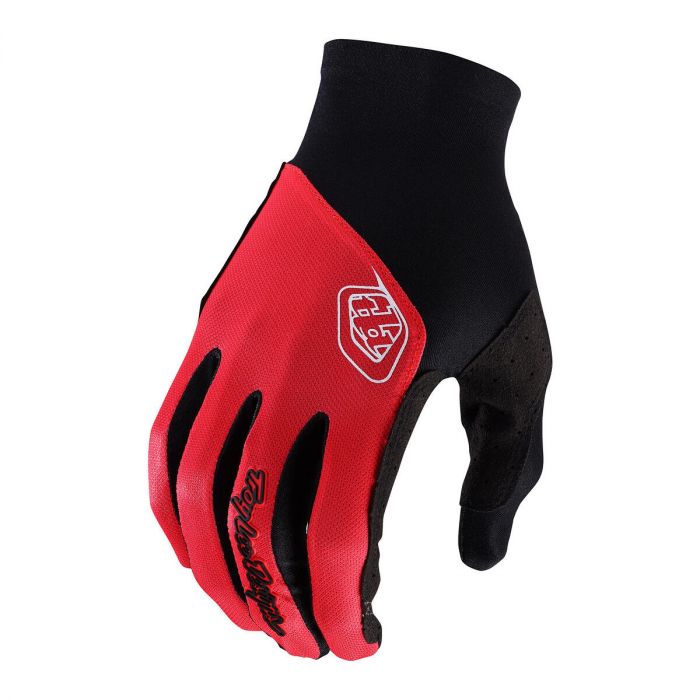
Troy Lee Flowline Mono MTB Gloves - 2023
$39.99$19.17 -
 71% off
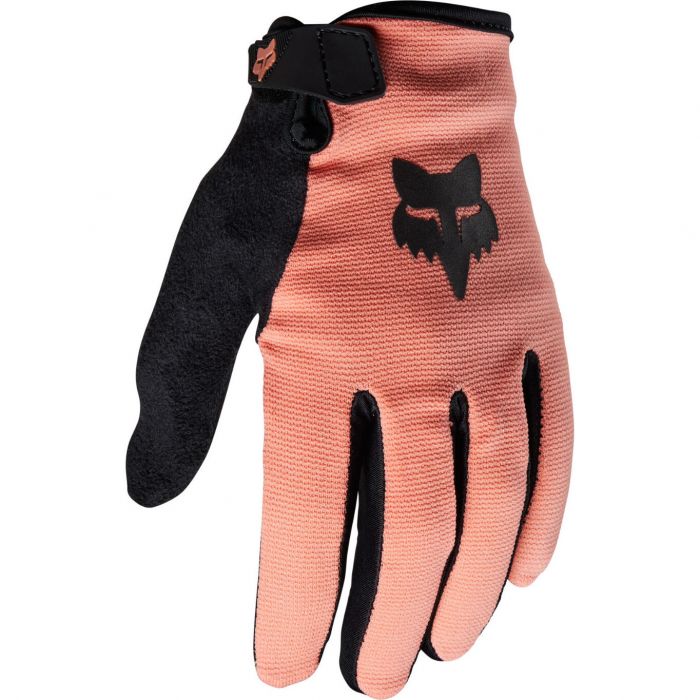
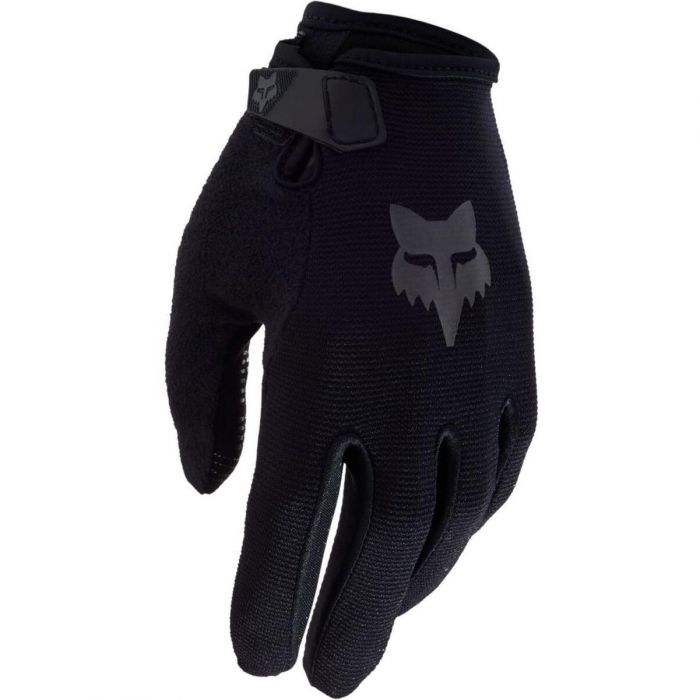
Fox Racing Womens Ranger MTB Gloves - 2023
$47.99$13.79 - $31.99 -
 40% off

Troy Lee Air Blurr Gloves
$49.99$29.99 -
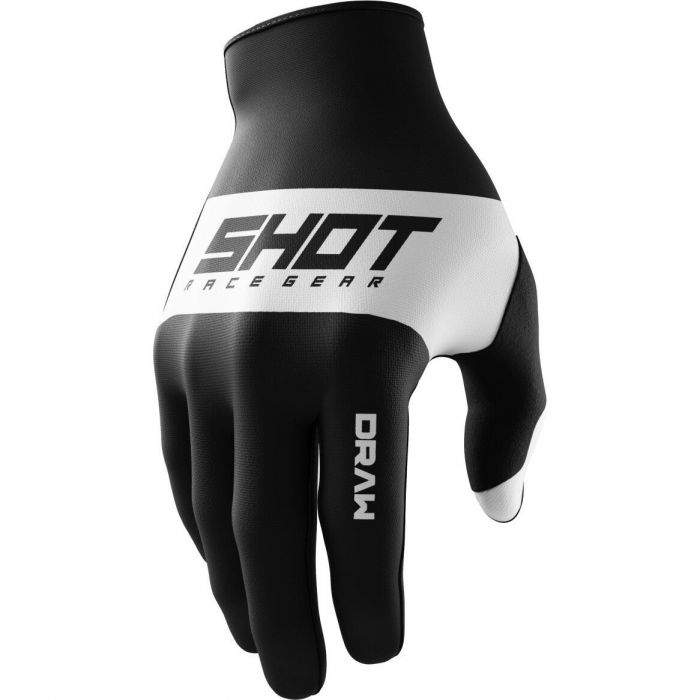
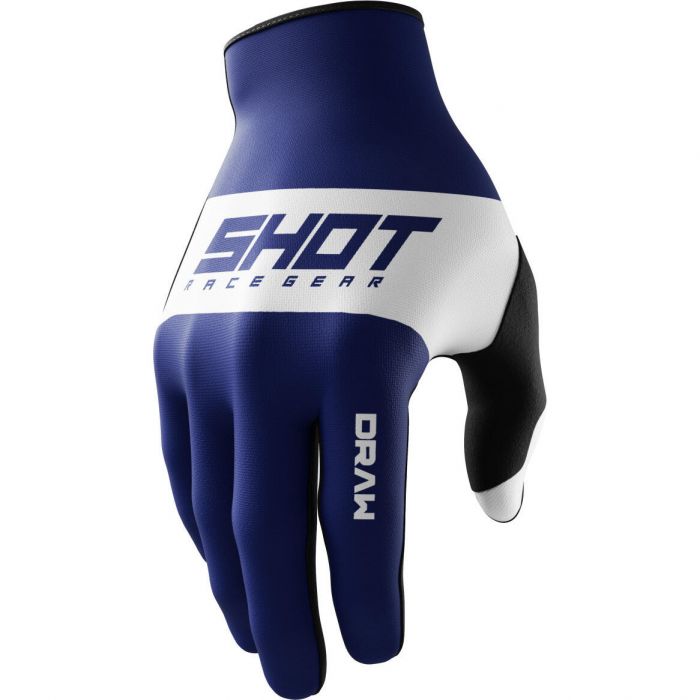
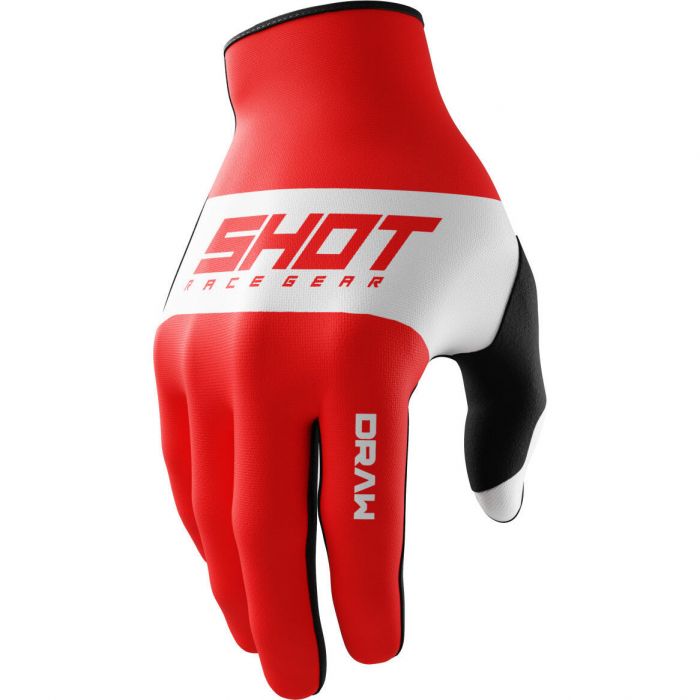
Shot Draw Sky Gloves
$40.99 -
 40% off
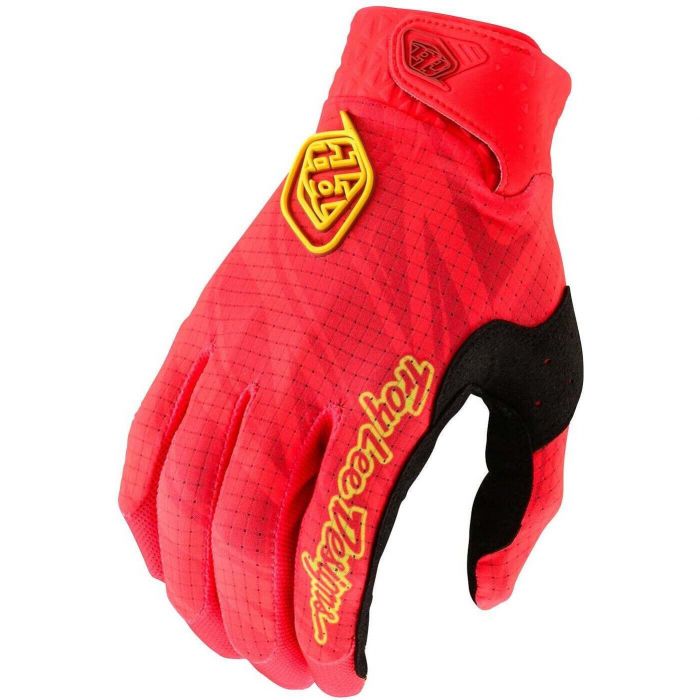
Troy Lee X Oakley Vision Air Gloves
$49.99$29.99 -
 40% off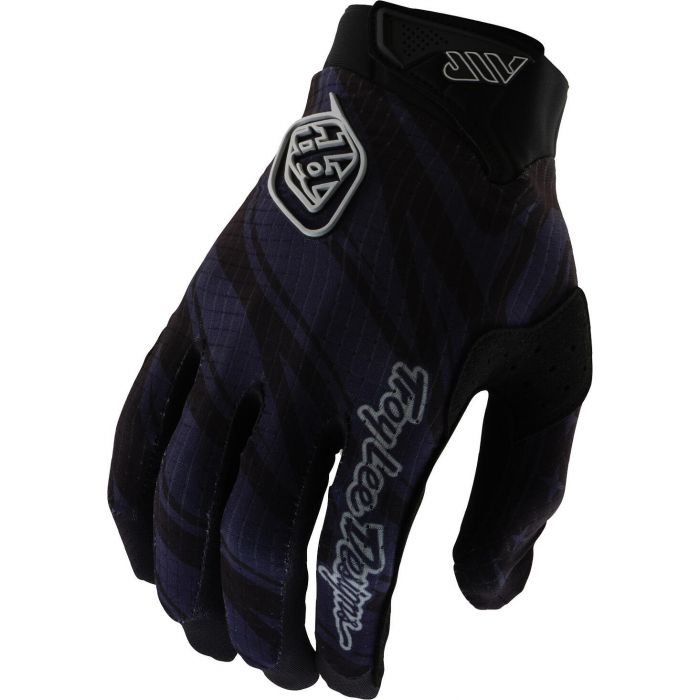
Troy Lee Air Ghostwing Gloves
$49.99$29.99 - $49.99 -
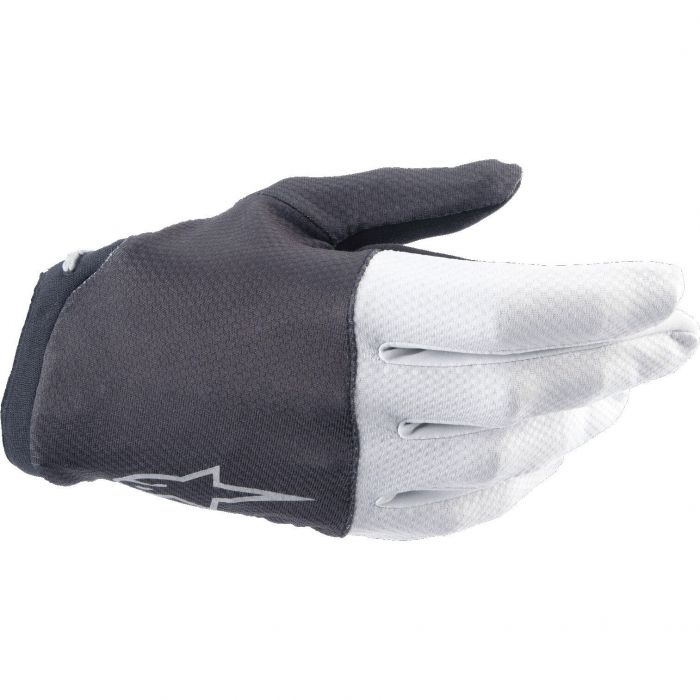
Alpinestars A-Aria MTB Gloves
$59.95 -
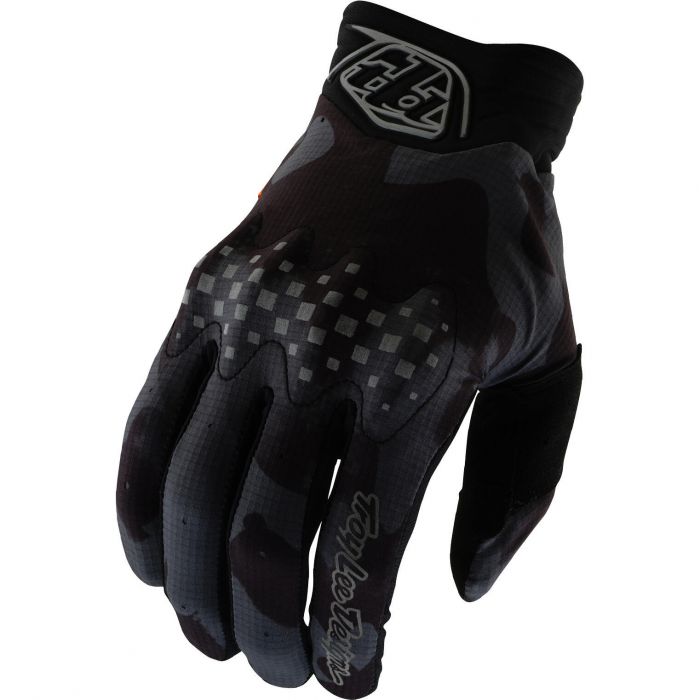

Troy Lee Gambit Blotted Gloves
$69.99 -
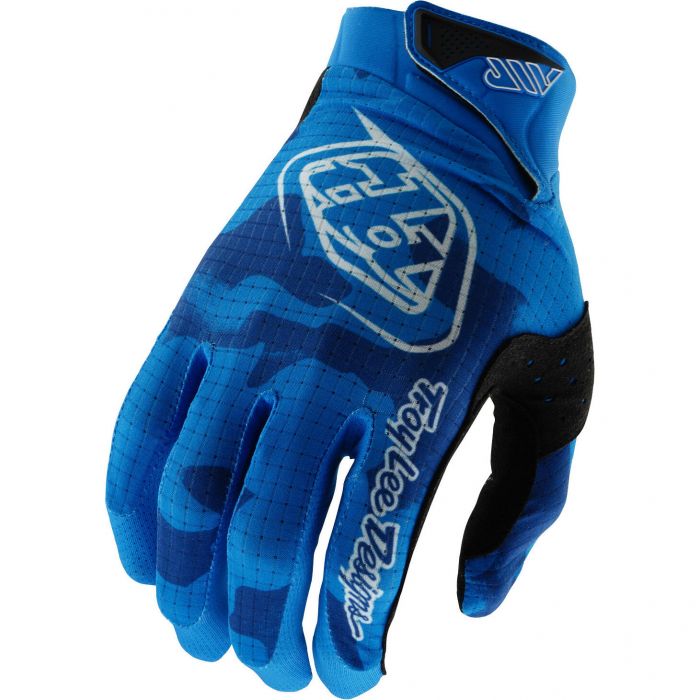
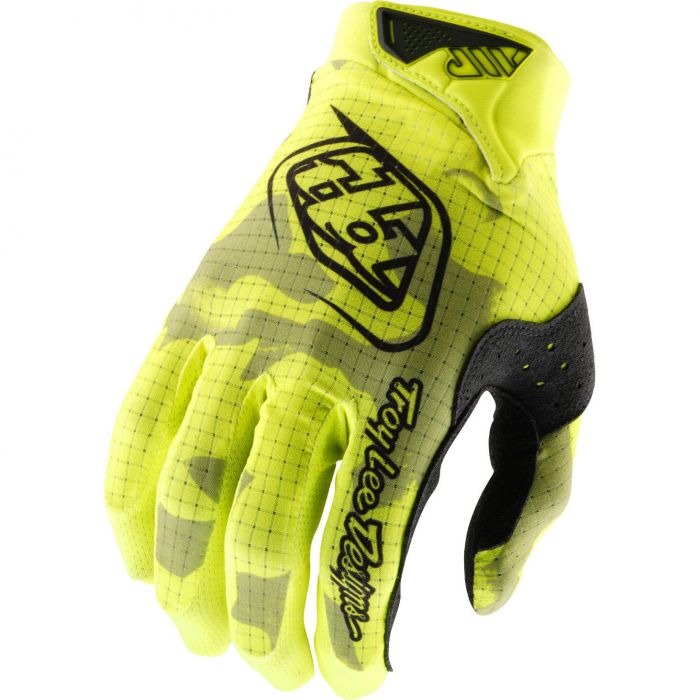
Troy Lee Youth Air Blotted Gloves
$39.99 -
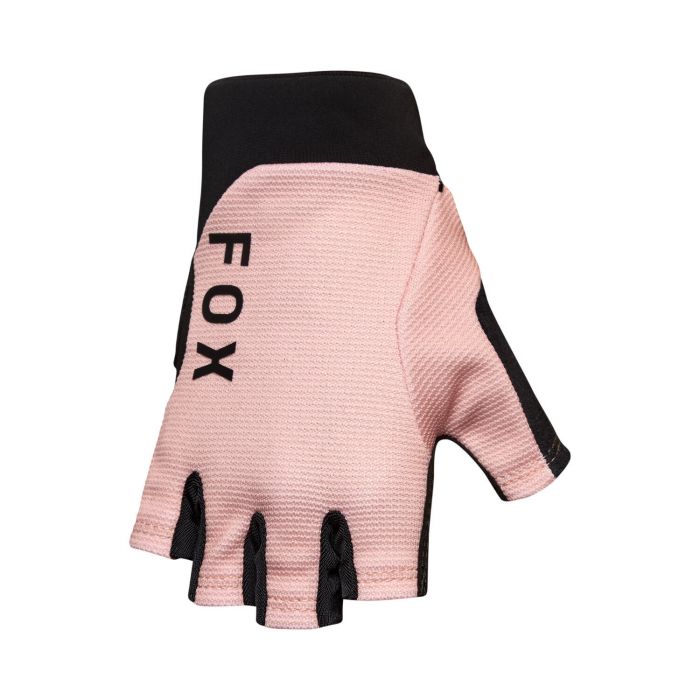 18% off
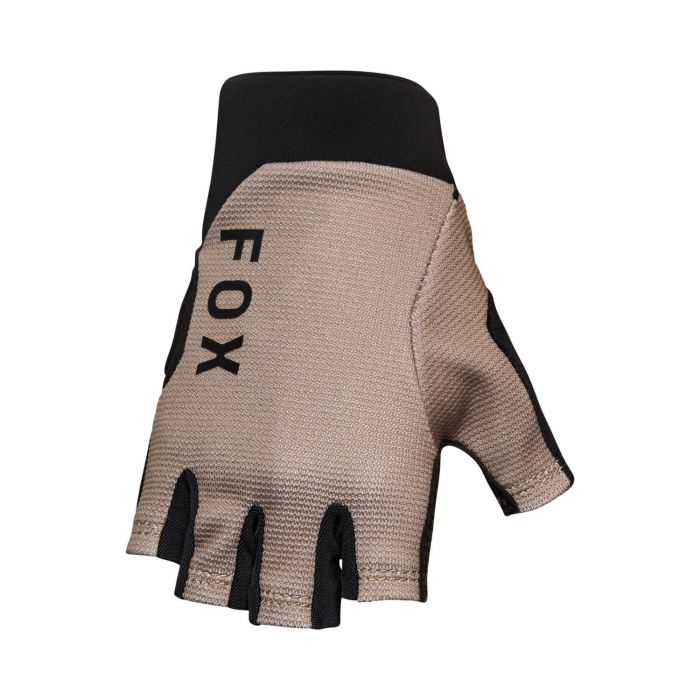
Fox Racing Womens Ranger MTB Short Finger Gel Gloves
$47.95 - $54.95$38.99 - $54.95 -
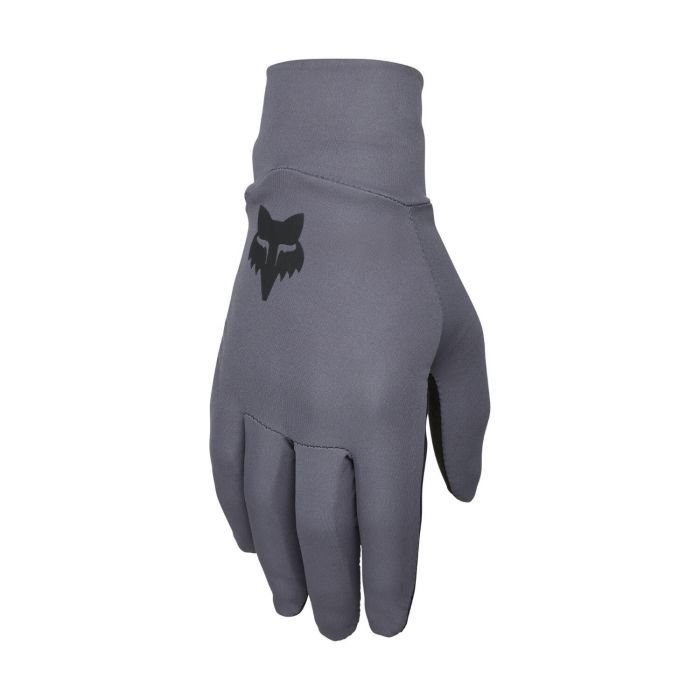 43% off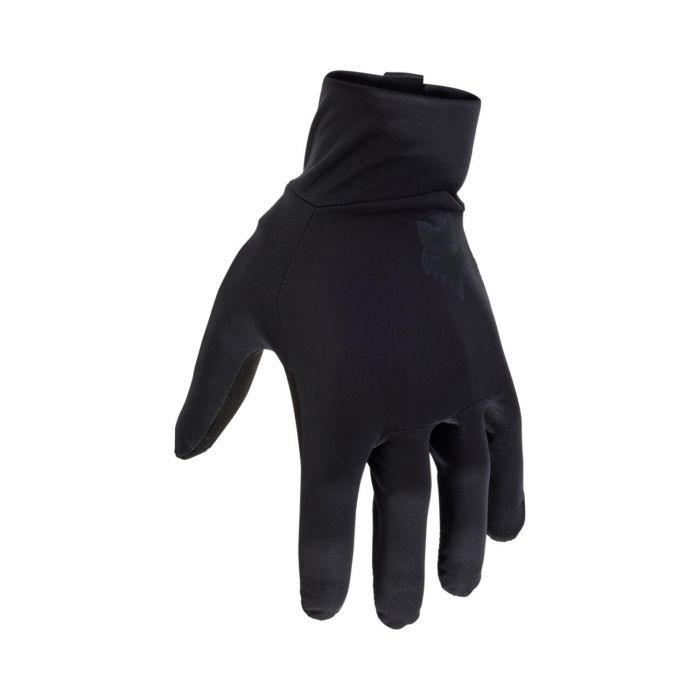
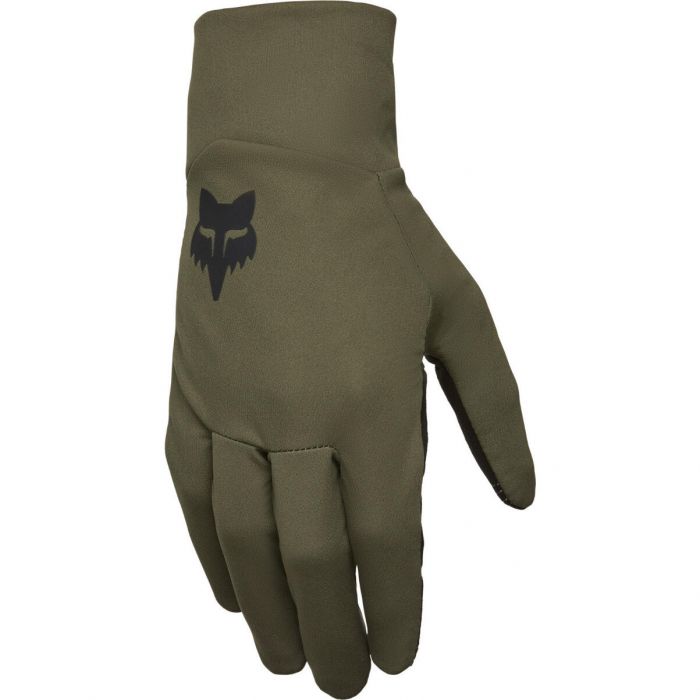
Fox Racing Ranger Water MTB Gloves
$64.99 - $69.95$36.99 - $69.95 -
 31% off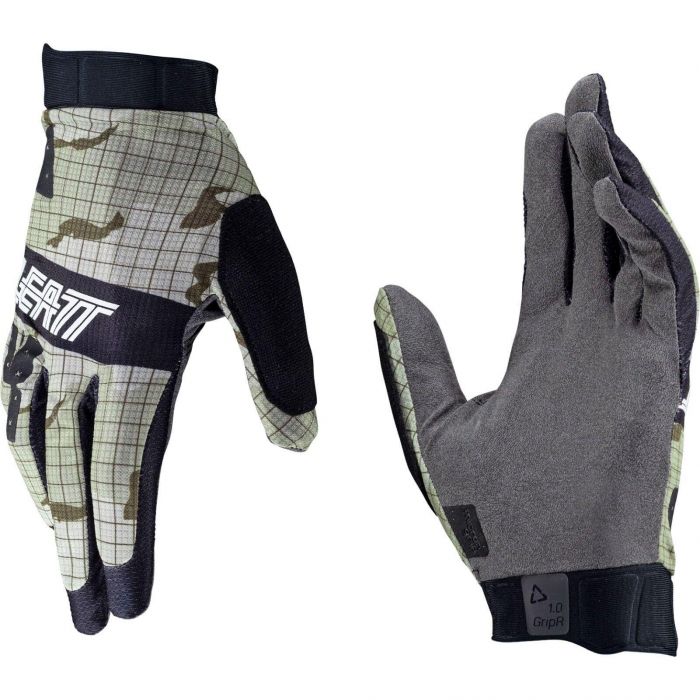
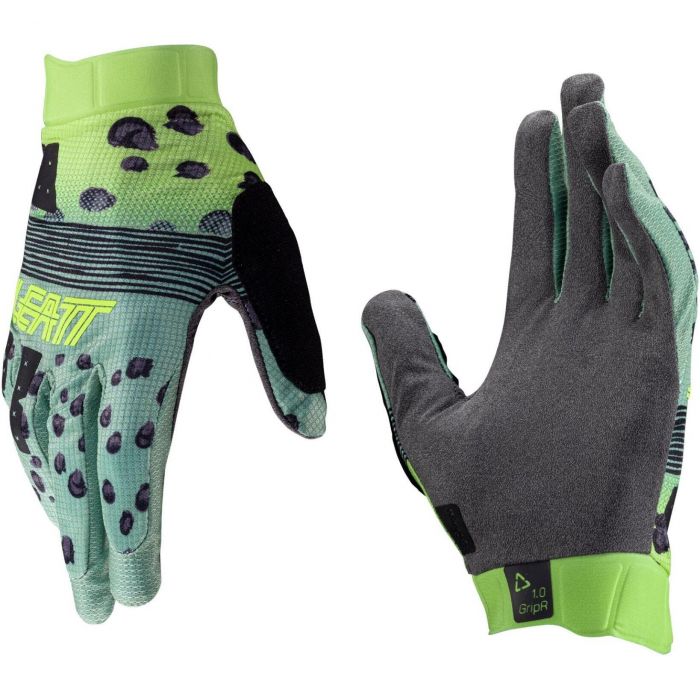

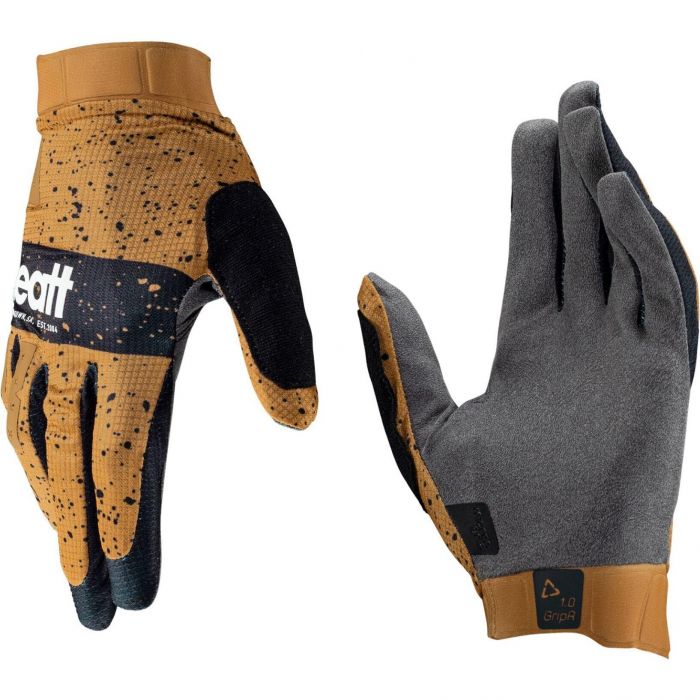
Leatt 1.0 GripR MTB Gloves
$56.99$38.99 - $48.44 -
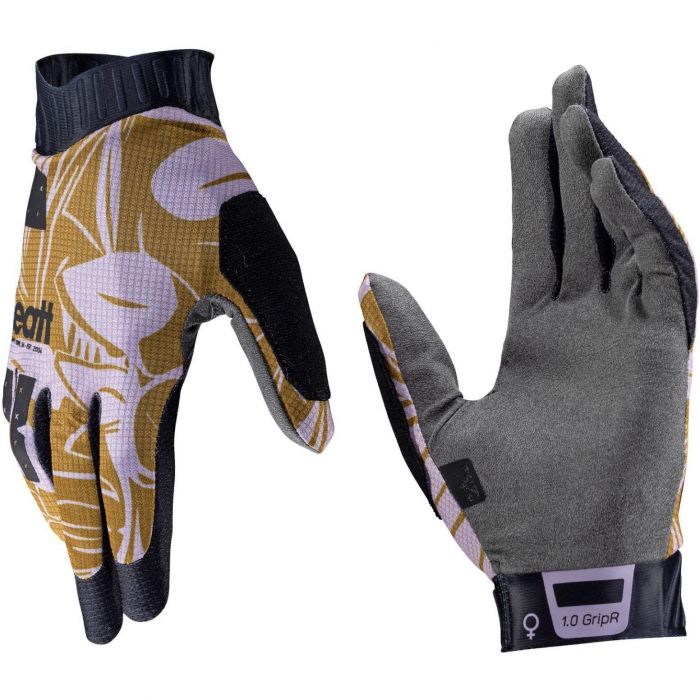 31% off
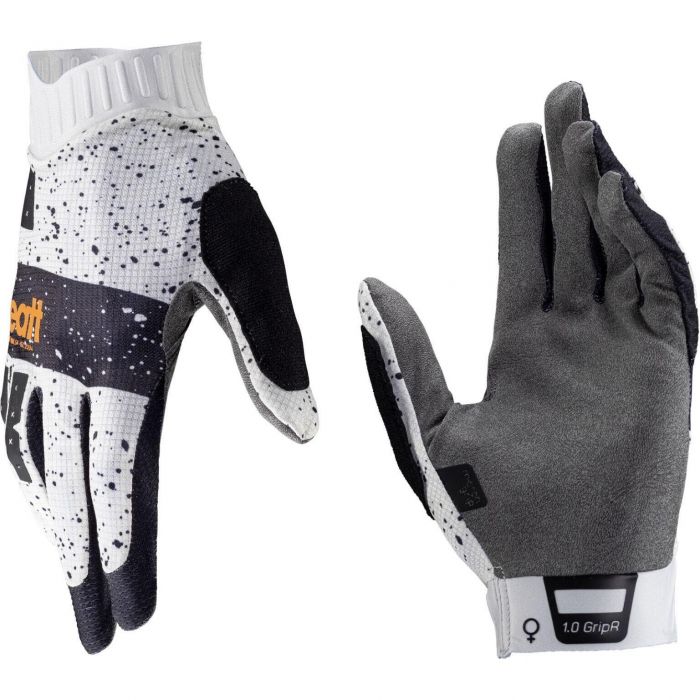
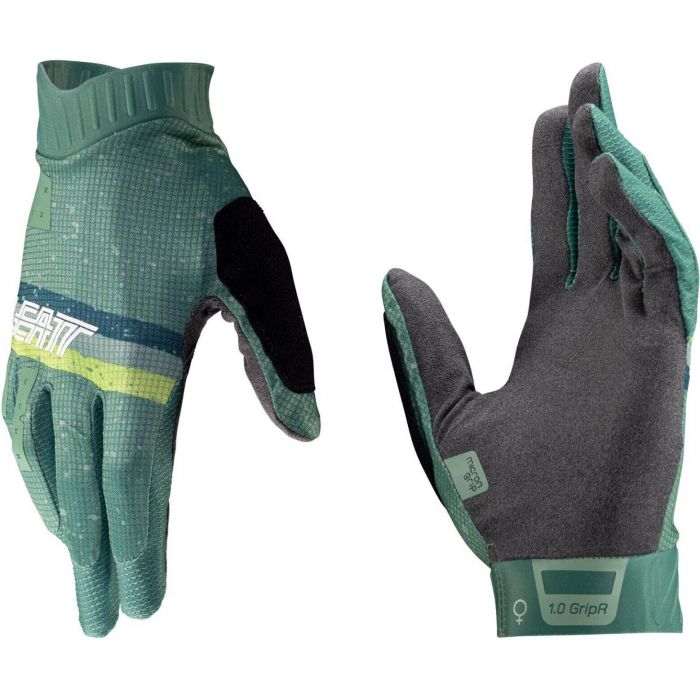
Leatt Womens 1.0 GripR MTB Gloves
$56.99$38.99 -
 25% off
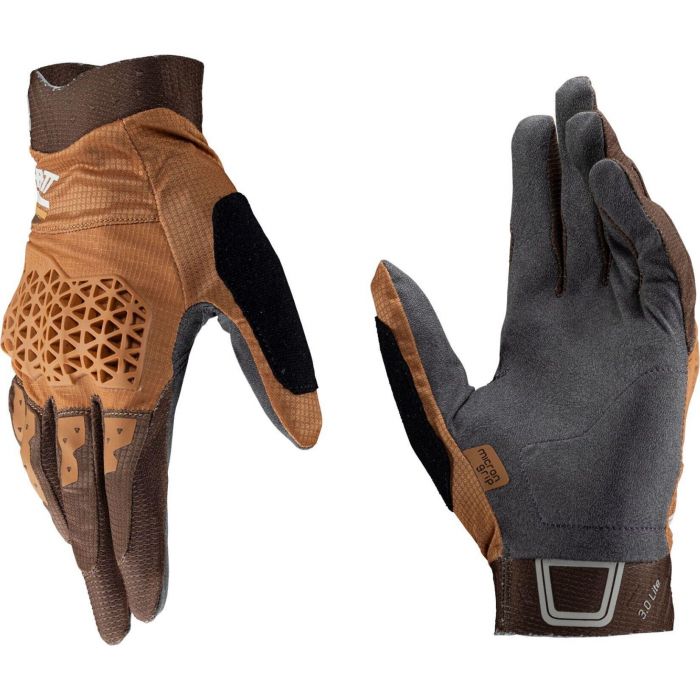
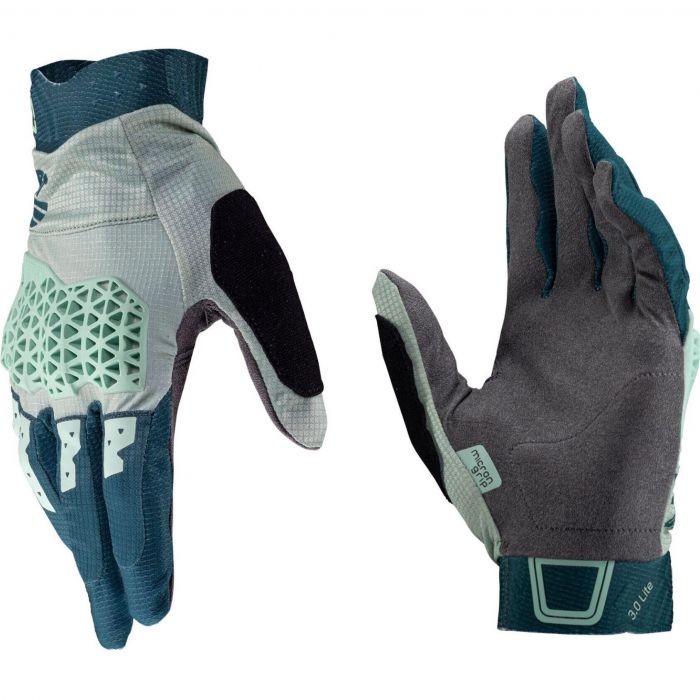
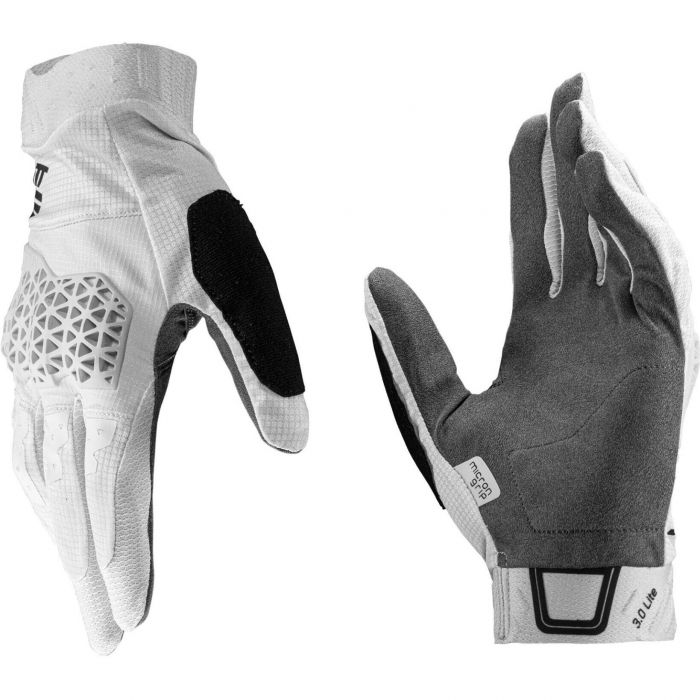
Leatt 3.0 Lite MTB Gloves
$94.99$70.99 -
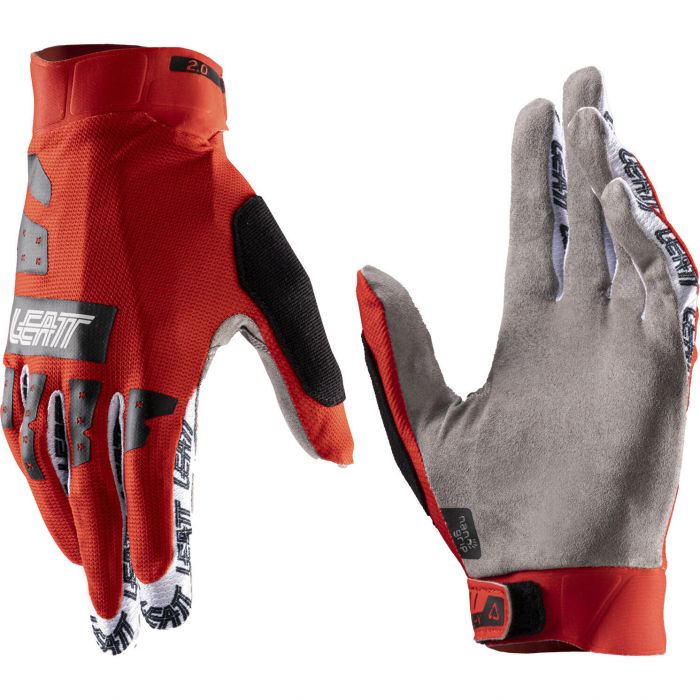
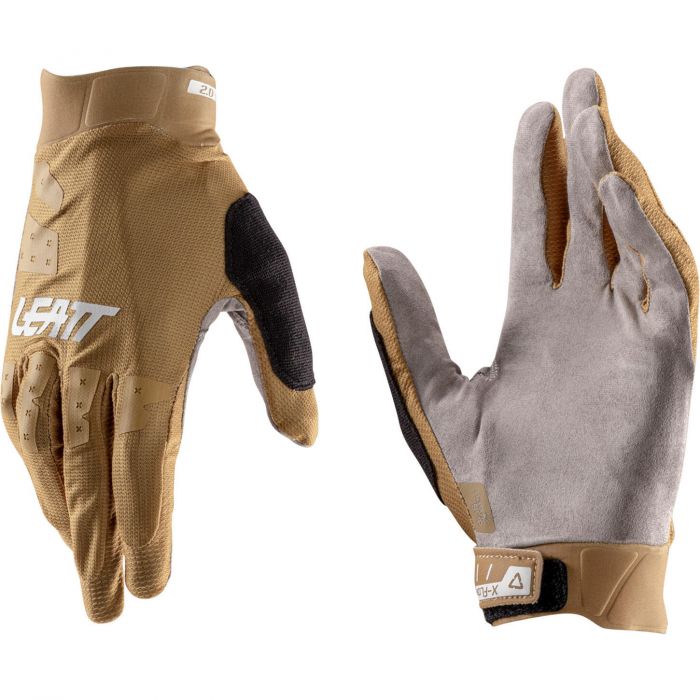
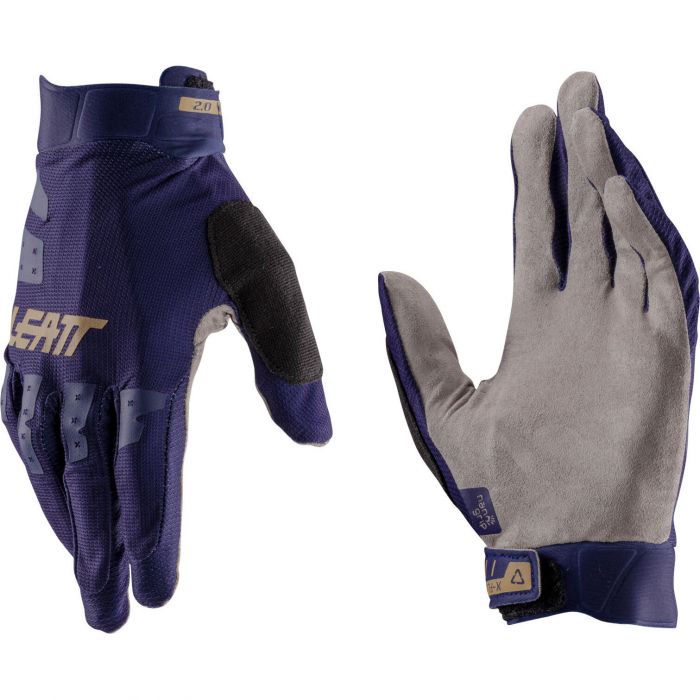
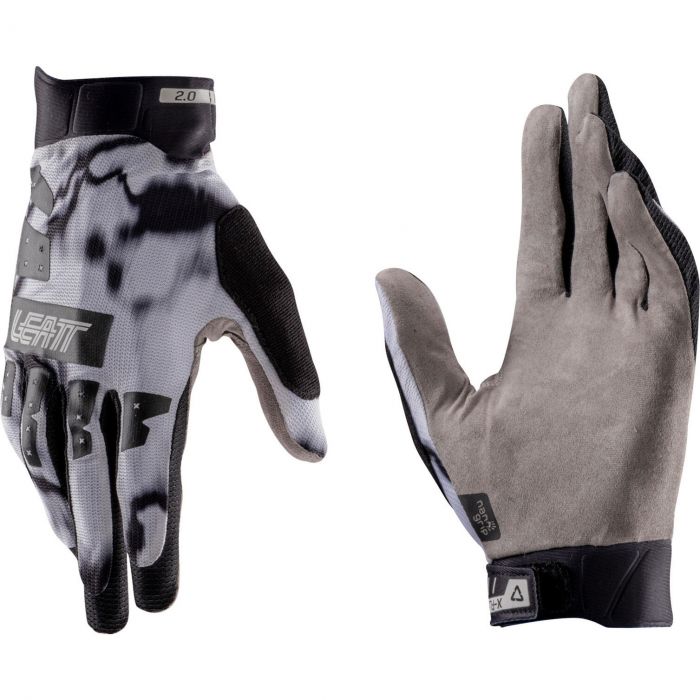
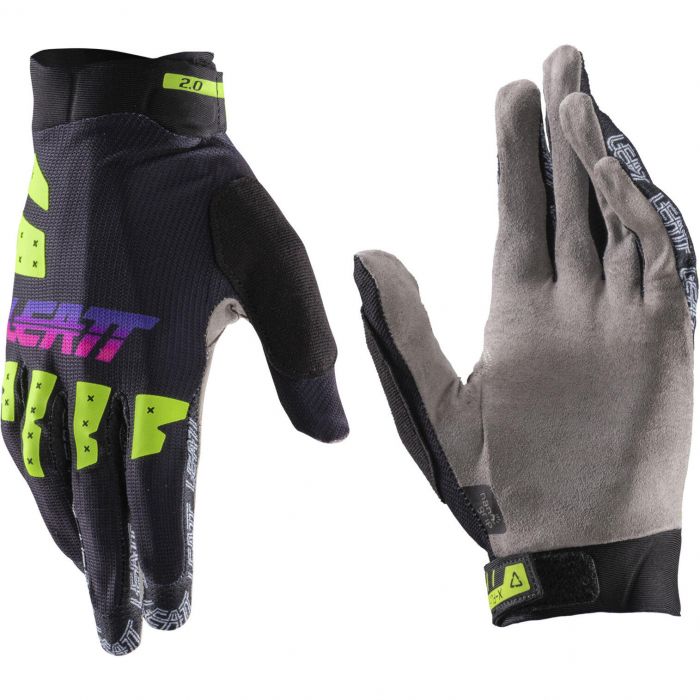
Leatt X-Flow 2.0 MTB Gloves
$69.99 -
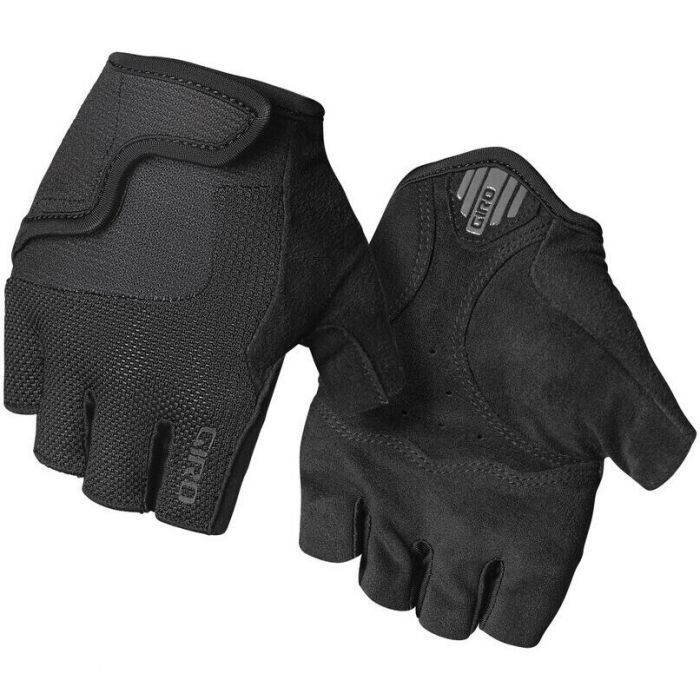
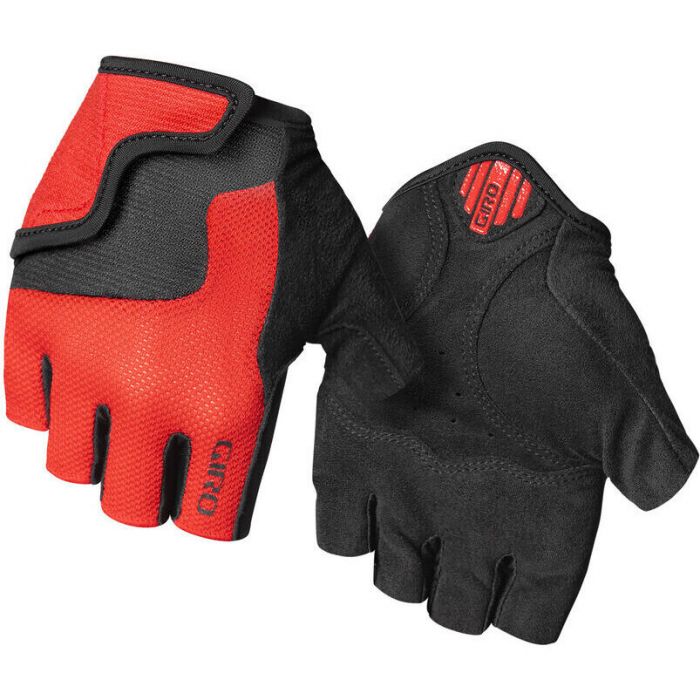
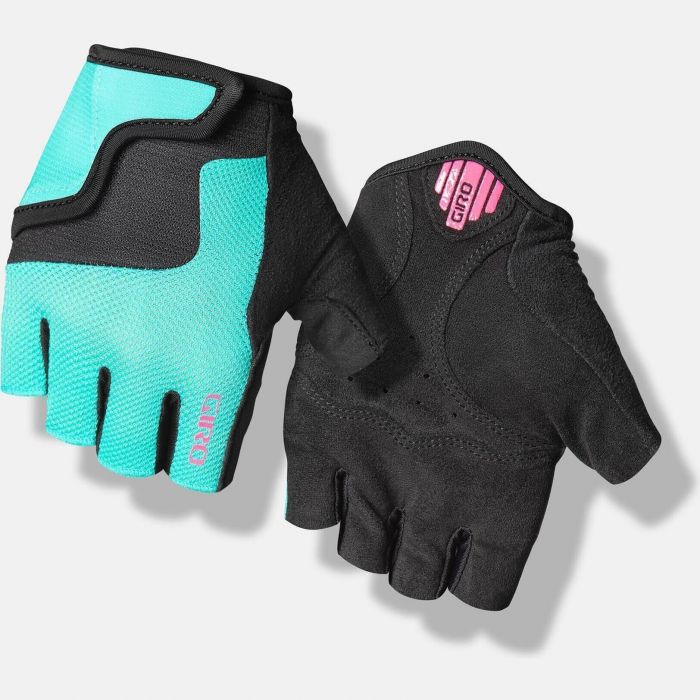
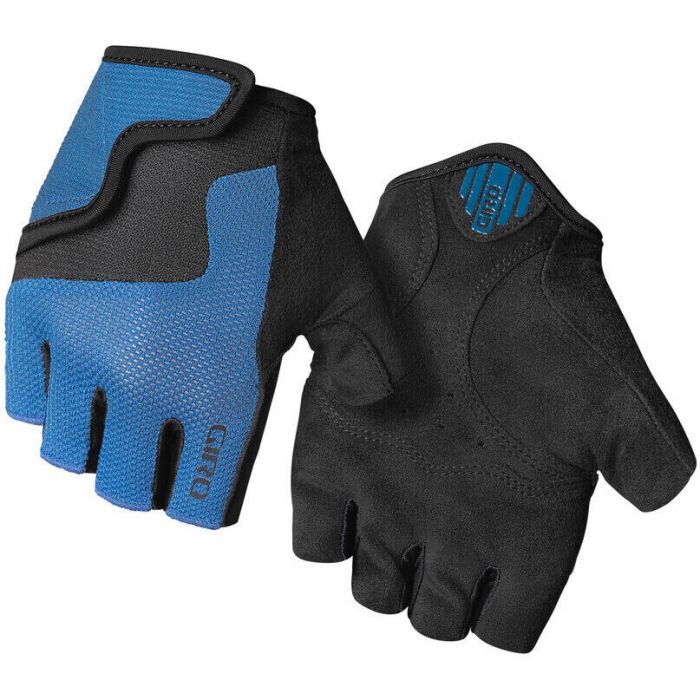
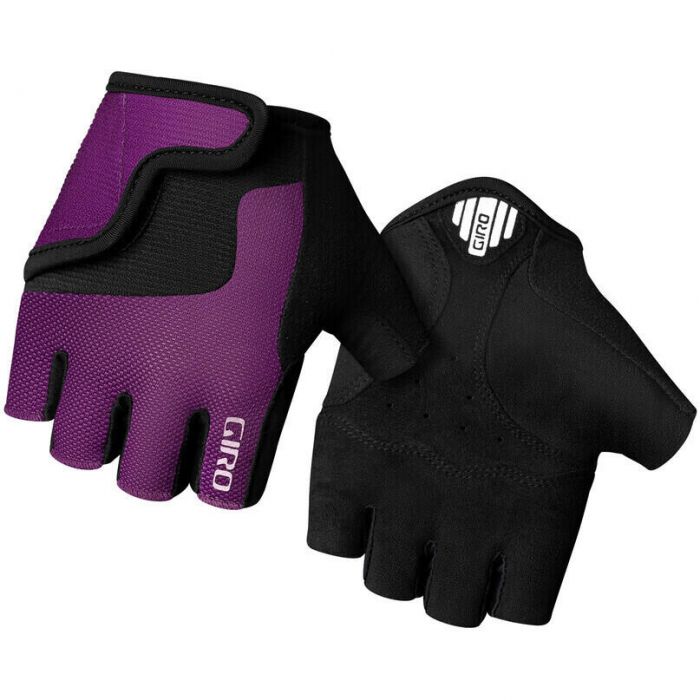
Giro Youth Bravo Jr Cycling Gloves
$37.99 -
 56% off

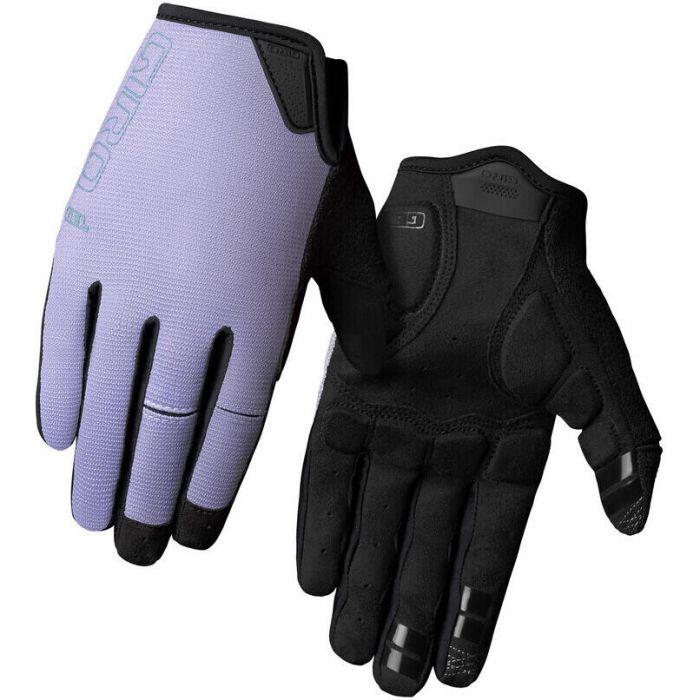
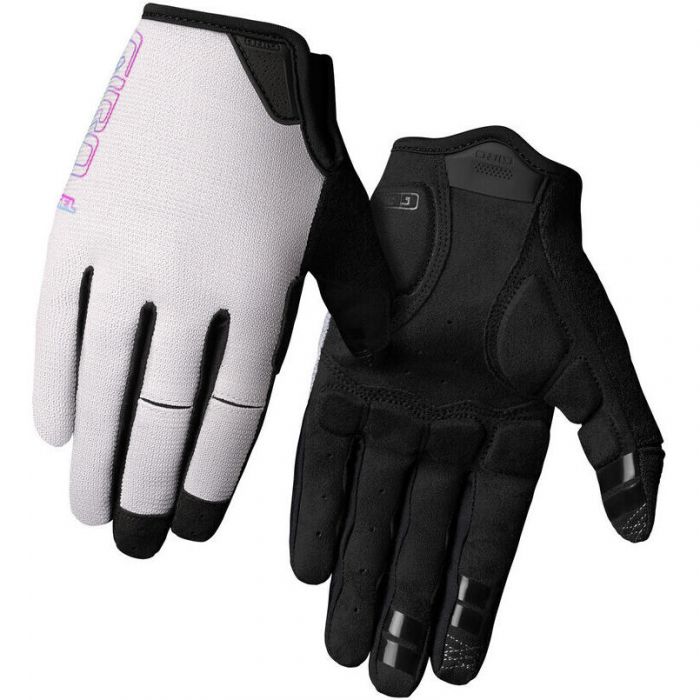
Giro Womens La DND Gel MTB Gloves
$64.99$27.99 - $64.99 -
 41% off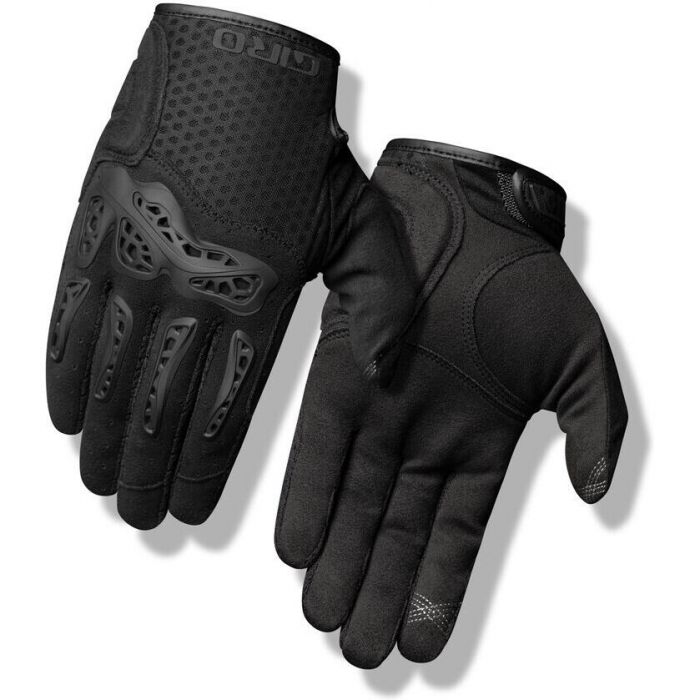
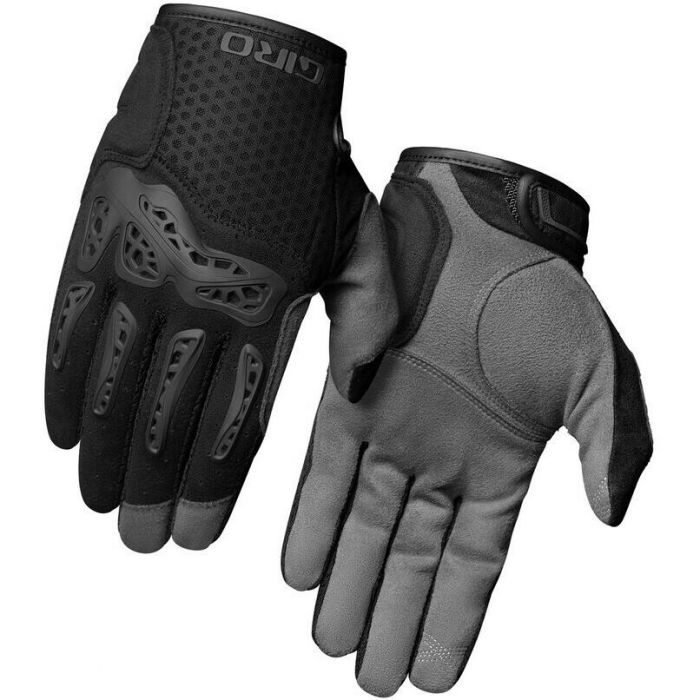
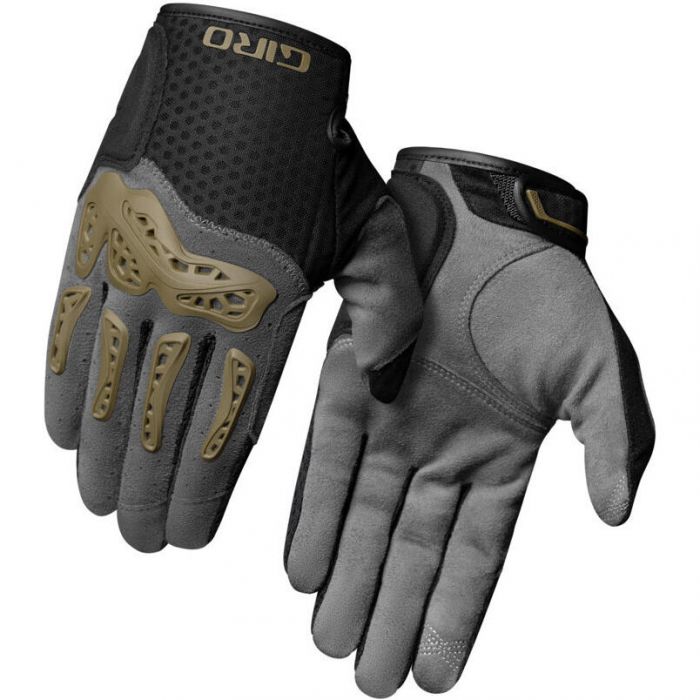
Giro Gnar MTB Gloves
$79.99$46.99 - $79.99 -
 71% off
Fox Racing Ranger MTB Water Gloves
$64.95$18.62 - $45.99 -
 40% off
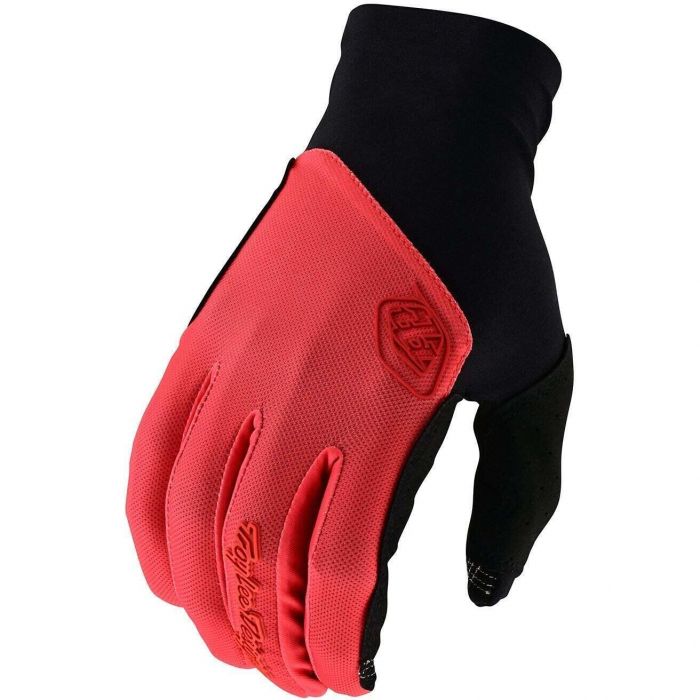
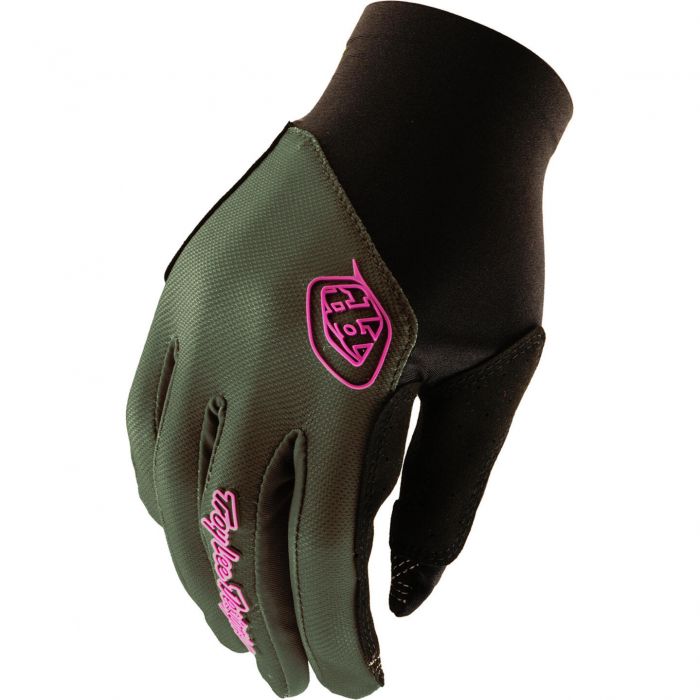
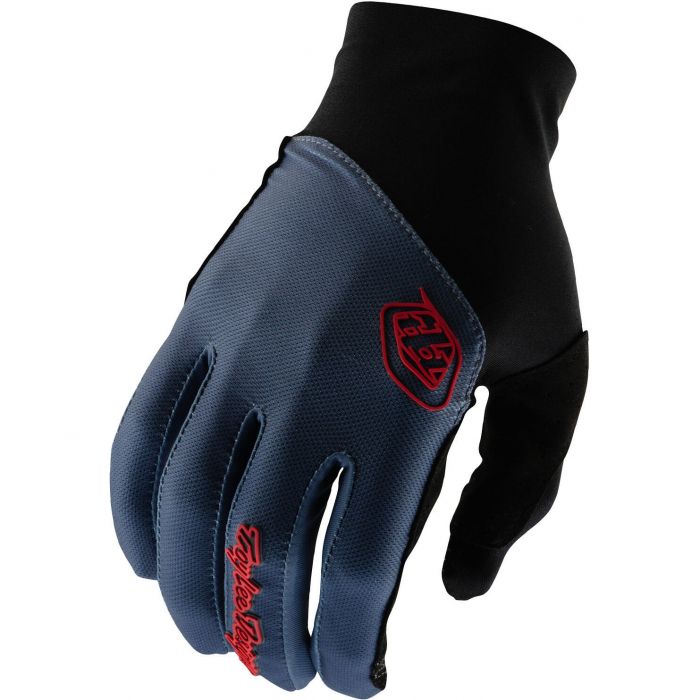
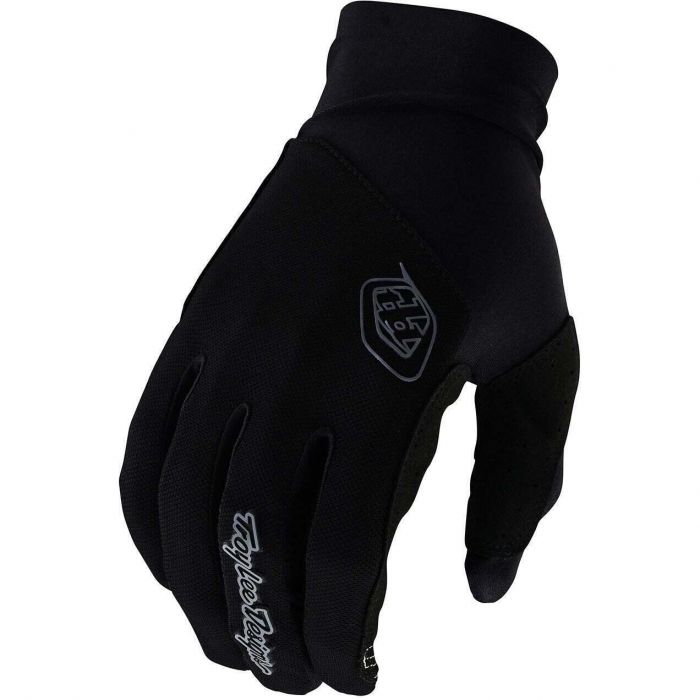
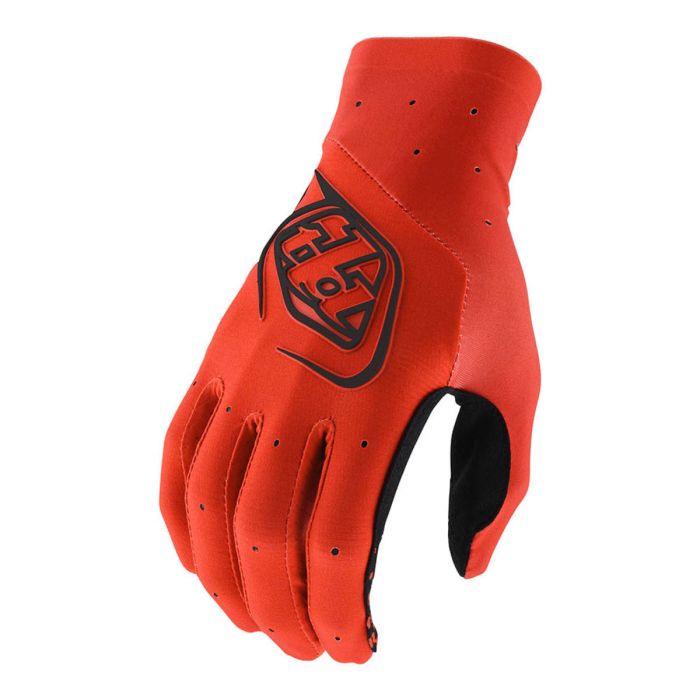
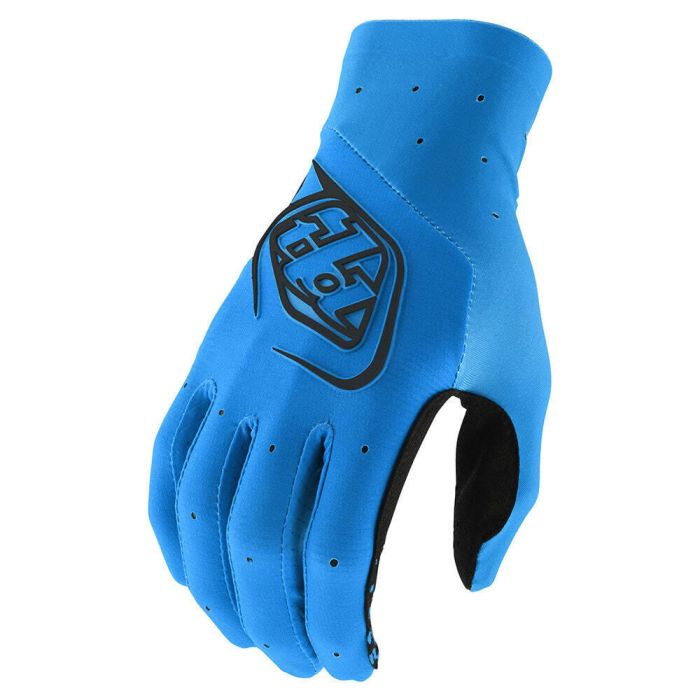
Troy Lee Flowline Mono MTB Gloves
$39.99$23.99 - $39.99 -
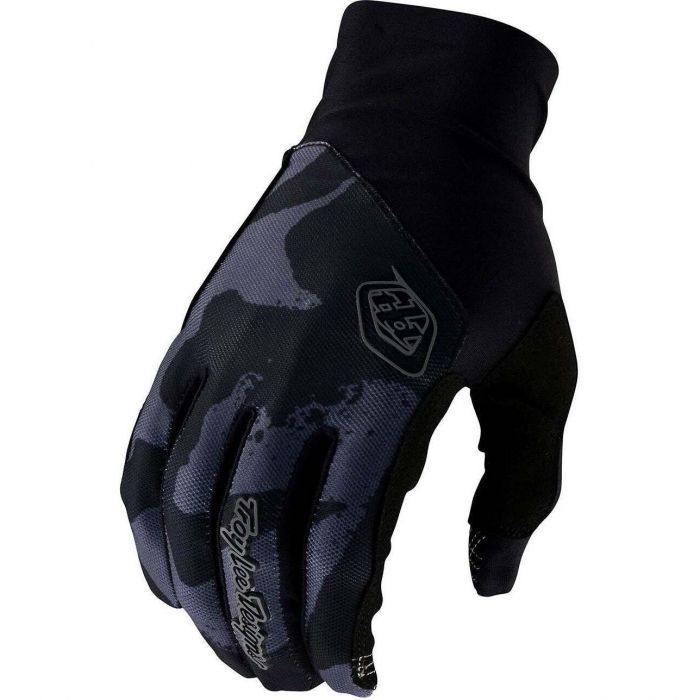 40% off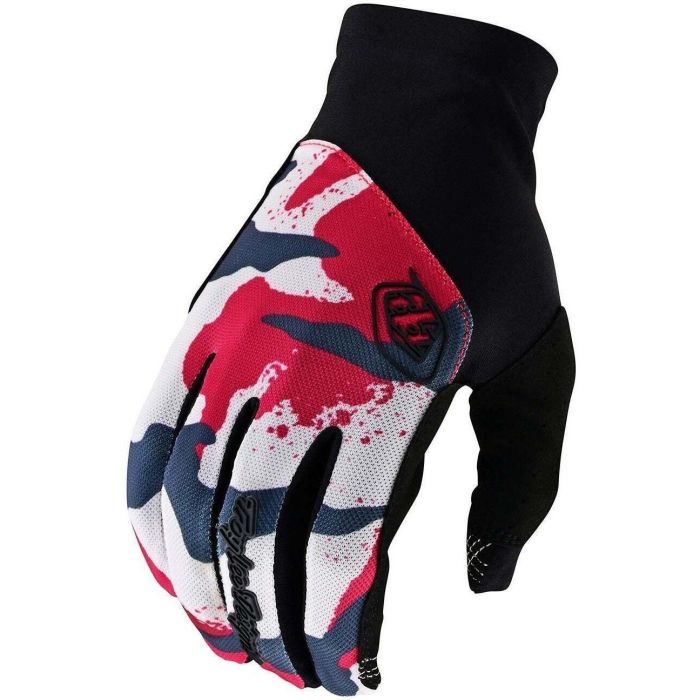
Troy Lee Flowline Camo MTB Gloves
$39.99$23.99 -
 40% off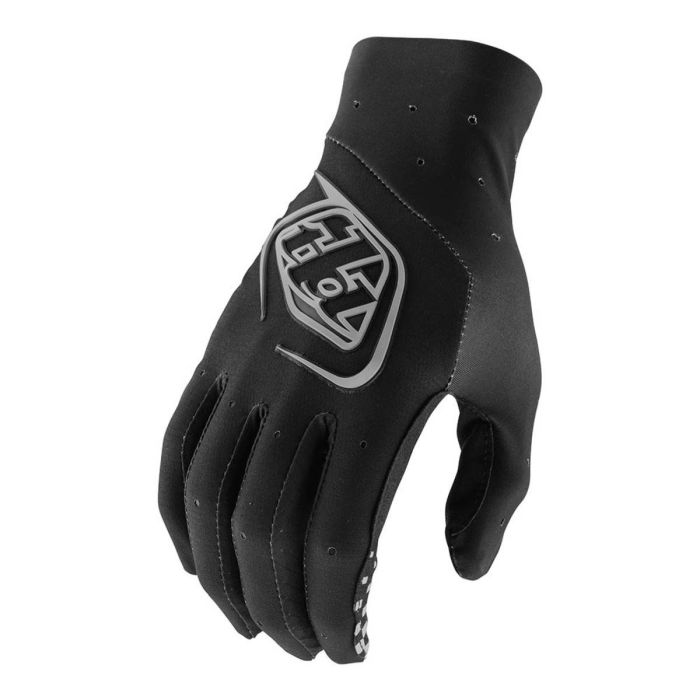
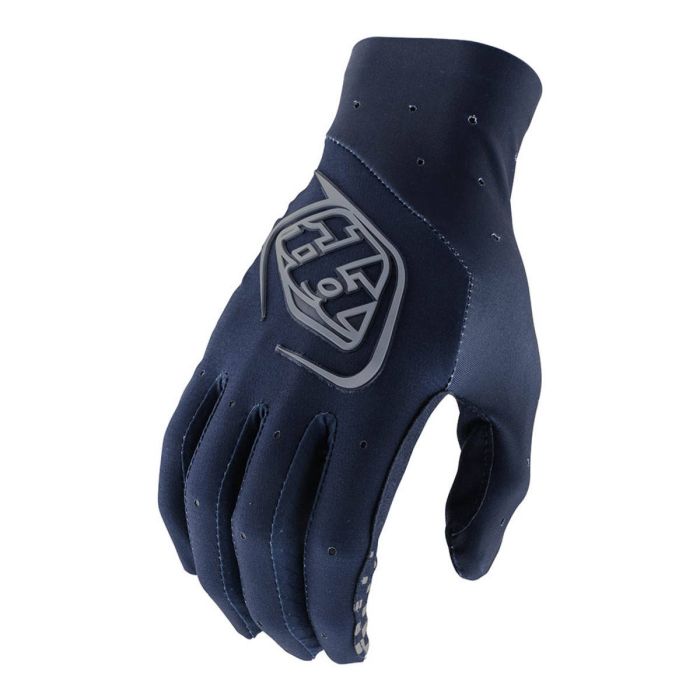

Troy Lee SE Ultra Gloves - 2022
$59.99$35.99 - $59.99 -
 23% off
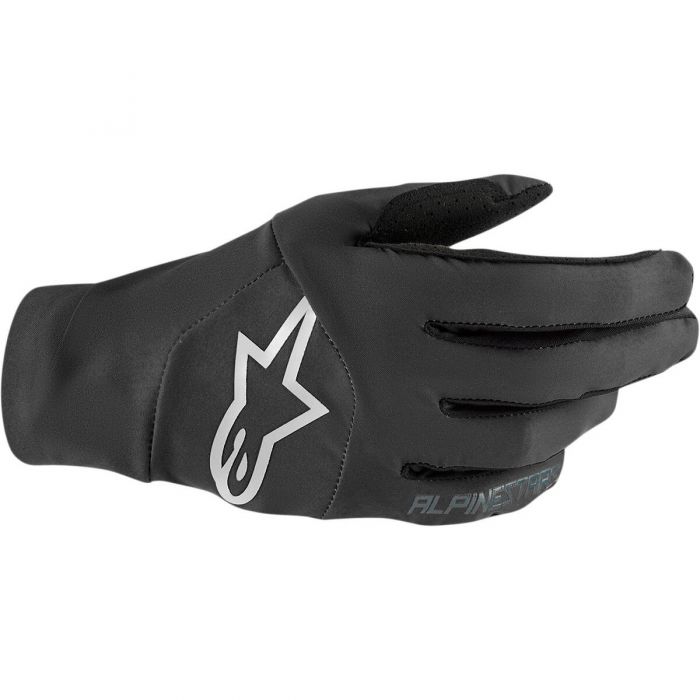
Alpinestars Drop 4.0 MTB Gloves
$45.99 - $48.99$34.99 - $41.99 -
 62% off
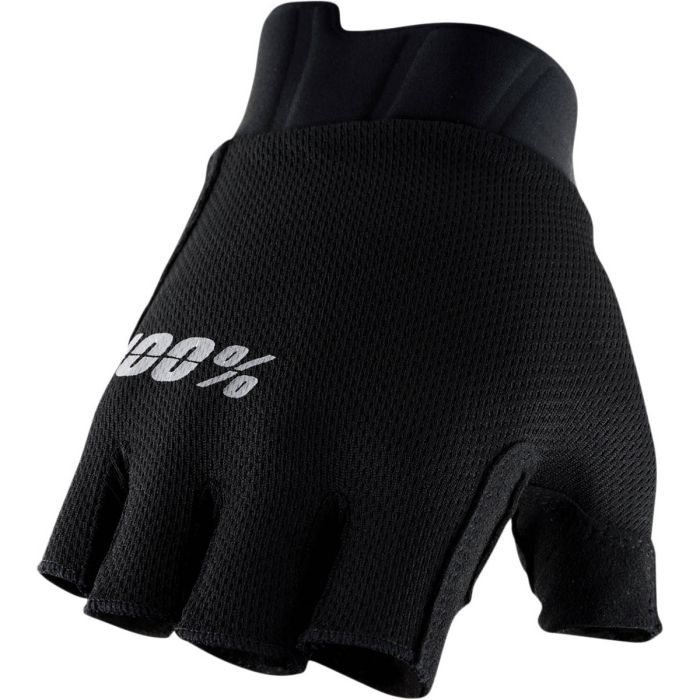
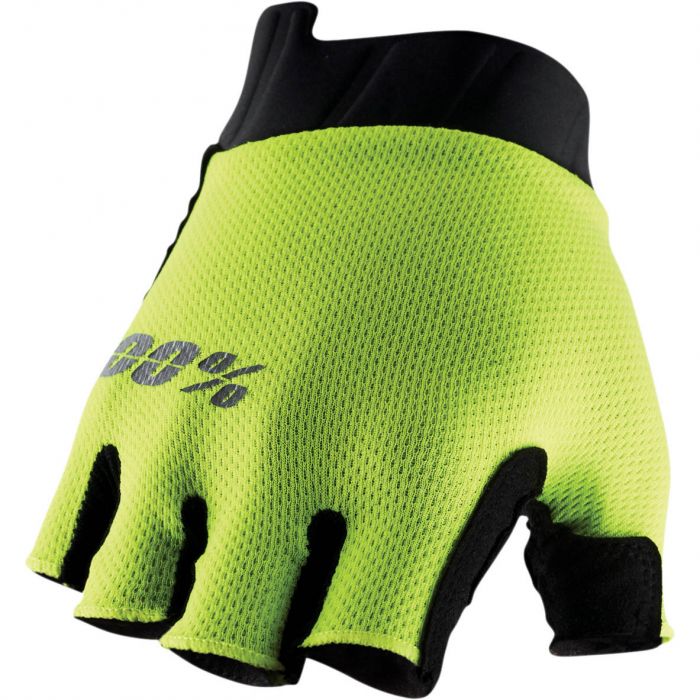
100 Percent Exceeda MTB Gloves
$37.95$14.29 - $34.16 -
 70% off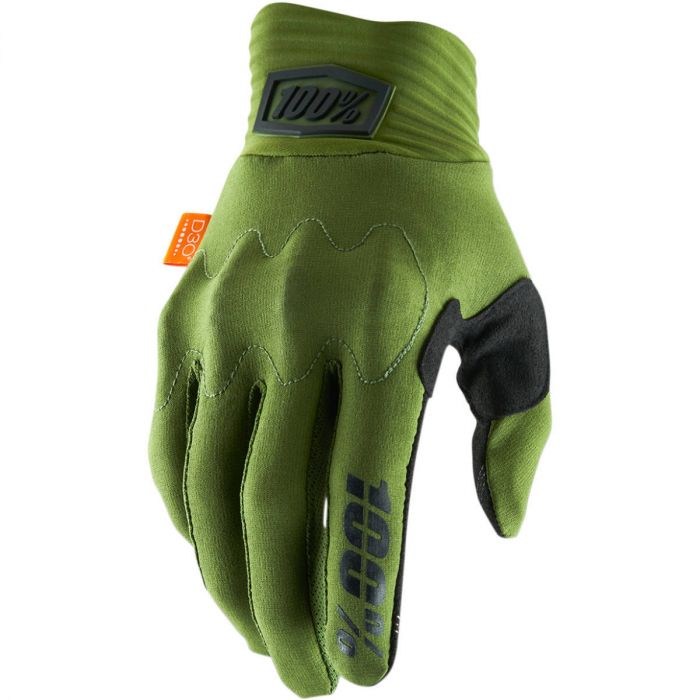
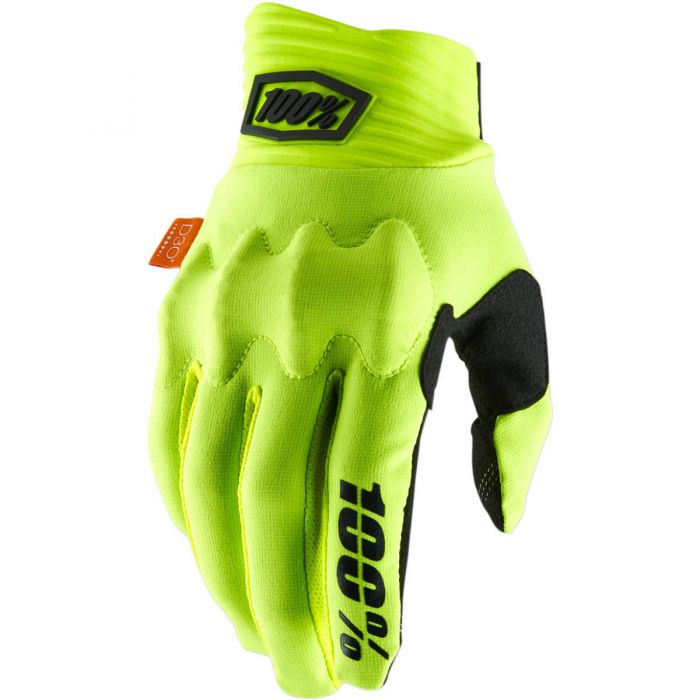
100 Percent Cognito Gloves
$64.99$19.16 - $19.99
About MTB Gloves
For riders who already know mountain bike gloves aren’t about looks. Use this guide to dial in protection, padding, and weather resistance—without ending up with a hot, sweaty glove or painful finger seams.
1. MTB Glove Types & When to Use Each
| Glove type | Typical terrain and demands | Glove attributes you’ll want |
|---|---|---|
| Hot weather XC and trail minimalist | Long climbs, high heat, lots of bar time, lower crash frequency but plenty of sweat | Maximum ventilation, thin palm for bar feel, minimal seams at contact points, strong grip prints. Padding only if you get numb hands. |
| Everyday trail and all mountain balanced | Mixed climbs and descents, roots and rocks, frequent braking, occasional crashes | Durable synthetic palm, light reinforcement at thumb and index, secure cuff, enough ventilation to not boil on climbs. Optional light padding. |
| Enduro and downhill protection focused | High speed descents, bike park laps, rocks that bite back, higher crash consequences | Reinforced palm and fingertips, abrasion resistant materials, knuckle and finger protection (foam or molded panels), stronger stitching, more coverage. Accept reduced ventilation and feel. |
| Wet weather and mud duty | Rain, creek crossings, shoulder season slop, grip gets sketchy fast | Fast drying fabrics, palm that still grips when wet, water shedding back of hand, minimal padding that will not turn into a sponge. Waterproofing only if temperatures are low enough to justify it. |
| Cold weather winter and fat bike | Low temperatures, wind chill, reduced dexterity, longer braking reaction time | Wind resistance, insulation that still lets you brake properly, longer cuff, and ideally a water barrier. Consider split finger designs when it is truly cold and you still need lever control. |
2. Key MTB Glove Features & Trade-offs
| Feature | Benefit in real riding | Trade-off, or what to watch for |
|---|---|---|
| Palm padding level (none, light, gel) | Reduces pressure and vibration, can help with hand numbness on long descents and rough terrain. | Too much padding blunts bar feel and can bunch up, creating hot spots. The wrong pad placement can worsen pressure where you do not want it. |
| Palm material (synthetic leather versus fabric) | Synthetic leather style palms are common because they balance grip, durability, and sweat handling better than plain fabric. | Thinner palms feel great until they wear through. Grippier coatings can feel amazing, then peel at the worst time. |
| Reinforced thumb and index zones | Protects the high wear areas from shifter and brake lever friction. Also helps with crash abrasion at common contact points. | Extra layers can create seams that rub, especially if the glove is slightly small. |
| Knuckle and finger protection (foam, rubber panels) | Helps with impacts from trees, rocks, and that one bar end that always wins the fight. | Less ventilation, less stretch, and sometimes worse grip feel if the glove is forced to fit too tight. |
| Back of hand ventilation (mesh, perforations) | Reduces sweat buildup. Sweat is not just gross, it is literally lubrication for blisters. | More airflow usually means less snag resistance, and lower durability when you slide through dirt or brush. |
| Cuff style (slip on versus adjustable closure) | Slip on cuffs feel clean and simple. Adjustable closures lock the glove down and can improve security in crashes. | Slip on can be too loose as it ages. Closures can chafe, catch, or fail, and hook and loop closures love to eat jersey fabric. |
| Finger seam placement and pre-curve shaping | Good seam placement reduces fingertip pressure and keeps control feel precise on brakes. | Bad seams create numb fingertips, blisters, and that constant urge to pull your glove straight mid ride. |
| Grip prints (silicone or tacky overlays) | Improves brake lever control, especially in wet or dusty conditions. | Prints wear off, and aggressive textures can accelerate grip wear or feel sticky when you reposition your hands. |
| Touchscreen fingertips | Lets you use a phone or GPS without peeling gloves off in cold weather. | Touch zones can stop working when dirty or wet, and the conductive section can be less durable than the base fabric. |
| Waterproof barrier (membrane) versus water resistance | Membranes can keep hands warmer in cold rain, because wet hands lose heat fast. | Waterproof often means sweaty. If water gets in from the cuff, a membrane can trap it and keep you wet longer. |
| Insulation and wind blocking | Preserves dexterity and reaction time in cold conditions. Makes brake control safer when temperatures drop. | Bulk reduces lever feel. Too warm means sweaty hands, then cold hands, which is the dumbest weather sandwich. |
Notes on common material choices: many well regarded MTB gloves combine synthetic leather palms with polyester and mesh for flexibility and breathability.
3. Comparing Core MTB Glove Design Options
The biggest decision for most riders: how much padding you want between your hands and the handlebar.
- Option A: Minimal palm (no padding)
- Ideal user: Riders who prioritize precision, light feel, and maximum ventilation. Also riders with good cockpit setup who do not get numb hands.
- Strengths: Best bar feel, best heat management, least bunching.
- Limitations: Less pressure relief on long descents, less comfort when your grips are too thin, too hard, or too worn.
- Option B: Padded palm
- Ideal user: Riders who get tingling or numbness, or who do long rides with sustained pressure on the hands.
- Strengths: Can reduce peak palm pressures and make rough terrain less punishing.
- Limitations: Can reduce control feel. If the glove shifts, the padding can create new pressure points.
- Hybrid: Targeted padding
- Ideal user: Most trail riders. You want some relief without feeling disconnected.
- Strengths: Pads only where pressure is highest, leaving the rest thin for control.
- Limitations: Requires a more precise fit. If sizing is off, the targeted zones miss their target.
4. MTB Glove Fit, Compatibility & Comfort
- Fit is performance. A glove that shifts will bunch seams under load and make braking feel inconsistent. Aim for snug contact across the palm and fingers without fingertip pressure.
- Check fingertip length in a riding grip. With hands on the bar, you should not feel the fingertips pulling tight. That tension leads to fatigue, and fatigue leads to sloppy braking.
- Watch for cyclist’s palsy signals. Numbness or tingling, especially in ring and pinky fingers, can be linked to pressure on the nerves in the palm during prolonged riding. Gloves can help, but so can changing hand position and fixing cockpit setup. If symptoms persist, talk to a clinician.
- Padding only works if it stays put. Research measuring palm pressures found padded gloves can reduce hypothenar pressures, but results depend on posture and pad design. Translation: if the glove rotates on your hand, you are not getting the benefit.
- Wet riding fit should be slightly more secure. Wet fabric stretches, and a glove that was “just right” dry can turn into a slippery bag in the rain.
- Cold weather fit must leave room for blood flow. Tight insulated gloves cut circulation, then your fingers go cold anyway. Cold gloves should feel slightly less compressed than summer gloves.
- Compatibility with wrist protection and jackets. Longer cuffs can interfere with wrist guards, watches, and jacket sleeves. Short cuffs can dump water inside in the rain. Pick the failure mode you hate less.
- Sweat wipe patch matters. If you ride dusty trails or wear glasses, a soft thumb panel can be the difference between clearing lenses and smearing mud across your face.
5. MTB Glove Care, Maintenance & Lifespan
- Treat gloves like tires, not heirlooms. Once the palm is thin, slick, or torn, you have less grip and less crash protection. Replace them.
- Wash more often than you think. Sweat salt stiffens fabric and weakens stitching over time. Hand wash or gentle cycle, then air dry.
- Never cook them. Dryers and heaters can harden synthetic palms and degrade adhesives in grip prints.
- Inspect the common failure points: palm seams, thumb crotch, fingertip stitching, and closure tabs. These are usually first to quit.
- After a crash, check for hidden damage. Even if the glove “looks fine,” stretched seams and abraded palm material can fail on the next grab.
- Waterproof gloves need extra honesty. If the liner starts to delaminate or the glove stays damp for days, it is not waterproof anymore. It is just heavy.