









































Pants
-
 44% off

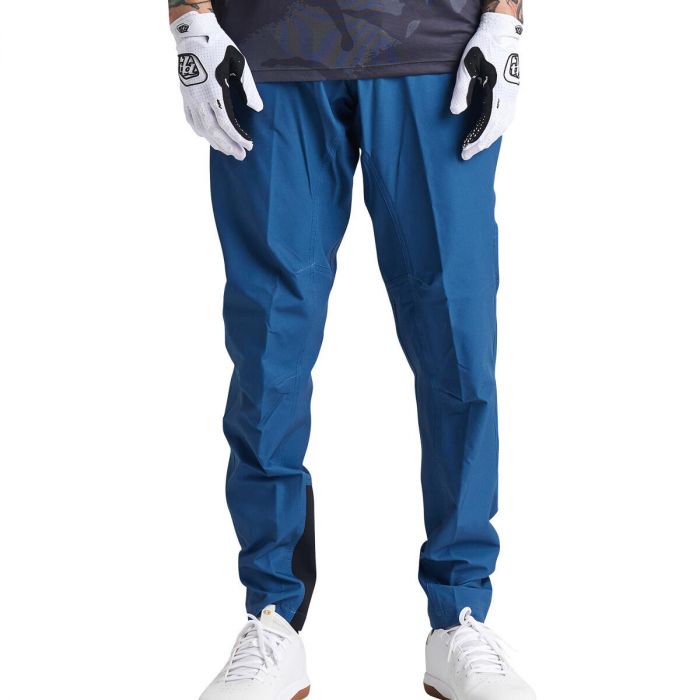
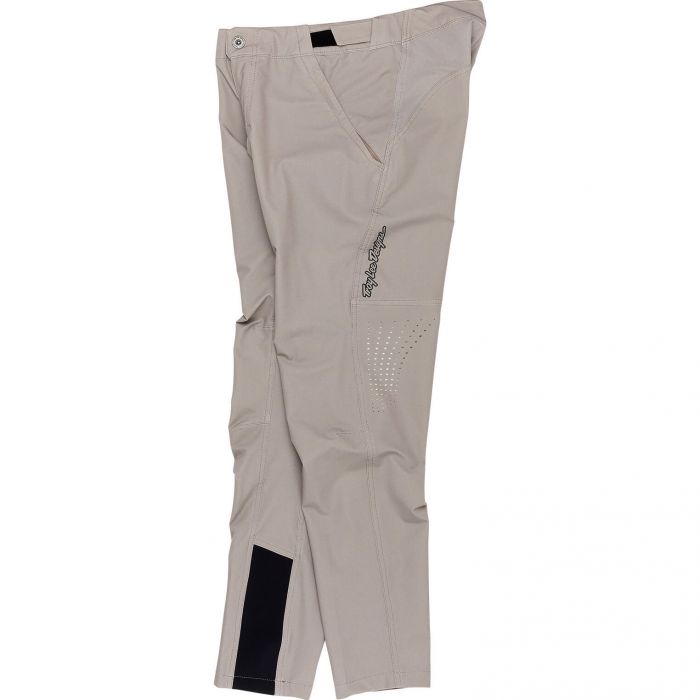
Troy Lee Skyline Mono MTB Pants
$189.99$104.99 - $189.99 -

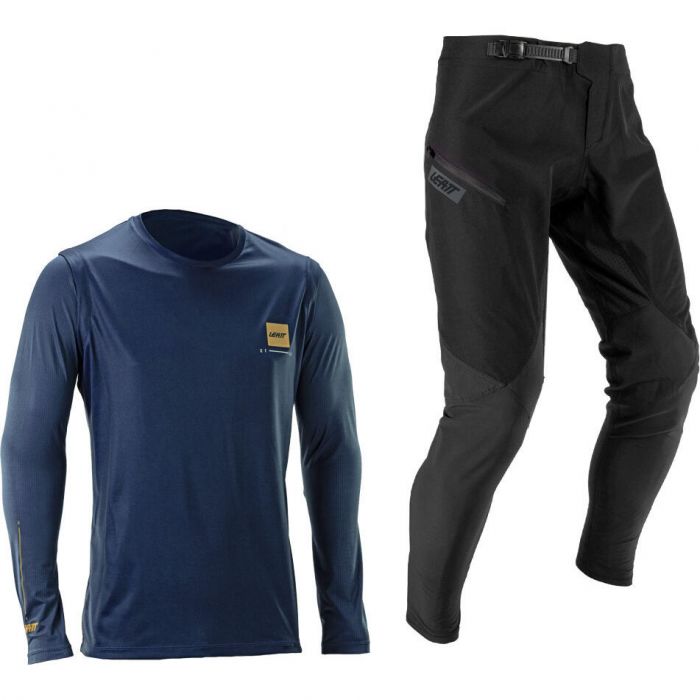
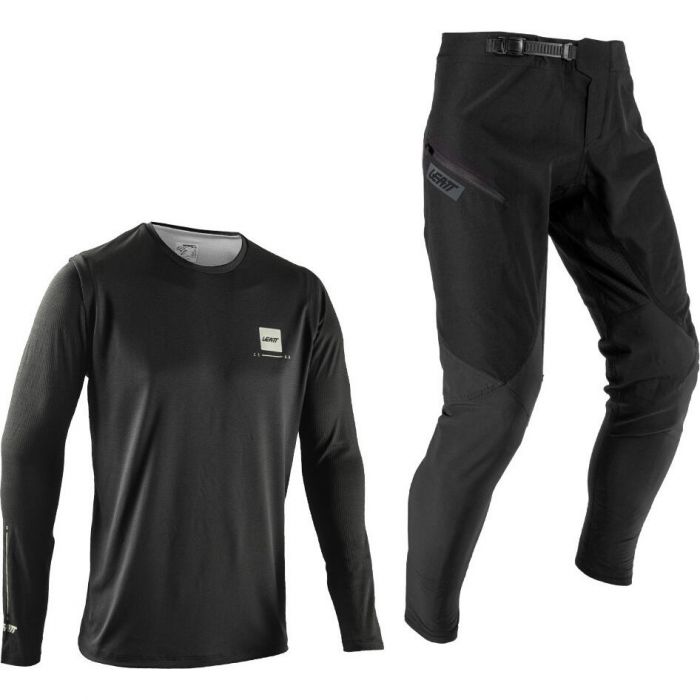


Leatt Gravity 1.0 MTB Jersey & Pants Kit
$159.99 - $179.99 -
 29% off
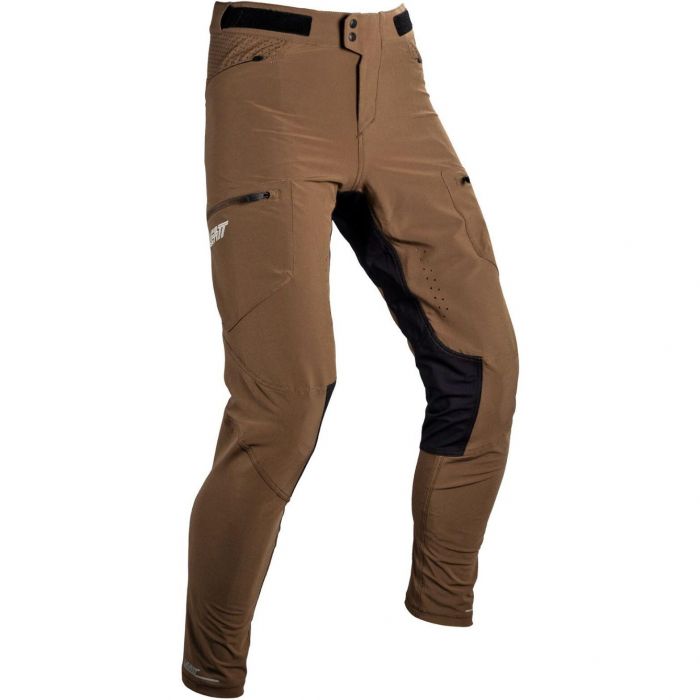
Leatt Enduro 3.0 MTB Pants
$204.99$143.99 - $175.00 -
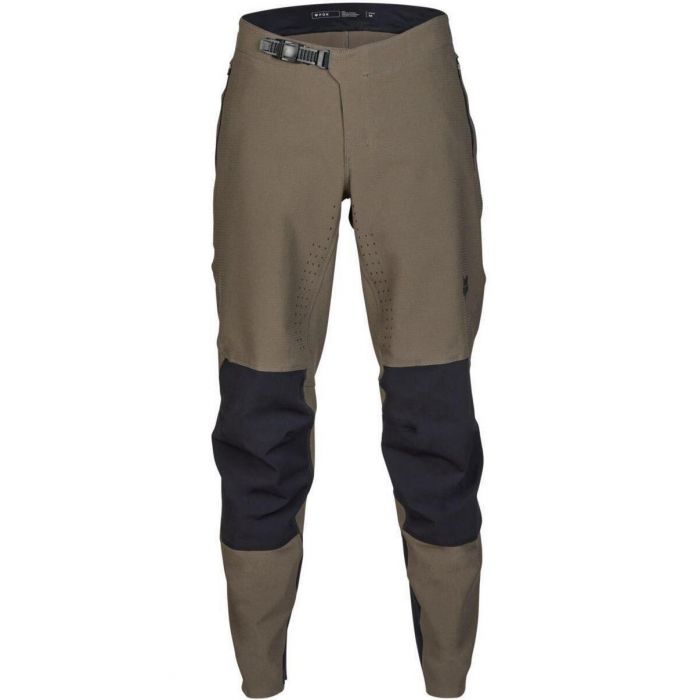 49% off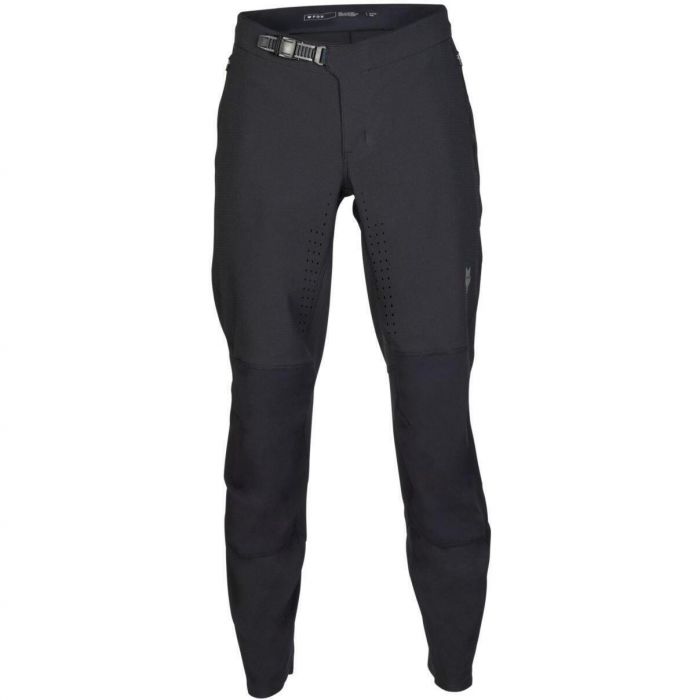
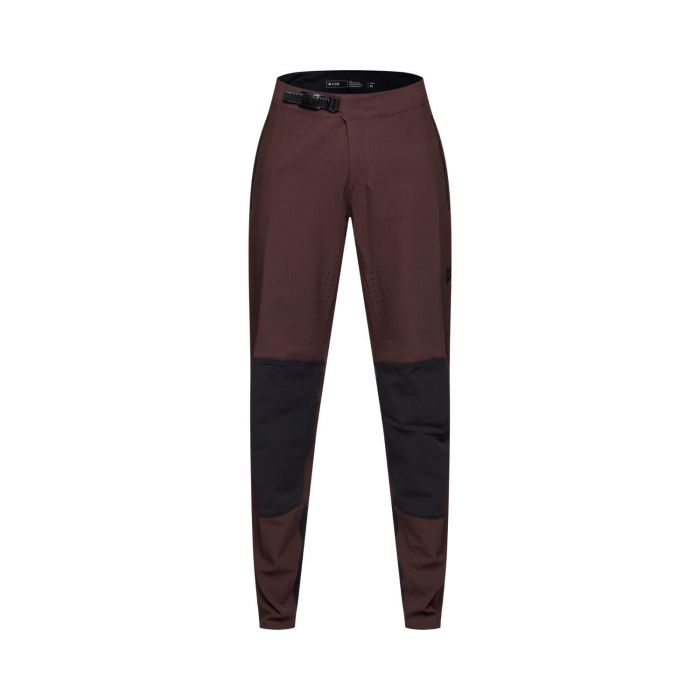

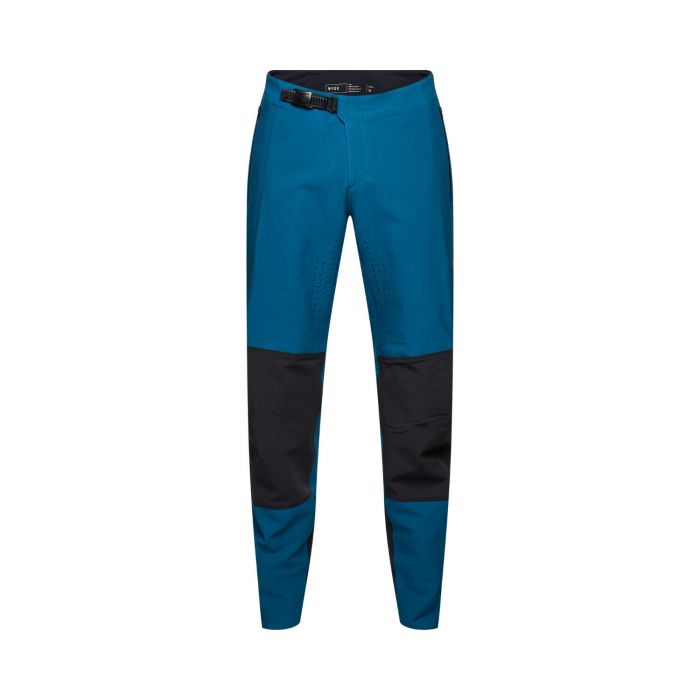
Fox Racing Defend MTB Pants
$209.95 - $229.95$105.99 - $229.95 -
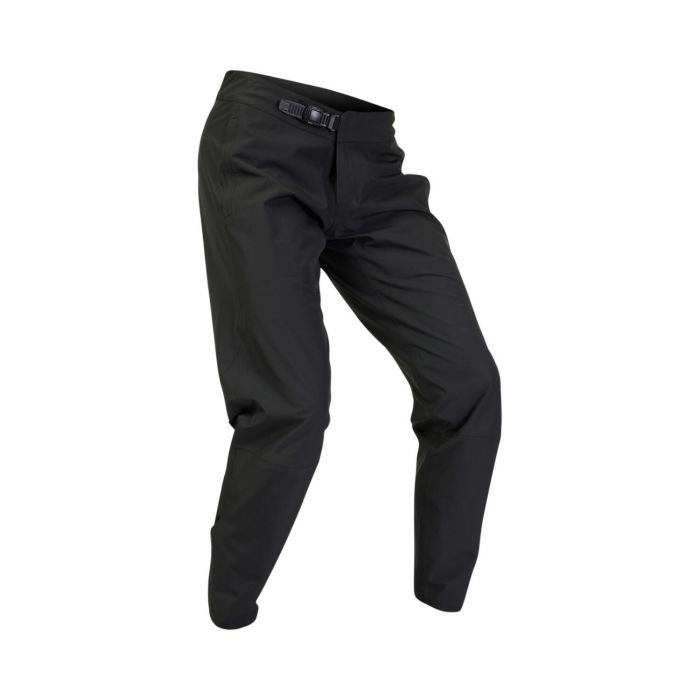 19% off
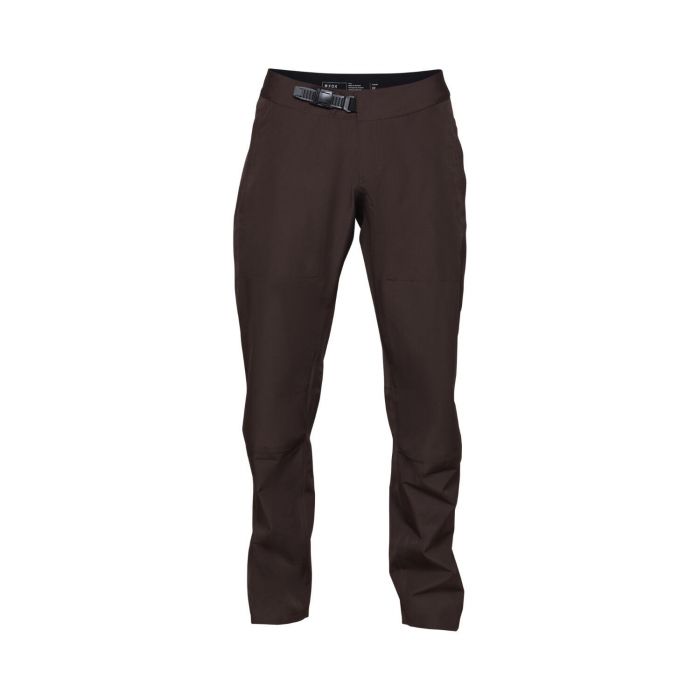
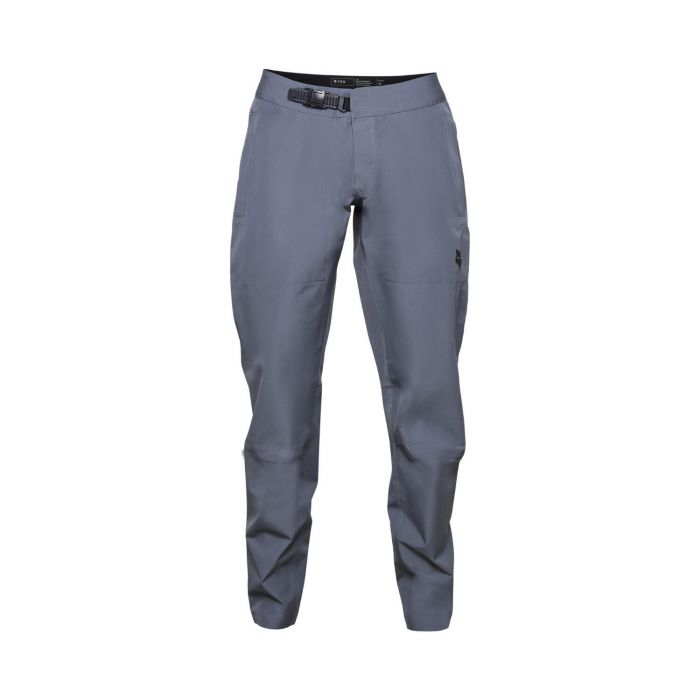
Fox Racing Ranger 2.5-Layer Water MTB Pants
$199.95$159.99 -

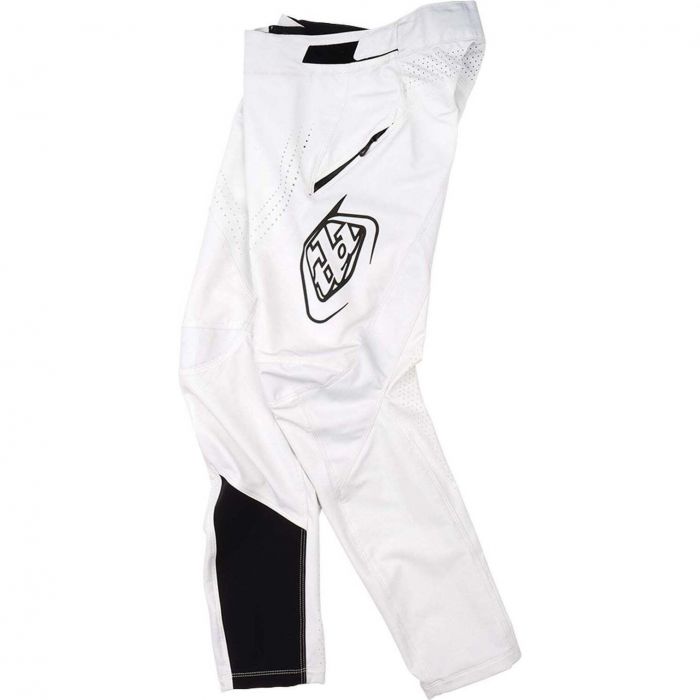

Troy Lee Youth Sprint MTB Pants
$129.99 -
 40% off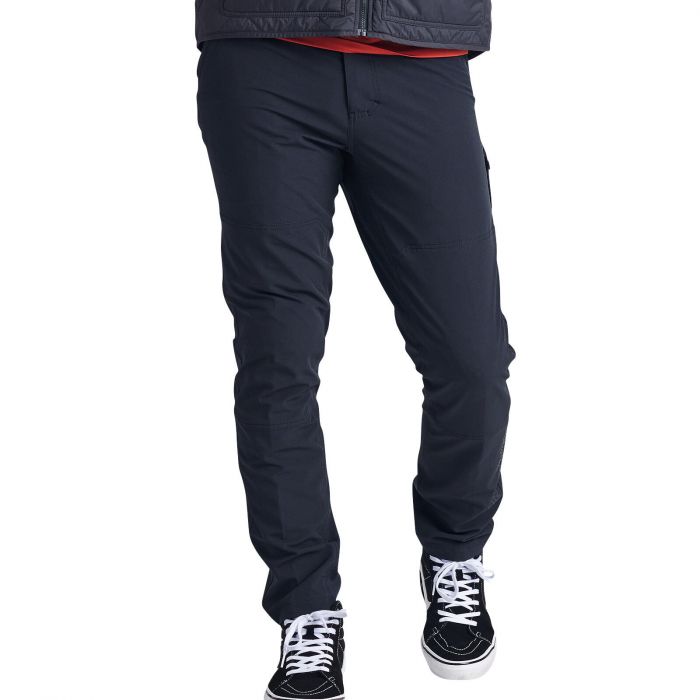
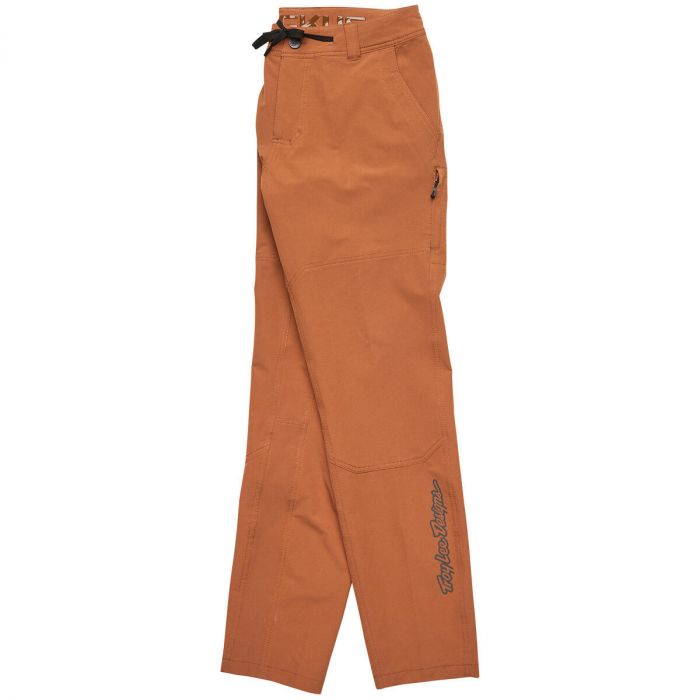
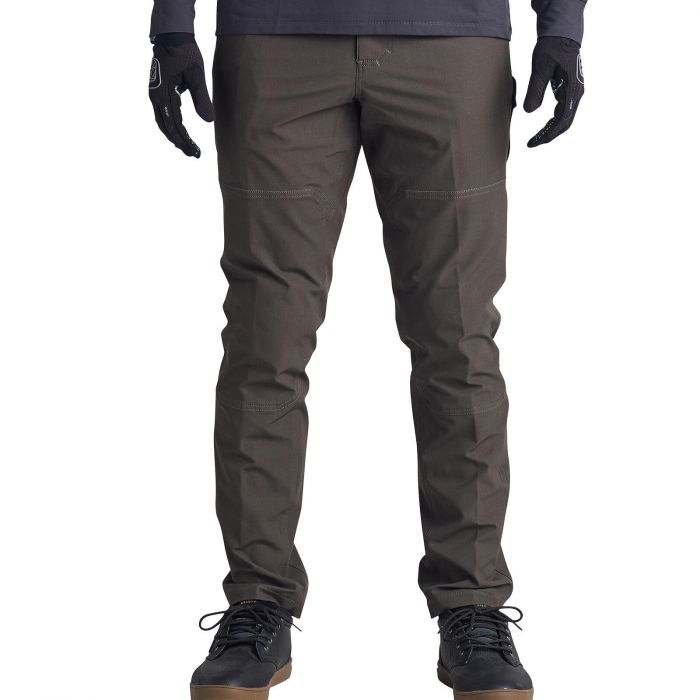
Troy Lee Ruckus Mono Long Travel MTB Pants
$169.99$101.99 - $169.99 -
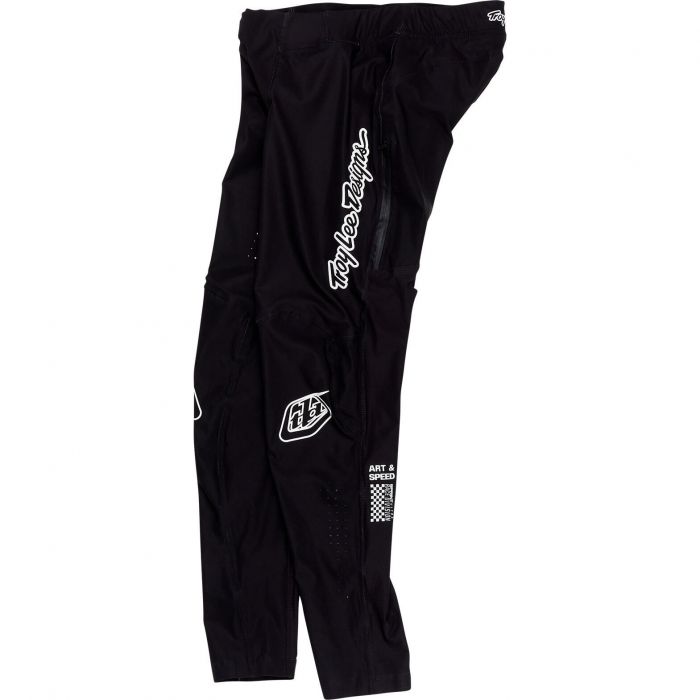


Troy Lee Sprint Ultra Mono MTB Pants
$259.99 -

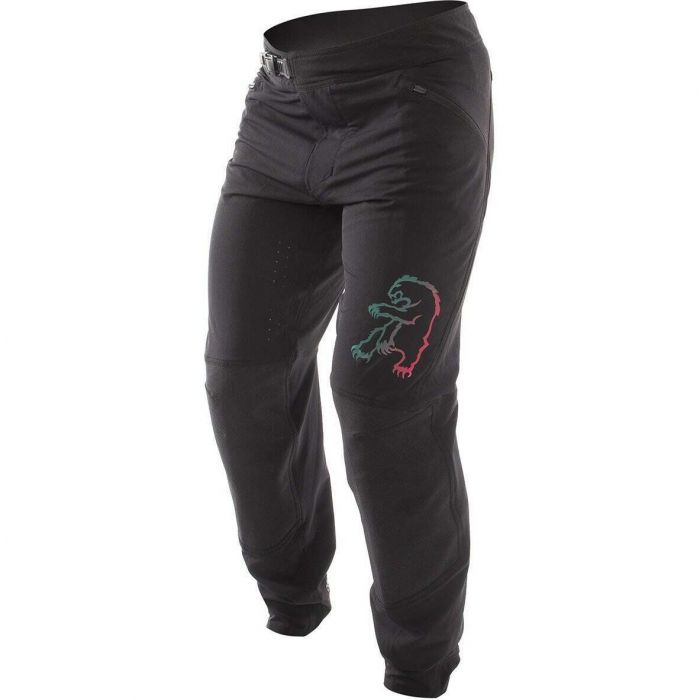
Chromag Feint MTB Pants
$200.00 -
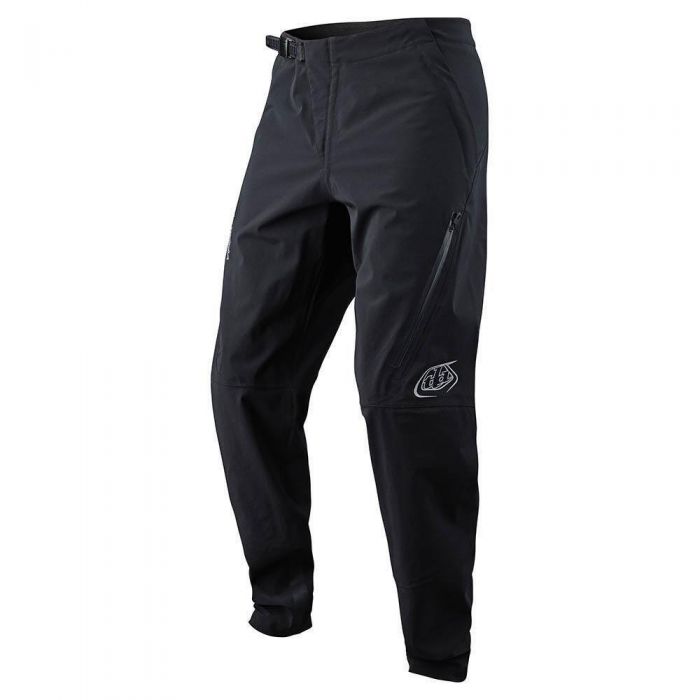
Troy Lee Resist MTB Pants
$199.99 -
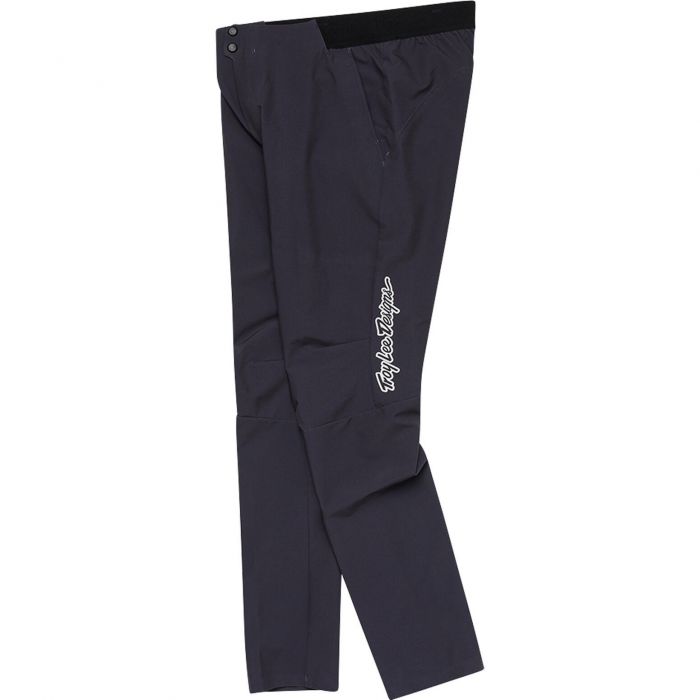

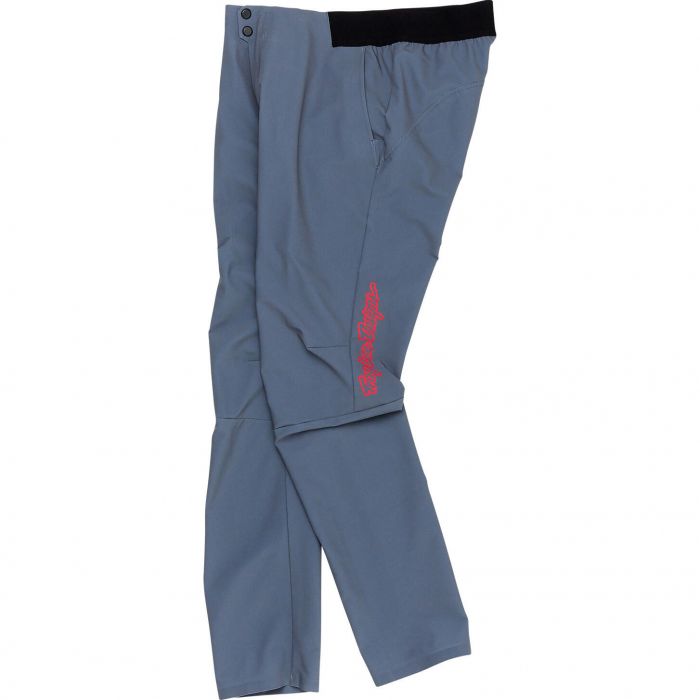
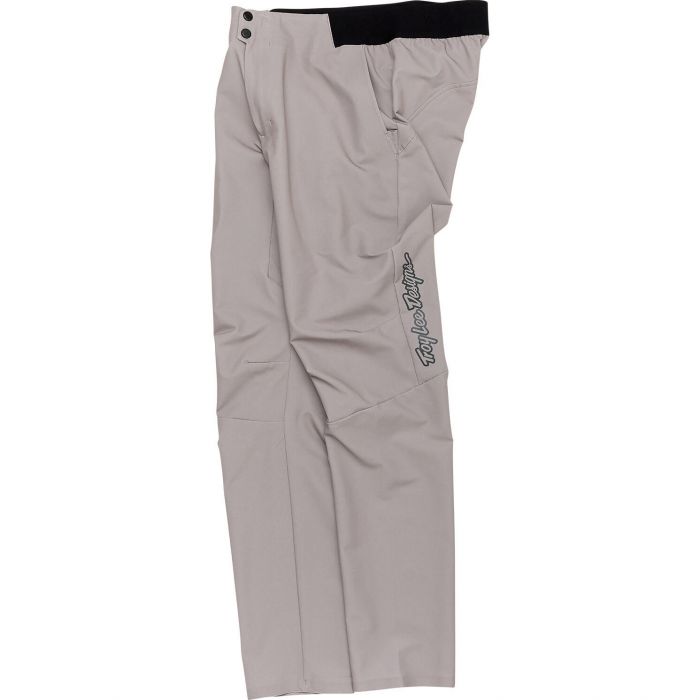
Troy Lee Skyline Superlyte Mono MTB Pants
$139.99 -
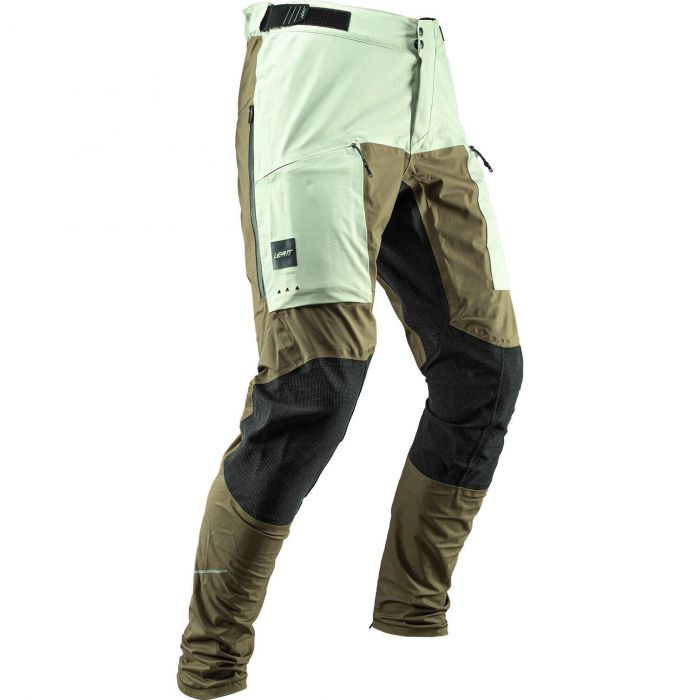
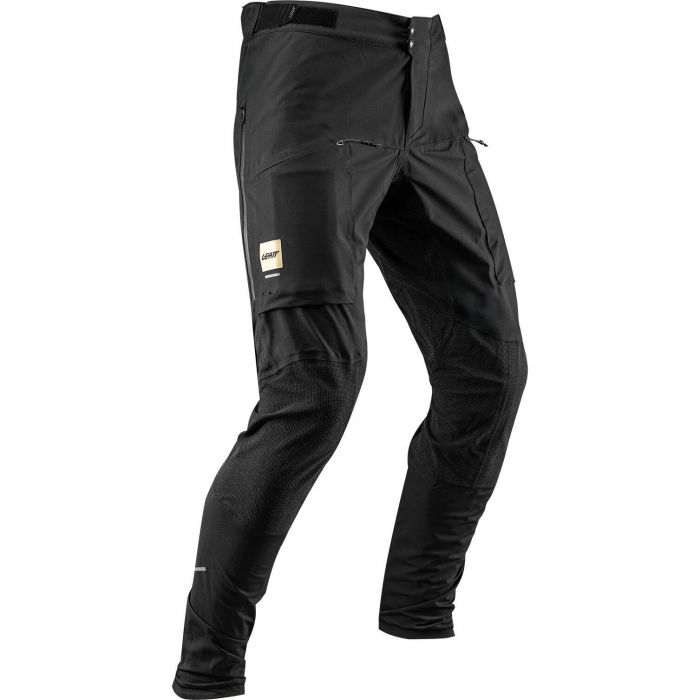
Leatt Hydradri 5.0 MTB Pants
$369.99 -
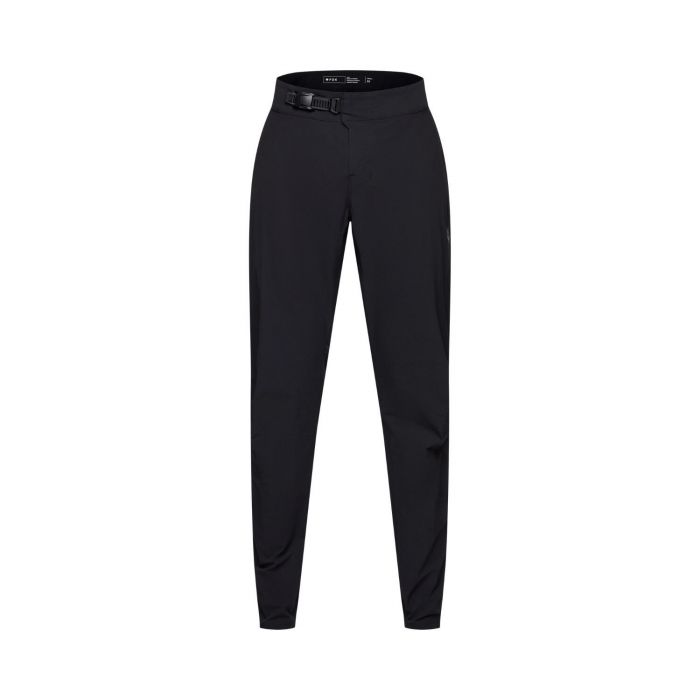
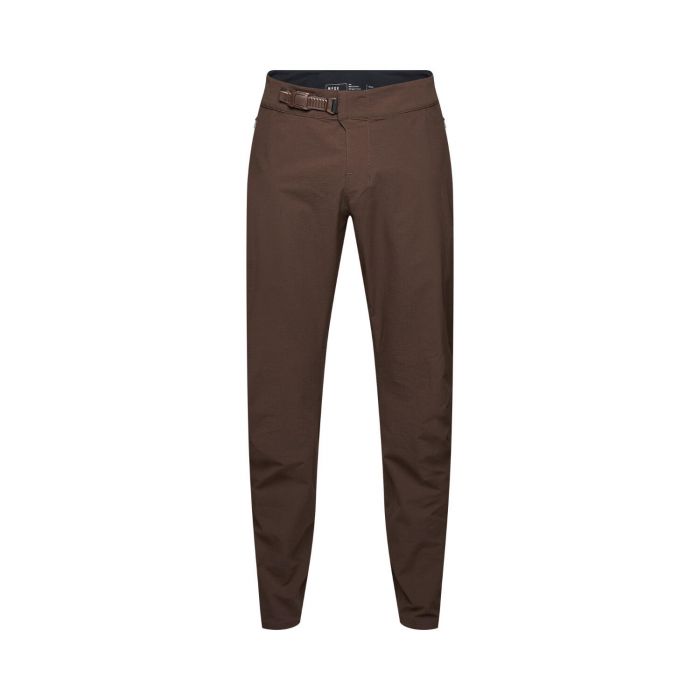
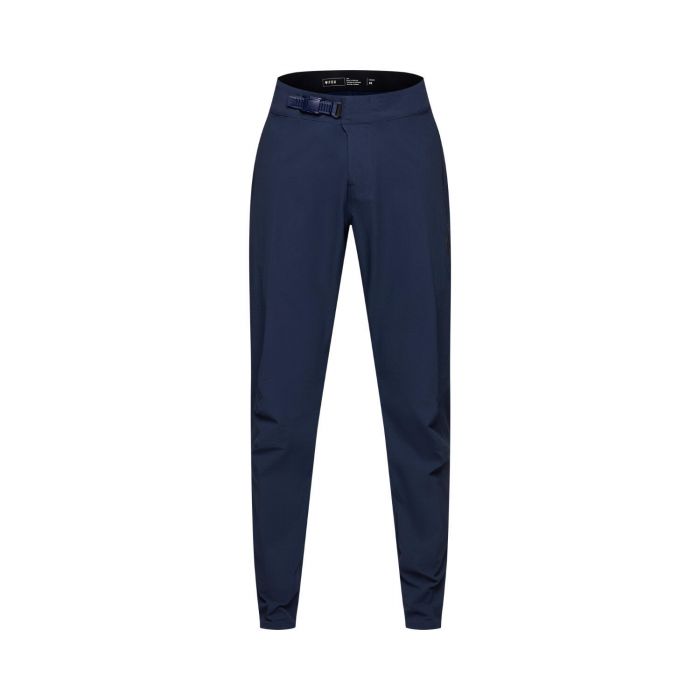
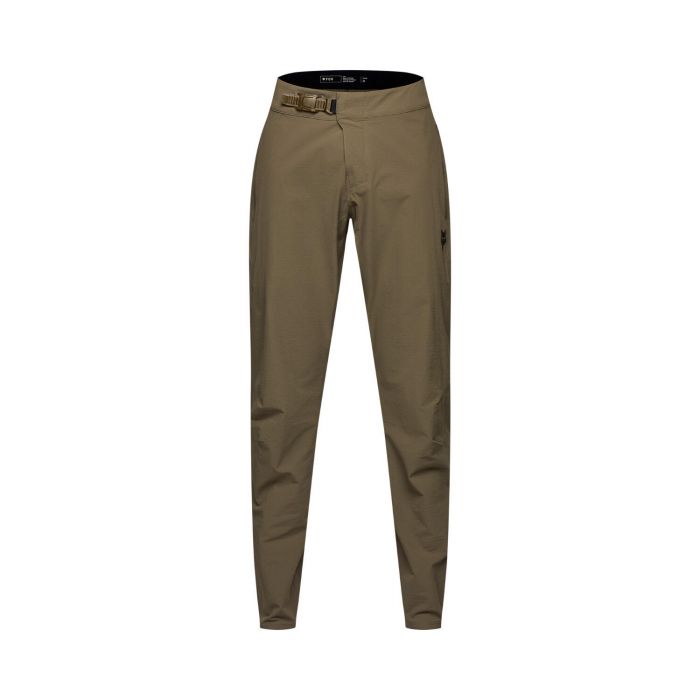
Fox Racing Ranger MTB Pants
$199.95 -
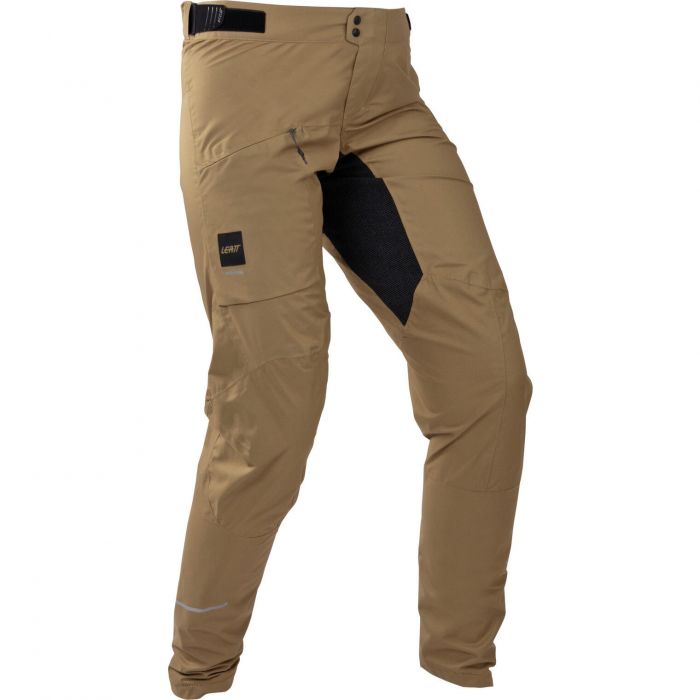
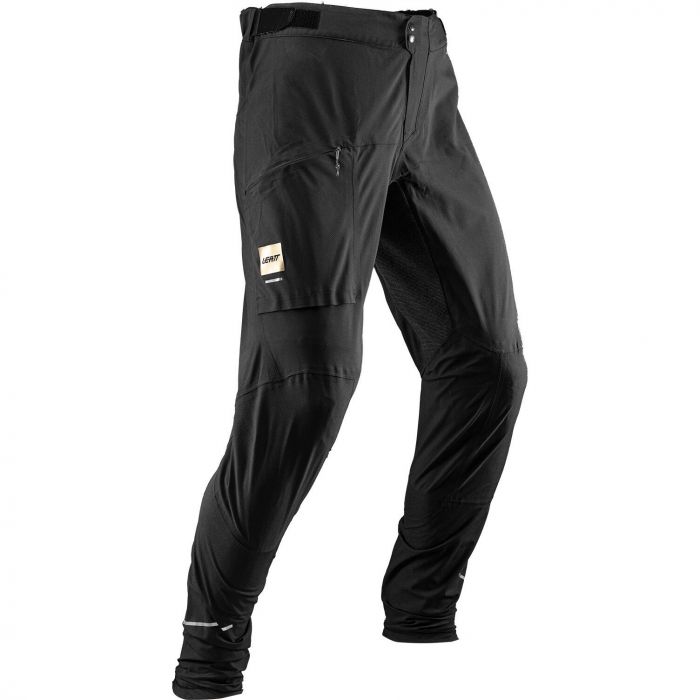
Leatt Hydradri 3.0 MTB Pants
$239.99 -
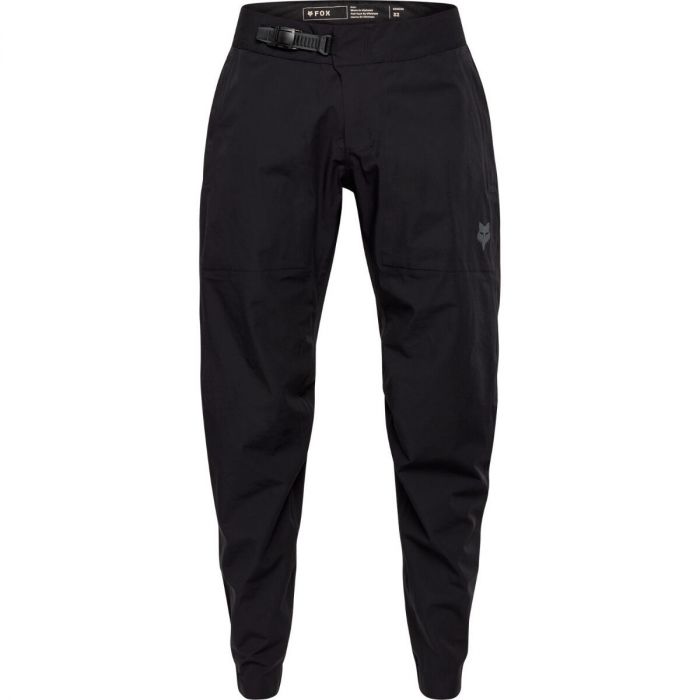
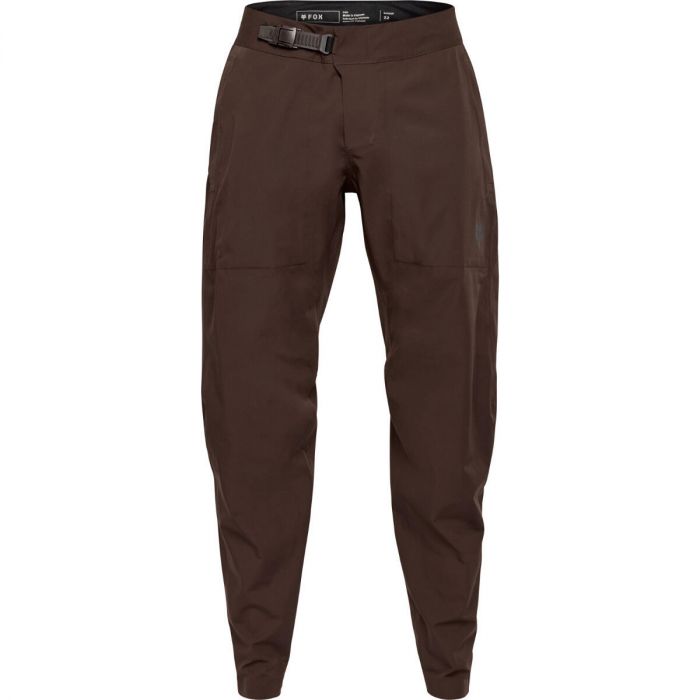

Fox Racing Ranger Water MTB Pants
$219.95 -
 28% off
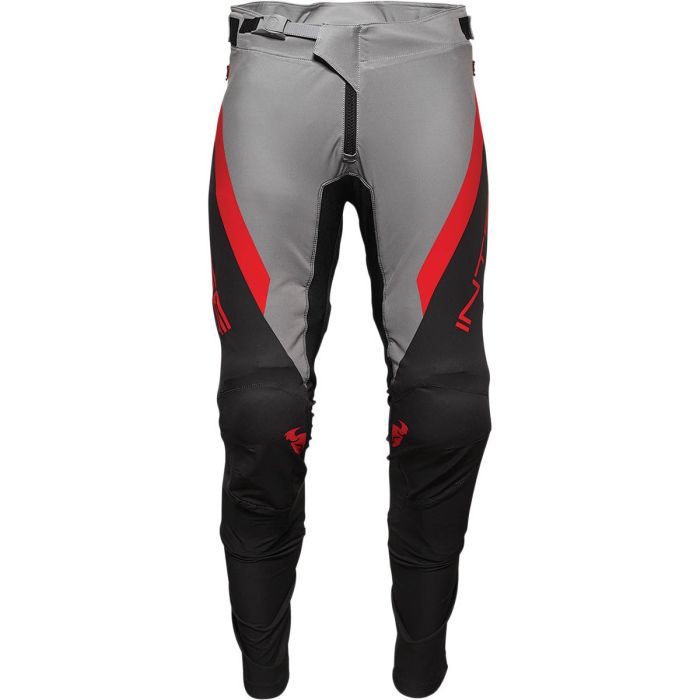
Thor Intense Assist MTB Pants
$149.99$107.99 - $113.99 -

Leatt Gravity 3.0 MTB Pants - 2023
$175.00 -
 62% off
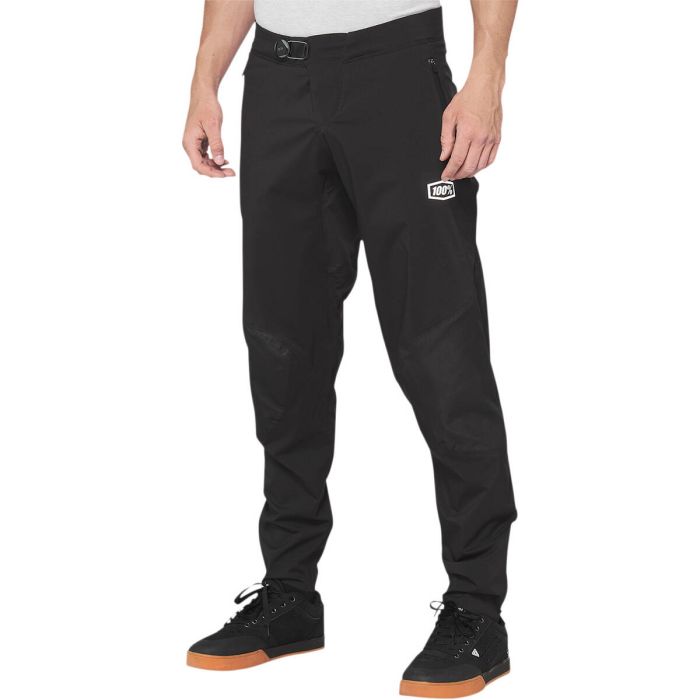
100 Percent R-Core-X MTB Pants - 2023
$261.99$97.99 - $104.99 -
 62% off
100 Percent Hydromatic MTB Pants
$259.99$96.99 - $133.99 -
 59% off
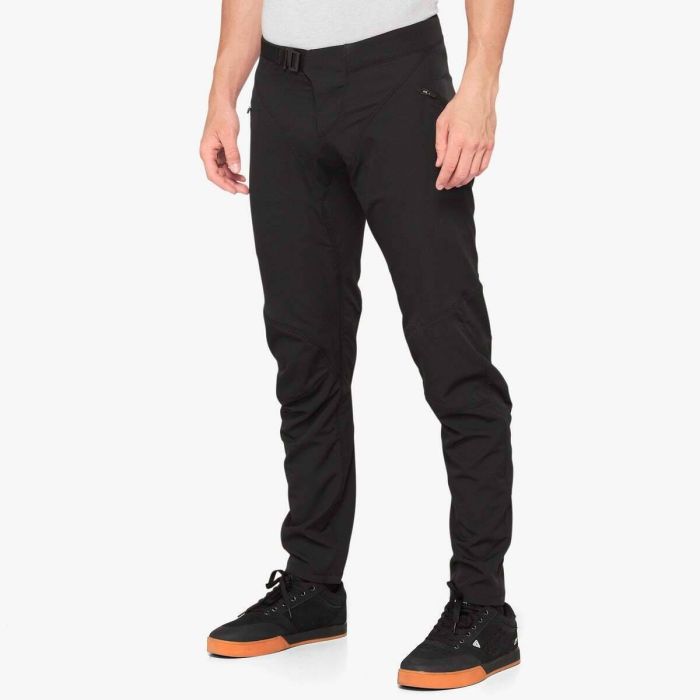
100 Percent Airmatic MTB Pants - 2022
$182.99$73.99 - $142.99 -
 68% off

Fox Racing Womens Flexair Pro MTB Pants
$269.99$83.99 - $132.99 -
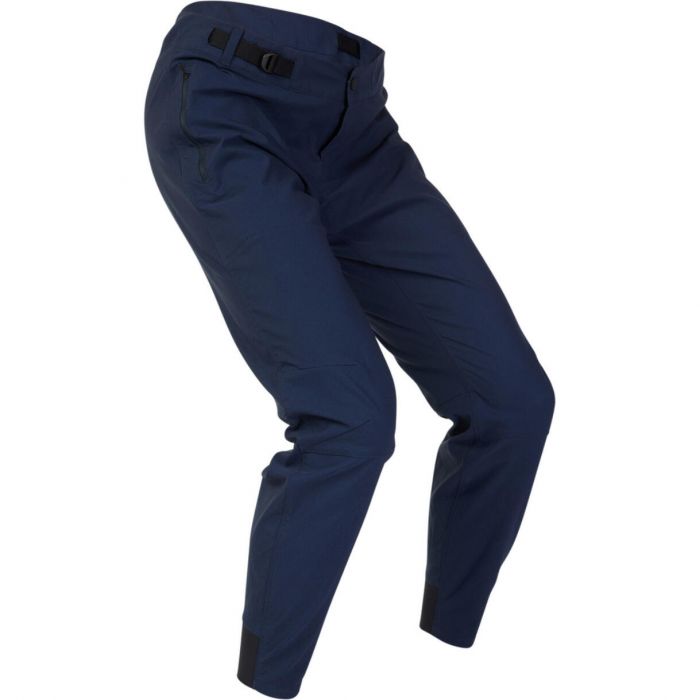 47% off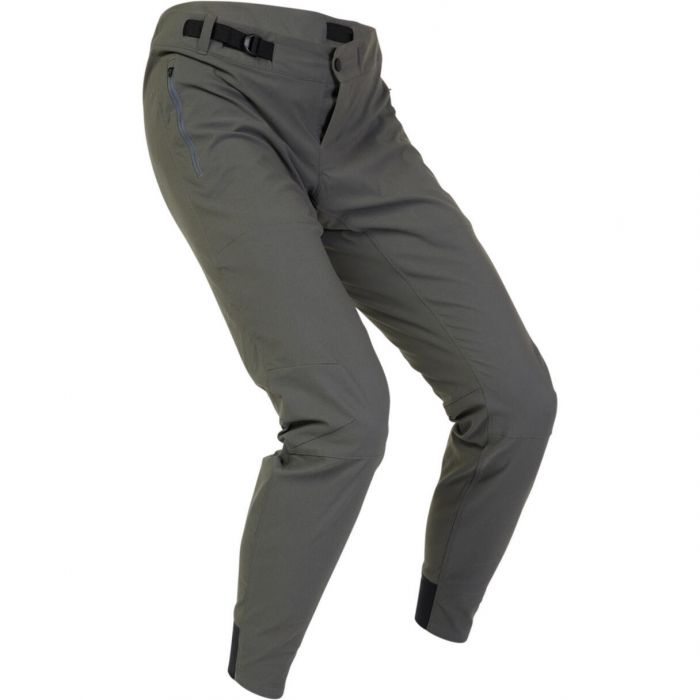
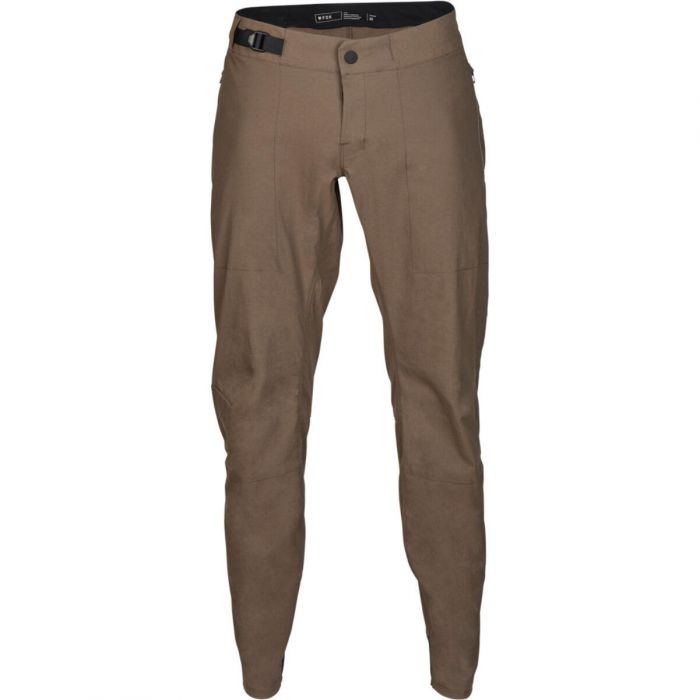
Fox Racing Ranger MTB Pants - 2025
$164.95$85.99 - $115.99 -
 29% off

Leatt Womens Enduro 4.0 MTB Pants
$204.99$143.99 -
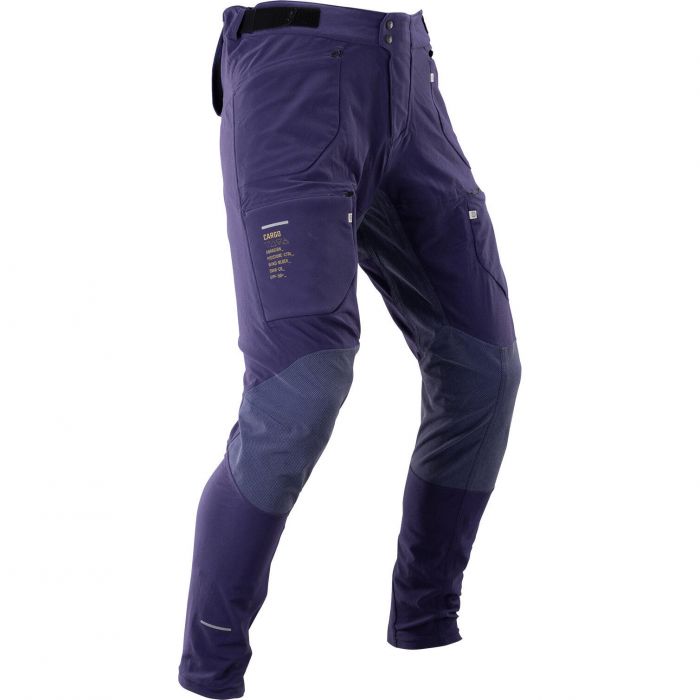
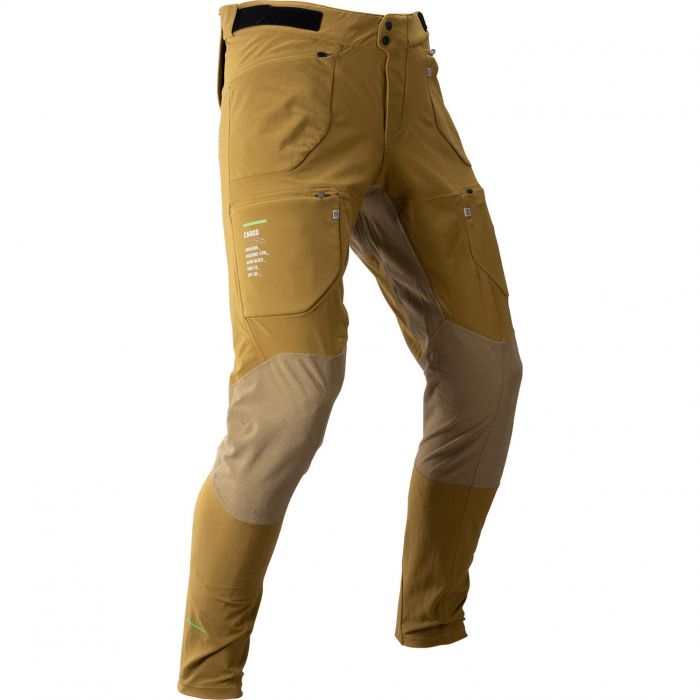
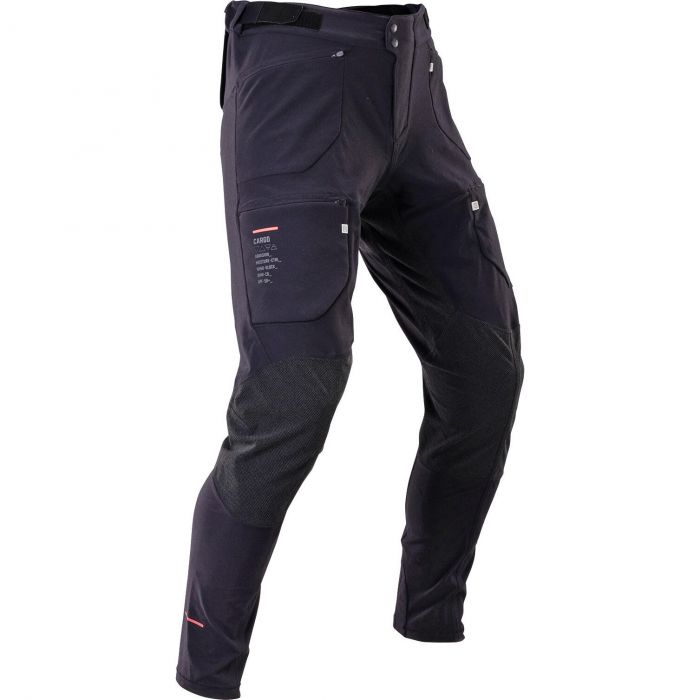
Leatt Trail 8.0 Cargo MTB Pants
$239.99 -


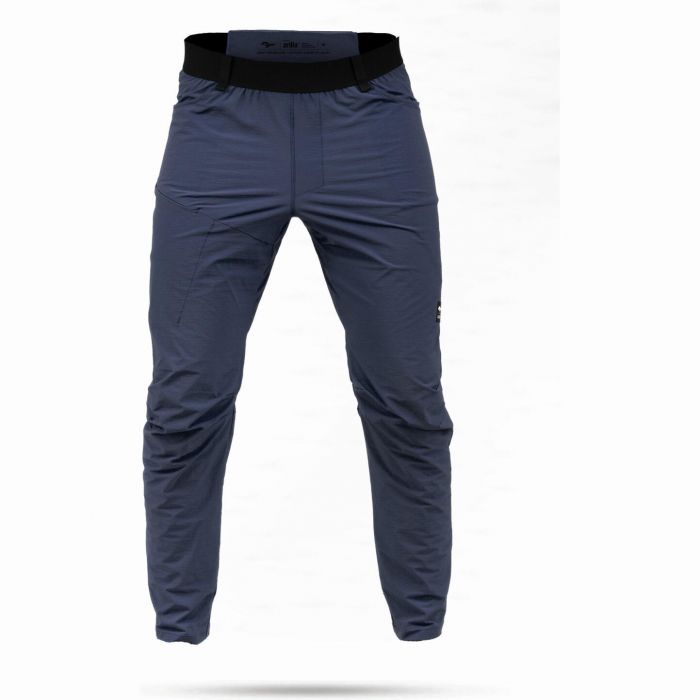

RideNF Liteweight Trail MTB Pants
$149.00 -
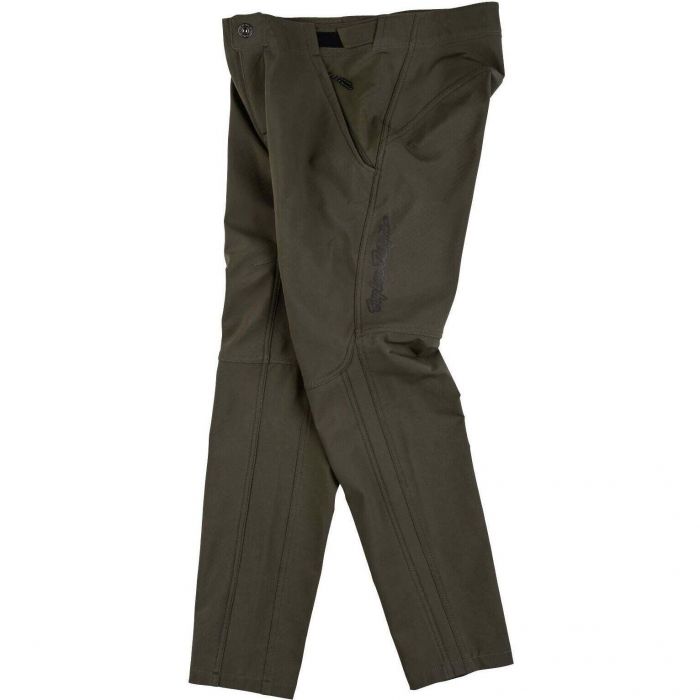 40% off

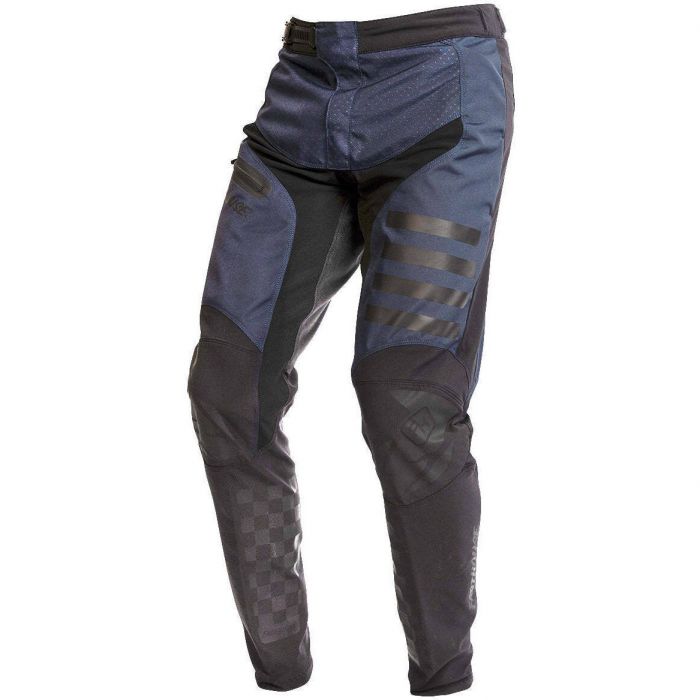
Troy Lee Skyline Chill Mono MTB Pants
$209.99 - $219.99$125.99 - $219.99 -
 43% off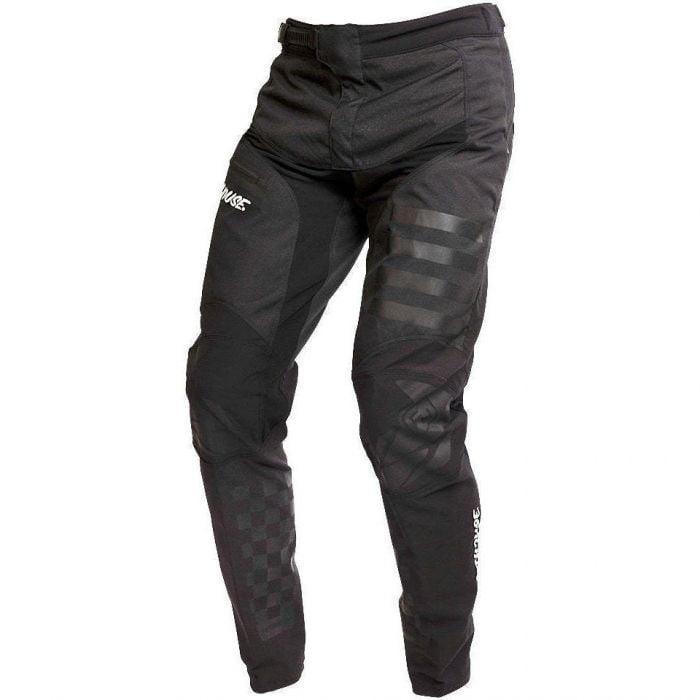


Fasthouse Fastline 2.0 MTB Pants
$199.99 - $233.99$124.99 - $233.99 -
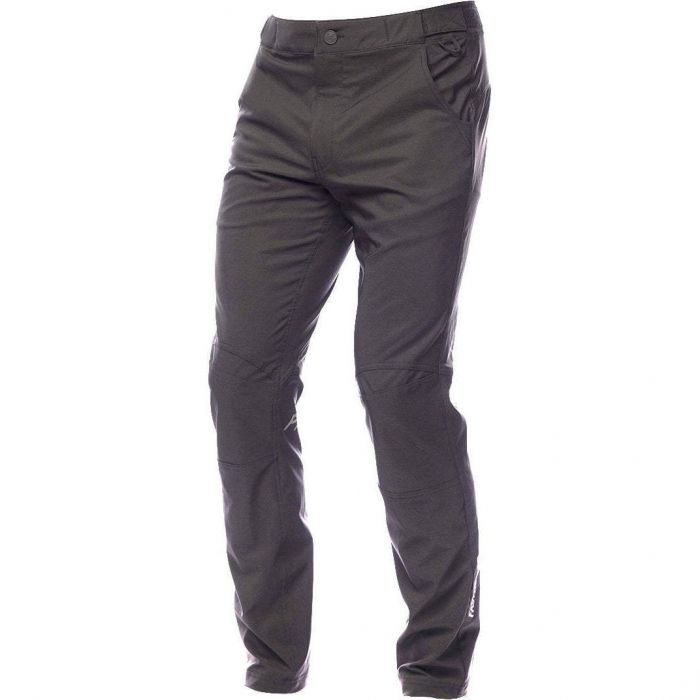
Fasthouse Shredder MTB Pants
$193.99 -


Chromag Seton MTB Pants
$190.00 -
 44% off
Troy Lee Sprint MTB Pants - 2022
$179.99$99.99 -
41% off

Fasthouse Youth Fastline 2.0 MTB Pants
$159.99 - $179.99$92.99 - $179.99 -
 68% off
Fox Racing Womens Defend Fire MTB Pants - 2022
$259.99$81.99 - $128.99 -
 68% off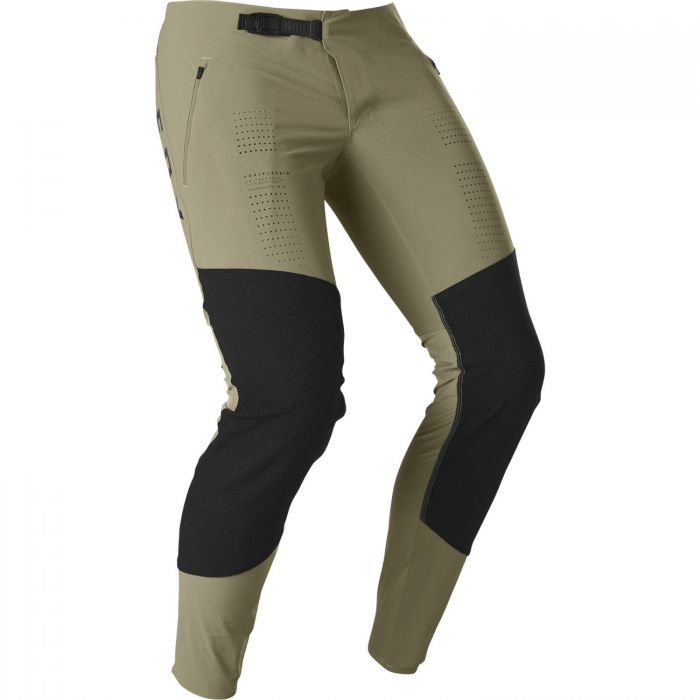
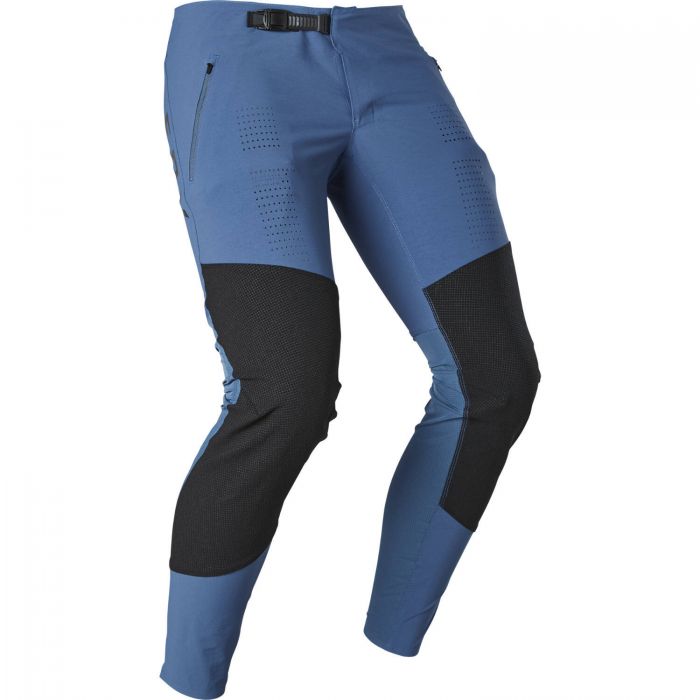
Fox Racing Flexair Pro MTB Pants - 2022
$269.99$83.99 - $157.99 -
 31% off
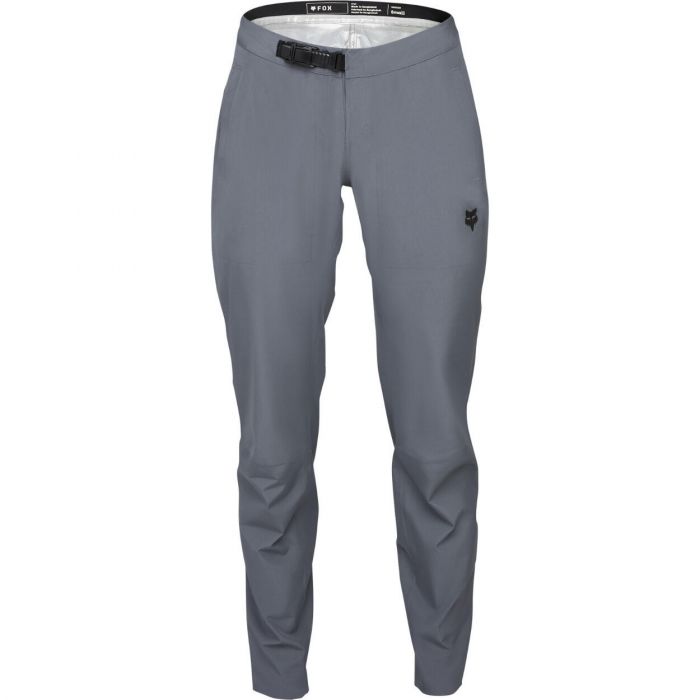
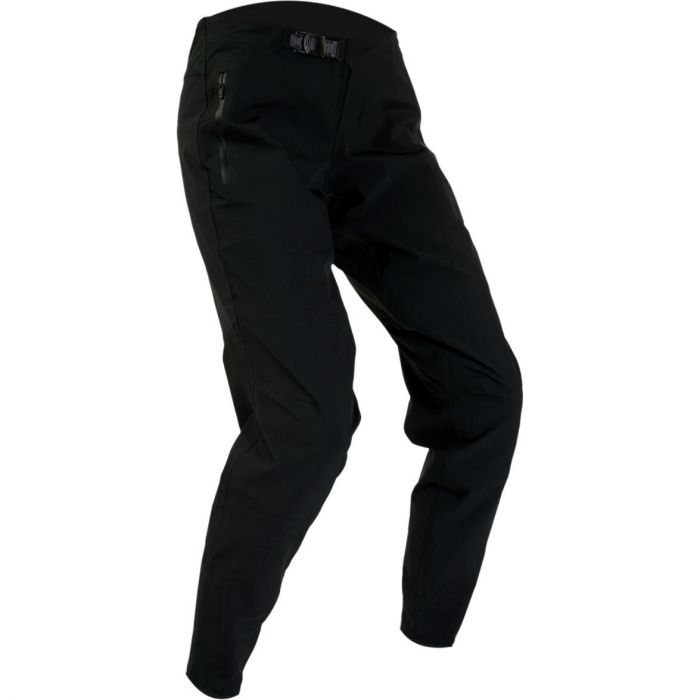
Fox Racing Womens Ranger 2.5-Layer MTB Water Pants
$199.95$137.99 - $159.99 -

Fox Racing Flexair Pro MTB Pants
$289.95 -
 45% off
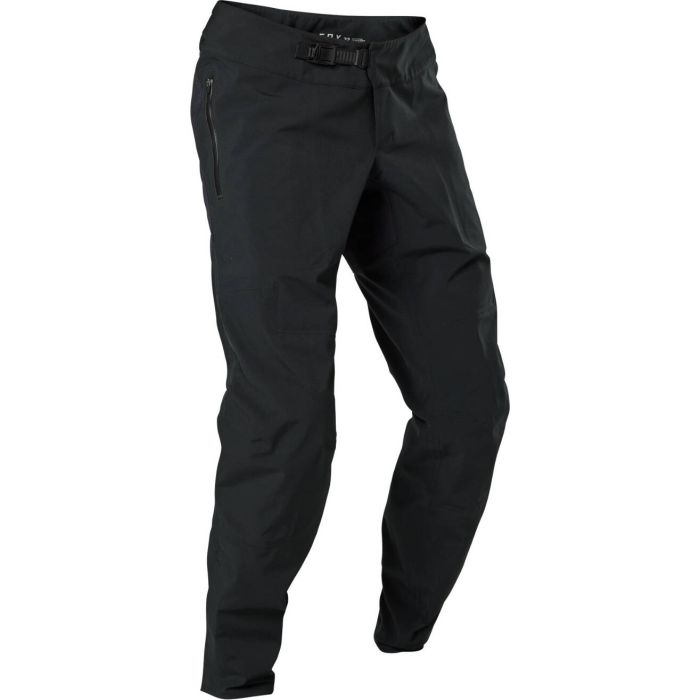
Fox Racing Defend 3-Layer MTB Water Pants - 2022
$319.99$175.99 -
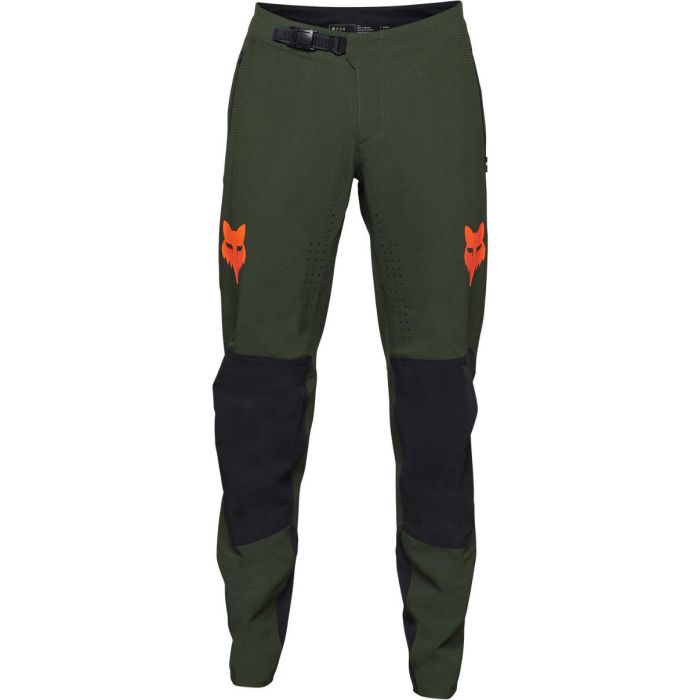 31% off
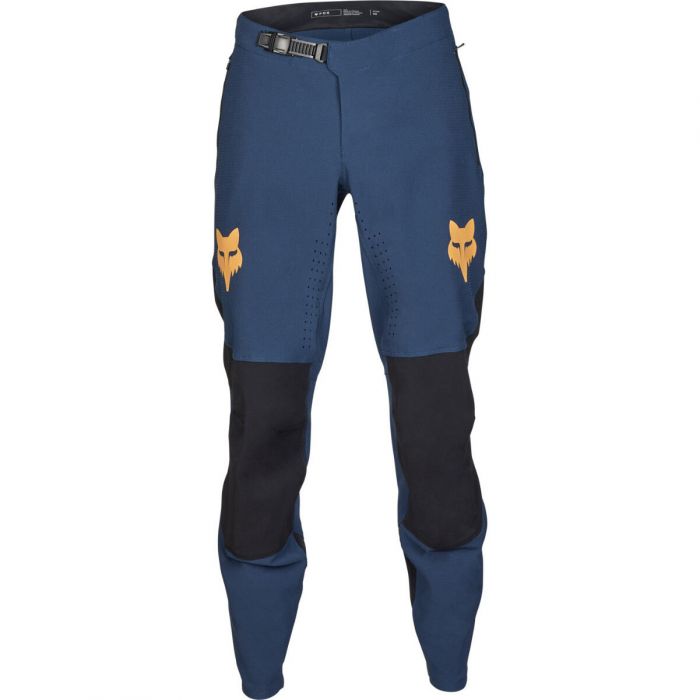
Fox Racing Defend Taunt MTB Pants
$209.95$143.99 - $146.99 -
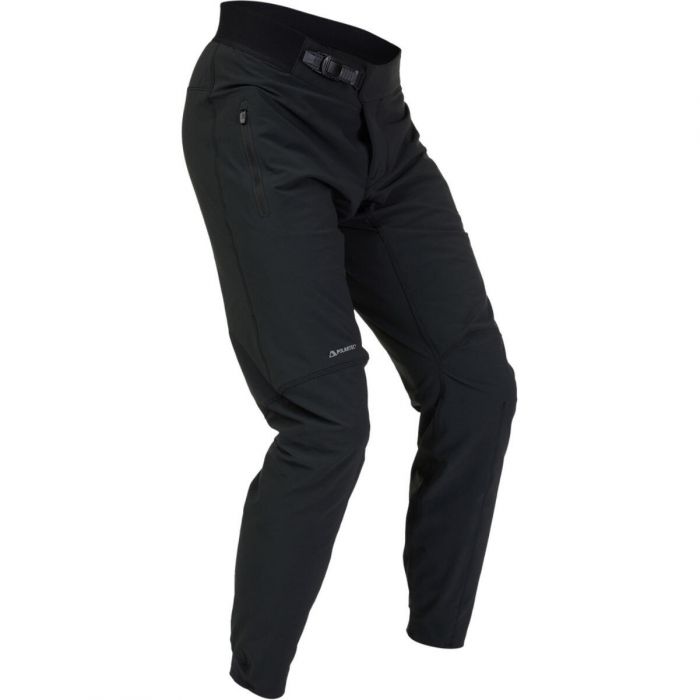
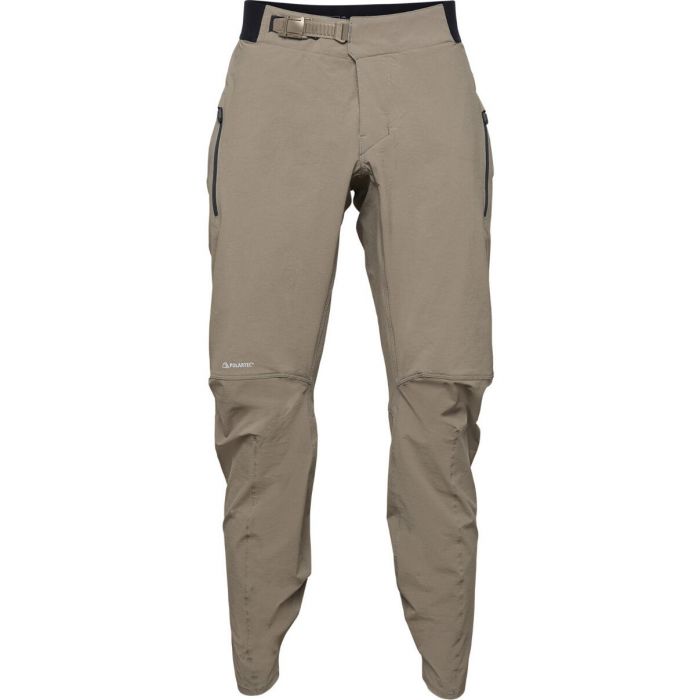
Fox Racing Flexair Pro Fire Alpha MTB Pants
$239.95 -
 29% off

Leatt Trail 2.0 MTB Pants - 2025
$204.99$143.99 -
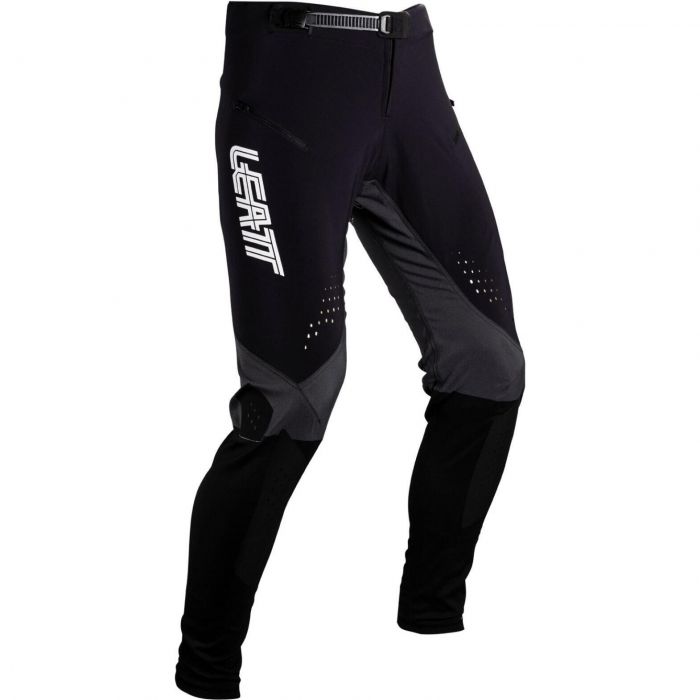 35% off
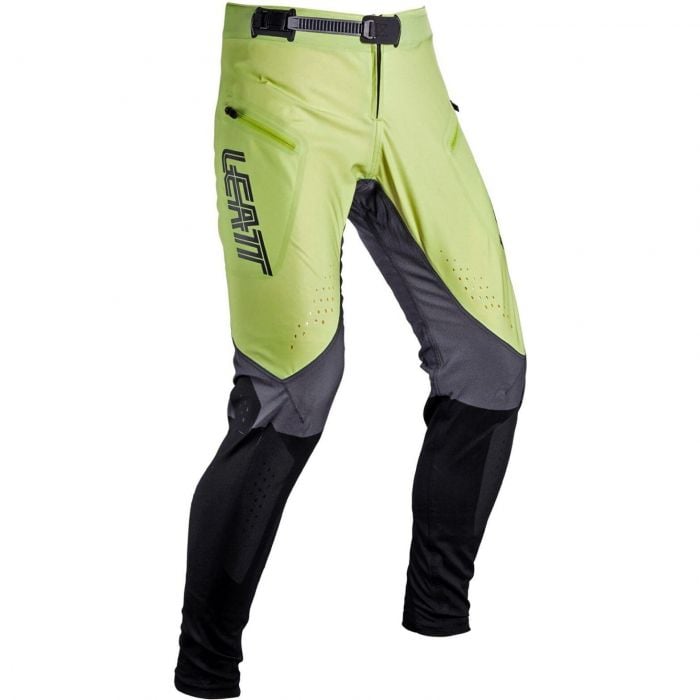

Leatt Gravity 5.0 MTB Pants
$299.99$194.99 -
 69% off
Fox Racing Defend 3-Layer MTB Water Pants - 2024
$319.95$97.99 - $223.99 -
 22% off
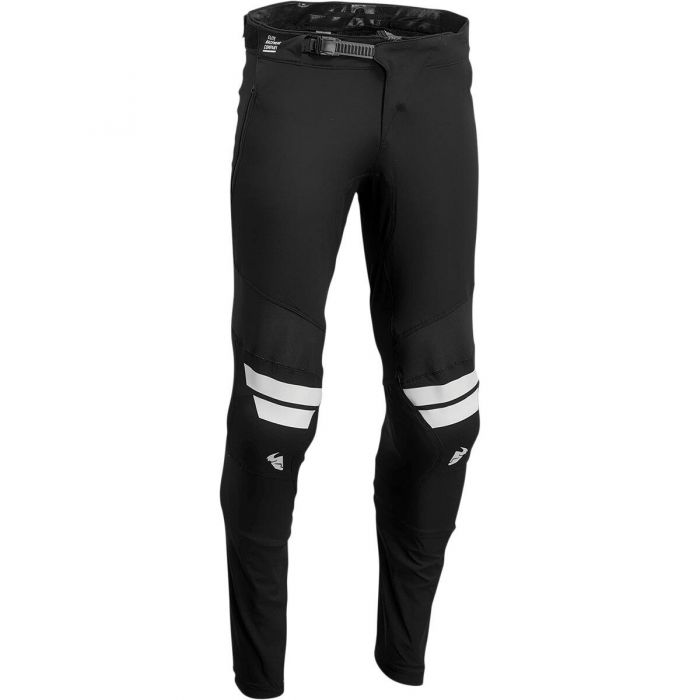
Thor Assist MTB Pants
$179.99$138.99 - $141.99 -
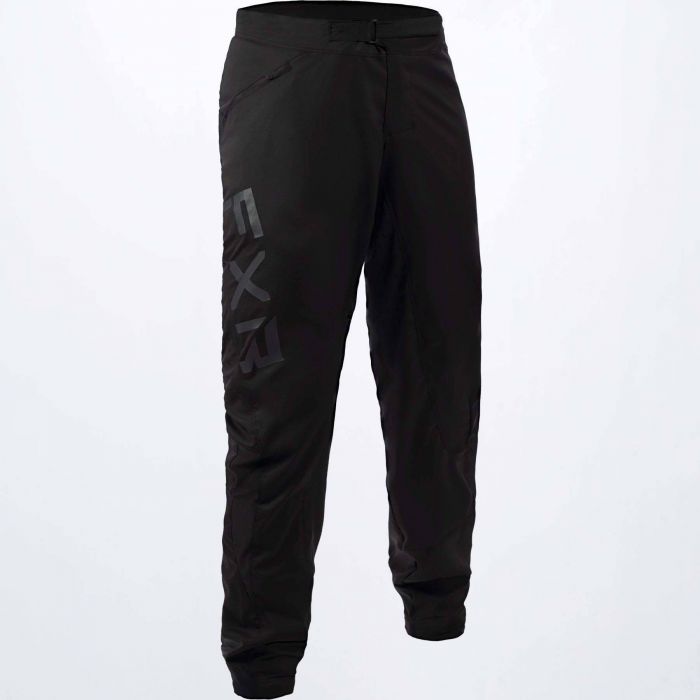
FXR Revo MTB Pants
$169.99 -
 40% off

Leatt Trail 2.0 MTB Pants - 2023
$189.99 - $204.99$113.99 - $190.00 -
 40% off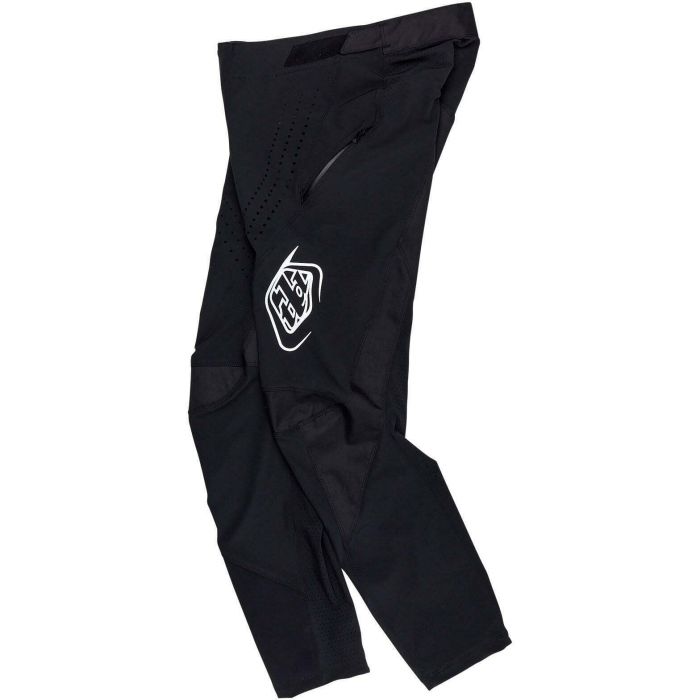
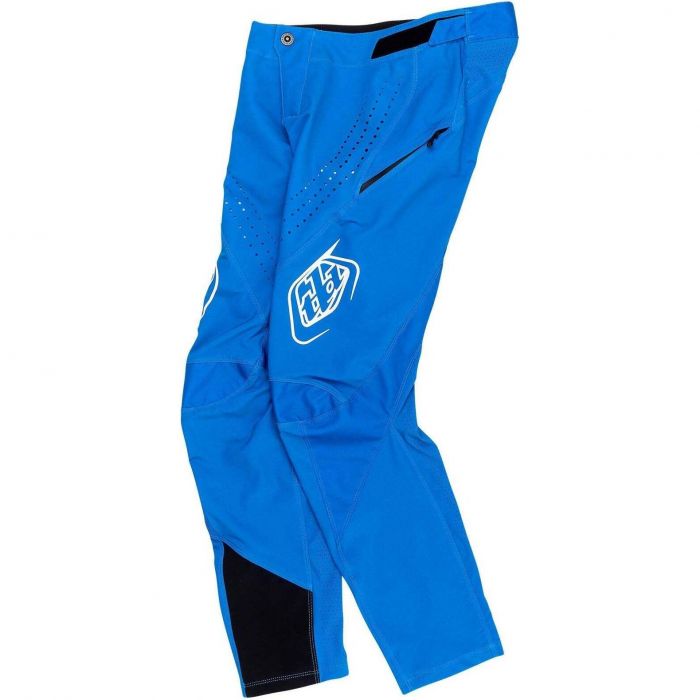
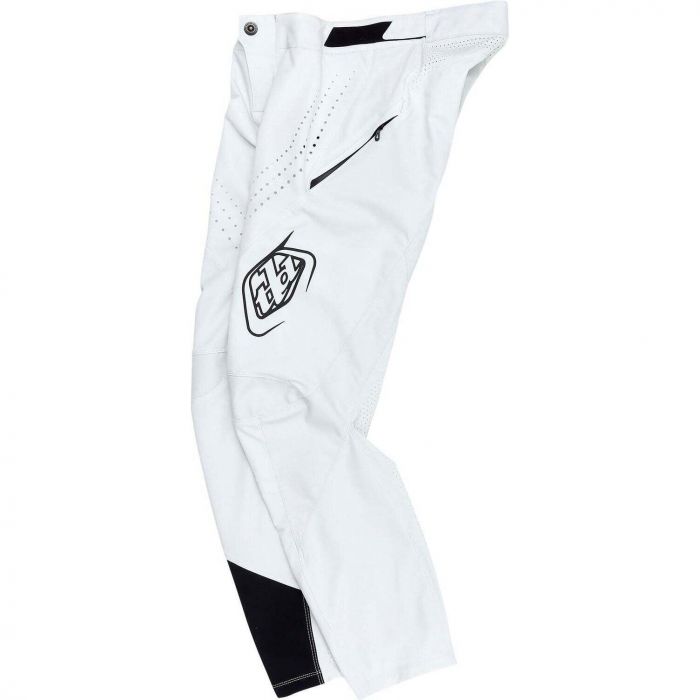

Troy Lee Sprint MTB Pants
$179.99$107.99 - $179.99 -
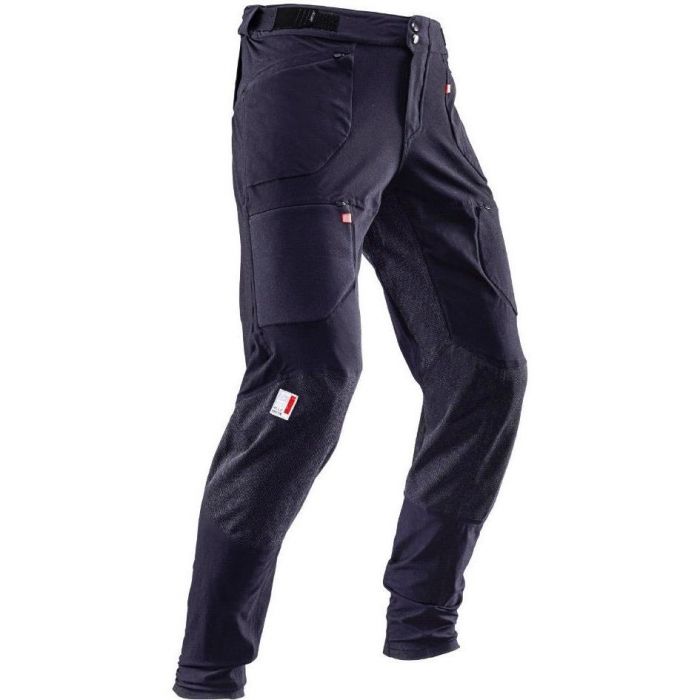 34% off
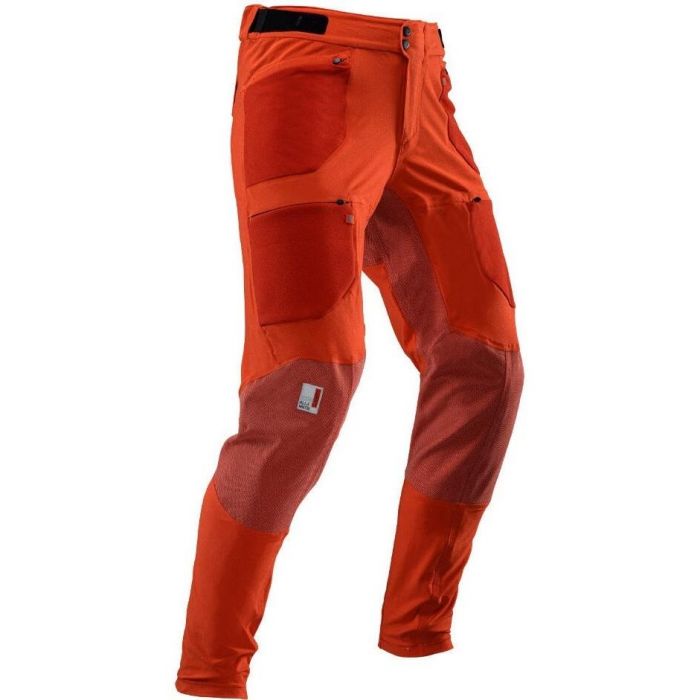
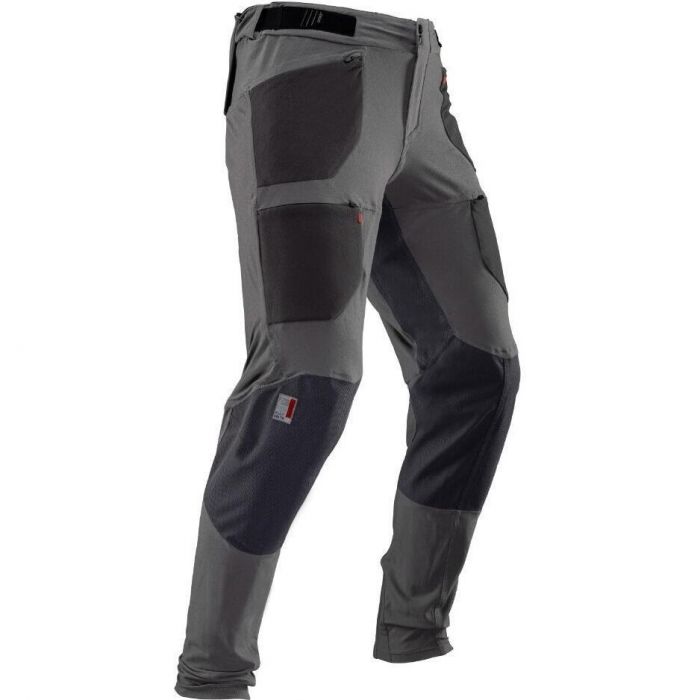
Leatt AllMtn 4.0 MTB Pants
$289.99$188.99 - $246.49 -
 28% off
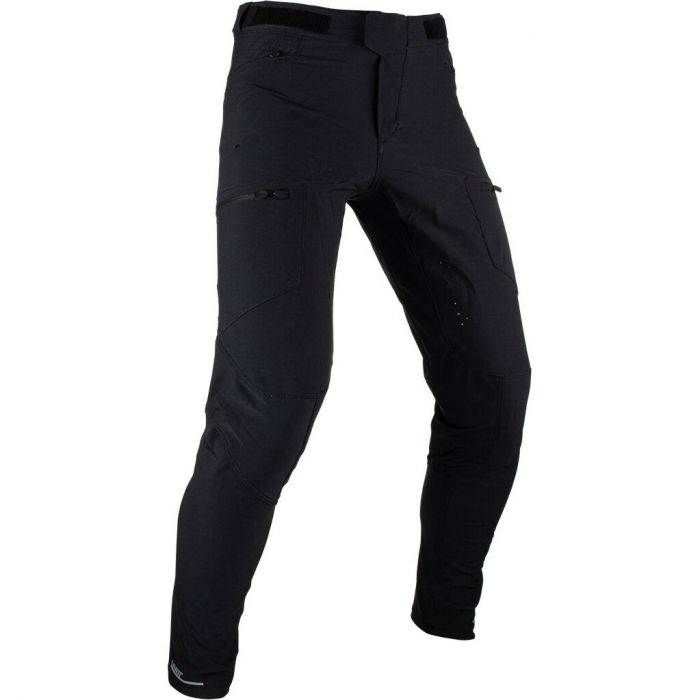
Leatt Youth Enduro 3.0 MTB Pants
$144.99$103.99 -
 32% off
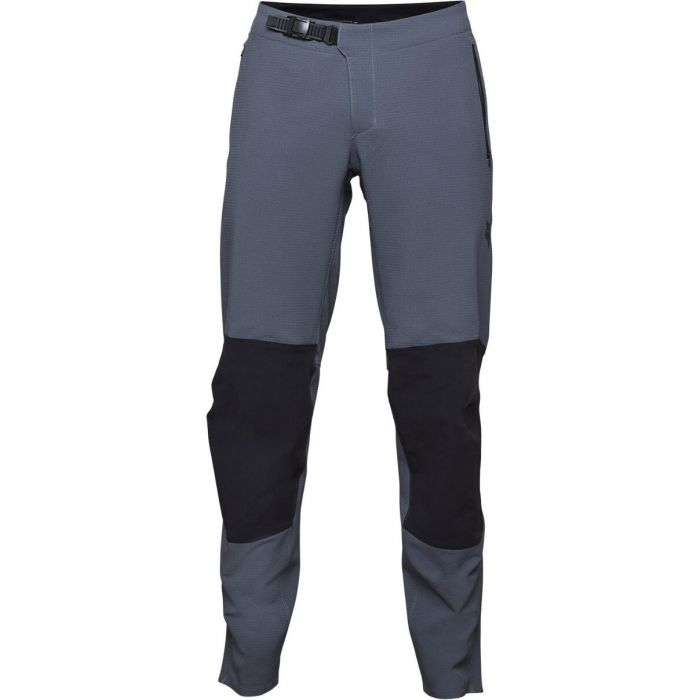
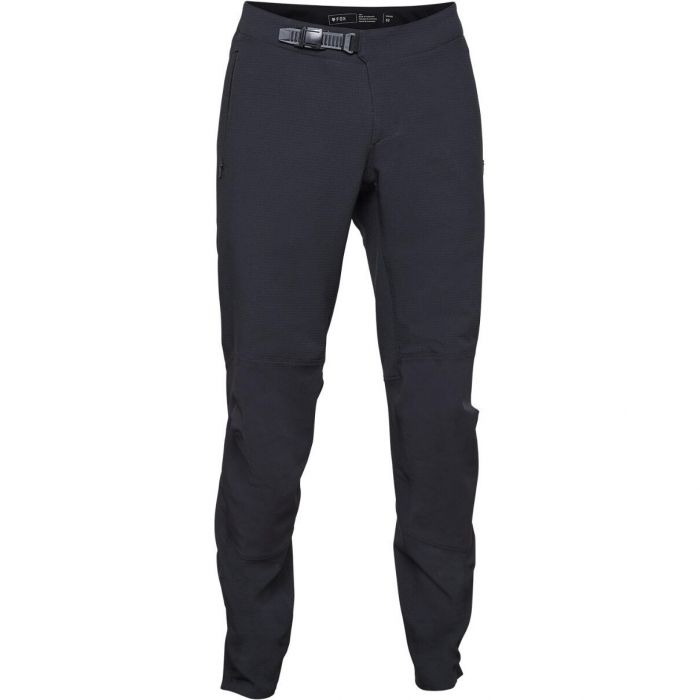
Fox Racing Defend Fire MTB Pants
$249.95 - $274.95$169.99 - $274.95
About Pants
For riders who know shorts aren’t always the answer. Use this guide to choose MTB pants for pedaling heat, wet weather, knee pad space, and the kind of crashes that turn cheap fabric into confetti. We carry top options from Troy Lee Designs, Fox Racing, and Leatt.
1. Bike Pant Types (and When to Wear Them)
| Bike Pants type | Typical terrain and demands | What matters most |
|---|---|---|
| Daily trail and enduro pants | Mixed climbing and descending, brush, occasional slides | Durable woven fabric, articulated knees for pad space, tapered cuffs that stay out of drivetrains |
| Park and downhill pants | Repeated laps, higher speeds, more sliding, more abrasion | Tougher face fabric, reinforced knees and seat, secure closures, pockets that do not eject contents in a crash |
| Wet weather waterproof shell pants | Cold rain, persistent mud, spray off the rear wheel | Truly waterproof membrane fabric, taped seams, weatherproof zips, quick on and off features |
| Cold weather softshell pants | Shoulder season riding, wind, light drizzle, cold descents | Wind resistance, light insulation, water shedding (not full waterproof), room to layer underneath |
2. Safety Standards and Certifications (What Actually Applies)
• If you wear knee pads, look for pads tested to EN 1621 1. That standard defines impact testing and performance levels for limb protectors (Level 2 generally transmits less force than Level 1). Your pants just need to fit over them without pulling the pad out of position.
3. Key MTB Pant Features (and the Trade-Offs)
| Feature | Benefit | Downside you pay for |
|---|---|---|
| Durable woven face fabric (nylon heavy blends) | Survives brush, pedals, and sliding better | Usually hotter and less stretchy |
| High stretch panels (spandex blends) | Pedals comfortably, less binding when you move | Can abrade faster, especially at the seat and inner knee |
| Articulated knees with pad volume | Knee pads sit correctly, less pulling when pedaling | Extra patterning can add seams and cost |
| Tapered lower leg and secure cuffs | Less snagging on chain, crank, and brush | Too tight can fight bulky shin and knee pads, can trap heat |
| Venting (zip vents, perforations) | Big comfort gain on climbs | Vents are weak points, zips clog with mud, more to break |
| Waist closure (ratchet or ladder, hook and loop, adjusters) | Keeps pants from sliding and dragging pads down | More hardware to fail, can dig into your stomach when bent over |
| Pocket placement (high thigh, minimal bulk) | Carries phone without knee interference | More pockets usually means more seams and more snag risk |
| DWR water shedding | Handles splatter and light rain | DWR wears out and needs maintenance, it is not waterproof |
| Waterproof membrane pants | Keeps you dry in real rain | Reduced breathability during hard efforts, higher cost, more noise and bulk |
| Taped seams and sealed construction | Stops water entry at stitching | Stiffer feel, seam tape can delaminate with heat and bad washing habits |
4. Core Design Choices: Breathable vs. Waterproof
• Option A: Breathable trail pants (non waterproof, DWR only)
• Ideal user: rides in mixed conditions, sweats on climbs, wants one pant for most rides
• Strengths: comfort while pedaling, dries faster, usually quieter and less clammy
• Limitations: in steady rain, you will get wet. DWR just delays the inevitable
• Option B: Waterproof shell pants (membrane, seam sealed)
• Ideal user: rides through real rain, slop, and cold spray, or bikepacks where staying wet is a schedule not a surprise
• Strengths: actual weather protection when seams are sealed, better warmth retention in wind and rain
• Limitations: breathability is always the tax. Push hard and you steam yourself
5. Fit, Sizing, and Gear Compatibility
• Knee pad compatibility is the real fit test. If the pant drags your pads down when you pedal, it is unsafe because your knee will miss the protection when you need it.
• Cuff design matters more than you think. Too wide and it grabs chain and crank. Too tight and it rides up, exposing ankle and shin to pedals and brush.
• Waist security beats waist comfort. A pant that slowly slides down turns into a restriction band across your thighs, and it can tug pads out of place.
• Chamois and liner shorts compatibility. If you wear a liner, you need enough hip volume and a waistband that does not stack into a pressure point when seated.
• Weather considerations:
• Heat and dust: prioritize breathability, lighter fabrics, and vents.
• Cold wind: softshell and wind resistant panels matter more than waterproof claims.
• Persistent rain: go waterproof shell, and make sure seams are sealed, otherwise water enters through the stitching.
6. MTB Pant Care and Maintenance
• DWR is not permanent. Dirt, sunscreen, and wear kill beading. Wash correctly, then use low heat to reactivate. If it still wets out, reapply a DWR treatment.
• Waterproof shell pants hate bad detergent. Residue can reduce breathability and performance. Follow the care label, rinse well, avoid fabric softener.
• Seam tape and laminated fabrics fail from heat and storage abuse. Do not cook them in a hot car for days.
12. Accessories
Mountain Bike Accessories Buyer Guide (Advanced)
For riders who want the right small essentials, so the ride doesn’t turn into a walk, a dead phone, or a rack-shaped paint job.
1. Bike Accessory Types (and When to Use Each)
| Type | Terrain or workload | Core demands | What matters most |
|---|---|---|---|
| Trail essentials kit | Local trail rides, limited cell service, mechanicals happen | Fix flats, fix chains, drink water | Inflation Tools, Tools, Hydration Systems, Accessory Mounts |
| Backcountry self-reliance kit | Remote rides, long days, solo rides | Self rescue, navigation, basic medical | GPS & Electronics, First Aid, Backpacks, Hydration Systems, Tools, Inflation Tools |
| Night and low-light kit | Dusk rides, winter, commuting connectors | See trail, be seen, avoid surprise trees | Lighting, Accessory Mounts, GPS & Electronics |
| Transport and theft-mitigation kit | Trailhead parking, road trips, hotel stops | Keep bikes attached to your vehicle through windy conditions and would-be thieves | Car Racks, Security |
2. Safety Standards and Certifications
- Ingress protection (IP rating, IEC 60529): Relevant to GPS & Electronics, Lighting, Cameras. If it is not sealed, it will eventually die. IP tells you how well an enclosure resists dust and water.
- ANSI/NEMA FL 1 (portable lighting performance): Relevant to Lighting. FL 1 standardizes claims like output, runtime, beam distance, impact resistance, and water resistance so you can compare lights without guessing.
- Sold Secure ratings: Relevant to Security. It is one of the few common benchmarks that indicates a lock has been tested against real theft tools. Ratings do not make locks invincible. They buy time.
3. Fit, Sizing, and Compatibility
- Accessory Mounts, GPS & Electronics, Lighting, Cameras: Fit is cockpit space. Check bar diameter, clamp area, cable routing, and steering clearance. If it hits the top tube at full lock, it is not “fine.”
- Backpacks and Hydration: If it bounces, it steals control. Hip belt fit and strap placement matter more than liters. Packs that feel “okay” in the parking lot can be awful when descending.
- Bottle Cages: Frame size and frame bags change everything. Small frames often need side-access solutions to make bottles usable, not just technically installable.
- Car Racks: Confirm vehicle interface first (hitch size, roof system, tailgate). Then check bike fit (wheelbase, tire width). “Fits most bikes” is not a measurement.
- Trainers: Check axle standards and spacing before buying.
- Children Accessories: Size to the rider and the use-case, not the age on the box. If it creates unstable steering or unpredictable towing forces, skip it.
4. Care and Maintenance
- Electronics and lights: Keep charging ports dry and clean. Seals fail faster when grit lives in the interface. Prefer IP-rated gear when you ride wet or dusty.
- Mounts: Recheck fasteners periodically. Vibration loosens everything. Replace worn rubber shims before your device becomes trail litter.
- Hydration: Dry bladders fully. Replace bite valves when they start leaking.
- Inflation tools: Keep CO2 heads clean. Replace pump seals when it starts taking forever.
- Locks: Lube the mechanism. Replace cracked coatings. Corrosion is a slow failure that shows up when you are late.
- Racks: Rinse road salt off pivots and locking parts. Inspect straps and ratchets for UV damage.
- Oils and chemicals: Store properly, avoid brake contamination, and do not pressure-wash chemicals into bearings and pivots.