








































Parts & Components
-

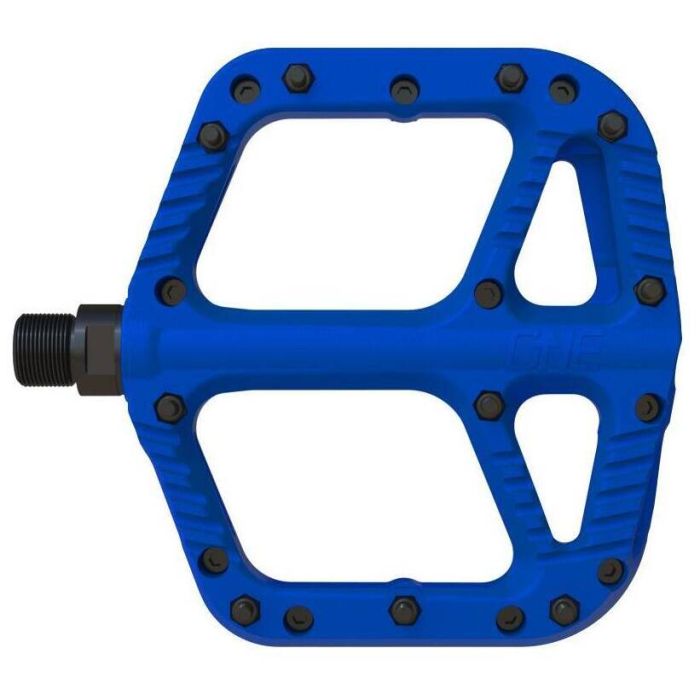
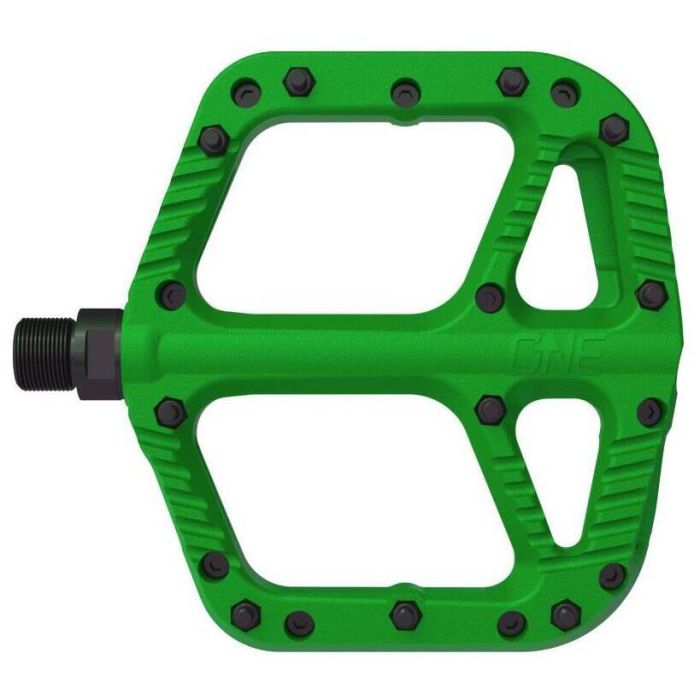
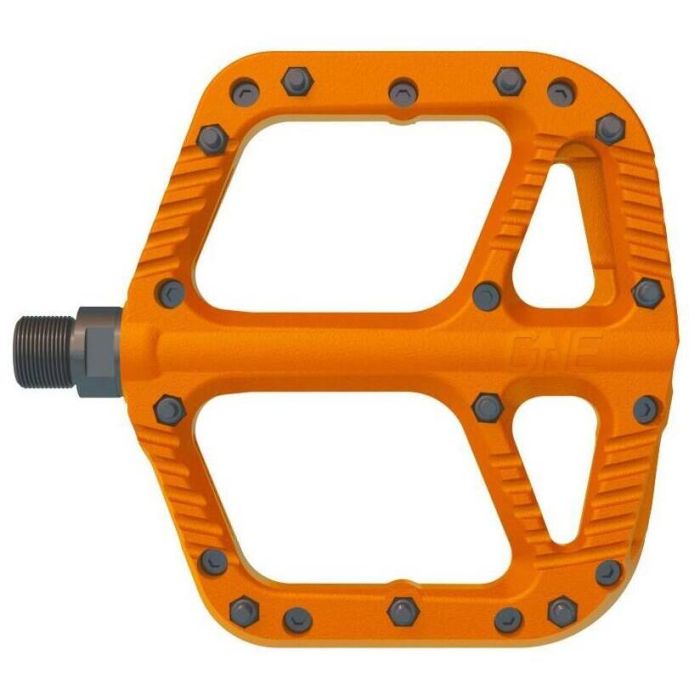
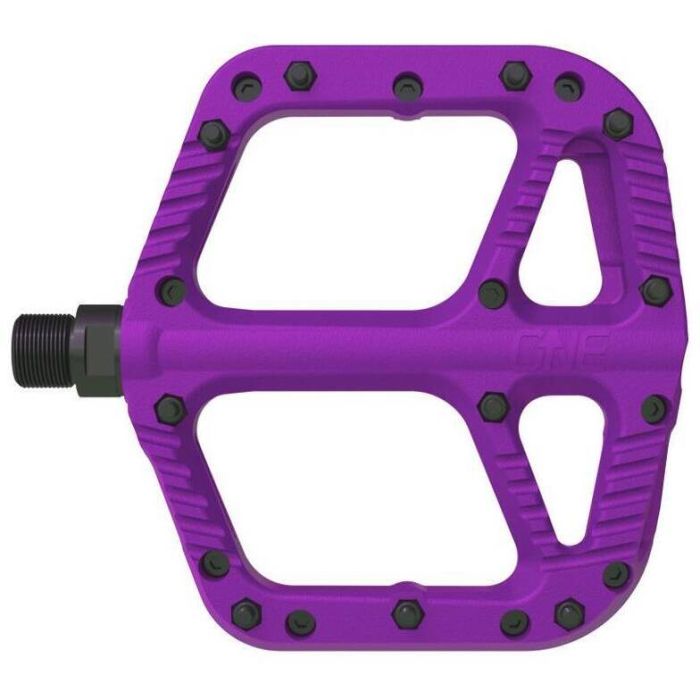
OneUp Components Composite Flat Pedals
$59.99 -


TRP EVO PRO MTB Hydraulic Disc Brake and Lever
$407.99 - $420.99 -

SRAM HS2 Disc Brake Rotor
$75.99 - $95.99 -

Cane Creek Forty Complete Headset
$65.99 - $124.99 -
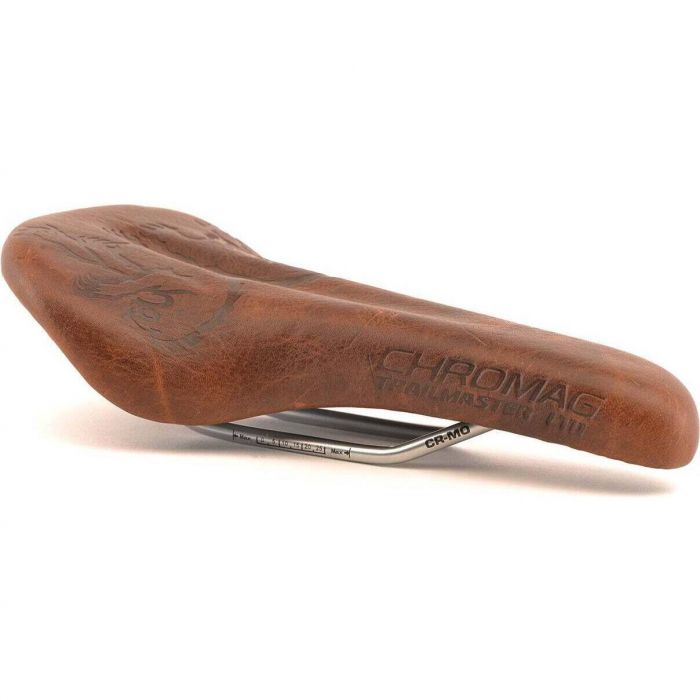
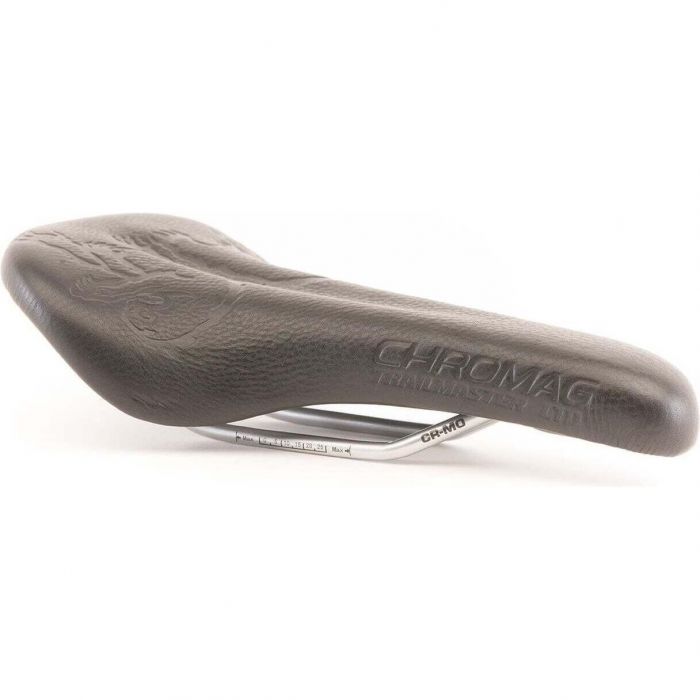
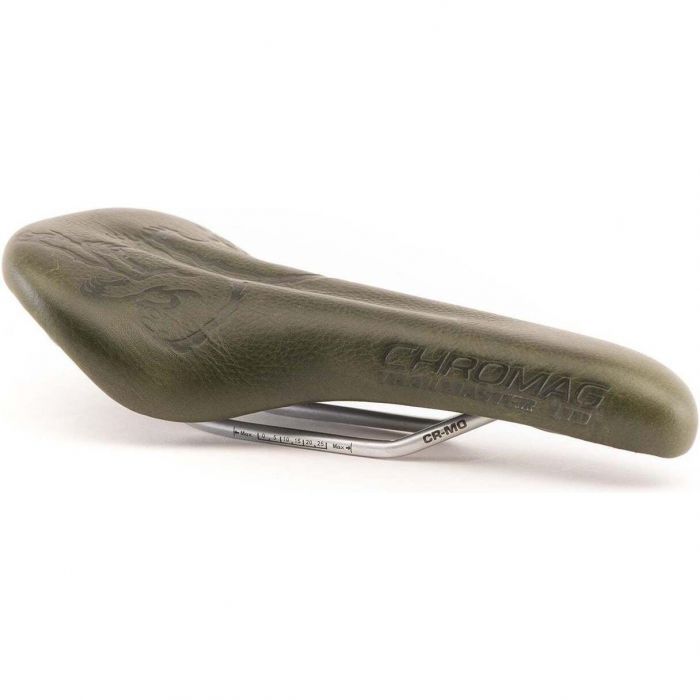
Chromag Trailmaster LTD Saddle
$156.99 -
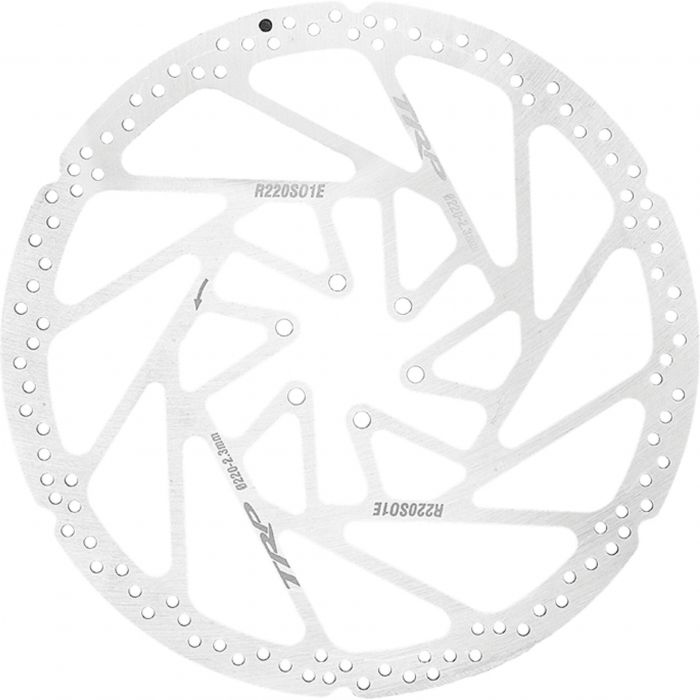
TRP RS01E Disc Brake Rotor
$56.99 - $66.99 -

OneUp Components V3 Dropper Post
$351.99 -
 35% off
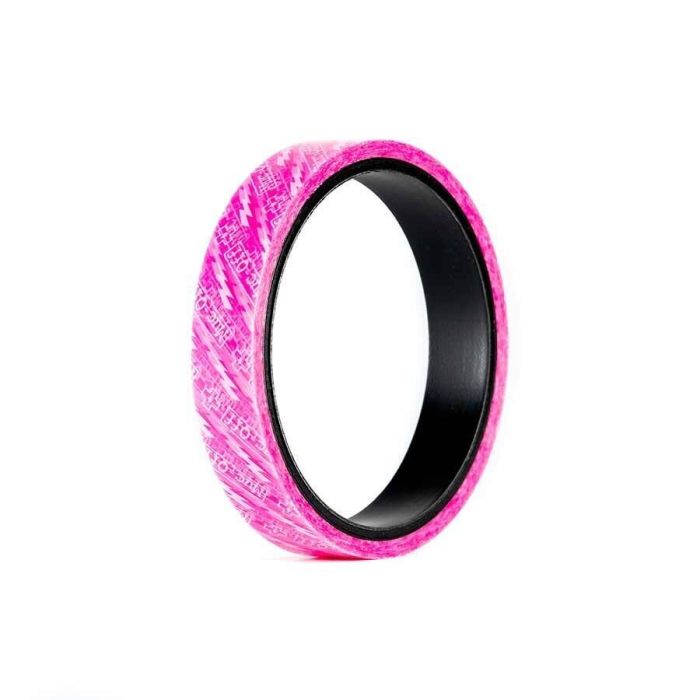
Muc-Off Tubeless Rim Tape
$19.78 - $88.99$16.06 - $88.99 -
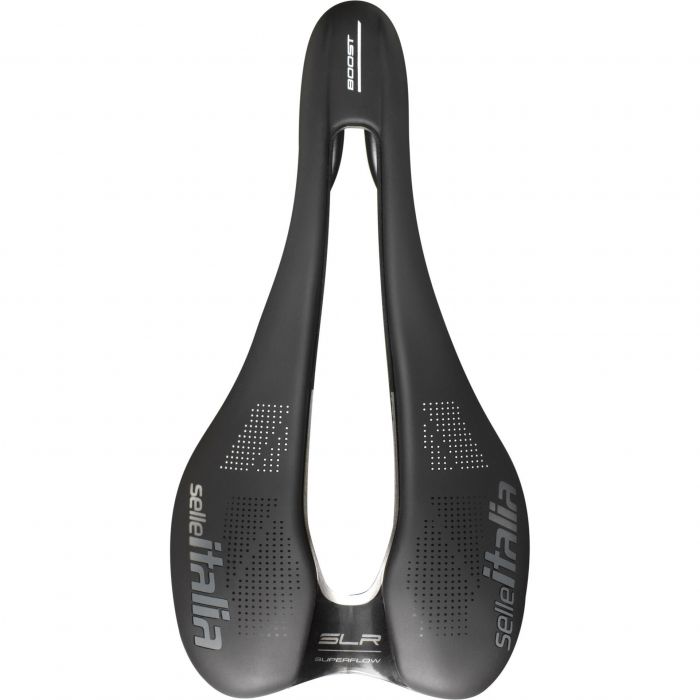
Selle Italia SLR Boost TM Superflow Saddle
$201.99 -
 30% off
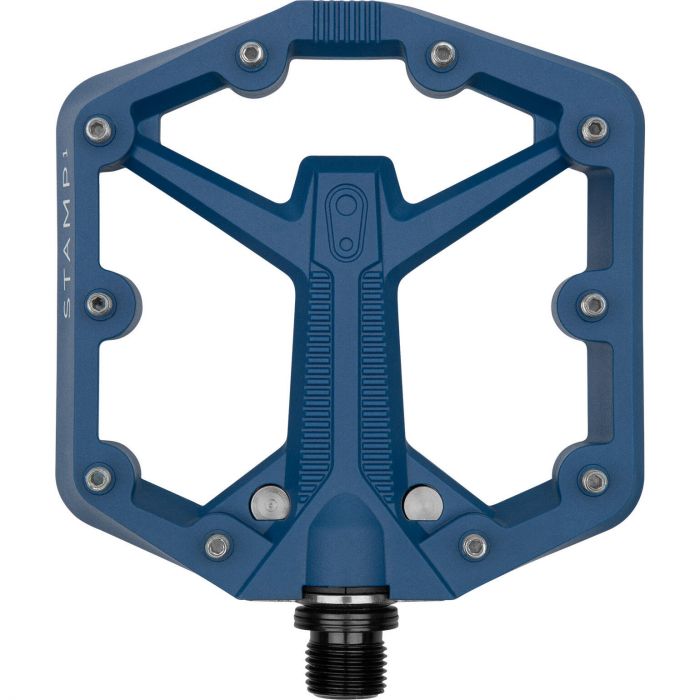
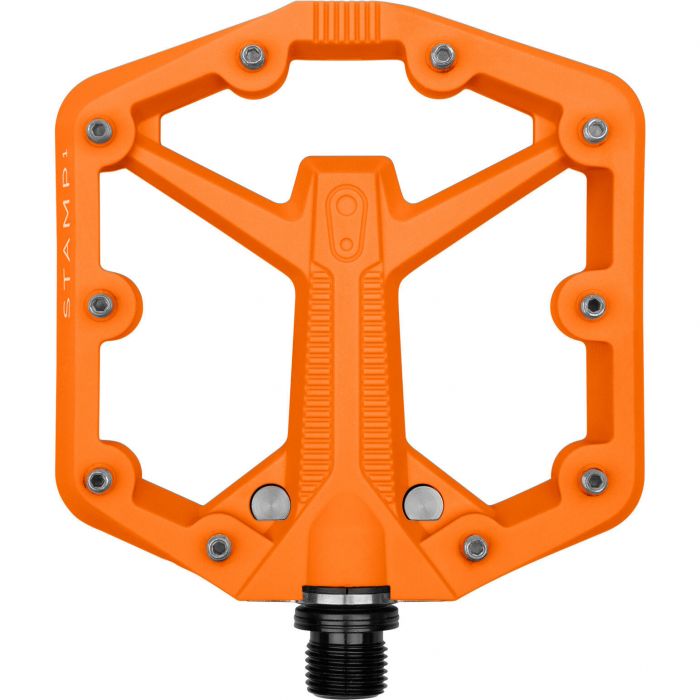
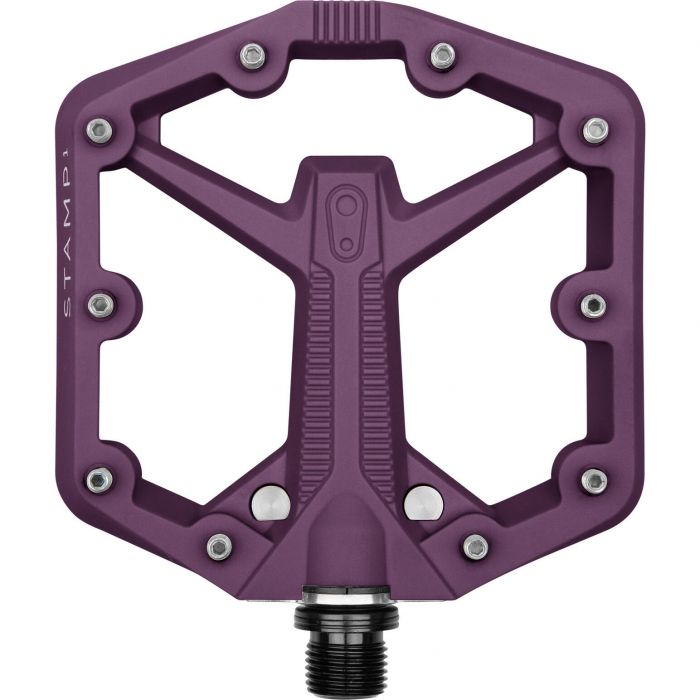
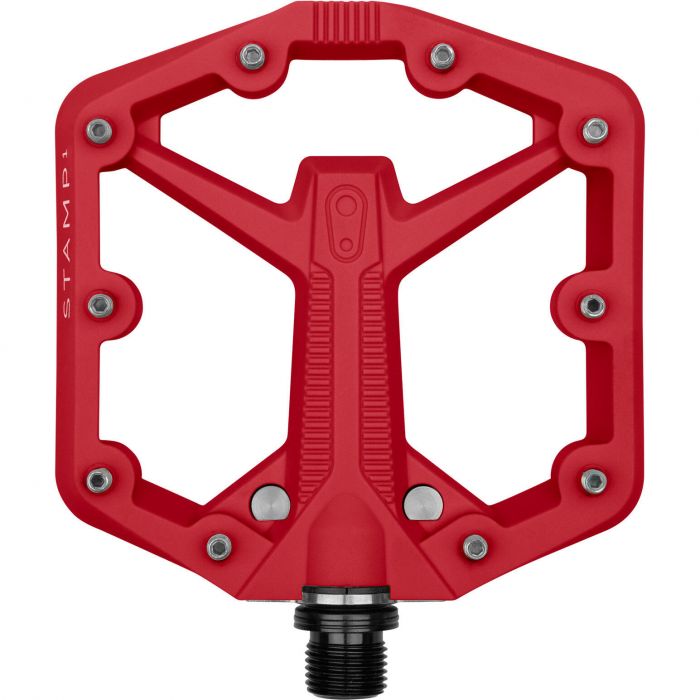
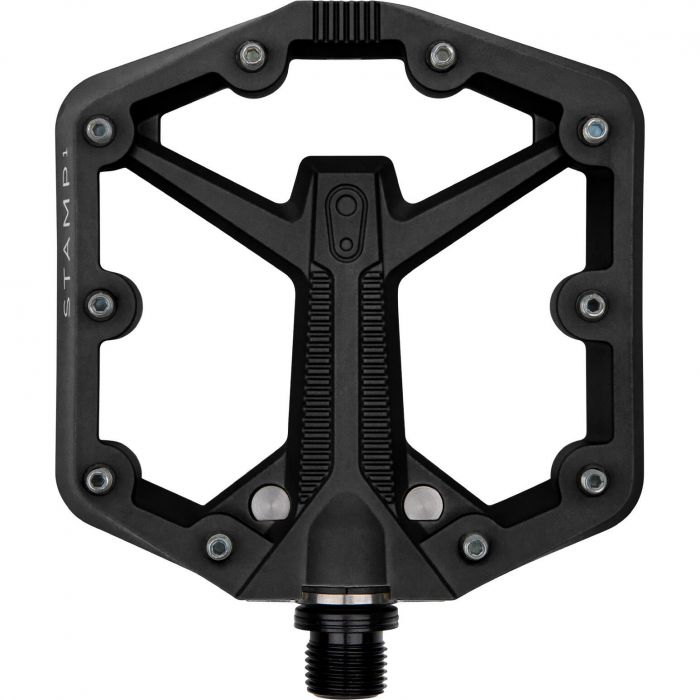
Crankbrothers Stamp 1 Gen 2 Pedals
$74.99 - $89.99$62.99 - $83.99 -


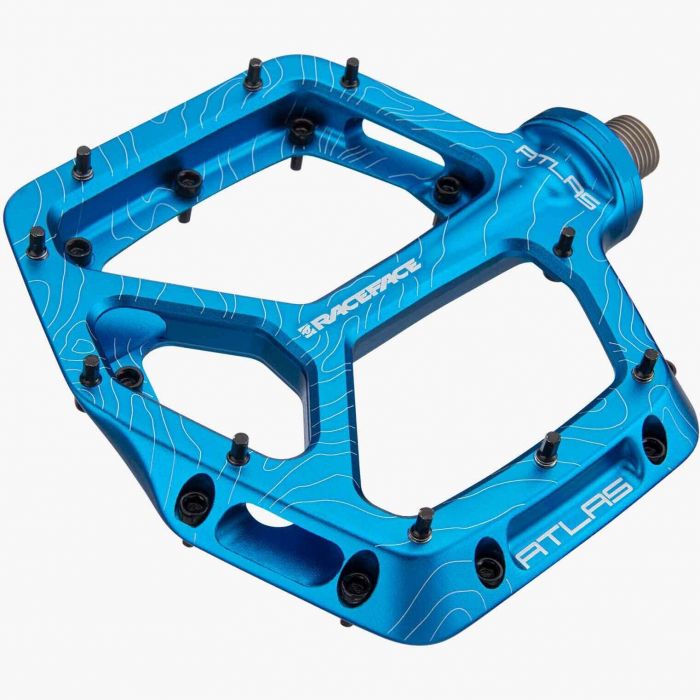
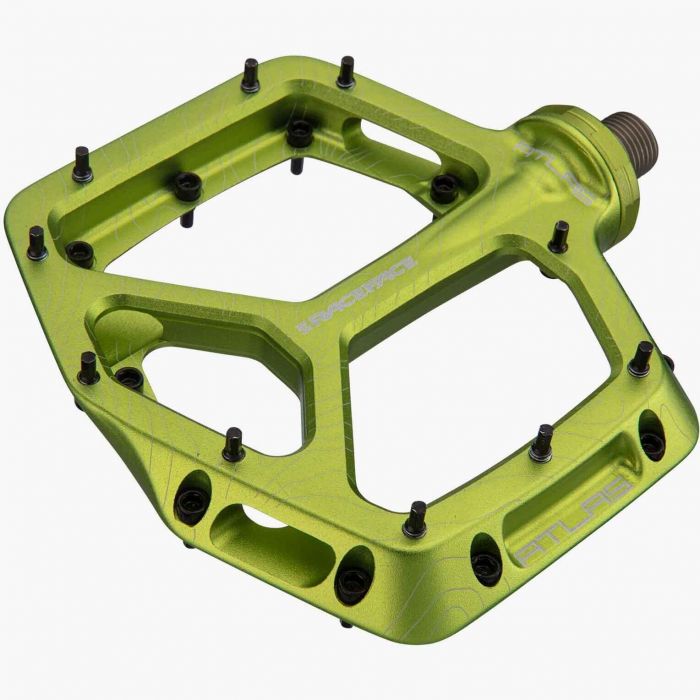
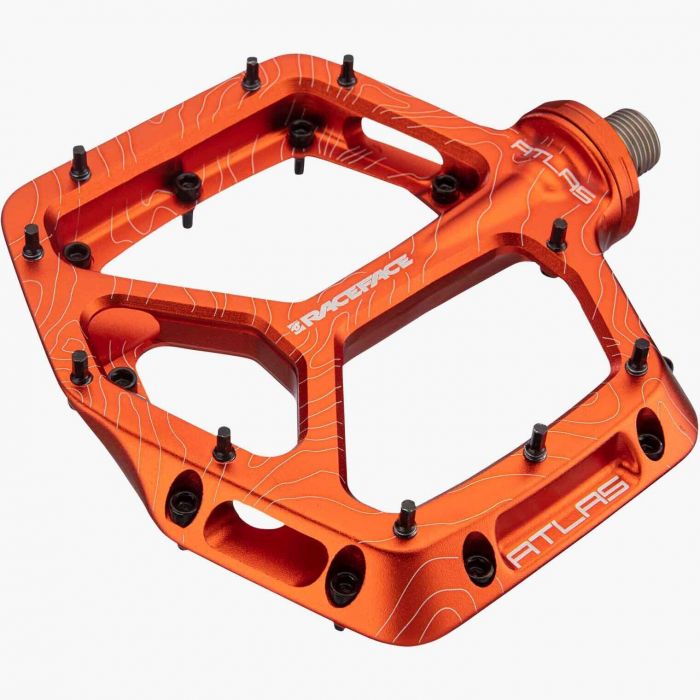
Race Face Atlas MTB Pedals
$219.99 -
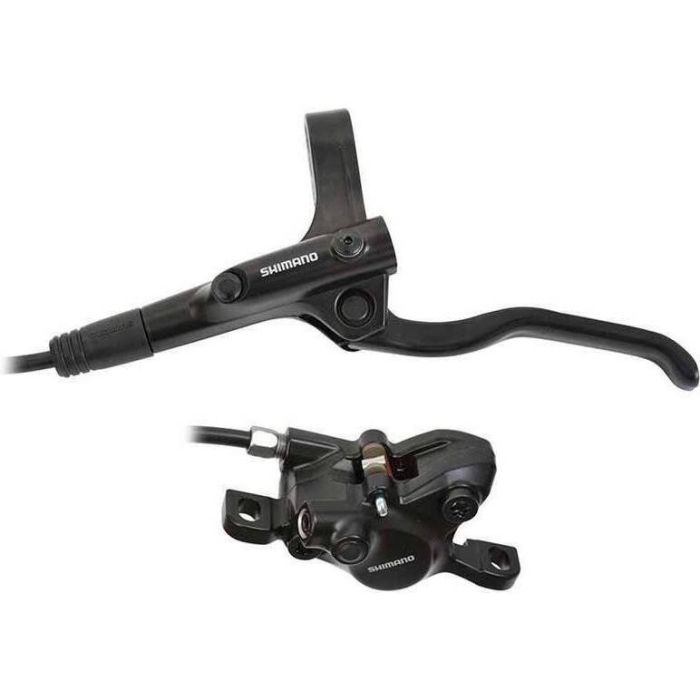
Shimano Alivio BL-MT200/BR-MT200 Brake Lever/Caliper
$56.99 -
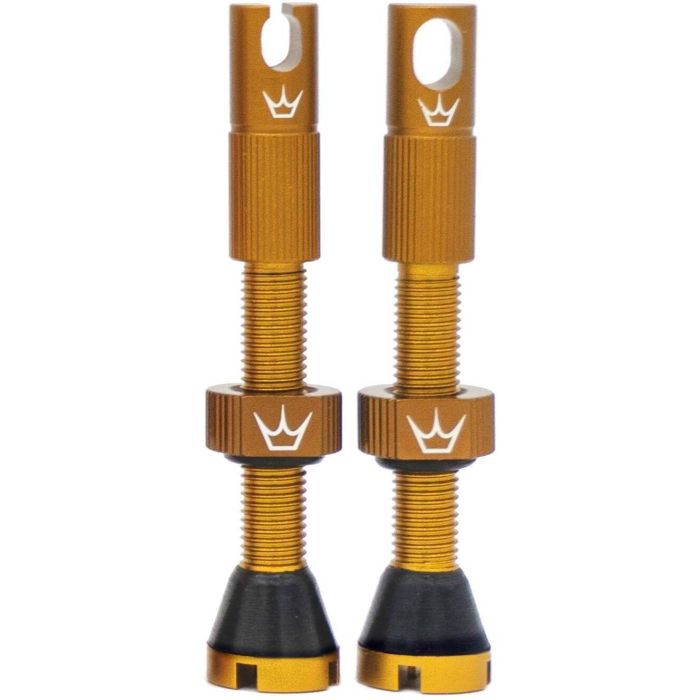

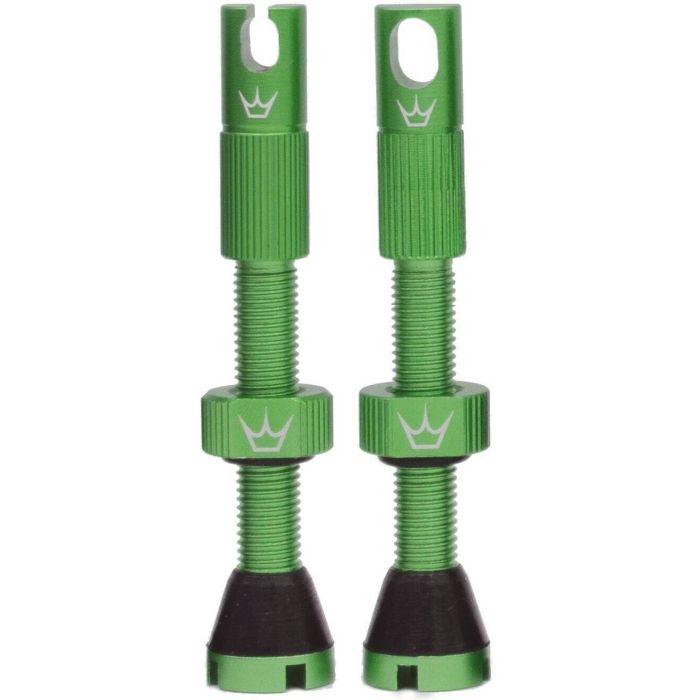
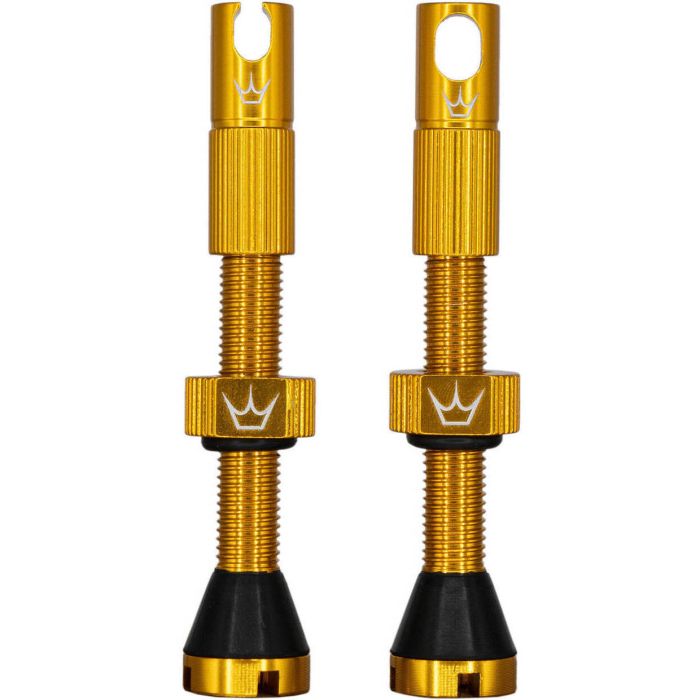
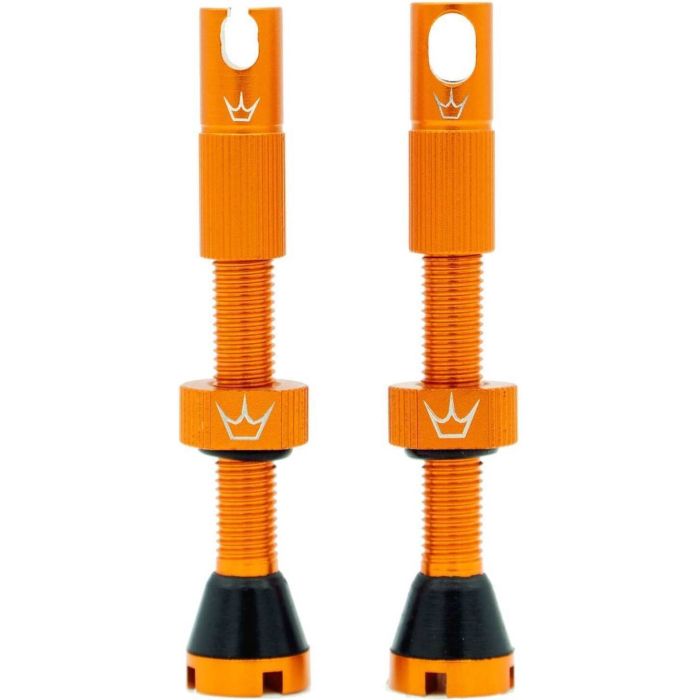
Peaty's x Chris King MK2 Tubeless Valves
$49.99 - $52.99 -

Stan's NoTubes Tubeless Rim Tape
$17.99 - $119.99 -
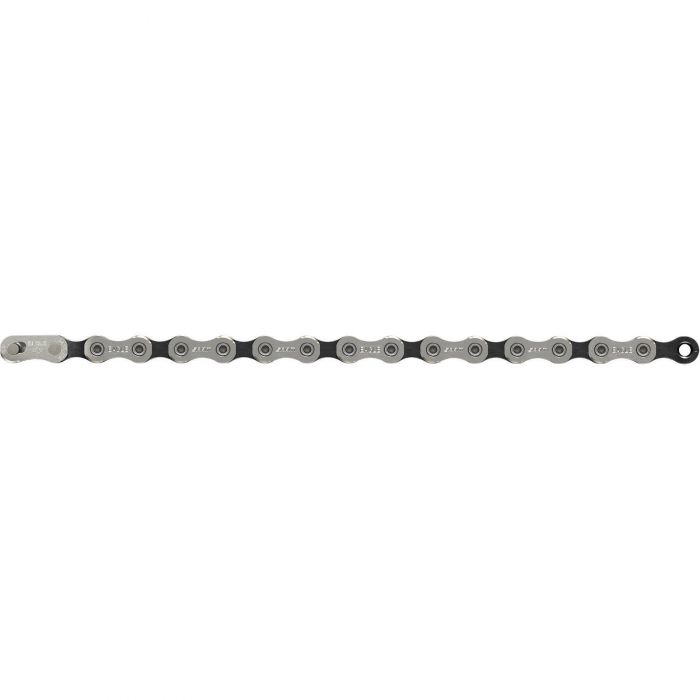
SRAM PC-GX Eagle Chain
$51.99 - $1,053.99 -
 70% off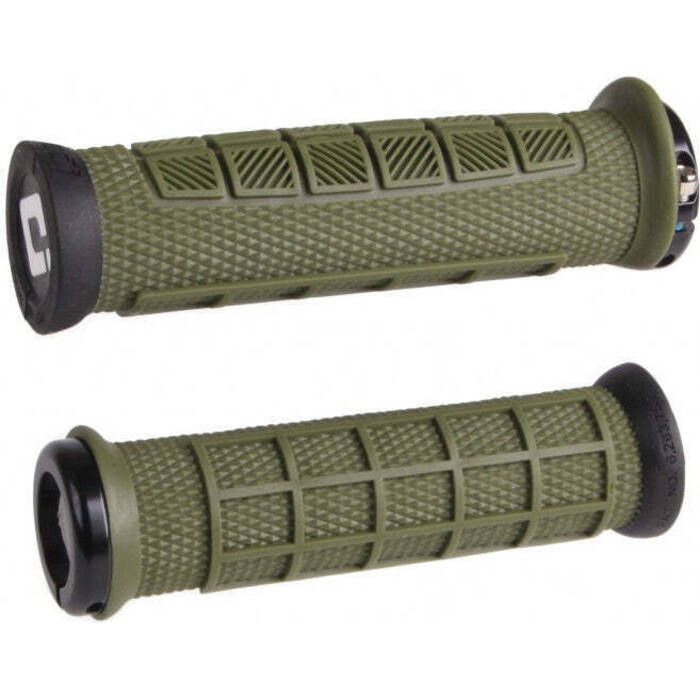

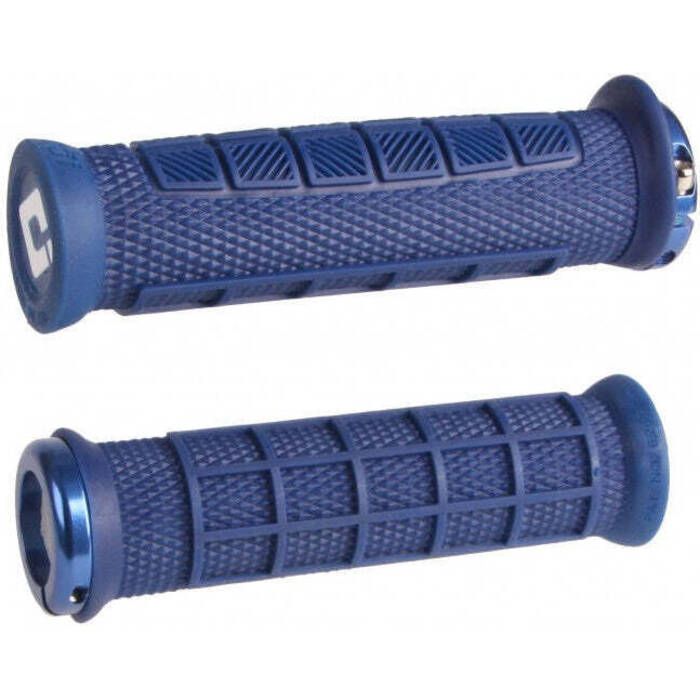

ODI Elite Pro Lock-On MTB Grips
$32.99 - $46.99$12.23 - $32.99 -
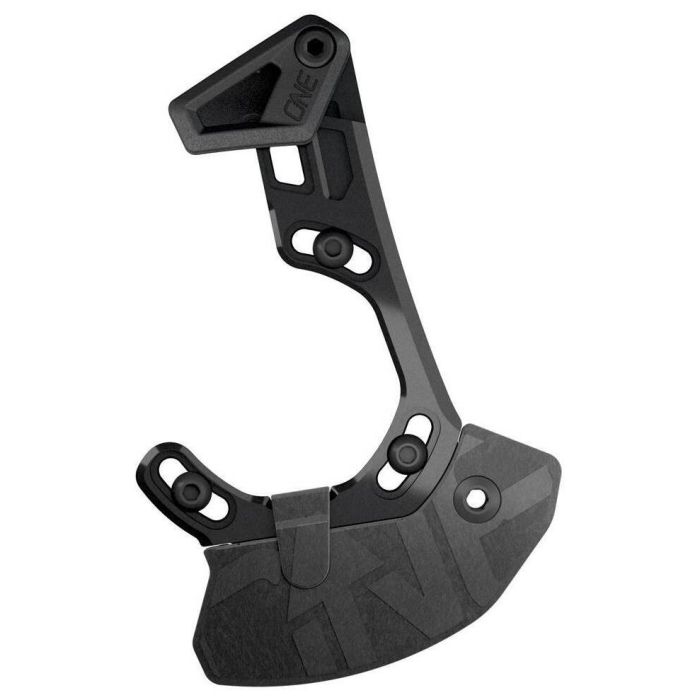
OneUp Components V2 ISCG05 Bash Chain Guide - 1C0612
$129.99 -

OneUp Components V2 Carbon MTB Handlebar
$214.99 -
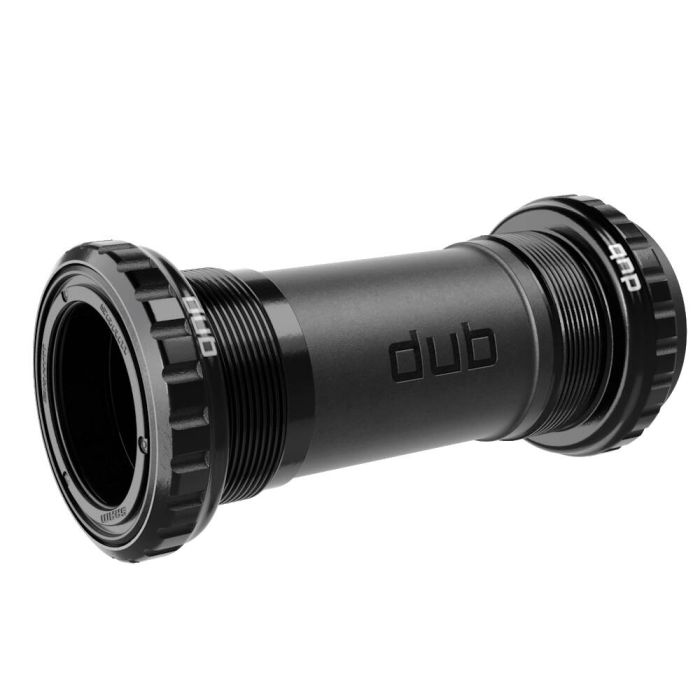
SRAM DUB BSA Bottom Bracket
$59.99 - $67.99 -
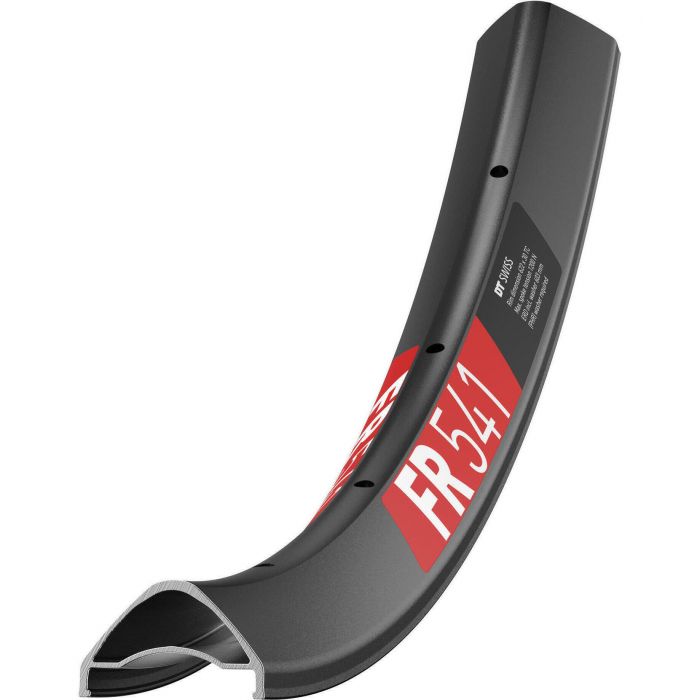
DT Swiss FR 541 Rim
$232.99 - $233.99 -
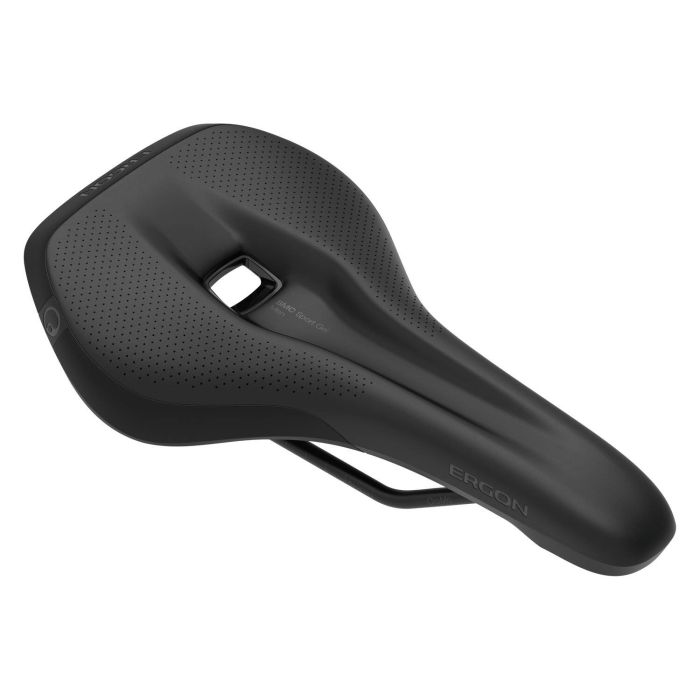
Ergon Mens SMC Sport Gel Saddle
$149.99 -
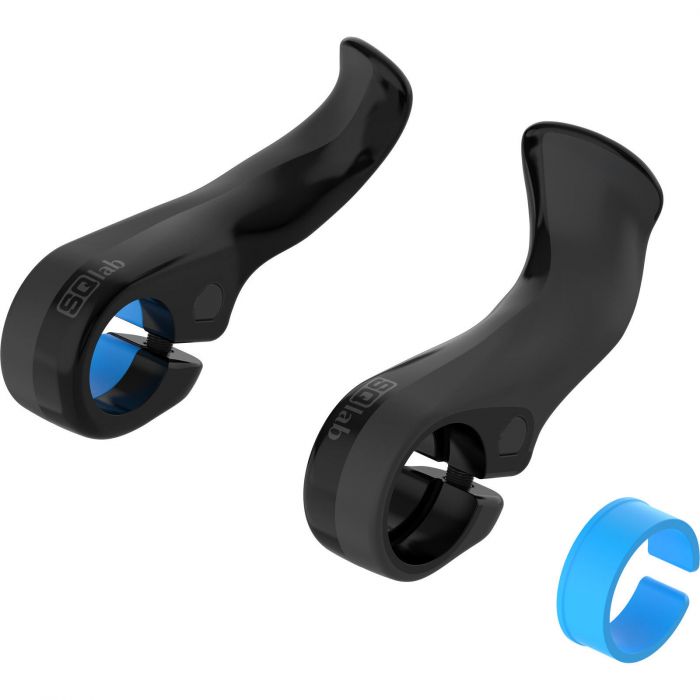
SQlab 411 Inner Bar Ends
$79.99 - $299.99 -

WTB Volt MTB Saddle
$81.99 - $151.99 -

Axiom Flascheguard Fender Set
$104.99 - $109.99 -
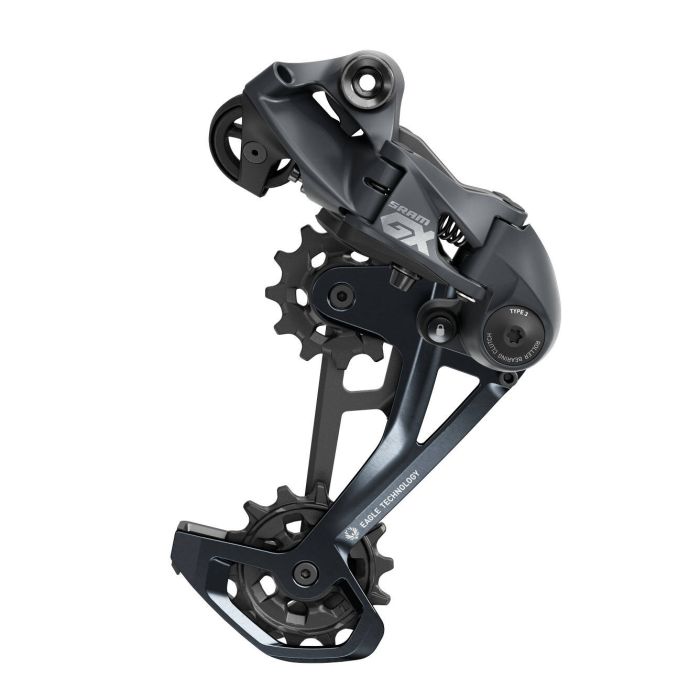
SRAM GX Eagle Rear Derailleur - 00.7518.137.000
$192.99 -
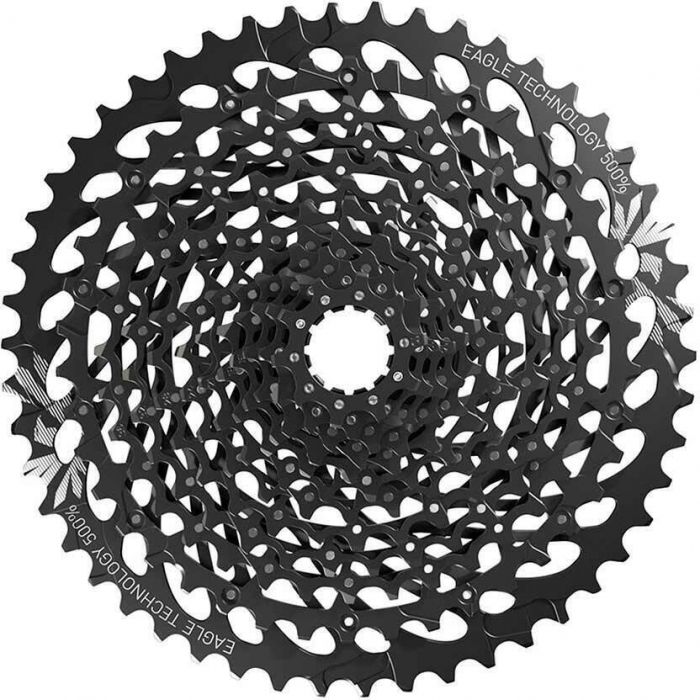
SRAM XG-1275 Eagle Cassette
$343.99 -
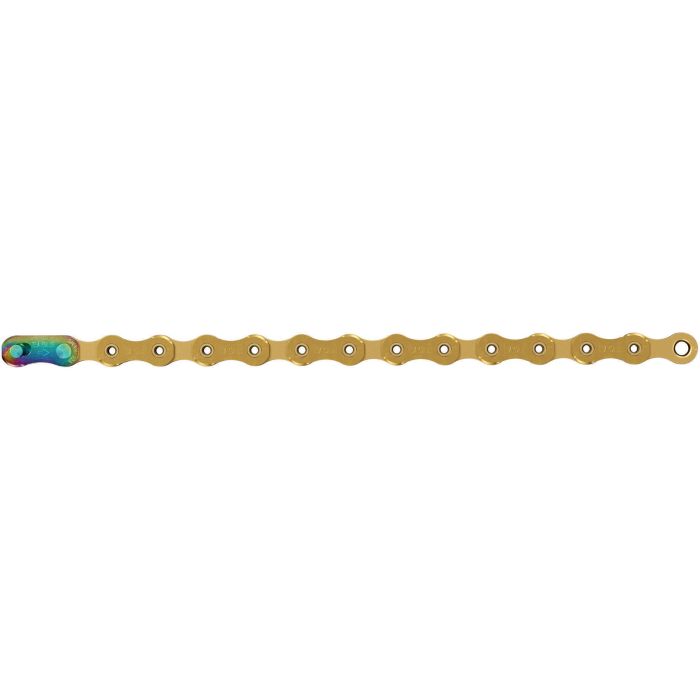
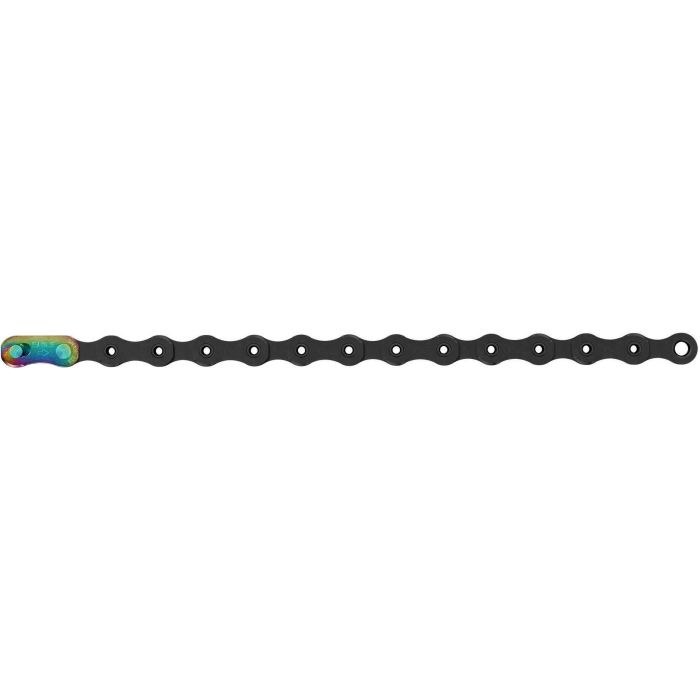
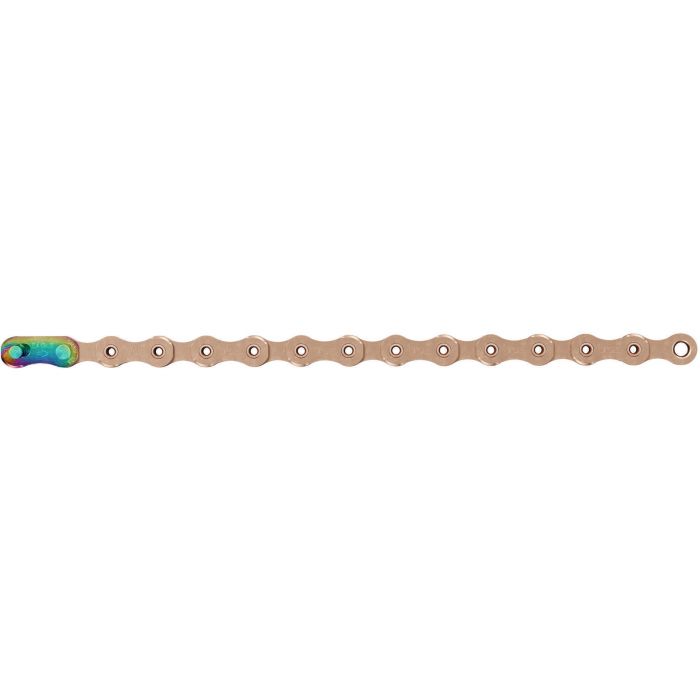
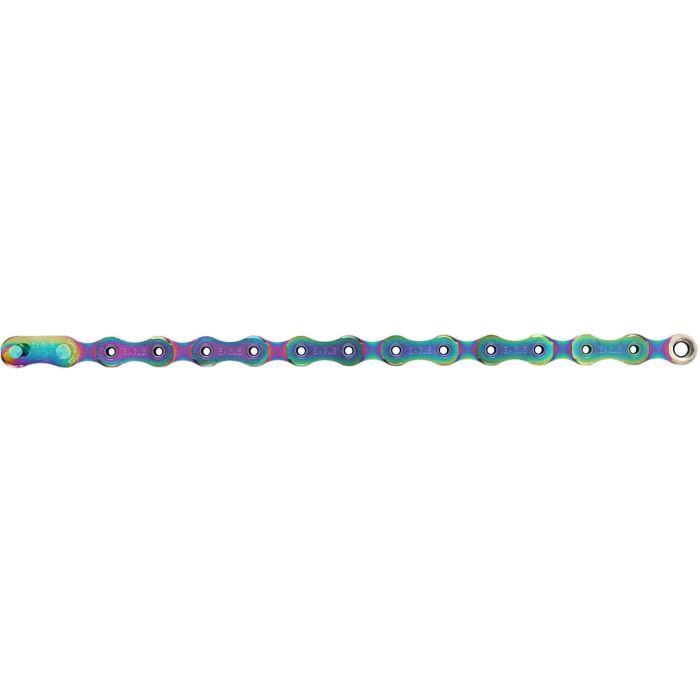
SRAM PC-XX1 Eagle Chain
$121.99 - $125.99 -
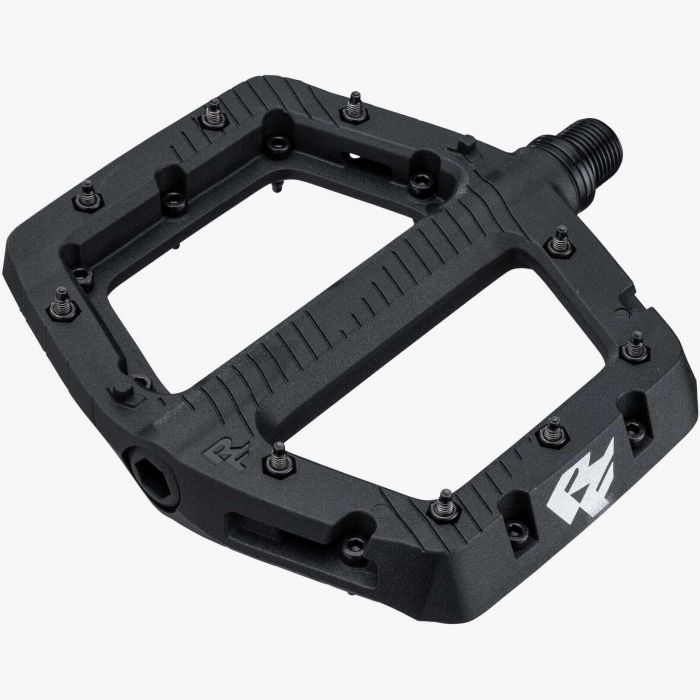
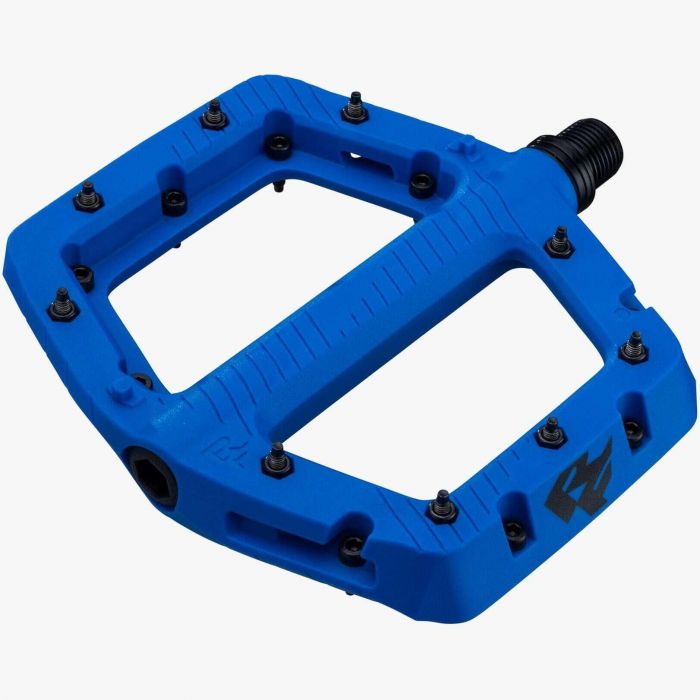
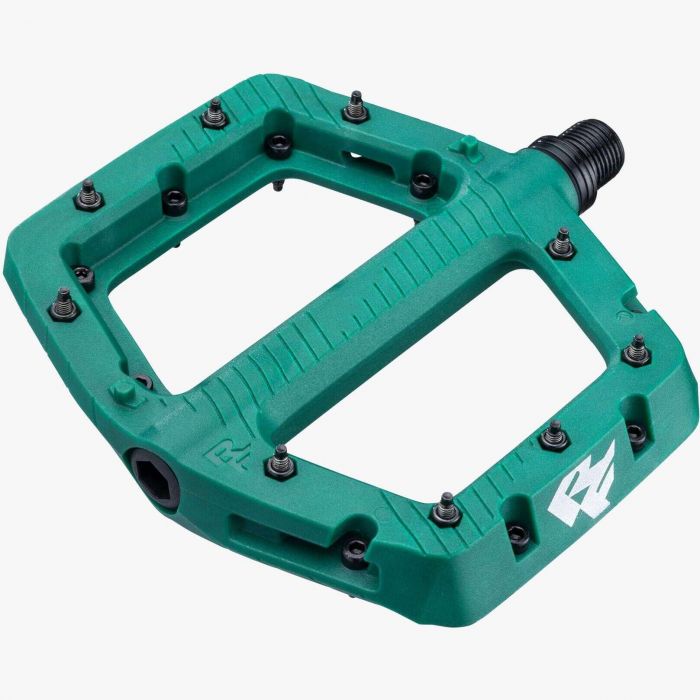
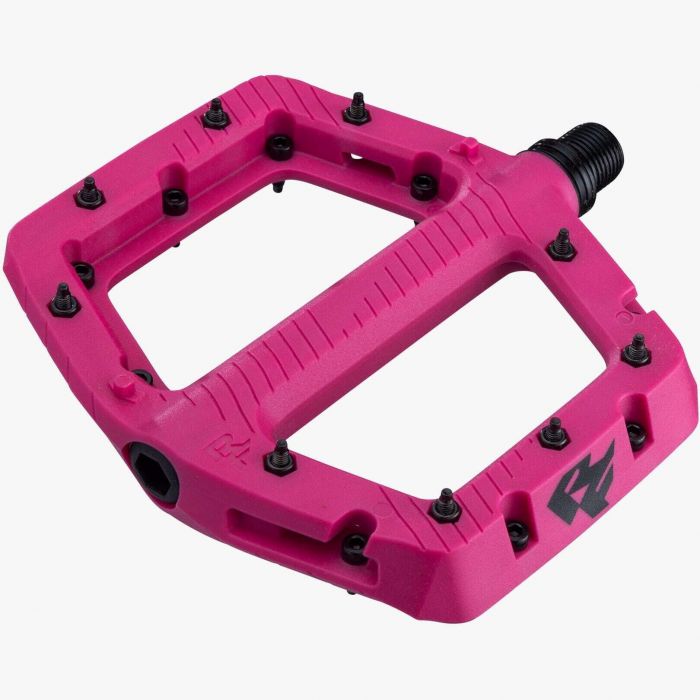
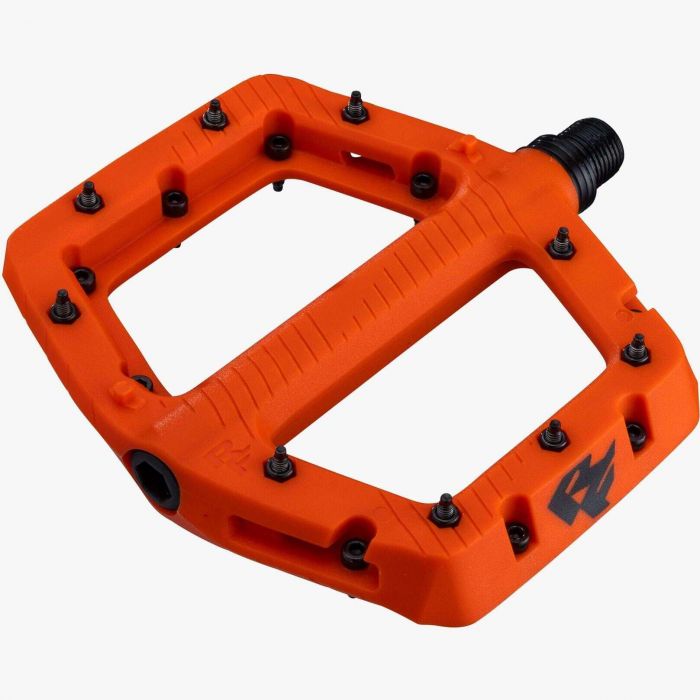
Race Face Chester MTB Pedals
$69.00 -
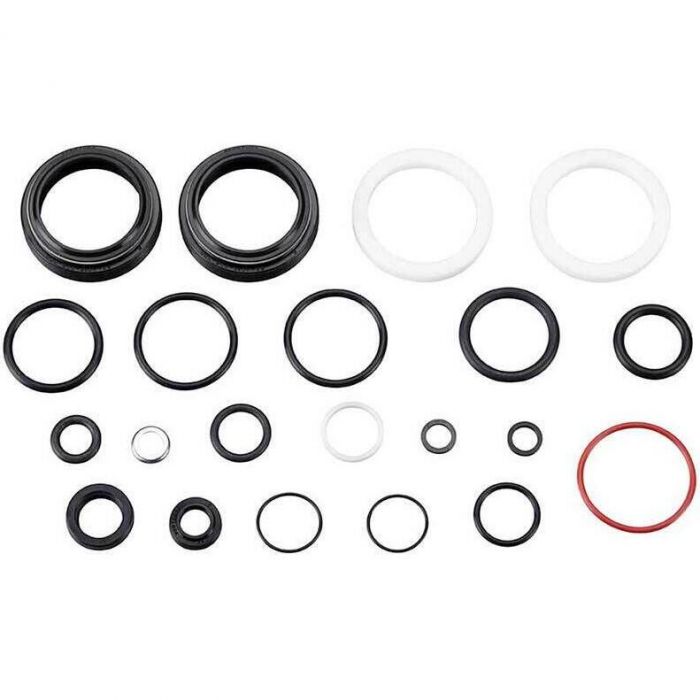
RockShox Front Fork 200 Hour Service Kit
$19.19 - $138.99 -
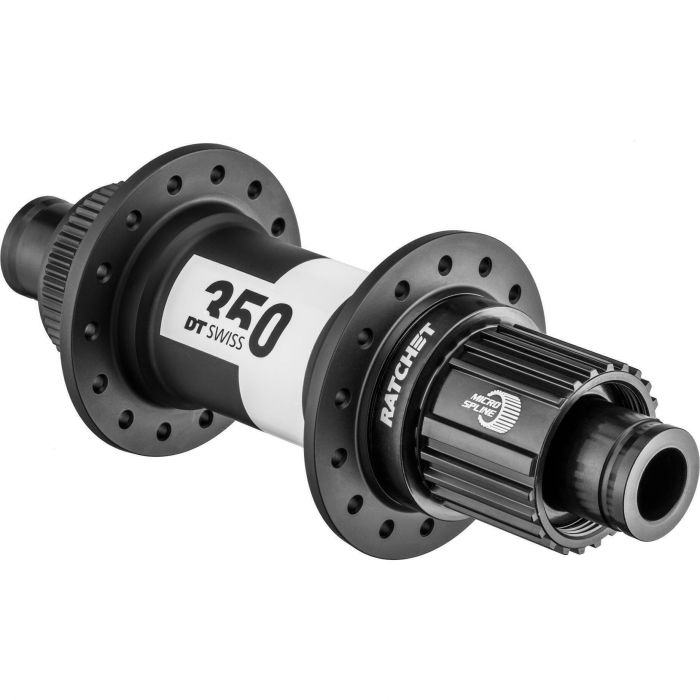
DT Swiss 350 Classic Rear MTB Hub
$422.99 - $539.99 -


Crankbrothers Stamp 7 MTB Pedals
$199.99 - $285.99 -
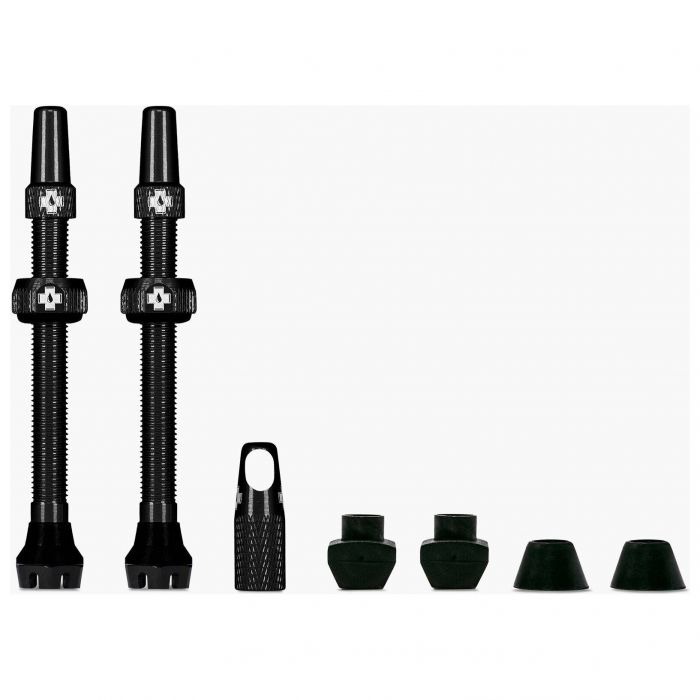
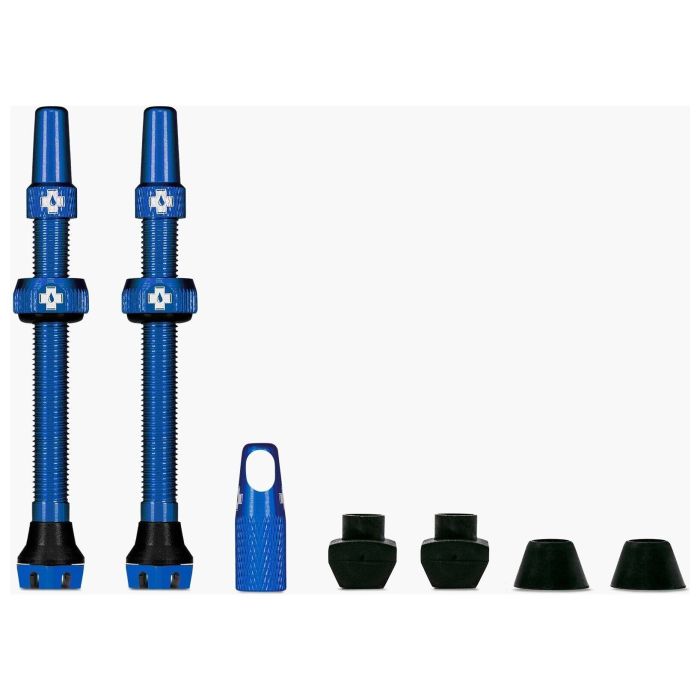
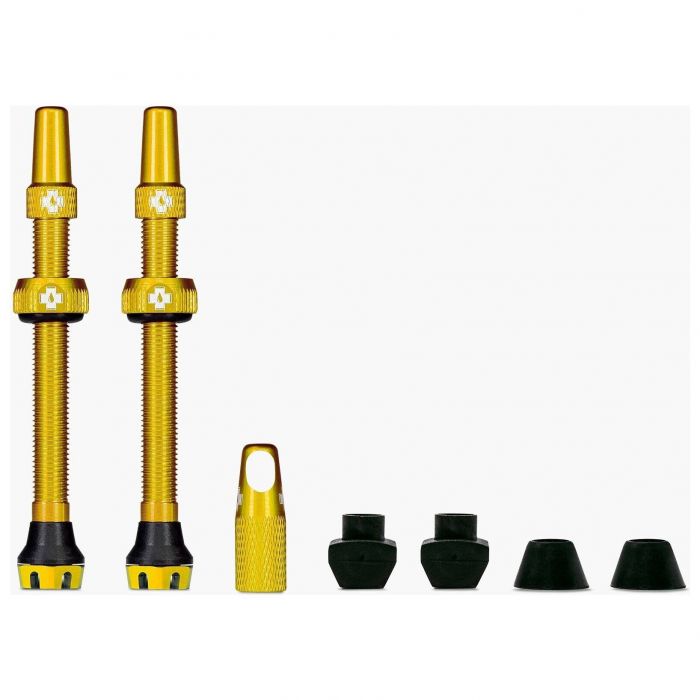

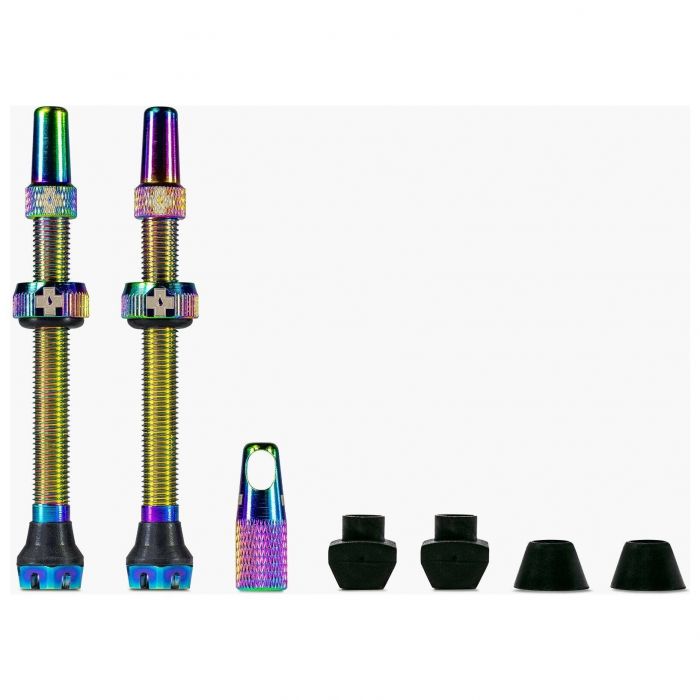
Muc-Off V2 Tubeless Presta Valve
$48.99 - $60.99 -
 43% off
Gates Carbon Drive CDX Belt
$133.99 - $233.99$131.99 - $211.99 -
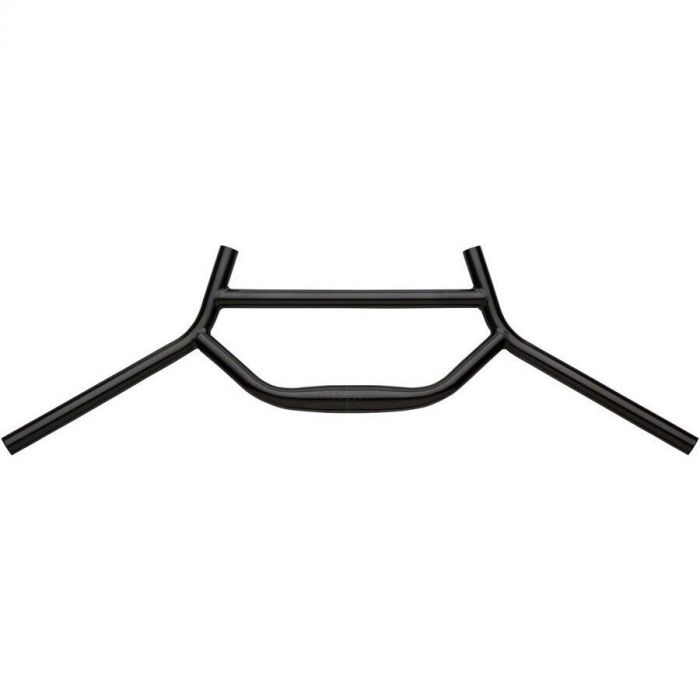
Surly Moloko Handlebar
$124.99 -

Cane Creek Fifty Complete Headset
$96.99 - $118.99 -
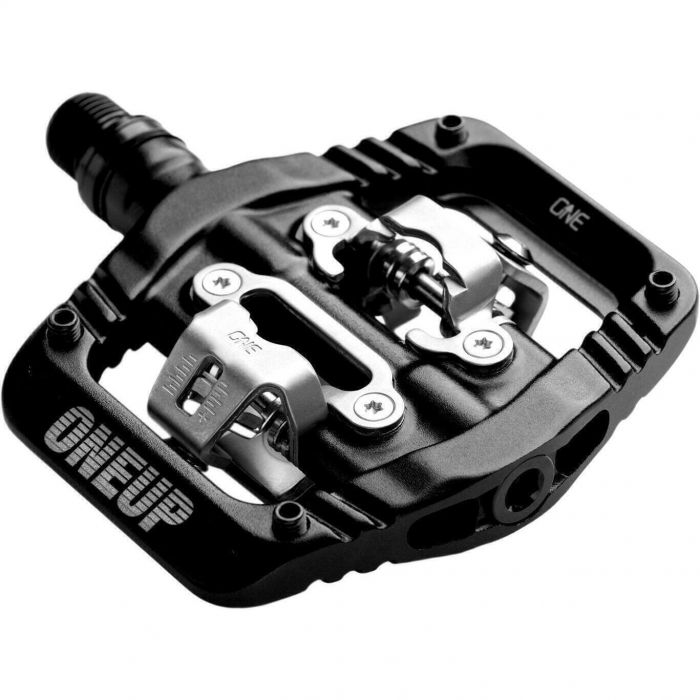
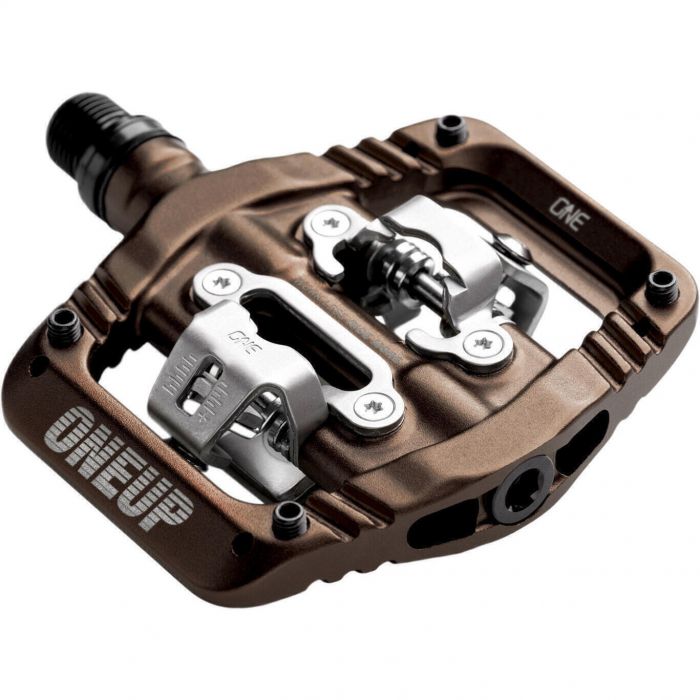
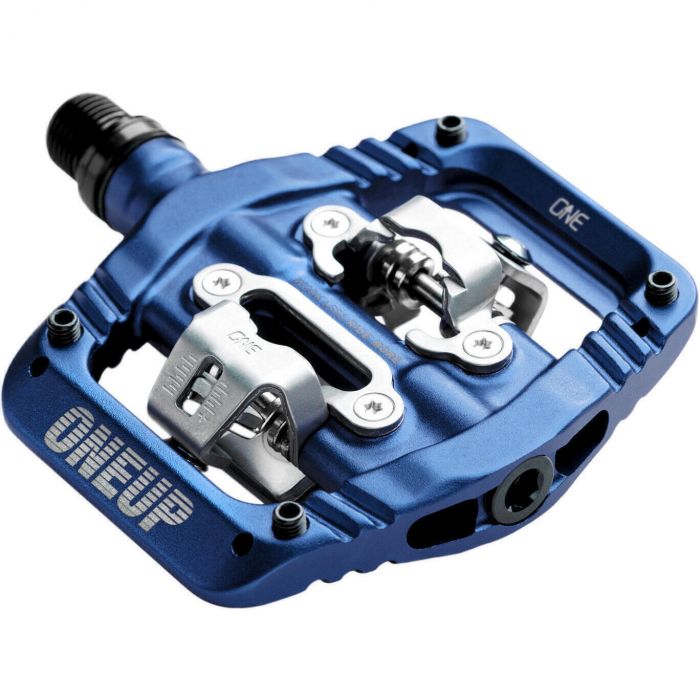
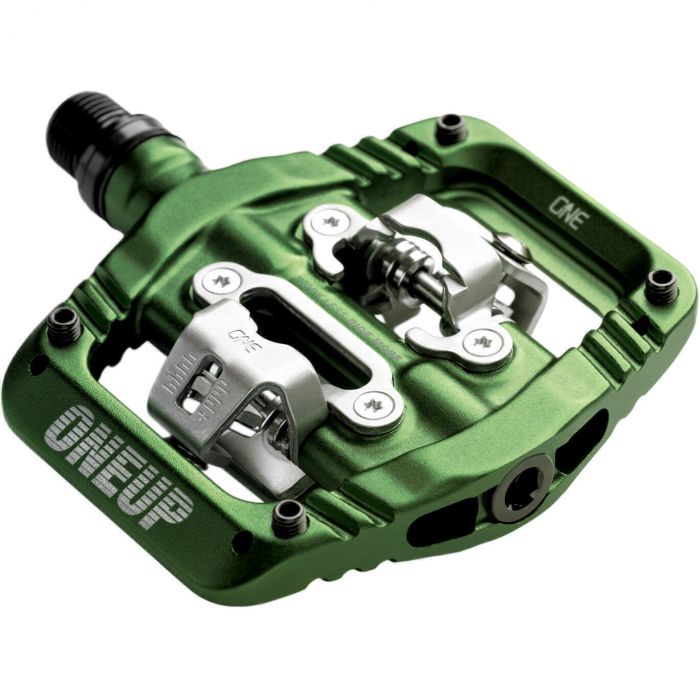
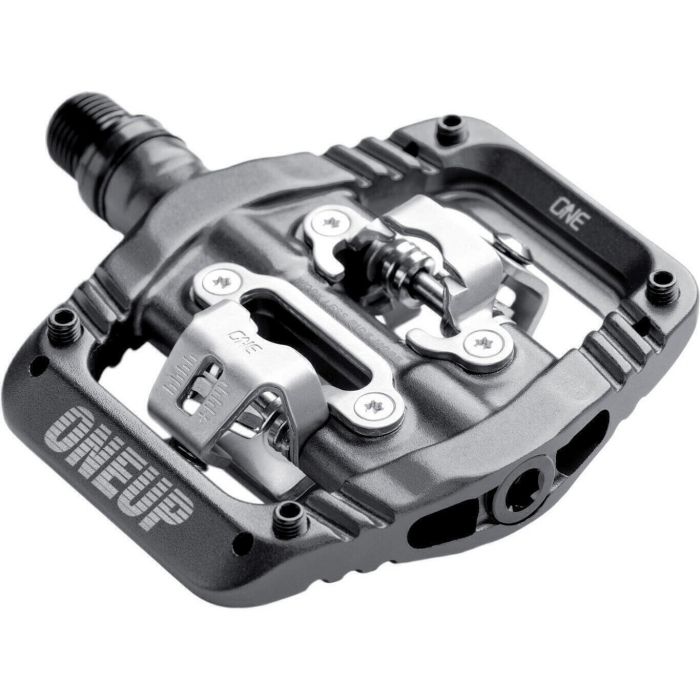
OneUp Components Clip Pedals
$218.99 -
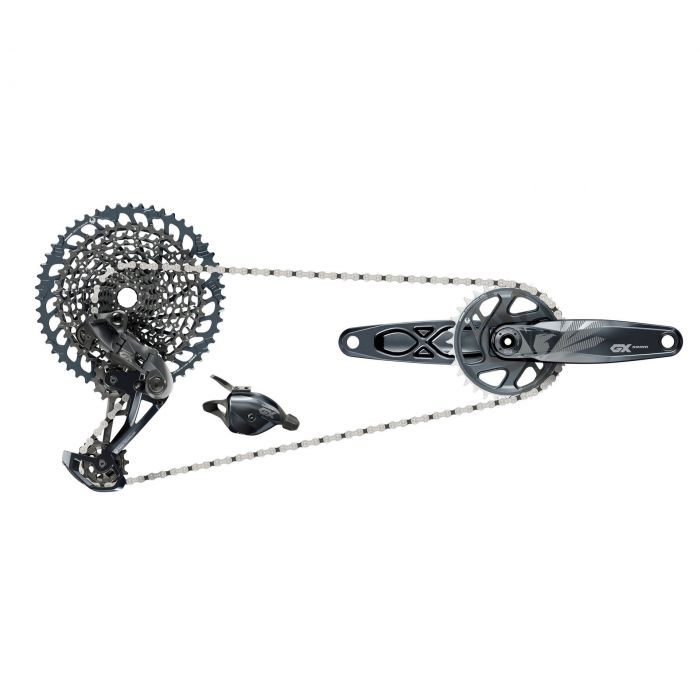
SRAM GX Eagle DUB Groupset
$587.99 - $787.99 -
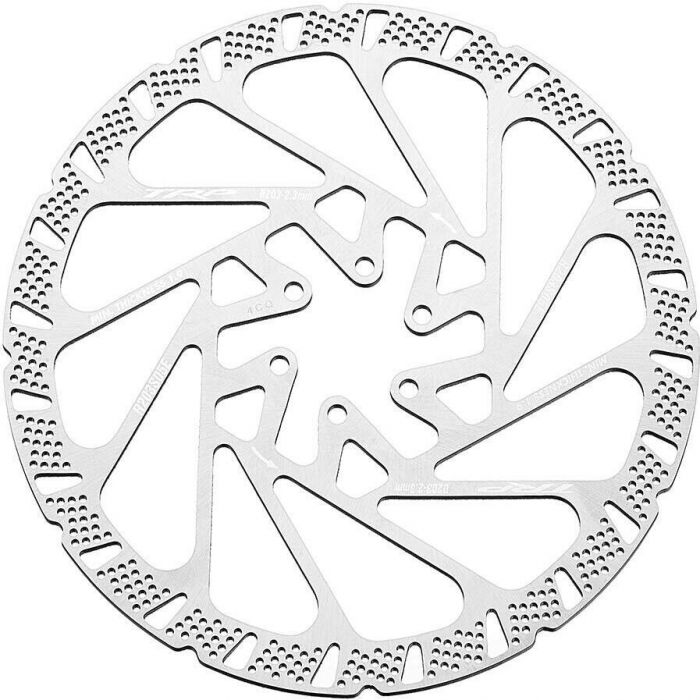
TRP S05E Race Disc Brake Rotor
$92.99 - $98.99 -
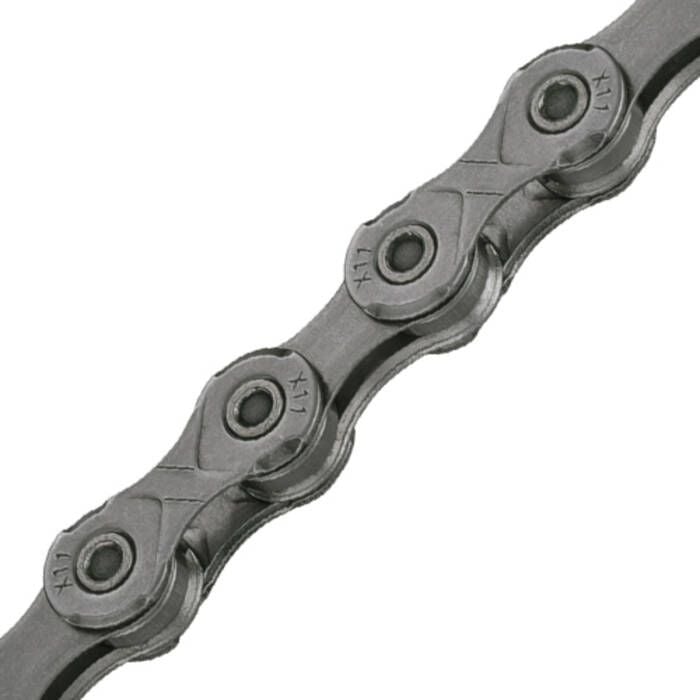
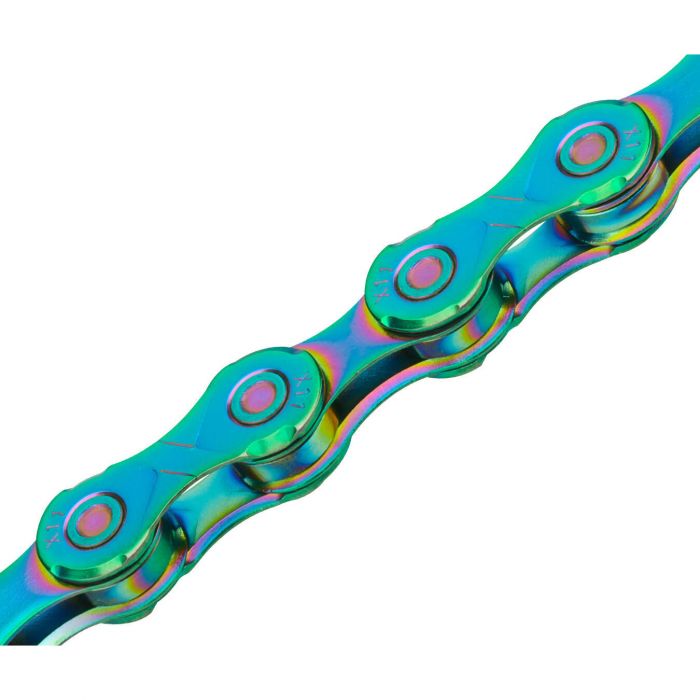
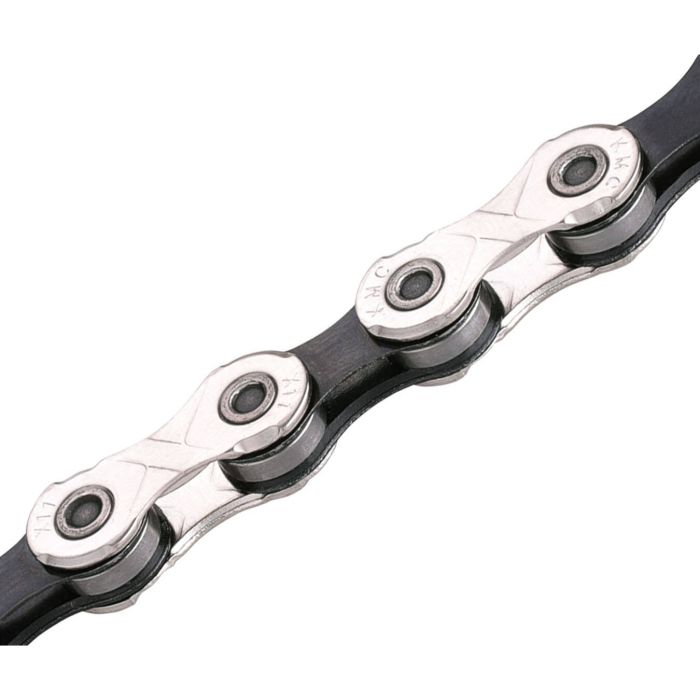
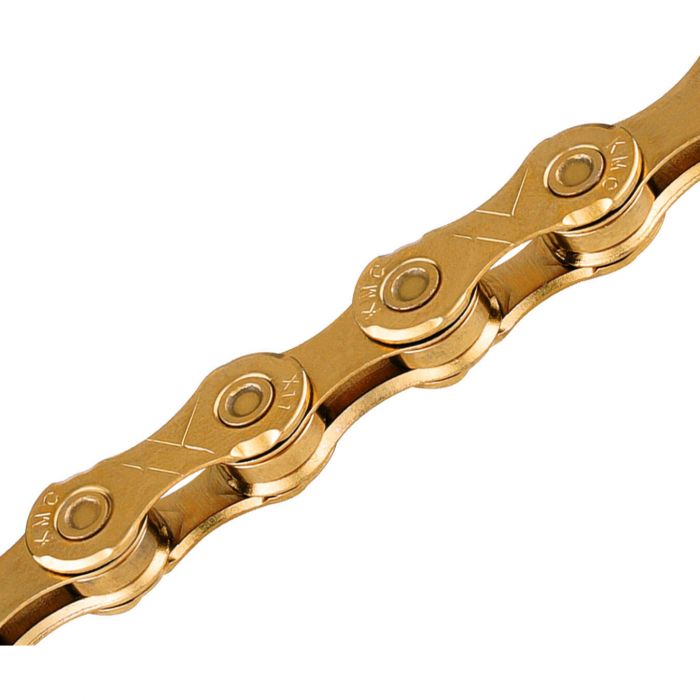
KMC X11 Chain
$53.99 - $91.99 -
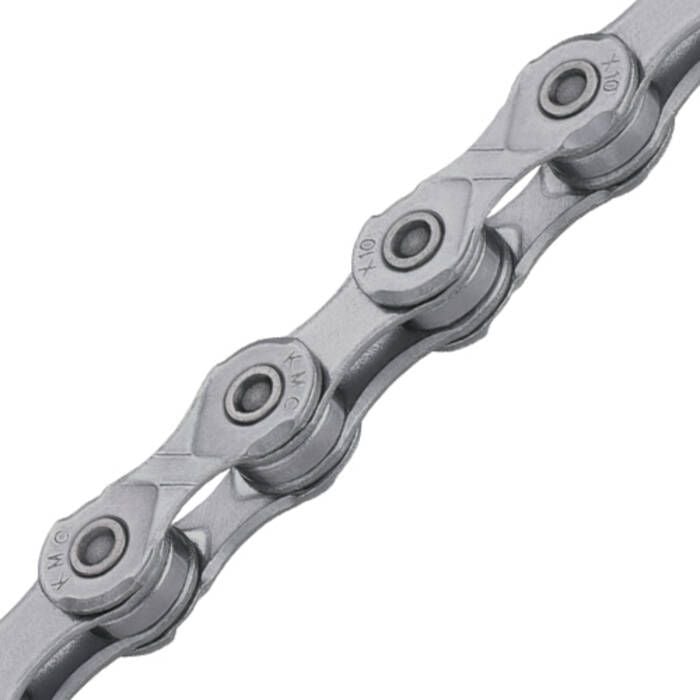
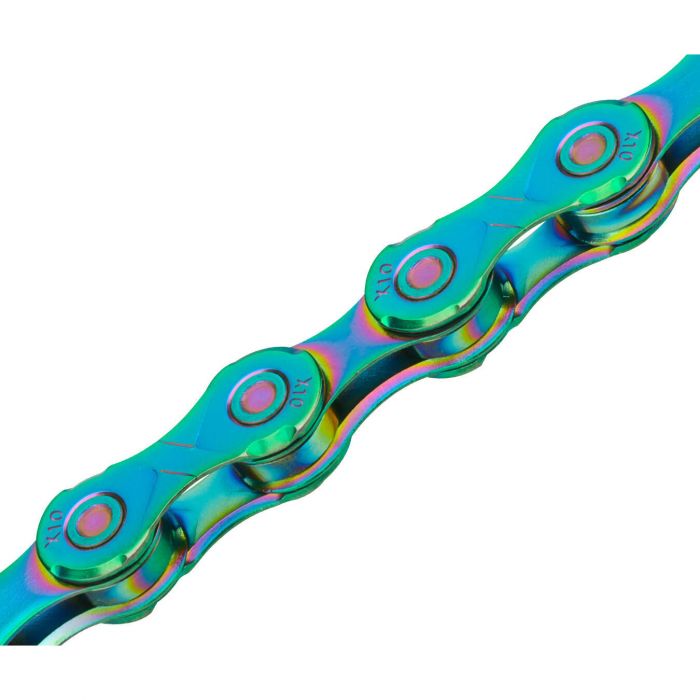
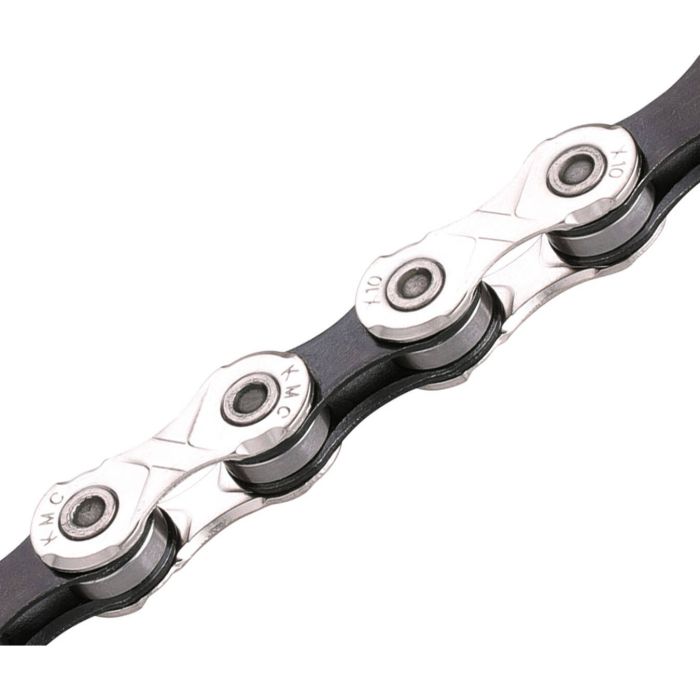
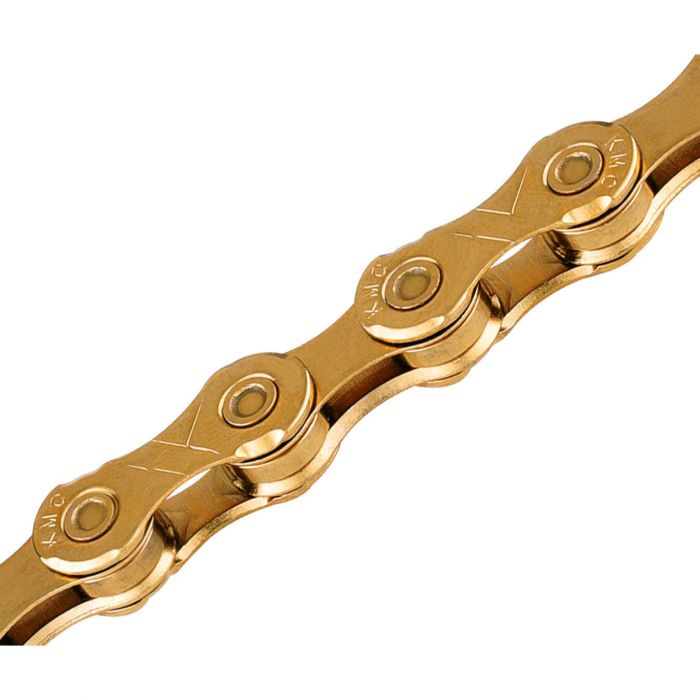
KMC X10 Chain
$32.99 - $76.99 -


Hope Floating 6-Bolt Disc Brake Rotor
$121.99 - $134.99 -
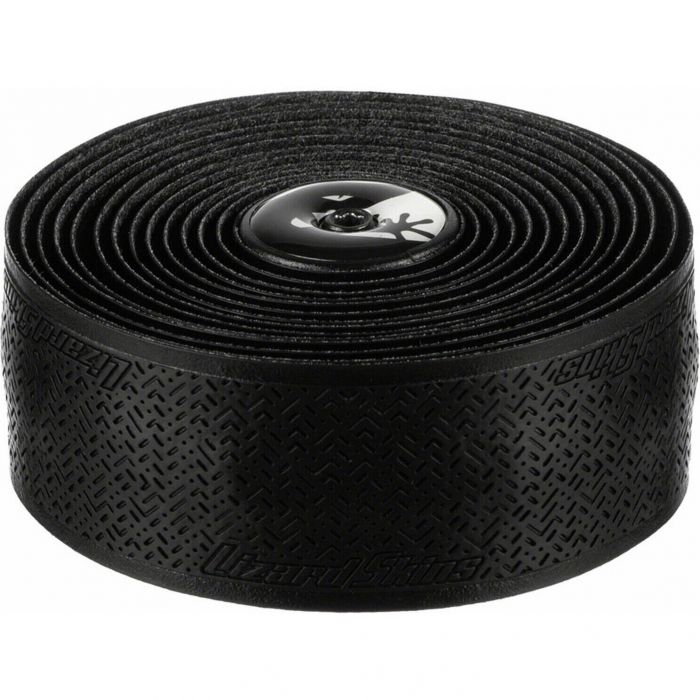
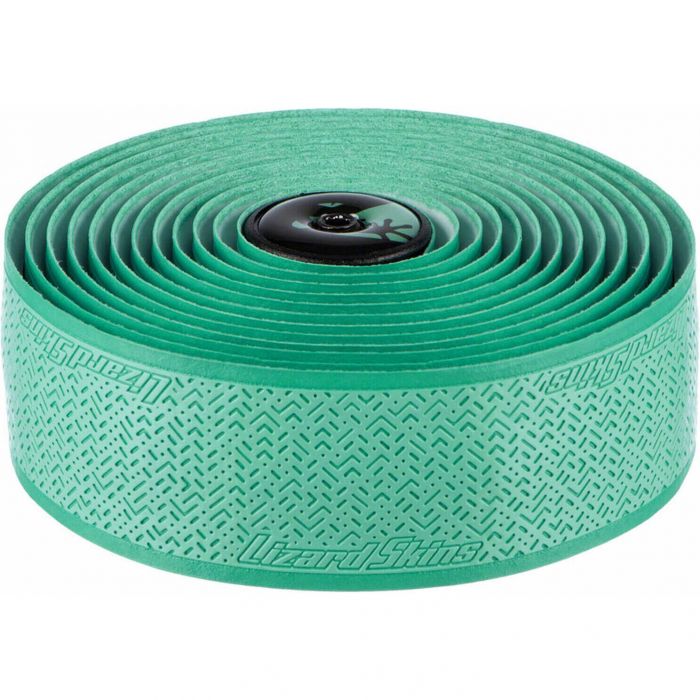
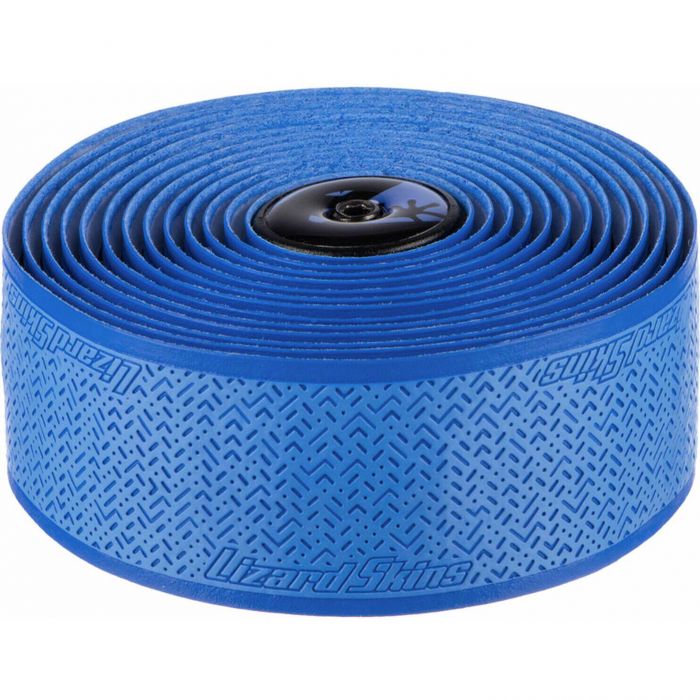
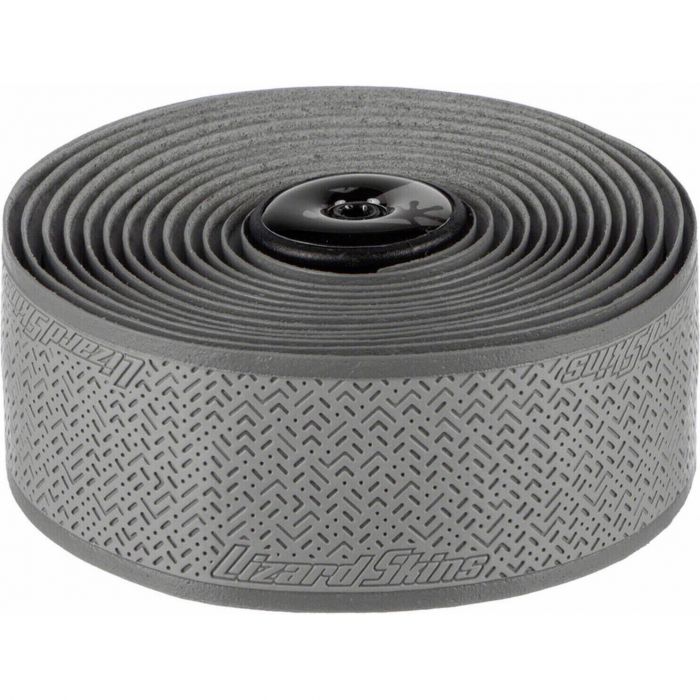
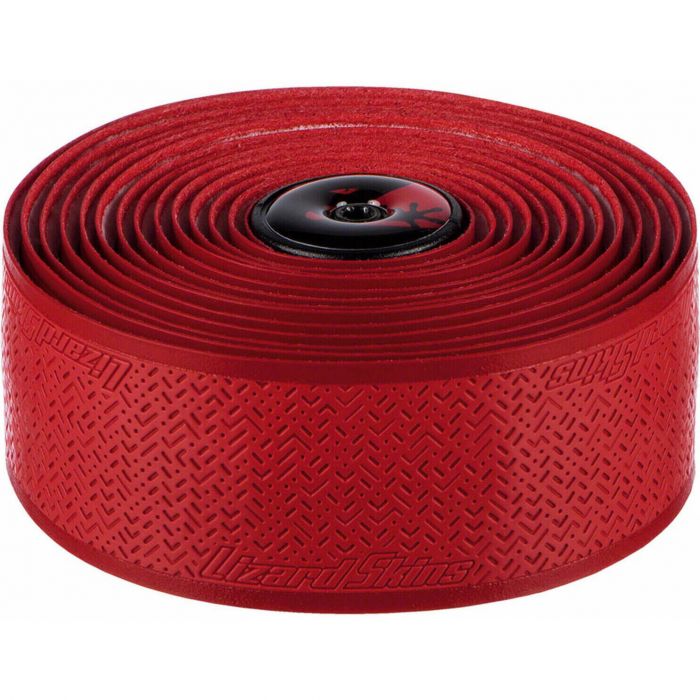
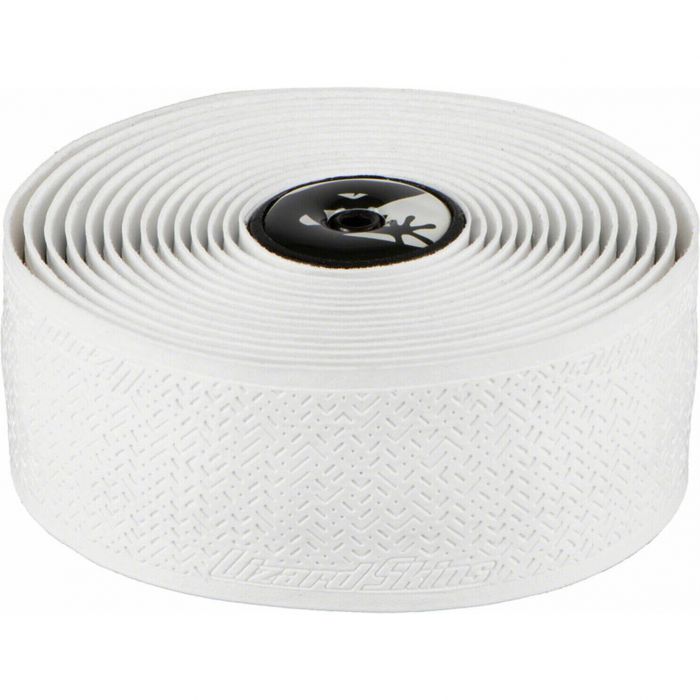
Lizard Skins DSP V2 Bar Tape
$58.99 - $71.99 -

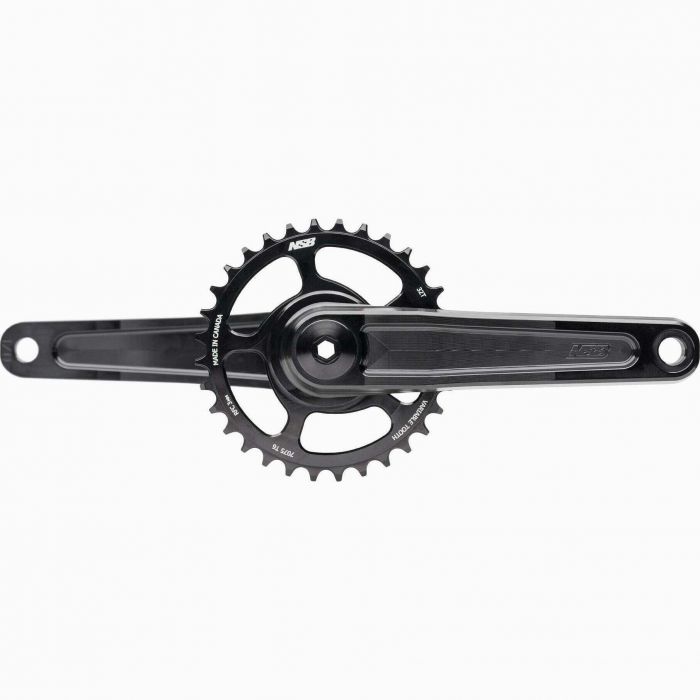

North Shore Billet Talon Crankarms
$462.99 - $565.00 -

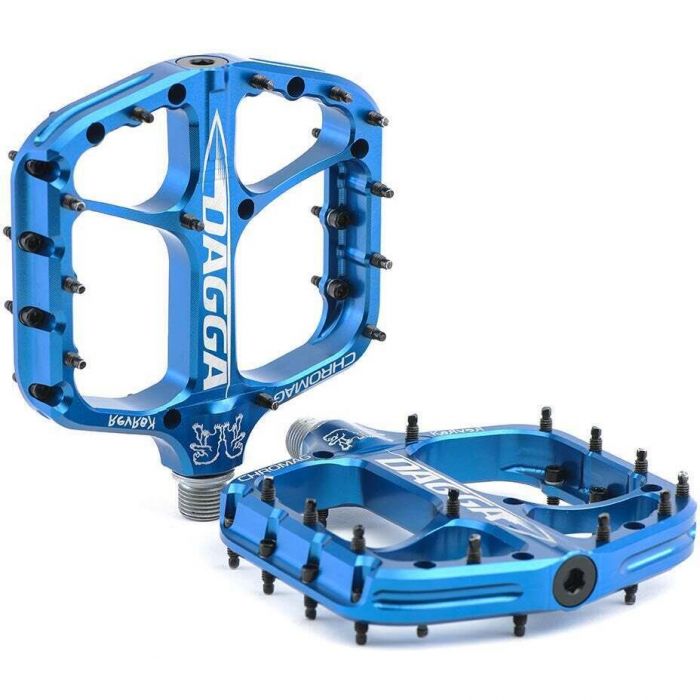

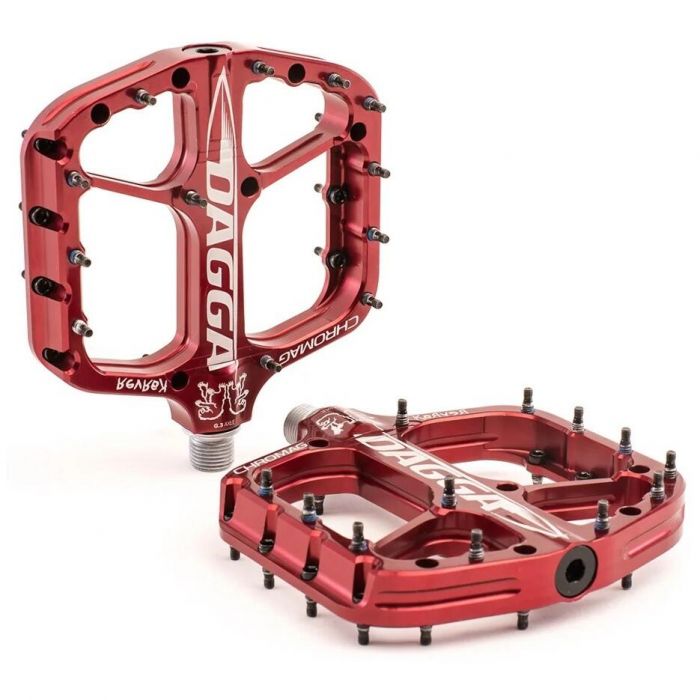

Chromag Dagga MTB Pedals
$230.99 -
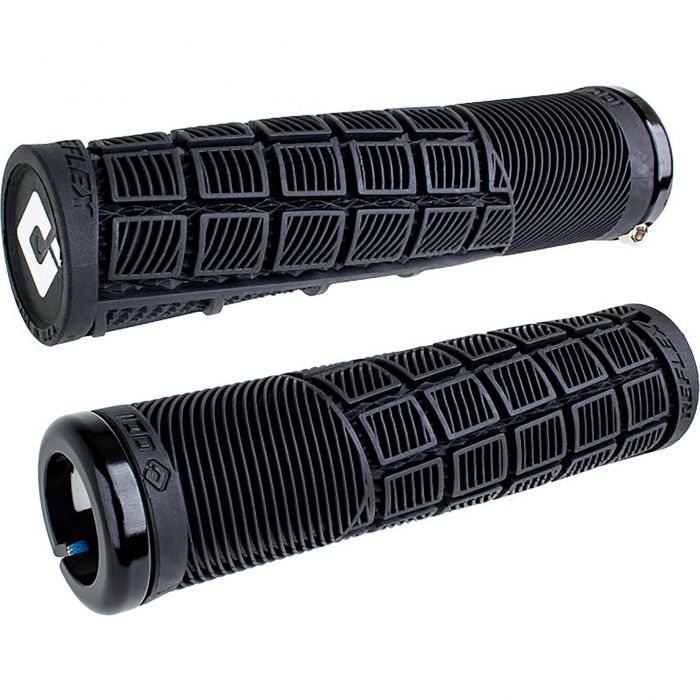
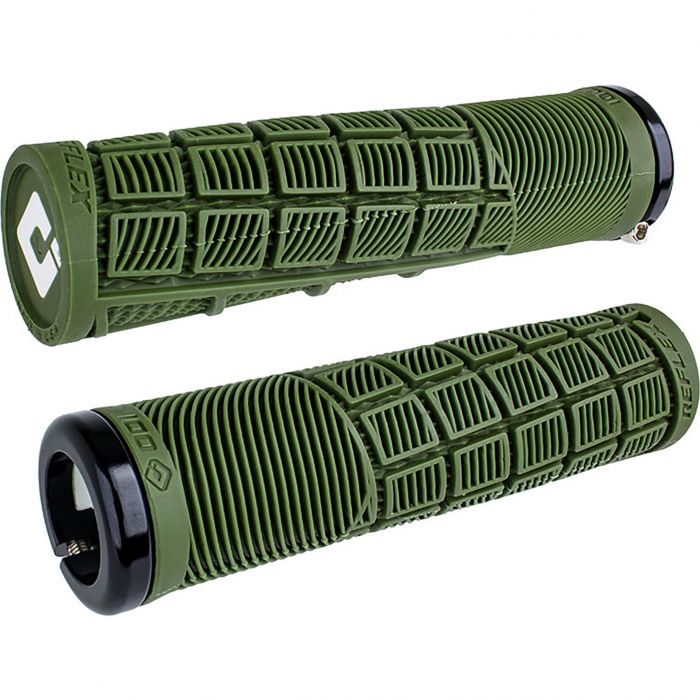
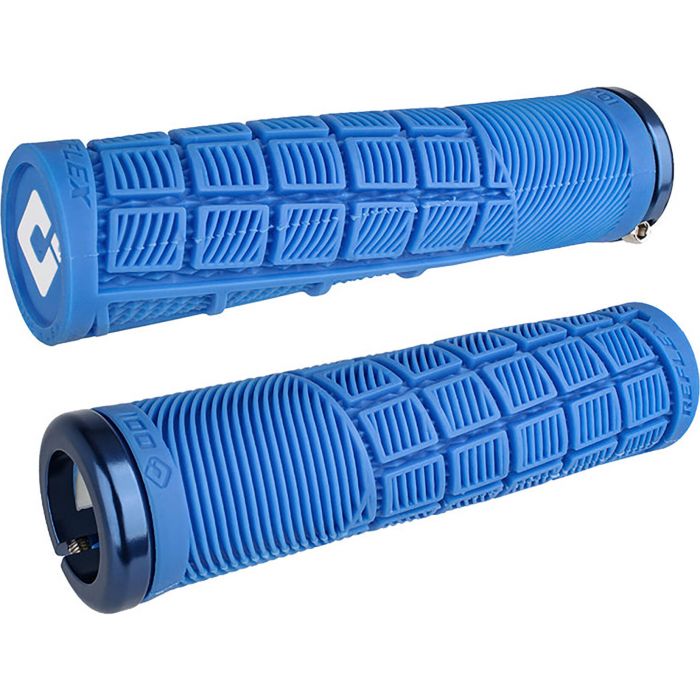


ODI Reflex V2.1 Lock-On MTB Grips
$32.99 -
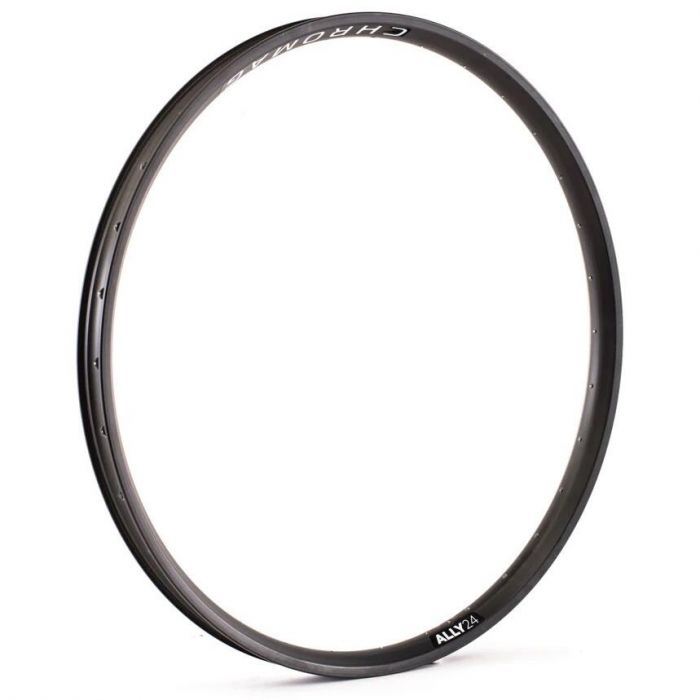
Chromag Ally Rim
$58.99 - $66.99 -
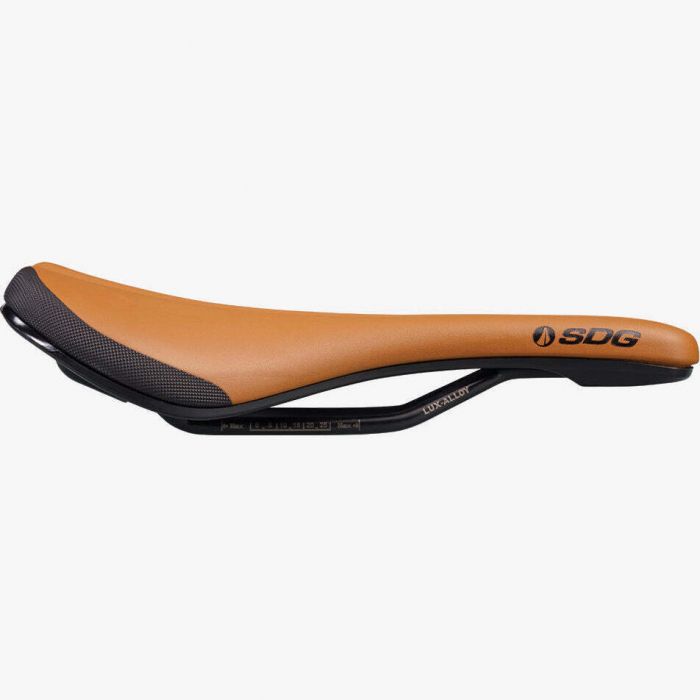

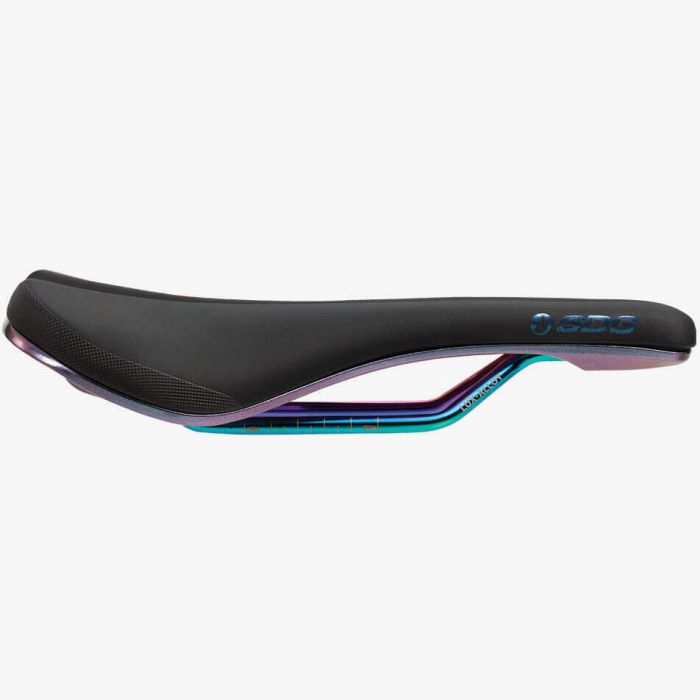
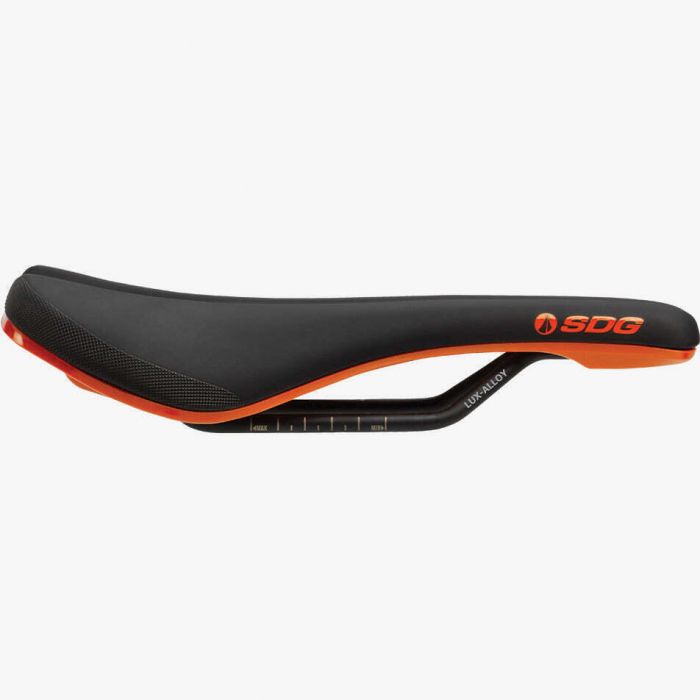
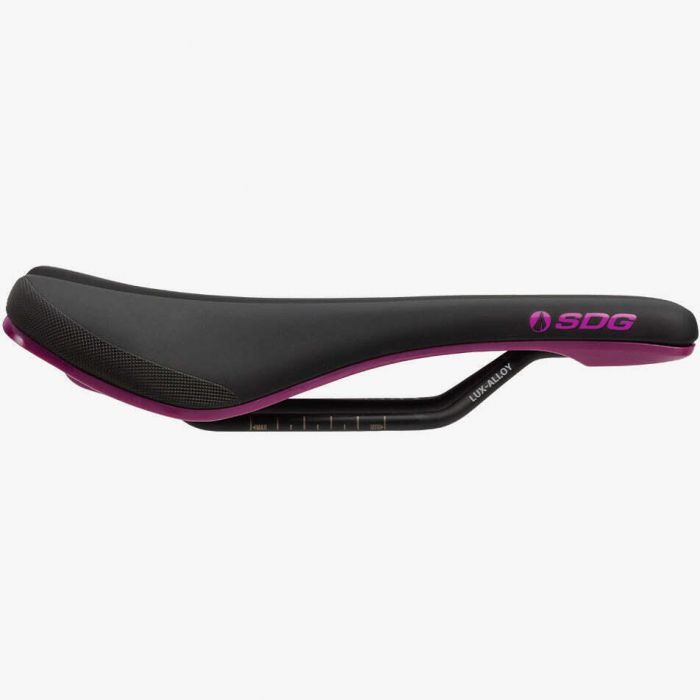
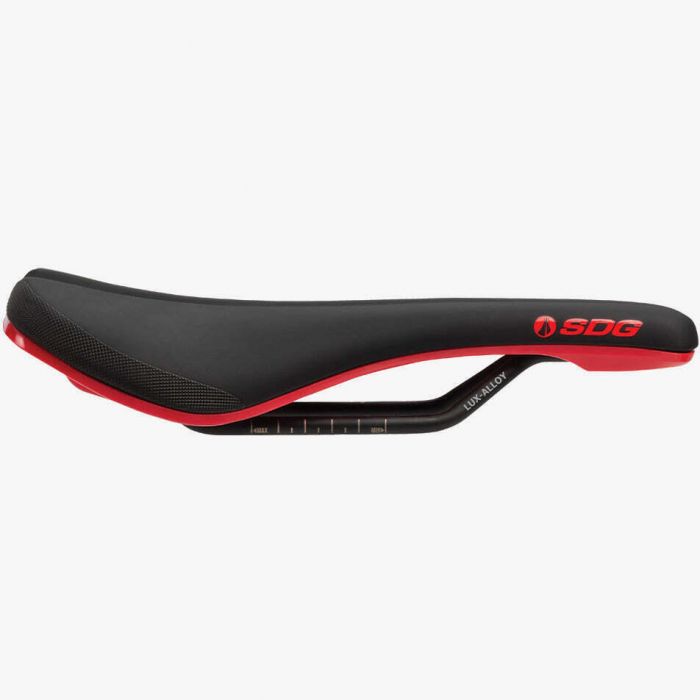
SDG Bel-Air V3 Seat
$93.99 - $139.99 -

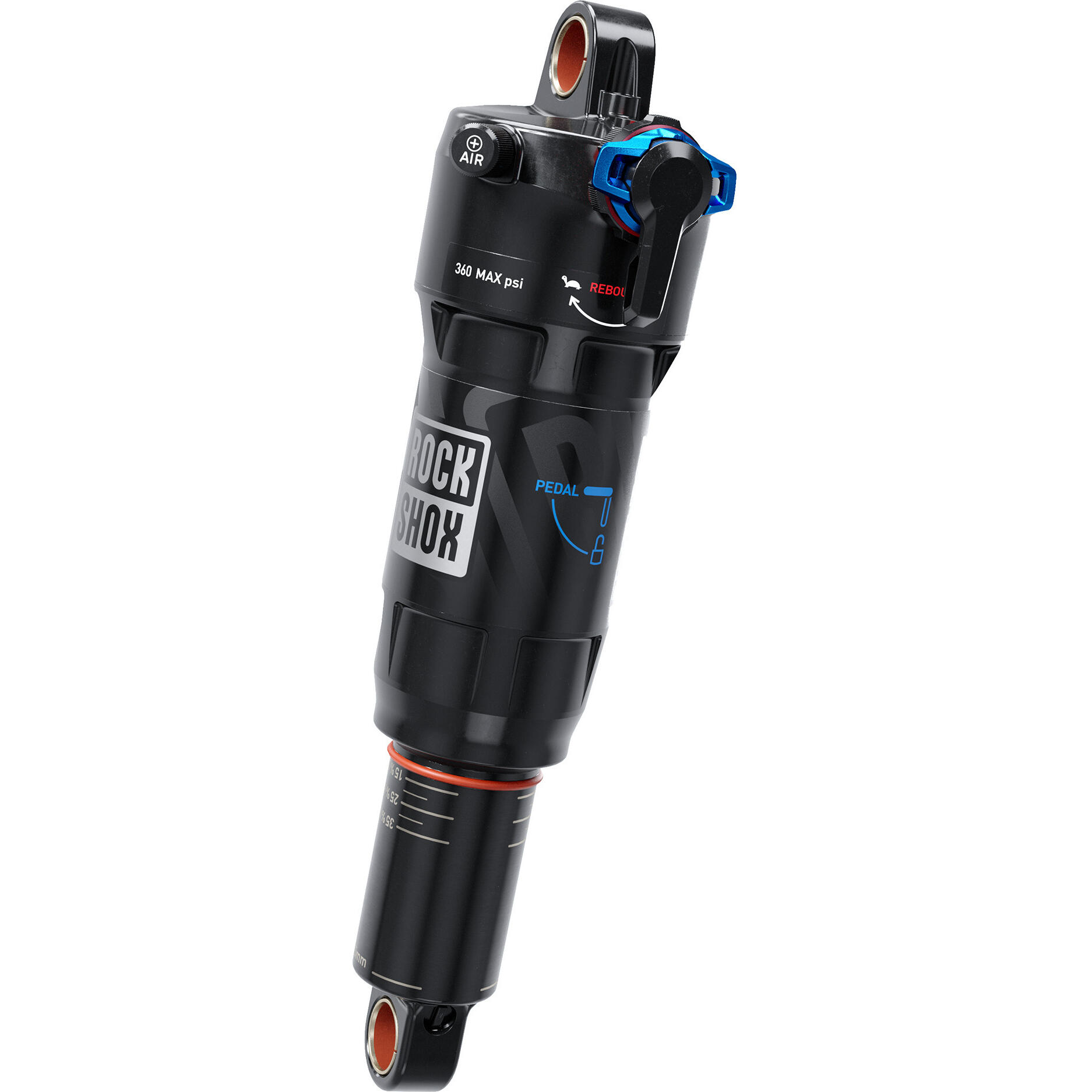
Marzocchi Bomber CR MTB Rear Shock
$399.00
About Parts & Components
Every bike starts with a frame, but the right combination of parts and components determines how it rides. From drivetrains that keep shifting crisp under effort to brakes that stay consistent on singletrack, quality components help you build a setup that matches your terrain, goals, and riding style.
1. Bike Build Types: What to Prioritize
Type | Terrain or workload | Core demands | What matters most |
|---|---|---|---|
Gravity MTB abuse build | Enduro, park, downhill. Long descents, repeated impacts | Heat management, impact resistance, stiffness that does not fold | Brakes (calipers, pads, rotors), fork and shock chassis, wheels and hubs, bars and stems that do not slip, dropper reliability |
Trail and XC efficiency build | Climbs, long rides, punchy efforts | Low drag, precise shifting, predictable handling | Drivetrain range and shift quality (cassette, chain, derailleur), wheel weight and engagement trade-offs, tire and wheel compatibility, cockpit fit for leverage |
All-weather MTB reliability build | Mud, grit, shoulder seasons, frequent rides | Sealing, wear resistance, quiet function | Consumables (chain, cassette, pads), bearings (bottom bracket, headset), rotors, cables and housings, anything that keeps contamination out |
Road endurance and performance build | Pavement miles, sustained speed, long climbs | Efficiency, stable braking, comfort over hours | Drivetrain gearing and steps (often 2x), wheel stiffness and aero trade-offs, brake consistency (disc setup quality matters), contact points (saddle, bar shape, hood position) |
Gravel and mixed-surface durability build | Washboard, loose climbs, long remote rides | Durability, tire clearance, traction, field-serviceable choices | Wheels and tires first (width, casing, tubeless reliability), gearing range (often wider than road), brakes (modulation in loose terrain), sealing against dust |
2. Bike Part Safety Standards & Certifications
- ISO 4210 is the main umbrella safety standard for bicycles and sub assemblies. Use it as a baseline for normal use, not as proof a part is ideal for hard charging.
- For brakes, cockpit parts, wheels, and seatposts, the real safety line is correct compatibility and correct torque. A strong part installed wrong still fails.
3. Key Component Features & Trade-Offs
| Feature | Benefit | Downside |
|---|---|---|
| Larger brake rotors | More leverage and cooling | More weight, more strike risk, can overwhelm weak tires and fork chassis |
| Metallic pads vs organic pads | Better wet performance and heat tolerance | More noise, more rotor wear, less bite consistency when cold |
| Wider range cassettes | More climbing gears without walking | Bigger jumps between gears, higher chain wear if shifting under load |
| Higher end chains | Better shift quality and life | Still dies fast in grit if ignored |
| More suspension adjustability | Better tuning for traction and support | More ways to be wrong and more maintenance |
| Carbon vs alloy rims | Stiff, precise handling | Harsher feel for some riders, damage can be less obvious |
| Higher wheel hub engagement | Faster power pickup in tech climbs | More drag and noise in some designs, more tiny parts to service |
| Dropper post travel | More room to move on steep terrain | More insertion depth and fit issues, more service needs over time |
| Bar width and rise | Control and stability | Too wide hurts shoulders and trees. Too low loads wrists and front end |
4. Fit, Sizing & Compatibility Checklist
- Wheels: Match wheel size and axle standards. Boost spacing is common, but not universal. Check front and rear axle type and spacing before you buy hubs or wheelsets.
- Rotors: Confirm rotor attachment (6 bolt vs Center Lock) and rotor diameter your fork and frame are rated to accept.
- Drivetrain: Freehub drivers are not universal (HG vs XD vs Micro Spline). Chain, cassette, and derailleur speed counts need to agree.
- Bottom brackets: Shell standard matters (threaded vs press fit variants). “Close enough” becomes creaks, bearing death, or both.
- Cockpit: Bar clamp diameter (commonly 31.8 or 35) must match the stem. Bar width should match your shoulders and your local tree density.
- Seatposts and droppers: Diameter must match your frame. Insertion depth often matters more than advertised travel.
- Pedals and cleats: Flats are simple. Clipless adds compatibility between pedals and cleats, plus knee setup consequences if you guess.
5. Care, Maintenance & Component Lifespan
- Chains and cassettes: Measure chain wear. Replace early if you want cassettes to last. Drivetrain parts tend to wear as a system, not as individuals.
- Brakes: Inspect pad thickness and rotor condition. Bleed hydraulics when lever feel degrades.
- Suspension: Service intervals matter because dirty oil turns expensive damping into gritty disappointment. Wipers and seals are wear items.
- Wheels: Check spoke tension periodically, especially after hard hits. Small changes become cracked rims if ignored.
- Bearings and pivots: Grit and pressure washing kill them fast. Clean gently, keep seals intact, replace before play becomes damage.
- Torque: Many failures are just over tightening or under tightening. Use a torque wrench where the bike maker tells you to.