








































Brakes
-

SRAM HS2 Disc Brake Rotor
$75.99 - $95.99 -


TRP EVO PRO MTB Hydraulic Disc Brake and Lever
$407.99 - $420.99 -
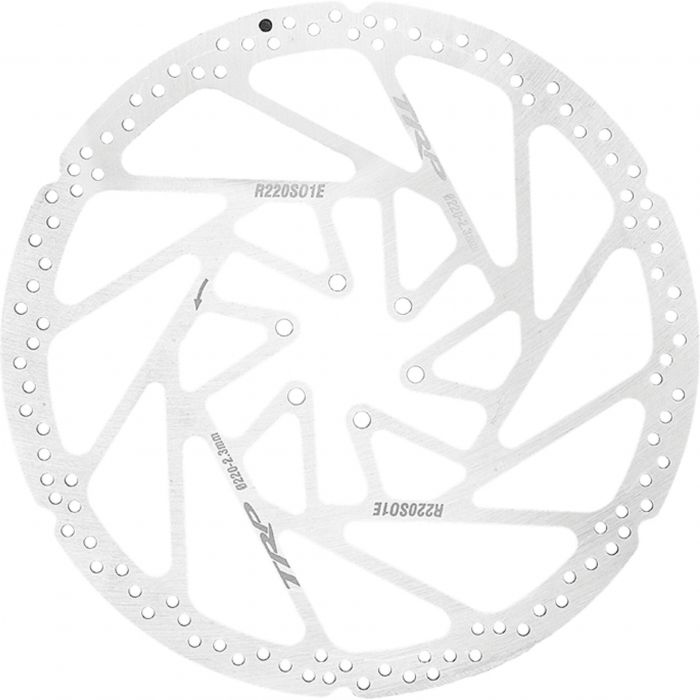
TRP RS01E Disc Brake Rotor
$56.99 - $66.99 -
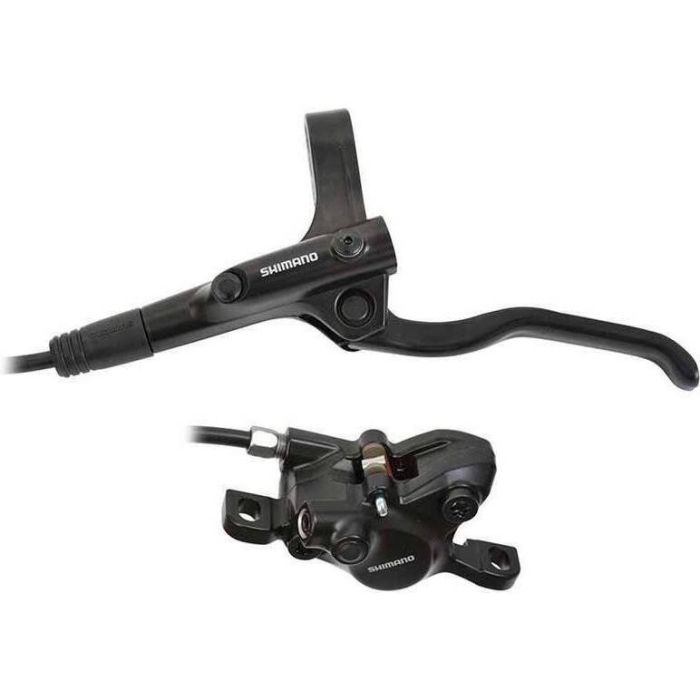
Shimano Alivio BL-MT200/BR-MT200 Brake Lever/Caliper
$56.99 -
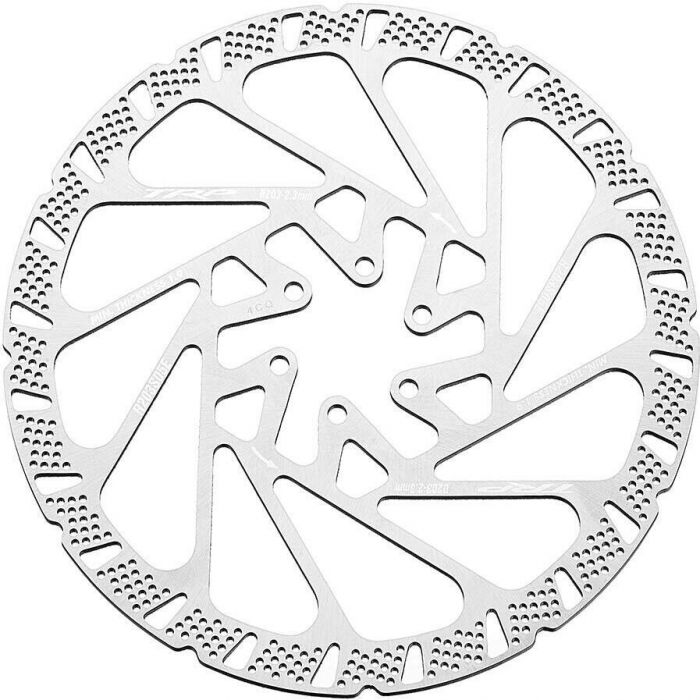
TRP S05E Race Disc Brake Rotor
$92.99 - $98.99 -

SRAM Centerline A2 Disc Brake Rotor - 2024
$70.99 - $84.99 -


Hope Floating 6-Bolt Disc Brake Rotor
$121.99 - $134.99 -
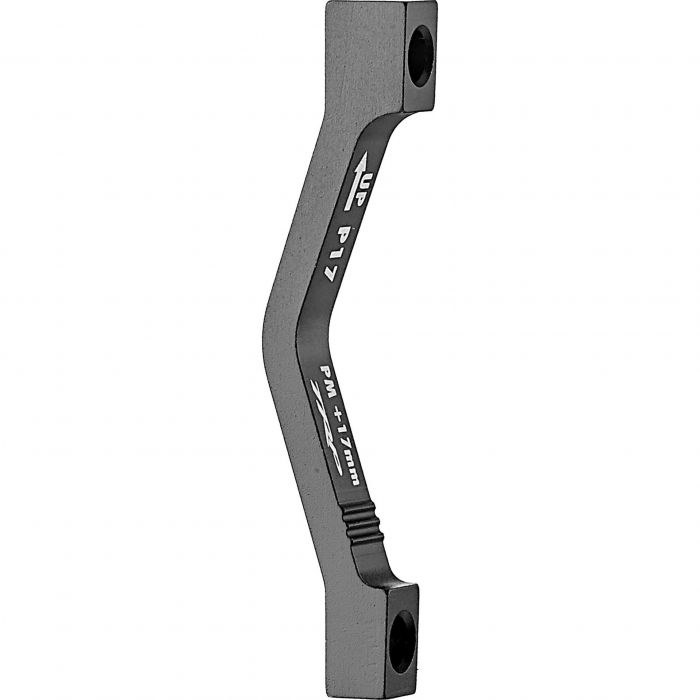
TRP Post Mount Disc Brake Adapters
$16.01 -
 35% off

TRP DH-R EVO MTB Post Mount Hydraulic Disc Brake with Lever
$303.99 - $524.99$303.99 - $340.99 -
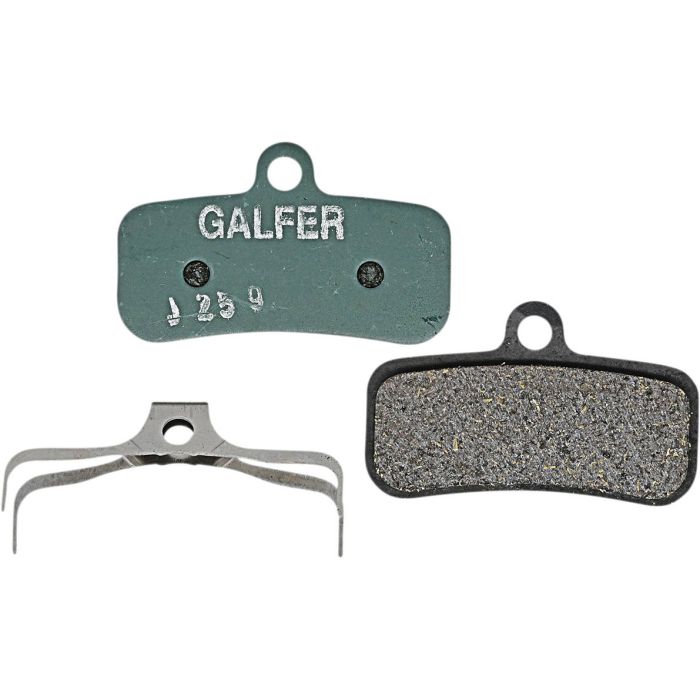
Galfer Shimano/TRP/Tektro Brake Pads - Pro Compound - BFD426G1554
$62.99 -

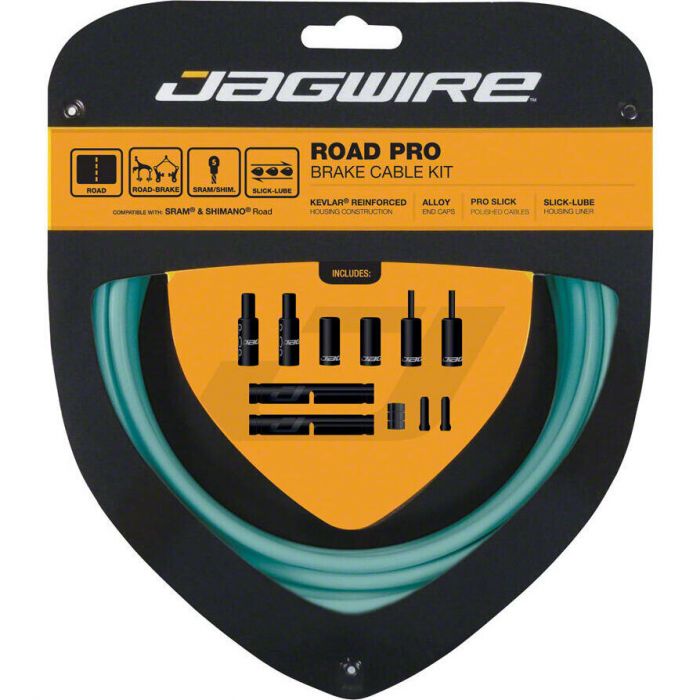
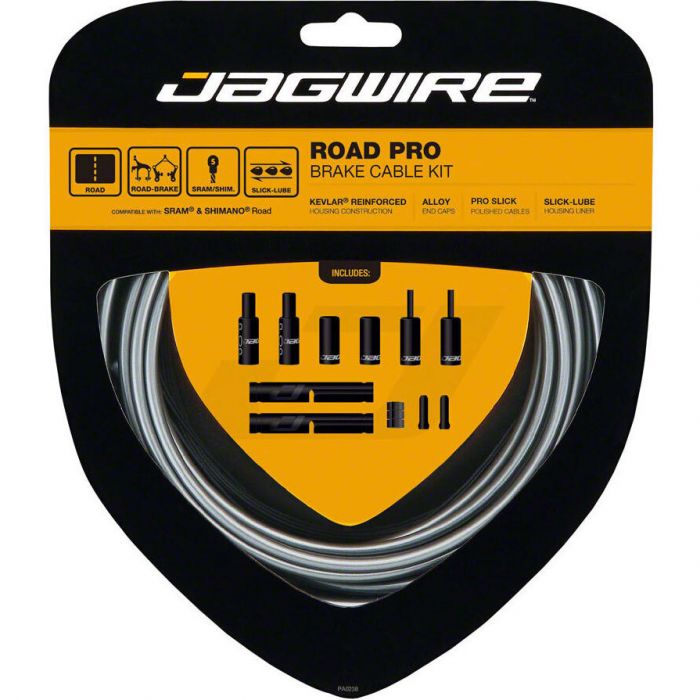
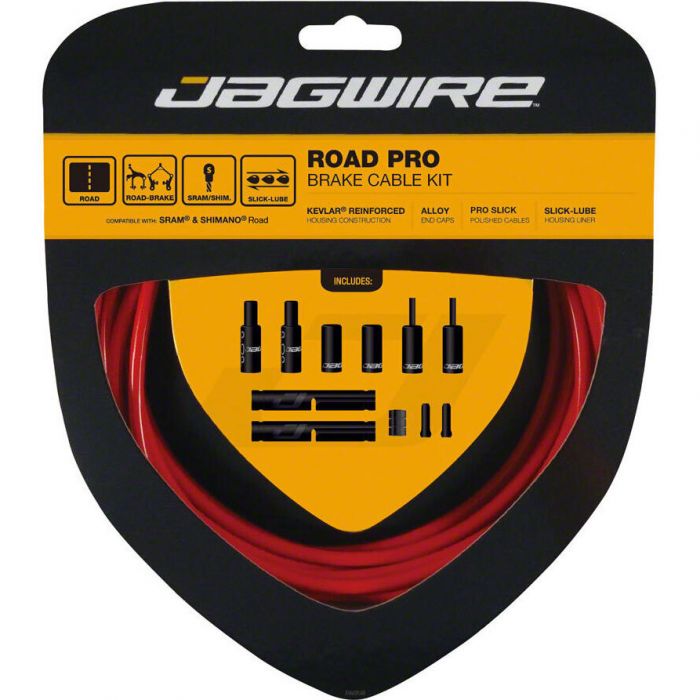
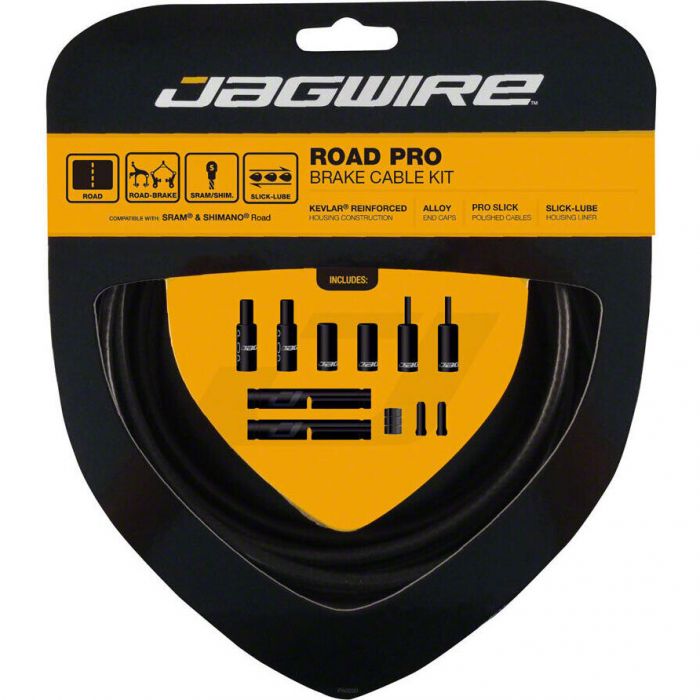
Jagwire Road Pro Brake Cable Kit
$36.99 - $37.99 -
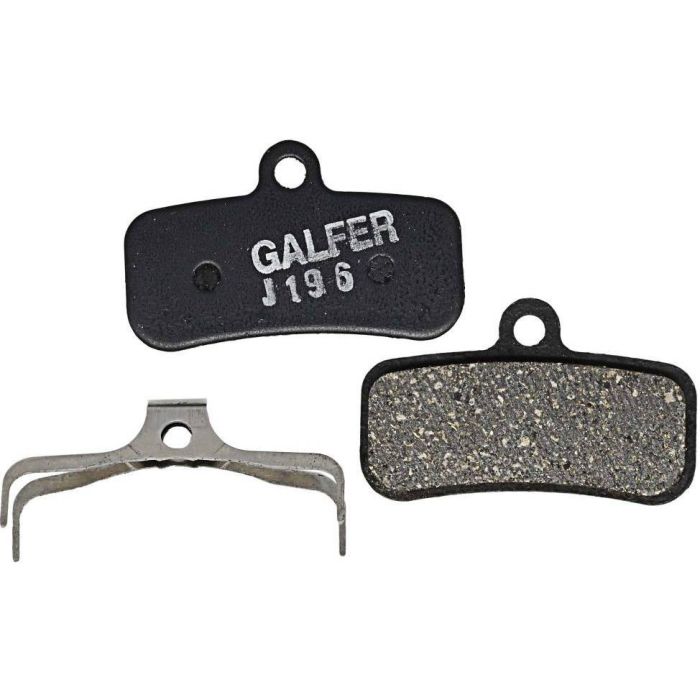
Galfer Shimano/TRP/Tektro Brake Pads - Standard Compound - BFD426G1053
$27.99 -

SRAM Code Disc Brake Pads
$39.99 - $49.99 -

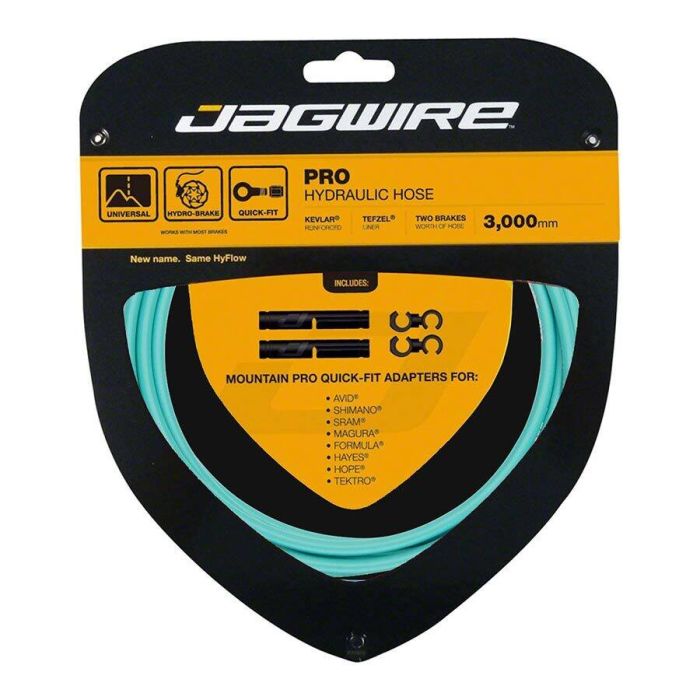
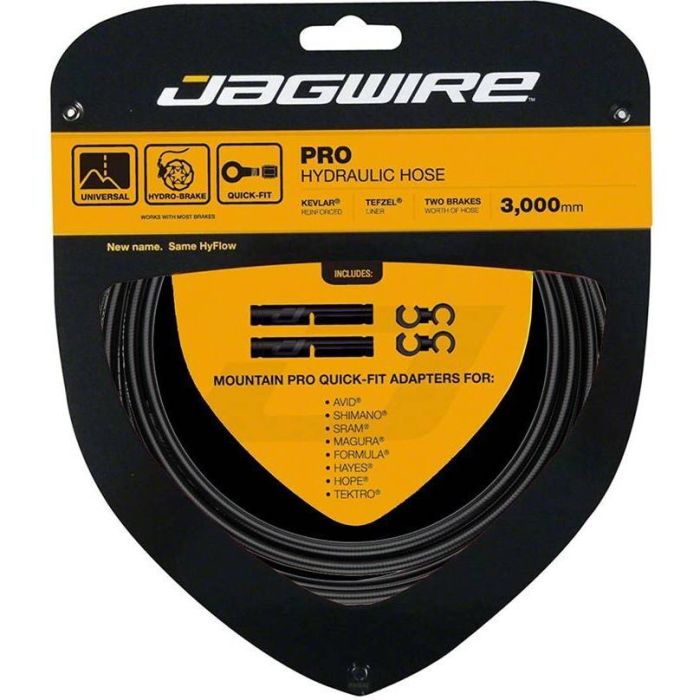
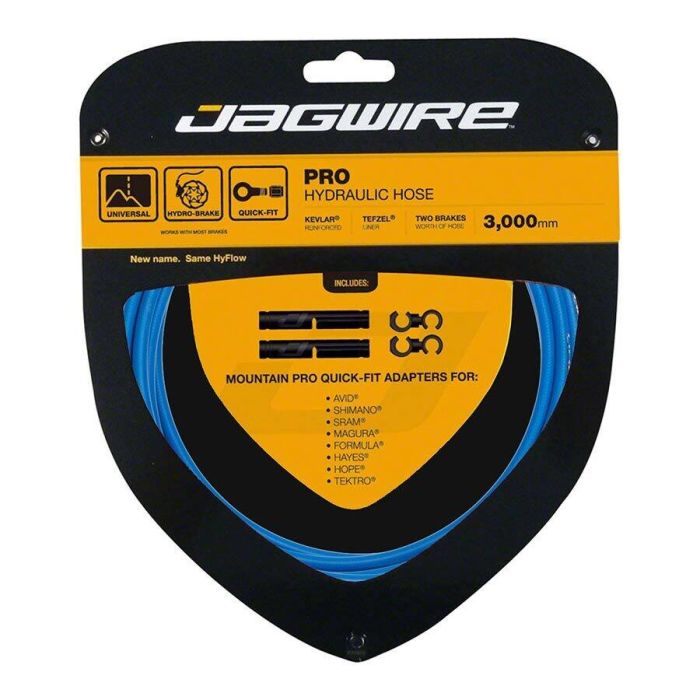
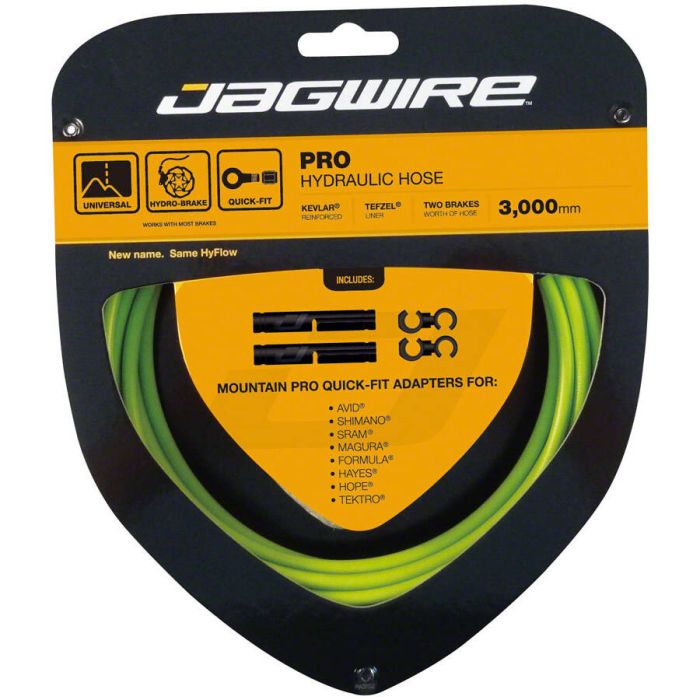
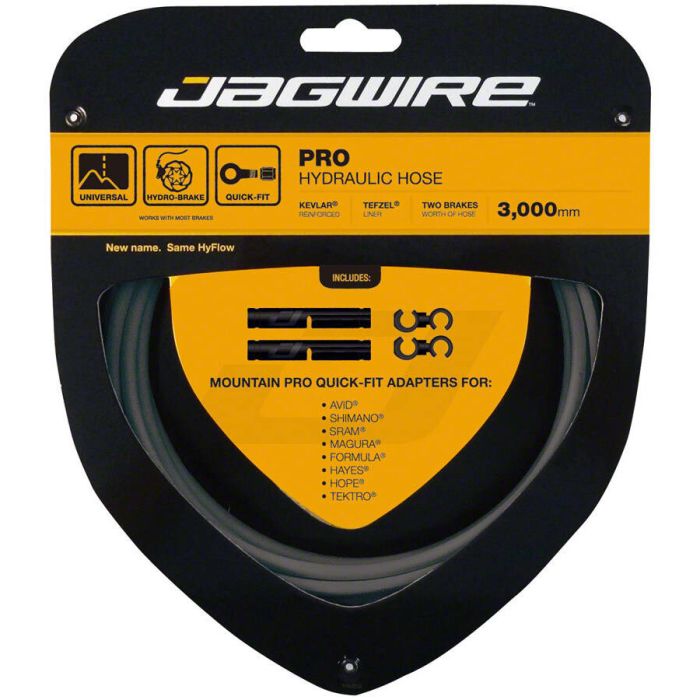
Jagwire Pro Hydraulic Hose
$57.99 - $59.99 -

Galfer Wave 203 mm MTB Brake Rotor
$84.99 - $98.99 -

Galfer Avid Code R, SRAM Code R/RS/Guide-RE Brake Pads - E-Bike Compound - BFD455G1652
$46.99 -
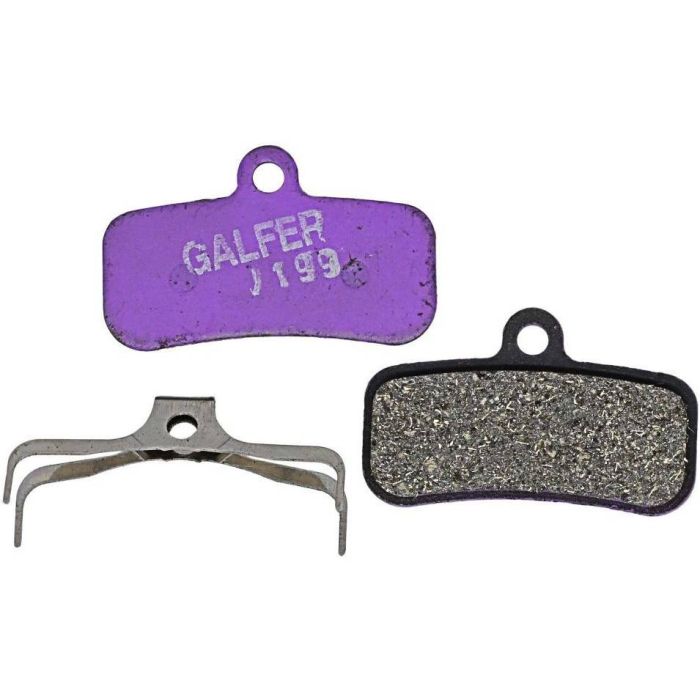
Galfer Shimano/TRP/Tektro Brake Pads - E-Bike Compound - BFD426G1652
$46.99 -
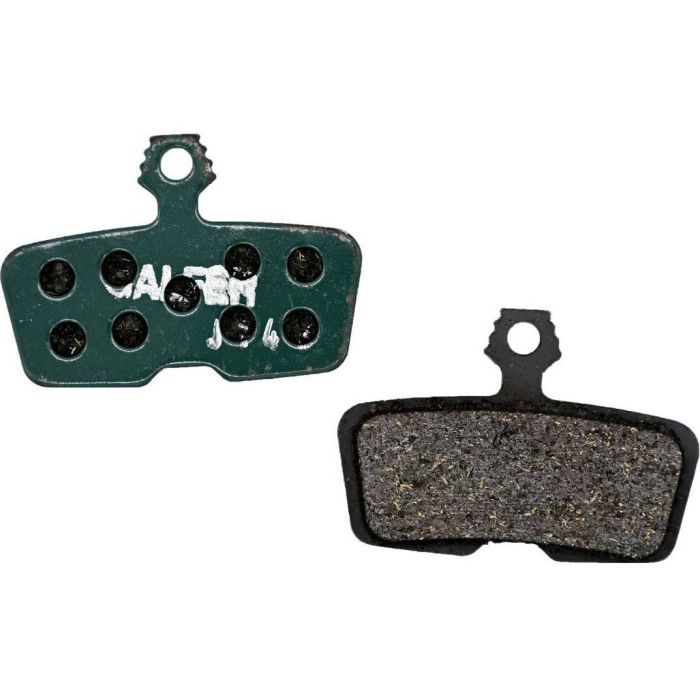
Galfer Avid Code R, SRAM Code R/RS/Guide-RE Brake Pads - Pro Compound - BFD455G1554
$62.99 -
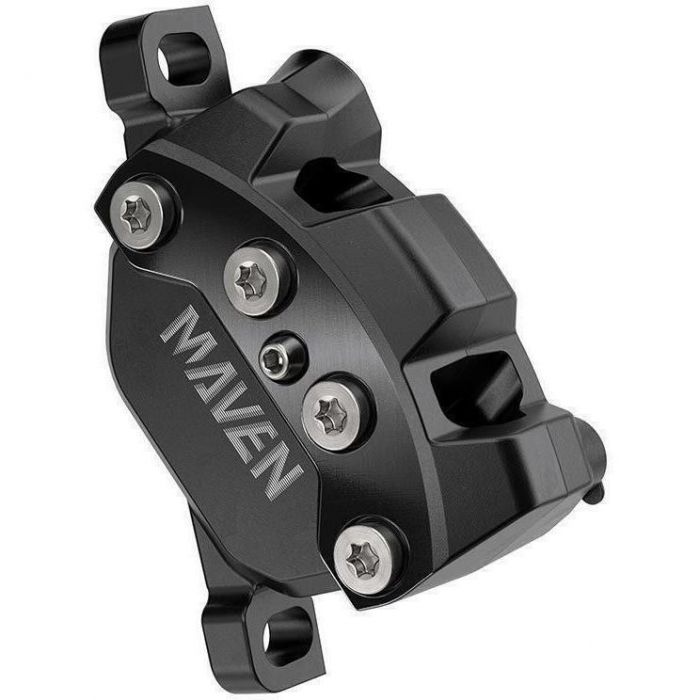
SRAM Maven Silver Disc Brake Caliper Assembly - 11.5018.056.026
$163.99 -
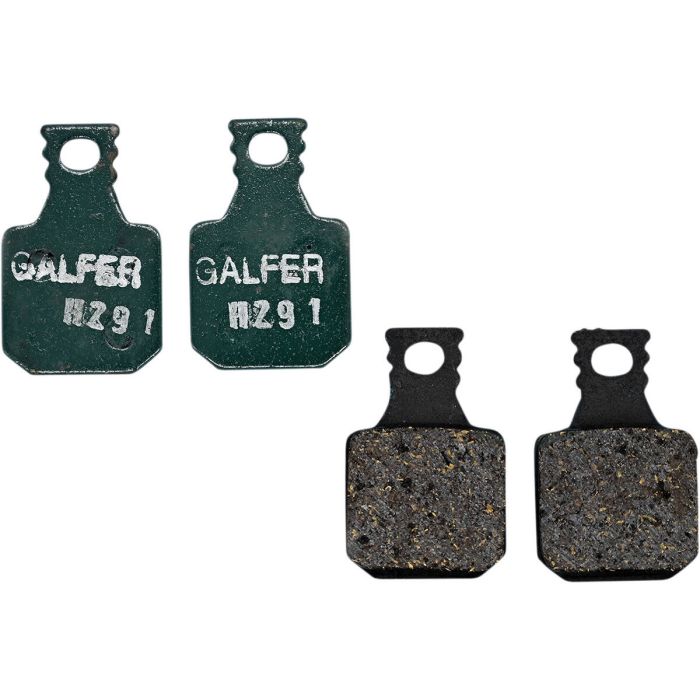 30% off
Galfer Magura MT5/MT7 Brake Pads - Pro Compound - BFD487G1554
$58.99$40.99 -

Shimano Post Mount Caliper Mounting Adapter
$14.61 - $17.18 -


Hope Disc Brake Mount Adapter
$42.99 - $46.99 -
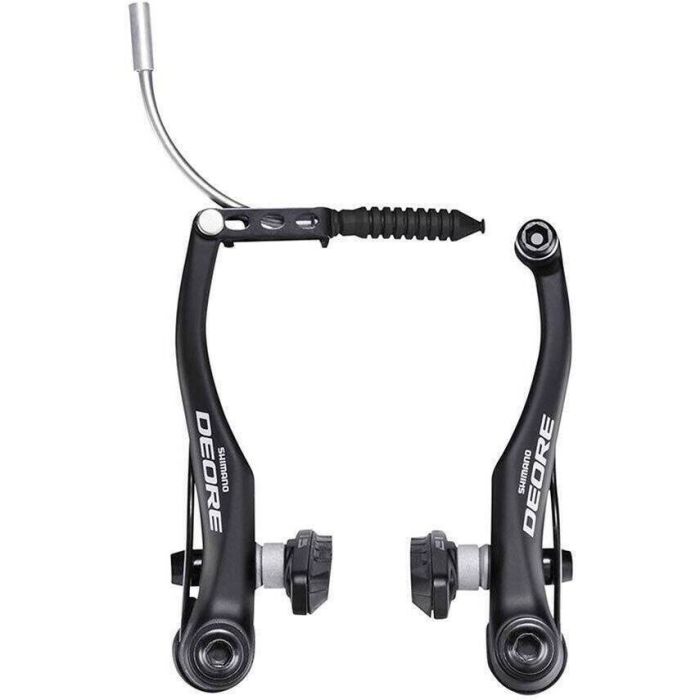
Shimano Deore BR-T610 Cantilever Brake
$44.99 -

SRAM Level/Elixir/2-Piece Road Disc Brake Pads
$36.99 - $43.99 -
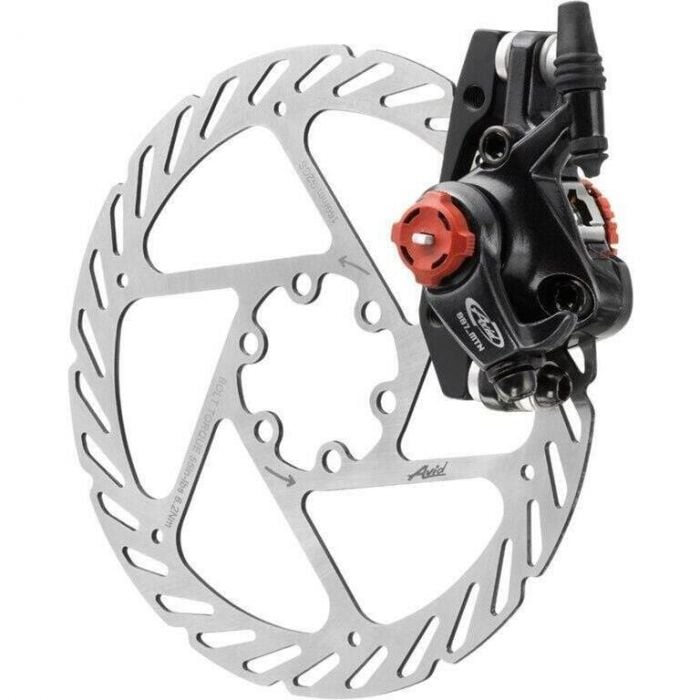
Avid BB7 MTB Mechanical Disc Brake
$91.99 - $147.99 -

Shimano B05S-RX B-Type Resin/Steel Disc Brake Pads - EBPB05SRXA
$13.78 -
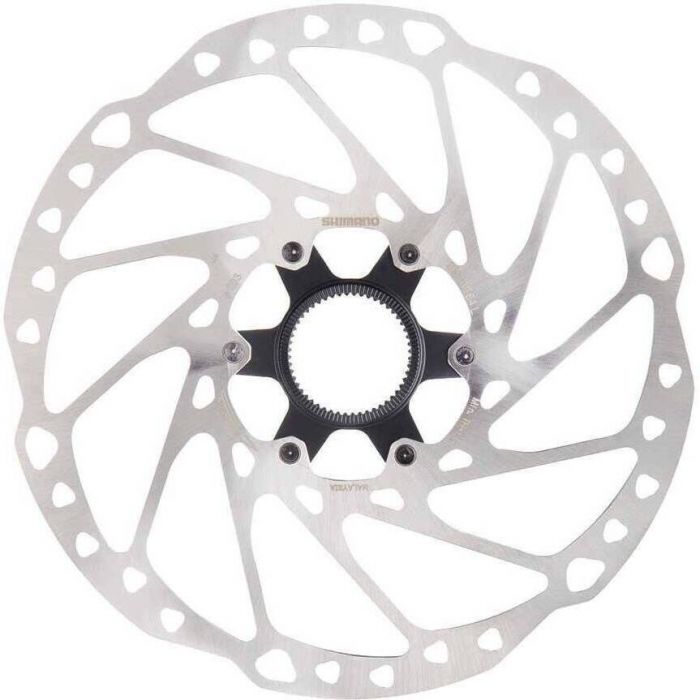
Shimano Deore SM-RT64 Disc Rotor
$54.99 - $73.99 -

SRAM Disc Brake Service Kit - Gen2 Guide RSC/Ultimate/Code RSC - 11.5018.005.010
$60.99 -
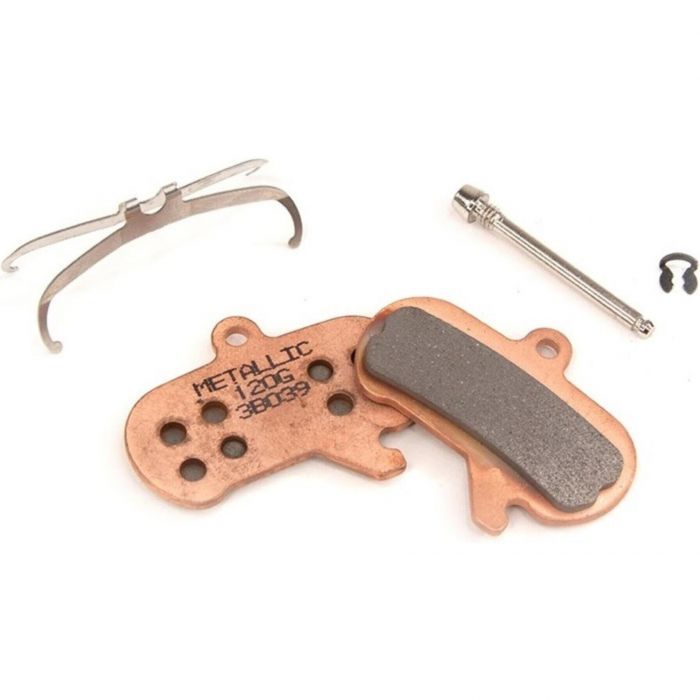
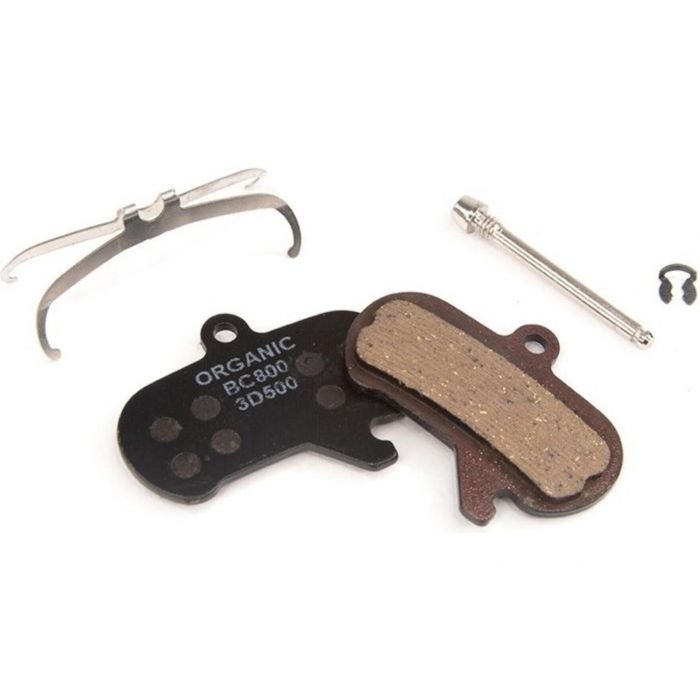
SRAM Maven XL Disc Brake Pads
$39.99 -
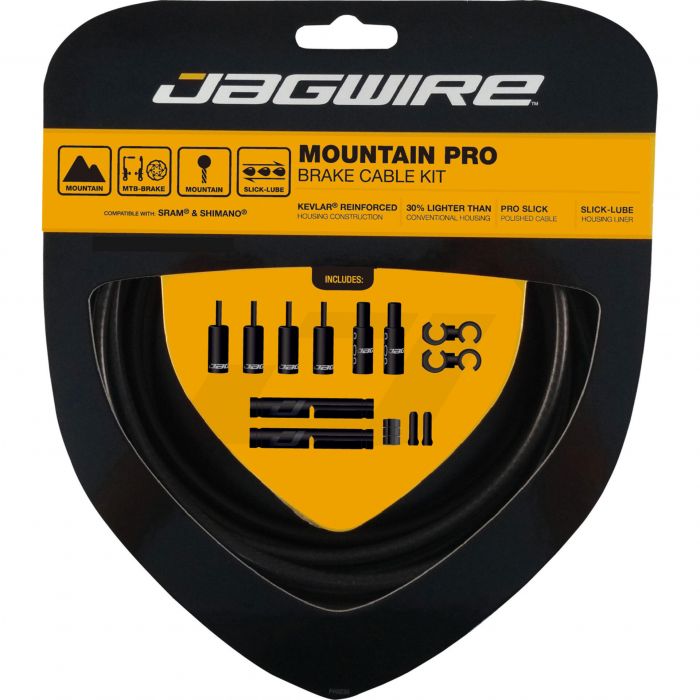
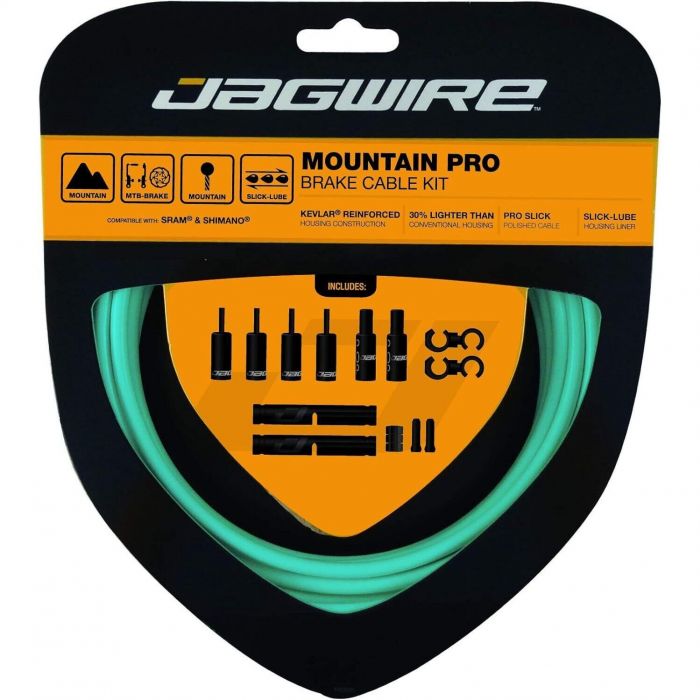
Jagwire Mountain Pro Brake Cable Kit
$36.99 -
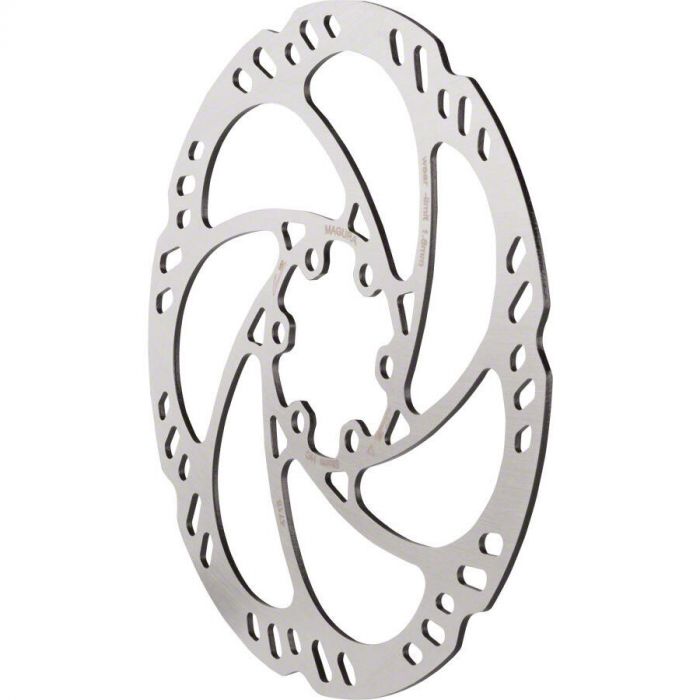
Magura Storm HC Disc Brake Rotor
$66.99 -

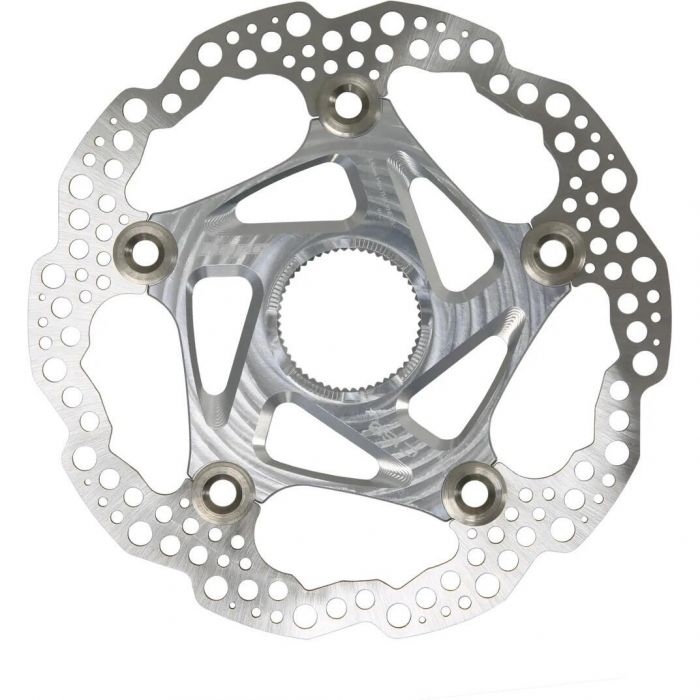
Hope Floating Center Lock Disc Brake Rotor
$170.99 - $189.99 -
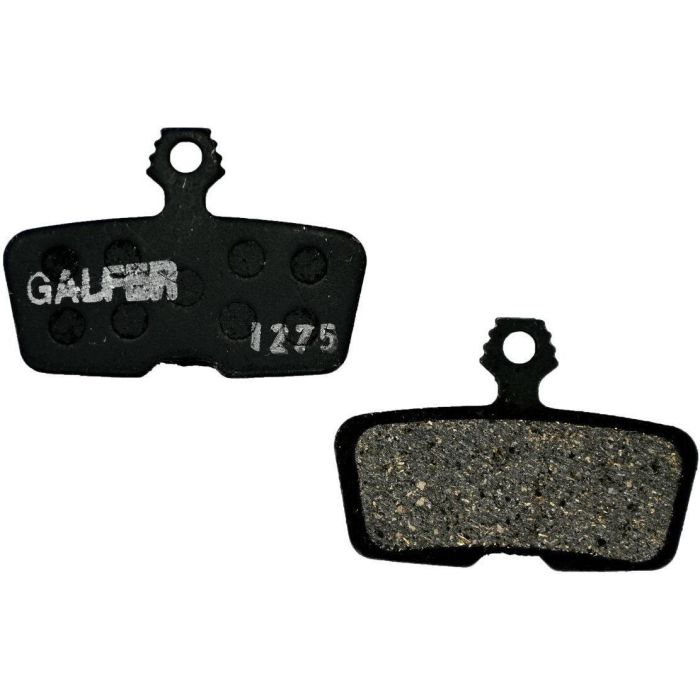
Galfer Avid Code R, SRAM Code R/RS/Guide-RE Brake Pads - Standard Compound - BFD455G1053
$27.99 -
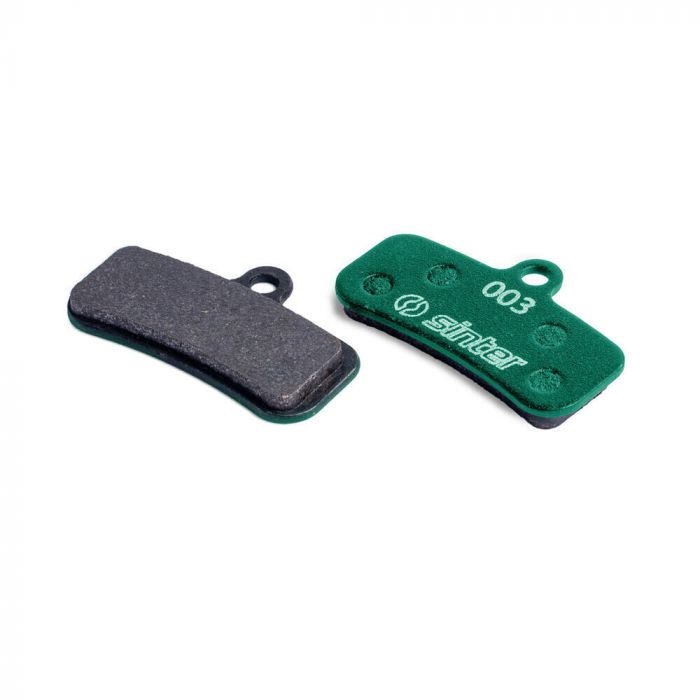
Sinter Shimano D Green s2032 Organic Disc Brake Pads - 73-003-063-7
$35.99 -
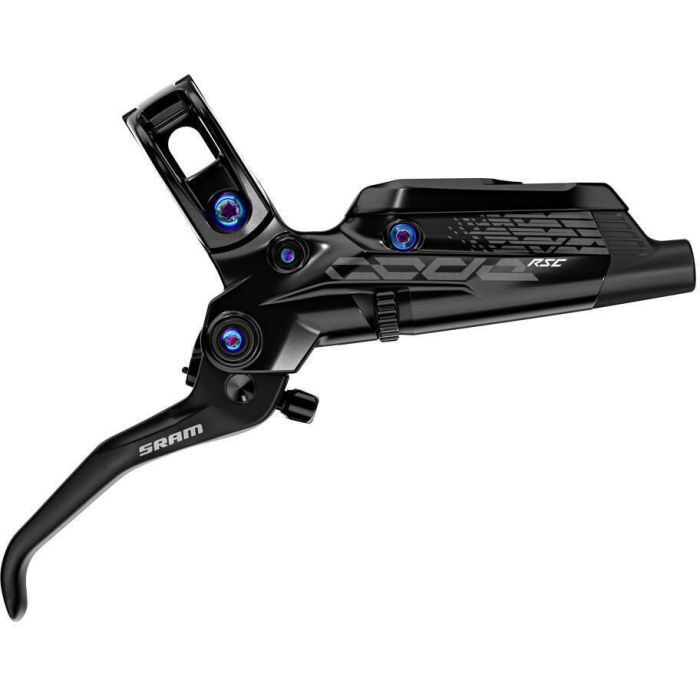
SRAM Code RSC Hydraulic Disc Brake
$251.99 - $286.99 -
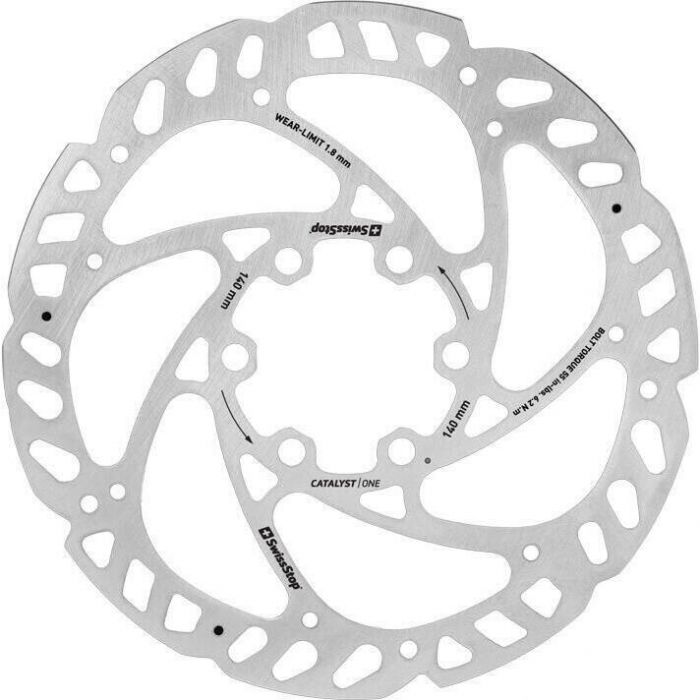
SwissStop Catalyst One Disc Brake Rotor
$59.99 - $80.99 -
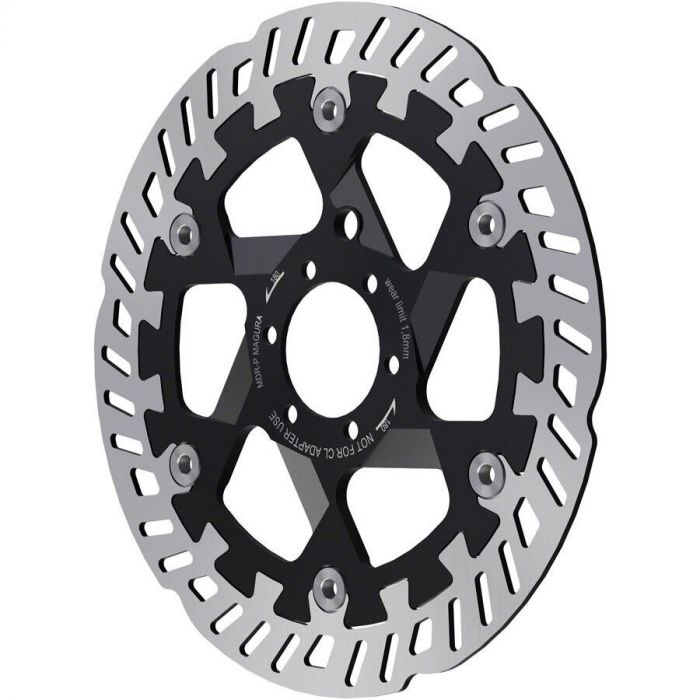
Magura MDR-P Disc Brake Rotor
$120.99 - $137.99 -

Shimano N-Type Resin/Aluminum Disc Brake Pads - EBPN03ARFA
$62.99 -

Jagwire Sport Semi-Metallic Disc Cycling Brake Pads - Shimano D-Type/H-Type - DCA005
$16.84 -
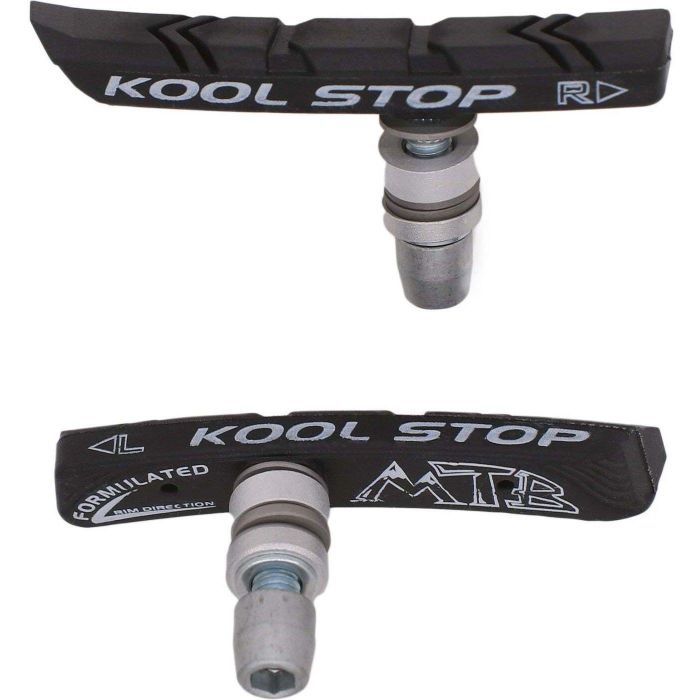
Kool-Stop Mountain Threaded Brake Pads
$18.65 - $24.99 -
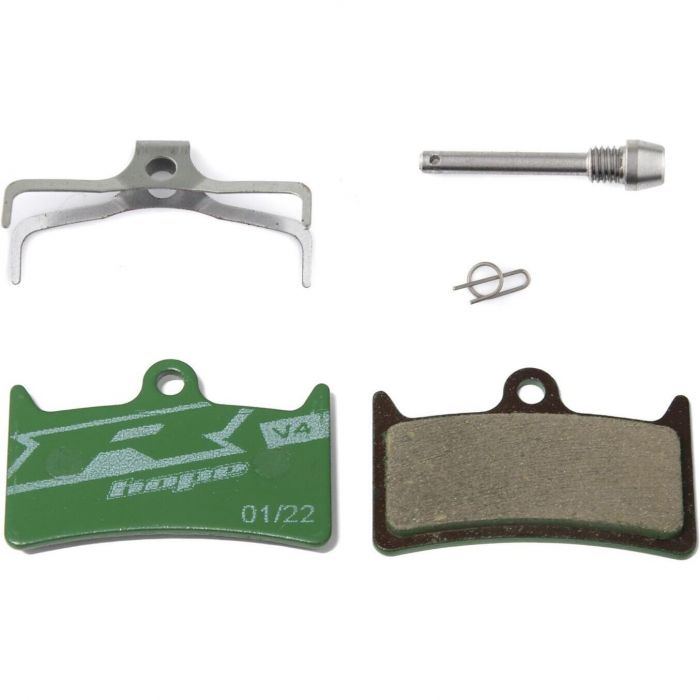
Hope V4 Brake Pads
$28.99 - $33.99 -
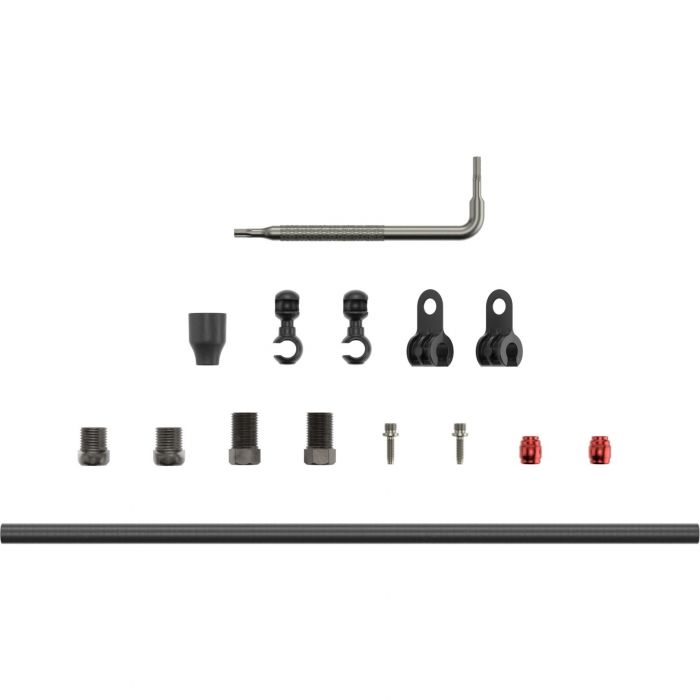
SRAM Double Compression Brake Hose Kit - 00.5318.036.000
$57.99 -
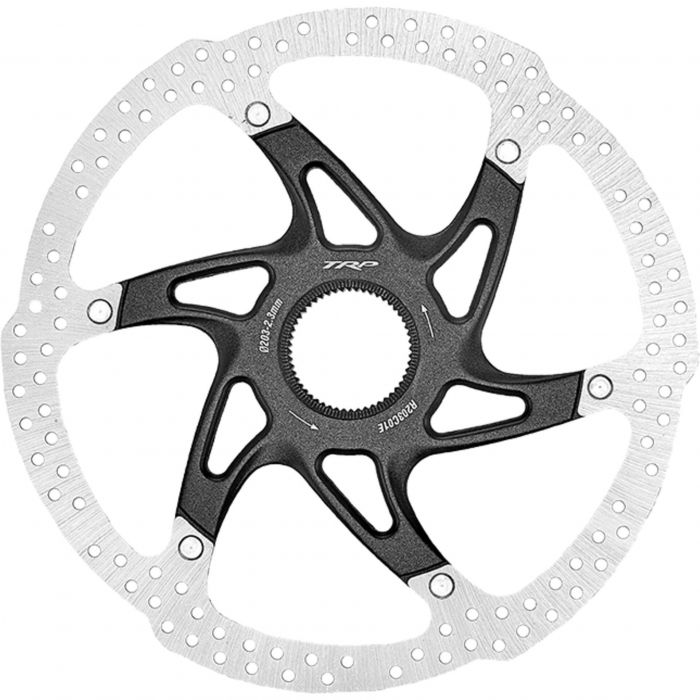
TRP RC01E Two-Piece Center Lock Disc Brake Rotor
$80.99 - $104.99 -

Shimano N-Type Metallic/Aluminum/Steel Disc Brake Pads - IBPN04CMFA
$70.99 -
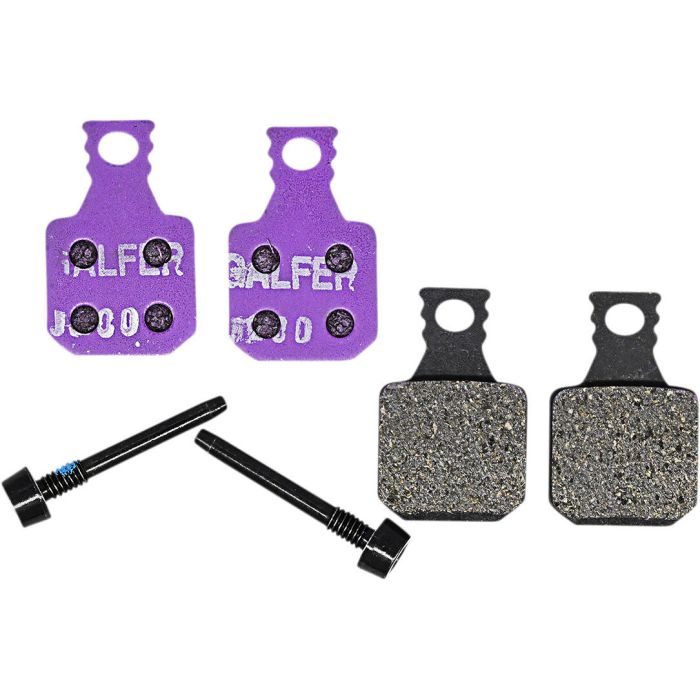
Galfer Magura MT5/MT7 Brake Pads - E-Bike Compound - BFD487G1652
$67.99 -

Shimano L-Type Resin/Aluminum Disc Brake Pads - EBPL05ARFA
$39.99 -
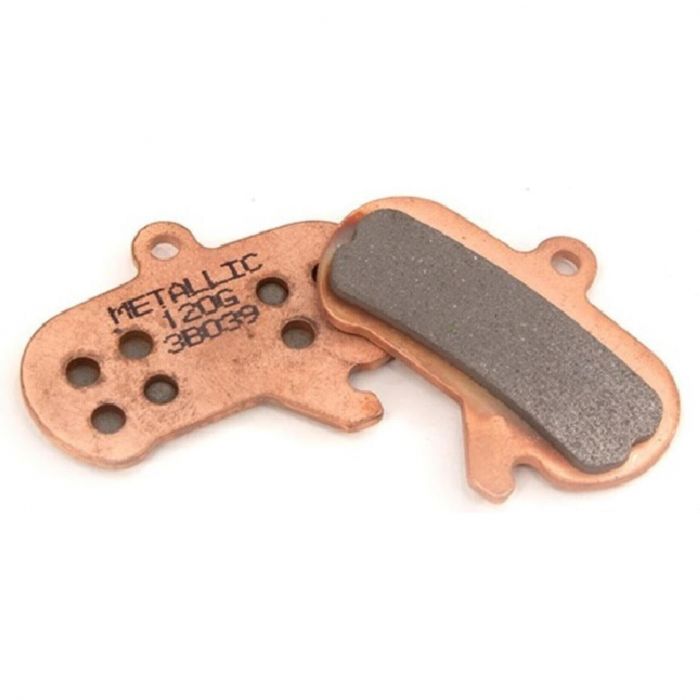
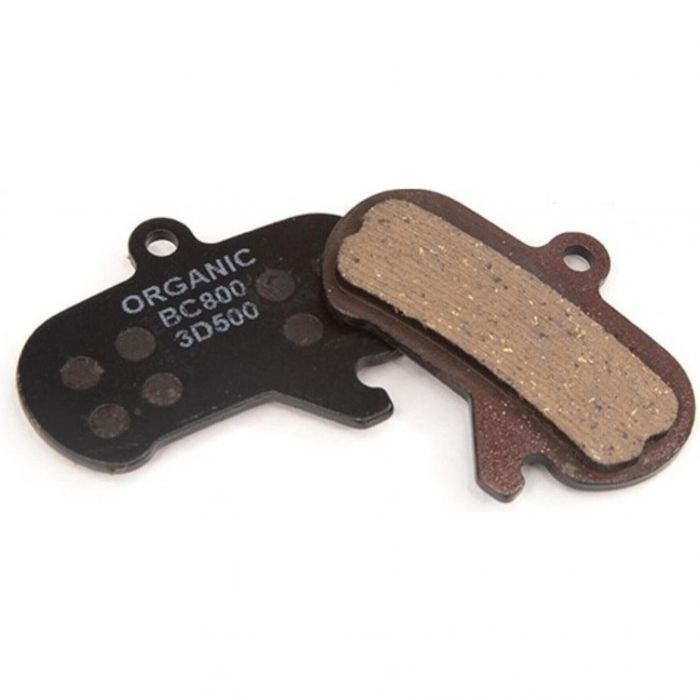
SRAM Maven XL Disc Brake Pads (20-Pack)
$399.99 -
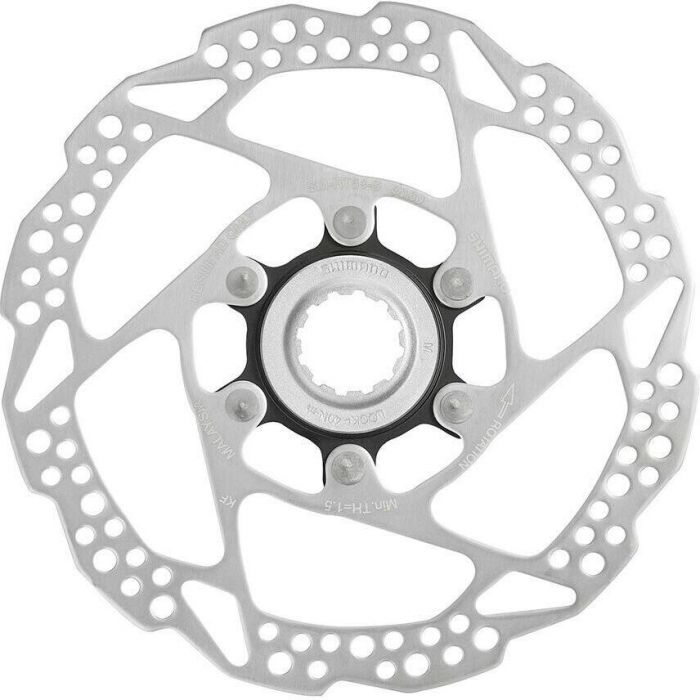
Shimano Deore SM-RT54 Disc Rotor
$24.99 - $30.99
About Brakes
Choose MTB brakes that stay consistent on steep trails, and disc brakes that feel predictable on long road and gravel descents. This guide focuses on control, fade resistance, and noise management—so you get the right braking system for the terrain without overbuying power you can’t use or “lightweight” setups that overheat.
1. Brake Types: Which to Choose for Your Terrain
| Type | Terrain or workload | Core demands | What matters most |
|---|---|---|---|
| XC and trail brakes | Rolling singletrack, lots of climbing, short descents, lighter riders | Low weight, good modulation, easy setup | Lever feel and pad control. Enough power with smaller rotors without grabbing. |
| All mountain and enduro brakes | Long descents, repeated hard braking, mixed weather | Heat management, consistent bite, serviceability | Rotor size and caliper stiffness. Power that stays the same at minute one and minute twenty. |
| Downhill and bike park brakes | Steep sustained braking, heavy impacts, high speeds, frequent pad glazing | Maximum power, maximum heat capacity, crash tolerance | Four piston calipers, large rotors, pad volume, and lever ergonomics that reduce arm pump. |
| Road and gravel disc brakes (using similar tech) | Higher speeds, long descents, tighter corner entry, wet road grit | Fine modulation, low drag feel, quiet pads, heat control | Smooth ramp up, stable bite point, rotor and pad choice that resists fade on long paved descents. |
2. Brake Safety Standards and Certifications
- ISO 4210 (bicycles) covers safety and performance testing for bicycles and components, including brake-related tests in the relevant sections. Meeting a standard means the bike passes minimum requirements under test conditions—it doesn’t guarantee ideal lever feel, quiet operation, or fade resistance on your local steep descent.
- Ebikes add load and speed. In Europe, EPAC standards like EN 15194 set safety and performance requirements for electrically assisted bikes. Even if your brakes are “good,” the full system still needs to handle higher average speeds and heavier mass.
3. Brake Features and Trade-Offs That Matter
| Feature | Benefit | Downside you pay for |
|---|---|---|
| Hydraulic vs cable actuation | More power and better modulation with less hand force | Bleeding and fluid management. Higher cost. More sensitivity to damage if neglected. |
| Hose routing and fittings | Clean routing protects hoses and improves lever consistency | Internal routing can complicate service. Damaged hoses cause spongy brakes or total failure. |
| Caliper piston count (two vs four) | Four piston gives more power and heat capacity. Two piston can be lighter and easier to modulate | Four piston can feel abrupt if setup is wrong. More pad surface can mean more noise hunting. |
| Lever ergonomics and adjustability | Proper reach and a stable bite point reduce arm pump and improve control | More adjusters can mean more maintenance and more ways to get it wrong. |
| Mount standard (post mount vs flat mount) | Correct mount keeps caliper alignment stable under load | Adapters add flex and alignment headaches. Mixing standards can become an expensive puzzle. |
| Rotor diameter | Bigger rotor increases torque and heat capacity, helps heavy riders and long descents | More weight. More chance of bending. Can overwhelm traction on loose surfaces if you over brake. |
| Rotor thickness and design | Thicker rotors and better venting resist fade and warping | Heavier. Can limit compatibility with some calipers and pads. |
| Rotor interface (six bolt vs centerlock) | Both work when installed correctly. Choose what matches your hubs and travel kit | Centerlock needs the right lockring tool. Six bolt is slower to swap and easier to strip if rushed. |
| Pad compound (resin vs metallic) | Resin is quieter and has good initial bite. Metallic resists heat and lasts longer in wet grit | Resin fades sooner under heat. Metallic is noisier, harsher on rotors, needs bed-in patience. |
4. Brake System Design Options: Quick Comparison
- Hydraulic disc brakes
- Ideal user: most MTB riders, and most road and gravel riders on discs who prioritize control and consistency.
- Strengths: high power with low effort, better modulation, better performance in wet and mud.
- Limitations: requires bleeding, fluid choice matters, neglect can turn into spongy levers at the worst moment.
- Cable actuated disc brakes
- Ideal user: budget builds, remote travel, riders who want simple field fixes.
- Strengths: easy roadside adjustment, no bleeding, cheap parts availability.
- Limitations: more hand force, more friction, more frequent tuning, easier to lose power as cables contaminate.
- Cable actuated hydraulic (hybrid calipers)
- Ideal user: drop bar conversions or travel bikes where you want some hydraulic feel with cable levers.
- Strengths: better modulation than pure mechanical, simpler than full hydraulic systems.
- Limitations: still has hydraulic parts to service, still not as consistent as a full hydraulic system when heat builds.
5. Brake Fit, Sizing, and Compatibility
- Lever fit is control. If you can’t comfortably brake with one finger without death-gripping the bar, you’ll fatigue sooner and make worse decisions. Set reach so your finger lands on the hook of the lever blade, not the tip.
- Rotor size must match rider mass and descent length. If you’re heavier, ride an ebike, tow a trailer, or ride long descents, prioritize heat capacity (larger rotors, appropriate pads). Small rotors can feel fine—until they suddenly don’t.
- Match mounts and adapters to the frame and fork. Post mount and flat mount aren’t interchangeable without the correct adapters, and cheap adapters add flex. Flex can feel like a spongy lever even when the bleed is perfect.
- Road compatibility is mostly about levers. Drop bar bikes often use integrated brake-and-shift levers. Calipers, hose fittings, and fluid type must match the lever system.
- Wheel and hub interface matters. Six bolt and centerlock rotors don’t swap without the correct hubs or adapters. Plan this before you buy rotors in three different standards.
- Environment changes everything. Mud and grit eat pads. Wet roads add abrasive paste. Cold can slow fluid response. Dust contaminates pads faster. Choose pads based on where you ride.
6. Brake Care and Maintenance Basics
- Bed-in pads and rotors properly. Half-bedded brakes feel weak, then glaze, then squeal forever.
- Replace pads before they hit the backing plate. That’s how you ruin rotors and lose braking right when you need it.
- Check rotor thickness and straightness. Thin rotors overheat faster and warp more easily. A slightly bent rotor becomes constant rub that cooks pads.
- Keep rotors and pads away from oils and sprays. One careless chain lube blast can turn your brakes into a noise machine with half the power.
- Bleed when lever feel changes, not on a calendar. Spongy lever, wandering bite point, or inconsistent power under heat are the signals.